 WhatsApp
 Emergency:
  WhatsApp









Subscribe to our
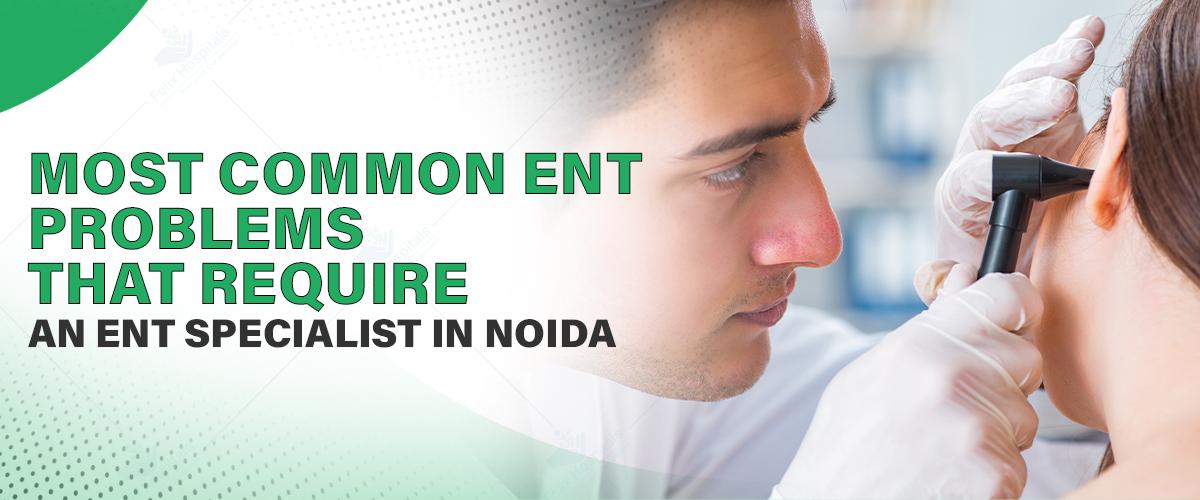
Ear, nose, and throat (ENT) disorders are more prevalent than many individuals realize. A mild irritation, such as a sore throat, plugged ear, or nasal congestion, can worsen quickly if not addressed timely. ENT disorders, encompassing infections, allergies, and anatomical anomalies, can impact individuals across all age groups.
Identifying the etiology and initial manifestations of ENT disorders is essential. Prompt awareness aids in averting problems and facilitates swifter, more efficient treatment. Recognizing the appropriate time to seek a specialist's consultation can significantly impact the management of persistent ear pain, recurrent sinus infections, alterations in voice, or respiratory challenges. The blog post discusses an overview of prevalent ENT conditions and provides advice with the help of the best ENT hospital in Noida on when to seek professional care for optimal well-being.
If you are experiencing any issue concerning ENT, just dial +91 9667064100.
Here are the common ENT issues that require the expertise of an ENT specialist:
What is it?
An ear infection occurs when bacteria or viruses cause inflammation in the middle ear. Pain and suffering occur when fluid builds up behind the eardrum. It can affect people of any age, but it is more common in kids.
Causes:
Blockage of the Eustachian tube
Allergies, sinusitis, or contact with irritants like smoke
Symptoms:
Acute or persistent ear pain
Feeling of fullness or pressure in the ear
Fever (especially in pediatric patients)
Temporary hearing loss
Otorrhea (fluid or pus-filled discharge)
Troubled sleeping in children
What is it?
Sinusitis refers to inflammation of tissues lining the sinuses. Sinuses are air-filled spaces in the skull that produce mucus. It can be categorized as acute (short-term) or chronic (lasting 12 weeks or longer).
Causes:
Viral infections such as common cold
Nasal polyps
Deviated nasal symptom
Exposure to pollutants, fungus, or changing air pressure
Symptoms:
Blocked or congested nose
Facial pressure
Thick yellow or green mucus discharge from the nose
Impaired sense of smell or taste
Tiredness, bad breath, and coughing at night
Morning headache
What is it?
Tonsillitis is the inflammation of the tonsils. Tonsils are two lymph nodes located at the back of the throat. It can be caused by viruses or bacteria and is most common in kids and teens.
Causes:
Bacteria called Streptococcus
Viruses that affect the respiratory system, such as adenovirus and influenza
Poor sanitation
Close contact with sick people
Symptoms:
Dysphagia
Red and swollen throat with or without pus-filled exudates
Enlarged tonsils
Fever and chills
Enlarged Cervical lymph nodes
Hoarseness, bad breath, or ear pain
What is it?
Hearing loss is a partial or total inability to hear in one or both ears. It might develop slowly or suddenly, and it can have a big effect on communication and quality of life.
Causes:
Age-related hearing loss
Long-term exposure to high noise levels
Relapse of middle ear infections
Buildup of earwax
Injury or impairment of the inner ear
Symptoms:
Difficulties in understanding speech, especially in noisy settings
Hearing problems or distorted sounds
Tinnitus is when you hear ringing or buzzing in your ears.
What is it?
Sleep apnea is a long-term condition in which breathing repeatedly stops and starts constantly as you sleep. Obstructive Sleep Apnea (OSA), the most common type, occurs when the throat muscles intermittently relax and block the airway.
Causes:
Being overweight
Enlarged tonsils or adenoids
Nasal blockages (such as deviated septum)
Age, alcohol consumption, or genetic variables
Symptoms:
Snoring that won't stop and is quite loud
Apneas that happen while you sleep (people often see them)
Gasping or choking at night
Morning headaches
Dry mouth
Excessive daytime sleepiness
Problems with staying focused
Many problems with the ears, nose, and throat (ENT) may seem minor at first, but you should not ignore symptoms that persist for a long time or recur. Getting competent help on time can greatly reduce problems and speed up healing.
If you experience any of the following, see an ENT expert:
Persistent ear pain, hearing loss.
Recurrent ear infections.
Nasal obstruction, sinus discomfort, or facial pressure lasting more than 10 days.
Noticeable changes in vocal quality.
Snoring, trouble sleeping, or episodes of apnea at night.
Tinnitus or problems with balance.
Unusual lumps, sores, or bleeding in the mouth, nose, or throat.
Don't let these symptoms affect the quality of your life. Early diagnosis and treatment are essential for a healthy life. Felix Hospital is known as the best ENT hospital in Noida. It has highly trained professionals who provide thorough and compassionate care for all ENT problems. They use the latest technology and personalized treatment plans to get the best results for their patients.
Never put your health at risk, especially when it comes to ENT problems, as they can impact your overall wellness. If you don't deal with a small inconvenience right away, it could turn into a big problem. At Felix Hospitals, you can easily find the nearest ENT specialist in Noida dedicated to improving your respiratory function, hearing clarity, and overall health. Our specialist care, advanced technology, and experienced team ensure effective and affordable ENT treatment in Noida.
Ans: Warning signs are severe headache, stiff neck, fever, confusion, seizure, and photophobia. These can be signs of a life-threatening complication such as meningitis or brain abscess. See emergency medical services as soon as possible if you observe these signs.
Ans: Felix Hospital has highly skilled ENT experts who can handle all kinds of otolaryngological problems.
Ans: The ear and throat are linked; therefore, ear issues will result in a sore throat. An otolaryngologist will be required to look for chronic issues.
Ans: An upper respiratory tract infection, commonly referred to as a common cold, causes sore throat, congestion, and sneezing. Persistent symptoms demand otolaryngological care.
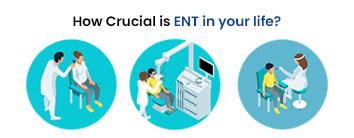
ENT health is essential for proper breathing, hearing, speech, and balance. Early detection and expert care ensure a better quality of life and prevent chronic complications.
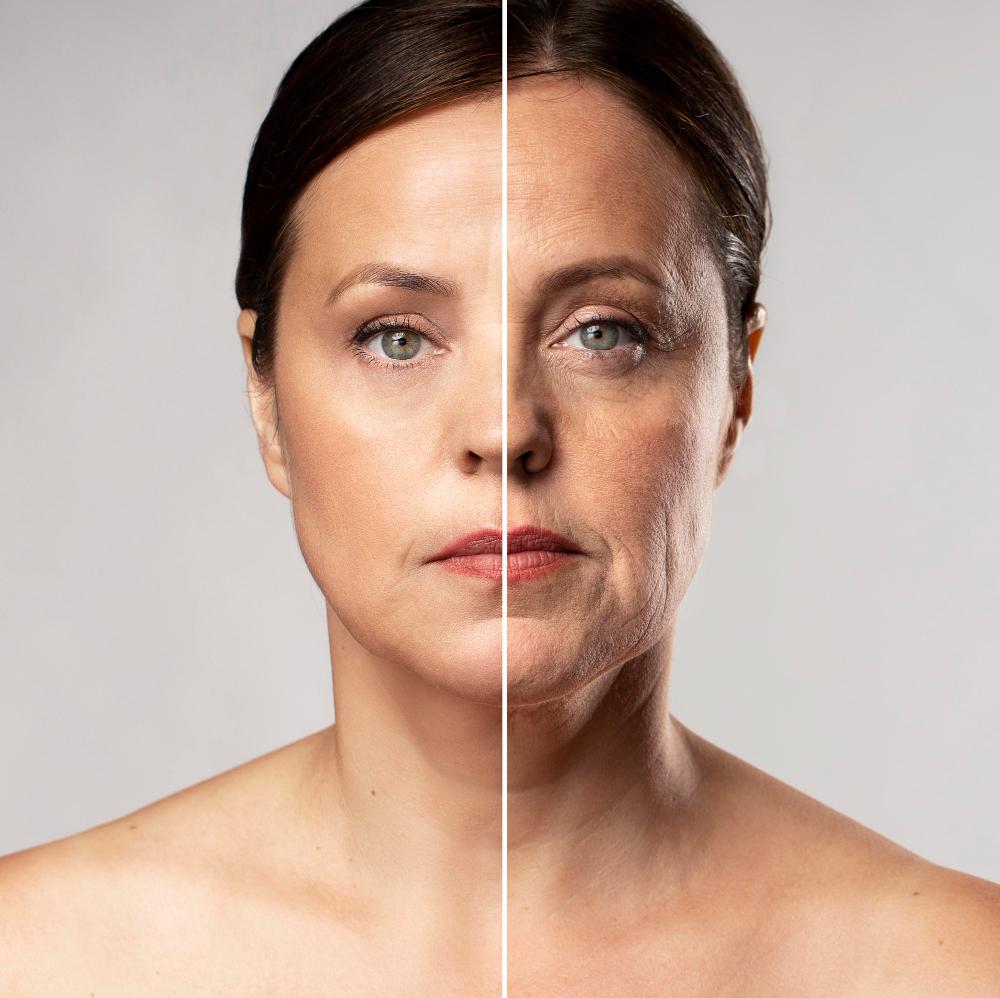
Certain skin disorders aren’t preventable, including genetic conditions and some skin problems due to other illnesses.
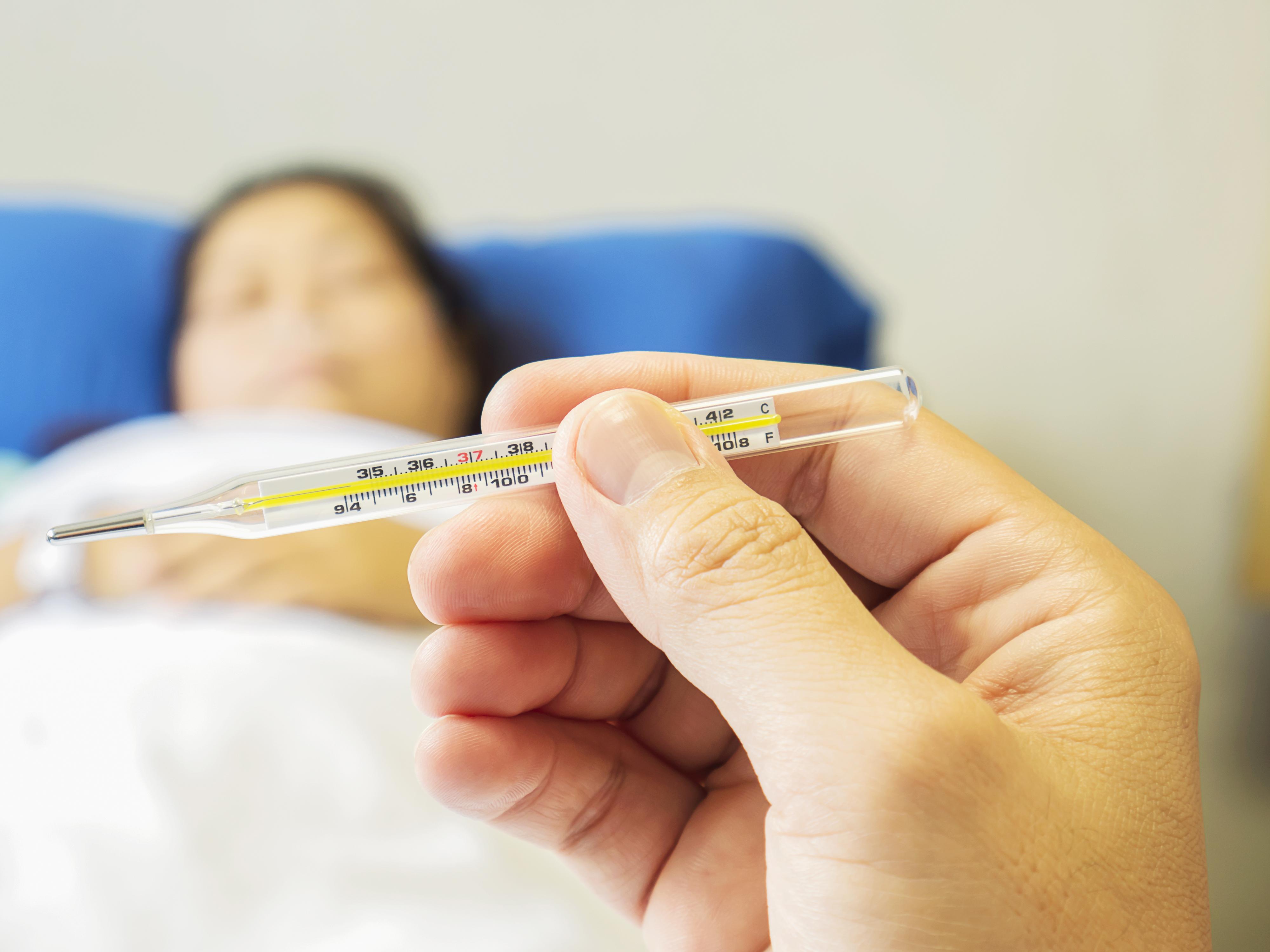
Neglected tropical diseases (NTD) will be eradicated from the root only through awareness. But this is possible only when people are aware of the illnesses and get treatment by reaching the hospital on time.
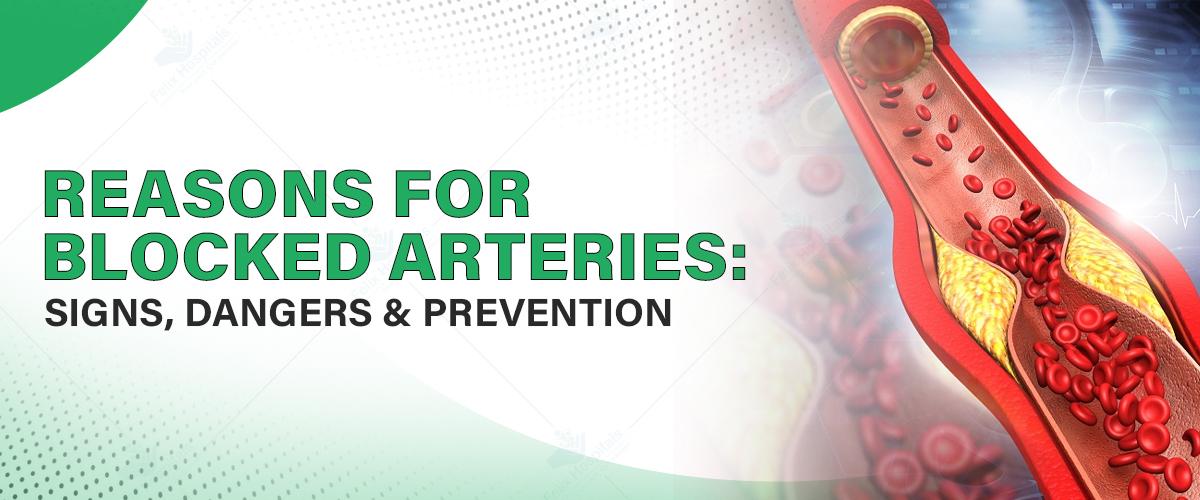
Often referred to as arterial blockages, these obstructions pose a silent threat, potentially leading to illnesses such as heart attacks, strokes, and peripheral artery disease. The accumulation of plaque—a mix of fat, cholesterol, and other compounds—within the artery walls usually causes these obstructions to evolve over time. Many people, sadly, still lack awareness of the warning signals until it is too late. Protecting your heart and general health can be much improved by knowing the causes, identifying early symptoms, and acting preventatively. This blog post looks at the causes of clogged arteries, their possible risks, and how you might avoid them by acting early on.
Early detection and timely treatment from the best heart hospital in Greater Noida can lead to better recovery and improved heart health.
Are you experiencing alarming heart symptoms? We encourage you to book your heart scan today with the best cardiologists in Greater Noida. Dial now at +91 9667064100.
A blocked artery develops when plaque builds up on the walls of the artery and stops blood from flowing through it. Cholesterol, fat, calcium, and other things in the blood make up this plaque.
When this clogging takes place in the arteries that bring blood to the heart (coronary arteries), coronary artery disease can be the consequence, which significantly increases the risk of stroke or heart attack.
Usually, artery blockages don't exhibit any signs until they get very thin or completely blocked. If symptoms do show up, they might be:
Angina, or chest pain and pressure
Shortness of breath
Dizziness or fatigue
Nausea or sweating
Heart palpitations
Weakness in legs or arms
In certain cases, a heart attack may be the primary sign, necessitating early identification like early diagnosis and regular check-ups.
The most frequent cause of an artery blockage is atherosclerosis—a buildup of plaque on the inside wall of the arteries. Over time, it hardens and narrows the arteries, which makes it harder for blood to circulate.
Atherosclerosis is caused by several risk factors:
High levels of cholesterol
Elevated blood pressure
Smoking
Diabetes
Inactivity
Poor diet
Genetic inheritance
Over time, less blood flow might cause significant problems, including a heart attack or stroke. That's why making changes to your lifestyle, getting frequent checkups, and treating problems early are all important for keeping arteries clear.
Understanding the distinction between angina and a heart attack can be life-saving.
Usually happens when you are stressed out or doing something physical
Gets better with rest or medicine
Shows that blood flow to the heart is less, but not completely blocked
Can happen even while you're not moving
Rest does not make pain go away.
Often occurs with sweating, feeling sick, and discomfort that spreads to the arm, jaw, or back.
Signals a complete or severe blockage, and needs immediate medical attention.
Seek emergency attention immediately if you feel persistent chest pain that does not subside with rest. You could save your life by acting quickly.
Maintaining health and significantly preventing arterial blockage are primarily dependent on lifestyle choices. You can significantly diminish your risk by:
Eating a heart-healthy diet: Focusing on fruits, vegetables, whole grains, and lean proteins.
Exercising regularly: Aiming for at least 30 minutes of moderate activity most days of the week.
Managing stress: Practicing techniques such as yoga, meditation, or hobbies to reduce tension.
Controlling blood pressure and cholesterol: Maintaining optimal levels with medication and lifestyle changes.
Quitting smoking: Smoking damages blood vessels and accelerates plaque buildup, increasing the risk of blockages.
Early prevention and routine check-ups can reduce your risk significantly.
If you’re experiencing symptoms of a blocked artery, your doctor may recommend several diagnostic tests:
Echocardiogram: Uses sound waves to create real-time images of your heart’s functioning
CT Angiography (CTA): Provides a detailed imaging scan of the blood vessels.
Magnetic Resonance Angiography (MRA): Offers a non-invasive way to visualize arteries.
Intravascular Ultrasound: Provides high-resolution images of blood vessels from inside.
Heart Scan: A calcium scoring test to detect plaque buildup early.
Timely diagnosis is crucial. Timely detection of arterial obstructions facilitates timely intervention, thereby mitigating the risk of severe consequences such as myocardial infarctions or cerebrovascular accidents.
The therapeutic strategy is contingent upon the degree of obstruction and the patient's general health status. Prevalent therapeutic alternatives encompass:
1. Lifestyle Adjustments
This represents the primary line of defence in the management of obstructed arteries. It comprises:
Adopting a cardioprotective diet
Engaging in frequent physical activity
Effectively managing stress
Ceasing tobacco use
These modifications mitigate plaque accumulation and diminish the likelihood of problems.
2. Pharmaceuticals
Physicians may prescribe pharmaceuticals to:
Reduce cholesterol levels
Manage hypertension
Inhibit thrombus formation (e.g., anticoagulants or antiplatelet agents)
Pharmaceuticals can enhance circulation and diminish the likelihood of myocardial infarction or cerebrovascular accident.
3. Angioplasty and Stenting
A method characterized by minimal invasiveness, in which:
A diminutive balloon is introduced and inflated to expand the constricted artery.
A stent, a tiny wire mesh tube, is then inserted to maintain arterial patency.
This facilitates the restoration of normal blood circulation without necessitating open surgery.
Prompt diagnosis and intervention can preserve lives, mitigate problems, and markedly enhance quality of life. Consistently seek the counsel of your cardiologist to ascertain the most appropriate treatment tailored to your particular problem.
Your physician will develop a customized treatment plan to restore normal blood circulation. The best Heart hospital in Greater Noida offers specialized cardiac care at an affordable price.
Take charge of your heart health. Schedule an appointment for a preventive checkup at Greater Noida's best hospital and lower the risk of heart disease. Get heart care at the best hospital for a reasonable cost.
Blocked arteries are a severe threat to heart health that you can't see. Ignoring early warning signs can have deadly effects, even if the symptoms aren't always clear. The good news is that blocked arteries can be treated well with early diagnosis, lifestyle adjustments, and the right therapy.
If you feel chest pain, have trouble breathing, or any other warning signals, don't wait. Visit a cardiologist at the best hospital in Greater Noida and take precautions to protect your heart.
Your health is your most valuable asset, so make it a priority today.
Q: Can blocked arteries be reversed naturally?
Ans: Although total reversal of occluded arteries is not common, some lifestyle modifications can go a long way in maintaining healthy heart function. Regular diet, adequate exercise, no smoking, and stress control can retard the development of plaque.
Q: Are blocked arteries always painful?
Ans: No, blocked arteries do not affect most individuals unless the blockage is significant. Because of this, blocked arteries are sometimes referred to as a "silent threat." Pain or discomfort does not arise until blood flow is severely compromised, and these factors can cause angina or, worse, a heart attack.
Q: How is artery hardening different from artery blockage?
Ans: Arteriosclerosis is the hardening and thickening of blood vessel walls. Clogging of an artery, or atherosclerosis, is the accumulation of plaque that narrows or clogs the artery and reduces blood flow.
Q: How much narrowing of an artery is hazardous?
Ans: A blockage of 50% or more can start to disrupt blood flow, but 70% or more is frequently harmful and causes symptoms like chest pain or shortness of breath, which need medical attention.
Q: Do women have different symptoms of clogged arteries than men?
Ans: Yes, women often experience less obvious symptoms like tiredness, nausea, or discomfort in the neck and jaw, while men usually feel pressure in their chest. This means that ladies need to get checked out early.
Q: Can stress make arteries block?
Ans: Chronic stress elevates hormones that make the heart rate and blood pressure go up. Over time, this can hurt the walls of arteries and make plaque build up.
Q: How often do I need to obtain a test for clogged arteries?
Ans: Adults over 35 who have risk factors including high blood pressure or diabetes should get screening tests every 1–2 years, as their doctor says.
Q: Do young adults ever have blocked arteries?
Ans: Yes, individuals in their 20s or 30s can have blocked arteries, especially if they smoke, don't exercise, are overweight, or have a family history of heart disease.
Q: Is angioplasty a permanent fix for arteries that are too narrow?
Ans: Angioplasty opens up clogged arteries and puts in stents, but it doesn't fix the problem. To stop new blockages from developing, it's important to adjust your lifestyle and keep getting checkups.
Dr. Rahul Arora is an experienced Interventional Cardiologist with 21+ years of expertise in advanced cardiac care, specializing in personalized, evidence-based treatment for heart diseases and improved patient outcomes.
The primary goal of the Treadmill Stress Test is to evaluate how well the heart responds to increased physical activity

Over time, this restricted blood flow can lead to serious issues like coronary artery disease, heart attack, or heart failure.
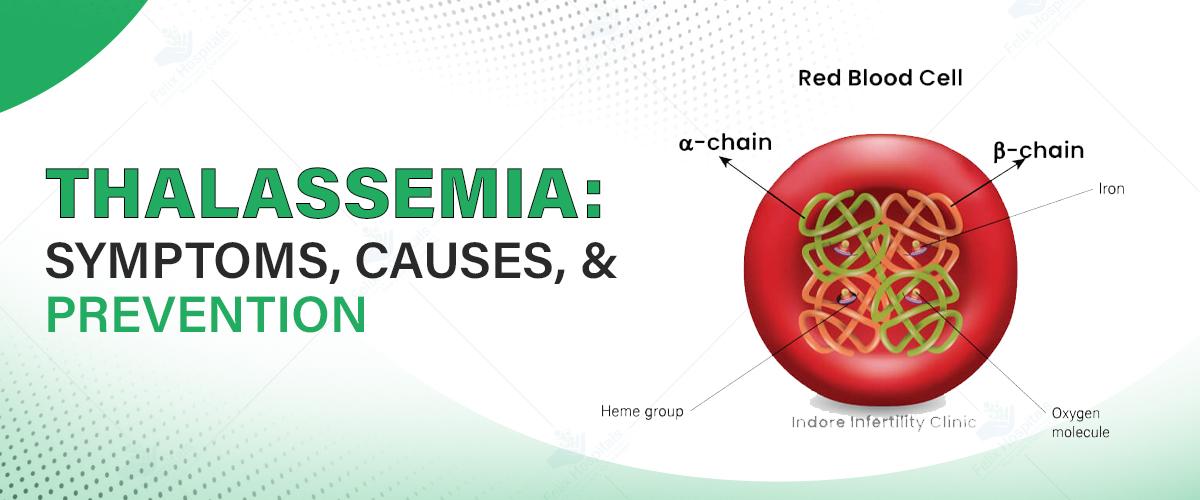
Thalassemia is a genetic condition that interferes with your body's ability to produce hemoglobin and healthy red blood cells. Hemoglobin is the protein found in red blood cells that carries oxygen throughout your body. If your body fails to produce enough quantities of hemoglobin, you may end up with the symptoms of anemia—a situation where your body lacks adequate oxygen to function efficiently.
It is necessary to be aware of thalassemia, its categories, symptoms, and treatment to manage the disease effectively. In case you find any such symptoms, it is necessary to consult the best thalassemia treatment hospital in Noida for the right diagnosis and treatment in advance.
Don't wait to take care. Call Felix Hospitals, Noida's best hospital, at +91 9667064100 to make your appointment today.
Thalassemia is an inherited blood disorder caused by defective genes from either or both of the parents. These faulty genes affect the production of hemoglobin in your body. Hemoglobin is the protein in red blood cells that carries oxygen. Without adequate healthy hemoglobin, your body produces fewer and weaker red blood cells, leading to anemia.
There are two general forms of thalassemia:
Alpha thalassemia
Beta thalassemia
Both impact different protein chains of the hemoglobin molecule. The severity of thalassemia varies depending on how many defective genes have been inherited.
The symptoms of thalassemia depend upon the severity of the condition. These include:
Weakness and tiredness
Pale or yellow color of the skin (jaundice)
Dark coloured urine
Retarded growth in children
Bone deformities
Enlarged spleen
Shortness of breath
In severe cases, symptoms become evident within the first two years of life.
Thalassemia occurs more frequently in individuals whose ancestry can be traced back to Africa, Southern Europe, the Middle East, India, and Southeast Asia. Being hereditary, thalassemia is passed down from parent to offspring through genes.
If you have a family history or fall into these high-risk groups, get genetic testing—most importantly, before planning a child.
Physicians usually diagnose thalassemia by a battery of blood tests, including:
Complete Blood Count (CBC)
Hemoglobin electrophoresis (to detect abnormal hemoglobin)
Genetic testing (to identify defective genes)
Iron studies (to exclude iron-deficiency anemia)
Early detection will avert complications. Contact the top hospital in Noida if you or your child are presenting symptoms of chronic anemia.
Although no single cure exists for all thalassemia, there are several treatments that help manage the symptoms and enhance the quality of life:
Blood Transfusions—Repeated transfusions improve red blood cell count to normal in severe situations.
Iron Chelation Therapy—The therapy helps in avoiding damage from iron overload due to repeated transfusions.
Folic Acid Supplements—These supplements assist in usual red blood cell formation.
Bone Marrow or Stem Cell Transplant: The only viable treatment is a bone marrow or stem cell transplant, which works best with a compatible donor.
These cutting-edge therapies are available at the best hospital in Noida, under the guidance of world-class hematologists and oncologists.
Poorly treated or untreated thalassemia may result in:
Iron overload, which can damage the heart, liver, and endocrine glands.
Bone deformities and fractures.
Frequent infections due to decreased immunity.
Delayed puberty and growth in children and adolescents.
Prevention by frequent checkups and follow-up at the best oncology hospital in Noida are essential to control these complications.
Take charge of your health—Felix Hospitals, the best hospital in Noida, is here to take care of you every step of the way.
Thalassemia, being a permanent illness, can be well taken care of with early detection and proper treatment protocol. If you have mild symptoms or have to undergo transfusions constantly, awareness and initiative can do wonders. If you or a family member has anemia or thalassemia, act fast. The expert team at Noida's top hospital, Felix Hospitals, has advanced diagnostic equipment and treatment techniques to enable you to live a healthy, active life. Take care of your health—your journey towards better health begins at Felix Hospitals.
Q: Can someone with thalassemia lead a normal life?
Ans: Yes, with proper care and treatment, most patients with thalassemia can have normal and active lives. Follow-up and lifestyle change are required for prevention of complications and management of symptoms.
Q: Is thalassemia infectious or transmissible by blood transfusions?
Ans: Thalassemia is not contagious and cannot be spread by transfusion.
Q: Does thalassemia influence fertility or pregnancy?
Ans: Yes, thalassemia may actually affect pregnancy and fertility in their extreme forms. Such patients need to visit a specialist for planning pregnancy and antenatal care. Felix Hospital is proficient in providing genetic counselling for such needs.
Q: How is thalassemia different from iron-deficiency anemia?
Ans: Although both are responsible for low hemoglobin, thalassemia is hereditary, while iron-deficiency anemia is normally the result of inadequate diet or blood loss. Thalassemia becomes worse as a result of unnecessary iron supplements; hence, diagnosis is required.
Q: Can diet or lifestyle modification help with thalassemia symptoms?
Ans: While changes in lifestyle will not cure thalassemia, a well-balanced diet containing plenty of folic acid, exercise, and staying away from iron supplements (except on prescription) can improve overall health and energy.
Blood cancer affects the production and function of blood cells. Early detection, accurate diagnosis, and advanced treatments significantly improve survival rates and patient outcomes in Noida and beyond.
Recognize the early warning signs of cervical cancer. Learn about its symptoms, causes, and when to consult a gynecologist for timely diagnosis and treatment.
Prostate cancer is a type of cancer that occurs in the prostate gland, a small walnut-shaped gland responsible for producing seminal fluid, which nourishes and transports sperm.
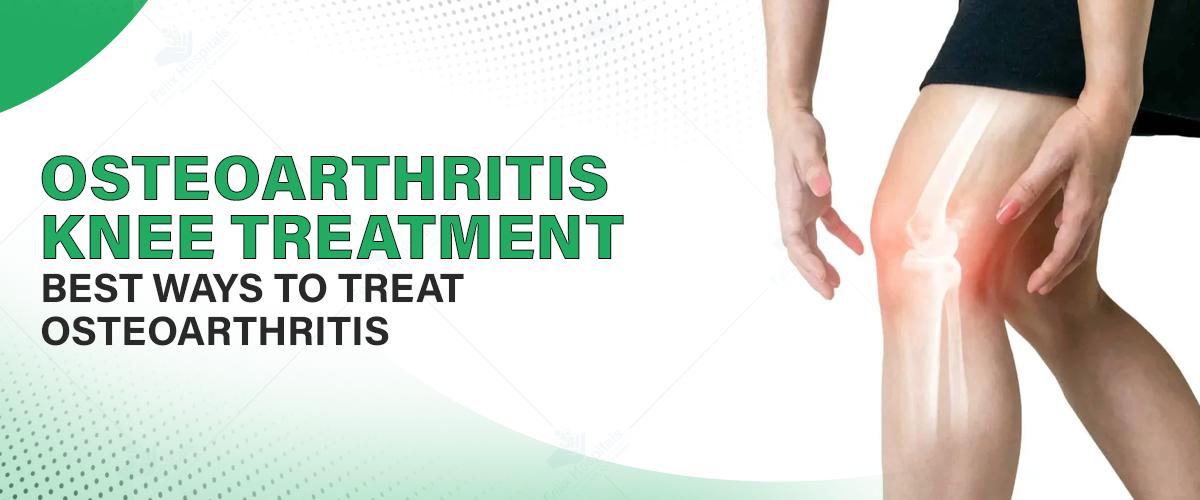
Knee osteoarthritis (OA) is a disease of aversion joints involving pain, stiffness, and limited joint mobility caused by progressive cartilage loss. As the cartilage is lost, bones within the knee joint start rubbing against one another, causing inflammation and pain. Osteoarthritis itself is a chronic affliction with no permanent cure, but there are many useful treatments to maintain its symptoms in check and enhance quality of life.
If you have pain and stiffness in your knee, understanding the most effective treatment can have you on the path to recovery again. Here is a comprehensive osteoarthritis knee treatment guide, thanks to Noida's top orthopedic hospital.
As the condition advances, it can greatly affect your routine activities. Contact us today at +91 9667064100.
Knee osteoarthritis is a degenerative type of arthritis that develops because of the wearing away of the cushioning cartilage between your bones over time. Osteoarthritis results in:
Pain in the joint on movement or even at rest.
Swelling across the knee.
Morning stiffness or stiffness after sitting.
Clicking or grinding feeling.
Instability or feeling that the knee will buckle.
Knee is also the most frequently involved joint because it undergoes stress with day-to-day activities such as walking, going up or down the stairs, and prolonged standing.
Osteoarthritis of the knee is a progressive process and can be divided into four stages:
Stage 1 (Minor): Very minimal wear and tear with minimal or no pain.
Stage 2 (Mild): Painful but only after doing an activity, but the cartilage remains intact.
Stage 3 (Moderate): Pain increases, with reduced cartilage and joint space.
Stage 4 (Severe): Extensive pain and stiffness, since cartilage is nearly entirely lost and bones are rubbing against each other.
Early detection in the best Orthopedics hospital in Noida slows down the progress and manages symptoms better.
Aging is the most common reason, but contributing factors include:
Obesity, which imposes additional load on the knee joint
Previous injury to the knee
Repetitive occupational or sporting stress
Genetic susceptibility
Bone deformities such as bow legs or knock knees
The main symptoms are:
Chronic knee pain
Swelling and redness
Reduced range of movement
Catching or locking in the joint
Cracking or grinding sounds
Knee osteoarthritis is diagnosed at the best Noida hospital through:
Physical examination: To assess swelling, tenderness, and joint motion
X-rays: To quantify narrowing of joint space, spurs, or loss of cartilage
MRI/CT scans: Special studies might be employed to assess soft tissues and subtle alterations in cartilage in some cases
Proper diagnosis guarantees a more individualized and effective treatment regimen.
Treatment of knee OA is focused on alleviating symptoms, enhancing joint function, and postponing surgery. Treatment, depending on the stage of arthritis, can be:
1. Lifestyle Changes
Weight control: Weight loss reduces joint stress
Low-impact activities: Walking, cycling, or swimming improves joint mobility
Activity modification: Avoidance of excessive standing or high-impact activity
2. Drugs
Analgesics: Acetaminophen or NSAIDs for pain and inflammation
Topical creams: Local application of anti-inflammatory gels
Always consult your doctor before using any drug.
3. Physical Therapy
Specialized physiotherapy helps:
Muscle strengthening around the knee
Enhancing mobility of joints
Reducing stiffness
Regular trips to Noida's best hospital can be a game-changer for everyday ease and joint mobility.
4. Shots
When medication and therapy are insufficient, the below shots can be beneficial:
Corticosteroids: Lower inflammation and ease pain temporarily
Viscosupplementation: Injected jelly-like substances into the joint for enhanced lubrication
Platelet-Rich Plasma (PRP): Utilizes growth factors in your own blood to encourage healing
5. Aids
Knee braces: Offer support and take pressure off
Orthopedic shoe or inserts: Enhance alignment and minimize joint stress
Walking aids: Walker or cane will assist with stability and mobility
If conservative management is no longer possible, surgical management could be necessary. The common surgical management involves:
Cartilage Restoration Surgery: Suitable for young patients who have localized cartilage loss.
Osteotomy: Corrective bone surgery that relieves pressure from the painful part of the knee.
Partial Knee Replacement: Only the painful part of the knee is being replaced.
Total Knee Replacement (TKR): Whole knee joint replaced with an artificial prosthesis, usually done in extreme cases.
Surgery is done with the utmost care and perfection in the finest Noida hospital to make the recovery earlier and the effects longer.
While you can't always avoid knee osteoarthritis, particularly because of age or genetics, you can limit your chances by:
Keeping weight in check.
Regular exercise with low-impact exercise.
Prevention of knee injuries through the right footwear and activity technique.
Muscle strengthening around the region of the knee to offer the joint added support.
Preventive treatment and timely intervention can go a long way in postponing or reducing symptoms.
Take charge of your joint health today—visit the best hospital in Noida and start your journey towards improved mobility.
Osteoarthritis of the knee does not need to dominate your life. With prompt diagnosis and inclusive treatment plan, you can retain mobility and reduce pain. From life-style changes and medications to sophisticated surgery, successful solutions are within reach at each stage of the disease.
If chronic knee stiffness or pain persists, visit the top orthopedic surgeon in Noida to discuss customized treatment. Early osteoarthritis treatment will enable you to remain active, independent, and pain-free for many years to come.
Q: Is early-stage osteoarthritis of the knee diagnosable even if one feels little pain?
Ans: Yes, early-stage osteoarthritis can be diagnosed by imaging tests such as X-rays or MRI even when pain is mild or uncommon. You must get yourself checked for prevention by visiting Noida's best-class hospital if you are at risk—e.g., suffered from a knee injury in the past, are obese, or have family history.
Q: What is viscosupplementation versus PRP injection for knee OA?
Ans: Viscosupplementation is an injection of hyaluronic acid into the knee for increased joint lubrication and lower friction, whereas PRP (Platelet-Rich Plasma) involves the use of concentrated platelets from your own blood to stimulate repair of tissues and reduction of inflammation. Both treatments can be done at specialized orthopedic facilities and can be prescribed depending on your degree of OA and reaction to other treatment.
Q: How can I assure myself whether I would need just physical therapy or surgery for the osteoarthritis of my knee?
Ans: If the pain and stiffness also become better with injections, therapy, and medication, surgery may not be necessary. But if these actions do not alleviate or one finds basic activities difficult to do, surgical alternatives like total knee replacement become feasible. A check-up at the best hospital in Noida can determine the best time.
Q: Does knee osteoarthritis always affect both knees at the same time?
Ans: Not necessarily. Even though bilateral OA (in both knees) is frequent, most patients initially acquire symptoms in one knee, particularly if it has been previously overused or hurt. Treated early on the affected side, this decreases the chance of the opposite knee developing OA.
Q: Are there certain exercises that I should not do if I have osteoarthritis of the knee?
Ans: Yes, actions such as running, jumping, or squatting heavily may contribute additional to wear and tear on cartilage. Best is doing low-impact exercise like swimming, soft-surface walking, or the elliptical trainer machine. Your joint-friendly training can be dictated by your physiotherapist in the leading hospital of Noida.
Q: Does knee brace indeed postpone surgery among patients suffering from osteoarthritis?
Ans: Generally, yes. A well-fitting knee brace will stabilize, correct alignment, and reduce pain, particularly with activity. Although it will not reverse cartilage loss, it will extend the duration of joint function and delay surgery in early to moderate OA.
Q: How long is the recovery time after total knee replacement for advanced osteoarthritis?
Ans: Recovery varies, but most patients walk with assistance within a day or two. Full recovery, such as rehabilitation and return to original activity, usually takes 6 to 12 weeks. Cutting-edge surgical care and rehabilitation at the best hospital in Noida can accelerate healing and improve long-term outcomes.

Learn the causes, symptoms, and treatments of hip osteoarthritis for better joint health.

Knock knees, medically known as genu valgum, is a common condition in young children where the knees angle inward and touch one another when the legs are straightened.
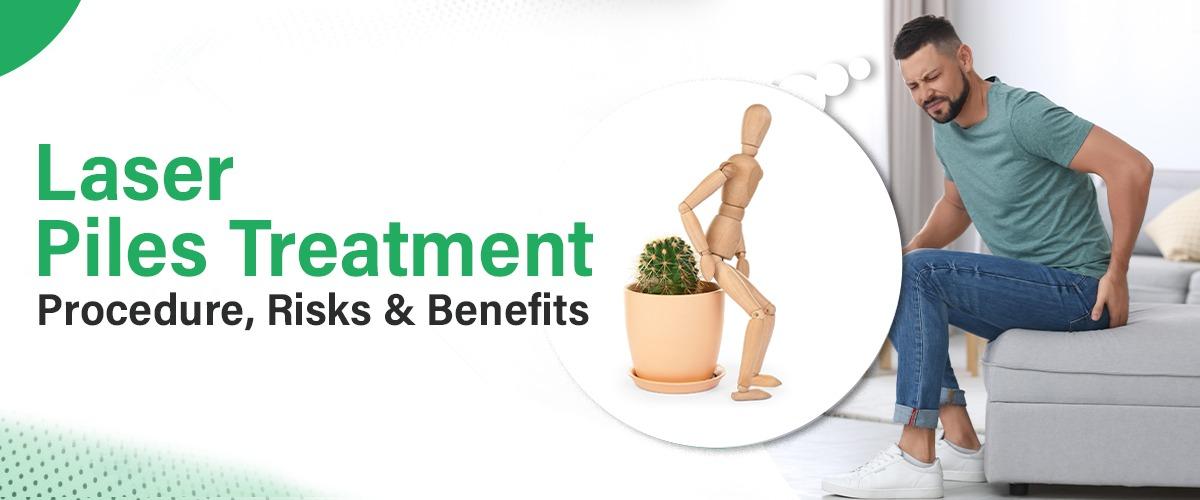
Hemorrhoids, sometimes called piles, are swollen veins in the lower rectum or anus that can cause pain, itching, and sometimes bleeding. Piles often occur because of constipation, sitting for long periods, or straining while going to the bathroom.
Dietary changes and medications can help with mild hemorrhoids, but severe cases need medical attention. Laser piles treatment is a new, minimally invasive, and effective option that is becoming more popular because it speeds up recovery.
This blog post explains laser piles therapy, its pros and cons, and how the best laparoscopic hospital in Greater Noida provides great care for managing piles.
For an appointment or any information, please dial +91 9667064100.
Laser piles therapy involves the usage of a strong, focused laser to remove hemorrhoids. This method precisely targets and cauterizes inflamed veins without harming nearby healthy tissue, unlike traditional surgery that requires cuts and stitches. It works very well for moderate to severe hemorrhoids that cause discomfort, bleeding, and prolapse.
Expert surgeons perform a quick (15 to 30 minutes) laser surgery procedure under local or general anesthesia, usually on an outpatient basis, allowing patients to go home the same day. Choosing the best doctor for piles surgery in Greater Noida ensures access to advanced laser technologies and skilled care for safe and effective treatment.
Laser piles treatment is simple and painless in the majority of situations. The procedure is as follows:
Pre-Surgery Preparation:
During Operation
Post-Surgery Care
Choose the best laparoscopic surgeon in Greater Noida who guarantees access to cutting-edge technology and comprehensive post-operative care for the best recovery.
Laser hemorrhoid surgery has several advantages over conventional surgery:
Choosing the best hospital in Greater Noida ensures that you will be treated by highly skilled surgeons.
To ensure a smooth recovery and prevent the recurrence of piles, follow these tips:
For long-term prevention, keep your weight in check, stay away from processed meals, and practice excellent bathroom cleanliness.
For more information or to schedule your appointment, dial +91 9667064100.
Laser therapy is a safe and minimally invasive option for people suffering from piles. It is better than standard surgery because of less pain, faster healing, and a higher success rate. With skilled surgeons and the latest technologies, risks are minimal.
If you have hemorrhoids and are suffering from pain, itching, or bleeding, don't ignore the signs. Make an appointment with a professional right now to learn more about laser treatment and start the path to a healthier and more comfortable life.
Q1. What are the operating sizes of hemorrhoids?
Ans: Surgery is required for large hemorrhoids. These are the hemorrhoids that cause bleeding or prolapse and do not improve with conservative treatment.
Q2. What should I eat after laser piles surgery?
Ans: Eat a lot of fruits, vegetables, whole grains, and other foods that are high in fibre, and drink enough water. Stay away from foods that are oily, spicy, or processed.
Q3. Is laser treatment effective for piles?
Ans: Yes, laser treatment causes less pain, speeds up recovery, and causes less bleeding than regular surgery.
Q4. Is laser better than open surgery?
It is true that laser treatment causes less pain, speeds up recovery, and has fewer side effects. Only people who are huge or have many problems can have open surgery.
Q5. Can I move my bowels after laser hemorrhoid surgery?
We recommend having bowel movements. Eat fibre and drink water, but don't push yourself too much.
Q6. Do hemorrhoids recur after laser treatment?
Not common, but possible if eating and bowel habits aren't kept in check. Following surgical instructions greatly lowers the danger.

Dr. Ritesh Kumar Agrawal is the Best Doctor for piles treatment in Noida at Felix Hospital. With years of specialized experience in proctology.
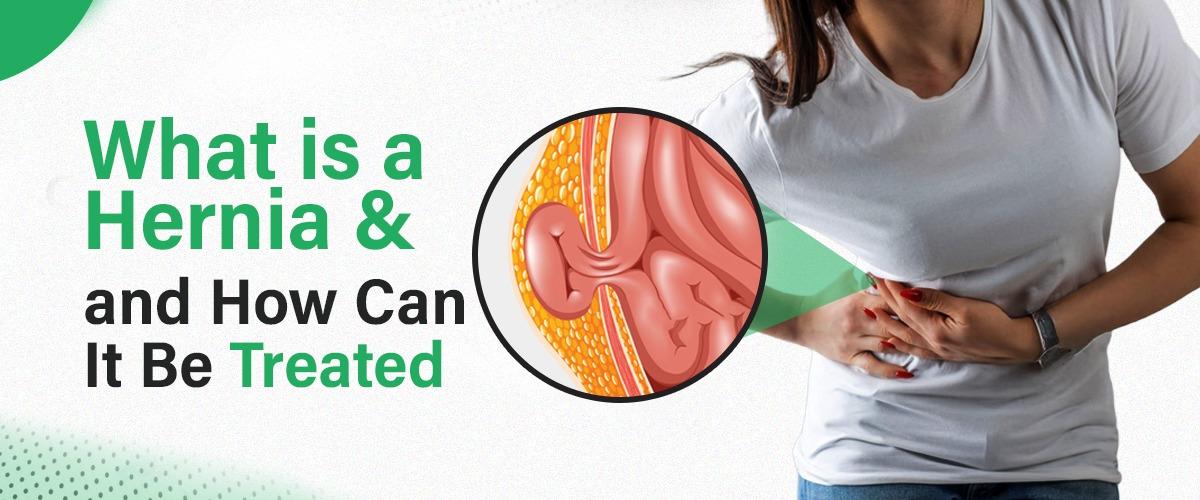
A hernia is caused when an organ or tissue pushes through a weak area in the surrounding muscle or connective tissue. It usually manifests as a significant bulge in the belly or groin, which may become more visible when lifting, coughing, or standing. While hernias can cause pain, they can also be Some hernias are asymptomatic, which can lead to them being easily overlooked. Untreated hernias, regardless of symptoms, can result in significant problems.
If you or someone you know notices unexpected swelling, pain, or discomfort, contact a hernia specialist immediately. Early detection and treatment are important to avoiding further health problems.
Are you in search of professional hernia care in Greater Noida? Choose a reputed hernia treatment hospital in Greater Noida that provides accurate diagnosis and modern surgical therapy for a quick and effective recovery.
Contact us at +91 9667164100 at the best hospital in Noida for the hernia surgery and post-surgery recovery.
A hernia occurs when an organ protrudes through a weak opening in the muscle or tissue that normally holds it in place. An example is an intestine pushing through a weak spot in the abdominal wall. Usually, hernias occur between the chest and hips, although they can also be seen in the groin, belly button, or upper thigh.
Hernias may seem harmless at first, but they usually tend to enlarge over a period of time. If left untreated, hernias can lead to serious complications like obstruction or strangulation of the affected organ. So, surgery is often the best and safest long-term hernia treatment.
Understanding the various types of hernias makes it easy to recognize the symptoms in the initial stage and meet a hernia specialist as soon as possible. Early diagnosis can also help significantly to enhance the treatment process and avoid complications. The most frequent types of hernias are
The majority of hernias are readily apparent, particularly when they protrude. Recognizing the early signs of a hernia helps in detecting and allowing for more precise diagnosis and more effective therapy. Pay attention to these signs:
In more severe cases, strangulation may occur. Warning signs of a complicated hernia include:
If you see any of these symptoms, especially the more serious ones, seek medical help immediately.
A hernia arises when muscle tissue becomes weak or stretched, permitting internal organs or tissues to protrude. A multitude of factors may contribute to this weakness:
A hernia is often diagnosed by a physical examination. The doctor may instruct you to stand, strain, or cough to make the hernia more apparent or palpable. This exercise helps to determine the location and kind of hernia.
Imaging studies may be performed to confirm the diagnosis, measure the size, and decide the best treatment approach, particularly if the hernia is difficult to see.
Common imaging tests include:
These tests allow your doctor to precisely diagnose the hernia and determine whether surgical treatment is required.
Your doctor may advise one of the following treatments based on the type and severity of the hernia:
1. Watchful Waiting
If the hernia is small and asymptomatic, your doctor may suggest monitoring it for changes.
2. Surgery—the Best Solution
Surgery is often recommended to repair the hernia and prevent further complications. Common surgical procedures include the following:
• Open Hernia Repair
A typical procedure for gaining access to the hernia involves making a single, larger incision. The best laparoscopic surgeon in Greater Noida, Uttar Pradesh, uses mesh or sutures to strengthen the muscle wall and remove protruding tissue.
• Laparoscopic Surgery
This method is a minimally invasive technique that involves making several small incisions. A laparoscope, which is a thin camera, helps the surgeon resolve the problem, and mesh is often used to strengthen the area that has been damaged. This method usually reduces discomfort and speeds up healing.
The recovery will be based on the procedure of surgery and your overall health.
Surgical success is usually definitive, but there is a slight risk of recurrence. Factors that make this risk higher include
You can avoid recurrence of hernia by living a healthy lifestyle, not putting too much stress on yourself, and going to all of your follow-up appointments consistently after surgery.
Schedule the consultation at the best hospital nearby for effective treatment of hernia in Noida.
At first, a hernia might seem like a minor problem, but if you don't take care of it, it can lead to serious repercussions. Early diagnosis and immediate medical help right away can significantly improve your prognosis. The best hospitals in Greater Noida offer complete care, including initial exams, diagnoses, and surgery, all focused on your health and well-being.
Are you seeking an affordable hernia treatment from highly-experienced doctors? Know the hernia surgery cost in Greater Noida at the best-known hospitals.
1. Is hernia surgery considered a major procedure?
Ans: Hernia surgery is generally categorized as low to moderately invasive. Most surgeries are done laparoscopically, which speeds up recovery. However, big or recurring hernias may need open surgery.
2. Can a hernia be naturally cured?
Ans: No. Hernias do not heal on their own; surgery is the only permanent solution.
3. What size of hernia needs surgery?
Ans: The size is less important than the symptoms or difficulties. Surgery is necessary if there is a risk of blockage.
4. Can someone survive with a hernia?
Ans: Yes, it could be problematic in the long term if it is minor and doesn't cause any symptoms. If symptoms do show up, surgery may be needed.
Understand the factors influencing inguinal hernia surgery costs in Noida, from hospital type to surgeon expertise, and make an informed healthcare decision.
Penile implants, also known as a penile prosthesis, are devices surgically placed inside the penis to allow men with erectile dysfunction (ED). These implants are typically recommended after other treatments, such as medication and vacuum treatment for ED fail. But before choosing penile implants, make sure you understand what surgery involves, including possible risks, complications and follow-up care.
Are you struggling with erectile dysfunction? Regain your self-esteem with penile implant surgery. At Felix Hospital, the best urology hospital in Noida, we provide minimally invasive penile implant surgery.
● Three-Piece Inflatable Implant: It is one of the most popular penile prosthesis, designed for men suffering from chronic erectile dysfunction (ED). It consists of two cylinders placed in the penis, a reserve placed in the lower abdomen and a pump system placed in the scrotum.
● Two-Piece Inflatable Implant: These consist of 2 cylindrical tubes placed on the penis and a pump system placed next to the testis. They are also known as “two-piece inflatable penile prosthesis”.
● Malleable Penile Prosthesis: These semi-rigid implants are in permanent erection. It is also known as one-piece penile prosthesis.
● Multi-piece prostheses are activated when intercourse is desired, and can be restored to normal after intercourse. These do not stay in permanent erection.
● One-piece implants remain in permanent erection, which is a disadvantage.
● Multi-part implants are expensive in terms of cost.
● Long-term diabetes (controlled) patients
● Impotence, especially in prostate, bladder, bowel cancer patients
● Elderly patients where drug therapy is ineffective
At Felix Hospital, the best urology hospital in Noida, our anesthesiologist will sedate you with general anesthesia so that you are unable to feel any pain during the procedure.
Followed by which, our penile implant surgeon (near me) may insert a catheter into your bladder through your penis which is usually removed after the surgery.
The surgeon will then make an incision on your genital area and insert the implant into your corpora cavernosa, the two tubes of spongy tissue that fill with blood to make your penis hard. The size of your implant will be customized according to the size of your penis.
If you get an inflatable implant, the surgeon will then insert the reservoir in your abdomen and the pump inside your scrotum.
After inserting the implant, the surgeon will close the incisions with dissolvable stitches. They’ll then place a bandage over the incision.
In most cases, especially in case of minimally invasive surgery, you can go home a few hours after a penile implant. For cheapest penile implant surgery in Noida, contact us!
After the surgical procedure, you will be monitored till the vitals are stabilized. Medications are given to control pain and infections. Before you are discharged, instructions will be given on physical and sexual activities. About 3-6 weeks after the surgery, instructions on using the device, inflating, and deflating will be given.
Recovery from penile implant surgery takes about four to six weeks. Because different implants heal at varying rates, therefore, recovery time for each individual will vary.
If you are looking for a penile implant surgeon near me, contact us!
Although penile implant surgery offers safety and reliable results, like any medical procedure, there are certain complications and side effects involved. These include:
● Infection: As with any surgery, infection is possible. You might be at an increased risk of infection if you have diabetes.
● Implant problems: In rare cases the implants malfunction for which surgery is necessary to repair or replace a broken implant.
● Internal erosion or adhesion: In some cases, an implant might stick to the skin inside the penis or wear away the skin from inside the penis.
The success rate of penile implant surgery is very high, with most men and their partners experiencing excellent satisfaction and long-term functional results.
Penile implants are devices placed in the penis of a man to treat erectile dysfunction. They are safe, and long-lasting, provided you seek treatment from an experienced urologist.
At Felix Hospital, we have the best urologist and experienced penile implant surgeon in Noida who excel at providing penile implant surgery.
Experience safe, advanced, and result-oriented Erectile Dysfunction treatment in Noida with expert urologist in noida at Felix Hospital.
Considering penile implant surgery? Consult our specialist at Felix Hospital, Noida!
Q: How much does a penile implant surgery cost?
Ans: A penile implant surgery cost may vary between ₹2,50,000 to ₹12,50,000, depending on the type of implant and the general health of the patient. That said, Inflatable prostheses are more costly, whereas the one-piece malleable prostheses are cheaper.
If you are looking for the cheapest penile implant surgery in Noida, contact us!
Q: How long does a penile implant last?
Ans: On average, penile implants last 10-15 years. When the implant wears out, it stops working. Your surgeon can replace it with a new implant.
Q: How long does a penis implant surgery take?
Ans: A penis implant surgery usually takes one to two hours to complete.
Penile cancer is a rare but serious disease that requires awareness and early detection for the best chance of successful treatment.

Sexually transmitted infection is one of the significant public health problems. And the bigger problem is people hide sexual dysfunction instead of discussing it.
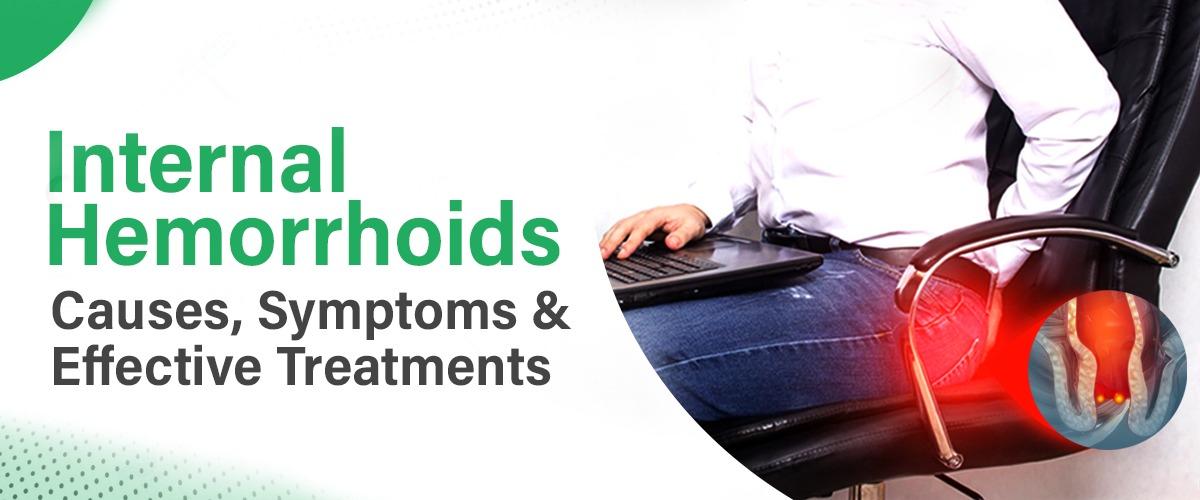
Internal hemorrhoid is a common condition when the veins inside the rectum become swollen. It is formed when pressure builds in the lower rectum, pushing the veins outward. Patients diagnosed with the condition often notice bleeding, mild itching and discomfort. Internal hemorrhoids can be easily treated with medication and surgery. So, if you experience bleeding or discomfort during bowel movement, it’s time you seek minimally invasive laser treatment for fast relief.
Are you struggling with internal hemorrhoids? It’s time to take action! For minimally invasive laser treatment in Noida, visit Felix Hospital, the best laparoscopic surgery hospital in Noida!
Internal hemorrhoids are caused by increased pressure in the lower rectum, thereby causing veins to swell or enlarge. Symptoms of internal hemorrhoids may include painless bleeding, itching, and discomfort.
Here are some of the common causes of internal hemorrhoids:
● Chronic constipation or loose stools
● Long periods spent sitting, especially on the toilet
● A low-fiber diet that slows digestion
● Frequent coughing or regularly lifting heavy loads
Along with those common causes, some personal traits can push your risk higher:
● Age between 45 and 65 years
● Pregnancy, when a growing uterus presses downward
● Being obese
● Lung diseases, such as chronic obstructive pulmonary disease (COPD)
Some of the common symptoms of Internal Hemorrhoids include:
● Discomfort or pain
● Swelling near the anus
● Irritation around the anus
● Mucus in your stool
● A lump near the anus that may be tender or painful
Here’s Why You Should Not Delay Seeking Treatment For Internal Hemorrhoids?
● Thrombosed hemorrhoid: A painful blood clot that forms inside the swollen vein, creating a hard, tender lump near the anus.
● Severe pain: This intense ache often shows up with a thrombosed bump, making sitting or moving uncomfortable.
● Prolapsed hemorrhoid: Over time, the swollen vein slips out past the anal muscle and hangs outside the sphincter.
● Bleeding: You might notice bright red streaks after a bowel movement, and repeat episodes can add up to serious loss.
Non Surgical Treatment: At Felix Hospital, the best laparoscopic hospital in Noida, we have a team of specialists who provide treatments like rubber band ligation or sclerotherapy that can effectively shrink an internal hemorrhoid. The recovery is quick as compared to other treatments for hemorrhoids.
Laser Surgery: Laser hemorrhoidectomy, also referred to as hemorrhoid laser treatment, is a surgical technique to address the pain and complications associated with internal hemorrhoids. The minimally invasive procedure uses laser beams to treat internal hemorrhoids, shrinking them by destroying the blood vessels that supply them. Our experienced laparoscopic surgeons regularly perform laser hemorrhoidectomy.
At Felix Hospital, we provide minimally invasive treatment for internal hemorrhoids. It is a swift procedure lasting less than 30 minutes. The key steps include:
● Patients receive anesthesia for comfort
● Patients lie on their back for better access.
● A tube locates blood vessels supplying hemorrhoids
● Laser fibres destroy these vessels.
● Hemorrhoids shrink in about six weeks.
Laser surgery for internal hemorrhoids presents numerous advantages over the traditional methods. The primary benefits include:
● Sutureless treatment with no scarring
● Fast recovery without the need for cuts or stitches
● Instant relief from symptoms
● Minimal blood loss during surgery
● Reduced postoperative pain
● Lower risk of infection
Hemorrhoid prevention often involves a combination of diet and lifestyle changes. In addition to staying physically active, eating a balanced diet, drinking plenty of water and maintaining good personal hygiene is important.
At Felix Hospitals, our hemorrhoids doctor specialist (near me) provides the latest surgical treatment and compassionate care to the patients. Our team of highly skilled and experienced surgeons, led by Dr. Ritesh Agarwal, and Dr. Vishal Sharma, is dedicated to delivering the highest quality care using advanced surgical techniques. Our state-of-the-art facilities are equipped with cutting-edge laparoscopic equipment and advanced technology, ensuring precise and efficient procedures. Besides, our internal hemorrhoids treatment cost in Noida is pocket friendly.
If you are struggling with internal hemorrhoids, do not delay & schedule an appointment with our specialists today!
Q: Are bleeding hemorrhoids serious?
Ans: In most cases, bleeding hemorrhoids may get better with the right treatment. However, bleeding hemorrhoids may also be a sign of something more serious, such as cancer or IBD. Therefore, it's important to get accurate diagnosis and timely treatment for internal hemorrhoids. If you are looking for an experienced hemorrhoids doctor specialist in Noida, contact us!
Q: Do internal hemorrhoids resolve on their own?
Ans: Unlike external hemorrhoids, which are located outside the rectum, you can't see or feel internal hemorrhoids. Internal hemorrhoids are less likely to resolve on their own compared to external hemorrhoids and can lead to more serious symptoms if left untreated.
Q: What is the internal hemorrhoids treatment cost in Noida?
Ans: The internal hemorrhoids treatment cost in Noida can range between Rs. 35,000 to Rs. 50,0000.
For those seeking specialized care, consulting the best piles surgeon in Noida can provide expert evaluation and tailored treatment options.
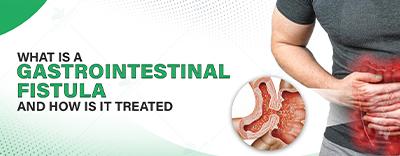
A gastrointestinal fistula is an abnormal opening that develops between the stomach, intestines, or other digestive organs, often causing leakage of digestive fluids. Treatment typically involves infection control, nutritional support, medications, and in
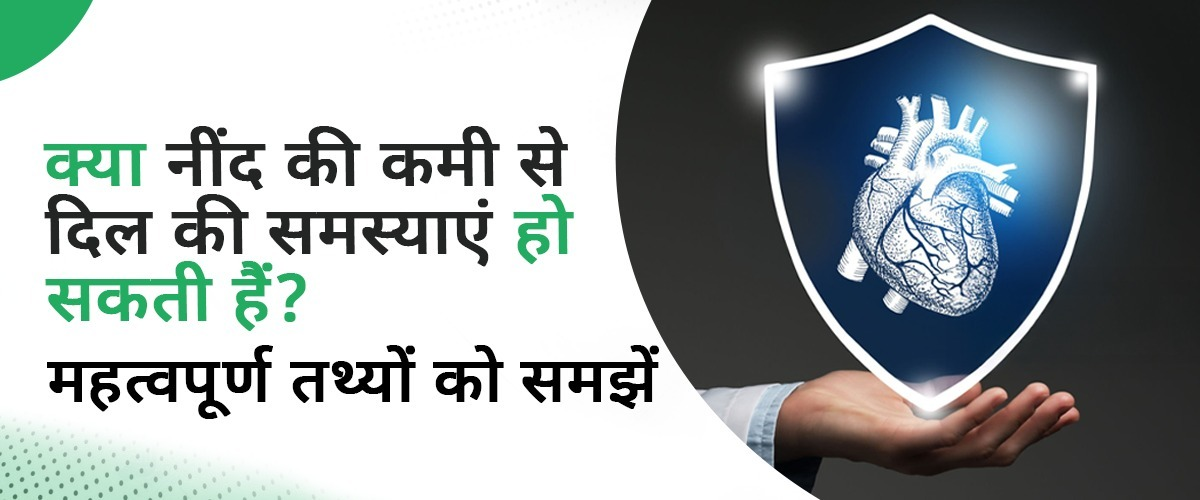
आज की तेज रफ्तार जिंदगी में लोग अक्सर नींद को प्राथमिकता नहीं देते हैं। देर रात तक काम करना, मोबाइल स्क्रीन से चिपके रहना या अनियमित जीवनशैली यह सभी नींद को प्रभावित करते हैं। नींद की यह उपेक्षा दिल को नुकसान पहुंचाती है। नींद की कमी सीधा हृदय संबंधी समस्याओं का कारण बनती है। अगर आपको भी अपने या अपने परिवार में से किसी के दिल से जुड़ी कोई भी परेशानी दिख रही है तो आप नोएडा में सर्वश्रेष्ठ हार्ट अटैक अस्पताल(Best Heart Attack Hospitals in Noida) से समय रहते संपर्क करें यह आपकी सेहत के लिए बेहद आवश्यक है। आइए इस विषय को विस्तार से समझें।
नींद और स्वास्थ्य का संबंध (The Relationship Between Sleep and Health)
नींद का शरीर पर जैविक प्रभाव (Biological Effects of Sleep on the Body)
नींद की कमी और हृदय रोग: संभावित जोखिम (Sleep Deprivation and Heart Disease: Potential Risks)
वैज्ञानिक प्रमाण और गाइडलाइन्स (Scientific Evidence and Guidelines)
अक्सर हम नींद को सिर्फ मानसिक थकान दूर करने का माध्यम मानते हैं। मगर सच्चाई यह है कि नींद शरीर के लगभग हर सिस्टम खासकर हृदय के लिए महत्वपूर्ण है। यह न सिर्फ ऊर्जा की पुनः पूर्ति करती है। साथ ही दिल, दिमाग और हार्मोनल(Hormonal) सिस्टम को संतुलन में रखती है। व्यस्त जीवनशैली, मोबाइल स्क्रीन का अत्यधिक उपयोग, देर रात तक काम करने की आदत और बढ़ता तनाव नींद की गुणवत्ता को प्रभावित कर रहे हैं। पर्याप्त नींद न ले पाने की यह आदत धीरे-धीरे हमारी सेहत के लिए अदृश्य खतरा है।
जब नींद नियमित और पर्याप्त नहीं होती, तो इसका प्रभाव केवल मानसिक थकान तक सीमित नहीं रहता यह शरीर के आंतरिक अंगों पर असर डालता है। नींद की कमी सीधे तौर पर हृदय रोगों के जोखिम(Risks of heart diseases) को बढ़ाती है।
नींद की कमी के कारण सहानुभूति तंत्रिका तंत्र अधिक सक्रिय होता है। जिस कारण शरीर का तनाव बना रहता है। परिणामस्वरूप रक्तचाप सामान्य स्तर से ऊपर बना रहता है। रात के समय जब इसे गिरना चाहिए। यह लगातार उच्च रक्तचाप धीरे-धीरे हृदय की धमनियों पर दबाव डालता है। हृदय रोगों का कारण बनता है। 6 घंटे से कम सोने वालों में हाई ब्लड प्रेशर की संभावना 20-30% तक अधिक होती है।
नींद पूरी न होने से शरीर में सूजन बढ़ती है। लिपिड प्रोफाइल जैसे कोलेस्ट्रॉल असंतुलित होता है। इसका असर धमनियों की दीवारों पर प्लाक जमने लगता है। जिस कारण धमनियां संकरी होती हैं। हृदय तक रक्त प्रवाह बाधित होता है। यह स्थिति हार्ट अटैक के लिए काफी होती है।
नींद की कमी से शरीर में कोर्टिसोल और एड्रेनालाईन जैसे स्ट्रेस हार्मोन का स्तर बढ़ता है। हृदय पर लगातार तनाव रहता है। रक्तचाप और धड़कन तेज रहती है। धमनियों में ब्लॉकेज या थक्का बनने की संभावना बढ़ती है। जो लोग लगातार 6 घंटे से कम सोते हैं, उनमें हार्ट अटैक की संभावना 1.5 गुना अधिक होती है।
नींद की अनियमितता विशेषकर ऑब्सट्रक्टिव स्लीप एप्निया (ओएसए) जैसी स्थिति हृदय की धड़कन की लय को बिगाड़ती है। तेज धड़कन, अनियमित धड़कन, धीमी धड़कन, यह स्थिति अचानक कार्डियक अरेस्ट जैसी गंभीर अवस्था में बदलती है।
नींद के दौरान हृदय को जो प्राकृतिक आराम और रिकवरी मिलती है। उसकी कमी से हृदय की पंपिंग क्षमता घटती है। थकावट, सांस फूलना और पैरों में सूजन जैसे लक्षण दिखते हैं। यह कॉनजेस्टिव हार्ट फेल्यर(heart failure) की ओर बढ़ता है। लंबे समय तक नींद की अनदेखी। विशेषकर उच्च रक्तचाप और मोटापे के साथ मिलकर हार्ट फेल्यर का कारण बनती है।
नींद की कमी का असर हृदय रोगों के लिए विशेष रूप से खतरनाक बनता है। नींद की कमी और उसके हृदय पर दुष्प्रभाव के उच्च जोखिम में हैं:
रात की शिफ्ट में काम करने वालों की शारीरिक जैविक घड़ी बाधित होती है। इससे नींद का चक्र असंतुलित होता है। दिल पर तनाव बढ़ता है। हृदय रोगों की संभावना बढ़ती है। नाइट शिफ्ट कर्मचारियों में हृदयाघात का खतरा सामान्य से 20-30% अधिक होता है।
फ्रीलांसर, क्रिएटिव प्रोफेशनल्स या स्टार्टअप फाउंडर्स अक्सर अनियमित कार्य समय अपनाते हैं देर रात तक काम के लिए। बार-बार नींद टूटना, स्क्रीन टाइम अत्यधिक होना। यह अनियमितता धीरे-धीरे नींद की गुणवत्ता को गिराती है। इससे दिल पर असर पड़ता है।
मानसिक स्वास्थ्य का नींद और हृदय दोनों पर सीधा असर होता है। तनाव और चिंता नींद को बाधित करती हैं। नींद की कमी फिर मानसिक तनाव को बढ़ाती है। यह हृदय पर बुरा असर डालता है। डिप्रेशन से पीड़ित लोगों में कार्डियक इवेंट्स का जोखिम दोगुना होता है।
इन समूहों में शरीर पहले से ही तनावग्रस्त या संवेदनशील होता है। उम्र बढ़ने के साथ नींद की गहराई घटती है। मोटापा ऑब्सट्रक्टिव स्लीप एप्निया जैसी स्थितियों को जन्म देता है। हृदय रोग से ग्रसित व्यक्ति के लिए अपर्याप्त नींद स्थिति को और बिगाड़ती है। इसलिए ऐसे लोगों को नींद का ध्यान रखना चाहिए है। खासकर यदि वह पहले से दवा ले रहे हों तो।
नींद की गुणवत्ता सुधारना केवल मानसिक ताजगी नहीं। बल्कि हृदय की दीर्घकालिक सुरक्षा का हिस्सा है। इसलिए निम्न बातों का ध्यान रखेंः
हर दिन एक ही समय पर सोना और जागना यहां तक कि वीकेंड पर भी शरीर की बायोलॉजिकल क्लॉक को स्थिर करता है। नींद की गुणवत्ता को बेहतर बनाता है।
सोने से कम से कम 1 घंटे पहले मोबाइल, टीवी और लैपटॉप से दूरी बनाएं। इनकी नीली रोशनी मस्तिष्क को सतर्क बनाए रखती है। नींद में बाधा डालती है।
शाम के बाद चाय, कॉफी, कोल्ड ड्रिंक और मसालेदार या भारी भोजन से बचना चाहिए। यह नींद को बाधित करते हैं। अपच की समस्या उत्पन्न करते हैं।
सोने से पहले 10-15 मिनट का धीमा योग, ध्यान यानी मेडिटेशन या डीप ब्रीदिंग एक्सरसाइज तनाव को कम करता है।
नियमित शारीरिक गतिविधि जैसे टहलना, साइक्लिंग या स्ट्रेचिंग नींद को बेहतर बनाती है। मगर सोने से ठीक पहले भारी व्यायाम नहीं करें।
नींद से जुड़ी समस्याएं यदि हैं, तो इन्हें अनदेखा नहीं किया जाना चाहिए।
सोने में दिनभर अत्यधिक थकान, चिड़चिड़ापन या फोकस की कमी बनी रहती है।
नींद के दौरान सांस रुकने की समस्या यानी जोर से खर्राटे या सांस रुकने का लक्षण।
नींद की समस्या 3 सप्ताह से अधिक समय तक लगातार बनी रहे।
तुरंत नोएडा में सर्वश्रेष्ठ कार्डियोलॉजिस्ट से संपर्क करें। डॉक्टर द्वारा स्लीप स्टडी जैसे टेस्ट से सटीक निदान किया जा सकता है और उचित उपचार दिया जा सकता है।
नींद एक जीवन रक्षक शारीरिक आवश्यकता है। ठीक उसी तरह जैसे दिल को स्वस्थ रखने के लिए संतुलित आहार और नियमित व्यायाम जरूरी है। वर्तमान में बदलती जीवनशैली में लोग नींद को प्राथमिकता नहीं देते हैं। इसका सबसे महंगा मूल्य हमारा दिल चुकाता है। नींद एक छोटा-सा परिवर्तन होता है। मगर इसके परिणाम दीर्घकालिक और जीवनरक्षक हो सकते हैं। नोएडा में हार्ट अटैक उपचार लागत काफी किफ़ायती है अगर आप किसी दिल की बीमारी को अपने अंदर देख रहे है तो जल्द ही डॉक्टर से संपर्क करें।
प्रश्न 1. क्या नींद की कमी से वास्तव में दिल की बीमारी हो सकती है?
उत्तरः 6 घंटे से कम सोने वाले व्यक्तियों में हाई ब्लड प्रेशर, कोरोनरी आर्टरी डिजीज और हार्ट अटैक का जोखिम काफी बढ़ता है।
प्रश्न 2. नींद की कमी से ब्लड प्रेशर कैसे बढ़ता है?
उत्तरः नींद की कमी से सहानुभूतिपूर्ण तंत्रिका तंत्र अधिक सक्रिय होता है। जिससे ब्लड प्रेशर बढ़ता है। जिसे हाइपरटेंशन कहते हैं।
प्रश्न 3. क्या नींद की गुणवत्ता भी मायने रखती है या सिर्फ घंटों की गिनती?
उत्तरः नींद की गुणवत्ता और निरंतरता महत्वपूर्ण हैं। बार-बार नींद टूटने, खर्राटे या नींद में सांस रुकने की समस्या हृदय पर दबाव डालती हैं।
प्रश्न 4. स्लीप एप्निया क्या है और क्या ये दिल की बीमारी से जुड़ा है?
उत्तरः ऑब्सट्रक्टिव स्लीप एप्निया (ओएसए) एक नींद विकार है। जिसमें व्यक्ति की नींद के दौरान बार-बार सांस रुकती है। यह स्थिति दिल की लय गड़बड़ी, स्ट्रोक और हार्ट फेलियर से जुड़ी है।
प्रश्न 5. अगर मैं रात में पूरी नींद नहीं ले पाऊं तो क्या दिन में सोकर उसकी भरपाई कर सकता हूं ?
उत्तरः दिन में हल्की झपकी 20–30 मिनट तक राहत देती है। मगर यह रात की गहरी नींद का विकल्प है। शरीर को पुनर्स्थापित करने के लिए नींद जरूरी है।
प्रश्न 6. क्या नींद सुधारने से दिल की समस्याओं को रोका जा सकता है?
उत्तरः नींद से न केवल दिल की बीमारियों का जोखिम घटता है।ब्लड प्रेशर नियंत्रित रहता है। तनाव कम होता है। हृदय की कार्यक्षमता बेहतर होती है।
प्रश्न 7. नींद में समस्या हो तो डॉक्टर से कब मिलना चाहिए?
उत्तरः रोज नींद टूटना या देर से नींद आना, थकावट और चिड़चिड़ापन, खर्राटे या नींद में सांस रुकना, लगातार 2–3 सप्ताह तक नींद से जुड़ी परेशानी होने पर डॉक्टर से मिले।

सर्दियों के मौसम में हृदय रोग से जुड़े किसी भी लक्षण को हल्के में न लें और फेलिक्स हॉस्पिटल के अनुभवी हृदय रोग विशेषज्ञों से परामर्श लें।
हार्ट अटैक के मुख्य लक्षण, कारण और तुरंत किए जाने वाले उपचार के बारे में जानें। समय पर पहचान और सही इलाज से जीवन बचाया जा सकता है।
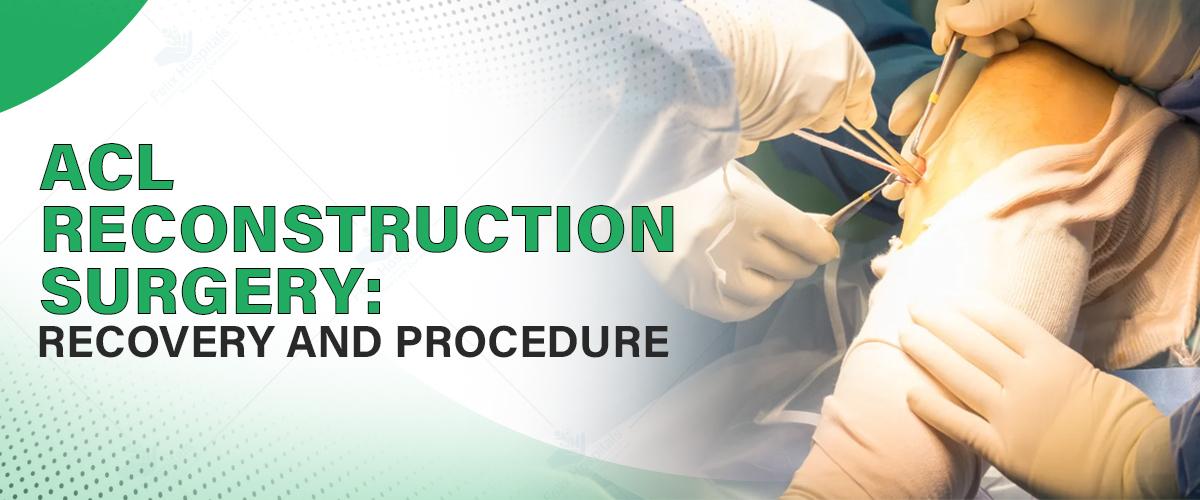
Knee injuries can dramatically affect your mobility and participation in daily activities — and one of the most prevalent and severe of these is an ACL (anterior cruciate ligament) injury. The ACL is one of the major ligaments that keeps your knee stable, particularly during high-level movements. ACL injuries are especially prevalent in athletes and active patients, often occurring during a sudden stop, jump, pivot, or rapid change of direction.
Because of improvements in orthopedic care, ACL repair surgery is now a safe, minimally invasive, and very effective procedure. It restores knee stability, improves joint function, and helps patients feel secure in getting back to their normal activities or competitive sports.
If you have an ACL injury, trust the best orthopedic hospital in Greater Noida to give you an accurate diagnosis, perform surgery, and plan your recovery so that you may recover quickly and completely.
Call +91 9667064100 to schedule your consultation with an orthopedic expert.
ACL reconstruction is a surgical procedure that replaces a torn anterior cruciate ligament (ACL) with an artificial ligament. The ACL connects the femur to the tibia and keeps the knee joint stable. If the ACL is injured, the knee becomes unstable, which means it may buckle, especially while you are active.
If you have any of the following conditions, your orthopedic doctor may suggest ACL restoration:
There is a complete tear of the ACL
When the knee becomes unstable while moving
When there is a desire to return to sports or an active lifestyle
There is a risk of developing additional knee problems, like a torn meniscus.
An injured ACL does not heal on its own. Without surgery, the knee stays unstable and weak, which makes it more likely that it will get hurt again and cause long-term problems like chronic pain or early arthritis. Restoring the ACL restores stability and lowers the chances of future issues.
Usually, the surgery is done under general anesthesia, which means you won't feel any discomfort or be aware of what is going on.
Steps of the process:
Small cuts are made around the knee.
An arthroscope, a small camera, is used to look inside the joint.
The damaged ACL is then cut out.
A new ligament (graft) is obtained from:
Autograft: Tissue taken from one's own body, usually from the hamstring or patellar tendon.
Allograft: Tissue taken from a donor
Very small holes are made in the femur and tibia to hold the graft in place.
Screws or other types of fixation devices hold the graft in place.
The cuts are then stitched and bandaged.
This less invasive method causes less pain, smaller scars, and faster healing.
To make sure that the surgery goes smoothly and you (as a patient) patient recovers quickly:
Stop smoking and drinking before the ACL reconstruction surgery procedure.
Tell your surgeon about all of your medical problems and medications.
Obey the rules for fasting: don't eat or drink anything for 6 to 12 hours before the operation.
If you have diabetes, heart difficulties, or other long-term health issues, get medical clearance.
Most patients are sent home either the same day or within 24 hours. Standard recovery includes:
First Recovery (Weeks 1–6):
A brace keeps the knee stable.
You can use crutches for a short while.
The prescribed drugs helped in easing out the pain.
Gentle physiotherapy starts the process of getting your mobility back.
A successful recovery relies on a meticulously organized rehabilitation regimen. Here is a provisional timeline:
Commencement of office work: 1–2 weeks
Light, non-contact sports or exercise: 4 to 6 months
High-impact/contact sports (e.g., football, basketball): 9 to 12 months
Regular physiotherapy is crucial for rehabilitating knee strength, flexibility, and stability. Adhering rigorously to your rehabilitation plan is essential for attaining optimal long-term results.
ACL repair is largely safe; however, like any surgery, it does come with some dangers, such as:
Infection
Blood clots
Knee stiffness
Failure of the graft (will need to be revised)
Damage to nerves or vessels
Reaction to anesthesia
When performed at a top institution by experienced orthopedic surgeons, these risks are rare and carefully controlled by strict safety rules.
ACL reconstruction offers the following outstanding long-term outcomes when performed by a qualified group of orthopedic surgeons.
Improved knee stability
Relief from pain
Restoration of active life
Less chance of future joint injury
At the best orthopedic hospital in Greater Noida, patients are provided with world-class surgical treatment, state-of-the-art facilities, and dedicated rehabilitation.
Receive a safe, efficient, and patient-centred ACL reconstruction treatment from the best orthopedic hospital in Greater Noida. Schedule your appointment by clicking here.
Many people have regained strength, mobility, and confidence through ACL restoration. Most patients achieve full recovery and a strong, stable knee with the right surgery, dedicated therapy, and specialist care.
Find the best orthopedic physicians who will provide ACL reconstruction surgery at an affordable cost in Greater Noida . Let skilled professionals take care of your knee and help you get back to life stronger than ever.
Q: Can an ACL be repaired 3 times?
Ans: Yes, ACL surgery can be done more than once, but the complexity increases and depends on the knee's condition and previous surgeries.
Q: Is ACL surgery 100% successful?
Ans: The success rate is uncertain, but ACL surgery tends to be effective when performed by experts, particularly if followed by appropriate rehabilitation and care.
Q: What is the best operation for ACL repair?
Ans: The most effective method is arthroscopic reconstruction with an autograft or allograft.
Q: Can one lead a normal life after ACL surgery?
Ans: Yes, most patients can go back to their normal activities and sports without any pain or instability when they have had enough time to heal.
Q: Can I feel the screws after ACL surgery?
Ans: Not usually. Screws used in ACL surgery are small and considered safe for the body.
Q: How costly is ACL surgery?
Ans: The cost of ACL surgery in Greater Noida varies from ₹ 1,50,000 to ₹ 2,50,000, depending on the hospital, the type of graft, and whether it is a main or revision procedure.
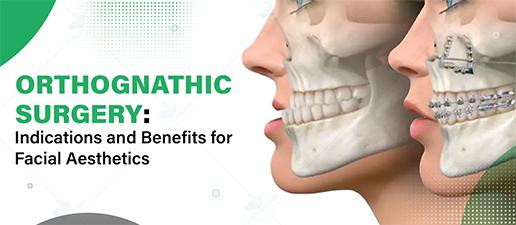
Orthognathic surgery corrects jaw alignment, improving both facial appearance and oral function.


Subscribe to our
© Copyright 2026. All Rights Reserved by Felix Healthcare Private Limited
Design and development by :


 +(91)9667064100
 Emergency : +(91)9667064100