 WhatsApp
 Emergency:
  WhatsApp











Subscribe to our

The Pediatric Intensive Care Unit (PICU) is a specialized medical unit that provides critical care and life-support therapy for babies, children, adolescents, and young adults with serious diseases or life-threatening medical problems. The specialist institution is meant to provide ongoing monitoring, advanced medical care, and care for critically ill children with life-threatening diseases or complications.
Noida is home to state-of-the-art Pediatric Intensive Care Unit facility that is equipped to handle the most serious and challenging pediatric situations. The department makes sure that all children get the best medical care and treatment by experienced pediatric intensivists, trained child sub-specialists, and skilled nursing staff.
Get in touch with us today at +91 9667064100 to book an appointment or to talk to our team regarding pediatric caregivers.
Children have different medical needs, especially when they're very sick. The PICU has cutting-edge technology and skilled professionals who are dedicated to stabilizing and caring for very sick children. The PICU is particularly important for treating breathing problems and giving care after surgery, which saves lives and helps people get better.
A child's condition must be severe for them to be admitted to the PICU. The following conditions may qualify a child for admission:
Serious heart problems that need constant monitoring
Accidents or burns that cause trauma
Severe infections or sepsis that put life at risk
Problems that happen after major surgery
Neurological emergencies, such as seizures and head injuries
These conditions require specialized equipment, quick response, and continual monitoring that standard hospital units cannot provide.
The Pediatric Intensive Care Unit (PICU) in Noida has the most advanced life-support and monitoring equipment, which means that severely ill children will get the best treatment possible. Some important tools are:
Advanced ventilators for kids who can't breathe on their own.
HFOVs are good for people with weak lungs.
HFNC equipment for getting oxygen to people quickly.
Multi-channel monitors track vital signs in real time.
Invasive hemodynamic systems for keeping an eye on heart function and blood pressure.
Managing renal failure with CRRT and intermittent hemodialysis.
ECHO and bedside ultrasound provide rapid assessments of the heart and organs.
The PICU has innovative equipment and a quick emergency response to help kids with the most serious health problems.
HEPA filters and specialist Air Handling Units (AHUs) are installed in the PICU to keep the air clean and lower the risk of infection. These systems purify the air and sterilize the area, which is vital for those with weak immune systems or recovering from surgery or organ transplants.
The best pediatric intensive care unit (PICU) in Noida is known for having a caring and highly trained staff. Pediatric intensivists are doctors who are educated to provide critical care for children. They work closely with pediatric subspecialists like cardiologists, neurologists, nephrologists, surgeons, and infectious disease experts to provide complete, personalized care.
Nurses at the PICU are very well trained to care for very sick children. Their combination of medical knowledge and compassion makes sure that every child gets the best medical treatment and emotional support they need while they are in the hospital.
The PICU offers a wide range of critical care services to meet all of a child's medical needs, such as:
Mechanical ventilation for short-term breathing problems.
When oral consumption is impractical, the PICU provides nutritional assistance via enteral feeding tubes or intravenous nutrition.
Safe and effective methods for managing pain in children that are made just for them.
Surgical interventions are performed for both urgent and elective treatments.
Vital signs such as heart rate, oxygen saturation, and brain activity are continuously monitored.
Intracranial pressure monitoring, continuous EEG monitoring, and access to an in-house blood bank and laboratory for faster diagnostics are all examples of specialized services.
A staff of infection control experts is always on duty to maintain the highest standards of cleanliness and prevent illnesses from spreading in the hospital. Extra care is taken to protect both patients and personnel, especially children with infectious disorders or weak immune systems.
While medical expertise is crucial, emotional and psychological assistance for parents is equally important. Parents are involved in every part of their child's care and are allowed to stay close by during treatment. The PICU team supports families by giving them regular updates, being open and honest, and being there for them with empathy.
Schedule an appointment today to find out how our state-of-the-art PICU can deliver the highest quality of care at the most urgent time.
Choosing the right facility is critical for pediatric critical care. The Pediatric Intensive Care Unit (PICU) in Noida combines cutting-edge technology with competent, caring staff who are dedicated to helping every child recover as quickly as possible. Parents can trust that their kid will get the best care possible from professionals in a safe and caring environment, whether they are dealing with a serious illness, an emergency, or a long-term illness.
Q: Can parents visit the PICU?
Ans: Yes. Parents are told to stay with their child. Most PICUs let families stay with their loved ones and make arrangements to ease anxiety and develop emotional ties throughout treatment.
Q: What is the most frequent pediatric ICU case?
Ans: Respiratory distress, heart problems, traumatic injuries (like accidents or burns), neurological emergencies (like seizures), recovery after surgery, and serious infections like sepsis are all common reasons for frequent pediatric ICU cases.
Q: What is the upper age limit of the PICU ward?
Ans: The PICU usually accepts kids from birth to 18 years old. Depending on the hospital's rules, some teens with pediatric-specific conditions may also be admitted.
Q: What is the most common diagnosis in the PICU?
Ans: Respiratory failure is the most common cause of death, followed by sepsis, pneumonia, and and congenital heart disease.
Q: What is the death rate of PICU patients?
Ans: The chances of survival are excellent. In most situations, prompt and effective therapy leads to a successful recovery, but the child's condition will determine the outcome.
Q: Is PICU superior to NICU?
Ans: The outcome is not necessarily better, but rather different. The NICU takes care of newborns and babies born too early, while the PICU takes care of very sick babies, kids, and teens. Each unit is made for a certain age group and medical requirement.
Q: Can the parents remain with their child in the PICU?
Ans: Yes. Most PICUs let parents stay with their child and keep them up to date on their condition, which helps them feel better and encourages honesty.
Q: Is infection control strictly enforced in the PICU?
Ans: Yes. The PICU has strict rules for cleanliness, such as HEPA filtration, specific air handling systems, and a separate team for infection control to keep patients from getting infections in the hospital.
Q: How long can a child stay in PICU?
Ans: Some kids only need a few days, but kids with more complicated diseases may need to stay longer to get well and stabilize.
Q: Is the PICU safe for kids with compromised immune systems?
Ans: Yes. The PICU is made to keep fragile patients safe. It is a sterile, constantly watched space that is perfect for people with weak immune systems.

Pediatric rheumatology focuses on diagnosing and treating autoimmune and inflammatory disorders affecting children’s joints, muscles, and connective tissues.

It’s essential to note that the cost of skin pigmentation disorder treatment in Noida can differ based on the type of treatment required and the healthcare facility's resources.

Search the best hospital for your child in Noida the team of experienced pediatricians is dedicated to supporting parents and guiding children on their journey to a healthy life.
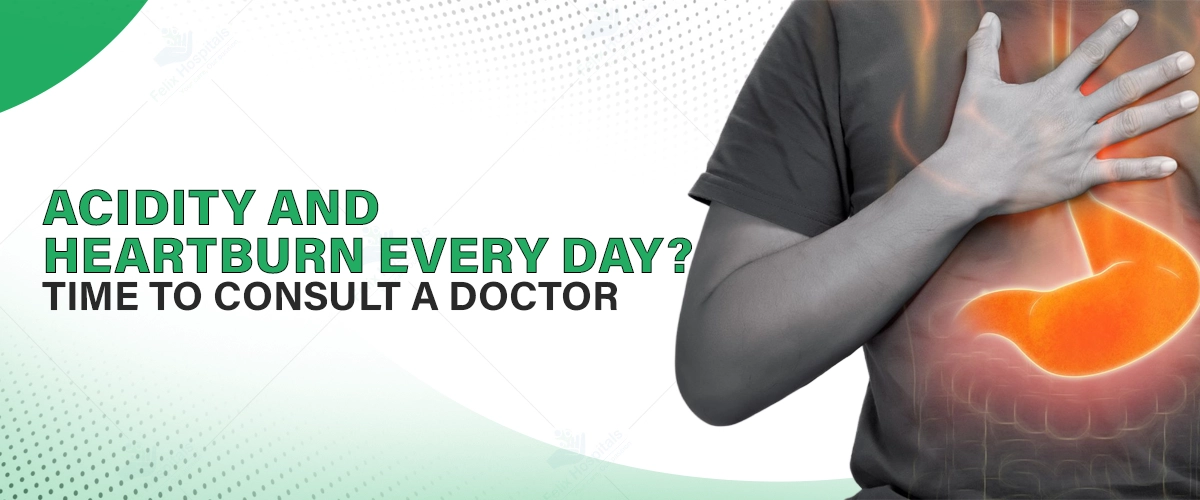
Almost anyone has ever had heartburn or acidity once—most likely after spicy foods, a snack late at night, or skipping meals. Yet if they are regular, they may be the first warning sign that your digestion is crying out for some doctor's care. Persistent chest burning, metallic-tasting mouth, and bloating are more than awful complaints—these are initial warnings of an active gastrointestinal ailment that won't cure itself.
Overlooking common acidity not only impacts your routine life but may also generate severe complications such as ulcers, esophagitis, or even Barrett's esophagus, an illness that makes you cancer-prone. In this blog, we will explain what creates everyday acidity and heartburn, when you must visit a doctor, and what can be achieved to provide you with lifelong relief.
Your digestive health is important. Take it in hand today—and enjoy life symptom-free. Call us today at +91 9667064100.
Acidity results when there is excess stomach acid travels back up into the esophagus, burning and irritating. The most frequent symptom of acidity is heartburn—a burning feeling that moves from your stomach to your chest and throat.
Other symptoms may be:
A few more symptoms are:
Sour or bitter mouth taste
Burping or bloating
Nausea after eating
Trouble swallowing
Sore throat or persistent cough
While a random acidity is to be expected, day-to-day symptoms will tend more towards Gastroesophageal Reflux Disease (GERD) or other severe digestive conditions that must be treated.
If heartburn and acidity are becoming the norm, it can be due to:
Poor Food Habits: Skipping meals, consuming spicy or fatty foods, or consuming food late at night can lead to acid reflux.
Obesity: Too much fat around the abdomen region compresses the stomach, which forces the acid upwards.
Smoking and Alcohol: Such irritants decrease the tone of the lower esophageal sphincter and allow acid into the esophagus.
Hiatal Hernia: Enlargement of part of the stomach into the chest, usually resulting in reflux.
Pregnancy: Endocrine alterations during pregnancy and pressure upon the stomach cause an increase in acidity.
Drugs: Pain relievers (NSAIDs), anti-hypertensives, or some antibiotics may provoke oversecretion of acid.
Home treatment will resolve mild heartburn, but worsening or frequent symptoms must not be overlooked. See a doctor if you have:
More than two episodes of heartburn per week
Throat pain or cough that persists
Swallowing difficulties
Unintended weight loss
Vomiting or bloody stools
Sleep disturbance from acid reflux
The aforementioned symptoms could be signs of chronic GERD, esophageal injury, or other gastrointestinal illnesses requiring specialty care.
To determine the reason for your symptoms, a gastroenterologist may recommend:
Upper GI Endoscopy: To examine the stomach and esophagus for inflammation or ulcers.
PH Monitoring: Examines how frequently stomach acid flows into the esophagus.
Barium Swallow Test: An X-ray that helps find structural problems.
H. pylori Testing: To rule out infection-related acidity.
Early detection is necessary to prevent complications and guide treatment.
Depending on the diagnosis, the treatment may involve:
1. Changes in lifestyle
Eat frequent, low-calorie meals
Stay away from foods that induce (hot, citrus, caffeine, chocolate)
Stay away from lying down soon after meals
Elevate head during sleep
Stop smoking and decrease alcohol use
2. Medications
Antacids to neutralize stomach acid
H2 blockers to decrease acid output
Proton Pump Inhibitors (PPIs) for long-term treatment
Prokinetics to promote stomach emptying
Note: The use of drugs over a long period of time should be monitored by a physician.
3. Surgical Options
For more severe cases, procedures such as fundoplication can be done to tighten the lower esophageal sphincter.
Chronic acidity can do harm to the lining of the esophagus, resulting in:
Esophagitis: Inflammation of the esophagus
Ulcers: Bleeding, painful sores
Barrett's Esophagus: Malignant change
Respiratory Complications: Such as asthma or chronic cough following acid aspiration
The more time you spend without getting the treatment, the worse the complications are going to be. Having the problem sorted out early not only alleviates pain but also protects your long-term gut health.
If you've had enough of living with everyday heartburn or acidity, the time to visit an expert is now. Felix Hospital Noida's specialist gastroenterologists have the best-in-class treatment to diagnose and cure chronic acid reflux effectively. Through lifestyle counseling, medical treatment, or advanced diagnostics, our experts will do everything possible to get you better—quickly.
Dr. Jagatjot Singh Gill – Specialist in managing GERD and allied diseases
Dr. Amrit Yog Datley – Endoscopy and gastrointestinal diagnosis specialist.
Consult a gastroenterologist who will tell you the reason and select the appropriate treatment protocol. Book an appointment today for your healthy gut.
Infrequent acid or heartburn is usual, but having it daily might be your body's indication of a more chronic underlying stomach problem. Regular reflux will cause your esophagus to get harmed, disrupt your life, and lower your quality of life. Don't take matters into your own hands and don't suppress the pain but follow the cause and seek appropriate medical treatment as early as possible to prevent late complications.
By visiting a seasoned gastroenterologist, you can get appropriate diagnosis, individualized treatment, and professional advice to effectively cure your illness. Whether the symptoms are induced by lifestyle, eating habits, or a health condition, early intervention is the most effective way to regain your digestive well-being. Don't let the issue escalate—make the initial step towards long-term relief and peace of mind.
Q: Is frequent heartburn a sign of an underlying disease?
Ans: Yes. Chronic heartburn can be a sign of gastroesophageal reflux disease (GERD) or, if left untreated, can lead to complications like esophagitis or Barrett's esophagus.
Q: What are the risks of frequent self-treatment with antacids?
Ans: Overusing antacids can mask symptoms, lead to nutritional imbalances, and even worsen your condition. It's advisable to consult a doctor for long-term therapy.
Q: Is it possible to have normal acidity even if I have not eaten anything spicy?
Ans: Yes. Acidity can occur because of reasons such as stress, obesity, eating late at night, or medical conditions like hiatal hernia—without spicy food.
Q: Can GERD produce more than heartburn symptoms?
Ans: Yes. GERD can also lead to chronic cough, sore throat, hoarseness, dysphagia, or even asthma-like symptoms.
Q: How do physicians diagnose chronic acidity or GERD?
Ans: Diagnosis can comprise an endoscopy, pH test, barium swallow test, or H. pylori test based on your history and symptoms.
Q: Is surgery ever necessary for acid reflux?
Ans: Surgical therapy such as Nissen fundoplication can be advised in advanced or drug-refractory GERD cases in order to fortify the valve of the esophagus.
Q: Can lifestyle modifications alone treat chronic acidity?
Ans: Lifestyle modifications can provide much relief for symptoms, but chronic cases are generally required to be treated by medication or medical monitoring in order to avoid complications.
Gastric problems occur when excess acid or digestive disturbances affect the stomach lining, causing symptoms like bloating, acidity, and pain. Timely diagnosis ensures effective treatment.
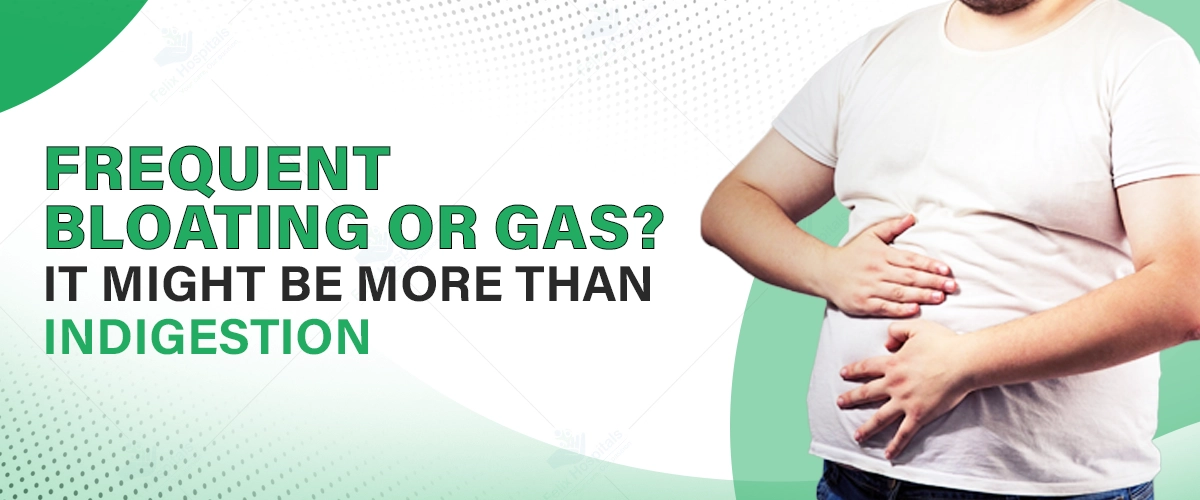
We’ve all felt bloated or gassy after a large meal or carbonated drink—but what happens when this discomfort becomes a regular issue? If you’re frequently feeling full, tight, or swollen in the abdomen, it may be more than just occasional indigestion. While it’s easy to blame these symptoms on overeating or stress, recurring bloating and gas can often signal deeper digestive concerns that shouldn’t be ignored.
Chronic bloating may be the result of many underlying conditions such as food intolerances, irritable bowel syndrome (IBS), or more serious conditions such as celiac disease or gallbladder complications. The relief lies in knowing what's actually happening in your digestive system. In this blog, we're going to take a look at the reasons, symptoms, and treatments for chronic bloating—so you can take appropriate action to improve how you feel.
Regardless of whether it's food intolerance, IBS, or SIBO, we assist you in determining the cause and developing a customized treatment plan. Call today at +91 9667064100.
Bloating is a feeling of fullness, tightness, or swelling in the belly. It's usually followed by too much gas (flatulence), belching, or rumbling noises in the stomach. For most people, bloating is only a minor annoyance. But if it occurs often or is severe, it could be a symptom of something more serious.
Infrequent bloating is normal, but frequent symptoms can be caused by:
1. Food Intolerances
Lactose intolerance (milk indigestion) and gluten intolerance are usual offenders. They may produce bloating, gas, and even diarrhea after consumption.
2. Irritable Bowel Syndrome (IBS)
IBS is a chronic condition of the gastrointestinal tract that causes bloating, cramps, gas, and change in bowel habits such as constipation or diarrhea. It occurs in approximately 10–15% of the global population and is more prevalent in women.
3. Constipation
When stool spends a long time in the colon, it ferments and traps gas. This can cause much bloating and discomfort in the stomach.
4. Small Intestinal Bacterial Overgrowth (SIBO)
This is when there's too much bacteria that overgrow in the small intestine and cause gas, bloating, and possibly nausea or malabsorption.
5. Gastroesophageal Reflux Disease (GERD)
GERD results in belching, heartburn, and bloating. Left untreated, it causes ulcers or esophagitis.
6. Celiac Disease
An autoimmune disease provoked by gluten, celiac disease destroys the small intestine and induces bloating, gas, exhaustion, and lack of nutrients.
7. Gallbladder Problem
A congested or inflamed gallbladder may result in fat malabsorption, which in itself causes bloating, particularly following fatty meals.
If the bloating is extreme, persistent, or coupled with other warning signs, then it's advisable not to underestimate it. See a gastroenterologist if you notice:
Unintended weight loss
Persistent abdominal pain
Change in bowel movements (diarrhea or constipation)
Bleeding stools
Loss of appetite
Nausea or vomiting
Fatigue
These are signs that are linked to more severe illnesses such as inflammatory bowel disease (IBD), ulcers, or even cancers of the gastrointestinal tract.
The best gastroenterology hospital may want to try the following to identify what is causing your symptoms:
Blood tests to rule out anemia or celiac disease
Stool test to detect infection or inflammation
Endoscopy or colonoscopy to see inside the digestive tract
Ultrasound or CT scan to detect structural problems
Breath tests for lactose intolerance or SIBO
Accurate diagnosis is the beginning of successful treatment.
Treatment will vary depending on the cause. Some of them are:
1. Dietary Change
Foods that cause bloating such as dairy, beans, carbonated beverages, and high-fat food may be avoided to decrease bloating. Low FODMAP diet is also commonly advised in IBS.
2. Drugs
Antacids or acid reducers for GERD
Laxatives or fiber supplements in constipation
Antibiotics for SIBO
Probiotics for gut health improvement
Enzyme supplements in food intolerances
3. Lifestyle Modifications
Regular meals that are small
Prevent swallowing air by slow chewing and no gum or straws
Keep active to support digestion
Cut down on stress, as stress can affect gut health
4. Specialized Treatment
Where there are more severe conditions such as celiac disease, inflammatory bowel disease, or gallbladder issues, special treatment from a specialist is required.
Skipping normal bloating may cause allowing a controllable problem to become an escalated health issue. Most of the gastrointestinal diseases are curable or even reversible if diagnosed early. Getting attention in time not only enhances your health but can also delay complications from taking hold for years.
If you're a resident of Noida and have been bothered by excessive gas, bloating, or other digestive issues, it's time to stop the guessing and begin the healing. Our experienced gastroenterologists at Felix Hospital deliver specialized care to lead you to the underlying source and onto the path of a personal treatment plan that brings real, long-term relief.
When you visit Felix Hospital, you get to benefit from:
Comprehensive diagnostic exams
Advanced imaging and lab work
Lifestyle and nutrition counseling
Personalized treatment plans tailored to your condition
Our leading gastroenterologists combine expertise and compassion in each consultation:
Dr. Jagatjot Singh Gill: Renowned for patient-focused treatment and clinical accuracy in treating chronic gastrointestinal diseases.
Dr. Amrit Yog Datley: Expert in diagnosing complicated gastrointestinal diseases with emphasis on long-term gastrointestinal health.
Here, at Felix Hospital, you receive the best possible treatment at an affordable price without compromising on comfort and outcomes.
Don't ignore the signals your stomach is sending you. Schedule an appointment with our gastroenterologists in Noida and begin working towards permanent relief.
Gas and bloating may be harmless initially, but when they occur on a regular basis or start affecting your lifestyle, it's high time to pay closer attention. Chronic digestive discomfort is most often a sign of treatable underlying issues, and identifying them early will save you from unwarranted complications down the line. Remember, your gut health matters to your overall health.
Don't wait for symptoms to increase—especially if they are coupled with other warning signs like weight loss, fatigue, or changes in bowel habits. A visit to a gastroenterologist can be a relief, an illumination, and a plan tailored to your own needs. What may be a bother could be your body's mode of asking for help.
Q: Can chronic bloating affect nutrient absorption or gut long-term health?
Ans: Yes. SIBO or celiac disease can hinder the way your body absorbs nutrients, and you are stuck with a deficiency of iron, B12, and other vitamins.
Q: Is frequent bloating at night to happen even if I consume small amounts?
Ans: No, night bloating—especially if it is consistent—is often a sign of sluggish digestion, food intolerances, or even hormonal imbalance. A visit to the doctor's office is in order.
Q: Can stress and anxiety really exacerbate bloating?
Ans: Yes. The connection between the gut and brain is strong, and excessive stress can interfere with digestion and cause bloating, cramping, or gas symptoms of IBS.
Q: How do I know whether my bloating is SIBO or not?
Ans: Postprandial bloating, particularly carb, is often symptomatic of SIBO and may also present as stinky gas or diarrhea. Diagnosis is confirmed with a hydrogen breath test.
Q: Am I supposed to cut out all dairy if I have ongoing bloating?
Ans: Not necessarily. It is better to have yourself screened for lactose intolerance first. There are individuals who are capable of eating low-lactose dairy foods or lactose digesting somewhat with enzyme supplements.
Q: Do gallbladder problems cause bloating but not pain?
Ans: Yes. A slow gallbladder can sometimes not cause much pain but can cause bloating, indigestion, or feeling full—usually after fatty food consumption.
Q: When should I have a physician checked if my bloating does not get better?
Ans: If your bloating continues after 2 weeks, gets worse, or is accompanied by other symptoms like tiredness, nausea, or loss of weight, get immediate medical attention.
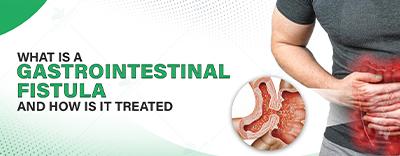
A gastrointestinal fistula is an abnormal opening that develops between the stomach, intestines, or other digestive organs, often causing leakage of digestive fluids. Treatment typically involves infection control, nutritional support, medications, and in
Gastric problems occur when excess acid or digestive disturbances affect the stomach lining, causing symptoms like bloating, acidity, and pain. Timely diagnosis ensures effective treatment.

Find out the power of early diagnosis through speech and audiology therapy in Noida.
Have you ever noticed someone struggling to speak words clearly or repeating them again and again because others don't understand what they are saying? Blurred speech, although generally dismissed as a trivial issue, can be an early red flag for a more serious underlying issue. If it is a developmental delay in a child or a neurological disorder in an adult, detection at an early stage and intervention on time can be a life-saving measure. With sophisticated speech therapy in Noida, especially at facilities like Felix Hospital, individuals can receive the professional advice they require to regain their voice and confidence.
Book an appointment with Felix Hospital and begin the journey towards smoother speech and a better tomorrow. Call us today at +91 9667064100.
Unclear speech is difficulty in articulation of sounds, slurred speech, or fluctuating pronunciation of words. It can be verbalized as mumbling, mixture of words, or persistent mispronunciation. While occasional lapse is a natural occurrence, frequent unclear speech could be caused by disorders such as:
Articulation disorders: Trouble making certain sounds.
Phonological disorders: Patterns of sound errors.
Apraxia of speech: Motor speech disorder wherein the brain is having trouble coordinating the muscles used in speech.
Dysarthria: Paralysis of speech muscles usually resulting from some form of neurological damage.
These can result from delays in the development of children or following strokes, head injuries, or neurological disease in adults. The cause should be determined so that it can be properly managed and recovered from.
Unclear or slurred speech must never be dismissed. It may be the first sign that can be observed of more serious medical illnesses such as:
Stroke or Transient Ischemic Attack (TIA)
Multiple Sclerosis (MS)
Brain tumor or traumatic head injury
Autism Spectrum Disorder (ASD)
Hearing loss
This is where audiology therapy in Noida steps in. An individual might not be pronouncing sounds correctly just because they are unable to hear properly, affecting their pronunciation. A professional audiologist can determine whether hearing loss is the root cause of the issue and suggest proper interventions like hearing aids or auditory-verbal therapy.
Overlooking symptoms of unclear speech can postpone diagnosis and treatment of such more severe problems. That is why early therapy and screening can not only enhance the capacity to communicate, but even save lives.
In Felix Hospital, our speech-language pathologists and our audiologists adhere to a comprehensive diagnostic process to identify the precise cause of unclear speech. This is what patients can anticipate:
In-depth history and symptom interview: Identifying when the difficulty began and any associated medical or neurological occurrence.
Speech-language assessment: Measurement of articulation, fluency, voice quality, and understanding.
Audiology testing: Screening for hearing to exclude or establish hearing impairment.
Neurological examination: If necessary, to exclude stroke or brain injury.
Developmental screening (children): To detect possible speech delay, autism, or cognitive complication.
Our experts use advanced technology to allow precise diagnosis, which is the foundation in formulating an effective treatment plan.
After diagnosis, a customized treatment plan is designed for addressing the individual requirements of the patient. Felix Hospital offers:
Speech Therapy: Repeated therapy sessions that involve production of sounds, muscle building, and control over breathing.
Language Therapy: Building vocabulary, grammar, and understanding.
Audiology Therapy: In the case of hearing-impaired patients, audiologists can suggest hearing aids or auditory training.
Oral-motor exercises: To enhance the coordination and muscle building of the mouth and tongue.
Assistive Communication Devices: In extremely severe cases, assistive devices such as speech-generating tablets can be used.
Family and Caregiver Training: Educating families to support the patient's communication development in the home environment.
The treatment may be of variable intensity and duration based on the age of the patient and severity of the condition. Best results are obtained through early and frequent treatment.
Our Noida-based Felix Hospital takes pride in having some of the most trained as well as empathetically qualified speech therapists and audiologists. Meet two of our highest-rated specialists:
With years of experience in the diagnosis and treatment of complicated auditory as well as speech disorders, Dr. Arvinder Pal Singh is well-equipped to offer customized treatments involving medical and therapeutic interventions. His understanding of neurological and audiological correlations ensures appropriate treatment to adults and children.
Renowned for his patient-centric model of care, Dr. Arjun Saini is a specialist in pediatric audiology and speech therapy. From starting with early intervention in infants to assisting with post-stroke recovery in the aged, he has a comprehensive model of communication therapy that guarantees long-term outcomes.
Together, they manage a team of experts working towards changing lives by recovering one of the most basic human capabilities—speech. Book an appointment today at Felix Hospitals.
Unclear speech is not merely a small glitch in communication—it may be an important clue that leads to something much more serious. Whether it is a child with developmental issues or an adult with early symptoms of a neurological disorder, early diagnosis and intervention can avoid complications and dramatically enhance outcomes.
Felix Hospital is the only one that provides complete Speech and Audiology Therapy in Noida, utilizing cutting-edge diagnostic technology, highly trained experts, and tender care. If you or someone you know is suffering from frequent jumbled speech, don't wait.
Q: Can jumbled speech in adults be the initial sign of a neurological disorder such as Parkinson's or stroke?
Ans: Yes. Slurred or slurred speech is an early symptom of neurological illnesses like stroke, Parkinson's disease, or even brain tumors. Sudden worsening or changes in speech are grounds for consulting a doctor right away.
Q: My child is speaking but no one can understand him. Is it a speech disorder even though he is speaking?
Ans: Yes. A child can be verbal but have articulation or phonological disorders and thus their speech is unintelligible. The only means of determining if therapy would be required is to obtain a professional speech-language evaluation.
Q: How do audiologists contribute to unintelligible speech because of hearing loss?
Ans: Audiologists test hearing and see if hearing loss is causing unclear speech. They can prescribe hearing aids, auditory training, or speech clarity adjustment techniques for clarity improvement.
Q: Is clear speech not necessarily permanent and can be made clearer with the assistance of a speech therapist?
Ans: In most instances, slurred speech can be greatly improved or completely cured with regular speech and audiology therapy, particularly if caught early. The prognosis will depend on the cause and severity.
Q: Are there warning signs parents can watch out for to recognize unclear speech in toddlers early on?
Ans: Yes. Red flags are failing to use speaking words clearly by age 2, having only a few words, becoming upset with speech efforts, or communicating only with familiar people. Early intervention is absolutely essential.
Q: How frequent are speech therapy sessions, and how long does treatment typically take?
Ans: Treatment frequency depends on the case but is usually 1–3 times per week. Treatment duration ranges from a few months to more than a year depending on the complexity of the condition and patient response.
Q: Why is Felix Hospital a trusted place to go for speech and audiology therapy in Noida?
Ans: Felix Hospital boasts superior facilities provided by pre-eminent professionals such as Dr. Arvinder Pal Singh and Dr. Arjun Saini, latest diagnostic machinery, and personalized treatment regimens—it is among the finest centers for treating cryptic speech in Noida.

Speech therapy apps and software offer interactive exercises and real-time feedback, making practice more engaging and effective.

Speech therapy offers a path to overcoming these obstacles, empowering individuals to express themselves more clearly and confidently.

Hearing is an essential sense that connects us to the world, allowing us to communicate, engage in conversations, and enjoy the beauty of sound.

Brain-boosting foods rich in antioxidants, omega-3s, and vitamins support memory, protect brain cells, and may help reduce the risk of dementia and Alzheimer’s disease.
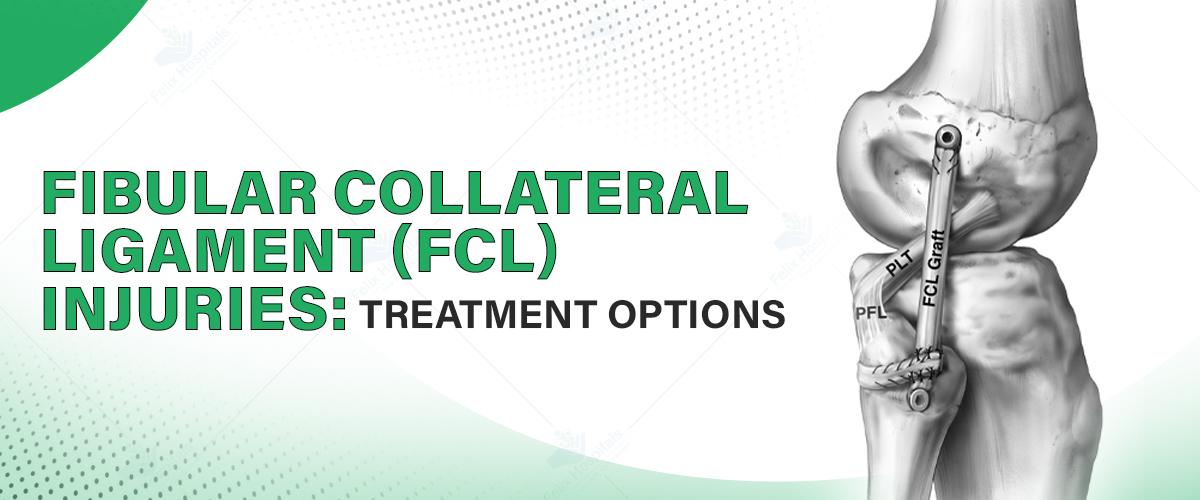
Knee injuries are prevalent, particularly in sportsmen and people who are active, but a frequently under-estimated one is the LCL (Lateral Collateral Ligament) tear. Also referred to as the FCL (Fibular Collateral Ligament) in certain situations, the LCL is an important ligament on the lateral aspect of your knee that links the thigh bone with the smaller lower leg bone. It stabilizes the joint while moving from side to side. When this ligament is damaged or over-extended as a result of sports, trauma, or sudden activities, it results in swelling, pain, and walking difficulty.
It is vital to know what an LCL tear is, why it is caused, and the methods of treatment to restore speedy and total recovery. The following article will assist you if you experience knee instability or pain by explaining symptoms and how to recover.
Get expert orthopedic treatment in a Noida hospital, from physiotherapy to surgery. Call us now at +91 9667064100.
The LCL is a tough band of tissue on the lateral (outer) aspect of your knee. It links your thigh bone (femur) to the smaller bone in your lower leg (fibula). The LCL stabilizes your knee, particularly during side movements.
An LCL tear happens when this ligament is stretched or torn, typically because of trauma or stress, and causes pain, swelling, and instability of the knee joint. It may be a mild sprain or total rupture of the ligament.
It's helpful to understand how your knee works to appreciate the significance of the LCL. Your knee joint is made up of three bones:
Femur (thighbone)
Tibia (shinbone)
Patella (kneecap)
Collateral Ligaments: Along the sides of the knee (the medial and lateral ligaments). The LCL is one of them.
Cruciate Ligaments: Within the knee joint (ACL and PCL), that regulate front-to-back motion.
If the LCL is torn, your knee will be unstable or weak, especially with side motion or weight-bearing.
LCL tears are prevalent in individuals who:
Participate in contact sports such as football or kabaddi.
Take part in high-impact sport such as basketball or skiing.
Change direction suddenly when running (such as soccer players).
Undergo direct trauma to the inner aspect of the knee.
Even individuals who are not athletes can suffer from this injury due to falling, road accidents, or slipping on uneven surfaces.
A tear of the LCL can cause a variety of symptoms that occur immediately after injury. These are:
Sharp pain over the lateral part of the knee.
Swelling and bruising of the joint.
Tenderness to touch.
Instability or sensation of the knee "giving way".
Difficulty in walking, particularly over uneven terrain.
If you have such symptoms, particularly following a twisting injury or a blow, go and see an orthopedic surgeon in Noida for further assessment.
An LCL tear typically occurs when the knee is bent out of its normal shape, hence stretching or tearing the ligament. The likely causes are:
Sudden twist or pivot
Jumping awkwardly and landing
Jarring fall on the knee sideweise
A knock to the inside of the knee, particularly when playing sports or experiencing trauma
These are typically acute injuries, i.e., they happen unexpectedly and are not due to chronic wear and tear.
Orthopedic surgeons in a hospital in Noida will begin with a clinical examination. They will test:
The movement of your knee
For bruising or swelling
If the knee is loose or unstable
In order to ensure the diagnosis, the following are tests that can be prescribed:
X-ray: To exclude any fracture of bones
MRI: To determine the degree of ligament injury
Ultrasound: In certain conditions, for a rapid soft tissue examination
Physicians classify LCL injuries as three grades:
Grade 1 (Mild): Slight stretching or small tears of the ligament
Grade 2 (Moderate): Partial tear with increased pain and instability
Grade 3 (Severe): Total tear, usually of other structures such as the ACL
The treatment relies upon the extent of the tear:
1. Non-Surgical (For Minor to Moderate Tears)
Rest and Ice Therapy
Compression Bandage
Elevating the Knee
Pain Killers (NSAIDs)
Crutches or Knee Brace
Physiotherapy: To revive strength and range of motion
2. Surgical (For Extensive Tears or Injuries involving them)
In case the LCL was a complete tear or associated with ACL or meniscus injury, surgery might be needed. Surgery can involve:
Stitching the torn ligament
Reattachment of the LCL to bone
Reconstruction utilizing a graft (tendon from another location of the body)
Highly specialized orthopedic departments in hospitals in Noida provide minimally invasive methods to recover in a short time with minimal postoperative pain.
Recovery depends on the grade of injury:
Grade 1: 3–4 weeks of rest and therapy
Grade 2: 8–12 weeks of bracing and physiotherapy
Grade 3: Up to 3 months, including surgery and rehab
Light strengthening and stretching of muscles
Balance retraining
Progressive return to activity programs
Your orthopedic doctor will give you clearance to return to sports or activity.
Yes, LCL can tear again if you return to activity too soon or ignore rehab. That is why lifestyle modifications and post-treatment physiotherapy are important in avoiding a reinjury.
Though all injuries cannot be prevented, you can lower the risk by:
Warming up thoroughly before playing sports or exercising
Proper dressing
Protective knee pads while participating in contact sports
Avoiding jerky or sudden movements
Regular exercise to tone leg muscles
Schedule an appointment with a trustworthy orthopedic expert at a Noida hospital for an accurate diagnosis and customized treatment plan for your LCL injury.
An LCL tear can significantly impact your mobility and way of life, especially if left untreated. No matter if your injury is slight or serious, immediate medical treatment is essential. A competent hospital in Noida can offer qualified orthopedic consultation, accurate diagnosis, and full treatment — from bracing and medication to surgical repair and rehabilitation.
If you’re experiencing persistent knee pain, swelling, or instability, don’t delay. Consult an orthopedic expert today and take the first step toward a full recovery.
Your knees support your every step—give them the care they deserve.
Q: Is FCL the same as LCL?
Yes, Lateral Collateral Ligament (LCL) and Fibular Collateral Ligament (FCL) are synonyms. Both describe the same ligament on the lateral side of your knee that stabilizes side-to-side motion.
Q: Is it possible to walk with an LCL tear?
It depends on the severity. Mild tears (Grade 1) may allow some walking, but moderate to severe tears will create instability, and walking is painful or unsafe without something such as crutches or a knee brace.
Q: How do I know if my LCL tear needs surgery?
Surgery is typically needed if the tear is a complete one (Grade 3), affects other ligaments (such as the ACL), or is unresponsive to conservative management. This will be evaluated by your physician with an MRI and exam.
Q: Do I require physiotherapy following an LCL tear even if I am not undergoing surgery?
Yes, physio is essential for all levels of LCL injuries to regain strength, regain function, and prevent re-injury—operative or not.
Q: When can I resume sports after LCL surgery?
The majority of players are returned to sport 3–6 months post-surgery, depending upon rates of rehabilitation and healing. Your surgeon will walk you through a safe schedule based upon your recovery milestones.
Q: What are the consequences of not treating an LCL tear?
Not treating an LCL tear will result in chronic knee instability, joint degeneration, walking difficulty, and risk for other injury to other ligaments or cartilage.
Q: Is an LCL injury more prevalent than an ACL injury?
No, ACL sprains are more prevalent, particularly among sportsmen. LCL tears are less, however, and may also affect knee function a lot, often together with other ligament sprains.

Orthopedics is a specialized branch that takes care of your musculoskeletal problems related to joints, bones, muscles, spine, ligaments, and tissues.

Knock knees, medically known as genu valgum, is a common condition in young children where the knees angle inward and touch one another when the legs are straightened.
Knock knees, medically known as genu valgum, is a common condition in young children where the knees angle inward and touch one another when the legs are straightened.
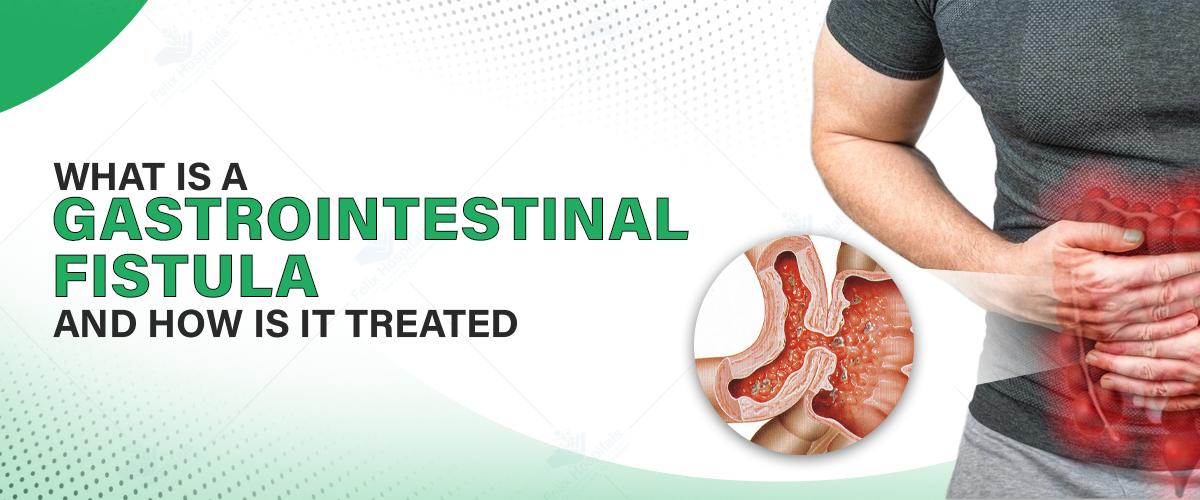
A gastrointestinal (GI) fistula is a serious medical condition marked by an inappropriate junction between many digestive tract segments or between the digestive system and surrounding organs. Although gastrointestinal fistulas are rare, if left untreated, they can lead to serious complications such as fluid imbalance, malnutrition, and infections. This article will elucidate the concept of a gastrointestinal fistula, its etiological aspects, the symptoms to monitor, and the contemporary therapeutic options available for effective care or resolution.
Should you have indications of a stomach fistula, Felix Hospitals in Noida and Greater Noida are accessible for assistance. Contact +91 9667064100.
A gastrointestinal fistula (GIF) is an abnormal connection between the stomach or intestines and another organ or the exterior surface of the body. This unintentional opening allows digestive fluids, including enzymes and gastric acids, to infiltrate surrounding tissues or even ooze through the skin. The leaked substances can damage surrounding tissues, provoke serious infections, and lead to nutritional deficits.
A gastrointestinal fistula, depending on its site and severity, can considerably hinder digestion, nutrition absorption, and overall health. This condition is considered severe and potentially life-threatening, requiring ongoing medical oversight and specialized treatment. Patients should ideally seek care under the guidance of the Best Gastroenterologists in Greater Noida, who are experienced in managing complex GI disorders and providing advanced treatment for gastrointestinal fistulas.
There are four primary types of gastrointestinal fistulas:
Intestinal Fistula (Gut-to-Gut Fistula): The digestive fluid leaks from one part of the intestine to another region it encounters inside.
Extra-Gastrointestinal Fistula: It forms between the intestine and other body organs, but not between the bladder, lungs, or blood vessels.
External Fistula (Entero-Cutaneous Fistula): Digestive fluids leak into the skin and produce an open wound that can greatly harm tissue around it.
Complex Fistula: It involves more than one organ and is harder to cure.
Gastrointestinal fistulas can originate from multiple underlying causes. The following are the primary reasons:
Postoperative Complications
Approximately 85–90% of gastrointestinal fistulas develop as complications following abdominal surgery. They typically emerge within the first week following the treatment, especially when healing is compromised or the surgical site is contaminated.
Spontaneous Formation
Fistulas can arise spontaneously, without surgical intervention or trauma, often due to chronic inflammatory disorders such as Crohn's disease, diverticulitis, or certain infections and malignancies.
Trauma or Injury
Penetrating injuries, such as gunshot wounds, stab wounds, or blunt abdominal trauma, might jeopardize the gastrointestinal tract and lead to fistula formation.
Symptoms depend on whether the fistula is classified as external or internal, along with the presence of infection or sepsis.
Skin discharge
Abdominal hypersensitivity
Fever
Leukocytosis
Painful bowel obstruction
Symptoms of Internal Fistulas:
Dehydration
Bloodstream infections
Rectal bleeding
Weight loss and compromised nutrient absorption
Worsening of preexisting medical conditions
Physicians employ several tests to identify gastrointestinal fistulas:
Lab tests: To evaluate for infection, nutritional status, and electrolyte balance.
Endoscopy: A flexible tube fitted with a camera is inserted to examine the interior of the digestive tract.
Barium X-rays: The patient may require the ingestion of contrast dye to visualize the intestines on X-rays. Barium enema may be utilized for colon fistulas.
Treatment depends on the location, size of the fistula, and the existence of an infection. Smaller, non-infected fistulas will occlude spontaneously with proper management.
Nutrition Support: Intravenous nutrition may be provided as oral consumption aggravates the condition. This promotes the healing and recuperation of the intestines.
Medications: Physicians may use pharmaceuticals to diminish stomach acid secretion and suppress intestinal motility.
Wound Management: Sufficient intervention to avert infection and preserve skin integrity.
Surgery may be required if the fistula does not heal within several months or if it causes sepsis, a serious condition. Interventions include specialized drainage, fluid-draining vacuum therapy, or endoscopic fistula closure. Recommend the most effective therapy at the best hospitality an affordable cost for gastrointestinal fistula in Noida.
Among the most dangerous complications connected to gastrointestinal fistulas is sepsis, a possibly fatal disorder brought on by the body's reaction to an infection. If not quickly treated, sepsis can cause organ malfunction, hypotension, and even death.
Although total avoidance of gastrointestinal fistulas is impossible, the risk is much reduced by the adoption of sensible lifestyle choices and proactive healthcare actions. Many important steps people can take to stop gastrointestinal fistulas from developing are listed below:
Perform regular medical checks: Early diagnosis of gastrointestinal problems, including Crohn's disease, ulcers, or diverticulitis helps to avoid complications that can cause fistulas.
Follow strictly the post-operative guidelines: After any abdominal surgery, carefully follow your doctor's advice on wound treatment, dietary restrictions, physical activity, and pharmaceutical schedule.
Seek quick attention for stomach problems: Don't ignore symptoms including changes in bowel patterns, skin discharge, or persistent stomach pain since they can indicate the creation of a fistula.
Maintain a healthy lifestyle:
Eat a balanced, high-fiber diet for optimal digestive functioning.
Get sufficient fluid intake to ensure easy digestion.
Routine exercise to ensure proper bowel function.
Steer clear of smoking and alcohol use, sinc they hinder healing and gastrointestinal function.
Steer clear of physical trauma: Use proper safety precautions in daily activities and work to prevent abdominal injury that can lead to an increased risk of internal damage and fistulae.
Make sure to follow sterile and cautious surgical procedures: At the best hospital for gastrointestinal fistula treatment in Noida, selecting a seasoned medical team decreases the risk of surgical and post-surgical complications.
Following these preventative actions helps one significantly lower their chances of developing gastrointestinal fistulas and improve general digestive capacity.
Book your consultation at Felix Hospitals to have the best health under the best laparoscopic surgeon.
Gastrointestinal fistulas are intricate disorders that, if not treated, can have profound effects on health. However, with successful treatment, the majority of patients fully recover. The key to successful recovery is early diagnosis, timely medical treatment, and an effective regimen of nutritional support, medications, wound care, and, if needed, surgery.
For patients seeking advanced and reliable treatment, choosing the Best Gastroenterology Hospital in Greater Noida is crucial. These hospitals provide specialized care with experienced gastroenterologists, state-of-the-art diagnostic facilities, and comprehensive post-treatment support.
Having a fistula is physically and emotionally challenging, but with appropriate medical treatment and a good support group one can recover. Patients are advised to arrive early should their symptoms include fever, changes in digestion, unusual stomach pain, or drainage through the skin.
Q: How long does it usually take to cure a gastrointestinal fistula?
Ans: Good treatment will help close small and simple fistulas in 4–8 weeks. More difficult instances can require several months or even surgical intervention.
Q: Will a gastrointestinal fistula heal without surgery?
Ans: Indeed, the fistula can close on its own if it is small, uninfected, well-kept by diet and medicine.
Q: What food should I avoid with a gastrointestinal fistula?
Ans: Most patients receive a special diet or intravenous nutrition to reduce gastrointestinal stress and promote healing.
Q: Can I have a normal life with a gastrointestinal fistula?
Ans: With appropriate care, most patients can indeed recover. One needs follow-up and long-term changes in lifestyle.
Q: Is it likely for a fistula to resurface following treatment?
Ans: Still, recurrence is noted, especially in cases of chronic gastrointestinal disease. Constant follow-up and lifestyle changes help reduce the risk.
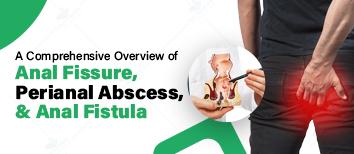
Anal fissures, perianal abscesses, and anal fistulas are common anorectal disorders that can significantly impact an individual's quality of life.
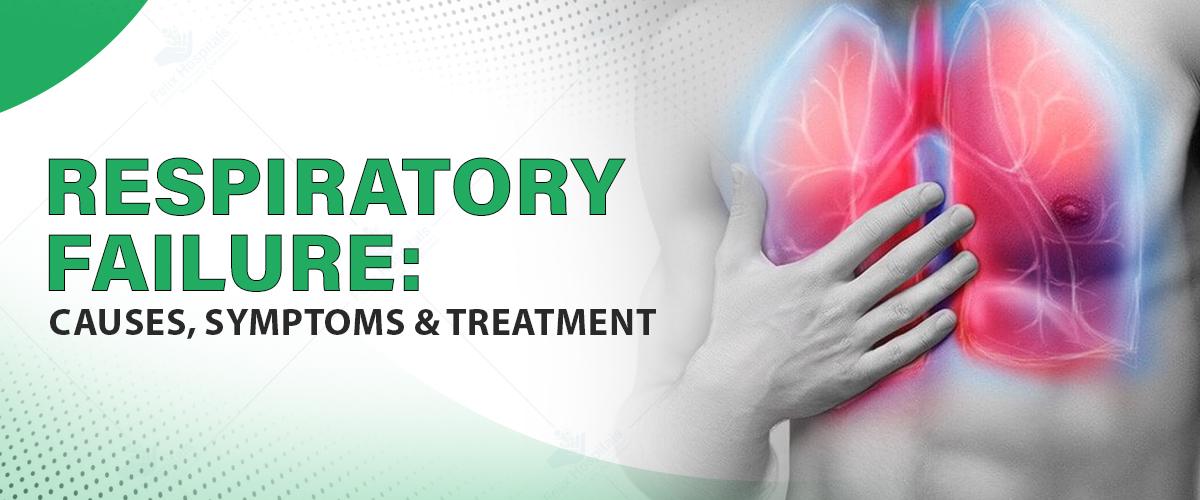
Respiratory failure is a serious condition where your lungs are unable to regulate normal levels of oxygen and carbon dioxide in the body. It can occur suddenly (acute) or develop gradually (chronic), and if not treated timely, it can become life-threatening.
We have a multidisciplinary team at the best pulmonology hospital in Noida equipped with the most advanced diagnostic and critical care support equipment to provide the best treatment for respiratory failure.
In this blog post, we will help you learn about what respiratory failure is, why it happens, symptoms of it, and the importance of timely medical intervention.
If you or your loved one experiences even a hint of respiratory distress, don't wait. Visit the best hospital for precise diagnosis and treatment. Call us immediately at +91 9667064100.
Respiratory failure is a severe medical condition in which the lungs cannot supply sufficient oxygen to the body or eliminate sufficient carbon dioxide from the blood. This condition can lead to serious complications and requires immediate medical intervention, especially in the case of acute respiratory failure, which develops rapidly. It may also gradually develop over time, referred to as chronic respiratory failure.
Normally, your heart and lungs work together to supply oxygen and release carbon dioxide. Respiratory failure occurs when illness, trauma, or pre-existing health interrupt this process. It can be fatal if left untreated.
To comprehend respiratory failure, it is easier to comprehend the breathing process (respiration). As you inhale, you take oxygen into your lungs, which spreads to small air sacs known as alveoli. From there, oxygen travels to your blood, and your blood travels throughout your body to nourish cells.
Once your cells have used this oxygen, they expel carbon dioxide as a waste product. This carbon dioxide is carried back to your lungs and expelled when you breathe out. If your heart or lungs are unable to carry out this function well, oxygen in the blood can fall, or carbon dioxide can accumulate—resulting in respiratory failure.
There are four general types of respiratory failure:
It happens when your blood isn't getting enough oxygen.
Typically, lung conditions such as pneumonia, asthma, or pulmonary embolism cause this condition.
It happens when your blood has too much carbon dioxide.
COPD, diseases of muscles, and neurological disorders are usual etiologies.
It can happen after surgery, particularly if anesthesia or complications injure your lung function.
Type 4 respiratory failure is characterized by conditions such as sepsis or heart attack, which lead to a reduction in blood pressure and oxygenation.
Symptoms may differ with the type and severity of the condition but are generally:
Difficulty in breathing or shortness of breath
Increased heart rate
Blue color of lips, skin, or nails (cyanosis)
Drowsiness or tiredness
Confusion, restlessness, or bizarre behavior
Sweating or paleness of the skin
Coughing blood or bloody sputum
Headache or blurred vision
If you experience any of the symptoms, especially if they appear suddenly, you should seek emergency treatment from the pulmonology treatment cost in Noida.
Respiratory failure can occur due to:
Lung conditions (e.g., COPD, asthma, ARDS, pneumonia)
Heart conditions (e.g., heart attack, congenital heart disease, heart failure)
Neurological or muscular disease affecting breathing (e.g., ALS, muscular dystrophy)
Severe chest trauma or spinal cord injury
Toxic exposure or tobacco smoking
Anesthesia during surgery
During pregnancy
Alcohol or sedative overdose
Doctors perform several tests to diagnose respiratory failure:
Pulse Oximetry: A small, painless clip on your finger measures oxygen in your blood.
Arterial Blood Gas (ABG) Test: Your blood sample from your artery measures oxygen and carbon dioxide.
Lung Function Tests: You blow into a machine that measures the effectiveness of your lungs.
Chest X-rays or CT Scans: These will show infection, fluid accumulation, or structural issues in your lungs.
Electrocardiogram (EKG): This test monitors heart function, particularly if there is a suspected heart condition.
Treatment differs depending on the cause and whether it is acute or chronic:
Oxygen therapy: It involves increasing the amount of oxygen in your blood by using a mask or nasal tube.
Mechanical Ventilation: If the situation is severe, a ventilator helps you breathe using a breathing machine.
ECMO (Extracorporeal Membrane Oxygenation): If your lungs are severely damaged and cannot supply your body with oxygen or eliminate carbon dioxide, ECMO acts as an artificial lung. It is an advanced machine that draws blood out of your body, adds oxygen, removes carbon dioxide, and then returns it to your body—giving your lungs time to recover.
IV Fluids: These enhance blood circulation and enable oxygen to reach your tissues.
Medications: Your doctor will prescribe the medications to address the underlying illness (e.g., antibiotics for infection, bronchodilators for asthma).
Chronic diseases can be treated at home with oxygen therapy and medications, but ongoing monitoring by the best pulmonology doctor in Noida is crucial.
Book an appointment today with the best pulmonary specialists at Felix Hospitals.
Respiratory failure is a clinical emergency that must never be taken lightly. Whether the onset is sudden or insidious, prompt treatment and intervention can determine the outcome. We provide complete care with the most advanced respiratory and critical care amenities. Our professionals are well-experienced in providing the best superspeciality hospital Noida possible care to patients with respiratory failure or any other critical respiratory ailment. If you or a family member have any symptom of difficulty breathing, don't delay—get medical attention immediately at an affordable cost.
Q: Is respiratory failure reversible?
Yes, in most cases, particularly if recognized early. Acute respiratory failure can be treated with emergency interventions such as oxygen therapy or mechanical ventilation. Chronic respiratory failure can be treated with long-term medication and lifestyle modification.
Q: Does respiratory failure always include lung disease?
Not always. Although lung diseases are the most common cause, neurological disease, muscular disease, severe infections such as sepsis, or intraoperative complications can lead to respiratory failure.
Q: In what way is shortness of breath different from respiratory failure?
Shortness of breath is a symptom of respiratory failure. Respiratory failure is a severe illness in which your lungs are no longer able to do their most fundamental job of gas exchange correctly.
Q: Who is most likely to get respiratory failure?
People with chronic pulmonary or cardiac illness, the elderly, neonates, smokers, and those exposed to air pollution are at increased risk. Surgical patients and neuromuscular disease patients are also at increased risk.
Q: Is it possible to recover from respiratory failure at home?
Acute respiratory failure must be managed in the hospital. Chronic types can be treated at home under a doctor’s guidance by oxygen therapy, medication, lifestyle modification, and regular follow-ups with a physician.

These viruses spread primarily through respiratory droplets released into the air when an infected person sneezes or coughs.

The cost of a Pulmonary Endarterectomy surgery depends on factors such as hospital facilities, surgeon fees, and post-operative care requirements.
अस्थमा होने पर इन्हेलर तात्कालिक राहत देते हैं। मगर अधिक उपयोग से न सिर्फ अस्थमा का नियंत्रण बिगड़ता है। बल्कि शरीर पर अन्य गंभीर दुष्प्रभाव होता है। इसलिए सही जानकारी गाइडलाइन आधारित इलाज और डॉक्टर की सलाह से ही इन्हेलर का प्रयोग करना चाहिए। याद रखें सावधानी और नियमित देखभा अस्थमा से सुरक्षित रखता है। इसलिए आज ही शहर के किसी अच्छे पल्मोनोलॉजी डॉक्टर से सलाह लें(Consult a good pulmonology doctor)। समय पर चेकअप करवाना बहुत ज़रूरी है। इस ब्लॉग में हम अस्थमा इनहेलर के सही इस्तेमाल और इसके ज़्यादा इस्तेमाल से होने वाले खतरों के बारे में चर्चा करेंगे।
ज्यादा जानकारी के लिए हमें कॉल करें +91 9667064100.
अस्थमा के इलाज में इन्हेलर का महत्त्व (Importance of Inhalers in the Treatment of Asthma)
स्वास्थ्य पर पड़ने वाले दुष्प्रभाव (Adverse Effects on Health)
क्या कहती है पल्मोनोलॉजी गाइडलाइन ? (What does the Pulmonology Guideline Say?)
इन्हेलर के उपयोग में सावधानी (Precautions while Using the Inhaler)
वैकल्पिक उपाय और जीवनशैली सुधार (Alternative Measures and Lifestyle Modifications)
अस्थमा(Asthma) एक क्रॉनिक श्वसन बीमारी है। जिस कारण श्वसन नलिकाएं संवेदनशील होती हैं। यह धूल, परागकण, धुआं, ठंडी हवा या व्यायाम के संपर्क में आकर सिकुड़ती हैं। इससे व्यक्ति को सांस लेने में तकलीफ, खांसी, छाती में जकड़न और सांस फूलने जैसे लक्षण दिखते हैं। अस्थमा का स्थायी इलाज नहीं है। सही प्रबंध और दवा से इसे नियंत्रित किया जा सकता है। जिससे सामान्य जीवन जीने में मदद मिलती है। अस्थमा के इलाज (Asthma Treatment)में इन्हेलर दो प्रमुख प्रकार हैं। जिनकी भूमिका अलग-अलग है।

तत्काल राहत देने वाले इन्हेलर में सैल्बुटामोल ब्रोंकोडायलेटर होते हैं। जब अचानक सांस फूलने लगे तब यह श्वसन नलिकाओं को तुरंत चौड़ा करते हैं। इसे आवश्यकता अनुसार लेते हैं। इसे आमतौर पर रेस्क्यू इन्हेलर कहते हैं। रेस्क्यू इन्हेलर तत्काल राहत देते हैं। मगर अस्थमा को पूरी तरह से ठीक नहीं करते है।
दीर्घकालिक नियंत्रण वाले इन्हेलरः
दीर्घकालिक नियंत्रण वाले इन्हेलर में इनहेल्ड कॉर्टिकोस्टेरॉइड्स (inhaled corticosteroids) का कॉम्बिनेशन होता है। जो फेफड़ों की सूजन को कम करते हैं। अस्थमा को नियंत्रित रखते हैं। इन्हें नियमित रूप से लिया जाता है। भले लक्षण न हों। इन्हें नियंत्रक इन्हेलर कहते है ।
अस्थमा के इलाज में इन्हेलर प्रभावी माध्यम हैं। दवा को सीधे फेफड़ों तक पहुंचाने का सबसे सुरक्षित तरीका है। इन्हेलर से दवा बहुत कम मात्रा में असरदार होती है। टैबलेट या इंजेक्शन की तुलना में इसके साइड इफेक्ट्स कम होते हैं। है
| विशेषता | रेस्क्यू इन्हेलर | कंट्रोलर इन्हेलर |
| उद्देश्य | तत्काल राहत देना | सूजन कम करके दीर्घकालिक नियंत्रण |
| सक्रिय तत्व | ब्रोंकोडायलेटर | स्टेरॉयड |
| कब लिया जाता है | सांस फूलने पर | रोजाना, चाहे लक्षण हों या नहीं |
| असर की गति | कुछ ही मिनटों में | धीरे-धीरे, लगातार उपयोग पर असर |
| जोखिम | अधिक उपयोग से समस्या बिगड़ सकती है | नियमित उपयोग से लक्षण नियंत्रित रहते हैं |
यदि अस्थमा इन्हेलर कोई काम नहीं कर रहा है, तो यह इन्हेलर के अधिक उपयोग की चेतावनी है:
सप्ताह में तीन या अधिक बार रेस्क्यू इन्हेलर का प्रयोगः
अगर आप एक सप्ताह में तीन से ज्यादा बार रेस्क्यू इन्हेलर का उपयोग करते हैं। यह संकेत है कि अस्थमा नियंत्रित नहीं है। यह स्थिति आगे चलकर अस्थमा के अटैक बढ़ाती है।
सांस फूलना, नींद में खांसी, या बार-बार अस्पताल जाना
अगर रात को खांसी या सांस फूलने से नींद टूटती है। यह अस्थमा की बिगड़ने का संकेत है। बार-बार अस्थमा से अस्पताल जाना पर तुरंत इलाज की जरूरत है।
गाइडलाइन के अनुसार इन्हेलर की सुरक्षित सीमाः
गाइडलाइन के मुताबिक रेस्क्यू इन्हेलर का उपयोग सप्ताह में 2 से 3 बार से अधिक नहीं होना चाहिए। कंट्रोलर इन्हेलर का नियमित उपयोग जरूरी है। जिससे रेस्क्यू इन्हेलर की जरूरत कम पड़े। अगर ज्यादा बार रेस्क्यू इन्हेलर लेना पड़ता है, तो नोएडा शहर के प्रमुख डॉक्टर से संपर्क करें।
अस्थमा इन्हेलर अगर डॉक्टर की सलाह के बिना उपयोग हो तो यह नकारात्मक प्रभाव डाल सकते हैं।
हार्ट रेट का बढ़ना और घबराहट:
रेस्क्यू इन्हेलर में पाए जाने वाले ब्रोंकोडायलेटर का अधिक उपयोग दिल की धड़कन बढ़ाता है। इससे घबराहट, बेचैनी और अनिद्रा होता हैं। दिल के मरीज ज्यादा प्रभावित होते हैं।
सांस लेने परेशानीः
अधिक उपयोग के कारण श्वसन नलिकाएं उल्टा प्रतिक्रिया देती हैं। दवा लेने के बाद सांस की नली सिकुड़ती है। इससे सांस लेने में कठिनाई होती है। अस्थमा अटैक गंभीर होता है।
दवा प्रतिरोधकता का बढ़नाः
बार-बार इन्हेलर लेने से शरीर उस दवा के प्रति अभ्यस्त होने लगता है। इससे दवा की प्रभावशीलता कम होती है। रोगी को राहत पाने के लिए ज्यादा मात्रा लेने की जरूरत होती है। यह अस्थमा के बेहतर नियंत्रण में बाधा डालता है।
स्टेरॉयड के साइड इफेक्ट्सः
कंट्रोलर इन्हेलर में पाए जाने वाले स्टेरॉयड का ज्यादा उपयोग दुष्प्रभाव होते हैं। इससे हड्डियों कमजोरी होती है। वजन बढ़ना जैसे लक्षण दिखते हैं । संक्रमण का खतरा बढ़ता है। रक्त शर्करा और दबाव बढ़ता है।
अस्थमा के इलाज (Asthma Treatment) में बनाई गई गाइडलाइन मरीजों और डॉक्टरों दोनों को सबसे प्रभावी और सुरक्षित तरीके से रोग नियंत्रण में सहायक है।
अस्थमा के लिए वैश्विक पहलः
अस्थमा का इलाज केवल लक्षणों को दबाने तक सीमित न रखें। यह फेफड़ों में सूजन को नियंत्रित करना जरूरी होता है। मरीज को दवा का सही और नियमित उपयोग करने के लिए प्रेरित किया जाना जरूरी होता है। इसके लिए लक्षणों और दवाओं के प्रभाव का नियमित मूल्यांकन किया जाना जरूरी होता है।
स्मार्ट थायरेपी और चरणबद्ध प्रबंधनः
इसमें मरीज एक कंबाइंड इन्हेलर का इस्तेमाल नियमित नियंत्रण के लिए करता है। इससे अस्थमा के दौरे कम होते हैं। इस कारण रेस्क्यू इन्हेलर की जरूरत घटती है।
नियमित समीक्षा और इलाज की रणनीति बदलने की सलाहः
अस्थमा को समझने के लिए नियमित डॉक्टर से जांच और समीक्षा जरूरी है। बार-बार लक्षण हो रहे हों या ज्यादा रेस्क्यू इन्हेलर की जरूरत हो तो डॉक्टर की सलाह ले। इलाज में बदलाव से पहले दवा के सही उपयोग और जीवनशैली में सुधार करें। मरीज को अस्थमा के लक्षण, ट्रिगर्स जैसे एलर्जेन, धुआं और दवाओं के सही तरीके की जानकारी दें।
अस्थमा में इन्हेलर जीवन रक्षक होते हैं। सही और सुरक्षित उपयोग के लिए कुछ जरूरी सावधानियां अपनाना आवश्यक है।
डॉक्टर की सलाह से इन्हेलर का उपयोगः
इन्हेलर का इस्तेमाल केवल डॉक्टर की सलाह और प्रिस्क्रिप्शन के अनुसार करना चाहिए। खुद से दवा की मात्रा बढ़ाना या कम करना हानिकारक होता है। दवा से एलर्जी या साइड इफेक्ट हो तो डॉक्टर से संपर्क करें।
एक्शन प्लान बनवानाः
लक्षण कब खराब होते हैं, कब दवा लेनी है। कब तुरंत डॉक्टर को दिखाना है। यह योजना अस्थमा अटैक में मदद करती है।
स्पेसर का उपयोग और सही तकनीकः
इन्हेलर के साथ स्पेसर का उपयोग से दवा फेफड़ों तक पहुंचती है। इसका सही इस्तेमाल जरूरी है। गलत तरीका दवा के प्रभाव को कम करता है। सही उपयोग की ट्रेनिंग लेना जरूरी होता है।
ट्रैकिंग ऐप्स या डायरी से मॉनिटरिंगः
अस्थमा के लक्षण दवा के उपयोग और अटैक को ट्रैक करने के लिए ऐप्स या डायरी का उपयोग करें। इससे यह समझने में मदद मिलती है कि अस्थमा कब बेहतर है। कब इलाज में बदलाव की जरूरत है।

अस्थमा का प्रबंधन केवल दवाओं तक सीमित नहीं है। सही जीवनशैली से अस्थमा के लक्षण होते हैं।
एलर्जन से बचावः
अस्थमा के अधिकांश अटैक एलर्जन यानी धूल, परागकण, पालतू जानवर के बाल, फफूंदी से होते हैं। घर और कार्यस्थल को साफ रखें। धूल-मिट्टी से बचें। पराग कड़ के मौसम में बाहर जाने से बचें और मास्क पहनें।
व्यायाम और प्राणायाम
हल्का और नियमित व्यायाम यानी तेज चलना, योग फेफड़ों की क्षमता बढ़ाने में मदद करते हैं। प्राणायाम श्वास नियंत्रण अभ्यास सांस की गहराई और सहनशीलता बढ़ाता है।
धूम्रपान से दूरीः
धूम्रपान अस्थमा के लिए नुकसानदेह है। इसलिए धूम्रपान न करें। धूम्रपान करने वालों के करीब न रहें। धुआं अस्थमा को बढ़ाता है।
वजन नियंत्रण और मानसिक तनाव कम करनाः
अधिक वजन फेफड़ों पर दबाव डालता है। सही वजन जरूरी है। मानसिक तनाव और चिंता अस्थमा को बढ़ावा देता है। इसलिए ध्यान, मेडिटेशन और आराम वाली तकनीक अपनाएं। पर्याप्त नींद लेना के साथ सकारात्मक सोच बनाए रखें।
हमसे संपर्क करेंः
अस्थमा का इलाज श्वसन तंत्र से जुड़े डॉक्टर करते हैं। पल्मोनोलॉजिस्ट यानी फेफड़ों के विशेषज्ञ अस्थमा, सीओपीडी, ब्रोंकाइटिस जैसे फेफड़ों से जुड़ी बीमारियों के विशेषज्ञ होते हैं। मध्यम से गंभीर अस्थमा या बार-बार होने वाले अस्थमा अटैक के मामलों में इनसे सलाह लेना आवश्यक है।
समय पर जांच और इलाज बेहद आवश्यक है। आज ही फेलिक्स हॉस्पिटल्स में संपर्क करें और आज ही अपना अपॉइंटमेंट बुक करें। ज्यादा जानकारी के लिए हमें कॉल करें +91 9667064100.
अस्थमा में इन्हेलर जीवन रक्षक है। सांस न आने पर राहत देता हैं। सही उपयोग सुरक्षित और प्रभावी इलाज की कुंजी है। इसलिए डॉक्टर की निगरानी बहुत है। दवाओं का सही इस्तेमाल लक्षणों पर नजर रखना और इलाज योजना में बदलाव से अच्छे परिणाम मिलते हैं। रोगी और उनके परिवार को चाहिए कि वह डॉक्टर की सलाह का पालन करें। दवाओं का सही उपयोग करें। जीवनशैली में सुधार करें। नोएडा के अच्छे हॉस्पिटल से संपर्क करके कम दाम में इलाज करा सकते हैं।
प्रश्न 1. अस्थमा इन्हेलर क्या हैं यह कैसे काम करते हैं?
उत्तर: इन्हेलर छोटे उपकरण होते हैं। जिनमें दवा होती है। जो सीधे फेफड़ों तक जाती है। यह फेफड़ों की नलिकाओं को खोलने और सूजन कम करते हैं। जिससे सांस लेना आसान होता है।
प्रश्न 2. अधिक इन्हेलर का उपयोग खतरनाक क्यों है?
उत्तर: ज्यादा उपयोग से दवा का असर कम होता है। इससे दिल की धड़कन तेज होती है। घबराहट होती है। सांस की स्थिति बिगड़ती है।
प्रश्न 3. रेस्क्यू इन्हेलर और कंट्रोलर इन्हेलर में क्या फर्क है?
उत्तर: रेस्क्यू इन्हेलर तुरंत राहत देते हैं। जरूरत पड़ने पर उपयोग हैं। कंट्रोलर नियमित रूप से लक्षणों को नियंत्रित करने के लिए होते हैं। इन्हें रोजाना लेना जरूरी होता है।
प्रश्न 4. पल्मोनोलॉजी गाइडलाइन के अनुसार इन्हेलर का सुरक्षित उपयोग क्या है?
उत्तर: रेस्क्यू इन्हेलर का सप्ताह में 2-3 बार से अधिक उपयोग नहीं करना चाहिए। कंट्रोलर इन्हेलर को रोजाना डॉक्टर की सलाह के अनुसार लेना चाहिए।
प्रश्न 5. अगर ज्यादा बार रेस्क्यू इन्हेलर की जरूरत हो तो क्या करें?
उत्तर: यह अस्थमा का नियंत्रण कमजोर होने का संकेत है। तुरंत डॉक्टर से संपर्क करें। जिससे इलाज की योजना बदली जा सके।
प्रश्न 6. इन्हेलर का सही उपयोग कैसे करें?
उत्तर: डॉक्टर से सही तकनीक सीखें। स्पेसर का उपयोग करें। नियमित रूप से अपने अस्थमा के लक्षण ट्रैक करें।
अस्थमा का इलाज मुख्य रूप से पल्मोनोलॉजिस्ट द्वारा किया जाता है। ये फेफड़ों और श्वसन तंत्र से जुड़ी बीमारियों के विशेषज्ञ होते हैं। अ
फेफड़ों का कैंसर एक गंभीर बीमारी है जो शुरुआती पहचान और सही उपचार से नियंत्रित की जा सकती है। जानिए इसके लक्षण, कारण और इलाज के विकल्प।

एनजाइना पेक्टोरिस एक चिकित्सा स्थिति है जो तब होती है जब दिल की मांसपेशियों को पर्याप्त ऑक्सीजन युक्त रक्त नहीं मिलता। यह समस्या तब उत्पन्न होती है जब कोरोनरी धमनियों में अवरोध या संकीर्णता के कारण रक्त प्रवाह कम हो जाता है।
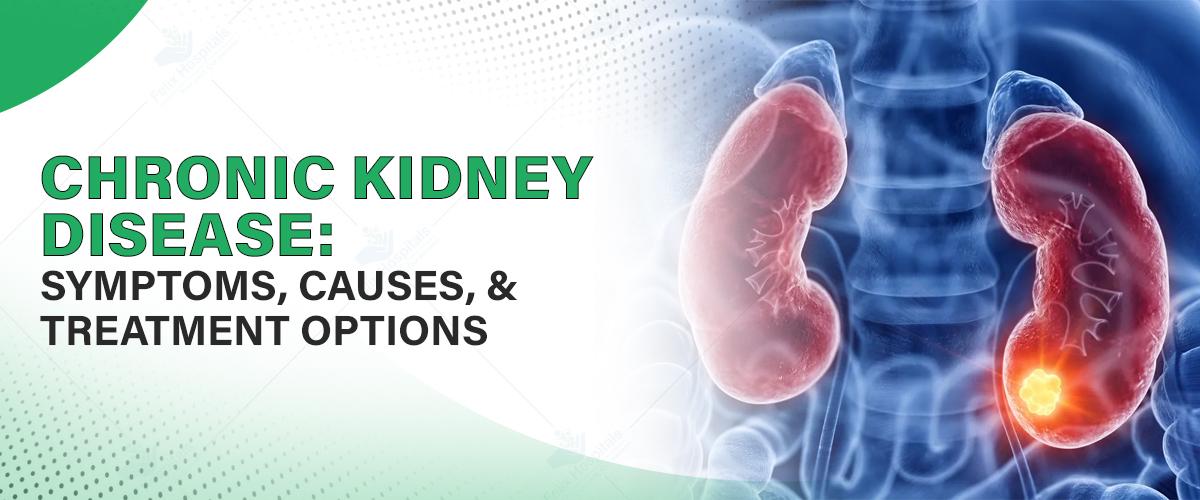
Our kidneys play a significant role in keeping our body in excellent condition. They filter out waste products, balance fluid and minerals, maintain blood pressure, and also support bones and blood health. But what happens when the essential organs begin to fail?
Chronic Kidney Disease (CKD) is a slow and progressive loss of kidney function affecting millions of people worldwide. Often going unnoticed in its early phases, CKD can cause major problems, including renal failure, if not identified and controlled quickly.
Timely diagnosis and intervention are essential when it comes to seeking the best chronic kidney disease treatment in Greater Noida.
In this blog post, we shall discover what CKD is, how one can recognize its symptoms, why it happens, and the recent treatment options to enable you or your loved one to manage this condition effectively.
Take the first step toward healthier kidneys. Call us today at +91 9667064100.
Chronic Kidney Disease (CKD) is a long-term condition where the kidneys slowly start to lose their ability to remove waste and excess fluid from the blood. In contrast to abrupt kidney failure, CKD takes months or years to develop.
One of the challenges with CKD is that there are no symptoms in the early stages. Due to the fact that symptoms appear in advanced stages, the majority of individuals are not aware they have kidney damage until it is severe.
When the kidney function declines, toxic wastes and fluids accumulate in the body, leading to complications such as swelling, hypertension, anemia, and finally, kidney failure. In the worst-case scenario, patients must undergo dialysis or a kidney transplant to survive.
You have two fist-sized kidneys, one on each side of your spine in your lower back. Their primary job is to serve as a natural filter for your blood. Kidneys filter out:
Waste products from metabolism
Extra fluids, which are eliminated from your body through urine
Electrolytes and minerals like sodium, potassium, and calcium, keeping them in healthy balance
In addition to filtering, kidneys also secrete hormones that regulate blood pressure, stimulate the production of red blood cells, and support bone health through control of vitamin D metabolism.
When your kidneys are injured, these processes are impaired, and the accumulation of toxins in your blood leads to many symptoms and diseases.
Chronic kidney disease often progresses silently with no obvious symptoms in the early stages. When CKD does progress, some of the following symptoms can occur:
Frequent urination, particularly at night
Fatigue and lack of energy
Loss of appetite and nausea
Swelling of hands, feet, ankles, or face
Dry, itchy skin
Trouble with concentration or sleeping
Muscle cramps or numbness
Frothy, bubbly urine (which is an indicator of protein in the urine)
High blood pressure, which is difficult to control
If you experience these signs and symptoms, particularly if you have diabetes or high blood pressure, see the best nephrologist in Greater Noida immediately.
Most often, the causes of chronic kidney disease are:
Diabetes: Too much blood sugar hurts the small filtering units in the kidneys.
High Blood Pressure (Hypertension): Presses on the blood vessels of the kidney and damages them.
Glomerulonephritis: Inflammation of the filtering units of the kidney.
Polycystic Kidney Disease: A genetic disorder causing cysts to form in the kidneys.
Recurrent Kidney Infections: Can lead to permanent kidney damage.
Obstructions: Kidney stones or an enlarged prostate that blocks urine flow.
Autoimmune diseases: Such as lupus can target and damage the kidneys.
Long-term use of certain medications: Overuse of painkillers like NSAIDs can harm the kidneys.
People aged over 60 years.
People with a family history of kidney disease among relatives.
Individuals with a history of heart disease are also included.
Individuals adhering to a specific medication regimen are also included.
Individuals who smoke or are inactive also fall into this category.
CKD is divided into five stages according to kidney function. The number indicates how well your kidneys filter your blood.
| Stage | Description |
| Stage 1 | Kidney damage with normal function |
| Stage 2 | Mild reduction in kidney function |
| Stage 3a | Mild to moderate loss of function |
| Stage 3b | Moderate to severe loss |
| Stage 4 | Severe kidney damage |
| Stage 5 | Kidney failure (End-stage disease) |
Early detection during stages 1-3 allows for interventions that can slow progression and prevent complications.
Your physician will assess symptoms, history, and risk factors. Diagnosis involves:
Blood Tests: To check creatinine levels and estimate glomerular filtration rate (GFR), a measure of kidney filtering ability.
Urine Tests: To detect the presence of protein or blood, which may signify kidney damage.
Imaging Tests: Ultrasound, CT scan, or MRI to assess kidney size and shape.
Kidney Biopsy: Specialists take a small tissue sample from the kidney to identify specific kidney conditions.
Follow-ups should be frequent in high-risk patients because early diagnosis ensures a favorable prognosis. For those who are worried about long-term care, the cost of CKD treatment in Noida is manageable with planning and guidance from experienced healthcare professionals.
Chronic kidney disease cannot be cured, and treatment aims:
Slowing the disease in the kidneys.
Managing symptoms and complications
Prevention of disease progression to failure
Main strategies include:
Blood sugar and blood pressure control: By drugs and lifestyle modification.
Compliance with a kidney diet: Low phosphorus, sodium, and protein, diet as advised by a dietician.
Avoid harmful medicines unless your doctor indicates it is okay.
Stopping smoking and limiting alcohol use.
Being active and having healthy weight
Controlling and treating anemia, bone disease, and fluid overload
The best nephrology hospital in Greater Noida provides personalized treatment plan with regular kidney function monitoring.
You can lower your risk of CKD or delay disease progression by:
Managing diabetes and hypertension
Following a healthy, well-balanced diet that includes fruits and vegetables
Staying active and having a normal body weight
Preventing overuse of pain medication
Quitting smoking and alcohol use reduction
Regular screening for health, particularly if you have risk factors
Book your kidney health checkup today with one of the best nephrologists in Greater Noida. Early detection is life-saving.
Chronic kidney disease is a threatening but controllable illness when found in the early stages and handled correctly. Awareness, regular health screenings, and a healthy lifestyle are your best defences against it. If you have diabetes or hypertension or just want to keep your kidneys in their best condition, being proactive can be a life-altering key.
If you are experiencing symptoms or risk factors or need professional advice on how to manage your kidneys, don't wait. Early treatment can prevent the progression of CKD, minimize complications, and enhance your lifestyle.
Felix Hospital stands as the best kidney hospital in Noida, offering advanced nephrology care with nephrologists in noida and state-of-the-art facilities for comprehensive kidney treatment.
Q: How frequently should I undergo screening for kidney disease if I have diabetes or high blood pressure?
At least once a year. More often, depending upon your disease and physician's recommendation.
Q: Can I still exercise if I have CKD?
Indeed, we recommend modest exercise, like walking, swimming, or yoga. It helps to control blood pressure and weight, both of which are key to maintaining kidney function.
Q: Is it possible to live normally with CKD?
Yes, early to moderate CKD patients can live normally and live active lives. Through medical management, lifestyle modification, renal diet, and regular follow-up, CKD can be well-controlled and its course delayed.
Q: How much should I drink for CKD stage 4?
Fluid requirements in Stage 4 CKD also differ from person to person. One should stay hydrated but avoid excessive intake of water, as this puts stress on ill kidneys. Your nephrologist might suggest limiting fluid if you find swelling, high blood pressure, or diminished urine output.
Q: Can kidney disease be reversed?
CKD is rarely reversible, particularly in severe stages. But early diagnosis and lifestyle changes can greatly slow down its advancement. Keeping blood pressure under control, managing blood sugar, having a kidney-friendly diet, and protecting kidneys from damage are the secrets to having working kidneys for several years.
Find out the best methods to pass kidney stones quickly, ease pain, and protect your kidneys with proven home remedies and advanced treatment options.
Obesity and excessive sugar consumption are widely recognized as major contributors to diabetes, heart disease, and high blood pressure.
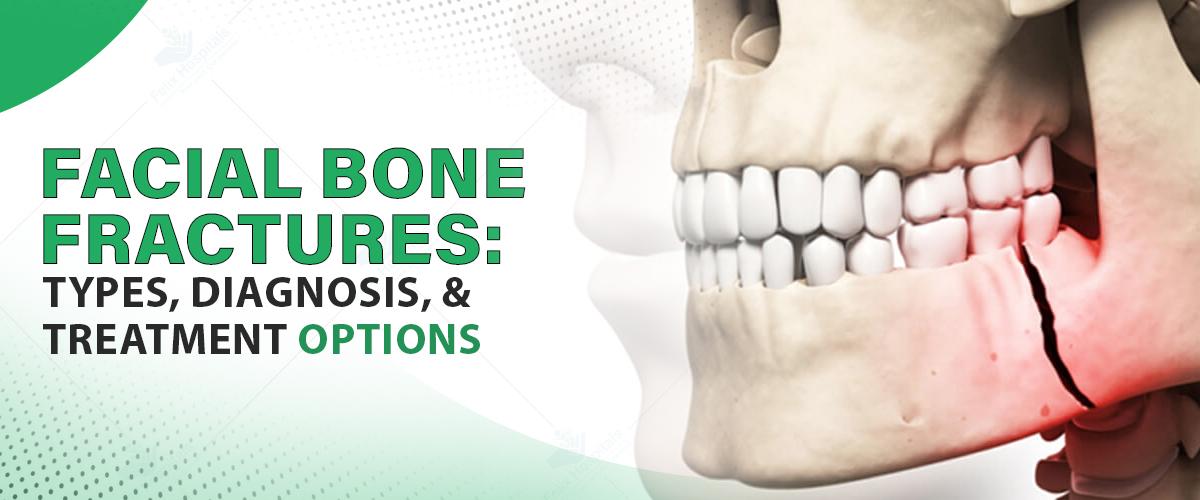
Facial bone fractures are serious injuries involving broken bones in areas such as the jaw, nose, cheekbones, or eye sockets. Since facial bones are less dense and weaker compared to other bones in the body, they are more susceptible to injury.
When there is a facial fracture, the key to success is early diagnosis and treatment from a proficient orthopedic surgeon. If you reside in Noida and are experiencing this condition, having the best orthopedic hospital on your side can significantly improve your recovery process.
Call us now at +91 9667064100, or come to our hospital and speak with our experts directly and receive the treatment that you deserve.
Facial bone fractures—maxillofacial fractures—are where one or more of the facial bones are fractured as a result of trauma. They not only cause pain, but they also disfigure, can hinder breathing, and impair speech, eating, or vision.
Depending on the fractured bone, the symptoms of a facial fracture vary, but the following are common signs:
If you or a loved one has any of these symptoms after an injury, immediate medical attention is necessary.
Facial fractures result from severe trauma. The usual causes are:
Facial bone fractures can be accompanied by severe complications if not treated correctly:
The best hospitals in Noida begin the diagnosis process by performing a physical examination to observe any external trauma signs, such as bruising, swelling, or facial asymmetry. The physician can also:
Facial fracture treatment varies depending on the area and severity of the fracture. The primary aim is to restore both function and form
1. Medication
Physicians may prescribe:
2. Closed Reduction
This is achieved by realigning bones non-surgically. It's appropriate for tiny fractures where bones can be aligned outside the body.
3. Open Reduction and Internal Fixation (ORIF)
Surgery comes in when the fractures are complex. Surgeons incise the bone to enter it and hold it together with plates, screws, or wires.
4. Facial Reconstructive Surgery
For severe cases, reconstructive surgery may be performed to:
Even though no face injury is ever completely avoidable, you can reduce your risk by:
Book an appointment today with one of Noida's top-rated orthopedic and maxillofacial surgeons.
Face bone fractures can be life-altering, not just physically, but psychologically as well. Early intervention, specialist treatment, and individualized care are the hallmarks of a smooth and successful outcome. Whether it is a simple nasal fracture or a reconstructive complex case, choosing the right hospital with an experienced orthopedic staff can make all the difference in your results.
At the best orthopedic hospital in Noida, we don't just treat your healing, but also your comfort, confidence, and overall well-being. Our state-of-the-art facilities, along with expert surgeons and empathetic care, have you back to life as usual—pain-free and restriction-free.
Q: How do I know if I need surgery for a facial fracture?
Ans: Not every facial fracture must be operated on. But if the bones are out of place, interfere with your ability to breathe, eat, or see, or produce marked disfigurement, surgery is generally advised. Your doctor will determine the course of action based on a CT scan.
Q: Do facial bone fractures heal by themselves?
Ans: Low-level fractures, particularly nondisplaced fractures, will heal naturally if they are rested and provided with TLC. Yet, without assessment, there is the risk of long-term complications such as facial asymmetry or nerve damage.
Q: Is facial reconstructive surgery safe?
Ans: Yes, if by competent orthopedic and plastic surgeons in an upscale clinic, facial reconstructive surgery is safe and often indicated to restore both function and appearance. Risks are small when performed in an attended hospital.
Q: When should I seek treatment if I suffer a facial injury?
Ans: Right away. Delaying until after swelling has begun to treat it worsens it, straightens more problematic, and more likely to create lasting damage or infection. The sooner you're treated, the simpler the recovery.
Q: Will facial surgery cause scars?
Ans: Newer surgical techniques that are performed by high-quality hospitals attempt to reduce scarring. Incisions are often placed inside the mouth or in skin creases so that scarring is virtually unseen.
Q: What is the function of an orthopedic surgeon in treating facial fractures?
Ans: Orthopedic surgeons, particularly maxillofacial trauma experts, play a critical role in diagnosing, re-setting, and stabilizing facial bones—along with ENT or plastic surgery teams for optimal care.
Q: 7. How do I prepare for facial fracture surgery?
Ans: You can possibly have to go through pre-surgical examinations (tests, imaging), not consume food or drink for several hours prior to surgery, and have someone accompany you later. Your surgeon will give you some instructions based on your case.

Bone fractures are common injuries from accidents or falls. While many heal well, complications can arise, affecting recovery. Learn more about these issues and treatments.


Subscribe to our
© Copyright 2026. All Rights Reserved by Felix Healthcare Private Limited
Design and development by :


 +(91)9667064100
 Emergency : +(91)9667064100