 WhatsApp
 Emergency:
  WhatsApp









Subscribe to our
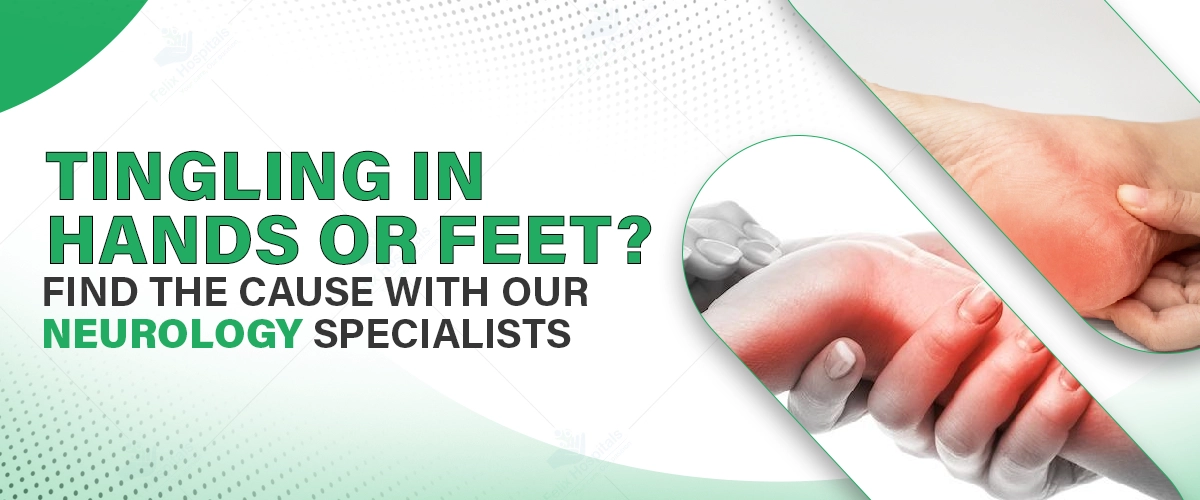
Numbness or tingling of hands and feet—felt to have a "pins and needles" sensation—can seem minor initially, yet it can be an early symptom of nerve or organ disorders. Although occasional temporary tingling is likely because of temporary nerve compression while sleeping or sitting for long periods of time, frequent episodes might be symptoms of more serious ailments, especially disorders of the urinary tract and kidneys.
The best neuro hospital in Noida collaborates with nephrologists and internal medicine doctors to detect the precise reason for your symptoms and develop an individualized treatment plan. Let us take a look at 11 potential causes of tingling that are directly or indirectly related to urological health.
If your or your loved one's hand is becoming numb, don't delay; it's a sign of a neurological issue. Call us right away at +91 9667064100 and give your future a brighter chance.
Numbness in hands or feet is a precursor symptom of a neurological disorder in your body because when your nerves cannot perform normally, the hands start tingling constantly. Read about the major causes of tingling in hands and feet:
Kidneys do a lot of work to remove wastes and toxins from your blood. In chronic kidney disease, the filter fails and stores wastes. Peripheral nerves are damaged by the toxins and can cause uremic neuropathy. Numbness, tingling, or burning-usually in legs and feet-are prevalent in advanced stages.
Sudden loss of kidney function, or acute renal failure, can also lead to nerve dysfunction. A sudden build-up of toxins can cause neurological symptoms such as confusion, muscle weakness, or numbness in the extremities. Early diagnosis and treatment are necessary to avoid permanent nerve damage.
Kidneys control vital minerals such as potassium, calcium, and magnesium. Without normal kidney function, these minerals can shift levels, leading to abnormal transmission of the nerve. Fingertip tingle and numbness are quite normal consequences of unbalanced calcium or potassium.
Poorly managed diabetes is a large risk factor for both peripheral neuropathy and kidney disease. Chronic high blood sugar hurts both nerve tissue and the small blood vessels. Numbness or tingling usually begins in the feet and progresses upward and occasionally to the hands. Nerve malfunction may be further accelerated by diabetic kidney damage.
Whereas urinary tract infections (UTIs) would otherwise be accompanied by symptoms of burning with urination or urgency to urinate, in late or recurrent UTIs,—in particularly immune-compromised hosts,—cause systemic inflammation. In extremely rare instances, infection will involve the nervous system so that there will be tingling, fever, and change in mental status.
Hypertension is the most common cause of kidney disease. It may also damage the blood vessels that nourish the nerves if left untreated and lead to peripheral neuropathy. Numbness, tingling, or coldness, especially in the lower limbs, are patient complaints.
Medications used to treat kidney disease, hypertension, or infections in the urinary tract—e.g., diuretics or certain antibiotics—can have neurologic side effects. Long-term use is likely to contribute to nerve inflammation or damage, particularly in patients with underlying renal illness.
Inadequate hydration or excessive loss of body fluids can burden the kidneys, decrease toxin removal, and compromise electrolyte balance. Mild dehydration may cause temporary paresthesia, while chronic fluid imbalance may lead to longer nerve interference.
Exposure to heavy metals such as lead, mercury, or arsenic—usually from contaminated water or industrial contamination—may influence both nerve and kidney function. More concern about the quality of groundwater has been voiced in the area of Noida and the surrounding areas. Such poisons that have accumulated in such sources may cause nephrotoxicity as well as neuropathy.
Vitamin B12 maintains the health of nerves. In patients with chronic kidney disease, the process of absorption of important nutrients such as B12 is impaired. Deficiency leads to weakness, numbness, and tingling. Nutritional deficiencies need to be managed in such a scenario.
End-stage renal failure patients undergoing long-term dialysis can develop dialysis-related neuropathy. The condition is defined by chronic paresthesia or pain in the hands and feet. The etiology is not always certain, but it can be due to nerve stress caused by built-up metabolic waste products and electrolyte disturbances.
If you feel numbness in your hands or feet without any apparent reason, it is critical not to overlook it, particularly if you have kidney disease, diabetes, or high blood pressure. Catching the issue early may prevent nerve damage from becoming permanent.
Our neurologists in Noida are complemented by nephrology and internal medicine departments to provide holistic care. Regardless of whether your symptom has resulted from compression of a nerve or some deeper urologic cause, we will assist you in reaching the cause with leading-edge diagnostics and treatment tailored for you.
The neurological problem is not permanent. If you are able to detect it sooner, the outcome is actually excellent. Simply book your consultation with the best neurologist at Felix Hospitals. Call now: +91 96670 64100.
Numbness in your hands and feet isn't fleeting pain—it's your body indicating that something can be amiss under the hood. Although we are apt to dismiss these feelings as fleeting, particularly when they come after sitting or lying in an awkward position, frequent or recurring tingling must never be taken lightly. Most of the time, this benign symptom may be a devious harbinger of underlying urological or neurological disease, such as chronic kidney disease, diabetes, electrolyte disturbances, or even drug side effects.
In the Noida hospital, we adopt an integrated approach of diagnosis and treatment of the cause of such nerve symptoms. Our neurology experts coordinate with nephrologists, internal medicine physicians, and nutritionists to make sure that everything is taken care of and nothing is left out. Be it kidney failure leading to uremic neuropathy, diabetic neuropathy, or even heavy metal toxicity from environmental toxin exposure, we possess the latest diagnostic technology and years of clinical experience to identify the cause and treat competently with evidence-based therapy.
Q1. Is tingling because of early-stage kidney disease possible if one does not have other symptoms?
Ans. Yes, in some people, tingling or numbness can be the first sign of kidney failure, particularly when toxins first start to build up but before they lead to fatigue or alterations in urination. This is called uremic neuropathy; it can catch a person unaware in the early stages of CKD.
Q2. I'm already on dialysis—why am I still getting tingling in my feet?
Ans. Numbness following or during dialysis may be due to dialysis-associated neuropathy, which is a consequence of prolonged derangements in metabolism and nerve irritation. It may also be due to electrolyte disturbances during dialysis. Your neurologist can assess nerve function and recommend changes or treatments for alleviation of discomfort.
Q3. Can recurrent urinary tract infections (UTIs) cause nerve problems such as numbness?
Ans. Yes, particularly with untreated or chronic UTIs, systemic inflammation may impact the nervous system and, therefore, present with tingling, fatigue, or even confusion. This is more likely in diabetic patients or immunocompromised patients. Progressive infections can in some cases travel across into the bloodstream, affecting the health of the nerves.
Q4. Are there any medications for kidney or urinary disease that have tingling as a side effect?
Ans. Certain diuretics, antibiotics like metronidazole, or blood-pressure and kidney-controlling medications occasionally cause peripheral neuropathy. If your tingling has arisen following the use of a new medication, speak with your doctor to explore other options less likely to harm your nerves.
Q5. Is isolated tingling in one hand or foot still a sign of nerve damage in the kidneys?
Ans. Kidney disease-related neuropathy typically starts bilaterally at the same time, in the feet. Unilateral paresthesia, however, is a sign of a compressed or traumatized nerve confined to a region—i.e., pinched spine nerve or carpal tunnel syndrome—and should be examined by a neurologist.
Q6. Does kidney disease-induced deficiency aggravate tingling or nerve pain?
Ans. Yes. Kidney disease can interfere with absorption of such crucial nutrients as vitamin B12, folate, or magnesium, all of which are necessary for proper nerve function. Long-standing nutritional deficiencies may result in hand or foot tingling or burning over a prolonged period.
Q7. What diagnostic tests do doctors utilize to determine the etiology of tingling caused by kidney or neurological disease?
Ans. Our experts would be able to prescribe a mix of the following tests: nerve conduction tests, electromyography (EMG), serum creatinine and urea levels, vitamin B12 testing, and electrolyte panels. MRI or spinal imaging may be recommended in certain instances if structural damage to nerves is suspected.

Migraine relief includes advanced treatments and simple lifestyle changes to reduce pain and prevent attacks.

Brain-boosting foods rich in antioxidants, omega-3s, and vitamins support memory, protect brain cells, and may help reduce the risk of dementia and Alzheimer’s disease.

Multiple sclerosis is a neurological disease that affects the brain and spinal cord.
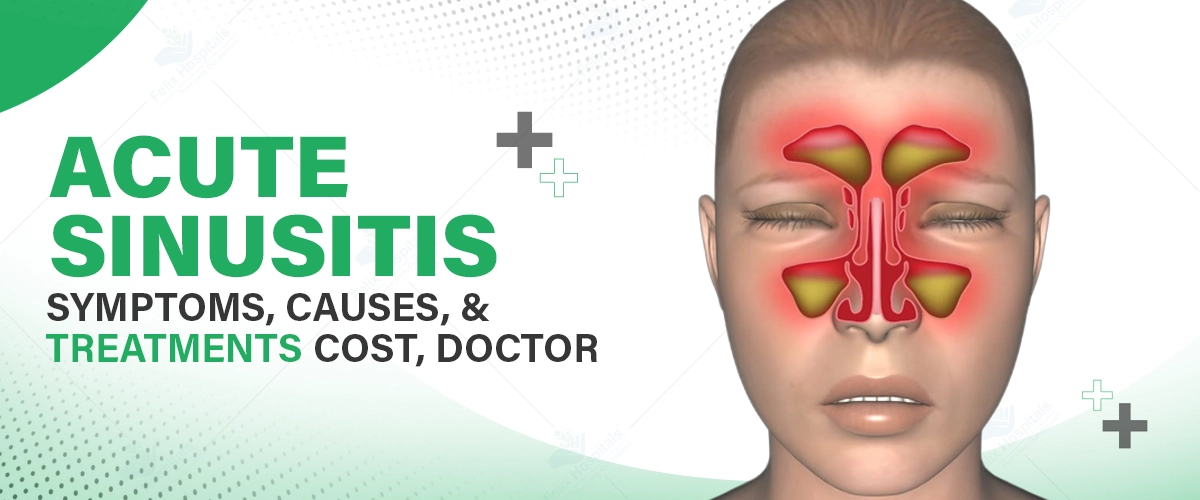
Sinus issues are more prevalent than you would imagine, and of these, acute sinusitis infects millions of individuals annually. From headaches in the face to congestion in the nose to headaches and exhaustion, the symptoms can be anywhere from bothersome to distracting. While most people brush it off as a chronic cold, if left untreated, acute sinusitis can evolve into chronic situations or even become complications that need to be addressed by medical professionals.
This blog takes you through all you'd like to know about acute sinusitis—its symptoms, causes, treatment, cost, and when to see a specialist in the best hospital.
Think It's A Cold? Don't guess—get a check-up of your sinus health and proper treatment now. Call us today at +91 9667064100.
Acute sinusitis, or acute rhinosinusitis, is infection or inflammation of the sinuses—the air spaces within the skull. The sinuses are the frontal (forehead), maxillary (cheekbones), ethmoid (between the eyes), and sphenoid (behind the eyes) sinuses.
This illness usually persists for less than four weeks, and with proper treatment, heals with no permanent damage. But if neglected or mistaken for a cold, it can cause delay in healing and chronic sinusitis.
Your sinuses contain mucous membranes that secrete mucus to filter out dust, bacteria, and allergens. Small hair-like projections (cilia) assist in pushing the mucus from the sinuses into the nose. When the openings of the sinuses become blocked—by infection, allergy, or bony deformity—the mucus is trapped, causing pressure, pain, and infection.
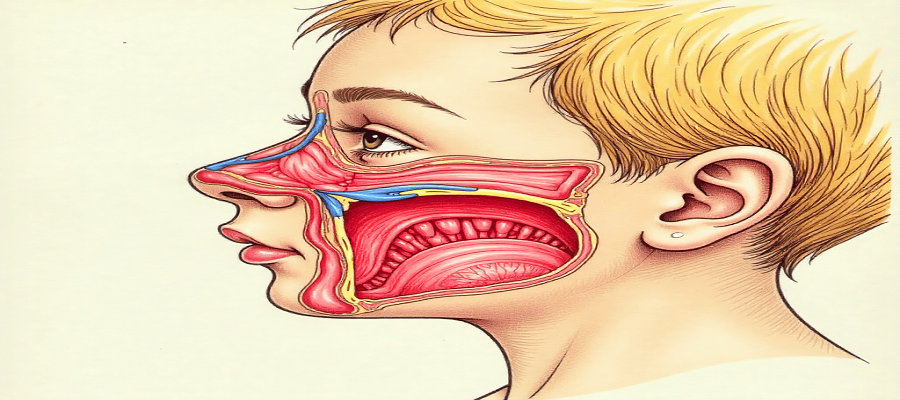
Early diagnosis of the acute sinusitis signs is required for effective treatment. Among the most frequently occurring symptoms, the following are some of them:
It is helpful in prevention and management if the cause of sinus infection is known. The most frequent causes are:
Most common reason of acute sinusitis is an infection in the upper respiratory tract (such as a cold), which congests and irritates the mucous lining and causes the sinuses to clog up.
If sinus infection fails to clear in 10 days, it would probably be due to bacterial infection. It is a more serious situation and requires being treated with antibiotics.
Dust or seasonal allergy individuals frequently have inflamed sinuses and are prone to getting infected.
A deviated nasal septum, nasal polyps, or constricted sinus drainage channels may clog mucus flow and lead to infection.
Smoke, pollution, dry air, or chemical vapors may be irritating to the sinuses and nasal passages.
Correct diagnosis will give precise treatment. If symptoms do not disappear over 7–10 days or worsen after temporary improvement, you should consult a specialist in the best nearby hospital for assessment.
Diagnostic tests may include:
Treatment varies depending on the etiology (viral, bacterial, or allergic) and severity of symptoms.
If acute sinusitis occurs frequently or becomes chronic, Functional Endoscopic Sinus Surgery (FESS) might be necessary. The ENT department at the best hospital in Noida can perform minimally invasive procedures to open blocked sinuses and promote natural drainage.
The treatment cost in Noida can vary based on consultation, diagnostics, medication, and whether surgical intervention is needed.
Service.
| Service | Estimated Cost (INR) |
| ENT Consultation | ₹500 – ₹1500 |
| Nasal Endoscopy | ₹2000 – ₹5000 |
| Sinus CT Scan | ₹3000 – ₹7000 |
| Medication (1–2 weeks) | ₹800 – ₹2000 |
| FESS Surgery (if needed) | ₹30,000 – ₹80,000 |
Note: Prices will be different based on the city, facility requirements, and your medical needs. For clear pricing, go to the best-rated hospital in your location.
A right specialist to see in case of acute sinusitis is an ENT (Ear, Nose, and Throat) doctor. They are trained to diagnose and treat nasal passage and sinus conditions, either medically or via surgery.
If your symptoms don't go away or aren't improving with medication, have an appointment at the best hospital for ENT treatment in Noida for more extensive testing.
Need Sinus Pain Relief? Make an appointment with our top-rated ENT specialist at the top-rated hospital closest to you today! +(91)96670 64100
Acute sinusitis, though often mistaken as a cold or an allergy attack, can significantly affect your comfort, breathing, and everyday performance. When the facial pain, nasal congestion, or thick discharge do not subside or even intensify, take it seriously. Prompt medical attention ensures faster recovery, avoids complications, and enables identification of the root cause such as infections, nasal obstructions, or allergic reactions.
If the symptoms do not get better within a week or continue to recur again and again, consult an ENT specialist near me Noida at the top hospital for an immediate checkup and proper treatment. From medication and nasal sprays to radiologic examinations and minor surgery, there are solutions that work. Taking action early not only provides relief but also avoids chronic sinus disorders, allowing you to breathe freely and live in good health.
1. Will acute sinusitis left untreated bring permanent damage?
Ans- Yes, acute sinusitis left untreated would result in complications like chronic sinusitis, orbital cellulitis (infection of the eye socket) or even a rare instance like meningitis if the infection spreads beyond the sinuses. Early diagnosis and treatment at the premier hospital avoid such a risk.
2. How can I be sure that I have acute sinusitis or a cold?
Ans- While they can both have a runny nose or stuffiness, acute sinusitis classically involves facial pressure, yellow or green thick nasal discharge, and more than 10 days of ill-defined worsening. Diagnosis will be confirmed on medical evaluation.
3. Must antibiotics always be used for treatment of acute sinusitis?
Ans- No. The majority of acute sinusitis is viral and resolves spontaneously in 7–10 days. Antibiotics are only indicated with suspected bacterial infection—usually when the symptoms don't resolve or worsen beyond the first week.
4. Can weather changes or air pollution cause acute sinusitis?
Ans- Yes, sudden weather changes, cold air, and high pollution levels can irritate your nasal passages, triggering inflammation and increasing the likelihood of sinus infections, especially in people with allergies or asthma.
5. Is it safe to travel by air during an acute sinus infection?
Ans- Air travel raises sinus pressure due to the shift in cabin pressure and causes severe pain or discomfort in the ears. If you must fly, pretravel with a nasal decongestant and seek the opinion of your ENT specialist.
6. What lifestyle changes prevent recurrent sinus infections?
Ans- Avoiding allergens, humidifying during dry weather, drinking a lot of fluids, nasal irrigation with saline sprays, and staying away from smoke or filthy surroundings can minimize your chances of getting repeated infections very much.
7. How do I know when I will need surgery for acute sinusitis?
Ans- Surgery would be indicated if you are getting recurrent attacks (4+ annually), persistent symptoms that won't go away despite medication, or structural problems such as polyps or a deviated septum. An expert ENT surgeon at the top hospital can assess and suggest conservative options such as FESS.

ENT health is essential for proper breathing, hearing, speech, and balance. Early detection and expert care ensure a better quality of life and prevent chronic complications.
The right ophthalmologist is a crucial step in your eye surgery journey
It escapes our minds at times where we place our keys or remember a person's name when we're in mid-sentence with them. But when memory blanks begin to penetrate our awareness more regularly or interfere with our functions, they may be a sign of something more sinister. Cognitive decline, particularly in the early stages, may be insidious but dangerous if not heeded.
All neurological disorders start off as mild—a momentary forgetfulness, trouble concentrating, or repeated questioning. Early detection of these signs and a consultation with expert neurologists in Noida can go a long way towards a healthier prognosis.
Experience top-notch diagnosis, one-on-one treatment, and empathetic care all in one place—because your brain deserves nothing but the best. Call us now at +91 9667064100.
Memory issues are generally dismissed as a normal part of aging, but may also be a sign of more serious neurological issues that must be addressed by a physician. Occasional forgetfulness is normal, but frequent memory loss may be a sign of conditions that interfere with brain function and mental acuity.
Some of the most common underlying causes are:
Mild Cognitive Impairment (MCI): A situation in which thinking and memory abilities are significantly below normal for age but not poor enough to affect daily life. It can be an early indicator of dementia.
Alzheimer's Disease: A chronic and irreversible brain disease that slowly deteriorates memory, reasoning, and the ability to carry out daily tasks. Early treatment can slow deterioration.
Vascular Dementia: Dementia caused by reduced blood flow to the brain, usually following a stroke or due to heart disease. Symptoms can appear suddenly and worsen gradually.
Thyroid Abnormalities or Vitamin Deficiencies: Certain thyroid abnormalities or deficiency states like hypothyroidism or low B12 levels can mimic dementia. Fortunately, they are reversible if diagnosed and treated early.
Mental Illness Disorders: Depression, anxiety, and stress have a severe impact on memory, concentration, and decision-making. Mental health treatment is an integral part of having a healthy brain.
By ignoring subtle warning signs, one runs the risk of missing the window for early diagnosis and treatment—both essential to properly managing symptoms as well as upholding quality of life.
If you or the one you love is having any of the following, the time to see a specialist is now:
Forgetting recent events or what was just said on a regular basis
Trouble with word-finding or talking
Losing things and being unable to finish the task by retracing steps
Getting lost in familiar places
Trouble with directions or making decisions
Mood, behavior, or personality disorders
Repeating the same questions or stories
These symptoms, particularly if they are affecting work or daily activities, should trigger a neurological assessment.
In case of recurring or worsening memory problems, going to a neuro hospital in Noida is recommended for getting the best brain and nerve treatments. Such hospitals employ the best-in-class diagnostic equipment such as:
MRI and CT Scans – for structural abnormalities or stroke indications
EEG (Electroencephalogram) – for checking brain activity
Neuropsychological Testing – for thorough testing of cognition and memory
Blood Tests – to check for thyroid failure or deficiency of vitamin B12
Noida neurologists diagnose and treat loss of memory using a combination of laboratory investigation, clinical examination, and imaging. They assist:
Diagnosis of the cause of memory loss
Start timely medication (in the case of Alzheimer's or seizures)
Offer lifestyle recommendations to preserve brain health
Coordinate care with psychologists, speech therapists, and nutritionists
Offer caregiver support and materials
Most neurological disorders can be treated if caught early enough. The earlier you start treatment, the better the chance of preserving quality of life.
Based on the diagnosis, your neurologist can prescribe:
Cognitive training exercises to enhance memory and attention
Medications to control symptoms of dementia or enhance neurotransmitter levels
Physical activity and dietary modification to maintain a healthy brain
Counseling and psychotherapy for mental health-related memory problems
Support groups for patients and caregivers
The secret to successful care is a personalized treatment plan that takes into account the condition and way of life of the patient. Forgetfulness is disconcerting, but not necessarily a problem. Yet recurring or worsening symptoms cannot be disregarded.
Dr Anumeha Mishra: Dr. Anumeha Mishra has over 15 years of experience and is known for treating a wide range of difficult illnesses, including multiple sclerosis, epilepsy, stroke, Parkinson's disease, and migraines. She is available at Felix Hospitals, Sector-137, Noida.

Dr. Sumit Sharma: A highly experienced neurosurgeon with 10+ years of expertise in the field. He specializes in diagnosing and treating a wide range of neurological and neurosurgical conditions, including brain tumors, spinal injuries, spinal tumors, hydrocephalus, and complex spine and brain disorders.

If you or a loved one is having trouble with memory, don't delay. Schedule an appointment with seasoned neurologists in Noida for a thorough neurological assessment.
Your memory is an essential component of your personality, social life, and daily existence. As natural, nonetheless, are the episodes of forgetfulness sometimes, but persistent gaps may be indicative of a neurological disorder that must be resolved by the professionals. Early intervention enhances the outcome and enables people to lead more active and independent lives. If you or someone in your family finds you showing signs of loss of memory, do not wait—consult professional neurologists in Noida and take the first step towards protecting brain function.
1. How do I distinguish between age-related forgetfulness and a severe memory disorder?
Ans. Forgetting common things like occasionally forgetting keys is age-related, but severe memory disorders entail getting lost in known places, excessive confusion, or forgetting crucial information such as names of closest family members.
2. Are memory problems in young adults an issue too?
Ans. Yes, young adult memory issues may be brought on by depression, stress, sleep disorder, or neurological disease and must be screened if chronic.
3. How are neurologists able to diagnose diseases of memory?
Ans. Neurologists will use a variety of MRI/CT scans, EEG, neuropsychological testing, and lab tests to measure brain function and exclude underlying disease.
4. Is it really possible that early intervention can turn forgetting around?
Ans. Whereas some of the causes of memory loss, such as vitamin deficiencies or thyroid disease, can be remediated, others, such as Alzheimer's disease, cannot be remediated but might be treated more efficiently with early treatment.
5. What is the contribution of diet to memory and brain function?
Ans. An intellectually functioning brain diet that includes omega-3s, antioxidants, and B vitamins will sustain intellectual functioning and can decelerate decline in mild cognitive impairment.
6. Is memory loss always one condition, or is it a sign of something else?
Ans. Memory loss is sometimes an indication of wider conditions like stroke, brain tumor, depression, or neurodegenerative illnesses like Parkinson's or Alzheimer's.
7. What do caregivers do to support loved ones with memory issues?
Ans. Caregivers need to supply a regular schedule, mentally engage, accompany the individual to appointments with doctors, and speak to neurologists and memory care specialists.
Migraine relief includes advanced treatments and simple lifestyle changes to reduce pain and prevent attacks.
Brain-boosting foods rich in antioxidants, omega-3s, and vitamins support memory, protect brain cells, and may help reduce the risk of dementia and Alzheimer’s disease.
Multiple sclerosis is a neurological disease that affects the brain and spinal cord.
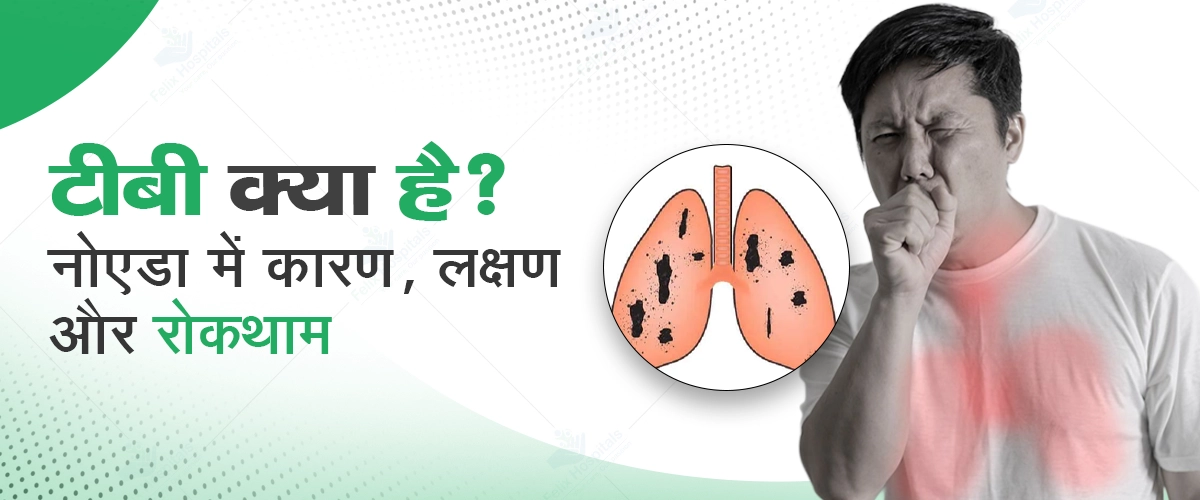
टीबी (तपेदिक) एक संक्रामक बीमारी है जो मुख्य रूप से फेफड़ों को प्रभावित करती है। यह शरीर के अन्य हिस्सों में होती है। यह बीमारी माइकोबैक्टीरियम ट्यूबरकुलोसिस नामक बैक्टीरिया के कारण होती है। यह बैक्टीरिया हवा के जरिए एक व्यक्ति से दूसरे व्यक्ति में फैलती है जिसके लिए आपको समय से पास के अच्छे हॉस्पिटल (best hospital Nearby) में दिखाना आवश्यक है। इसके कारण, लक्षणों को पहचानकर और सही समय पर रोकथाम के उपाय अपनाकर हम टीबी से बच सकते हैं। जागरूकता और सतर्कता बीमारी से लड़ने की सबसे बड़ी ताकत है।
ज्यादा जानकारी के लिए हमें कॉल करें +91 9667064100.
टीबी जिसे हिन्दी में तपेदिक कहते हैं। एक संक्रामक बीमारी होती है। यह मुख्य रूप से फेफड़ों को प्रभावित करती है। मगर यह शरीर के अन्य अंगों जैसे किडनी, मस्तिष्क, हड्डियों को भी प्रभावित करने की क्षमता रखती है। यह माइकोबैक्टीरियम ट्यूबरकुलोसिस नामक बैक्टीरिया से होती है। टीबी से संक्रमित व्यक्ति जब खांसता, छींकता या बात करता है, तो उसके बैक्टीरिया हवा में फैलते हैं। यही बैक्टीरियां दूसरों को संक्रमित करते हैं।
टीबी के शुरुआती लक्षण अक्सर सामान्य सर्दी-जुकाम या फेफड़ों की अन्य बीमारियों जैसे लगते हैं। इसलिए इकी अनदेखी नहीं करनी चाहिए।
टीबी एक संक्रामक बीमारी है, लेकिन कुछ सावधानियां अपनाकर इसे आसानी से रोके सकते हैं। यहां टीबी से बचाव के लिए महत्वपूर्ण उपाय दिए गए हैं:
टीबी का इलाज सही और पूरी अवधि तक दवाइयां लेने से ही संभव होता है।
जब टीबी के बैक्टीरिया सामान्य दवाओं के प्रति प्रतिरोधी होते हैं। तब मल्टी ड्रग रेसिस्टेंट (एमडीआर) या एक्सटेंसिवली ड्रग रेसिस्टेंट (एक्सडीआर) टीबी होता है। इनका इलाज विशेष प्रकार की दवाइयों और लंबे समय तक किया जाता है, जिसकी देखरेख नोएडा के पल्मोनोलॉजी विशेषज्ञ (best pulmonologist in Noida) अच्छे से करते हैं। इसलिए समय पर इलाज जरूरी होता है।
टीबी एक गंभीर लेकिन पूरी तरह से इलाज योग्य बीमारी है। अगर समय पर इसके लक्षणों को पहचान निदान के साथ इलाज शुरू किया जाए तो नियंत्रित हो सकती है। टीबी से लड़ने के लिए जागरूकता और सतर्कता आवश्यक है। सही जानकारी सुरक्षित व्यवहार और अच्छी कीमत (best Cost) में नियमित जांच से इस बीमारी को समाज से खत्म कर सकते हैं। इसलिए अपने स्वास्थ्य का ध्यान रखें। संदेह होने पर तुरंत डॉक्टर से संपर्क करें। टीबी के खिलाफ जागरूकता फैलाएं।
यदि टीबी के लक्षण दिखाई दें, तो देर न करें—सही जांच और प्रभावी इलाज के लिए नोएडा में मल्टी सुपर स्पेशियलिटी अस्पताल के विशेषज्ञ डॉक्टर से आज ही परामर्श लें।
Dr. Priyadarshi Jitendra Kumar is an experienced General Practitioner with 20+ years of expertise in diabetes, thyroid disorders, hypertension, and infectious diseases. Recognized as a Best Pulmonologist in Noida, he specializes in respiratory emergencies, sleep disorders, and advanced pulmonology care.
Tuberculosis (TB) is primarily known as a respiratory infection caused by Mycobacterium tuberculosis, but it can affect various body parts, including bones and joints.

Tuberculosis of the knee typically occurs when the TB bacteria spread from an existing infection in the lungs or another part of the body to the joint.

In the hustle and bustle of life today, energy drinks have become a go-to pick-me-up for many. Promising to improve concentration, alertness, and endurance, the drinks are most commonly found among students, athletes, and working individuals. However, beyond the temporary surge they provide, energy drinks are bad for your heart and overall health—most times, indeed, the hazards outweigh the benefits.
Let us see why you should reconsider reaching for that can and when it would be a good time to see a doctor at the best hospital in Noida nearby for a proper health check-up.
Consult specialist doctors at the best hospital for lifestyle and nutrition advice—because your heart health is worth the best. Call us today at +91 9667064100.
Energy drinks usually have a combination of the following:
All these ingredients are benign on their own in moderate amounts, but the overall impact—particularly at excessive amounts—is unhealthy.
Too much caffeine and the energy drink stimulants can rev up your heart and blood pressure. That can result in:
The undiagnosed suffer heart disease particularly. For others, one energy drink suffices to cause a severe cardiac condition.
Caffeine is a diuretic; it causes increased production of urine and can cause dehydration when not accompanied by the simultaneous intake of water. This is particularly dangerous when engaged in exercise, where hydration is essential. Dehydration also puts one at risk for kidney malfunction and blood pressure issues.
An energy drink has 30–40 grams of sugar—a day's supply. Too much sugar leads to:
The pairing of sugar and stimulants can provide an initial rush followed by a sudden drop in energy, so you're worse off than when you started.
Even if energy drinks can momentarily provide a boost in alertness, when consumed on the long term, they result in:
The stimulant effect of caffeine interferes with sleeping patterns, causing a sleepiness cycle and reliance on the beverages in order to remain awake.
Excessive use of energy drinks has also been associated with inflammation of the liver, particularly when consumed chronically or in combination with alcohol use. Excessive intake of some of the ingredients, such as niacin (vitamin B3), is toxic at high levels. The kidneys, too, are constantly under pressure from too much caffeine and dehydration, which could result in permanent damage.
Energy drinks also bring about sudden increases in blood pressure, which if done repeatedly over time, can impair blood vessels and lead to stroke. Those who have a family history of hypertension should be extremely careful since the long-term consequences are fatal.
If you require energy that lasts but without posing health dangers, do the following:
These alternatives feed your body while keeping your heart and brain in prime shape with the help of the best cardiologists in Noida/Greater Noida.
If you use energy drinks regularly and have:
Recommending consulting with the best cardiology hospital. Early assessment at the best hospital may screen out or treat heart conditions, metabolic disorders, or mental illnesses early.
Suffering from the effects of too much energy drink? Book an appointment for specialist consultation from the best hospital and have a comprehensive heart and health check-up today.
Energy drinks may promise a quick burst of energy, but they come at a cost—your long-term health. From damaging your heart to increasing the risk of diabetes and liver issues, the risks outweigh the temporary benefits.
If you are addicted to these beverages daily, then maybe it's time to shift your lifestyle and visit a doctor. Take care of your health by opting for better ones and, when required, consult professionals from the best hospital that can guide you toward a healthier life at an affordable cost.
1. Can daily energy drink consumption damage your heart?
Ans- While an occasional energy drink will not cause long-term damage, even one that has high caffeine and sugar content can produce palpitations in the heart, especially in those with existing heart conditions.
2. Is it riskier to mix energy drinks and alcohol?
Ans- Yes. Mixing energy drinks and alcohol masks alcohol's sedative effect, leading to alcohol being used more, more stress on the heart, dehydration, and higher risk of cardiac events.
3. Are sugar-free energy drinks healthier for you?
Ans- Sugar-free does not equal risk-free. Most still have gigantic amounts of caffeine and other stimulants that impact your heart, blood pressure, and mood in the long run.
4. How are energy drinks impacting teenagers and young adults differently?
Ans- Young adults are more susceptible to stimulants and are at risk for disturbed sleep, increased anxiety, and arrhythmia risk with repeated exposure.
5. Do energy drinks interact with prescription medications?
Ans- Yes. Energy drinks can interact with medications taken for high blood pressure, anxiety, or depression and decrease their effectiveness or produce side effects such as jitteriness or an irregular heartbeat.
6. What are some of the tests for identifying heart problems due to energy drinks?
Ans- An ECG, blood pressure test, liver function tests, and a complete metabolic panel can detect early signs of heart or organ stress. These are found at the best hospital.
7. How long do energy drinks' effects stay in the body?
Ans- Caffeine and other stimulants can last as long as 12 hours within your body, interfering with sleep and having after-effects like anxiety or heart palpitations, even after several hours have lapsed since consumption.

हार्ट अटैक के मुख्य लक्षण, कारण और तुरंत किए जाने वाले उपचार के बारे में जानें। समय पर पहचान और सही इलाज से जीवन बचाया जा सकता है।

Find the best cardiologist for your heart care with these essential tips and expert advice.

Silent heart disease, also known as silent ischemia, occurs when the heart does not receive enough oxygen-rich blood.

Weight loss without attempting weight loss would be a pleasant surprise—but when paired with gastrointestinal discomfort, something is probably amiss. Unintentional weight loss, particularly when paired with gastrointestinal symptoms such as bloating, diarrhea, or pain, may be the presence of a gastrointestinal disease that must be addressed by a doctor.
These symptoms, if ignored, can result in complications, delayed diagnosis, or aggravation of underlying illnesses. Let us know the potential reasons, red flags, and when to visit gastroenterologists in Noida.
Weight loss is most commonly caused by decreased calorie consumption, exercise increase, or life adjustments. Weight loss of over 5% of body weight in a period of 6–12 months without trying is concerning. Coupled with abdominal distress, the body cannot efficiently absorb nutrients or could be battling a life-threatening illness such as inflammation, infection, or even cancer.
There are many digestive illnesses that interfere with your digestive capacity, nutritional intake, or normal appetite. The most likely culprits are:
Comprises Crohn's disease and ulcerative colitis. These persistent inflammatory disorders involve the lining of the intestine and lead to discomfort, diarrhea, fatigue, and malabsorption.
An autoimmune response to gluten is damaging to the small intestine and results in bloating, diarrhea that is chronic, and weight loss due to malnutrition.
Not life-threatening but will result in abdominal cramping, abnormal bowel habits, and bloating that will decrease appetite and lead to weight change.
Stomach and upper portion of small intestine ulcers will result in nausea, indigestion, and pain that will prevent eating—leading to unintentional weight loss.
Chronic pancreatitis or pancreatic cancer disorders disrupt the production of enzymes, impairing digestion and causing fatty stools and weight loss.
Hyperthyroidism is an overactive thyroid that raises metabolism and can cause both gastrointestinal symptoms and sudden weight loss.
Bacterial, viral, or parasitic infections can cause diarrhea, cramping, and loss of appetite, resulting in sudden weight loss.
Cancer of the stomach, colon, pancreas, or esophagus usually begins early with undue weight loss and abdominal pain.
If you're involuntarily losing weight and are having any of the following, it's time to get it checked out:
Chronic constipation or diarrhea
Bloating or persistent belly pain
Avoidance of food, nausea, or vomiting
Blood in stool or black/tarry stools
Loss of hunger
Rapid fullness after eating
Weakness or fatigue without a visible cause
These signs may be symptoms of gastrointestinal illnesses that need to be assessed through blood work, imaging, or endoscopy at a gastroenterology hospital.
A gastroenterologist is a medical expert in the diagnosis and management of diseases of the gastrointestinal tract. You ought to consult one if:
Weight loss is more than 4–5 kg without a change in diet and exercise
Digestive symptoms last more than 2 weeks
You have a family or individual history of IBD, colon cancer, or celiac disease
Over-the-counter drugs do not ease symptoms
You have vitamin malabsorption or nutritional deficiencies
In order to determine the cause, your doctor may recommend:
Blood Tests: To identify anemia, thyroid illness, or celiac illness
Stool Tests: To look for infection, parasites, or fat malabsorption
Endoscopy or Colonoscopy: To look at your GI tract directly
CT/MRI scans: To exclude tumors or organ inflammation
Biopsy: When there's a suspicion of cancer or chronic inflammation
These tests determine whether your weight loss is caused by malabsorption, inflammation, or structural harm in the GI tract.
Your gastroenterologist will create a personalized treatment plan after a cause diagnosis has been made that may include:
Dietary changes: Gluten-free in celiac, low-FODMAP for IBS, high-caloric in IBD
Medications: Anti-inflammatory drugs, enzyme supplements, antibiotics
Nutritional support: Supplements to correct vitamin or mineral deficiencies
Surgery: Advanced IBD or cancer
Behavioral therapy: Especially functional disorders like IBS
Faster diagnosis is more likely to have simpler treatments with optimal outcomes.
If you are feeling these symptoms, visit a gastroenterologist—early treatment can restore your health and your sanity.
Unexplained weight loss—particularly with persistent digestive distress—is not to be dismissed. It could be your body telling you that something is seriously amiss. Whether it's an illness like IBS that can be treated or something more serious like IBD or cancer, early medical attention is the key.
Q1. Is it possible for IBD to cause weight loss in remission stages?
Ans. Yes, most patients suffering from Crohn's disease or ulcerative colitis might lack nutrients and develop poor appetite even during remission because of left-behind inflammation or scarring of the intestine, which gets in the way of nutrient absorption.
Q2. Why do pancreatic enzyme deficiencies contribute to oily stools and weight loss?
Ans. When the pancreas does not secrete sufficient digestive enzymes (e.g., in chronic pancreatitis or pancreatic cancer), fat is not digested and is lost in the stool, leading to fatty, odorous stools (steatorrhea) and weight loss due to calorie loss.
Q3. Can one have celiac disease but without diarrhea and weight loss?
Ans. Yes. Certain celiac patients also present with "silent" symptoms such as fatigue, anemia, or weight loss but without typical diarrhea, since malabsorption due to it is harmful to the small intestine after some time.
Q4. Could unexplained bloating and weight loss be a prodromal symptom of colon or ovarian cancer?
Ans. Yes. In some, cancers such as colon or ovarian cancer can present with nonspecific gastrointestinal complaints of bloating, early satiety, and unintentional weight loss mimicking mild GI conditions.
Q5. What is the role of imbalance of gut microbiota in digestive symptoms and weight loss?
Ans. Gut bacterial imbalance (dysbiosis) will interfere with digestion, induce inflammation, and influence metabolism with symptoms of bloating, diarrhea, and inability to maintain weight.

To lose weight effectively, start by creating a calorie deficit—consuming fewer calories than you burn. A safe, steady weight loss usually requires a daily deficit of 500–1000 calories, helping you lose about 0.5 to 1 kilogram per week.
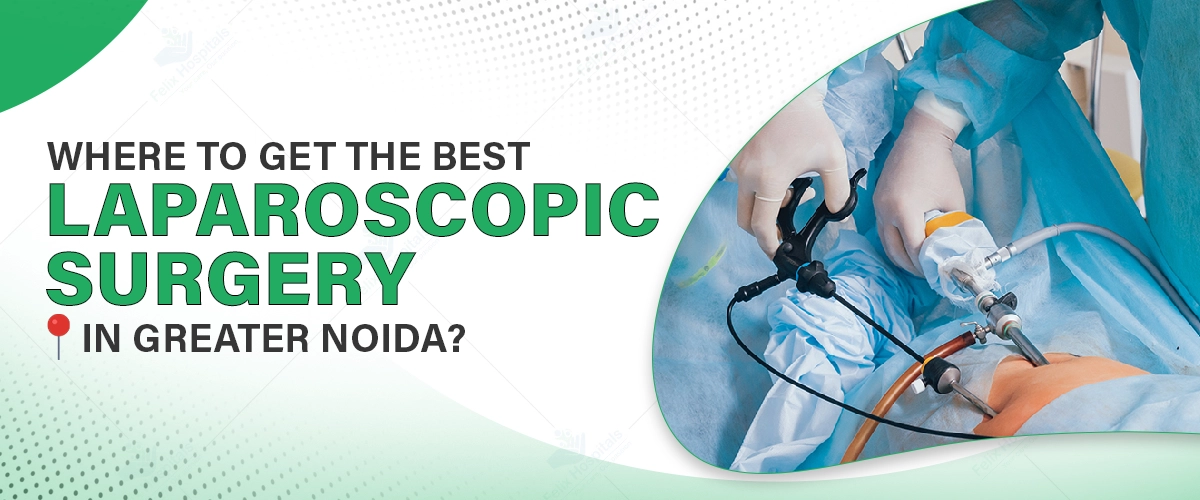
The gold standard therapy for most abdominal and pelvic disorders is laparoscopic surgery, otherwise known as minimally invasive surgery. With this method, surgeons can make very precise operations with little interference with surrounding tissues by incising small openings through which specialized tools and a camera are passed. The benefits are self-evident: reduced scarring, reduced hospital stay, quicker recovery, and less postoperative pain.
Greater Noida is now a dependable destination for individuals seeking high-quality and reliable surgery services. The city is dotted with different well-equipped medical centers offering expertise in laparoscopic surgery thanks to the contribution of expert surgeons and sophisticated technology. Laparoscopic surgery in Greater Noida is ensured in terms of quality and convenience, whether the treatment is of gallstones, hernias, or gynecological issues.
Get in touch with the top laparoscopic surgeons in Greater Noida at the earliest to initiate your recuperation process with assurance instead of waiting for your health to deteriorate.
Commonly referred to as "keyhole surgery" laparoscopic surgery involves creating small cuts in the body to permit instruments and a camera to be passed through. Due to this, surgeons are able to perform complex procedures without having to make big cuts, significantly reducing pain, risk of infection, and recovery time. Laparoscopic methods are often applied to gynecological, gastrointestinal, and abdominal surgeries because they are more accurate and yield better outcomes for patients than open surgery.
An uneventful outcome and a smooth laparoscopic procedure both rely on obtaining the right type of medical facility. What to search for is as follows:
Surgeons Experienced: Ensure the surgical staff is specially trained and has a previous track record of successful laparoscopic operations.
Sophisticated Technology: The hospital must have clean operating rooms, cutting-edge imaging equipment, and high-definition laparoscopic equipment.
Comprehensive Care: A good center offers overall care at all stages, from diagnosis to post-operative rehabilitation.
Good Patient Reviews: Feedback from patients and success stories can give you an idea about the quality of care you will receive.
Several medical conditions are treated through laparoscopic surgery, such as:
Cystectomy, or removal of the gallbladder
An appendicitis
Umbilical or inguinal hernias
Ovarian fibroids and cysts
Endometriosis
Acid reflux (GERD)
Ectopic pregnancy
These surgeries also do not need much time off from work, so they suit professionals and the elderly.
Greater Noida is quickly becoming one of the best places to get high-end healthcare. The following reasons make the city a good bet for laparoscopic surgeries:
Advanced surgery technology and state-of-the-art equipment are a feature of modern multispecialty hospitals.
Skilled Surgical Teams: Specialized doctors who have received training in minimally invasive surgery.
World-class hospitals: as good as those found in big cities.
Treatment Fees Reasonably Charged: Quality treatment at reasonably priced rates lower than in big cities.
Easy Access: Avoids the requirement for long-distance traveling, thus ideal for residents and visitors from nearby towns.
Greater Noida offers professional treatment in a friendly and accessible setting because of its growing network of healthcare services and patient-centered approach.
Are you prepared to undergo laparoscopic surgery safely and effectively? Schedule an appointment for a specialist consultation in Greater Noida today. Call us at +91 9667064100.
Reliable, convenient, and hassle-free postoperative care after laparoscopic surgery rests in choosing the correct center. Fortunately, Greater Noida and its patients around have an abundance of good quality medical centers equipped with advanced facilities and proficient teams of doctors, including some of the Best General Surgeons in Greater Noida. The quality-driven, price-conscious, patient-oriented spirit of the city has earned it such widespread acclaim among medical professionals.
If you want alternatives to minimally invasive surgery, Greater Noida has the advantage of having the best of both worlds: cutting-edge care and readily accessible expert surgeons. Always consult the opinion of a professional to describe your condition, understand your options, and proceed confidently toward a brighter tomorrow.
Q1. Are older patients a candidate for laparoscopic surgery?
Ans: Yes, in comparison to open surgery, it is often the preferred choice for older patients because it is less traumatic, heals faster, and is less complex.
Q2. When can I return to work after laparoscopic surgery?
Ans: Depending on their recovery rate and type of operation that they had, most patients are able to return to light work in a week's time.
Q3. Is a laparoscopy used to treat all hernias?
Ans: While the majority of hernias may be repaired laparoscopically, the technique employed will depend on the size of the hernia, the site, and history of recurrence. The evaluation of the surgeon is most important.
Q4. Will laparoscopic surgery involve general anesthesia?
Ans: Yes, to ensure a painless and safe procedure, laparoscopic procedures are often performed under general anesthesia.
Q5. What are the risks of laparoscopic surgery?
Ans: Even though it is a minimal one, there can be potential risks of complications from the anesthetic, bleeding, infection, or damage to adjacent organs. These are rare in expert hands.
Q6. Can fibroid and endometriosis issues be cured by laparoscopic surgery in women?
Ans: Yes, definitely. With fast healing and smaller scarring, laparoscopy is an immensely good remedy for fibroids, endometriosis, ovarian cysts, and ectopic pregnancy.
Q7. What should I eat after laparoscopic surgery?
Ans: Following surgery, you will want to have a light, simple diet. Your doctor will return you to your normal diet gradually depending on your healing process.
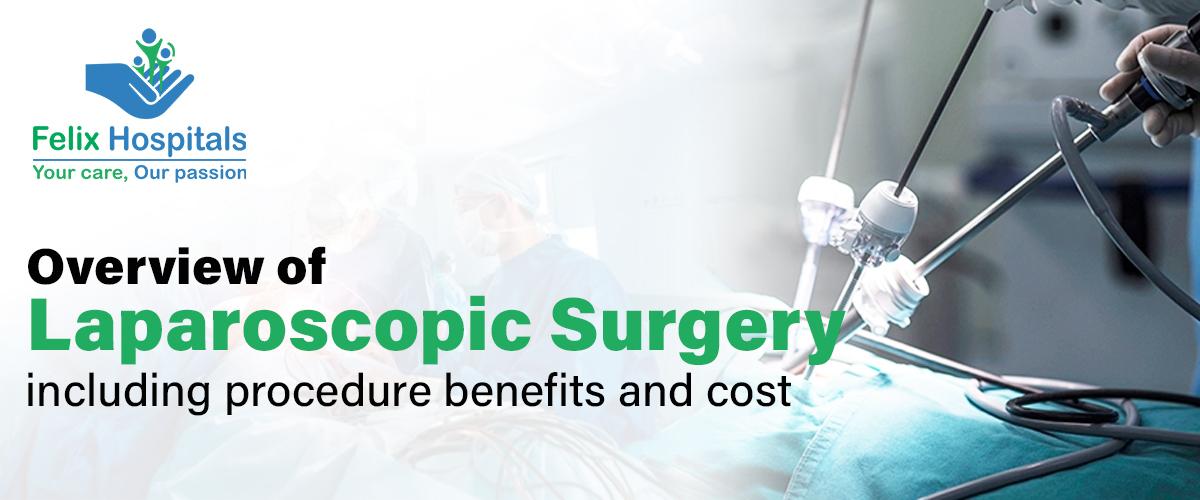
Laparoscopic surgery is a minimally invasive procedure with small cuts, offering quicker recovery, less pain, and minimal scarring.

Dr. Ritesh Agrawal is an experienced surgeon in noida specializing in both open and minimally invasive laparoscopic procedures.
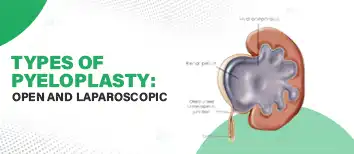
Learn about open and laparoscopic pyeloplasty, their benefits, and when they’re used to treat kidney blockage.
Learn about open and laparoscopic pyeloplasty, their benefits, and when they’re used to treat kidney blockage.
Migraines are more than headaches—bad, crippling neurological illnesses that can utterly disorganize normal life. Ranging from paroxysmal pain and photophobia and phonophobia to vomiting and visual illusions, migraines can affect not only physical health but also mental well-being. If you're suffering from frequent migraines, meeting the best neurologists in Greater Noida can be a tremendous boost to your symptom management and overall quality of life.
In this blog, we will learn what migraines are, why they happen, and how a neurologist in Greater Noida can effectively diagnose and treat them.
Need Permanent Migraine Relief? Call us today at +91 9667064100 and book your appointment with the neurologist in Noida.
A migraine is a headache syndrome involving mild to moderate to severe headache, usually on one side of the head. It usually includes symptoms of:
Pulsating or throbbing headache
Light, sound, or smell sensitivity
Nausea or vomiting
Blurred vision or aura (flashes of lights or blind spots)
Migraines can be 4 to 72 hours long and can occur every few years or numerous times per month. If left untreated, the attacks can interfere with work, sleep, relations, and quality of life.
The best way of preventing them is through individual recognition of migraine triggers. These are some of the most frequent triggers:
Stress or tension
Insomnia or disrupted sleeping pattern
Hormonal changes (particularly in women)
Some foods such as chocolate, cheese, or processed meats
Bright lights or strong smells
Changes in weather
Missing meals or dehydration
A neurologist can assist you in determining these triggers and recommend ways to avoid or cope with them.
If your migraines are recurrent, worsening, or impacting your quality of life, it is time to visit an expert. A neurologist can offer a proper evaluation, proper diagnosis, and an individualized treatment plan.
Consult a neurologist if:
You experience more than four migraines in a month
Over-the-counter drugs no longer help
Your migraines are followed by aura, vision changes, or numbness
You are unsure if it's a migraine or some other neurological disorder like cluster headaches or tension headaches
In a Greater Noida hospital, a neurologist will start with a thorough medical history and will also inquire about the nature of your headaches, how long they last, symptoms, and provokers. Based on your symptoms, you will be subjected to:
Neurological examination
MRI or CT scan (to exclude structural issues in the brain)
Blood work (to identify underlying conditions)
Migraine diary analysis (to monitor patterns and triggers)
Migraine is treated with medication, lifestyle changes, and sometimes advanced therapy. The best neurology hospital in Greater Noida will prescribe a personalized treatment based on the symptoms and medical status.
They are taken to avoid migraine symptoms when they arise:
NSAIDs (naproxen, ibuprofen)
Triptans (e.g., sumatriptan)
Anti-nausea meds
Ergotamine medications (in chosen cases)
Taken when the migraines happen frequently or severely:
Beta-blockers
Antidepressants (e.g., amitriptyline)
Anti-seizure meds
CGRP blockers (more recently developed migraine medicines)
Regular sleep routine
Stress reduction techniques (yoga, meditation)
Healthy diet and fluids
Avoidance of known triggers
Regular exercise adapted to your fitness level
If other treatments prove ineffective, your neurologist might recommend:
Botox injections (for chronic headaches)
Nerve blocks
Transcranial magnetic stimulation (TMS)
Biofeedback training
Advantages of Consulting a Neurologist in Greater Noida
Accessibility of the latest diagnostic equipment
Professional assessment of intricate headache patterns
Individualized care as per evidence-based guidelines
Access to preventive care and chronic management
Lifestyle and behavioral changes to minimize frequency of migraine
Whether you're a working person, homemaker, or student, you should be free from the shackles of chronic migraines.
Even though you need professional intervention, self-help plays a role just as crucial in the treatment of migraines:
Maintain a migraine diary to record symptoms and triggers
Apply cold compresses to your forehead during an attack
Rest in a dark, quiet room
Deep breathing or guided imagery
Establish a regular sleep schedule
But always, self-treatment should never be a substitute for medical consultation, particularly if your migraines are getting worse or won't improve with regular treatment.
Schedule your neurology consultation at a hospital in Greater Noida and take the first step toward a pain-free life.
Migraines are life-changing and infuriating, but with good treatment planning and accurate diagnosis, you can take control of your life back. Migraines should not get in the way of enjoying the life you love.
If you need the best neurosurgeon in Greater Noida for migraine treatment, go to a reputable hospital in Greater Noida today. The appropriate expert can minimize the frequency and severity of your migraines and enhance your general well-being.
1Q. How do I know whether my frequent headaches are indeed migraines and not tension or sinus headaches?
Ans. Migraines usually include throbbing headache, nausea, and photosensitivity. A neurologist can distinguish symptoms and history.
2Q. Are Greater Noida hospitals offering newer treatments for migraines in addition to routine painkillers?
Ans. Yes, newer treatments such as CGRP inhibitors, Botox, and nerve blocks are now offered for advanced migraine treatment.
3Q. Is a change in hormones the reason for migraines, and can such cases be treated by a neurologist in Greater Noida?
Ans. Hormonal changes can cause migraines, particularly in women. Neurologists here like to treat them with special care plans.
4Q. What do I take with me on my first neurology consultation for migraines at a Greater Noida hospital?
Ans. Take a symptom diary, medication list, and previous reports for proper diagnosis and customized treatment.
5Q. Do Greater Noida neurologists provide non-medication treatments for patients who want natural treatments?
Ans. Yes, interventions such as stress management, sleep therapy, and dietary change are typically part of holistic treatment plans.
6Q.Are neurologists in Greater Noida different with treatment strategies for migraine in children or adolescents?
Ans. Yes, treatment is age-specific, with slight changes in medicine and life skills for children.
7Q. How long does one generally take to see improvement when migraine treatment with a neurologist begins?
Ans. Most experience improvement in 2–6 weeks, but response is unpredictable and depends on adherence and regular follow-ups.
Migraine relief includes advanced treatments and simple lifestyle changes to reduce pain and prevent attacks.
Brain-boosting foods rich in antioxidants, omega-3s, and vitamins support memory, protect brain cells, and may help reduce the risk of dementia and Alzheimer’s disease.
Multiple sclerosis is a neurological disease that affects the brain and spinal cord.

Breast cancer is among the most prevalent cancers to hit women all over the world, but through early diagnosis and enhanced treatment, the rate of survival has been significantly increased. Being familiar with the stage of the breast cancer is among the most significant aspects of experiencing the diagnostic process through to recovery. The stage measures the tumor size, whether it has reached other areas of the body, and how intensive the cancer must be treated.
In this blog, we’ll explore the stages of breast cancer, how the diagnosis is made, and how the stage influences treatment options. If you’re in need of professional advice, the best oncology hospitals in Noida offer comprehensive resources to guide patients through every step of their diagnosis and treatment.
If you’re concerned about breast cancer, don’t wait. Schedule a consultation by calling +91 9667064100 at the hospital in Noida today for screening and expert advice.
The stage of breast cancer is a critical factor in determining the treatment plan and the expected outcome. Breast cancer is typically categorized into five stages, from Stage 0 (non-invasive) to Stage IV (advanced). Let’s break these down:
Stage 0 is also referred to as carcinoma in situ. In this stage, there are abnormal cells within the breast but not within the nearby tissue. The most frequent forms are ductal carcinoma in situ (DCIS) and lobular carcinoma in situ (LCIS). Though not a cancer, Stage 0 is a pre-invasive cancer, and surgery or radiation can treat or eliminate the abnormal cells.
Stage I is an early cancer in which the tumor is small (typically less than 2 cm) and is not extended beyond the breast. The cancer is still in the site of origin, and the lymph nodes are not involved. Treatment can be surgical (lumpectomy or mastectomy) and could include radiation or chemotherapy, depending on other aspects such as hormone receptor status.
In Stage II, the tumor may have grown larger (2 to 5 cm) or invaded a few adjacent lymph nodes. While it is still considered an early stage, it requires more aggressive treatment techniques like surgery, chemotherapy, or radiation therapy. Treatment is based on the size of the tumor and the extent of lymph node involvement.
Stage III is more progressed but still local in the breast and the adjacent lymph nodes. The cancer is larger than 5 cm, and there could be more than one involved lymph node, usually in the near area of the breast, chest wall, or under the arm. Now the cancer is not local anymore, and chemotherapy, surgery, radiation, and maybe even targeted therapy are employed to aggressively attack the cancer. Now a multi-pronged approach is required to stop cancer growth and spread.
Stage IV, or metastatic breast cancer, is the most advanced stage. In this stage, the cancer has spread from the breast to other organs like the bones, liver, lungs, or brain. Stage IV cannot be cured, but it can be controlled, and patients can live for several years if treated properly. Stage IV treatment involves chemotherapy, hormone therapy, targeted therapy, and sometimes immunotherapy to help control symptoms and slow the growth of cancer.
Knowing the stage of breast cancer is crucial in establishing the right course of treatment. This is how the diagnosis guides the treatment process:
To identify the stage, physicians can employ a combination of imaging procedures (mammograms, ultrasound, and MRI) and biopsy techniques. A biopsy is the removal of a small amount of breast tissue to find out if the cells are cancerous. The procedure is used to establish the size, type, and nature of cancer, hormone receptor status, which determines the treatment.
For Stage 0 and I cancers, the treatment is usually less vigorous and aimed at eradicating or eliminating the tumor. For most women, surgery followed by radiation will suffice.
For Stage II and III cancers, the treatment becomes more aggressive. Chemotherapy or radiation may be applied from time to time to shrink the size of the tumor prior to surgery or kill remaining cancer cells after surgery.
For Stage IV, treatment is individualized to retard the progress of cancer and enhance quality of life, and chemotherapy, targeted therapy, and immunotherapy are typical treatment.
Apart from the stage of cancer, other factors like the hormone receptor status (estrogen and progesterone receptors), HER2 status, and the patient's overall health are also taken into account by physicians. The presence or absence of such markers can be used to tailor the treatment of breast cancer, for example, hormone therapy for hormone receptor-positive cancers or targeted therapy for HER2-positive cancers.
If you have breast cancer or suspect that you do, it is very important to seek professional consultation. Noida has cancer wards in hospitals where special departments for cancer are available for screening, diagnosis, treatment, and rehabilitation. You will be evaluated by a team of oncologist or cancer specialist who will inform you about what stage the cancer is, which is a very crucial consideration while making proper decisions regarding your treatment.
Find out more about breast cancer treatment and care at a Noida hospital. Early detection is life-saving!
Breast cancer stages greatly influence the treatment and prognosis of each patient. Early detection is highly likely to improve the chances of effective treatment, particularly in the initial stages. Breast cancer stages dictate the treatment procedure, from surgery and chemotherapy to targeted therapies.
If you or your loved one is worried about breast cancer, look to go to a hospital in Noida where expert teams are prepared to provide complete care and support at each step.
1. Can breast cancer skip stages and yet spread quickly?
Ans- Yes, in certain cases, aggressive types of breast cancer such as triple-negative breast cancer can metastasize rapidly without exhibiting increasing symptoms at each phase. Thus, it is as crucial to learn tumor biology as it is to stage by phases.
2. Can breast cancer recur at an alternate stage of diagnosis than at the time that it was originally diagnosed?
Ans- Yes. Even if treatment is successful, breast cancer can recur—sometimes locally, or recur as Stage IV metastatic cancer to distant organs.
3. How does the presence of lymph nodes alter the stage and treatment?
Ans- Lymph node status is the most significant consideration. Even a small size tumor with many involved lymph nodes might be Stage II or III, usually necessitating more aggressive therapy, such as chemotherapy or radiation.
4. Do all Stage 0 breast cancers need to be treated?
Ans- No. Certain cases of DCIS can be followed with active surveillance if they are low grade and have no evidence of progression. Treatment is individualized according to risk and patient preference.
5. Is hormone therapy effective for the treatment of early-stage breast cancer?
Ans- Yes, if the cancer is hormone receptor-positive, hormone therapy can be given even at more initial stages (Stage I or II) to decrease the possibility of recurrence following surgery or radiation.
6. Is staging different for inflammatory breast cancer?
Ans- Yes, inflammatory breast cancer is intrinsically Stage III or higher because of its aggressive course and involvement in the skin, though the tumor is not large or has not spread openly.
7. How frequently should staging be re-staged during treatment?
Ans- Staging is normally only done once during diagnosis, but physicians can re-stage by imaging or pathology if the cancer returns, isn't responding to therapy, or is increasing.

Cervical cancer is most common in women after breast cancer. Cervical cancer starts from the cervix, i.e., the cervix. The cervix is the lower part of the uterus that connects the vagina to the uterus.

Recent studies have explored a possible link between frequent mouthwash use and cancer risk.

ब्रेस्ट कैंसर (Breast Cancer) के मुख्य लक्षण, इसके कारण और प्रभावी उपचार। समय पर पहचान और सही इलाज से रोग की गंभीरता को कम किया जा सकता है।

Explore essential information about breast cancer, including its symptoms, causes, types, and treatments, to stay informed and proactive about your health.
A body organ in the back, the liver creates bile to facilitate digestion, retains nutrients, and cleanses the blood. Liver function can lead to severe illness and disrupt processes when it happens. To be able to do something about it immediately, one should be able to identify signs of poor liver function and know when to see a gastroenterologist at a gastrology hospital. Top-quality, readily accessible care is administered by experienced gastroenterologists to Noida residents. Everything about how one can recognize issues with liver functioning and when a visit to the gastroenterologist is necessary on the basis of symptoms, condition, and swift action is encapsulated in this blog.
A bloated tummy, jaundice, or constant tiredness could signify liver issues. Feel free to call us on +91 9667064100 to have a liver function test scheduled.
When liver main duties are not performed properly, there are liver function problems. There are a lot of different causes, e.g., infection, lifestyle, or genes, for them. They are some of the most frequent liver diseases:
Fatty liver: This disease is an accumulation of too much fat in the liver, most often due to diabetes or obesity, and has the potential to result in inflammation.
Hepatitis: Viral (e.g., Hepatitis A, B, or C) or alcoholic inflammation of the liver.
Cirrhosis: End-stage scarring from ongoing damage that disrupts liver function.
Acute liver failure is an acute loss of liver function from toxins or infection necessitating immediate medical intervention.
Liver cancer: Typically a result of extensive damage to the liver, liver cancer is defined by malignant neoplasms that affect liver function problems.
Early diagnosis of these symptoms and referral to a gastroenterologist are extremely important since these aggravate if left untreated in time.
Liver issues usually develop gradually, and no symptoms first develop. It will be simpler for you to decide to consult a gastroenterologist if you know the signs of poor liver function. Be attentive to these warning signs:
Jaundice is a classic symptom of liver pain, which is yellowing of the skin or the eyes caused by bilirubin accumulation.
Fatigue: Prolonged exhaustion as a result of lower capacity for energy storage by the liver.
Pain or bloating in the upper right quadrant close to the liver is also referred to as abdominal pain.
Swelling (ascites): Fluid accumulation within the abdominal cavity, typically caused by widespread damage to the liver.
Pale Stools or Dark Urine: Pale, clay-colored stools or dark urine are signs of impaired bile flow.
Loss of Appetite: Involuntary weight loss as a result of gastrointestinal discomfort or appetite loss.
Itchy Skin: Continuous itching due to the storage of bile salts in the skin.
Bleeding or easy bruising: Defective protein production might lead to delayed clotting or easy bruising.
They should be brought to attention if they grow with time or continue for weeks. The best gastroenterology hospitals have updated diagnostic machines to detect and cure such issues in an instant.
The best physicians to diagnose and treat liver impairment are gastroenterologists, who are experts in the digestive system as well as liver well-being. Consult them if the following conditions occur:
Chronic Symptoms: Jaundice, fatigue, abdominal pain, or itching for more than several weeks requires specialist assessment.
Abnormal Test Results: Specialist follow-up is indicated for abnormal screening test results of bilirubin or liver enzyme (ALT, AST) levels.
Risk factors: Obesity, diabetes, chronic alcohol use, and history of hepatitis are risk factors for liver disease to be followed.
Family History: Early screening might be required for hereditary liver illnesses such as hemochromatosis or Wilson's disease.
Diagnosed Liver Diseases: A gastroenterologist can prescribe a customized treatment plan for cirrhosis, hepatitis, or fatty liver.
Progressive Signs: Severe liver damage is marked by ascites, bruising, or confusion (hepatic encephalopathy), all of which require immediate treatment.
Toxin Exposure or Injury: An acute drug overdose (e.g., paracetamol)-caused infection or liver disease has to be treated on time.
For proper diagnosis, gastroenterologists in Noida employ advanced technology such as imaging and liver function tests. In complex cases, hepatologists—experts in the liver with gastroenterology skills—may even administer specialty care for conditions such as liver cancer or cirrhosis.
Your gastroenterologist will perform a thorough evaluation when you see them:
Liver Function Tests: To check liver function, blood tests for albumin, bilirubin, and enzymes (ALT, AST).
Imaging Studies: MRI, CT scans, and ultrasound can identify tumors, scarring, and fat deposition.
Liver Biopsy: Tissue sampling will confirm cirrhosis or cancer.
Endoscopy: Test for complications such as liver damage-related esophageal varices.
These tests yield accurate identification of liver issues and are conducted at best gastrologic clinics in Noida.
A gastroenterologist believes that the treatment protocol is drawn from the etiology and severity of the issue:
Lifestyle modification: Low-fat, low-sugar diet and 150 minutes of exercise weekly can reverse fatty liver pathology.
Medication therapy: Diuretics in cirrhosis alleviate ascites, and antivirals alleviate hepatitis.
Surgical Options: Infected tissue is excised by liver resection, and transplantation is reserved for end-stage failure.
Monitoring: Chronic diseases must be monitored carefully to avoid complications.
Noida gastroenterologists have a strong focus on patient education so that you know your treatment schedule and follow-up if required.
To initiate the process of early diagnosis and personalized care, schedule an appointment today.
To avoid serious complications, liver function issues that occur in the form of weakness, jaundice, or pain in the abdomen need to be addressed at the earliest. The most important step to receive proper treatment is knowing when to consult a specialist. For rectifying liver functions, experts in the hospital near me are available for first-class diagnosis and advanced treatment. Seek medical attention promptly if you have risk factors, frequent symptoms, or abnormal results. Early treatment repairs liver damage, manages chronic disease, and safeguards your long-term health.
Q1. Can fatty liver disease progress without alcohol consumption?
Ans. Yes, those with diabetes, high cholesterol, or obesity are at risk of developing non-alcoholic fatty liver disease (NAFLD). If untreated, it may progress to cirrhosis or inflammation.
Q2. What are the specific liver tests that I should include on a routine checkup?
Ans:Perform an albumin, bilirubin, ALT, AST, and ALP liver function panel. They are sensitive markers for the detection of dysfunction or inflammation of the liver.
Q3. How do gastroenterologists distinguish between hepatitis types?
Ans. They employ specific blood tests to detect viral strains (A, B, C, etc.), test the viral load, and apply enzyme markers to estimate the degree of liver inflammation.
Q4. Is liver damage reversible or always permanent?
Ans. Liver damage can be reversed with treatment and life-style changes in the initial stages, e.g., fatty liver or mild hepatitis. Cancer or advanced cirrhosis cannot be treated.
Q5. Do I need a referral to visit a gastroenterologist at Noida?
Ans. No referral is needed in the majority of cases. In case you have abnormal liver function tests or symptoms, you can book an appointment without a referral.


Subscribe to our
© Copyright 2026. All Rights Reserved by Felix Healthcare Private Limited
Design and development by :


 +(91)9667064100
 Emergency : +(91)9667064100