 WhatsApp
 Emergency:
  WhatsApp




Subscribe to our
Piles, or hemorrhoids, are inflamed and swollen veins in the lower rectum and anus. Though present in both men and women, piles are not widely discussed among women, although they are more prone to it due to pregnancy, childbirth, and hormonal variation.
About 40% of Indian adults are estimated to have developed piles in their lifetime, as per recent estimates. The effect can be even greater for women. Early detection of the symptoms and treatment can prevent complications and enhance the quality of life. In the event of chronic symptoms, visiting the best laparoscopic hospital in Greater Noida provides proper and secure treatment.
At Felix Hospitals, we offer thorough assessment and advanced treatments for the treatment of piles in women. Book your appointment now at +91 9667064100.
Piles occur when the veins in the anus or rectum become distended due to increased pressure or straining. In women, piles can result in pain, itching, or bleeding, especially during or after a bowel movement. The risk of developing piles is higher during hormonal fluctuations, pregnancy, and when straining during delivery.
Piles can be of two types based on their location and severity:
1. Internal Piles
Internal piles are located within the rectum.
Internal piles are typically not painful, but they can cause bright red bleeding in extreme situations.
Under extreme circumstances, it may bulge out, a condition known as prolapse.
2. External Piles
External piles are typically located around the anus.
These piles can cause pain, swelling, itching, and discomfort while sitting or passing stool.
Grade 1: No bulging, but bleeding amy occur.
Grade 2: When straining, a bulge appears, but it automatically retracts.
Grade 3: A bulge appears and needs to be pushed back manually.
Grade 4: Irreducibly bulged and can't be pushed back.
At Felix Hospitals, the top hospital in Greater Noida, the expert specialists treat you based on the grade and type of piles.
Symptoms are not the same, yet some of them are:
Bright red bleeding after or during bowel movement
Anal pain or discomfort
Anal itching or burning
Fullness or incomplete emptying of bowel
Discharge of mucus from rectum
Swelling or lump near anus
Bulging hemorrhoids (in severe cases)
Pregnancy, constipation, and prolonged sitting can aggravate these symptoms.
Various reasons raise the likelihood of piles in women:
Pregnancy: The pressure on rectal veins is enhanced due to the enlarged uterus and hormonal changes.
Childbirth: Straining during delivery may cause or aggravate piles.
Chronic constipation or straining: Irritates veins.
Sedentary lifestyle or prolonged sitting time: Raises venous pressure.
Low-fiber diet: Straining and hard stool.
Obesity: Place additional stress on the pelvic and abdominal area.
Recurrent lifting of heavy objects.
Chronic Diarrhea.
Genetics: Family history makes one more susceptible.
Consult experts at the top hospital in Greater Noida before attempting home remedies to get the right diagnosis and safe management.
Diagnosis of piles includes the following steps:
Medical History: Discussion of symptoms regarding diet, pregnancy, and bowel movement patterns
Visual Examination: Done when external piles or prolapsed piles are visible.
Digital Rectal Exam (DRE): To inspect internal defects by palpation.
Anoscopy: A small instrument is inserted into the rectum to analyse internal hemorrhoids
Colonoscopy/Sigmoidoscopy: To check for other gastrointestinal illnesses, particularly if there is unexplained bleeding or severe pain.
The treatment depends upon the type of piles (internal or external), their grade (from I to IV), and the severity of symptoms.
1. Medicines (for minor piles)
Topical creams as suggested by doctor
Painkillers
Internal piles suppositories
2. Non-Surgical Procedures
Rubber Band Ligation: Blocks blood supply to internal piles.
Sclerotherapy: Inject that shrinks hemorrhoids.
Infrared Coagulation (IRC): Burns away tissue with infrared light.
3. Surgical Procedures (for severe or chronic cases)
Hemorrhoidectomy: Surgical excision of hemorrhoids.
Stapled Hemorrhoidopexy: Staples piles in position to obliterate blood supply.
Laser Treatment: Least invasive with quicker healing and reduced discomfort—readily accessible in Greater Noida's top hospital.
Adopting these suggestions in daily life can significantly reduce the risk of piles. Consult a specialist for permanent relief from frequent symptoms or repeated problems.
The cost of treating piles in Greater Noida is determined by a number of medical and non-medical factors. Knowing them may assist patients in planning better and preventing any financial surprises.
Type and Grade of Piles – Severe grades (III & IV) need surgery, hence it becomes more expensive.
Treatment Method – Alternatives such as laser surgery, open surgery, or stapler surgery vary widely in terms of cost.
Experience of the Surgeon – Specialist or experienced surgeons can charge more.
Hospital Facilities – Well-equipped hospitals with new facilities can have higher fees.
Tests and Investigations – Pre- and post-operative laboratory tests and scans can contribute to the total cost.
Insurance and Method of Payment – Whether you are insured or choose the cashless facility can influence out-of-pocket costs.
Make an appointment now at +91 9667064100 and embark on the path of permanent relief and improved well-being.
Piles in women should never be ignored. From hormonal changes and pregnancy to poor diet and sedentary lifestyle, several factors can contribute to the development of piles. Felix Hospitals serves the best treatment with the best general surgeons in Greater Noida, providing gentle care with the most modern facilities designed for your issue. Whether you’re experiencing discomfort or suspecting early signs, don’t delay.
Q: Do piles get worse after delivery?
Ans: Yes, piles can worsen due to the repeated straining that occurs during delivery. If they continue 2–3 weeks after delivery, consult a specialist.
Q: Do hormonal cycles or contraceptives cause piles?
Ans: Yes, hormonal changes cause stretching of vein walls, thus predisposing them to trouble during menstruation or with the use of hormonal contraceptives.
Q: What should one eat post-piles surgery?
Ans: Take a high-fiber diet of soft foods after piles surgery to allow bowel movements and healing. Consume fruits, cooked vegetables, whole cereals, and plenty of water. Do not take spicy, oily, or processed foods during the initial period of recovery.
Q: Who surgically removes piles?
Ans: A general surgeon or a proctologist normally diagnoses and performs surgery to remove piles.
Q: Is it okay to live with piles?
Ans: Whereas mild piles can be dealt with by changing lifestyle and medications, chronic or unattended piles can result in pain, bleeding, and discomfort. It is recommended that one see a doctor in case the symptoms increase or continue.
Q: Can I sit after piles surgery?
Ans: Yes, but sitting will hurt for a few days. It is best to sit on a soft pillow or a donut pillow and not sit for more than a short time. Gentle exercises and short walks are recommended to permit circulation and healing.
Q: What types of pile sizes require surgery?
Ans: Grade III and Grade IV piles—the ones that prolapse but do not spontaneously retract—usually need surgery. Piles that are small (Grade I or II) can be treated conservatively if they are symptomatic.
Know the symptoms of piles in females, including discomfort, bleeding, and swelling, along with causes and treatment options for relief.
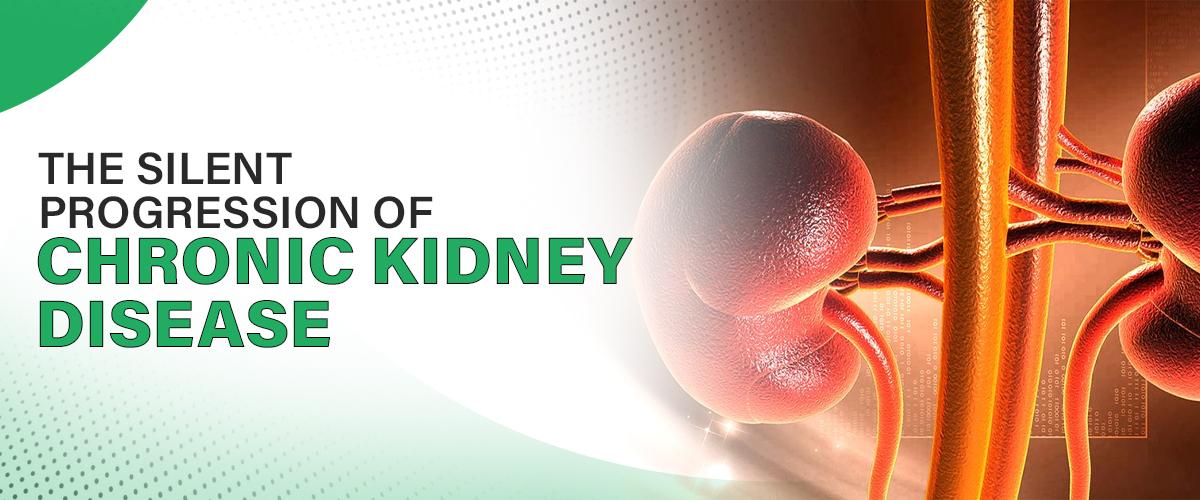
Chronic Kidney Disease (CKD) is a disease in which the kidneys lose their function slowly over months or years. In contrast to acute kidney failure, which may arise suddenly, CKD arises slowly and quietly. Most individuals are not aware of its onset until the disease has already advanced to a considerable extent—most often necessitating early detection and early therapy.
In Greater Noida, more and more individuals are being diagnosed with CKD as the incidence of diabetes, hypertension, obesity, and physical inactivity is on the rise. But the good news is that access to quality treatment at the top nephrology hospital in Greater Noida is helping many patients catch up with kidney function before it is too late.
Are you worried about the symptoms of chronic kidney disease? Call us at +91 9667064100 for individualized advice, early diagnosis, and cost-effective treatment strategies.
CKD occurs when damaged kidneys can't filter blood properly. This causes a buildup of waste, excess fluid, and toxins in the body. Over time, this damaged kidney function can impact almost every organ system within the body, raising the risk of cardiovascular disease, anemia, bone disease, and even kidney failure (end-stage renal disease or ESRD).
CKD can be divided into five stages, the least severe being Stage 1 and Stage 5 showing failure of the kidneys, which will need dialysis or transplant. The early stages will not even have any symptoms; hence, the disease will creep up silently unless checked periodically.
CKD is caused by a variety of underlying conditions, but some of the most common causes are:
Diabetes mellitus (Type 1 and Type 2): Over time, high blood sugar damages kidney filters.
Hypertension: Increases pressure on the tiny kidney arteries.
Glomerulonephritis: Genetic inflammatory disease of filtering structures of the kidney.
Polycystic kidney disease: Genetic disease that leads to cysts on kidneys.
Long-term drug use: In particular, over-the-counter pain medications such as NSAIDs.
Other risk factors are age above 60, smoking, obesity, history of kidney disease in the family, and heart disease.
Such patients should visit the best Nephrology Hospital in Greater Noida regularly and receive screening and preventive treatment at an early stage.
CKD is referred to as a "silent killer" for good reason. Symptoms tend not to appear until extensive kidney damage has been incurred. When symptoms do appear, they might include:
Fatigue and weakness
Swelling in ankles, feet, or legs (edema)
Shortness of breath
Nausea and vomiting
Foamy or blood-tinged urine
Frequent urination, particularly at night
Trouble managing high blood pressure
People may not know that kidney disease is the cause of their symptoms, as they are similar to those of other common diseases. This emphasizes the need for regular visits to the healthcare care provider, particularly among those at risk.
Simple blood and urine tests detect CKD in its early phase, which includes:
Glomerular Filtration Rate (GFR): Determines the functioning of kidneys in filtering blood.
Urine albumin-to-creatinine ratio: Checks for protein loss through urine, an indicator of kidney injury.
Serum creatinine: Checks for waste accumulation in the blood.
As soon as CKD is detected, slowing down the progression and minimizing complications could be done. Our team of specialist nephrologists thoroughly studies each case at the best Nephrology care hospital in Greater Noida and individualizes the treatment plan.
Although CKD is not curable, its progression can be significantly delayed with effective care. Treatment involves:
Management of co-morbid conditions: Diabetes and hypertension control is of utmost importance.
Medications: Use of ACE inhibitor or ARB preserves kidney function.
Dietary adjustments: Salt, protein, potassium, and phosphorus restriction.
Lifestyle change: Smoking abstinence, exercise on a daily basis, and avoidance of nephrotoxic agents.
Dialysis or transplant: Indicated in end-stage renal disease.
The patients are asked to lead a kidney-friendly life and keep in regular touch with their caregivers for follow-up.
Prevention is the best defense against CKD. Simple steps such as staying hydrated, maintaining a healthy weight, managing chronic conditions, and avoiding unnecessary medications can make a big difference. If you’re at high risk or have been diagnosed with early-stage CKD, timely consultation with nephrology experts is vital.
Having access to the best Nephrology in Greater Noida allows you the benefit of the latest diagnostic equipment, trained professionals, and a multidisciplinary team to support your path to kidney wellness.
Chronic Kidney Disease (CKD) does not always lead to kidney failure. If diagnosed early, treated appropriately, and with some changes in lifestyle, most of the patients have healthy and long lives. Waiting for treatment or ignoring warning signs can lead to severe complications.
If a family member or you show signs indicative of kidney failure—or if you fall in the high-risk category—it's time to seek the experts at the best hospital in Greater Noida. With customized care, world-class facilities, and patient-centric treatment, you can be assured to get the attention and expertise that can do a lot to cure CKD in the right way.
Felix Hospital stands as the kidney failure hospital in noida, offering advanced nephrology care with expert doctors and state-of-the-art facilities for comprehensive kidney failure treatment in Noida.
Q: Is chronic kidney disease reversible if detected early?
Ans: CKD is non-curable, but its course can be slowed down or even stopped if detected early and treated and regulated accordingly.
Q: How frequently should individuals who are at risk get their kidney function checked?
Ans: Individuals with diabetes, high blood pressure, or a family history of kidney disease should have their kidneys screened at least once a year. Your nephrologist might suggest screening more often depending on your risk category.
Q: What should I not eat if I have early-stage kidney disease?
Ans: Limit salt, processed foods, red meat, foods high in phosphorus (such as sodas and dairy products), and foods high in potassium (such as bananas, oranges, and potatoes)—depending on your doctor.
Q: When should a person with CKD begin dialysis?
Ans: Dialysis is usually advised if kidney function is below 15% or you get symptoms such as severe fatigue, fluid overload, or electrolyte abnormalities that are not managed with medicine.
Q: Are there early warning signs of kidney damage before physical symptoms develop?
Ans: Yes, microalbuminuria (protein loss in urine) and abnormalities in the creatinine level or EGFR can be indications of kidney damage long before physical symptoms occur. They can be found by routine laboratory tests.
Q: Is it safe to use painkillers if I have chronic kidney disease?
Ans: Excessive use of NSAIDs (including ibuprofen and diclofenac) can impair kidney function. Always consult a doctor before taking any medication, including over-the-counter painkillers.
Q: How does CKD affect heart health?
Ans: CKD increases the risk of heart disease due to high blood pressure, fluid overload, and high levels of toxins. It is critical to have good care of both kidney and heart health to ensure long-term health.
Find out the best methods to pass kidney stones quickly, ease pain, and protect your kidneys with proven home remedies and advanced treatment options.
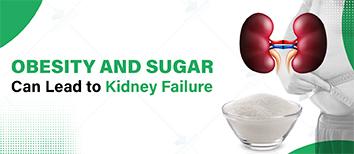
Obesity and excessive sugar consumption are widely recognized as major contributors to diabetes, heart disease, and high blood pressure.
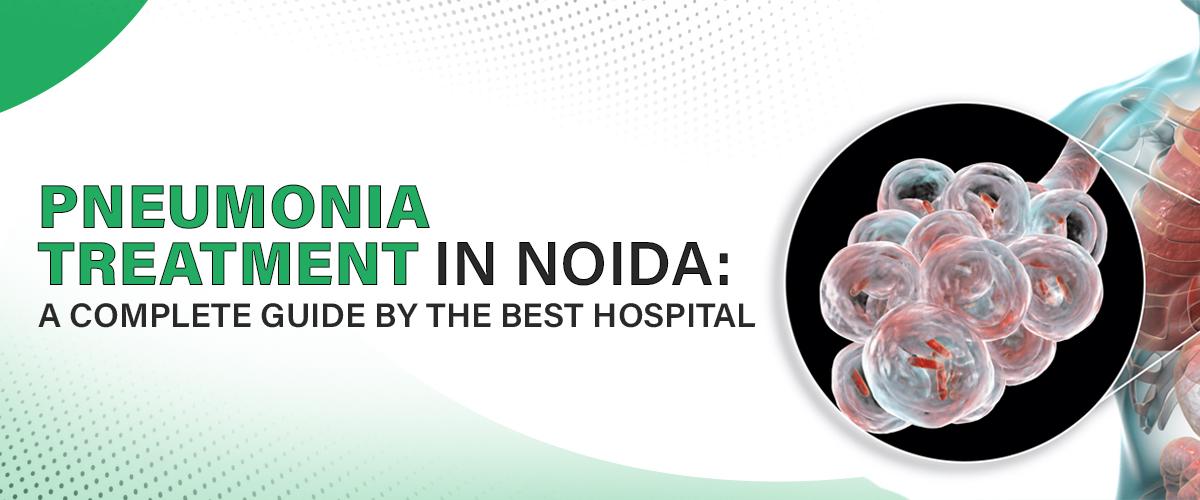
Pneumonia is a severe lung infection that strikes millions of individuals worldwide each year. Pneumonia may strike either or both lungs and can result from bacteria, viruses, fungi, or even chemical inhalation irritants. While pneumonia can be mild or fatal, quick diagnosis and proper treatment can significantly enhance the odds of recovery.
In the Best Hospital for Pneumonia in Noida, we make it our goal to provide professional, empathetic care to patients with pneumonia using a customized and evidence-based method. This blog post takes you through everything you should know concerning pneumonia symptoms, causation, treatment, and how we can help your recovery process.
Call us today at +91 9667064100 or visit our hospital for professional pneumonia care dedicated to your well-being.
Pneumonia refers to inflammation of the lungs wherein air spaces (called alveoli) are filled with pus or fluid, causing breathing problems and altered oxygen exchange. It can be bacterial, viral, fungal, or caused by aspiration (inhalation of food, liquid, or vomit into the lung).
Pneumonia may afflict anyone but is particularly dangerous for infants, older adults, smokers, and those who are immunocompromised.
If you have any of the following, consult the best pulmonologist in Noida right away:
Cough (with or without sputum) that won't go away
Fever and chills
Trouble breathing or breathing very fast
Pain in the chest with breathing or coughing
Feeling weak or tired
Nausea and vomiting
Loss of appetite
Confusion in older patients
Pneumonia should be diagnosed early. Don't delay—go to Noida's best hospital for a prompt assessment if you develop these symptoms.
Knowing the causes of pneumonia allows for a precise cure. The primary causes are:
Bacterial infection—The most common culprit is Streptococcus pneumoniae.
Viral infection—Influenza and respiratory syncytial virus (RSV) are common in children and adults.
Fungal infection—More common in people with weakened immunity.
Aspiration—Swallowed food, saliva, or vomit inhaled into the lungs.
Environmental toxins—Inhaling toxic fumes or chemicals.
People with chronic disease, a compromised immune system, or smoke and air pollution exposure are at high risk.
Untreated or poorly treated pneumonia can result in:
Respiratory distress or low oxygen level
Hospital stay or intensive care
Lung abscess or chronic lung damage
Sepsis (extreme response to infection, life-threatening)
Infection spreading to other regions of the body
Higher risk in elderly, children, or immunocompromised patients
At the best hospital in Noida, we can treat both uncomplicated and complicated cases of pneumonia to avoid such complications and attain a full recovery.
Treatment of pneumonia in Noida is based on what is causing the pneumonia, how severe the pneumonia is, the patient's age, and general health. Here's what to expect:
1. Antibiotic Therapy: Used when the major cause of pneumonia is bacterial
2. Antiviral or Antifungal Drugs: Treated when the cause is viral or fungal in nature.
3. Fever and Pain Control: Medications like paracetamol or ibuprofen may help bring relief.
4. Oxygen Therapy: Used when the oxygen level is severely low.
5. Hospitalization: Applicable in severe pneumonia or in complicated or comorbid cases.
6. Respiratory Support: Utilized in critical cases where the patient might require ventilator support in the ICU.
With the finest diagnostic facilities, a panel of experts, and customized treatment regimens, the finest Noida hospital provides patient-centered and integrated care for every pneumonia case.
Choosing the right healthcare facility really does make a difference to your recovery. Here's why patients have faith in us:
Team of experienced pulmonologists and critical care specialists
24/7 emergency and ICU services
Advanced diagnostic equipment, such as X-rays, CT scans, and laboratory procedures at an affordable cost.
Kindly nursing personnel and rehabilitation therapy
We extend beyond the treatment with emotional and educational assistance to patients and families during the recovery process.
Don’t wait until your symptoms worsen—book an appointment with our pneumonia specialists at the best hospital in Noida today.
Pneumonia is a severe infection, yet full recovery is certainly possible if treatment comes early. We want to cure your infection and keep you healthy while you recover at Noida's best hospital. With state-of-the-art amenities, skilled medical experts, and a compassionate care approach, we give you timely diagnosis, effective treatment, and continuous surveillance. If you or the one you love is exhibiting symptoms of pneumonia, don't wait—call our experts today and start the road to safer, quicker recovery.
Q: Can Noida pollution raise the severity or risk of pneumonia?
Yes. Excessive air pollution in Noida can irritate the lungs and compromise respiratory defences, making residents susceptible to developing respiratory infections like pneumonia or exacerbating pre-existing conditions. Susceptible populations are those with asthma, COPD, or other lung diseases.
Q: How is pneumonia diagnosed differently in older adults at your hospital?
In older patients, pneumonia is often not accompanied by the typical fever or productive cough. At our center, we apply high-tech imaging (chest X-ray or CT scan), blood culture, and pulse oximetry to identify subtle early features if there is confusion or weakness.
Q: Are pneumonia vaccines administered in your Noida hospital?
We administer pneumococcal vaccinations (PCV13 and PPSV23) to children and adults and seasonal flu vaccinations yearly to prevent pneumonia from complications of the flu. We can provide recommendations based on your risk factors, age, and health status.
Q: What should I do if my pneumonia is not getting better after 3–5 days of antibiotics?
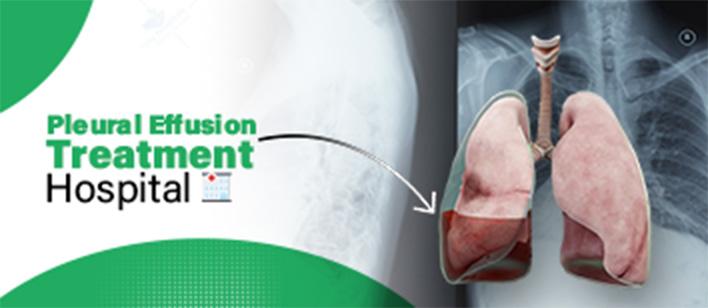
If symptoms persist or worsen after starting treatment, it's essential to return for reassessment. At our facility, we’ll check for antibiotic resistance, incorrect diagnosis, or secondary complications like pleural effusion or lung abscess and adjust your care plan accordingly.
Q: Can children with mild pneumonia be treated at home, or should they be admitted?
For mild attacks, children can recover at home on oral antibiotics, bed rest, and hydration. However, if your child is under two years old and has breathing troubles, a severe fever, or dehydration, we may recommend hospitalization with close monitoring and IV treatment.
Q: What lifestyle or home care advice do you have after discharge from pneumonia treatment?
We give patients a post-discharge plan that includes breathing drills, fluid management tips, progressive return to activity, follow-up imaging (as appropriate), and prevention of re-infection—particularly on murky days or during flu season.
Q: Do you have special protocols for diabetic or heart disease pneumonia patients?
Yes. Underlying conditions such as diabetes and cardiovascular disease can complicate recovery from pneumonia. Our multidisciplinary team of pulmonologists, diabetologists, and cardiologists coordinates care to address all aspects of your health.
Pneumonia is a severe respiratory infection that affects millions of people worldwide each year.
Understanding the timeline for pneumonia recovery, the symptoms to watch for, and the treatment options available can help patients and caregivers manage the illness effectively.
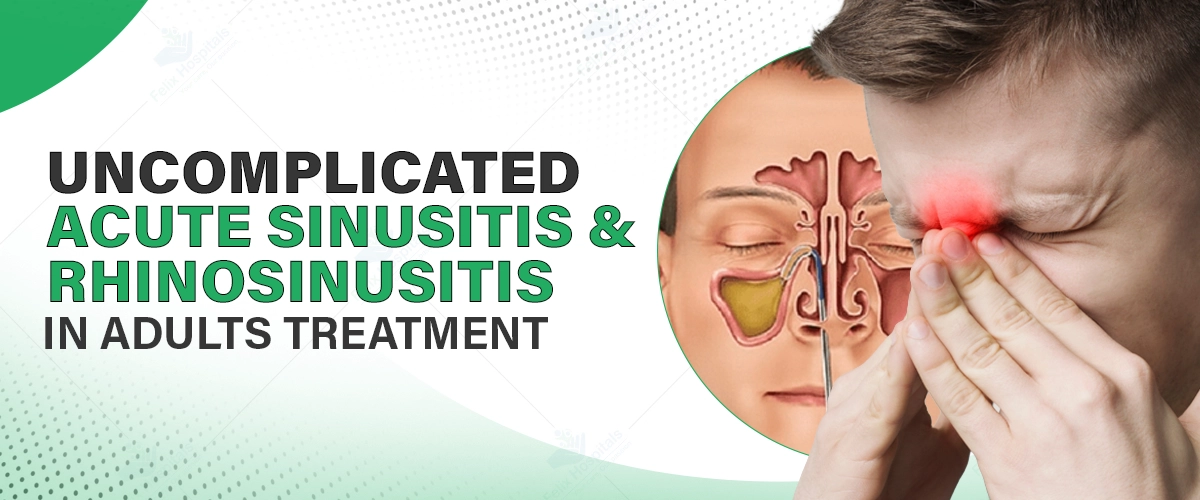
Acute sinusitis, or acute rhinosinusitis, is a prevalent condition, particularly during seasonal changes. It causes infection and inflammation in the nasal and sinus pathways, resulting in symptoms such as nasal congestion, facial pressure and pain. Although acute sinus infections are generally mild and self-limited, untreated or chronic cases can disrupt your activities and diminish your quality of life.
This blog post will give you a glimpse of what simple acute sinusitis is, its symptoms, how to identify them, the optimal way to treat it, and when to consult the best ENT hospital in Noida. You will also learn about the average treatment and facility costs at Noida's best hospitals.
For early detection and timely treatment, visit the ENT experts of Felix Hospital, Noida's best ENT healthcare facility. Book your appointment by +91 9667064100.
Acute uncomplicated sinusitis is transient inflammation of the nasal passages and sinuses, usually for less than four weeks. It is "uncomplicated" because it doesn't develop into more complex cases like abscesses or infections around the eyes and brain.
Most cases of sinusitis begin with a viral infection like the common cold. Most resolve without treatment, but some become bacterial and need treatment.
Be on the lookout for these symptoms:
Nasal congestion or obstruction
Facial pain or pressure (particularly on the forehead, eyes, or cheeks)
Yellow or green nasal mucus that is thick
Headache
Postnasal drip
Loss of smell/taste or decreased smell/taste
Low-grade fever
Fatigue or malaise
If signs and symptoms last longer than 10 days, worsen after initially improving, or are accompanied by high fever and swelling of the face, report the best hospital in Noida at once for assessment.
Sinusitis may result from many stimuli:
Viral infection: Most frequent cause, usually self-limiting.
Bacterial infection: When mucus is obstructed in the sinuses.
Allergies: Pollution, dust, or pollen may cause nasal lining irritation.
Abnormal structure: Deviated nasal septum or nasal polyps.
Environmental irritants: Pollutants and cigarette smoke can increase inflammation.
Identification of the underlying cause by consulting the best ENT specialist in Noida will help you receive appropriate treatment.
Treatment is based on the viral or bacterial cause of the infection and the severity of symptoms.
1. Symptom Relief
These are simple remedies that give relief from pain and induce drainage:
Nasal Decongestant Sprays (use for up to 3–5 days)
Saline Nasal Rinse—For removal of mucus and allergens
Painkillers such as ibuprofen or paracetamol
Steam Inhalation—to relieve congestion and pressure
2. Antibiotics
Antibiotics are only given in suspected bacterial infections. Symptoms are those lasting more than 10 days, high fever, or worsening after initial improvement. The best doctor in Noida can give a 5–7 day course of antibiotics to remove the infection.
3. Allergy Control
If allergies are the cause of your sinusitis, your doctor may administer antihistamines and nasal corticosteroids.
4. Lifestyle & Home Remedies
Drink lots of fluids
Avoid smoking and avoid allergens
Use a humidifier
Rest well to support healing
Most cases improve with proper treatment when it is administered. But in case of frequent recurrence of symptoms, assessment is warranted.
In acute sinusitis, surgery is uncommon. But if you have chronic sinusitis, recurrent infections, or structural issues such as nasal polyps, physicians may offer less aggressive treatments to enhance drainage of the sinuses. ENT doctors at Noida's best hospital perform superior procedures such as Functional Endoscopic Sinus Surgery (FESS), balloon sinuplasty, or septoplasty according to the patient's requirements.
One of the main concerns is the expense. On the bright side, uncomplicated acute sinusitis is inexpensive and transparent to treat in Noida.
Some of the approximate cost considerations for sinusitis treatment include:
Consultation and diagnosis
Nasal endoscopy or imaging (if required)
Medications or allergy treatment
Procedures, if required
At the top hospital in Noida, you get clear costing structuring, so there are no hidden charges and the treatment is within your means.
Sinusitis and acute rhinosinusitis can be treated with appropriate management, lifestyle modification, and proper diagnosis. Most recover within a few weeks. Persistent or increasing signs should not be taken lightly.
If you're experiencing constant congestion, facial pressure, or frequent sinus problems, see the best ENT expert in Noida immediately. Due to specialized care, affordable care, and individualized attention, the best hospital in Noida can restore easy breathing to your life.
Q: How is a common cold different from acute sinusitis?
Ans: Though both could start with nasal congestion and fatigue as complaint symptoms, acute sinusitis will have constant facial pain or pressure, yellowish-green nasal discharge, and more than 10 days to heal. A cold would typically respond in 5–7 days and is not usually followed by facial soreness or sinus pain.
Q: Can untreated sinusitis impact the eyes or brain?
Ans: Yes, while it is uncommon, untreated or recurring bacterial sinusitis can lead to complications such as orbital cellulitis, abscesses, or even meningitis. It is due to this reason that early evaluation and treatment in Noida's best hospital become imperative in case of worsening or recurrent symptoms.
Q: Is there anyone more prone to sinus infections?
Ans: Yes. Allergies, asthma, nasal polyps, deviated septum, or people exposed to environmental irritants such as pollution or smoke condition are more prone to sinus infection. Immunocompromised patients are also at risk.
Q: How effective are over-the-counter nasal sprays for sinus relief?
Ans: Decongestant sprays provide immediate relief by narrowing the dilated nasal passages. Rebound congestion may be due to use over 3–5 days. You should visit an ENT specialist at Noida's top hospital to receive proper management counsel.
Q: When should imaging such as a CT scan be prescribed in sinusitis?
Ans: Imaging is not typically required in straightforward cases. If the condition is chronic, occurs frequently, or fails to respond to standard therapy, a CT scan becomes necessary. It assists in the visualization of anatomical dysmorphia or blockage that may be to blame.
Q: Will sinusitis result in halitosis or dentalgia?
Ans: Yes. Sinus infections can lead to foul breath (halitosis) from mucus stasis and bacterial overgrowth. Additionally, pressure of the maxillary sinuses (over the upper jaw) may also mimic dental pain, particularly in the area of the upper molars.
ENT health is essential for proper breathing, hearing, speech, and balance. Early detection and expert care ensure a better quality of life and prevent chronic complications.

Trust Felix Hospitals for the best Allergies and sinusitis treatment, specialized medical services, and compassionate support during your critical moments
Pediatric physicians and specialized pediatric hospitals are integral to the physical, emotional, and developmental well-being of children. Pediatric healthcare differs from adult care because the healthcare given is specific to the changing needs of growing bodies and minds.
If you are searching for specialized medical care for your child, searching for specialists at the best pediatric hospital in Noida can offer suitable pediatric care in a safe, loving, and child-friendly setting. Why pediatric care is crucial and how an honest pediatric team can change your child's life has been discussed in this blog post.
From routine check-ups to pediatric care, your child is in safe hands. Call us today at +91 9667064100.
Pediatricians are specially trained to diagnose, treat, and manage a variety of diseases that afflict children, adolescents, and infants. Their expertise extends not only to body well-being but also monitoring development milestones, mental well-being, nutrition, and behavioral problems.
Preventive Care: Pediatricians provide timely vaccinations, regular health check ups, dietary advice, and growth counseling to kids.
Early Diagnosis: Kids usually don't have clear-cut symptoms. Pediatric physicians are experts in finding early signs of disease, reasons behind delayed development, and behavioral problems.
Management of Chronic Disease: Continued disease state management of chronic diseases like asthma, diabetes, or heart disease is necessary. Pediatricians organize repeated treatment protocols specific to each child.
Emotional and Mental Health Services: Childhood anxiety, ADHD, and other mental illnesses are managed by early assessment and referral to child psychologists if needed.
Parent Counseling: Parents are also counseled on safety best practices, sleep patterns, and activities appropriate to age.
Selecting a pediatric doctor from the top hospital in Noida guarantees your child gets empathetic and professional care during their formative years.
Whereas general hospitals accept patients of all ages, pediatric hospitals are specialized for children. Pediatric hospitals provide an atmosphere and equipment that cater to the physical, emotional, and psychological requirements of child patients.
Child-Friendly Atmosphere: Pediatric hospitals include playrooms, light color tones, and trained staff to manage children to make hospitalization less scary.
Specialized Equipment: Diagnostic tools and therapy equipment are specially designed to suit growing bodies
Multidisciplinary Care: Professionals in neonatology, pediatric surgery, child psychology, and adolescent medicine are all brought together in pediatric hospitals to provide a holistic model of care.
Emergency Pediatric Services: Children react differently to injury and disease compared to adults. Pediatric ER units utilize staff who can act quickly and appropriately.
Family-Centered Approach: Parents are not left out of decision-making, and caregivers usually get to remain with patients in the hospital.
The availability of such specialized services in the top hospital in Noida will make sure that your child is getting treated in an environment that is especially designed for pediatric care.
Pediatricians and child specialists treat a wide range of medical conditions including:
Respiratory infections (cold, flu, pneumonia, bronchitis)
Gastrointestinal problems (diarrhea, constipation, abdominal pain)
Allergies and asthma
Developmental delays and learning disorders
Diseases of the skin (skin rashes, eczema)
Ear, nose, and throat infections
Childhood injuries and fractures
Nutritional deficiencies
Whether your child needs regular check-ups or special treatments, the pediatrics department of the best hospital in Noida can provide everything under one roof.
Even if your child looks healthy, regular pediatric visits are valuable. These visits enable growth patterns to be tracked, vaccinations to be administered, and screening for early signs of possible problems. They also give parents a chance to discuss diet, sleep, behavior, and safety measures.
By seeing the same pediatrician over time, your child is advantaged by the continuity of care, which is extremely useful in detecting changes or trends over time.
Selecting the appropriate healthcare facility for your child can significantly impact their health. The best hospital in Noida offers:
Experienced pediatricians and sub-specialists
State-of-the-art diagnostic and surgical facilities
Round-the-clock pediatric emergency support
Holistic care that includes physical, mental, and developmental aspects
A clean, child-friendly, and safe hospital environment
With a focus on both treatment and prevention, the hospital emphasizes complete child wellness and supports parents through every stage of their child’s development.
Book a pediatric consultation today in Noida's finest hospital and begin paving the way to a healthy tomorrow.
Pediatric physicians and pediatric hospitals are the cornerstone of a child's life, his or her well-being, and health. Their specialist skills, preconceived diagnosis planning, and kid-friendly environment contribute for a comforting healthcare experience right from cradle to youth. The importance of pediatric care, from treating common conditions to managing chronic ones, cannot be overstated.
For parents looking for the best professional care in a secure and safe environment, getting to the best hospital in Noida guarantees your child personal attention, updated treatment, and care in every way. For because when children are involved, only the best will suffice.
Q: When should I start taking my child to the pediatrician?
Ans: You will need to schedule your baby's initial visit to a pediatrician soon after birth. Follow-ups are regular during infancy to track progress, give vaccines, and respond to health issues.
Q: In what way is a pediatric doctor different from a general physician?
Ans: Pediatric doctors deal with physical, emotional, and developmental health in children. Pediatric doctors are trained to identify and address conditions specific to children and are more sensitive to age-specific needs than general physicians.
Q: Can a pediatrician treat children's temporary and chronic diseases?
Ans: Yes, pediatricians treat both temporary diseases such as the flu and infections and chronic diseases such as asthma, allergies, and diabetes with customized treatment plans.
Q: How often is a healthy child supposed to visit a pediatrician?
Ans: Periodic visits are usually suggested at milestone developmental ages—newborn, 2 months, 6 months, 1 year, and then yearly thereafter—except for a child with special medical needs.
Q: What are the indications that my child must visit a pediatric specialist?
Ans: In case your child exhibits signs such as developmental delay, frequent high temperatures, difficulty in breathing, abnormal loss of weight, or change in behavior, it is recommended to visit a pediatric specialist.
Q: Can pediatric hospitals manage emergencies?
Ans: Yes, pediatric hospitals possess specialized emergency facilities, trained professionals, child-specific gear, and quick response systems specially designed for infants and children.
Q: How can I prepare my child for a hospital visit to minimize fear?
Ans: Communicate with your child in a calm, clear manner, set clear expectations, and select hospitals with family-centered environments. Children's hospitals frequently use play therapy and distraction procedures in an attempt to reduce stress.
Pediatric rheumatology focuses on diagnosing and treating autoimmune and inflammatory disorders affecting children’s joints, muscles, and connective tissues.
It’s essential to note that the cost of skin pigmentation disorder treatment in Noida can differ based on the type of treatment required and the healthcare facility's resources.
Our team of pediatric professionals is committed to offering expert care and guidance on sleep-related issues. If you’re looking for a pediatric doctor near me, our experienced specialists are ready to assist.

During sleep, the body releases growth hormones, which are essential for a child's growth and development. Adequate sleep is vital for muscle development, tissue growth, and the overall physical health of a child.
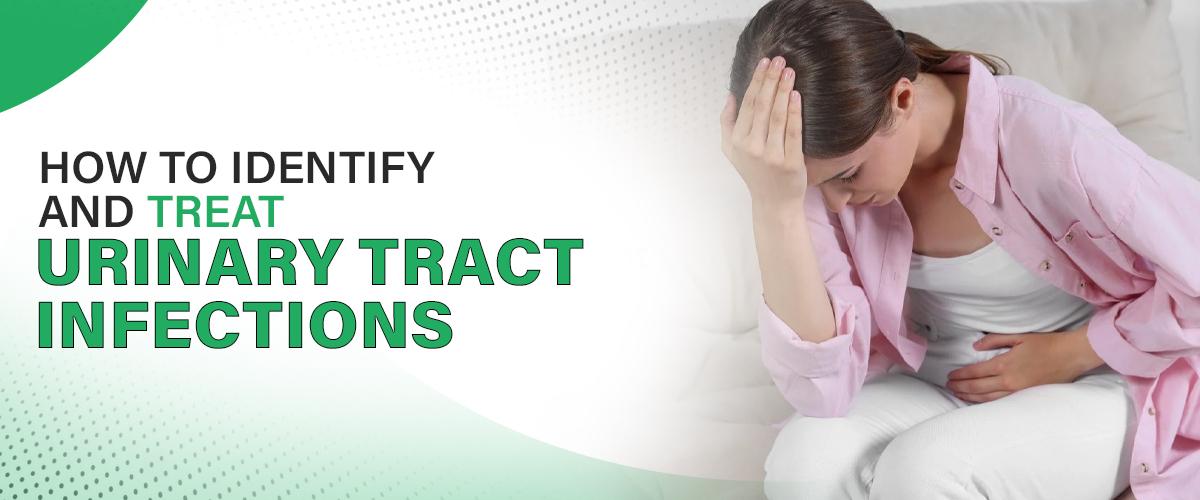
Urinary Tract Infections (UTIs) are among the most common bacterial infections that affect people of all ages, especially women. Though usually not life-threatening, untreated UTIs can lead to serious complications if the infection spreads to the kidneys. Timely diagnosis and proper treatment are essential. If you’re experiencing discomfort while urinating or frequent urges to go, it may be time to consult the experts at the best urology hospital in Greater Noida.
This blog will walk you through detecting symptoms of a UTI and treatment that you can use to recover fast and safely.
Take Charge of Your Urinary Health — Speak to a Specialist Now. Call us today on +91 9667064100.
A UTI is an infection occurring in any portion of the urinary tract — kidneys, ureters, bladder, or the urethra. Most infections occur in the lower urinary tract (bladder and urethra), but in severe cases, the infection can travel to the kidneys.
It is critical to detect UTI symptoms early in an effort to avoid complications. The symptoms differ depending on the infected organ, but the most frequent signs are:
A normal, intense need to urinate
A burning or painful sensation when urinating
Urination with cloudy, smelling urine
Frequent, small volumes of urination
Blood in the urine (hematuria)
Abdominal or pelvic pain or discomfort
Fever or chills (if kidney infection)
In the older adults, UTIs also lead to confusion or altered behavior, and it should not be neglected.
Some factors raise the risk of acquiring a urinary tract infection:
Women (because they have a shorter urethra)
Diabetic patients
People with kidney stones or urinary tract abnormalities
Catheter use
Men with enlarged prostates
People with an immunocompromised state
If you belong to any of these categories, it is important to get medical care from the best urologist in Greater Noida for early treatment.
Diagnosis for a UTI usually entails:
Urine analysis: To test for white blood cells, red blood cells, or bacteria.
Urine culture: Identifies the kind of bacteria causing the infection.
Imaging tests: Ultrasound or CT scan may be advised in the event of frequent infections.
Cystoscopy: For certain conditions, a small tube containing a camera is inserted inside to visually inspect the interior of the bladder and urethra.
Early and accurate diagnosis allows treatment sooner and stops the infection from extending to other sections of the urinary tract.
Treatment of UTIs is generally uncomplicated but should be individually adjusted to the severity of infection and the health of the patient. The most frequent methods are:
1. Antibiotic Treatment: The first-line treatment is with antibiotics. The duration and type of medication are based on the urine culture bacteria and on symptom severity.
2. Pain Relief: Pain medications available or urinary analgesics can be used to manage pain during urination.
3. Hydration: Consumption of massive amounts of fluid aids in the removal of bacteria from the urinary tract and facilitates healing at a faster rate.
4. Hospitalization in Severe Cases: In case infection is entering the kidneys or in case of an impaired immune system, hospitalization can be considered. Fluid and intravenous antibiotics are given for more controlled release.
5. Regulation of Primary Disorders: For patients of recurrent UTI, the cause like kidney stone, prostate hypertrophy, or urinary obstruction must be treated to prevent recurrence.
At the best hospital in Noida, patients are treated with personalized care combining drug, lifestyle guidance, and follow-up for complete recovery.
While all UTIs cannot be prevented, certain habits can reduce the risk:
Drink a lot of fluids
Urinate before and after sexual intercourse
Do not hold urine for too long
Wipe from front to back after using the toilet
Do not use harsh soaps or feminine hygiene products on the genital area
Use cotton-padded underwear and avoid tight clothing
A specialist can prescribe preventive antibiotics or further testing to determine why UTIs are happening if they happen regularly.
Don't Let a UTI Go Untreated — Book Your Consultation at the Best Hospital in Noida Today.
UTIs are highly curable if detected early, but neglecting symptoms may develop into severe medical conditions. This is your first UTI or your second time around, but consulting the proper healthcare expert ensures easy recovery. Trust the professionalism and care offered at the top hospital in Greater Noida for complete assessment, treatment, and counseling according to your need.
If you are showing any of the symptoms and signs of a UTI, don't wait—make an appointment today and start the journey to improved urinary function at an affordable cost in Greater Noida.
Felix Hospital offers advanced and reliable Urinary Tract Infection (UTI) treatment in Noida with expert urologists ensuring fast relief and complete recovery.
Q: Can stress or anxiety trigger urinary tract infections?
Ans: Although stress alone does not lead to UTIs, it does lower your immune system and make you susceptible to infections. Chronic stress can also shift your urination patterns, which could make you more susceptible to bacterial accumulation.
Q: Is it safe to delay treatment of UTI for a few days?
Ans: Delaying going to see a physician can let the infection travel to the kidneys, where it can cause serious complications. It is wise to consult a specialist at the onset of any symptoms.
Q: Can men also get UTIs, and what do symptoms vary from?
Ans: Men can also suffer from UTIs, particularly with prostate enlargement or with obstructions in the urine. Symptoms include slow urination, pain in the pelvic area, and occasionally discharge, and occur less frequently in females.
Q: Why do UTIs recur after treatment?
Ans: UTIs can recur due to inadequate treatment, resistance to medication, or an underlying cause such as kidney stones or anatomical issues. A specialist urologist at the top hospital in Noida can determine the underlying cause.
Q: Are there foods or drinks that can prevent UTIs?
Ans: Yes. Drinking unsweetened cranberry juice, drinking additional water, and staying away from caffeine and alcohol can help maintain urinary tract health and prevent recurrence.
Q: Does a UTI always result in painful urination?
Ans: No. Some people, particularly the elderly, may have asymptomatic or mild UTIs with atypical symptoms such as fatigue, confusion, or cloudy urine.
Q: Can hygiene be the only cause of UTIs?
Ans: Poor personal cleanliness is a component of the cause, but UTIs tend to happen due to internal reasons like hormonal imbalance, medical illness, or anatomical problems. Cleanliness may work but will never ensure prevention.
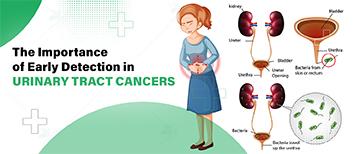
For instance, bladder cancer has a five-year survival rate of about 77% when diagnosed early, compared to just 5% in advanced stages. Early diagnosis directly correlates with improved outcomes and survival rates.
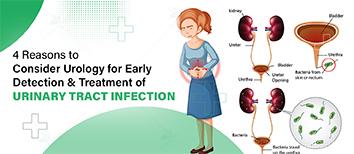
One of the best hospitals for urinary tract treatment in Noida offers comprehensive urology care, featuring expert urologists and advanced diagnostic and treatment facilities.

At Felix Hospitals, our team of best pediatricians in Noida specializes in diagnosing and treating UTIs in children with care and precision.

One of our leading specialists is Dr. Bhanwar All Barkesiya, a highly skilled urologist with extensive experience in diagnosing and treating prostate conditions.
Have calluses or sensitive bumps on your hand or foot? They are corns or calluses, a very common dermatology condition caused by repeated rubbing or pressure. Looking for corn callus removal near me or a specialist doctor for corn? Felix Hospital is where you should go for accurate diagnosis and treatment in Greater Noida and Noida.
Our skilled dermatologists provide personalized and extensive treatment with new techniques for any person seeking a corn removal doctor or a callus removal doctor near me.
Let us enable you to walk pain-free again! Simply call us today at +91 9667064100.
Corns and calluses are thickened patches of skin that occur from pressure or friction. Although they look somewhat similar, corns tend to form on the top or lateral side of toes and are smaller, more rounded, and more tender. Calluses are larger and will form on the sole, palm, or heel. Although generally not serious, these problems can be an immense source of pain, particularly when walking or using your hands.
People who frequently wear tight shoes, walk barefoot, or have foot deformities are more prone to developing these conditions. If you’re constantly bothered by these symptoms, a callus treatment near me or a corn removal doctor near me search ends with Felix Hospital.
Recognizing the signs early can prevent complications. Common symptoms include:
Thickened or rough patches of skin
Hard, raised bumps on toes or soles
Pain or tenderness beneath the skin
Flaky or waxy skin texture
Discomfort or shoe wear during walking
All of these symptoms can become worse over time if not treated, hence the importance of going to see a corn specialist physician before the condition is allowed to get out of hand.
Our dermatologists at Felix Hospital start with a thorough physical examination of the affected area. Additional diagnostic tests may include:
Dermatoscopic Examination: To distinguish between corns, calluses, warts, or other skin lesions
Gait Analysis: To determine pressure points and walking posture
Medical History Review: To determine underlying reasons such as ill-fitting shoes, foot deformities, or repetitive strain injuries
We want to find the source of the problem and give a long-term solution—not short-term relief.
In search of corn callus removal near me or callus treatment near me? Felix Hospital offers a variety of medical and procedural skin treatment cost in Noida, including
Medical-grade Salicylic Acid Treatments: Softening and removal of hardened skin over time.
Debridement: Pain-free removal of corn or callus by an experienced dermatologist.
Orthotic Devices: Customized padding or shoe inserts to cushion pressure.
Laser Therapy: Advanced treatment for deeper corns.
Surgical Treatment: In chronic or severe cases, particularly if complicated by bone deformity.
Lifestyle Advice: Advice on footwear, posture, and avoidance.
Each care plan is individualized based on the severity of the condition and site. If you are looking for a corn removal specialist near me or a callus removal specialist near me, don't worry; at Felix Hospital, you will be treated with utmost care.
Felix Hospital is the preferred choice of patients from Noida and Greater Noida due to:
Specialized Dermatologists: Experienced in medical, cosmetic, and surgical dermatology.
Latest Diagnostic Facilities: Dermostoscopy and computerized skin imaging.
Minimum Invasive Treatments: Rapid recovery and permanent results.
Integrated Care Concept: Referral to orthopedic and podiatric experts if required.
Convenient Location: Conveniently accessible location for Noida and Greater Noida residents.
Book your consultation today with a top corn specialist doctor at Felix Hospital.
Q: Is permanent corn removal possible at Felix Hospital?
Ans: Yes. Our dermatologists offer long-lasting, effective treatments such as debridement, laser treatment, and preventive orthotics for permanent relief.
Q: Can I walk normally soon after treatment?
Ans: Most patients are able to return to normal activities on the same day, particularly in the case of non-surgical treatments. Your doctor will advise you according to the type of treatment.
Q: Do you provide pediatric treatment of corns and calluses?
Ans: Yes. We manage adolescents and children with tender or soft calluses using child-friendly dermatological techniques.
Q: Will I require surgery for my callus or corn?
Ans: Surgery is performed in severe or longstanding cases only. Conservative management treats most cases.
Q: Do calluses come back after treatment?
Ans: If left untreated, calluses will recur. We assist with lifestyle counselling to prevent recurrence.
Q: Do you provide custom orthotics for pressure relief?
Ans: Yes. Our practitioners consult podiatrists to design custom orthotics that redistribute pressure and prevent recurrence.
Q: Is consultation under dermatology or orthopedics?
Ans: Consultation under dermatology deals with corns and calluses. However, we work with orthopedic specialists where necessary.
It’s essential to note that the cost of skin pigmentation disorder treatment in Noida can differ based on the type of treatment required and the healthcare facility's resources.

The Best Corns Removal doctors, including Dr. Kusum Gupta, who bring their extensive expertise in treating a wide range of skin conditions.
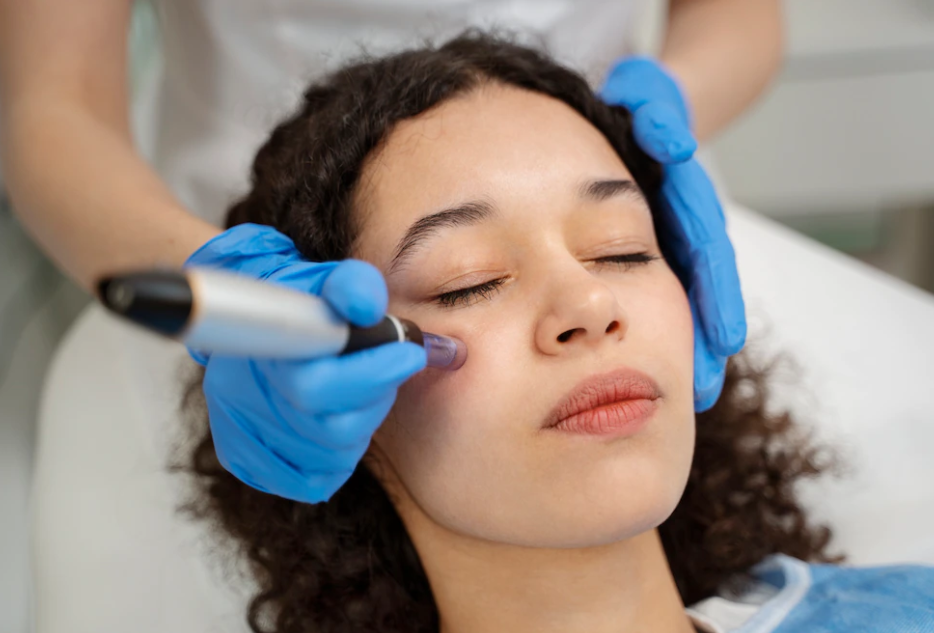
If your answer is yes, then, here are 6 easy steps to keep your skin look young and glowing.

Do you have chronic skin irritation, itching, or dryness? You could be living with eczema, a chronic skin disease affecting millions. At Felix Hospital, we offer cutting-edge and individualized treatment for eczema in a cozy and contemporary environment. Whatever you are looking for, be it the best eczema treatment hospital, an eczema doctor near me, or the best doctor for eczema near me, our skilled dermatology team is committed to guiding you down a path of long-term freedom.
For professional advice, contact us on +91 9667064100 or check our website.
Eczema is also referred to as dermatitis. It is a condition in the skin where patches of skin are dry, red, itchy, and inflamed. It can occur on any part of the body and is usually brought about by allergens, irritants, weather, or stress. Eczema is popular in children but can occur in anybody at any age.
The condition is usually chronic and may have intermittent worsening. During the quest for an eczema specialist doctor near me, early diagnosis and treatment play a significant role in preventing the symptoms and improving the quality of life.
Our doctors at Felix Hospital analyze the symptoms to differentiate eczema from other skin conditions. The symptoms include:
Persistent itchiness
Red or inflamed patches on the skin
Dry scaly skin
Color change of skin (can become darker or thicker over time)
Ear discharge (in some situations)
Cringing or crack on the skin
If you notice any of these, it would be best to visit an Eczema specialist doctor near me to avoid complications and disease progression.
We at Felix Hospital employ visual inspection and advanced diagnostic equipment to diagnose eczema and distinguish it from other skin ailments. Our trained dermatologists can employ.
Dermoscopy for through skin inspection
Skin biopsy, when required, to eliminate other problems
Allergy tests in suspected causation
Careful medical history taking for monitoring symptoms and relapses
With this thorough assessment, we provide a precise diagnosis and cut-and-dried treatment plan for every patient requiring skin treatment in Noida.
Our dermatologists prescribe tailor-made, evidence-based treatment plans based on the severity of eczema. Depending upon symptoms and cause, the following treatments are used:
Topical corticosteroids and non-steroid creams to suppress inflammation
Oral antihistamines to relieve itch
Moisturizers and barrier repair creams to prevent dryness
Phototherapy for chronic and severe eczema
Lifestyle therapy, such as stress management and prevention of causative factors
Are you in search of the best eczema doctor or the best eczema treatment cost in Noida? You have it all at Felix Hospital.
Schedule an appointment today at Felix Hospital—the best eczema hospital in Noida.
Felix Hospital is one of the finest eczema hospitals in Noida due to its expert care, advanced diagnostic services, and patient-centric approach. Here are reasons why individuals searching for an eczema doctor near me visit us:
Pride of Experts in Dermatology: Our experts possess significant experience of managing all kinds of eczema and associated skin ailments.
Advanced Facilities: We employ advanced diagnostic equipment and contemporary therapies to deliver accurate results and quick relief.
Customized Treatment: Each patient is provided with a customized treatment schedule based on their signs and symptoms, history, and lifestyle.
Comprehensive Approach: We don't just treat the skin; we also teach patients to deal with triggers and prevent flare-ups.
Preferred Location: Conveniently situated and easily reachable from Noida, Greater Noida, and surrounding areas.
If you have had enough of applying over-the-counter creams and nothing coming up, the time has come to see the best doctor for eczema in my locality. Book an appointment at Felix Hospital, Noida's finest destination for eczema treatment, and begin your path to better skin.
Q: How does Felix Hospital individualize eczema treatment plans?
Ans: We realize at Felix Hospital that eczema manifests differently and is prompted by varying causes in every individual. Our dermatologists conduct a thorough evaluation—e.g., skin check, allergy testing, and checkup on your way of life—to design a personalized eczema treatment plan appropriate for your skin type, severity of condition, and medical background.
Q: Am I given long-term eczema care management at Felix Hospital?
Ans: Yes. Felix Hospital manages eczema attacks and offers long-term management plans. These include follow-up, lifestyle advice, stress management, and skin care advice to prevent recurrence and provide long-term relief.
Q: Does Felix Hospital treat eczema in children and infants?
Ans: Yes. Pediatric skin care units are present in our dermatology department. If you need an eczema specialist doctor near me for your child, our Experienced dermatologists at Felix Hospital provide safe and effective management of infantile and childhood eczema.
Q: What technology does Felix Hospital use to diagnose eczema?
Ans: We employ sophisticated diagnostic tools such as dermoscopy, Wood's lamp examination, digital photography, and skin biopsy (if necessary) to achieve accurate eczema diagnosis. These tools will differentiate eczema from other skin diseases and tailor your treatment regimen.
Q: Can I receive cosmetic treatment for eczema scars at Felix Hospital?
Ans: Yes. Certain patients with eczema have scars, thickened skin, or discoloration. We have cosmetic dermatology procedures after eczema at Felix Hospital, such as chemical peeling, laser resurfacing, and scar revision surgery, to restore your skin to normal.
Q: Why is Felix Hospital the best Noida eczema hospital?
Ans: Felix Hospital stands out due to its multidisciplinary approach, modern diagnostic tools, experienced dermatology team, and commitment to holistic patient care. If you’re searching for the best doctor for eczema near me, Felix Hospital ensures comprehensive care from diagnosis to recovery, all under one roof.
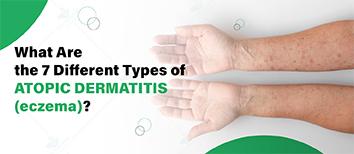
Atopic dermatitis eczema is a chronic inflammatory skin disease that results in itchy, red, and scaly patches on the skin
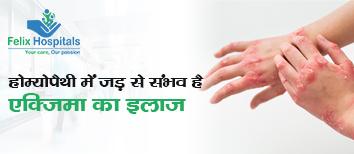
होम्योपैथी एक्जिमा का इलाज जड़ से करने में मदद करती है। यह शरीर की प्राकृतिक हीलिंग क्षमता को बढ़ाकर लंबे समय तक आराम और रिलीफ प्रदान करती है।
It’s essential to note that the cost of skin pigmentation disorder treatment in Noida can differ based on the type of treatment required and the healthcare facility's resources.
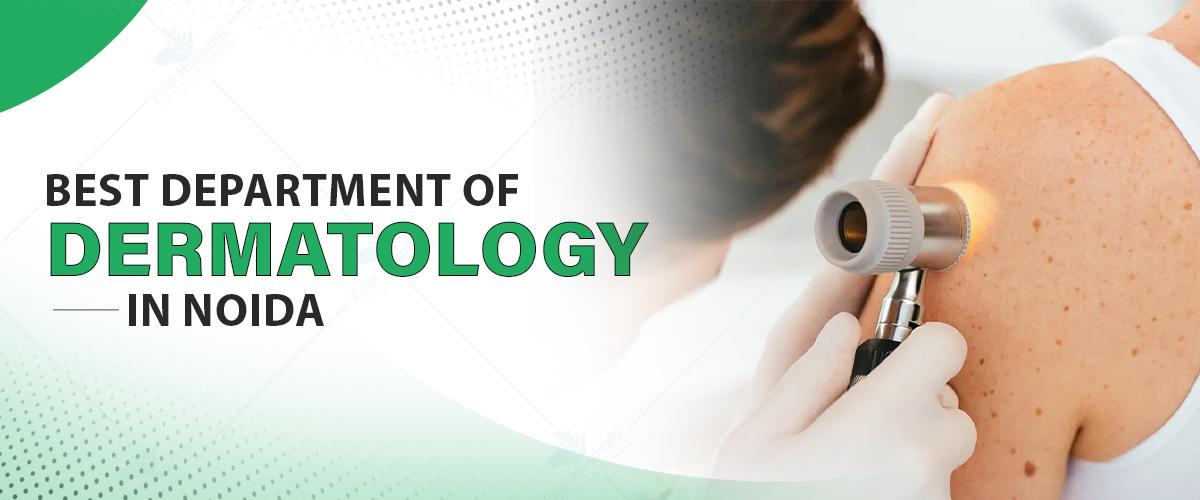
A cutting-edge facility, Felix Hospitals, leading as the best skin specialist hospital, provides better care for most skin, hair, and nail diseases. Our skilled and forward-thinking licensed dermatologists, cosmetologists, and trichologists work to provide customized care that is both medical and aesthetic in scope. Whether you have a chronic skin condition or just want to look healthier, Felix Hospital is where to achieve healthy, glowing-looking skin.
Is the eczema flaring up again? Do you get sick of attempting and succeeding each week on a different acne product? Call us now at +91 9667064100.
We employ a range of advanced imaging techniques to make an accurate and prompt diagnosis at the best hospital in Noida for skin:
Dermoscopy: High-quality photographs are taken to examine skin irregularities.
Skin biopsy: A brief, painless procedure used to determine skin ailments, including cancer.
Investigates hair and scalp disorders, such as alopecia, by using trichotography.
Wood's Lamp Examination: Facilitates the diagnosis of fungal infection and pigmentation.
Digital imaging: allows for tracking progress and mole changes.
As the leading skin hospital in Noida, we offer dermatology treatments for individuals of all ages and skin types. We typically treat the following:
The diagnosis and treatment of
Psoriasis
Eczema
Rosacea
Fungal infections
Skin Allergies
Pigmentation disorders such as Vitiligo and Melasma
Become prettier with non-surgical treatments such as
Skin-fillers and Botox
Chemical peels
Microdermabrasion
Laser skin resurfacing
Treatment of pigmentation and acne scar
Minor procedures and surgical treatments, including:
Surgery to remove moles, warts, and cysts
Removal of skin tags
Scar revision surgery
Without surgery, laser treatment for:
Acne scars
Birth marks
Hair reduction
tightening and rejuvenating the skin
Restore natural glow of your skin with:
Chemical peels
Microdermabrasion
Anti-aging therapy
Special baby and child care:
Diaper rash
Eczema
Hereditary skin disorders
Care for older skin:
Age spots
Chronic wounds
Skin cancer screening
Specialized care for:
Male/female pattern hair loss
Alopecia areata
PRP therapy
Medical and topical therapies
Treatment of conditions such as:
Fungal infections
Ingrown nails
Psoriasis of the nails
Trust the best skin treatment in Noida and Greater Noida dermatologists at Felix Hospital to provide results that count. Schedule your appointment now.
Dedicated Team: Board-certified dermatologists with medical, cosmetic, surgical, and pediatric dermatology interests.
State-of-the-Art Technology: Fitted with the most advanced diagnostic technology such as dermoscopy, trichoscopy, and digital mole mapping.
Extensive Range of Services: From eczema and acne to laser therapy and skin cancer screening.
Multidisciplinary care: Our dermatologists collaborate with oncologists, cosmetic surgeons, and specialists in close association to introduce an overall treatment.
Easy Accessibility: Strategically located near Noida, Greater Noida, and nearby regions, as the best skin care hospital.
Q 1. What are the services offered in dermatology by Felix Hospitals?
Ans: Felix Hospitals provides a full range of dermatology services like medical, cosmetic, pediatric, surgical, and geriatric dermatology. We provide treatments for acne, eczema, psoriasis, alopecia, pigmentation, nail infection, and cosmetic technology like laser therapy and skin resurfacing.
Q 2. How do I schedule an appointment with a dermatologist at Felix Hospitals?
Ans: You may book an appointment by calling at +91 9667064100, through our website, or personally by visiting our reception at Noida or Greater Noida.
Q 3. Are Felix Hospitals' cosmetic treatments safe?
Ans: Yes, Felix Hospitals' cosmetic treatments are done by licensed and experienced dermatologists with the latest FDA-approved equipment and technology for safety and effectiveness.
Q 4. What devices are used in dermatology diagnosis in Felix Hospitals?
Ans: Our dermatology clinics are well-equipped with advanced instruments like Dermoscopy, Trichoscopy, Skin Biopsy, Wood's Lamp Examination, and Digital Imaging to enable accurate diagnosis and personalized treatment.
It’s essential to note that the cost of skin pigmentation disorder treatment in Noida can differ based on the type of treatment required and the healthcare facility's resources.
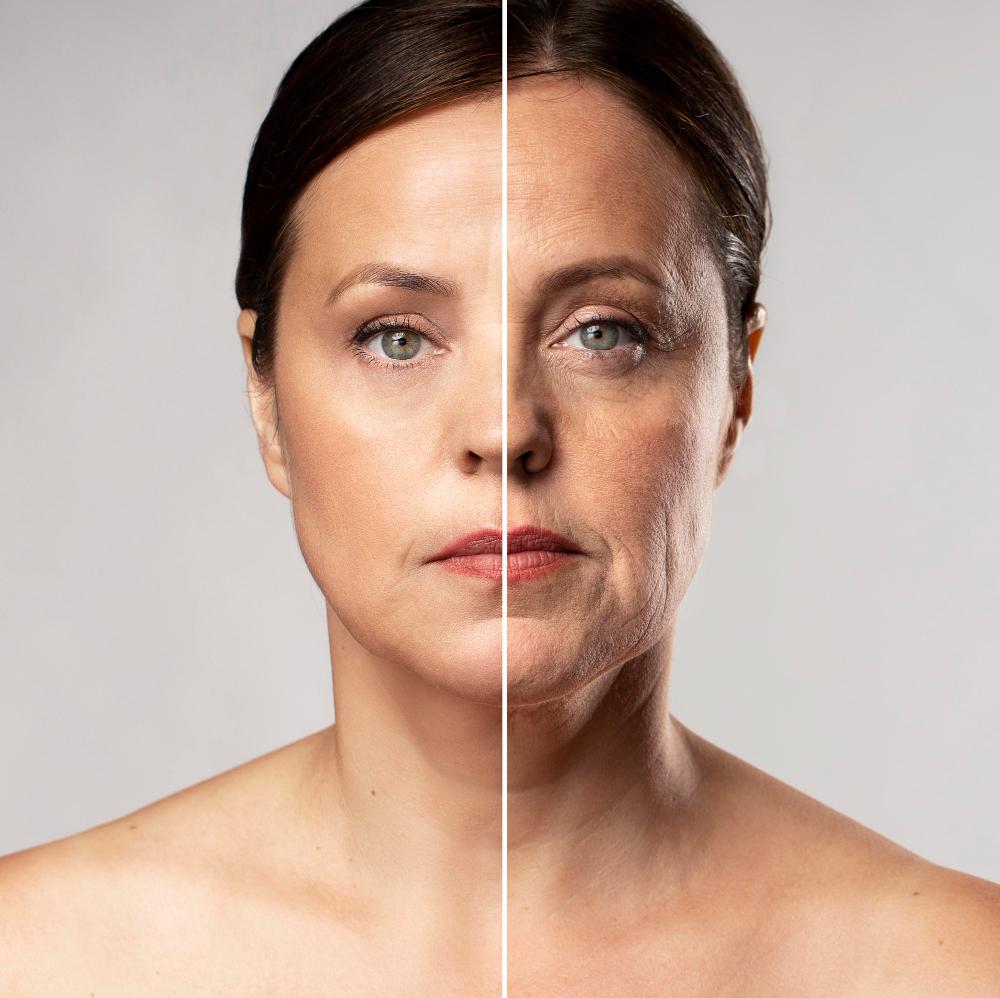
Certain skin disorders aren’t preventable, including genetic conditions and some skin problems due to other illnesses.

Understanding the types of skin rashes, their symptoms, causes, and treatment options is essential for anyone experiencing skin issues.

In severe cases, surgery may be required to drain the blocked sinus.
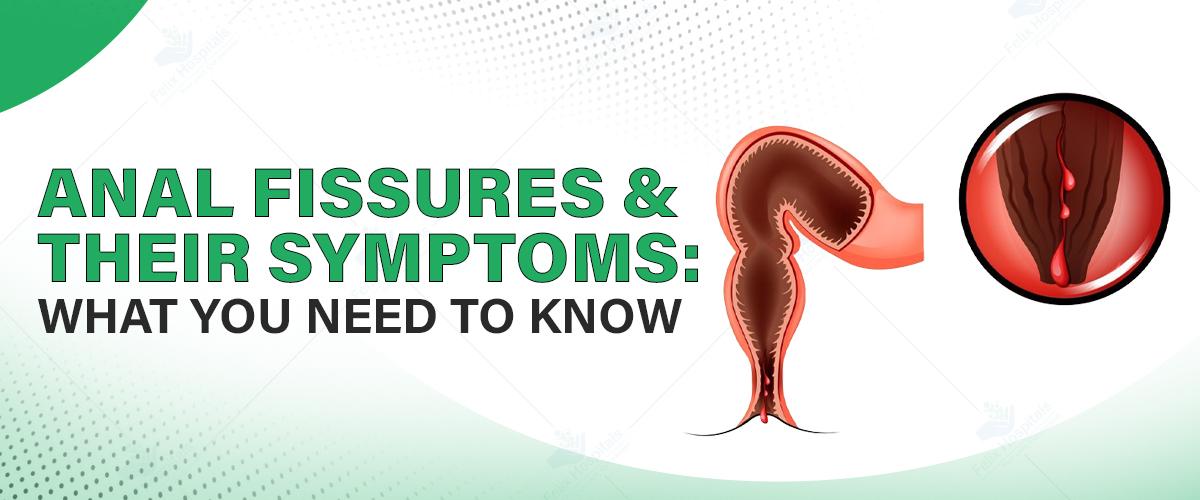
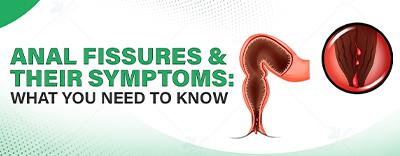
An anal fissure is a crack or tear in the lining of the anal canal. It’s a common condition that causes pain, discomfort or rectal bleeding, especially during bowel movements. The sharp pain can last anywhere between a few minutes to several hours. Anal trauma caused from straining to pass hard stools is the common cause.
However, some of the other contributing factors that cause anal fissure include anal cancer, tuberculosis, diaper rash, sexually transmitted infections, etc. It is advisable to seek early and timely treatment for anal fissure for fast and complete healing, as without proper treatment it can lead to severe complications such as thrombosis. Therefore, it’s important to understand its early signs and symptoms and seek timely treatment.
At Felix Hospital, the best anal fissure surgery hospital in Noida, our team of general surgeons and gastroenterologists offer effective treatment options, including the laser treatment for anal fissures that help patients recover quickly!
There are two types of anal fissures, that include:
Diagnosing an anal fissure typically begins with a physical examination. However, if no tear is detected, further diagnostic procedures may be ordered. These diagnostic tests include:
There are three different approaches to treatment:
Depending on your condition, our specialists at Felix Hospital, the best hospital for fissure treatment in Noida, will recommend a treatment option. If the symptoms are mild, the doctor might prescribe medications and ointments, such as:
If the anal fissure does not resolve with medications or recurs after some time, surgery becomes the only option.
Lateral Internal Sphincterotomy: Based on your condition, the surgeon may prescribe either an open or minimally invasive laser treatment for anal fissure. During the procedure, using anoscope, a small lateral incision is made in the internal anal sphincter. Cutting the muscle helps relieve excess tension, thereby stopping spasms and allowing the fissure sufficient time to heal. The procedure usually takes around 30 minutes to complete.
At Felix Hospital, we provide comprehensive diagnosis and world-class treatment for fissures.
Here’s what makes us the most preferred and best anal fissure surgery hospital in Noida and Greater Noida:
Experienced team: We have highly skilled, and anal fissure surgery doctor In Noida who excel in providing minimally invasive procedures.
Clinical excellence: We have proven experience in handling even the most complicated cases accurately and precisely. We provide the best anal fissure treatment in Noida.
Multidisciplinary approach: Our team of best anal fissure surgery doctors in Noida work closely with other specialists to provide excellent outcomes and best treatment.
State-of-the-art technology: We are equipped with the latest technology for diagnosing and providing world-class treatments.
Personalized care: We provide quality treatment to each patient as per the individual requirement to ensure personalized care.
Diet and nutrition support: Our experts will assist patients in recommending a diet that helps them recover and heal faster.
Q: How do I know if I have a hemorrhoid or a fissure?
Ans: Hemorrhoids are swollen blood vessels that can result due to chronic constipation, whereas a fissure denotes tears and ulcers near the anal canal. Hemorrhoids are painless, whereas fissures can cause severe pain (throbbing in nature) in the anal region. That said, it is advisable to get it diagnosed by a specialist. For consultation or to know the cost of anal fissure surgery in Noida, contact us
Q: Why do I keep getting anal fissures?
Ans: The fissure is generally caused by an injury or trauma to the inner lining of the anus. Recurrent fissures are quite common and can arise due to failure of treatment of acute fissures, any injury during childbirth, chronic diarrhea and/or persistent constipation.
Q: How do you treat a fissure?
Ans: Generally, mostly anal fissures can heal within a few weeks. The goal of the treatment is to provide supportive care for pain, bleeding, discomfort, and to control the spread of any infection.


Subscribe to our
© Copyright 2026. All Rights Reserved by Felix Healthcare Private Limited
Design and development by :


 +(91)9667064100
 Emergency : +(91)9667064100