 WhatsApp
 Emergency:
  WhatsApp









Subscribe to our

The moment your baby arrives, nothing else matters as you watch their tiny fingers while listening to that first cry, and hoping everything’s okay. Most of the time, it is. But sometimes, the heart doesn’t develop exactly the way it should during pregnancy. These are called congenital heart defects, and catching early signs of heart problems in baby can truly make a difference.
Even if a baby looks fine on the outside, there can be something happening inside their little heart that needs attention. Some signs are subtle, some come later, and some are just brushed off as “normal newborn things.” But parents who know how to catch early signs of congenital heart defects in baby are better prepared to get help early.
So, if you’re a new parent or expecting one soon, knowing the early signs of heart problems in baby is important. For early diagnosis and treatment, contact us!
Congenital heart defect (CHD) is a structural issue in the heart that a baby is born with. These are actually the most common type of birth defect. It could be something like a hole between two chambers, a valve that’s too narrow, or an artery that didn’t form in the right place.
These defects affect how blood flows through the heart and out to the rest of the body. Some interfere with oxygen levels, some strain the heart, and others may make it harder for the body to grow.
● Ventricular Septal Defect (VSD): A hole in the wall between the heart’s two lower chambers.
● Atrial Septal Defect (ASD): A hole that’s higher up between the top chambers.
● Patent Ductus Arteriosus (PDA): A blood vessel that normally closes after birth stays open.
● Tetralogy of Fallot: A complex condition with four combined defects that reduce oxygen flow.
● Coarctation of the Aorta: A narrowing in the aorta that restricts blood flow.
● Transposition of the Great Arteries (TGA): Two main arteries are switched in position.
Not every baby with a heart defect will show these symptoms, and not every baby who shows them will have a CHD. But these are red flags worth mentioning to your child’s pediatrician:
● Cyanosis or bluish skin, lips or nails
● Fatigue
● Heart murmur
● Poor blood circulation
● Weak pulse
● Fast or trouble breathing
Some heart defects are picked up during pregnancy, especially if a detailed ultrasound or fetal echocardiogram is done. But others only show up after birth, or weeks or months later.
Here’s how doctors usually diagnose them:
● Pulse Oximetry Test: This is often done within the first 24-48 hours after birth. It checks oxygen levels in the blood. Low levels could point to a heart problem.
● Physical Exam: A pediatrician might hear a heart murmur (an unusual sound), notice poor weight gain, or see signs like labored breathing.
● Echocardiogram: This is basically an ultrasound of the baby’s heart. It shows the structure and function clearly.
● Chest X-ray: Helps check the size and shape of the heart and lungs.
● Electrocardiogram (ECG): Measures the electrical activity of the baby’s heart.
● Cardiac MRI or CT scan: These are sometimes used if more detail is needed.
Early diagnosis means more treatment options and better outcomes. Even if a defect isn’t life-threatening, monitoring it from the beginning helps doctors act when needed.
A lot of the time, no one knows exactly why a CHD happened. But here are a few things that can raise the risk:
• Family history of CHDs
• Genetic conditions (like Down syndrome)
• Viral infections during pregnancy, especially rubella
• Uncontrolled diabetes in the mother
• Medications or drugs taken during pregnancy
• Alcohol or smoking during pregnancy
Treatment for congenital heart disease depends on the specific heart problem and how severe it is. Some congenital heart defects don't have a long-term effect on a child's health, whereas serious heart disease in babies need treatment soon after they're found. At Felix Hospital we provide world class congenital heart defects in baby treatment In Noida. Our doctors for congenital heart disease provide the best treatment based on diagnosis and early signs of heart problems in baby.
For congenital heart disease management, medicines may be used to either treat symptoms or complications. They may be used alone or with other treatments. Medicines for congenital heart diseases include blood pressure drugs, diuretics or heart rhythm drugs to control irregular heartbeats.
If your child has a severe congenital heart defect, a heart procedure or surgery may be recommended. Heart procedures and surgeries done to treat different types of congenital heart disease includes:
Cardiac catheterization: Some types of congenital heart defects in children can be repaired using thin, flexible tubes called catheters, without the need to do an open-heart surgery. During the procedure, the specialist inserts a catheter through a blood vessel, usually in the groin, and guides it to the heart. Sometimes more than one catheter is used to fix the heart condition. The procedure is used to fix holes in the heart or areas of narrowing.
Heart surgery: A child may need open-heart surgery or minimally invasive heart surgery to repair a congenital heart defect. The type of heart surgery depends on the specific change in the heart.
Fetal cardiac intervention: This congenital heart disease treatment is performed on babies diagnosed with a heart problem before birth. Although rarely done, it fixes serious congenital heart defects or prevents complications as the baby grows during pregnancy.
You can’t prevent every case, but a few things may help lower the risk:
● Take folic acid daily before and during pregnancy, as prescribed by your doctor.
● Avoid alcohol, tobacco, and recreational drugs.
● Manage diabetes or other chronic conditions if you’re pregnant or planning to be. Get vaccinated before pregnancy, especially for rubella.
● Avoid risky medications, always check with your doctor.
Congenital heart defects in baby isn’t always obvious. They don’t come with flashing warning signs, and sometimes they’re mistaken for normal baby behavior. That’s why awareness is the key. Depending on types of congenital heart disease, some issues are more severe than others, but all of them prevent normal blood flow through the heart and beyond. Advances in diagnosis and treatment help most children with a congenital heart disease live to become adults.
Felix Hospital is one of the most preferred hospitals for congenital heart defects in baby treatment In Noida. We have a team of dedicated cardiologists and pediatric cardiac surgeons who provide comprehensive heart care tailored to meet the unique needs of our patients.
With today’s medical advances, most children with CHDs can grow healthy, and active. Early detection and timely treatment by an expert pediatric cardiologist makes a difference. To schedule an appointment, contact us at: +(91) 9667064100.
Q: Can my baby live a normal life with a heart defect?
Ans: Yes, many children with CHDs lead full lives, especially with early treatment and regular follow-ups. To consult our specialist, contact us at: +(91) 9667064100.
Q: Is a heart murmur always a defect?
Ans: Not always. Some murmurs are harmless. But it’s worth checking with a pediatric cardiologist to be sure.
Q: Are heart defects always treated with surgery?
Ans: No, some CHDs close on their own, others are fixed with medication or catheter procedures.
Q: If I had a healthy pregnancy, could my baby still have a heart defect?
Ans: Unfortunately, yes! Even if everything seems perfect, CHDs can still occur. It’s nobody’s fault.

Learn about congenital heart defects, their early signs, diagnosis, and treatment options.

A guide to congenital heart defects for parents and caregivers. Stay informed.

Understand congenital heart defects with this comprehensive and beginner-friendly guide.

As a child care specialist, I have noticed a huge difference in overall growing of a child in the last 14 years.
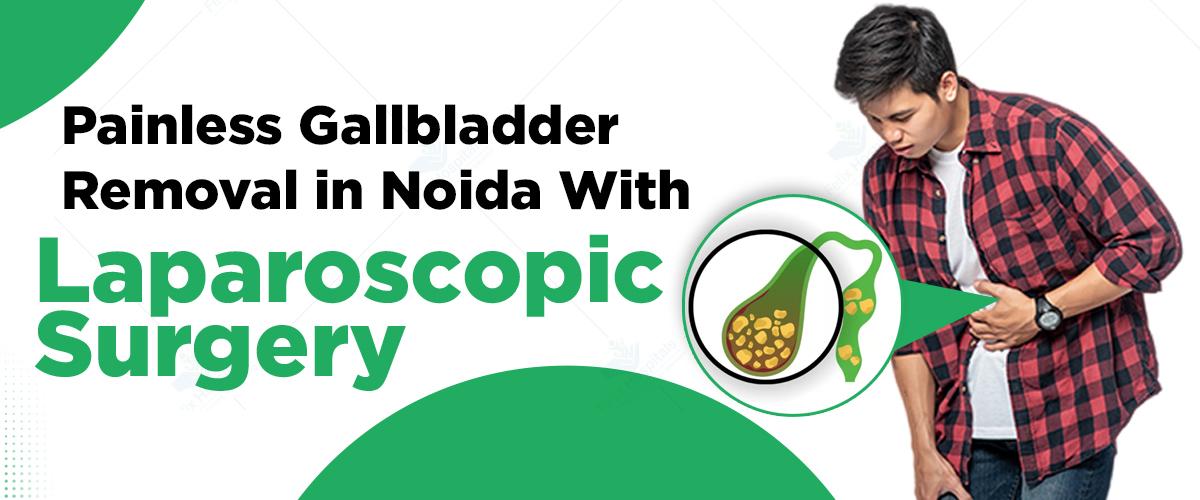
If you’ve ever had gallbladder pain, you probably know it comes out of nowhere – sudden, sharp pain under your ribs, sometimes it may even radiate to your shoulder or back. For many people, the cause turns out to be gallstones. And often, the only permanent treatment is removing the gallbladder. But here’s something reassuring: minimally invasive laparoscopic gallbladder surgery is one of the safest and least painful surgical procedures. You can be up and walking the same day, and most patients are home within 24 hours.
So, let’s understand more about this Painless Gallbladder Removal Surgery, also called cholecystectomy, that’s available at Felix Hospital, the best hospital for gallbladder removal in Noida.
If you experience shooting pain in the upper right abdomen, don’t ignore and schedule an appointment with our specialist for accurate diagnosis and laparoscopic surgery In Noida.
The gallbladder’s job is to store bile. Gallstones form when bile forms stones in the gallbladder. These are more common in women than in men. These stones block the normal flow of bile and trigger pain, inflammation, and sometimes even infection. When that keeps happening, a gastroenterologist may prescribe you a gallbladder removal surgery.
Most of the time, it comes down to gallstones. These can happen due to:
• Too much cholesterol in the bile
• Bile not emptying properly
• Genetics
Besides, being overweight, eating too much fatty food, and quick weight loss can raise the risk.
A lot of people have gallstones and don’t even know it. But if the stones start blocking your bile ducts, then the pain usually begins. Here are a few signs:
• Pain in the upper right part of your belly
• Nausea or vomiting
• Pain after meals (especially greasy food)
• Gas, bloating, indigestion
• Sometimes, yellowish skin or fever (if infection kicks in)
At Felix Hospital, the best hospital for laparoscopic gallbladder surgery (Noida), we have experienced and skilled surgeons. Based on your symptoms, they may suggest a treatment that includes minimally invasive laparoscopic surgery.
Laparoscopic cholecystectomy: It is a minimally invasive procedure to remove your gallbladder. The surgery is prescribed if you have a chronic or persistent gallbladder disease. During the procedure, the surgeon only makes a few small incisions. They insert a surgical tool called a laparoscope into one incision.
The laparoscope has a camera at one end so your provider can see your gallbladder on a screen and remove it through an incision. As compared to open surgery, this type of surgery generally leads to fewer complications, faster recovery and smaller scars. At Felix Hospital, the most preferred hospital for laparoscopic surgery In Noida, we have a team of the best gallbladder surgeons, who provide advanced laser treatment for gallstones.
Recovery: After the surgery, you’ll rest for a few hours at the hospital. If everything looks okay, you’ll be discharged the same day or the next morning. By day 2 or 3, you will be able to start moving around and have light meals and within a week, most people go back to desk jobs.
Some patients report minor bloating or loose stools for a few weeks. That’s normal while your digestion adjusts.
Increased chances of gallbladder cancer
Stones may slip into bile duct, that can be fatal
It can cause inflammation of pancreas
You can’t always stop gallstones from forming, especially if you have a family history. But a few lifestyle modifications might help lower your risk:
• Eat less processed or fried food
• Keep your weight in check, but don’t lose it too fast
• Exercise regularly
• Stay hydrated
• Include fiber and good fats (like nuts, olive oil) in your diet
Gallbladder removal surgery may sound like a big deal, but it’s one of the most common and low-risk surgeries today. Laparoscopic gallbladder removal is quick, mostly painless, and life-changing for diabetics and people who’ve been struggling with repeated attacks.
At Felix Hospital, the top hospital for gallbladder removal in Noida, our gastroenterologists, led by Dr Jagatjot Singh Gill and Dr Amrit Yog Datley and surgeons Dr Ritesh Agarwal and Dr. Vishal Sharma specializes in the latest surgical techniques and clinical practices, to address a wide range of issues related to the gallbladder, pancreas, and small bowel. Additionally, the team is well-equipped to evaluate and treat conditions related to lower GI that includes tumors, trauma, infectious diseases and more.
To schedule an appointment with our gastroenterologists for laparoscopic gallbladder surgery in Noida, speak to our representative at: +(91) 9667064100.
Q: Will I still be able to digest food normally without a gallbladder?
Ans: Yes, your liver still makes bile. It just drips continuously into your intestines instead of being stored in the gallbladder. You may need to adjust your diet for a few weeks, but most people digest food just fine after a while.
Q: Is it safe to travel or fly after laparoscopic gallbladder surgery?
Ans: Usually yes, within a week or two. Just make sure your stitches have healed and you’re comfortable moving around. Ask your surgeon before planning any long trips.
Q: What foods should I avoid after the gallbladder removal surgery?
Ans: For the first few weeks, avoid fatty, fried, or very spicy foods. Slowly bring back fiber and healthy fats. Listen to your body, if something makes you feel bloated or gassy, avoid it.
Q: Can gallstones come back after surgery?
Ans: No, once the gallbladder is removed, stones don’t form anymore.

Understand the factors that influence gallbladder stone surgery cost in Noida, including hospital charges, surgeon expertise, type of procedure, and post-operative care expenses.

Experience painless gallbladder removal in Noida with advanced laparoscopic surgery. This minimally invasive procedure ensures faster recovery, smaller scars, and minimal discomfort
Dr. Ritesh Agrawal is an experienced surgeon in noida specializing in both open and minimally invasive laparoscopic procedures.

Summer is warm, fun, and full of possibilities for spending time outside. But as we bask in the sunshine, we tend to forget how increased temperatures quietly test our bodies—most notably our hearts. It takes a toll on your cardiovascular system, triples your risk of dehydration, and even causes dangerous health issues.
Take care of your heart this summer. Schedule your heart examination now at +91 9667064100.
Your body has to work harder to keep its internal heat stable when it gets hotter. It helps cool you, but at the same time, it puts more stress on your blood vessels and heart. Summer heat can harm your heart health in the following way:
When it is hot, your body needs to supply more blood to the surface of the skin in order to cool down. This causes your heart to work harder and raises your heart rate. This can be extremely dangerous for individuals who have existing heart conditions.
When it's hot, profuse sweating leads to fluid loss, which reduces blood volume and pressure. This has the potential to trigger dizziness, exhaustion, or even fainting. These are especially dangerous to people with heart disease.
To help keep the body at the proper temperature, heat causes blood vessels to expand (dilate). This unanticipated decrease in blood pressure can cause arrhythmias (irregular heart rhythms), especially in individuals who have existing heart disease.
Heat exhaustion and heatstroke are both medical emergencies that may occur if your body is unable to cool itself down correctly. Both conditions may increase the chances of heart attacks and strokes and are more likely to occur in those who have existing heart disease. It is crucial to seek medical attention immediately.
Anybody can develop heat-related heart problems, but the following categories are at highest risk:
Older Adults: As one gets older, the body finds it more and more challenging to regulate the temperature of the body.
People with Heart Disease: Being hypertensive, having coronary artery disease, or having congestive heart failure makes it no easier to withstand the heat.
People with Respiratory Diseases: Asthma and COPD, worsen when the heat and humidity are both high.
People with Obesity: The extra body fat causes the body to struggle to cool down and places more burden on the heart.
The quality hospital in Noida notices more of such cases during summer, and it emphasizes prevention as the key to keeping yourself safe.
There are simple and effective methods for being safe on hot days:
Drink plenty of water throughout the day. Dehydration worsens heart problems. Avoid sugar, alcohol, and caffeinated drinks as they lead to more fluid loss.
Avoid going out between 10 a.m. and 4 p.m., when the sun is strongest, and stay indoors or in the shade. Schedule your outdoor activities for early morning or late evening.
Wear loose, light-colored clothing, such as cotton. Add a wide-brimmed hat and sunglasses for extra protection from the sun's rays.
If you're outside or exercising, rest in a shaded area. If you become dizzy or weak, stop immediately and cool down.
Alter the times of day that you exercise to when it is cooler. It is healthy to exercise to keep your heart healthy, but exercising too vigorously in the heat is not good for your health.
The highly experienced doctors at the best cardiology hospital in Noida advise patients to gradually acclimatize to summer activities and be aware of any unusual symptoms while they are engaging in them.
Heat Exhaustion:
A lot of sweating
Weakness
Dizziness
Feeling sick
Headaches
Body temperature over 104°F for heat stroke
Hot and dry skin
Confusion
Rapid heart rate
Passing out or losing consciousness
If you or someone nearby is showing signs of heat stroke, seek immediate medical attention.
You do not have to spend much on expensive equipment or complex drills to maintain your heart healthy during the heat. Drinking enough fluid, wearing proper clothing, and being mindful of the heat are all inexpensive yet highly effective measures to remain safe.
The top hospital in Noida asserts that most heart ailments induced by heat can be prevented with proactive awareness and minor adjustments to your routine.
Do you feel weak or dizzy during the heat? Take an appointment at the top hospital for professional assessment before it turns into a real emergency.
Summer is full of things to do and enjoy life, but you need to be ready for the heat. Be proactive, remain aware, and take your health in your own hands. You can sunbathe without exposing your heart to damage by taking these simple steps.
Always keep in mind that it's better to prevent than to cure, and prevention is less expensive. If you require professional assistance, the best hospital in Noida will always take utmost care of your heart health, particularly when it's hot outside.
Stay cool. Drink water. Stay healthy at heart.
Q1. What are those summer signs that may be a heat-related heart problem and not just exhaustion?
Ans: A racing pulse, chest pain, profuse sweating, followed by cool, damp skin, or confusion are all signals that your heart is experiencing heat stress rather than tiredness.
Q2. Can heat make arrhythmias or palpitations worse in an individual with no heart disease?
Ans: Yes, and temperatures can do this in otherwise normal individuals by disrupting the electrolyte balance and placing additional stress on the heart.
Q3. How does the use of medication for blood pressure impact my ability to handle heat?
Ans: Some medications, like diuretics or beta-blockers, can make your body work harder to retain its heat and balance of fluids, which makes it easier for you to get dehydrated or heat exhausted.
Q4. Does long-term use of air conditioning result in heart disease?
Ans: Not usually, but switching from warm to a cold climate very quickly can make the blood vessels constrict temporarily, which isn't healthy for people who have high blood pressure.
Q5. Do heart attacks occur more frequently during heat waves in the summer?
Ans: Evidence indicates that heart attacks are more common in heatwaves, particularly among older individuals or individuals who have pre-existing heart disease, as a result of excess cardiovascular stress.
Q6. Can children with congenital heart disease be at risk when it gets very hot?
Ans: Yes, children with heart conditions find it more difficult to maintain a normal body temperature and will get symptoms earlier when they're outside playing or engaged in sports.
Q7. Does drinking enough water help the heart work better when it's hot?
Ans: Yes, absolutely. Dehydration thickens the blood and decreases the volume of blood present in the body, putting more pressure on the heart. This is a process that tends to harm individuals who already possess heart ailments.
Dr. Rahul Arora is an experienced Interventional Cardiologist with 21+ years of expertise in advanced cardiac care, specializing in personalized, evidence-based treatment for heart diseases and improved patient outcomes.

Find the best cardiologist for your heart care with these essential tips and expert advice.

Heart disease is a significant health concern for women, often presenting unique challenges. Understanding the causes, symptoms, and treatment options is essential for early detection and effective management.
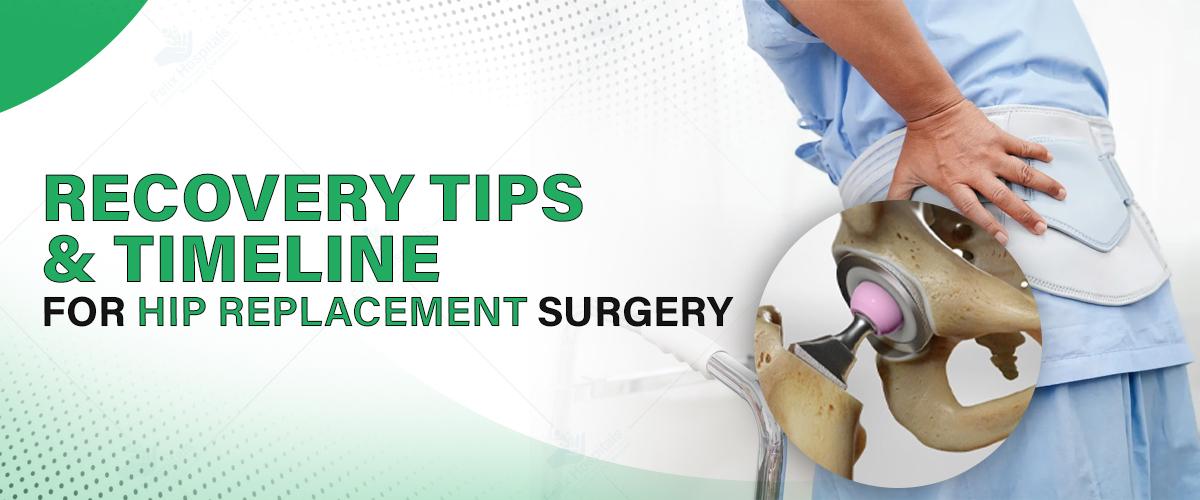
Hip replacement is considered a life-altering treatment for those with hip pain, degeneration, or stiffness brought on by arthritis, injury, or age-related wear and tear. Performing the treatment is a necessity, but the actual success depends on appropriate rehabilitation planning. This complete rehabilitation guide walks you through everything, week by week, including recovery stages and methods endorsed by experts and in due course, you will be walking around living an active life again, without pain.
This complete guide will tell you everything about recovering from surgery: what to expect, proper healing, getting back to activities slowly and safely. The best orthopedic hospital in Noida follows a multidisciplinary approach comprising fine surgical skills coupled with carefully designed rehabilitation plans that present utmost benefit to the patient. This is what you ought to know.
Getting the right rehabilitation care is vital either for yourself in preparation for hip replacement surgery or for helping somebody else. Call us now on +91 9667064100.
First, let’s discuss expectations. How fast someone recovers from surgery will depend on their age, general health, and lifestyle choices. Typically after a successful hip replacement surgery, patients tend to follow a certain timeline, which is common for most recovering individuals. These steps help ensure that you don’t get frustrated or resentful throughout your recovery journey.
Stay in the Hospital: People tend to stay in a hospital for two to four days following surgery. A few of them may get discharged early if their recovery is on track.
Pain Management: Pain and swelling are common after any procedure. The best orthopedic surgeon will prescribe medication specifically designed for pain control as needed.
Physical Therapy Begins: You will start with sitting, standing, followed by ambulating short distances with a walker or crutches within twenty four hours of starting therapy sessions walking.
Goal: For this phase, the focus is to avoid complications such as blood clots or infections while gradually making progress to neuromuscular reeducation and your new hip joint's range of motion.
Physical Activity: Outpatient rehabilitation center offers programs which incorporate physiotherapy, so patients can do daily exercise or even remotely from home! These include stretching exercises, brisk walks, as well as light resistance training focused on strengthening major muscle groups around joints involved in activities of daily living movements pattern sequences
Taking care of wounds: Keep the area around the surgery clean and dry. Check for signs of infection.
Walking Aid: Most patients start with a walker and then switch to a cane after a few weeks.
Sleeping and Sitting: Do not sleep on the side where the surgery took place. Ensure that you sit and stand in ways that dislocation does not occur.
Goal: The aim is to become stronger, experience less swelling, and improve mobility.
Increased Mobility: Most patients show better mobility which lets them perform basic household activities with minimal assistance while they walk around.
Driving: When you have regained pedal control and stopped using powerful painkillers you may resume driving after obtaining medical approval.
Returning to Work: Your ability to return to work depends on your job requirements and the progress you make during your recovery.
Goal: The target is to reach a condition where you maintain muscle control together with flexibility and balanced function. Your return to standard activities should proceed at a relaxed pace.
Full Mobility: The majority of individuals perform walking and stair climbing along with their daily activities independently.
Exercise: Swimming along with biking and walking serve as beneficial exercise activities for your body. The doctor must provide clearance before you participate in any sports which place intense strain on your body.
Physical Therapy: Regular visits to physical therapy remain necessary to achieve specific strength enhancement and flexibility development targets.
Goal: Your daily activities should be pain-free and you should move with confidence while feeling able to perform most tasks without restrictions.
Full Healing: The majority of patients achieve total recovery within twelve months after their surgery. The artificial joint has become an integral component of your physical system.
Lifestyle Adjustments: You should maintain an active lifestyle which protects your joints from damage. Avoid participating in sports activities which strain your body while forcing you to move rapidly.
Annual Check-Ups: You must schedule regular medical visits to verify that your hip implant remains correctly positioned and performs as expected.
Performing the same rehabilitation exercises multiple times will help you regain your strength along with your full range of motion and flexibility. Your physiotherapist will teach you specific stretches and exercises that will help build strength in the muscles surrounding your replacement joint.
Post-surgery pain is expected but you need to understand how to handle it correctly. You must follow the doctor's medication instructions exactly as directed. During your recovery process your doctor may recommend using non-prescription painkillers. Always speak with your doctor before making any changes to your treatment and do not attempt self-treatment.
A balanced diet will accelerate body healing.
The foods you choose should contain high protein content for muscle recovery and vitamin D with calcium to maintain strong bones.
Fiber helps prevent constipation which can result from medication usage.
You should drink plenty of water while reducing your intake of sugary foods and processed foods and foods high in salt content.
The main function of your walker together with crutches or cane is to assist you without creating obstacles between you and your movements. You should use these devices in proper ways to prevent falls and protect your newly replaced hip during its healing process
You need to make temporary adjustments to your home environment because these changes should not remain permanent:
Bathroom grab bars should be installed.
Install a raised toilet seat that provides both safety benefits and user comfort.
Removing loose rugs and wires and other clutter prevents you from tripping.
Position essential items at waist height so you avoid the need to reach downward.
During the initial months you must avoid crossing your legs. Twisting at the hip Bending your waist more than 90 degrees. These things can make the new joint move out of place.
It takes time to get better. Set goals that you can reach and celebrate small victories. Mental health is very important for getting better physically.
Certain indicators might indicate an issue while typical unease remains expected:
Pain that doesn't go away or gets worse.
A high fever or chills, Pus, redness, or swelling around the wound
Difficulty in breathing
Leg suddenly can't move
If any of these indicators appear, consult the best orthopedic surgeon in Noida right away. Talk to an orthopedic specialist and follow a plan that works for you to get the best results. Make an appointment for a consultation and see a doctor today.
Modern hip replacement surgery uses advanced technology to ensure faster recovery, better mobility, and long-lasting results. Here’s how the latest machines and techniques support a smoother recovery and clear timeline:
Robotic-Assisted Hip Replacement: Robotic systems help surgeons plan and perform surgery with high precision, ensuring accurate implant placement. This reduces tissue damage, improves joint alignment, and supports quicker recovery.
3D Imaging & Computer Navigation: Advanced 3D CT-based imaging and computer-guided navigation allow personalized surgical planning based on each patient’s anatomy, leading to better outcomes and fewer complications.
Minimally Invasive Surgical Tools: State-of-the-art minimally invasive instruments result in smaller incisions, less blood loss, reduced pain, and shorter hospital stays—often enabling walking within 24–48 hours.
Advanced Implant Materials: New-generation ceramic, titanium, and highly cross-linked polyethylene implants offer greater durability, smoother movement, and lower wear, supporting long-term joint health.
AI-Enabled Rehabilitation & Physiotherapy: Smart rehabilitation platforms, motion-tracking sensors, and AI-guided physiotherapy programs help patients follow correct exercises at home, track progress, and speed up recovery safely.
Enhanced Pain Management Technology: Modern anesthesia techniques, nerve blocks, and pain-control pumps minimize post-surgery pain and reduce dependence on strong medications.

Dr. Keshav Goel is an experienced Orthopedic and Joint Replacement Surgeon in Noida with over 10 years of clinical expertise. He has performed 2,000+ independent surgeries and specializes in computer-assisted joint replacement and arthroscopic surgeries of the knee, shoulder, and hip. Known for his skill in treating sports injuries, trauma, and joint disorders, he provides advanced and patient-focused orthopedic care.
Hip replacement recovery requires patience and dedication together with proper medical care to achieve successful results. Following your doctor's instructions combined with physiotherapy and healthy lifestyle choices will lead to excellent long-term outcomes. The distance you have reached so far requires patience and every step demands your complete attention.
The small actions you perform daily accumulate into significant transformations which occur over extended periods. Maintain home safety protocols while attending all scheduled medical appointments and avoid any activities which might damage your replaced joint. Most patients achieve freedom of movement along with pain-free living when they receive proper care and support.
Q1: After hip replacement surgery, how long does it take to walk normally?
Ans: The majority of surgical patients begin using walkers or crutches for walking within one to two days after their procedure. Most people achieve the ability to walk short distances independently without assistance by 6 to 8 weeks following surgery. The typical timeline for regaining normal walking ability after surgery spans between 3 and 6 months but this duration varies based on patient age and overall health status and their dedication to physiotherapy.
Q2: After a hip replacement, can I sit on the floor?
Ans: You must avoid sitting on the floor after surgery for six to twelve months because Indian homes frequently use cross-legged seating. Your joints will have an increased risk of dislocation unless your orthopedic surgeon confirms that your flexibility and joint stability meet acceptable standards.
Q3: Is it safe for people over 60 or 70 years old to have hip replacement surgery?
Ans: Hip replacement surgery commonly occurs among patients who reach their 60s and 70s when they need this procedure. The surgical procedure remains secure and effective for aging patients who meet medical requirements because of modern surgical methods combined with anesthesia and rehabilitation protocols.
Q4: What should I not do at home after surgery?
Ans: You should avoid bending your hip past 90 degrees as well as any twisting and leg crossing movements along with sitting on low furniture. Also, get rid of any rugs or other things that could make you trip and fall. Your physiotherapist may suggest changes to your home to make it safer.
Q5: What is the cost of hip replacement surgery in Noida?
Ans: The cost of hip replacement surgery in Noida usually falls between ₹1.8 lakh and ₹3.5 lakh. This depends on the type of implant, the hospital's amenities, the surgeon's experience, and whether it's a partial or total hip replacement. For an accurate estimate based on your case, it's best to call the hospital directly.
Tuberculosis (TB) is primarily known as a respiratory infection caused by Mycobacterium tuberculosis, but it can affect various body parts, including bones and joints.
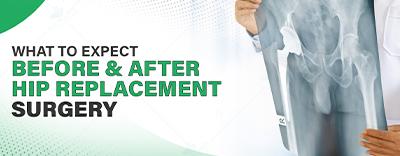
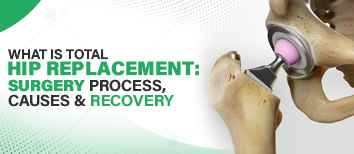
Hip replacement is a surgical procedure that’s recommended to patients whose hip (total or partial) has been damaged. Such individuals may experience stiffness or pain while performing common daily activities like walking, getting in and out of a chair an
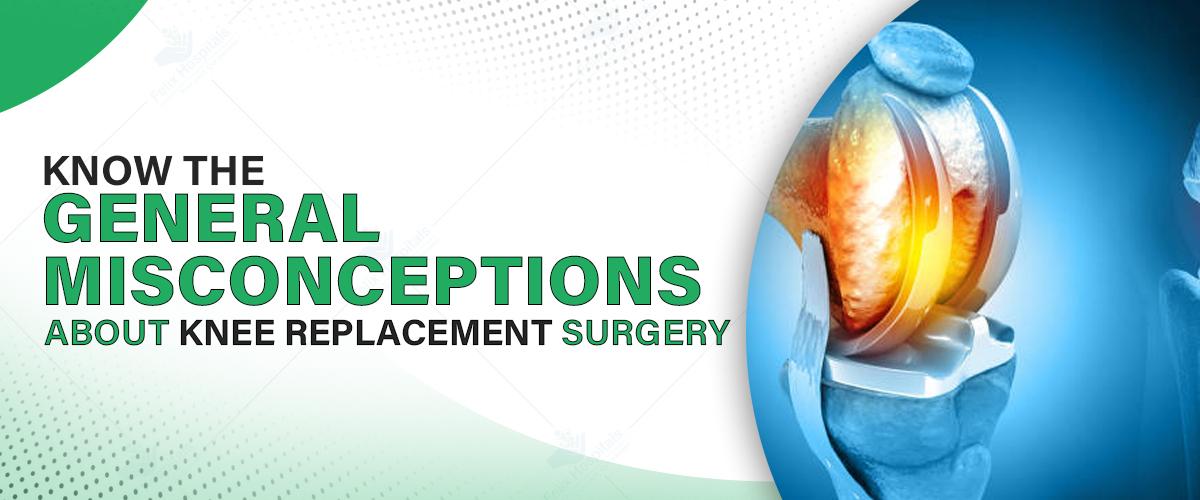
Knee replacement surgery or knee arthroplasty is a surgical operation that consists of replacing a damaged or diseased knee joint with a synthetic joint or a prosthesis. It is widely known to cure prolonged knee pain and enhance mobility. With its 95% success rate, it dramatically enhances patients' quality of life in the best orthopedic hospital in Noida. While these advantages are present, the majority get discouraged to have knee replacement surgery because of myths. Let the experts disprove them!
Book a one-on-one session and get a customized treatment plan that caters to you.
Below is a closer look at some of the myths and the facts that lie behind them:
Fact: In comparison to this, knee replacement is a highly successful operation. Studies and patient history have proven that a success rate of approximately 95% has been consistently achieved. Most patients feel great pain relief and improvement in function, enabling them to perform routine activities easily.
Fact: How much the knee will bend after surgery will depend on a number of factors, including the operation that has been performed, the quality of the prosthesis, and attendance at post-operative rehabilitation by the patient. Nearly all implants today will be capable of full movement, like the natural knee, as long as they are of high quality.
Fact: When complications arise or the implant fails with time, a repeat procedure known as revision surgery becomes necessary. Revision surgery corrects the issues of the initial procedure and restores function and comfort.
Fact: Advances in surgical technique and implant material have significantly extended the lifespan of a knee replacement. In the majority of cases, the prosthesis has a shelf life of 20 years or more, and in some instances, a lifetime—if patients follow the right guidelines for maintenance.
Fact: Post-op recovery times can be extremely variable based on individual health and compliance with post-op rehabilitation, but the risks are highest in the first few weeks and most individuals are able to get back to normal daily activities within 4 to 6 weeks. Mobilization and guided exercises based upon a predetermined calendar are critical for the rapid recovery of knee replacement surgery in Noida.
Fact: Replacing both knees at once during one operation—bilateral knee replacement—is an option and advantage for some patients. One hospital stay and rehabilitation at the same time is simpler and less expensive for appropriate recipients.
Fact: Most patients can drive after 6–8 weeks if they have recovered adequate strength and mobility in the operated limb. Always clear any return to driving with your surgeon.
Fact: There is no upper limit to getting a knee replacement. It is actual. The majority of patients having knee replacements are in their 60s, 70s, or even older. Age is irrelevant; what matters are your overall health and the degree of joint degeneration.
Fact: Biocompatible material is incorporated into the fashioning of knee implants that will operate securely in the body. The materials, like some metals and plastics, are inert and won't induce any adverse reaction or rejection.
Fact: Most patients manage well by adhering to their hospital surgical team's prescribed exercise routine. With discipline and effective guidance, most of the patients recover mobility and walk on their own within weeks.
Make an appointment today with orthopedic surgeons and take your first sure step toward a healthy, mobile life.
Knee replacement is a groundbreaking surgery that has restored millions of people's mobility and allowed them to lead pain-free lives. But myths deter people from getting treated at the appropriate time. With knowledge of facts and shattering the myths, you can make bolder, wiser decision-making choices for your well-being. Whether worried about age, rehabilitation, or long-term success, recall—knee replacement is safer, more successful, and more affordable than ever.
If you or a loved one are considering knee replacement, consult with a trusted orthopedic specialist. At Felix Hospital, one of the highest rated orthopedic hospitals, our experienced professionals deliver state-of-the-art surgical expertise, personalized rehabilitation plans, and compassionate care every step of the way. Don't let misconceptions keep you from a more active, pain-free lifestyle.
Begin healing today.
Q: Is knee replacement worth it if I'm getting by on painkillers?
Ans: If painkillers are becoming a way of life, then it might be time to go in for surgery. Knee replacement addresses the root of the problem, not the symptom, with lasting relief and reducing the necessity for medication.
Q: What is the optimum age for a knee replacement? Am I too young or too old?
Ans: There is no "ideal" age. If pain from chronic conditions interrupts daily activities, limits movement, or keeps you from enjoying what you love, your age isn't the problem—your quality of life is the problem.
Q: Will I be able to kneel, sit cross-legged, or do yoga after surgery?
Ans: Although time is required for high-flexion activities, most patients attain an adequate range of motion to floor or knee sit. It is recovery, implant, and physiotherapy dependent. We will support you in achieving your recovery goals.
Q: How do I prepare my home for recovery from knee surgery?
Ans: Small changes—such as installing grab bars, using a raised toilet seat, and being able to reach—can make safety and recovery simpler. Our staff gives a detailed checklist at pre-surgery counseling.
Q: Can I still have knee surgery if I have diabetes or high blood pressure?
Ans: Yes, those patients with well-controlled hypertension or diabetes can usually get along just as well without a problem. Our preoperative evaluation ensures you are healthy enough for surgery, lessening any risk.
Q: When is it time for surgery?
Ans: If a couple of steps of walking exhaust you, stairs hurt, or even lying down does not provide you relief from pain—get seen by an orthopedic surgeon. We'll determine if surgery is an option for you at this time.
Tuberculosis of the knee typically occurs when the TB bacteria spread from an existing infection in the lungs or another part of the body to the joint.
Knock knees occur when knees angle inward, creating a bow-legged appearance from the front. This condition is common in children during growth spurts.
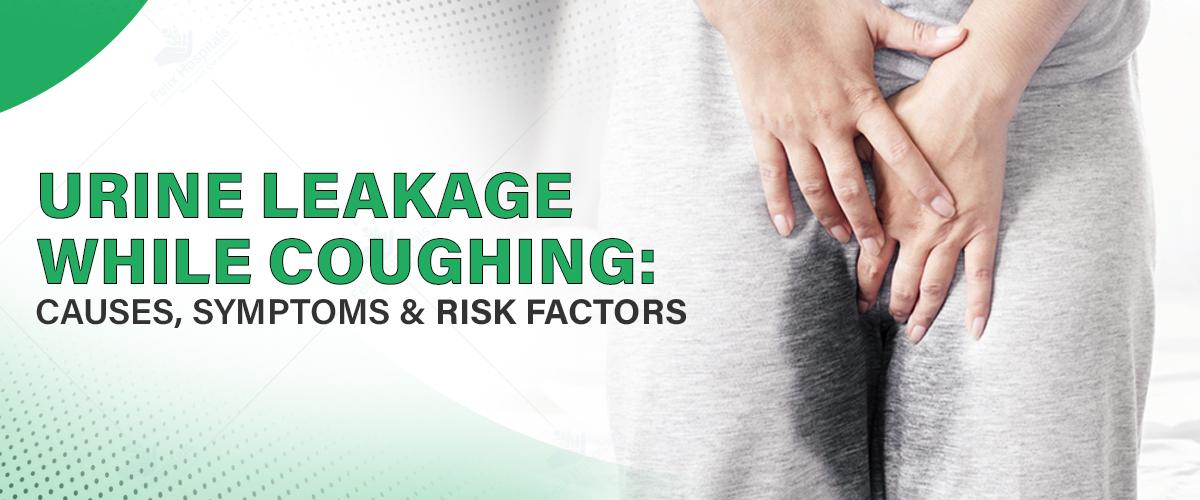
Some individuals, especially women, notice that while they cough, sneeze or laugh a little too hard, suddenly there’s a urine leakage. For some it's urine leakage while coughing in pregnancy, and for others, they experience it after they hit 40. This condition is commonly termed as stress urinary incontinence (SUI) and it affects more women than men. And no, it has nothing to do with emotional stress. It results when physical pressure gets applied to the bladder. While it can get embarrassing, the condition can improve significantly with the right treatment.
So let’s understand what causes urine leakage while coughing and why it happens to some and not others, and most importantly, what can be done to stop or prevent it.
Urinary incontinence can make a person feel embarrassed. Nevertheless, it is important to seek timely treatment. To consult our best Gynecologist in Noida, contact us!
Stress urinary incontinence occurs when the muscles that prevent urination are weakened by an action, such as a cough. You didn’t feel an urge, but your bladder didn’t hold. Basically, this type of leakage doesn’t give you a warning.
Urine is produced by the kidneys and stored in the bladder. The muscles surrounding the bladder help to keep urine in by tightening the urethra through which urine will pass. Once the bladder is full, the muscles surrounding the bladder contract and the urethra relaxes to allow the release of urine from the body.
Actions, such as coughing, can cause a sudden physical pressure on the bladder. This pressure can cause the pelvic floor muscles to relax momentarily, thus causing urine to leak through the urethra and out of the body.
It is possible for the pelvic floor muscles or the muscles surrounding the urethra to be damaged or weakened from the following:
● Pregnancy and Vaginal Delivery: Urine leakage while coughing in pregnancy is one of the primary causes of urinary leakage in women. During pregnancy, the muscles around your bladder stretch a lot. Delivery, especially vaginal adds more trauma. If the baby was big, or the labor was long, or you needed forceps, your pelvic muscles may have never fully recovered. Sometimes the nerves are affected too.
●Hormonal Changes: Estrogen plays a key role in keeping pelvic tissues strong and elastic. When women hit menopause, estrogen level drops. The urethra gets thinner, the tissues become more fragile, and the muscles can weaken too. That’s why many women start noticing leakage in their 40s or 50s.
● Ageing: As we age, muscles, including those in the pelvic floor, tend to weaken, which can contribute to increased urinary leakage.
● Chronic Coughing: Conditions that cause persistent coughing, such as chronic bronchitis or asthma, can exacerbate stress urinary incontinence by repeatedly increasing abdominal pressure.
Various factors increase your likelihood of weakening of the pelvic floor muscles, thus increasing the risk of stress urinary incontinence:
● Age: As you get older, your muscles, including your pelvic floor, lose tone.
● Multiple pregnancies: More deliveries mean more wear on those muscles.
● Obesity: Extra weight puts constant pressure on the bladder.
● Constipation: Straining all the time weakens the pelvic floor.
● Pelvic surgery: Hysterectomy or other procedures may alter bladder support.
● Family history: If your mom or sister had this, you might too.
● Pelvic Floor Exercises (Kegels): These exercises help strengthen the muscles that support your bladder. But you have to do them regularly and correctly. Some women see improvement in weeks, others need guided physiotherapy.
● Lifestyle Changes: Maintaining a healthy weight, treating chronic coughs, and avoiding bladder irritants like caffeine and alcohol can alleviate symptoms.
●Topical Estrogen: For postmenopausal women, low-dose estrogen cream (applied vaginally) can improve muscle tone and tissue quality.
● Surgery If nothing else works, effective surgical treatments, like laser therapy and surgical mesh implantation, are used to manage urine leakage during coughing. At Felix Hospital, the best hospital for pregnancy in Noida, these are usually day-care surgeries with a short recovery.
Here are some measures to prevent SUI:
● Stay active
● Do pelvic floor exercises early, not just after problems begin
● Maintain a healthy weight
● Avoid lifting heavy things without core support
● Get help for chronic coughs and constipation early
Urine leakage during coughing, over time, can mess with your confidence and freedom. Therefore, the sooner you seek medical advice, the better your chances of managing it fully.
At Felix Hospital, our experienced and best Gynecologist in Noida will conduct thorough assessments to identify the cause and will recommend the most appropriate treatment options. Early intervention leads to better management and improved quality of life.
Don’t wait for urine leakage during coughing to get worse. Early intervention leads to better management and improved quality of life. For consultation with our best gynecologist in Noida, contact us!
Q: Can young women have this problem of urinary leakage during coughing too?
Ans: Yes, urine leakage while coughing in pregnancy or after childbirth is very common. It should not be taken lightly and should be evaluated by a specialist. If you are looking for the best Gynecologist in Noida or to know our pregnancy treatment cost in Noida, contact us!
Q: Will reducing water intake help?
Ans: No. In fact, drinking too little can irritate the bladder. Balance is key.
Q: Do I need a doctor right away?
Ans: If you’ve been experiencing SUI for over a month or it is interfering with daily life, consult a specialist for better management.
Q: Is surgery the only way to treat SUI?
Ans: No, many women recover well with options such as exercise, lifestyle modification, and non-surgical options or medications.
For instance, bladder cancer has a five-year survival rate of about 77% when diagnosed early, compared to just 5% in advanced stages. Early diagnosis directly correlates with improved outcomes and survival rates.
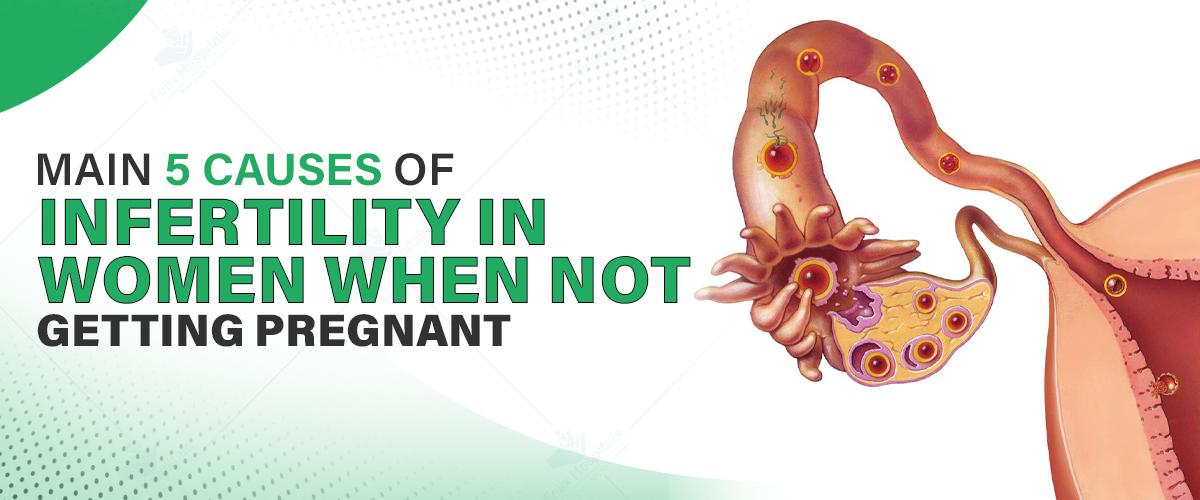
Not being able to get pregnant when you’re actually trying can feel confusing, frustrating, and even heartbreaking. One month becomes three, then six, and before you know it, you’re searching for answers. It’s natural to wonder if something’s wrong, especially when everyone around you seems to be enjoying parenthood.
Infertility doesn’t always mean you can never get pregnant, it just means there may be some underlying reasons which you need to get investigated and treated for. For women, there are a few common causes that can make it harder to conceive. Let’s take a look at the five most common causes of infertility, along with symptoms, treatment options, and what can be done to improve your chances.
If you’ve been trying to conceive for over six months and if you’re 35 or older, the best next move is to consult our experienced and best doctor for pregnancy treatments in Noida. To schedule an appointment, contact us at:
Infertility means not getting pregnant even after a year of regular, unprotected sex. For some women, it also includes repeated miscarriages or trouble carrying a pregnancy to term. It could be related to your hormones, egg release, the uterus, or even the fallopian tubes. Sometimes, it’s more than one thing. Therefore, it’s advisable to get accurate diagnosis and treatment by our best doctor for pregnancy treatments in Noida.
The top five most common causes of infertility in women include:
1. Ovulation Disorders: If you don’t ovulate regularly (or at all), your chances of getting pregnant drop drastically. Ovulation is when the ovary releases an egg. No egg means no pregnancy. It is usually caused due to PCOS (polycystic ovary syndrome), hormonal imbalances, too much stress, sudden weight gain or loss or thyroid issues, etc.
Symptoms: Irregular or missed periods, very heavy or super light periods, and acne or unwanted hair in some cases.
Treatment: Lifestyle changes, hormonal therapy, ovulation-inducing medication (like Clomiphene), or injectable hormones.
2. Blocked or Damaged Fallopian Tubes: The egg and sperm meet in the fallopian tube. If the tube is blocked or damaged, the sperm can’t reach the egg, or the fertilized egg can’t get to the uterus. This usually happens due to previous pelvic infections, endometriosis, and ectopic pregnancy, etc.
Symptoms: Most women don’t feel anything. Some may have pelvic pain or notice problems during their period.
Treatment: Mild blockages might be treated with surgery. For more severe cases, IVF might be the best option.
3. Endometriosis: Endometriosis is when tissue that normally grows inside the uterus starts growing outside it, on the ovaries, fallopian tubes, or nearby organs. It can cause scarring and inflammation, which makes pregnancy harder.
Symptoms: Painful periods, pain during sex, fatigue, sometimes bloating or digestive issues.
Treatment: Hormone therapy to manage the tissue growth, or surgery to remove scar tissue. If natural conception doesn’t happen, IVF is often recommended.
4. Issues With the Uterus or Cervix: Even if your eggs are fine and you ovulate regularly, problems with the uterus or cervix can make it tough to get pregnant or stay pregnant. Common examples include: Fibroids or polyps inside the uterus, an abnormally shaped uterus, etc.
Symptoms: Heavy bleeding, very painful periods, or no symptoms at all in some cases.
Treatment: Doctors can remove fibroids or polyps surgically. For cervical mucus issues, fertility treatments like IUI (inserting sperm directly into the uterus) might help.
5. Age and Egg Quality: Age plays a big and an important role. As women grow older, especially after 35, both the number and quality of their eggs start to drop. That makes conception harder, and even if pregnancy happens, the risk of miscarriage increases.
Symptoms: Cycles might get shorter or more irregular, or your period might become lighter.
Treatment: If you’re over 35 and are unable to conceive, don’t wait too long. Fertility treatments like IVF or using donor eggs can be options. Egg freezing is also becoming more common for women who want to delay pregnancy.
These signs listed below don’t confirm infertility but can be red flags:
• Periods are irregular, too short, too long, or missing
• Severe period pain
• Pain during sex
• Excess hair growth or thinning scalp
• Unexpected weight changes
• Repeated miscarriages
Treatment for infertility depends on the cause and symptoms. At Felix Hospital, the best pregnancy hospital in Noida, our gynecologists or fertility experts usually start with tests that include blood work, ultrasounds, and other imaging tests to check the tubes. Once they know what’s going on, they’ll suggest options like:
● Medications: These help to induce ovulation or correct hormonal imbalance.
● Fertility Treatments: Our best doctor for pregnancy treatments and fertility specialists offer a range of solutions for women struggling with infertility.
● Hormonal Treatments: These are used for conditions like PCOS, endometriosis, and menopause. Hormonal therapy can help regulate your menstrual cycle, relieve symptoms, and balance hormone levels.
● Uterine Fibroid & Ovarian Cyst Treatments: At Felix Hospital, the best pregnancy hospital in Noida, we offer both medical and surgical options such as Myomectomy and Fibroid Embolization for treating uterine fibroids and ovarian cysts. This helps to restore the reproductive health of a woman.
Not all infertility causes are preventable, but some steps can certainly lower your risk:
• Treat infections early, especially STIs
• Avoid smoking and limit alcohol
• Keep a healthy body weight
• Don’t ignore unusual period symptoms
• Manage stress, sleep, and nutrition
• Don’t wait too long to start planning a family
Infertility can feel overwhelming, but it’s not the end of the road. Many women conceive with the right support, treatment, and patience. What matters is getting the right help when you need it.
The Center for Obstetrics and Gynecology at Felix Hospital, the best pregnancy hospital in Noida, specializes in ensuring accurate diagnoses and providing suitable gynecologist treatment for conditions that affect the normal functioning of female reproductive organs, including providing treatment for infertility. The state-of-the-art facility is well-equipped to perform diagnostics and address the most common causes of infertility.
If you’ve been trying to conceive for a while and it’s taking more time, consult an experienced gynecologist.
Q: Is it normal to take several months to get pregnant?
Ans: Yes, for many couples, it can take up to a year. If it’s been longer, it’s a good idea to check in with a gynecologist. If you’re looking for the best pregnancy hospital in Noida or to know our best pregnancy treatments cost in Noida, visit Felix Hospital.
Q: Can stress really stop you from getting pregnant?
Ans: It can affect hormones and ovulation in some women. Reducing stress may help, but it’s usually just one part of the bigger problem.
Q: Is IVF the only option when unable to conceive naturally?
Ans: Not always because most common causes of infertility can be solved with medication, minor surgery, or simpler treatments before jumping to IVF.
Understanding PCOS: A Growing Concern for Women in Greater Noida" explores the rising prevalence of Polycystic Ovary Syndrome (PCOS) among women in the region
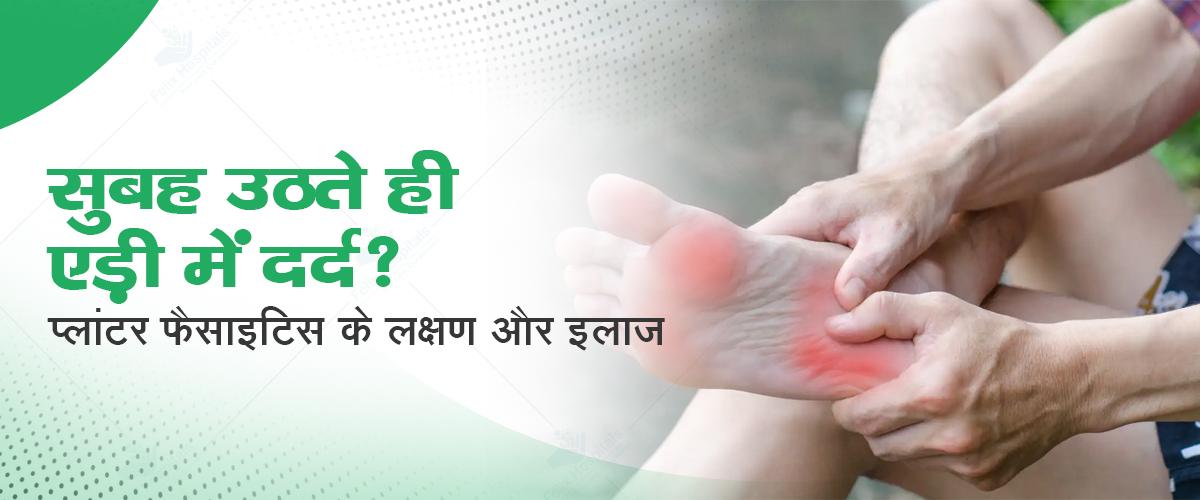
अगर आपको सुबह उठने पर एड़ी में दर्द महसूस होता है। तो यह प्लांटर फैसाइटिस (Plantar Fasciitis) हो सकता है। यह एक सामान्य समस्या है, जो पैरों की एड़ी और तलवे में सूजन और दर्द का कारण बनती है। इसे नजरअंदाज न करें। प्लांटर फेसाइटिस, पैर के तलवे में मौजूद फ़ेसिया नामक ऊतक की सूजन है।। यह एड़ी में दर्द का सबसे आम कारण है। यह पैर के आर्च को सहारा देने में मदद करता है। प्लांटर फैसाइटिस के लक्षणों को पहचानकर सही समय पर नोएडा में सर्वश्रेष्ठ आर्थोपेडिक अस्पताल में इलाज(best orthopedic hospital in Noida) करवाएं । सही जूते पहनना, व्यायाम करना और डॉक्टर की सलाह लेना इस समस्या से राहत दिला सकता है। आइए जानते हैं इसके लक्षण, कारण और इलाज के बारे में।
ज्यादा जानकारी के लिए हमें कॉल करें +91 9667064100.
प्लांटर फैसाइटिस एक ऐसी स्थिति है, जिसमें पैरों के तलवे में मौजूद प्लांटर फैशिया (एक मोटा ऊतक) में सूजन आती है। यह ऊतक एड़ी की हड्डी को पैर की उंगलियों से जोड़ता है। साथ ही झटकों को अवशोषित करने में मदद करता है। लेकिन अधिक दबाव और खिंचाव के कारण इसमें सूजन और दर्द हो सकता है। प्लांटर फैसाइटिस बहुत आम है। लगभग 10 में से 1 व्यक्ति को अपने जीवन में कभी न कभी प्लांटर फैसाइटिस हो ही जाता है। यह तब होता है जब आपके प्लांटर फेसिया का अत्यधिक उपयोग किया जाता है या बहुत अधिक फैला हुआ होता है। आपके प्लांटर फेसिया को नुकसान पहुंचाने वाली कोई भी चीज इसे सूजा सकती है। इस सूजन के कारण चलना या पैर का उपयोग करना दर्दनाक हो जाता है। ज़्यादातर लोगों को एक बार में एक पैर में प्लांटर फेसिटिस का अनुभव होता है, लेकिन यह संभव है कि यह आपके दोनों पैरों को एक साथ प्रभावित करे।
प्लांटर फैशिया पैर के तलवे में एड़ी की हड्डी (कैल्केनियस) से लेकर पंजों तक फैला हुआ होता है। यह एक मजबूत ऊतक बैंड होता है। इसका मुख्य कार्य निम्न है:
झटकों को अवशोषित करना: चलने, दौड़ने और कूदने के दौरान यह पैर पर पड़ने वाले दबाव को सहन करना होता है।
पैर के आर्च को बनाए रखना: यह ऊतक पैर के आर्च को सपोर्ट करता है। जिस कारण सही चाल और संतुलन बनाने में मदद मिलती है।
चलने में सहायक: यह पैर की गतिविधियों को नियंत्रित करने में मदद करता है। सही पैर की गतिविधि को बनाए रखने में सुनिश्चित करता है।
जब प्लांटर फैशिया पर अत्यधिक दबाव या तनाव पड़ता है। तो इसमें छोटे-छोटे आंसू (माइक्रोटियर्स) आते हैं। जिस कारण सूजन और दर्द होने लगती है। लेकिन दर्द के प्रमुख कारण यह होते हैं:
अत्यधिक व्यायाम या दौड़ना: दौड़ने या कूदने से प्लांटर फैशिया पर अधिक दबाव पड़ता है।
गलत जूते पहनना : सपोर्ट न देने वाले जूते पहनने से पैर की संरचना प्रभावित होती है।
लंबे समय तक खड़े रहना : ज्यादा देर खड़े रहने या सख्त सतहों पर चलने से फैशिया पर दबाव बढ़ सकता है।
अचानक वजन बढ़ना – मोटापा या गर्भावस्था के दौरान वजन बढ़ने से पैर पर अधिक भार पड़ता है।
पैर की संरचनात्मक समस्याएं : फ्लैट फीट (समतल पैर) या हाई आर्च वाले लोगों में इसका खतरा अधिक होता है।
प्लांटर फैसाइटिस एक आम समस्या है। जिसमें पैर के तलवे में सूजन आती है। खासकर एड़ी के पास होती है। इसके कुछ सामान्य लक्षण निम्न हैं:
एड़ी या तलवे में जलन या अकड़न महसूस होना
लंबे समय तक बैठे रहने के बाद खड़े होने पर दर्द बढ़ जाना
हल्की सूजन या लालिमा
एडी का दर्द।
आपके पैर के आर्च में दर्द होना।
कठोरता
आपकी एड़ी के आसपास सूजन
प्लांटर फैसाइटिस पैर के तलवे में दर्द और सूजन का एक आम कारण है, खासकर एड़ी के पास। आपने सही कारण बताए हैं। प्लांटर फ़ेसिटिस आमतौर पर आपकी एड़ी या आपके पैर के निचले हिस्से में दर्द का कारण बनता है। आप क्या कर रहे हैं या दिन का कौन सा समय है, इस पर निर्भर करते हुए दर्द बदल सकता है। आपको महसूस होने वाले कुछ प्रकार के दर्द में ये शामिल हो सकते हैं। इनके अलावा, कुछ और कारण भी हो सकते हैं, जैसे:
अचानक से शारीरिक गतिविधि बढ़ाना : जैसे ज्यादा दौड़ना या एक्सरसाइज़ करना।
पैरों की मांसपेशियों में कमजोरी या अकड़न: विशेष रूप से काफ मसल्स (पिंडली की मांसपेशियाँ)।
अत्यधिक प्रोनशन (Overpronation): यानी चलते समय पैर का अधिक अंदर की ओर झुकना।
उम्र बढ़ना: 40-60 वर्ष की उम्र के लोगों में यह समस्या ज्यादा देखने को मिलती है।
कोई भी चीज जो आपके प्लांटर फेशिया को परेशान या नुकसान पहुंचाती है, वह प्लांटर फेशिआइटिस का कारण बनती है, जिसमें शामिल हैं:
सोने या बैठने के बाद खड़े होने पर दर्द होना। आमतौर पर कुछ मिनट चलने के बाद दर्द दूर हो जाता है।
एक सुस्त, लगातार दर्द।
जब आप अपने प्रभावित पैर का उपयोग करते हैं या अपनी एड़ी पर दबाव डालते हैं तो तेज या चुभने वाला दर्द होता है।
व्यायाम करने या चलने-फिरने से अस्थायी रूप से आपका दर्द कम हो सकता है, लेकिन जैसे ही आप इसे बंद करेंगे दर्द और बढ़ जाएगा।
सुबह उठते ही या बैठने या सोने के बाद उठते समय दर्द का बढ़ जाना।
एक स्वास्थ्य सेवा प्रदाता शारीरिक परीक्षण के साथ प्लांटर फैसाइटिस का निदान करेगा। वे आपसे आपके लक्षणों के बारे में पूछेंगे और आपके पैर को देखेंगे। वे सूजन को महसूस करने और आपके दर्द के स्तर की जांच करने के लिए आपके प्लांटर फेसिया पर हल्का दबाव डाल सकते हैं। अपने चिकित्सक को बताएं कि आप अपनी दिनचर्या में किस तरह के दर्द का अनुभव कर रहे हैं। उन्हें बताएं कि आपके पैर में कहां दर्द हो रहा है और दिन भर में सबसे ज्यादा दर्द कब होता है।
प्लांटर फैसाइटिस के निदान के लिए आमतौर पर स्वास्थ्य सेवा प्रदाता को किसी परीक्षण की आवश्यकता नहीं होती है। यदि उन्हें लगता है कि दर्द का कारण कोई अन्य समस्या या स्थिति है, तो वे आपके पैर की तस्वीरें लेने के लिए इमेजिंग परीक्षणों का उपयोग कर सकते हैं। कुछ इमेजिंग परीक्षण जिनकी आपको आवश्यकता हो सकती है, उनमें शामिल हैं:
एक्स-रे
अल्ट्रासाउंड
एमआरआई (MRI)
आप आमतौर पर घरेलू उपचार और ओवर-द-काउंटर (ओटीसी) दवा के साथ प्लांटर फेशिआइटिस का प्रबंधन कर सकते हैं। आपका स्वास्थ्य सेवा प्रदाता आपके लक्षणों से राहत दिलाने और आपके पैरों को सहारा देने के लिए विकल्प सुझाएगा, ताकि भविष्य में दोबारा प्लांटर फेशिआइटिस होने की संभावना कम हो सके।
मालिश और स्ट्रेचिंग: आपका प्रदाता या फिजियोथेरेपिस्ट आपको स्ट्रेचिंग और मालिश की तकनीक दिखाएगा जिसे आप अपने पैर और पिंडली की मांसपेशियों पर कर सकते हैं।
कॉर्टिकोस्टेरॉइड्स : कॉर्टिकोस्टेरॉइड्स सूजनरोधी दवाएं हैं। आपका प्रदाता आपके प्लांटर फ़ेशिया में कॉर्टिकोस्टेरॉइड (जैसे प्रेडनिसोन) इंजेक्ट कर सकता है।
प्लेटलेट समृद्ध प्लाज्मा (पीआरपी) : पीआरपी आमतौर पर चोटों को ठीक करने और मरम्मत करने के लिए इंजेक्शन द्वारा दिया जाता है।
एक्स्ट्राकोर्पोरियल पल्स एक्टिवेशन तकनीक (EPAT) : EPAT शॉकवेव थेरेपी का एक रूप है। आपका प्रदाता आपके प्लांटर फ़ेशिया में रक्त प्रवाह बढ़ाने के लिए केंद्रित ध्वनिक तरंगें (ध्वनि तरंगें) लगाएगा। यह इसे तेज़ी से ठीक करने के लिए प्रोत्साहित करता है।
परक्यूटेनियस नीडल टेनोटॉमी : परक्यूटेनियस टेनोटॉमी के दौरान , आपका प्रदाता आपकी त्वचा के माध्यम से आपके प्लांटर फ़ेसिया में सुई चुभोएगा। आपका शरीर उस क्षेत्र में सामान्य से अधिक रक्त भेजता है, जो आपके प्लांटर फ़ेसिया की खुद को ठीक करने की क्षमता को उत्तेजित करेगा।
स्ट्रेचिंग एक्सरसाइज(Stretching Exercises) – पिंडली और एड़ी के पास की मांसपेशियों को खींचने से दर्द और जकड़न कम होती है।
आइस पैक से सिकाई(compress with ice pack) – दिन में 2-3 बार 15-20 मिनट तक बर्फ लगाने से सूजन और दर्द में राहत मिलती है।
सही जूते और इंसोल(The right shoes and insoles) – आरामदायक, सपोर्टिव फुटवियर और ऑर्थोपेडिक इंसोल दर्द कम करने में मददगार होते हैं।
आराम और पैर को ऊंचाई पर रखना(Rest and elevation of the feet) – ज्यादा चलने या खड़े रहने से बचें, और दर्द के समय पैर को ऊपर रखें ताकि सूजन कम हो।
फिजियोथेरेपी (Physiotherapy) – विशेषज्ञ के निर्देशानुसार मसाज, अल्ट्रासाउंड थेरेपी और स्ट्रेचिंग एक्सरसाइज़ करवानी चाहिए।
दर्द निवारक दवाएं(Pain-relieving medicines) – NSAIDs (जैसे इबुप्रोफेन, नाप्रोक्सेन) सूजन और दर्द कम करने में मदद करते हैं।
ऑर्थोपेडिक इंसोल्स(orthopedic insoles) – पैरों को सपोर्ट देने के लिए विशेष इनसोल्स पहनने से राहत मिल सकती है।
इंजेक्शन थेरेपी(Injection Therapy) – यदि दर्द ज्यादा है, तो कॉर्टिकोस्टेरॉयड इंजेक्शन दिया जा सकता है, लेकिन इसे बार-बार लेना सही नहीं है।
अगर 6-12 महीने तक कोई भी उपचार असर नहीं करता और दर्द असहनीय हो जाता है, तो डॉक्टर सर्जिकल ट्रीटमेंट की सलाह दे सकते हैं। हालांकि, यह बहुत कम मामलों में जरूरी होता है।
अगर सही सावधानियां बरती जाएं, तो प्लांटर फैसाइटिस से बचाव करना आसान है।
सही जूते पहनें
अच्छे कुशनिंग और आर्च सपोर्ट वाले जूते पहनें। बहुत पतले सोल या सपाट (फ्लैट) जूते पहनने से बचें। ज्यादा पुराने या घिसे हुए जूते न पहनें।
प्लांटर फैसिया स्ट्रेच – पैर की उंगलियों को ऊपर की ओर खींचकर 10-15 सेकंड तक होल्ड करें।
काफ मसल स्ट्रेच – दीवार के सहारे पैर को सीधा रखते हुए खिंचाव महसूस करें।
गोल बॉटल या टेनिस बॉल रोलिंग – तलवे के नीचे रोल करने से फैसिया रिलैक्स होती है।
अधिक वजन होने से पैरों और एड़ी पर दबाव बढ़ जाता है, जिससे समस्या हो सकती है। संतुलित आहार और नियमित व्यायाम से वजन कंट्रोल में रखें।
कंक्रीट या टाइल्स जैसी सख्त सतहों पर नंगे पैर चलने या दौड़ने से बचें। अगर रनिंग करनी हो तो घास या ट्रैक पर करें और शॉक-एब्जॉर्बिंग जूते पहनें।
अगर काम के कारण ज्यादा देर खड़ा रहना पड़ता है, तो बीच-बीच में बैठें या हल्की स्ट्रेचिंग करें। पैरों के नीचे एक सॉफ्ट मैट या कुशन रखें, ताकि अतिरिक्त दबाव न पड़े।
अगर आपको फ्लैट फुट या हाई आर्च की समस्या है, तो ऑर्थोपेडिक इनसोल्स सपोर्ट देते हैं और फैसाइटिस को रोकते हैं।
अगर आपको पहले से हल्का दर्द है, तो डॉक्टर की सलाह से नाइट स्प्लिंट पहन सकते हैं, जिससे फैसिया रात में सही पोजीशन में रहती है।
एवीएन (एवस्कुलर नेक्रोसिस) के उपचार में कई विशेषज्ञ डॉक्टरों की आवश्यकता हो सकती है, लेकिन मुख्य भूमिका ऑर्थोपेडिक सर्जन(Orthopaedic Surgeons) निभाते हैं। ये विशेषज्ञ एवीएन की जांच, उपचार और सर्जरी जैसे कोर डीकम्प्रेशन या हिप रिप्लेसमेंट में माहिर होते हैं।
फेलिक्स हॉस्पिटल में डॉ. पीयूष कुमार सिंह जैसे अनुभवी ऑर्थोपेडिक सर्जन उपलब्ध हैं, जिन्हें जटिल फ्रैक्चर और ऑर्थोपेडिक ट्रॉमा के इलाज में 14 वर्षों का व्यापक अनुभव है।
यदि एवीएन किसी ऑटोइम्यून बीमारी (जैसे ल्यूपस) या रक्त विकार के कारण हुआ हो, तो रियूमेटोलॉजिस्ट डॉक्टर(rheumatologist doctor) उसकी सटीक पहचान करते हैं और दवाओं द्वारा इलाज की दिशा तय करते हैं।
फेलिक्स हॉस्पिटल में सम्पूर्ण और विशेषज्ञ देखभाल के लिए आज ही अपॉइंटमेंट बुक करें।
प्लांटर फैसाइटिस एक आम लेकिन ठीक किया जा सकने वाला रोग है, जो ज्यादातर लोगों को एड़ी के दर्द के रूप में प्रभावित करता है। सही देखभाल, घरेलू उपचार, फिजियोथेरेपी, और जरूरत पड़ने पर चिकित्सीय उपचार से दर्द से राहत संभव है। नियमित स्ट्रेचिंग एक्सरसाइज, वजन नियंत्रण, और सही फुटवियर अपनाकर इससे आसानी से बचाव किया जा सकता है। यदि दर्द लंबे समय तक बना रहे, तो डॉक्टर से परामर्श लेना आवश्यक है, ताकि सही समय पर उचित इलाज हो सके।
प्रश्न-1 सुबह उठते ही एड़ी में तेज दर्द क्यों होता है?
उत्तरः रातभर आराम के कारण प्लांटर फैसिया (पैर के तलवे की एक मोटी नस) सिकुड़ जाती है। सुबह पहला कदम रखते ही उस पर अचानक दबाव पड़ता है, जिससे तेज दर्द महसूस होता है।
प्रश्न-2 क्या प्लांटर फैसाइटिस का दर्द पूरे दिन बना रहता है?
उत्तरः आमतौर पर, दर्द सुबह ज्यादा होता है और थोड़ी देर चलने के बाद कुछ हद तक कम हो जाता है। लेकिन अगर लंबे समय तक खड़े रहें या कठोर सतह पर चलें, तो दर्द दिनभर बना रह सकता है।
प्रश्न-3 इस समस्या से बचने के लिए सबसे आसान उपाय क्या हैं?
उत्तरः सुबह बिस्तर से उठने से पहले पैरों की हल्की स्ट्रेचिंग करें। सपोर्टिव और कुशनिंग वाले जूते पहनें। लंबे समय तक नंगे पैर न चलें, खासकर टाइल या कंक्रीट जैसी कठोर सतहों पर।
प्रश्न-4 क्या गर्म पानी या बर्फ से सिकाई से राहत मिल सकती है?
उत्तरः बर्फ की सिकाई (दिन में 2-3 बार 15-20 मिनट) सूजन और दर्द को कम करने में मदद करती है। गर्म पानी से सिकाई रक्त संचार बढ़ाने में सहायक हो सकती है, लेकिन सूजन हो तो ठंडी सिकाई बेहतर है।
प्रश्न-5 क्या केवल जूते बदलने से प्लांटर फैसाइटिस ठीक हो सकता है?
उत्तरः अच्छे आर्च सपोर्ट वाले जूते और ऑर्थोपेडिक इंसोल्स पहनने से काफी राहत मिल सकती है। लेकिन पूरी तरह ठीक होने के लिए जूते के साथ-साथ स्ट्रेचिंग और अन्य देखभाल भी जरूरी है।
प्रश्न-6 क्या प्लांटर फैसाइटिस से छुटकारा पाने में कितने दिन लग सकते हैं?
उत्तरः हल्के मामलों में 2-3 हफ्तों में सुधार हो सकता है। गंभीर मामलों में 3-6 महीने या अधिक समय लग सकता है, अगर सही उपचार न किया जाए।
प्रश्न-7 क्या वजन बढ़ने से प्लांटर फैसाइटिस की समस्या बढ़ सकती है?
उत्तरः हां, अधिक वजन होने से पैरों पर दबाव बढ़ता है, जिससे प्लांटर फैसाइटिस का दर्द बढ़ सकता है। वजन नियंत्रण से इस समस्या से बचाव और सुधार दोनों में मदद मिलती है।
एवीएन (Avascular Necrosis) एक रोग है जिसमें कूल्हे की हड्डी में रक्त प्रवाह बंद हो जाता है, जिससे हड्डी धीरे-धीरे गलने लगती है। इसके कारण दर्द, चलने में दिक्कत और हड्डी खराब हो सकती है। इलाज में दवा, फिजियोथेरेपी या सर्जरी की जरूरत पड़ सकती है।
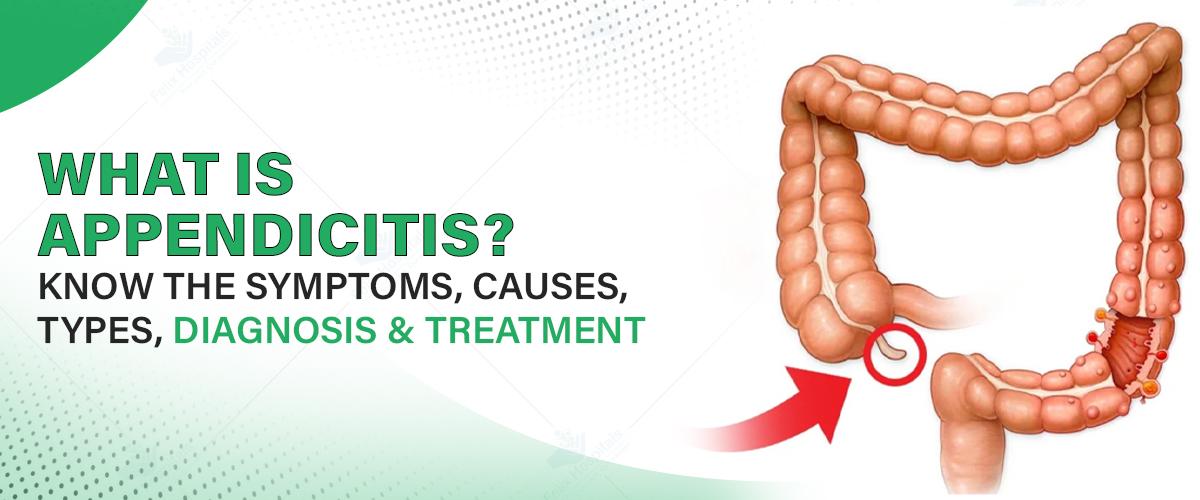
Appendicitis is a medical emergency that occurs when the appendix, a small, finger-like pouch attached to the large intestine, becomes blocked, swollen, and infected. The exact role of the appendix is still not known, but an inflamed appendix can cause serious issues, such as rupture, which can lead to life-threatening infection in the abdomen (peritonitis).
The best treatment is to remove the appendix surgically, known as appendectomy. People often choose laparoscopic surgery since it is less invasive with shorter recovery time and lower risk of infections.
Visit the best Appendicitis surgery hospital in Greater Noida immediately if you or someone you know is experiencing symptoms of appendicitis, such as intense abdominal pain, nausea, or fever.
In case you are having frequent or severe stomach pain, particularly in your lower right side, seek emergency medical care. Contact us today +91 9667064100.
Appendicitis is a condition where the appendix, a small, finger-like pouch that connects to the large intestine, becomes inflamed. It typically begins with cramp-like pain in the lower right abdomen, which can rapidly intensify within a short period. The illness is usually caused by a blockage of the appendix due to accumulation of fecal waste, an infection, or enlarged lymphoid tissue. The blockage leads to inflammation, bacterial growth, and pus accumulation.
If not treated, the appendix could burst, letting the infection spread throughout the abdomen. This could lead to peritonitis, a serious and perhaps life-threatening condition that requires immediate surgery.
Acute appendicitis is the most common type, and it is characterized by sudden and severe discomfort in the abdomen. It progresses quickly and needs immediate medical help.
Chronic appendicitis is a less severe form that gets worse over a period of time. The severity of discomfort and symptoms may fluctuate over weeks or months.
Appendicitis usually starts with pain around the belly button area that moves to the lower right side of the abdomen. But the symptoms may vary widely. Some common indicators are:
Pain that is sharp or crampy in the lower right abdomen
Nausea and vomiting
Loss of appetite
Low to moderate fever
Bloating or swelling in the stomach
Painful urination
Note: Classic symptoms are not always present. It may be harder to diagnose in kids, older people, and pregnant women since the pain may be present in unusual areas.
As discussed earlier, appendicitis usually occurs due to blockage in the appendix, which lets bacteria grow quickly, leading to inflammation or infection. Common causes of this blockage include:
\
Fecal impaction obstructing the appendiceal orifice
Inflammation of lymphoid tissue caused by infections
Gastrointestinal infection
Neoplasms or unusual growths
Parasitic infection
Undigested food particle stuck in appendix
If not treated, the inflamed appendix may burst because of increasing internal pressure, leading to serious complications. Therefore, early diagnosis and treatment are crucial.
Delaying treatment for appendicitis might lead to serious health issues. If appendicitis isn't addressed on time, it might lead to any of the following problems within 36 to 48 hours:
Appendix rupture: The infected appendix bursts, leading to the release of harmful substances into the abdominal cavity.
Peritonitis: A serious infection of the peritoneal lining
Abscess formation: A localized collection of pus encircling the appendix
Sepsis: A serious condition where infection spreads through the bloodstream
These complications require prompt medical attention and can significantly prolong the healing process.
The best laparoscopic surgeon in Greater Noida uses a combination of physical exams, symptom analysis, and diagnostic tests to identify the severity of appendicitis. The tests include:
Blood tests: To detect higher levels of white blood cells and signs of inflammation
Ultrasound: Ultrasound is often used in pregnant women and toddlers to identify swelling or inflammation.
CT scan: The most reliable method for confirming appendicitis or detecting a rupture.
Urinalysis: To rule out kidney-related problems or urinary tract infections.
Quick diagnosis is important to prevent complications and make sure that treatment is quick and effective.
Antibiotics are administered before and after surgery to prevent infections.
Analgesics help ease stomach pain.
In rare cases, antibiotics may be enough to treat mild appendicitis. However, this is uncommon and not typically advised.
Surgery is the most effective and common treatment for appendicitis. There are two main types of surgery:
Laparoscopic Surgery: Laparoscopic surgery is a less invasive procedure that involves small cuts, resulting in faster recovery and minimal complications.
Open Surgery: Open surgery is done when the situation is complicated, like when the appendix bursts, an abscess forms, or peritonitis occurs.
Most appendectomies are performed within 24 hours of diagnosis to avoid serious problems.
Most people fully recover in 2 to 6 weeks, depending on the type of surgery and their general condition.
Suggestions for a smooth recovery:
For at least two weeks, don't carry heavy things.
Keep the area around the incision clean and dry.
To avoid constipation, drink plenty of water and eat lots of fiber.
If you notice any unusual symptoms, such as a fever, redness, or unusual discharge near the incision, consult your doctor immediately.
Seek consultation from an experienced doctor for immediate and correct diagnosis.
Appendicitis is a serious medical emergency but is fully treatable. It is necessary to identify symptoms quickly and get medical help right away to avoid problems. If you have severe stomach pain or ongoing discomfort, don't ignore it. Emergency surgery at the best hospital in Greater Noida will help you get better with faster recovery at an affordable appendicitis treatment cost. At the best hospital in Greater Noida, you will get early medical intervention.
Q: How do I test for appendicitis at home?
Ans: Tests done at home aren't always accurate. But warning symptoms include recurring pain in the lower right abdomen and loss of appetite. Always visit a doctor to get the right diagnosis.
Q: Is appendicitis genetic?
Ans: A family history may raise your risk, but appendicitis is not directly inherited. Both hereditary and environmental variables are likely involved.
Q: Can stress cause appendicitis?
Ans: Stress does not directly cause appendicitis. But it can weaken your immune system, making you vulnerable to infection.
Q: Can appendicitis resolve without treatment?
Ans: In rare circumstances, symptoms may go away on their own, but most cases need medical help. Delayed treatment can lead to rupture of the appendix or other serious medical emergencies.
Q: How long is the recovery after appendectomy?
Ans: Most people get back to their normal activities within 2 to 4 weeks after having a simple appendectomy. It may take longer to get better in case of open surgery or serious medical emergency.

Appendix surgery, also known as appendectomy, is a common emergency procedure performed to treat appendicitis.
In severe cases, surgery may be required to drain the blocked sinus.
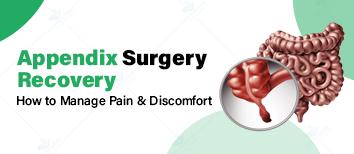
An appendectomy is a surgical procedure to remove the appendix, typically performed to treat appendicitis.
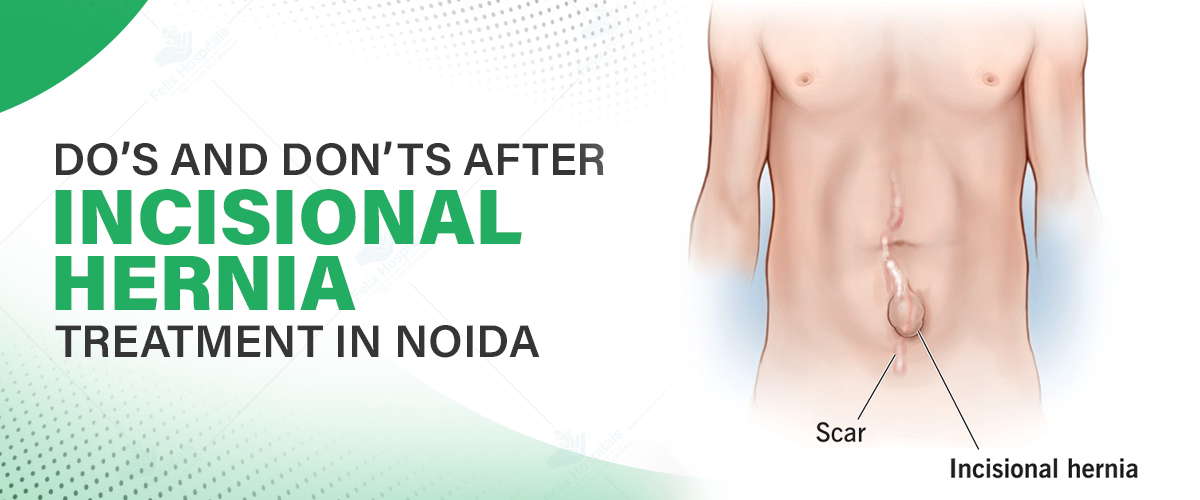
Hernias are more prevalent than you might imagine, usually beginning life as a minor, easily missed bulge, but if left untreated, will go on to develop bigger issues and more pain. Whether an abdominal hernia, a groin hernia, or a hernia over a surgical wound, paying attention to the early signs and treating them early can be the difference maker. At the best incisional hernia treatment hospital in Noida, merge accurate diagnosis with nurturing care to allow you to recover hernias safely, remain mobile, feel relaxed, and stay in charge of your health.
If you suspect a hernia or have been advised to undergo treatment, trust the experienced surgeons at Felix Hospital. Call us today at +91 9667064100.
A hernia happens when tissue, such as some of your intestine, protrudes through a weak area in its normal place and creates a visible bulge. It is not unusual, particularly inguinal hernias, which most often appear in children and babies. If left untreated, a hernia will become swollen and painful, with everyday movement a chore. Felix Hospital's sympathetic experts advise intervention early on to alleviate the discomfort and avoid complications, so you can resume your active lifestyle.
Hernias come in two main forms, each with distinct characteristics:
Ventral Hernia: Appears along the abdomen’s midline, including:
Hiatus Hernia: Near the diaphragm, often linked to heartburn.
Umbilical Hernia: Around the belly button, common in babies.
Incisional Hernia: At sites of past surgeries, like a scar’s weak point.
Inguinal Hernia: Forms in the groin, and can be:
Unilateral: On one side of the groin.
Bilateral: Affecting both sides.
Felix Hospital’s expert diagnostics ensure the right treatment for your specific hernia, guiding you with clarity.
Ignoring a hernia can make it worse, so don’t overlook the signs. A bulge near your pubic bone, especially when standing or sitting upright, is a key clue. Other symptoms might include:
Pain or a burning sensation in the area.
Nausea or vomiting.
A heavy, weak feeling in your abdomen.
Felix Hospital’s specialists listen to your story, spotting these signs early to bring you relief with compassion.
Certain factors raise your chances of developing a hernia, touching many in Noida:
Smoking, which weakens tissues.
Being over 60, when muscles may soften.
Being born with weaker muscles.
Chronic constipation, straining the abdomen.
Pregnancy, adding pressure to your core.
By understanding these risks, going to the nearby hospital in Noida helps you take steps to protect your health.
If you’re diagnosed with a hernia, simple habits can keep it from worsening before surgery:
Enjoy fruits and vegetables to support digestion.
Drink plenty of water daily to stay hydrated.
Sip liquids to ease constipation gently.
Walk or move lightly to release toxins without strain.
Avoid heavy meals that tax your system.
Don’t strain during bowel movements.
Steer clear of smoking or drinking.
Wait before lying down after eating.
Felix Hospital’s personalized advice makes these changes feel manageable, setting you up for success.
Surgery is the most effective way to fix a hernia, and Felix Hospital offers two approaches:
Open Surgery: A single incision repositions the hernia, with mesh sewn over weak muscles to prevent it from returning.
Laparoscopic Surgery: A minimally invasive method using tiny cuts and a camera, it’s especially gentle for infants and adults, reducing infection risks. Studies show it offers faster relief compared to open surgery, a choice many patients prefer.
Felix Hospital’s surgeons, skilled in laparoscopy, ensure a smoother path to healing, tailored to your needs.
Recovery after incisional hernia surgery needs to be taken care of properly to achieve easy and successful recovery. With the help of hernia treatment in Noida, educate all our patients with simple tips to achieve their recovery process.
Walk carefully daily to enhance blood flow and accelerate healing.
Have a balanced, high-protein diet full of vitamins and minerals to make your body strong.
Keep the wound area clean and dry to avoid infection.
Wear abdominal support or binders as directed by your physician.
Follow up on all scheduled follow-up appointments to check on your healing.
Do not strain your abdominal muscles or lift heavy weights for at least a few weeks.
Do not smoke, as this will slow down tissue healing and enhance complications.
Do not have signs of fever, swelling, or severe pain—report to your doctor immediately.
Do not exert yourself to heavy exercise or activities without your doctor's approval.
Steer clear of heavy, fatty foods that will constipate you and put pressure on your abdomen.
By following these easy do's and don'ts, you can recover faster and reduce the risk of complications so that your return to normal life is safer and smoother.
Healing well after hernia surgery starts with the right steps:
Avoid alcohol, driving, or legal decisions for 48 hours until anesthesia fades.
Use prescribed painkillers to ease discomfort.
Skip straining or heavy lifting for weeks, using your knees and back, not abs, when lifting later.
Walk daily to boost recovery gently.
Wait 48 hours before showering.
Resume activities like intimacy when you feel ready, with your doctor’s guidance.
Let pain guide you—stop any activity that hurts.
Diet Tips: Surgery can curb your appetite due to stress, but healing foods help:
Protein: Eggs, fish, or nuts fuel tissue repair.
Vitamin C: Oranges, spinach, or tomatoes aid recovery.
Vitamin D: Cereals or almond milk strengthen you.
Calcium: Cheese or chia seeds support healing.
Felix Hospital’s nutritionists craft diet plans to speed your recovery with care.
For expert laparoscopic nephrectomy surgery, Dr. Ritesh Kumar Agarwal and Dr. Vishal Sharma are the finest at Felix Hospital. Well experienced in the conduct of cutting-edge minimally invasive surgeries, these experts are greatly relied upon for their expertise, accuracy, and patient-friendly approach.
As top doctors for laparoscopic nephrectomy, they provide safe procedures and successful results. If laparoscopic nephrectomy is on your mind, relax and get in touch with Dr. Agarwal, Dr. Sharma, and the skilled team of Felix Hospital for individualized counselling and best possible care at every step.
Don't wait for the symptoms to worsen. Schedule your appointment with Felix Hospital's specialists and experience advanced hernia care tailored to your needs.
At Felix Hospital, repairing a hernia is not merely a matter of surgery; it's a matter of walking with you throughout every phase of recovery with compassion and professionalism. From the correct form of surgery to assisting your recovery process with personalized guidance and diet charts, our professional team is here to assist you in regaining strength and confidence. Don't let a hernia bring you down—phone Felix Hospital today and start on the path towards a healthier, pain-free life. If you want to know about the hernia surgery cost, contact us at Felix Hospitals and clear up all the issues.
Q: What are the early warning signs of an incisional hernia that I should not ignore?
Ans: Early warning signs include a bulge that can be seen at or near the site of prior surgery, pain with lifting or coughing, and feeling of dragging or heaviness in the abdomen.
Q: When, following hernia surgery, can I return to normal daily activities such as walking and working?
Ans: Light activities such as gentle walking can usually be done in a day or two, while resumption of work depends on the nature of work and your physician's recommendation—usually after 2–4 weeks.
Q: Which hernias are best treated by laparoscopic surgery at Felix Hospital?
Ans: Laparoscopic surgery is most effective at Felix Hospital for the repair of inguinal, ventral, umbilical, and incisional hernias with early recovery and minimal postoperative discomfort.
Q: How does Felix Hospital individualize post-operative care for hernia patients?
Ans: We have customized recovery plans including diet charts, follow-up schedules, activity schedules, and wound care instructions depending on the type of surgery and the patient's health status.
Q: Can hernias reoccur after surgery, and how does Felix Hospital reduce this likelihood?
Ans: Even though recurrence of hernia is likely, Felix Hospital employs new mesh methods and careful surgical techniques to drastically reduce recurrence of hernia.
Q: What are some dietary changes that I need to adopt after hernia surgery?
Ans: After surgery, it is best to consume soft and high-fiber foods, drink plenty of fluids, and not eat heavy and oily foods to avoid constipation and put less strain on the surgery area.
Q: Why get laparoscopic nephrectomy and hernia surgery at Felix Hospital?
Ans: Felix Hospital provides the ideal combination of highly experienced laparoscopic surgeons, less invasive surgery, patient-friendly treatment, world-class facilities, and a higher rate of successful outcomes.
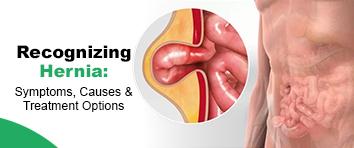
A hernia typically occurs due to a combination of muscle weakness and strain. This can happen from factors such as aging, injury, heavy lifting, chronic coughing, or conditions like pregnancy and obesity.


Subscribe to our
© Copyright 2026. All Rights Reserved by Felix Healthcare Private Limited
Design and development by :


 +(91)9667064100
 Emergency : +(91)9667064100