 WhatsApp
 Emergency:
  WhatsApp









Subscribe to our

Colon cancer is a condition that progresses silently, usually with little or no symptoms, until it has progressed to a later stage. Colon cancer starts in the large intestine (colon), which is the last portion of the digestive system. With changes in lifestyle, dietary patterns, and genetic predisposition playing a role in its incidence, colon cancer is on the rise among younger and older age groups.
The biggest worrying aspect is that most of the early warning signs tend to be either overlooked or misdiagnosed as being minor gastrointestinal symptoms. This delay in the diagnosis tends to cause late detection, and it influences outcomes and treatment efficacy. Identifying possible symptoms and consulting with the best oncologist in Noida in time can greatly affect the prognosis of the disease.
In this blog, we will make you aware of what colon cancer is, followed by five major symptoms that you should never ignore. These symptoms may frequently get mistaken for regular digestive problems, but paying close attention and being aware can aid in early diagnosis and effective recovery.
Listen to your body. Identify the early warning signs of colon problems before they become advanced. Call us today at +91 9667064100.
Colon cancer, or colorectal cancer, begins in the colon or rectum and typically begins as small, benign growths of cells known as polyps. These polyps may become cancerous over time. Colon cancer is a slow-growing cancer, and, if screened appropriately and aware of its symptoms, it can be detected early. Colon cancer may occur in both men and women and is more prevalent in adults above age 45, but it is increasing in younger adults as well.
Risk elements of colon cancer are age, family history, inactive lifestyle, smoking, alcohol consumption, obesity, and some foods (especially high consumption of red or processed meats). Diseases like inflammatory bowel disease (IBD), e.g., Crohn's disease and ulcerative colitis, also increase the risk.
Understanding the warning signs and acting promptly is the way to improve management and results. The following are the five warning signs that you should never neglect.
Colon cancer usually starts with signs and symptoms that don't seem too serious. But early detection significantly enhances survival. Below are five symptoms that might indicate colon cancer:
One of the first and most frequent symptoms of colon cancer is a change in bowel habits. This may involve:
Diarrhea or constipation that persists for longer than a few days
A sense that your bowel does not empty at all
Thin or narrow stools
These changes usually mean a blockage or narrowing of the colon resulting from a tumor. Infrequent irregularity is typical, but continued disruptions need medical evaluation. Individuals often brush these signs aside as food or stress problems, yet continued change is worth investigating.
Blood in the stool is frightening—and it should be. Blood in the stool might look bright red, or it might be dark and tarry, depending on where the bleeding is occurring. Although hemorrhoids are a possible cause of bleeding, don't make assumptions. Blood in the stool, especially in association with other signs such as pain in the belly or weight loss, can signal colon cancer.
Dark, tarry stools can indicate bleeding farther up in the colon, whereas bright red blood commonly reflects closer-to-rectum bleeding. Either situation requires immediate evaluation.
Unintentional weight loss may seem like a blessing, but in colon cancer, it may indicate something else. Cancer compromises the body's nutrient absorption capacity, dampens appetite, and can increase the energy consumption of the tumor itself, which causes the body to lose weight involuntarily.
If you experience an abrupt weight loss within a short span of time without alteration of diet or level of activity, it should be taken into account as a potential warning sign, especially in conjunction with other gastrointestinal symptoms.
One of the under-recognized signs of colon cancer is recurrent abdominal pain, cramping, or bloating. These may be similar to other less severe illnesses, such as indigestion, gas, or irritable bowel syndrome (IBS). Persistent or worsening belly pain that does not respond to typical treatments must be explored further.
Colon tumors can block waste passage, inflame the colon, or result in spasm or pain. If abdominal discomfort worsens or occurs more often, it's time to consult a doctor.
Being persistently tired even after getting enough rest may indicate an underlying disease, such as colon cancer. Such fatigue is generally a consequence of blood loss within the tumor, which produces iron-deficiency anemia.
As anemia worsens, there is less oxygen being delivered to tissues, leading to fatigue, pallor, breathing difficulty, and overall weakness. If your energy level is abnormally low and you're suffering from other symptoms mentioned above, it may suggest more than normal daily fatigue.
Colon cancer is easily treatable if detected early. Screening tests such as colonoscopy and stool testing can detect precancerous polyps and enable early treatment. Many individuals shy away from screening because of fear, stigma, or discomfort, which enables the disease to quietly advance.
By noticing and taking action on symptoms early, the possibility of effective treatment is enormously increased. Prevention begins with awareness.
You should see the best oncologist in Noida if you have any of the following:
Symptoms that last more than 2 to 3 weeks
Repeated episodes of blood in stool or unexplained rectal bleeding
Crohn's disease or ulcerative colitis
Abdominal pain or cramping that doesn't go away
Fatigue that does not resolve with rest
Sudden and unexplained weight loss
These symptoms do not always mean you have colon cancer, but they need to be checked out to exclude serious disease. Early diagnosis can be life-saving.
Several lifestyle and genetic factors may increase your risk of developing colon cancer, including:
A diet high in red or processed meats
Physical inactivity
Smoking and alcohol use
A family history of colorectal cancer
Inflammatory bowel disease (IBD)
Making informed choices about your lifestyle and regular screenings after age 45 (or earlier if you have risk factors) can significantly reduce your risk.
Act early, remain informed, and safeguard your health. In case you experience unusual symptoms, do not hesitate. Book your appointment today by clicking here or call us at +91 9667064100.
Colon cancer can be stealthy to begin with, but it tends to leave behind hints that can be life-saving if diagnosed in its early stages. The five symptoms discussed in this blog—alterations in bowel habits, rectal bleeding, weight loss for no reason, chronic abdominal pain, and tiredness—are key pointers that something is amiss. Red flags have to be waved to avoid letting the condition go unnoticed.
Gaining control of your health through awareness, early response, and frequent screening can be a life-altering experience. Don't let symptoms progress. Pay attention to what your body is experiencing and act to safeguard your long-term health.
Q1. Can colon cancer produce symptoms that come and go?
Ans: Yes, symptoms such as abdominal cramping or bowel habits can be variable and thus may be ignored. But if they happen to be recurrent or persistent, they must not be ignored.
Q2. How do I distinguish colon cancer symptoms from IBS or food intolerance?
Ans: IBS symptoms improve after having a bowel movement and do not involve bleeding in the stool or notable weight loss. If your symptoms do not improve with changes in diet, consult a physician.
Q3. At what age should I begin to worry about colon cancer symptoms?
Ans: Even though most instances happen after the age of 50, young adults are being diagnosed more and more. It's always best to be careful, regardless of age, if you have risk factors or a family history.
Q4. Can colon cancer present with no symptoms in early phases?
Ans: Yes. Early colon cancer often has no symptoms, and that is why screening is so vital. By the time symptoms emerge, the condition may already be quite advanced.
Q5. Is chronic fatigue always associated with colon cancer?
Ans: No, however, if fatigue is both unexplained and persistent, especially when associated with anemia or bleeding rectally, it must be investigated for serious underlying causes such as colon cancer.
Q6. What is the cost of colon cancer treatment in Noida?
Ans: The cost of colon cancer treatment in Noida typically ranges from ₹3 to ₹8 lakhs, depending on the stage, type of treatment (surgery, chemotherapy, radiation), hospital facilities, and length of care. Diagnostic tests may cost ₹8,000–₹20,000, while chemotherapy and surgery are the most significant expenses. Always consult the hospital for an accurate estimate based on your treatment plan.
Q7. Can stress or anxiety create colon cancer-like symptoms?
Ans: Stress can simulate gastrointestinal symptoms such as bloating or diarrhea, but it will not result in rectal bleeding or weight loss. If symptoms continue after managing stress, additional testing is warranted.
Q8. How rapidly do symptoms of colon cancer develop?
Ans: Development is highly variable. Symptoms may develop rapidly in some individuals, or very slowly, with only subtle changes being apparent. In either event, early attention to symptoms is essential.

Exercise may help colon cancer patients as much as some drugs by improving survival and reducing recurrence.
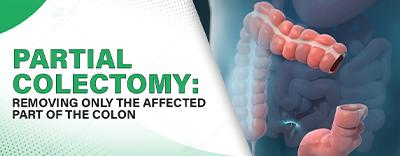
Partial Colectomy is a surgery to remove only the affected part of the colon, preserving the healthy sections.
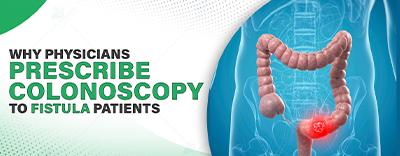
Physicians often recommend colonoscopy for fistula patients to identify underlying conditions like Crohn’s disease, detect infections, or rule out colorectal cancer.

Recognize the early warning signs of cervical cancer. Learn about its symptoms, causes, and when to consult a gynecologist for timely diagnosis and treatment.

अल्जाइमर एक न्यूरोलॉजिकल विकार है जो व्यक्ति की स्मृति, सोचने की क्षमता और व्यवहार पर गहरा प्रभाव डालता है। यह बीमारी धीरे-धीरे बढ़ती है और समय के साथ मस्तिष्क की कोशिकाओं को नष्ट कर देती है। वर्तमान में यह दुनिया भर में बुजुर्गों की सबसे बड़ी स्वास्थ्य चुनौतियों में से एक बन चुकी है। अल्जाइमर रोग न केवल मरीज की बल्कि उसके परिवार की दिनचर्या और जीवनशैली को भी प्रभावित करता है।
इस ब्लॉग में हम अल्जाइमर रोग के कारण, लक्षण, और उपलब्ध इलाज के विकल्पों के बारे में विस्तार से जानकारी साझा करेंगे।
अगर आप इस बीमारी की जांच या इलाज के लिए भरोसेमंद चिकित्सा सुविधा की तलाश कर रहे हैं, तो नोएडा में सर्वश्रेष्ठ हॉस्पिटल का चयन करना बेहद जरूरी है, जहां अनुभवी न्यूरोलॉजिस्ट और अत्याधुनिक तकनीक के माध्यम से मरीज को बेहतर देखभाल मिल सके।
अभी अपॉइंटमेंट शेड्यूल करें – कॉल करें: +91 9667064100
अल्जाइमर की जांच व निदान (Diagnosis as per Neurology Guidelines)
अल्जाइमर से बचाव के उपाय (Prevention Tips Based on Neurology Guidelines)
अल्जाइमर रोग को लेकर अक्सर पूछे जाने वाले सवाल (FAQs about Alzheimer's disease)
अल्जाइमर रोग एक न्यूरोलॉजिकल बीमारी है। जिसमें मस्तिष्क की कोशिकाएं धीरे-धीरे नष्ट होती हैं। इसका असर व्यक्ति की याददाश्त, सोचने की क्षमता, निर्णय लेने की शक्ति और व्यवहार पर पड़ता है। रोग धीरे-धीरे बढ़ता है और समय के साथ व्यक्ति रोजमर्रा के कार्यों को प्रभावित करता है। यह बीमारी वृद्धावस्था में होती है। मगर कुछ मामलों में यह 40 से 50 की उम्र में भी हो सकती है।
अल्जाइमर के लक्षण धीरे-धीरे विकसित होते हैं। समय के साथ गंभीर होते हैं। यह रोग तीन मुख्य चरणों में प्रकट होता है।
व्यक्ति अभी हुई घटनाओं या बातचीत को बार-बार भूलता है।
रोजमर्रा की वस्तुएं जैसे चश्मा, चाबी या मोबाइल कहीं रखकर भूलना आम होता है।
व्यक्ति कभी-कभी यह भूल जाता है कि वह कहां और किस समय है।
खाना बनाने, पैसे संभालने, समय पर दवा लेने जैसे कार्य कठिन लगते हैं।
आम शब्दों को याद रखने में परेशानी होती है। कभी-कभी अपनों के नाम याद नहीं रहते हैं।
व्यक्ति चिड़चिड़ा, उदास होता है। कई बार भ्रम और झुंझलाहट दिखती है।
रोगी माता-पिता, संतान या जीवनसाथी को भी नहीं पहचान पाता है।
संवाद लगभग असंभव होता है, चलने में लड़खड़ाहट या बैठने तक की कठिनाई होती है।
रोगी को नहाने, कपड़े बदलने, खाना खाने में सहायता की जरूरत होती है।
अल्जाइमर समय के साथ मस्तिष्क की कार्यक्षमता को प्रभावित करता है। इसमें धीरे-धीरे व्यक्ति की मानसिक क्षमताएं कमजोर होतीती हैं।
अगर परिवार में पहले किसी को अल्जाइमर रहा है, तो अगली पीढ़ी में इस रोग की संभावना बढ़ जाती है।
अल्जाइमर से ग्रसित लोगों के मस्तिष्क में दो प्रमुख परिवर्तन पाए जाते हैं बीटा-एमिलॉयड प्लाक्स यानी यह प्रोटीन मस्तिष्क की कोशिकाओं के बाहर जमा होता है और कोशिकाओं के बीच संचार को बाधित करता है।
टाउ प्रोटीन टैंगल्स यानी ये कोशिकाओं के भीतर उलझे हुए प्रोटीन होते हैं जो कोशिका के भीतर पोषण और सूचना के प्रवाह को रोकते हैं। ये दोनों ही जमाव न्यूरॉन्स को नष्ट कर देते हैं, जिससे मस्तिष्क की संरचना और कार्यप्रणाली बिगड़ने लगती है।
विशेष रूप से 65 वर्ष की उम्र के बाद इस रोग का जोखिम बढ़ता है। उम्र बढ़ने के साथ मस्तिष्क की कोशिकाएं स्वाभाविक रूप से कमजोर होती हैं।
कई अन्य शारीरिक और मानसिक स्थितियां अल्जाइमर के जोखिम को बढ़ाती हैं जैसे पुरानी या हाल की ब्रेन इंजरी मस्तिष्क की संरचना को प्रभावित करती है।
हाई ब्लड प्रेशर और मोटापा मस्तिष्क को ऑक्सीजन और रक्त की आपूर्ति में बाधा डालते हैं। जिससे कोशिकाएं कमजोर होती हैं।
मानसिक तनाव और अकेलापन मस्तिष्क के न्यूरल नेटवर्क को प्रभावित करते हैं। मधुमेह, धूम्रपान, शराब का सेवन और अनियमित जीवनशैली जोखिम को बढ़ाते हैं।
अल्जाइमर रोग के निदान में रोगी के लक्षणों, मस्तिष्क की संरचना और मानसिक क्षमता का परीक्षण होता है।
रोगी की मेडिकल हिस्ट्री, पारिवारिक पृष्ठभूमि और लक्षणों के प्रारंभ और प्रगति को समझने से शुरू होती है।
रोगी के व्यवहार, सामाजिक प्रतिक्रिया और सोचने-समझने की क्षमता का चिकित्सक द्वारा गहन अवलोकन करते हैं।
इसमें रोगी से कुछ सरल प्रश्न पूछे जाते हैं, जैसे: आज की तारीख क्या है? यह कौन-सी जगह है।
एमआरआई और सीटी स्कैन मस्तिष्क की संरचना को दिखाते हैं। इससे पता लगता है कि मस्तिष्क में सिकुड़न हो रही है या नहीं
पेट स्कैन से पता लगाते हैं कि मस्तिष्क के कौन-से हिस्से कम सक्रिय हो रहे हैं। यह प्रारंभिक अवस्था में भी अल्जाइमर के संकेत देता है।
अल्जाइमर रोग के इलाज में आज आधुनिक चिकित्सा के विकल्प मौजूद हैं।
वर्तमान में उपलब्ध दवाएं मस्तिष्क में न्यूरोट्रांसमीटर के स्तर को संतुलित रखने का कार्य करती हैं, जिससे याददाश्त, सोचने की क्षमता और व्यवहार पर थोड़ा सकारात्मक असर होता है।
अल्जाइमर रोगी में समय के साथ भ्रम, चिड़चिड़ापन, अवसाद और संप्रेषण में कठिनाई जैसे मानसिक और व्यवहारिक लक्षण भी दिखाई देते हैं। इसलिए व्यवहार चिकित्सा अहम भूमिका निभाती है।
परिवार के सदस्यों के लिए यह जिम्मेदारी भावनात्मक रूप से थकाऊ हो सकती है, इसलिए उन्हें भी मानसिक विश्राम और परामर्श की आवश्यकता हो सकती है।
अल्जाइमर रोग का अब तक कोई स्थायी इलाज मौजूद नहीं है, लेकिन सावधानियां और जीवनशैली परिवर्तन अपनाकर इस रोग के खतरे को काफी हद तक कम कर सकते हैं।
मस्तिष्क को रोजाना मानसिक चुनौतियां देना अल्जाइमर से बचाव का एक प्रभावी तरीका है। इसलिए अखबार, पुस्तक, पत्रिका पढ़नी चाहिए। सुडोकू या कार्ड गेम खेलना चाहिए। संगीत सुनना या कोई वाद्य यंत्र बजाना चाहिए।
मस्तिष्क-स्वास्थ्य के लिए पौष्टिक आहार जरूरी होता है। ताजे फल, सब्जियां, साबुत अनाज, मछली, जैतून का तेल, सूखे मेवे का सेवन करना चाहिए। ट्रांस फैट और अत्यधिक शक्कर से परहेज करना चाहिए। हरी पत्तेदार सब्जियां और विटामिन युक्त आहार लेना चाहिए।
प्रतिदिन 30 मिनट का तेज चलना, साइक्लिंग, योग या तैराकी मस्तिष्क में रक्त प्रवाह को बढ़ाता है, जिससे स्मृति और एकाग्रता बेहतर होती है। व्यायाम से तनाव कम होता है।
लंबे समय तक बना रहने वाला तनाव मस्तिष्क की कोशिकाओं को नुकसान पहुंचा सकता है। इसलिए ध्यान, प्राणायाम के साथ प्रकृति में समय बिताना चाहिए। परिवार और दोस्तों से संवाद बनाए रखना चाहिए।
नींद की कमी मस्तिष्क में विषैले पदार्थों (जैसे बीटा-एमीलोयड) के जमाव को बढ़ा सकती है। इसलिए वयस्कों को 7–8 घंटे की गहरी नींद लेनी चाहिए।
हृदय और मस्तिष्क का सीधा संबंध होता है। इसलिए उच्च रक्तचाप, उच्च कोलेस्ट्रॉल और डायबिटीज की जांच करानी चाहिए। ब्लड प्रेशर, शुगर और वजन को नियंत्रित रखन चाहिए। धूम्रपान और अत्यधिक शराब से परहेज करना चाहिए।
अल्जाइमर रोग केवल रोगी की नहीं, बल्कि पूरे परिवार और खासतौर पर देखभाल करने वाले व्यक्ति (केयरगिवर) की परीक्षा होती है।
अल्जाइमर रोगी बार-बार बातें भूलते हैं इसलिए परिवार के लोग उनके हर सवाल का शांतिपूर्वक उत्तर दें, टोकने या झुंझलाने से बचें।
रोजमर्रा की एक समान दिनचर्या रोगी को सुरक्षा और स्थिरता का एहसास देती है। इसलिए एक ही समय पर खाना, दवा, व्यायाम और सोने-जागने का रूटीन तय करें।
अल्जाइमर रोगी कई बार बिना वजह बाहर निकल जाते हैं, गैस चालू छोड़ देते हैं या गिरने का खतरा बना रहता है। ऐसे में घर में शार्प वस्तुएं, दवाएं और गैस चूल्हे की पहुंच सीमित करें, फर्श पर फिसलन कम करने के लिए मैट या ग्रिप लगाएं।
अल्जाइमर रोग डिमेंशिया का सबसे सामान्य रूप है, जिसमें व्यक्ति की याददाश्त, सोचने-समझने की क्षमता और व्यवहार में धीरे-धीरे गिरावट आने लगती है। यह एक प्रगतिशील लेकिन गंभीर मानसिक रोग है, जिसे नजरअंदाज करना भविष्य में और जटिल समस्याएं पैदा कर सकता है। समय रहते इसकी पहचान और इलाज बेहद जरूरी है।
इस रोग की पहचान और इलाज में न्यूरोलॉजिस्ट की अहम भूमिका होती है। वे ब्रेन स्कैन, न्यूरोलॉजिकल टेस्ट और दवाओं के माध्यम से रोग की स्थिति को समझते हैं और उसका उचित प्रबंधन करते हैं। यदि किसी व्यक्ति में बार-बार भूलने की समस्या, भ्रम की स्थिति, बोलचाल में गड़बड़ी या रोजमर्रा के कार्यों में कठिनाई जैसे लक्षण नजर आएं, तो तुरंत किसी अनुभवी न्यूरोलॉजिस्ट से संपर्क करें।
नोएडा में अच्छा न्यूरोलॉजिस्ट (best neurologist in noida) चुनना इस प्रक्रिया का पहला और सबसे जरूरी कदम है, ताकि सही समय पर इलाज शुरू किया जा सके और रोग की प्रगति को नियंत्रित किया जा सके।
अभी अपॉइंटमेंट शेड्यूल करें – कॉल करें: +91 9667064100
अल्जाइमर रोग को नजरअंदाज करना भारी पड़ सकता है। यह केवल याददाश्त खोने की बीमारी नहीं है, बल्कि यह व्यक्ति की सोचने, समझने, पहचानने और आत्मनिर्भरता की क्षमता को धीरे-धीरे छीन लेती है। इसलिए समय रहते इसकी पहचान और सही देखभाल बेहद जरूरी है। अगर किसी व्यक्ति में बार-बार भूलने, भ्रमित होने या व्यवहार में अचानक बदलाव जैसे लक्षण नजर आएं, तो तुरंत जांच कराना चाहिए। आधुनिक न्यूरोलॉजिकल परीक्षणों की मदद से रोग की पुष्टि और उसकी प्रगति को नियंत्रित किया जा सकता है।
नोएडा में अल्जाइमर रोग के इलाज (alzheimer's disease treatment) की कीमत रोग की अवस्था, जरूरी जांच (जैसे MRI, CT स्कैन, न्यूरोसाइकोलॉजिकल टेस्ट), और इलाज की अवधि पर निर्भर करती है। आमतौर पर शुरुआती जांच की लागत कुछ हज़ार रुपये से शुरू होकर, संपूर्ण इलाज और देखभाल योजनाओं के साथ यह लागत अधिक हो सकती है। सटीक जानकारी के लिए किसी विशेषज्ञ न्यूरोलॉजिस्ट या नोएडा के विश्वसनीय अस्पताल से संपर्क करें।
सवाल 1 : अल्जाइमर और सामान्य भूलने की बीमारी में क्या फर्क है ?
जवाब: सामान्य भूलने की आदतें कभी-कभी होती हैं। अल्जाइमर में भूलना लगातार बढ़ता है। व्यक्ति हाल की बातें या घटनाएं पूरी तरह भूल जाता है।
सवाल 2: क्या अल्जाइमर सिर्फ बुजुर्गों को होता है?
जवाब: अल्जाइमर आमतौर पर 65 साल के बाद होता है। कुछ मामलों में 40–50 की उम्र में भी होता है।
सवाल 3 : क्या अल्जाइमर रोग का इलाज संभव है?
जवाब: कोई स्थायी इलाज नहीं है। मगर कुछ दवाएं और थेरैपी इसके लक्षणों को नियंत्रित करती हैं। रोग की प्रगति को धीमा करने में मदद करती हैं।
सवाल 4 : अल्जाइमर का पता कैसे चलता है ?
जवाब: न्यूरोलॉजिस्ट मरीज की मेडिकल हिस्ट्री, व्यवहारिक लक्षण, मिनी-मेंटल स्टेट एग्जाम (एमएमएसई), एमआरआई, सीटी या पेट स्कैन की जांच करते हैं।
सवाल 5: क्या अल्जाइमर अनुवांशिक होता है?
जवाब: कई बार यह वंशानुगत होता है। अगर परिवार में किसी को यह रोग रहा है, तो खतरा बढ़ता है। लेकिन हर मामले में ऐसा नहीं होता है।
सवाल 6 : क्या अल्जाइमर के मरीज को अकेले छोड़ सकते हैं?
जवाब: जैसे-जैसे रोग बढ़ता है, मरीज को सुरक्षा, दवा, पोषण और भावनात्मक सहयोग के लिए किसी की जरूरत होती है। इसलिए अकेले छोड़ना सही नहीं है।

डिमेंशिया कुल 7 चरणों में विकसित होता है, जिसमें याददाश्त की कमी से लेकर सोचने-समझने की क्षमता में गिरावट तक शामिल है। समय पर पहचान और सही इलाज से इसके लक्षणों को नियंत्रित किया जा सकता है और रोग की गति को धीमा किया जा सकता है।

श्वसन तंत्र की समस्याओं जैसे सांस फूलना, निमोनिया और ब्रोन्काइटिस के निदान और उपचार के लिए डॉ. प्रियदर्शी जितेंद्र कुमार, जो सबसे अनुभवी पल्मोनोलॉजिस्ट हैं, का नेतृत्व करते हुए हमारी कुशल टीम आपकी सेवा में है।

Brain-boosting foods rich in antioxidants, omega-3s, and vitamins support memory, protect brain cells, and may help reduce the risk of dementia and Alzheimer’s disease.

Experiencing tingling in your hands or feet? It could signal a nerve-related issue. Consult our expert neurologists at Felix Hospitals to find the cause and get the right treatment today.
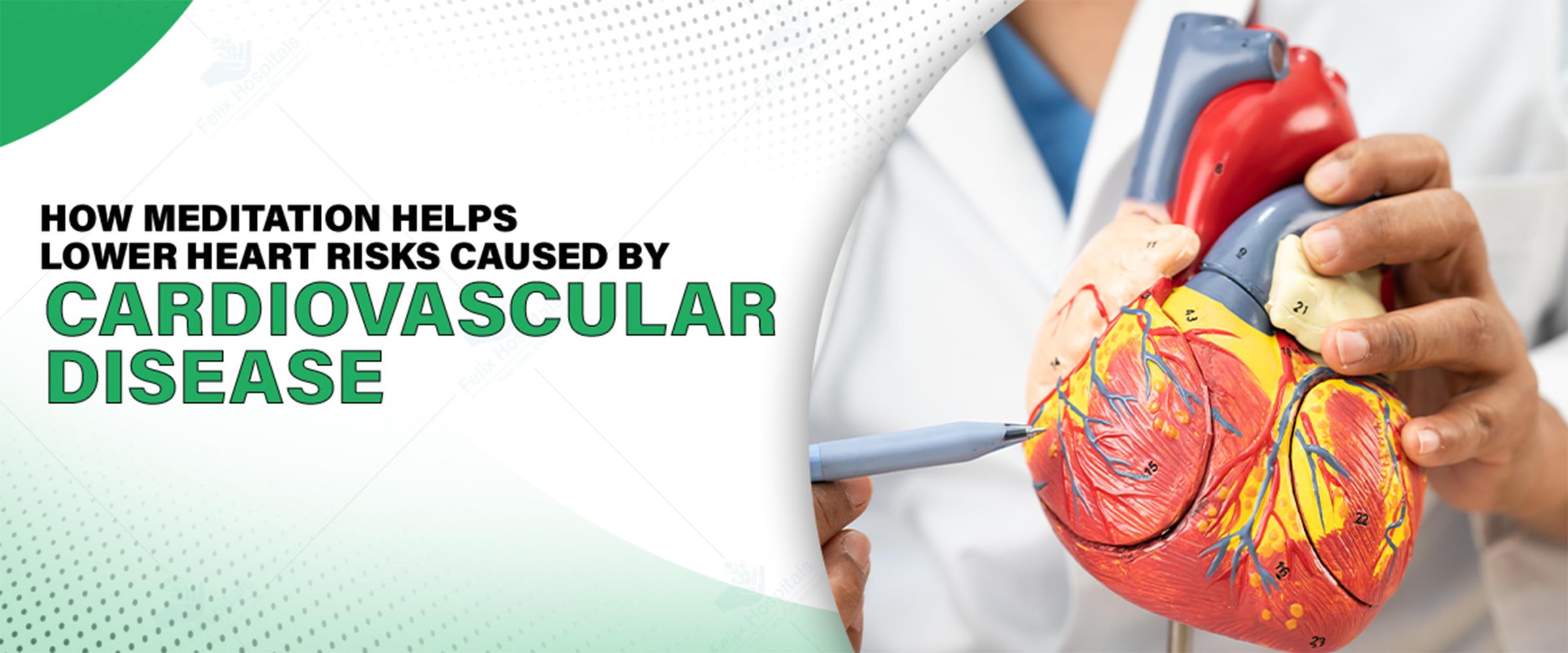
Cardiovascular disease (CVD) is among the biggest killers in the world, and its risk factors—high blood pressure, high levels of stress, and bad lifestyle choices—still plague millions. While medication, surgery, and diet will always be the mainstay of treatment, one of the most underused friends of the heart is meditation. According to the best heart hospital in Noida, increasing evidence is pointing to regular meditation as a major reducer of heart risk factors related to cardiovascular disease by addressing both physical and emotional causes of heart issues.
In this blog, we will discuss how meditation functions, its precise benefits for heart health, and the way you can simply include it in your everyday lifestyle.
Make meditation a part of your daily life and experience the difference in your stress levels, sleep, and energy. It's an effortless switch with strong heart benefits. Call us right now at +91 9667064100.
Meditation is more than a spiritual or cerebral practice—it has documented physiological consequences to the body. Consistently practiced, meditation will decrease blood pressure, inflammation, increase emotional regulation, and soothe the nervous system. All these alterations have positive effects on cardiovascular health.
The relationship between stress and cardiovascular disease is well established. Stress triggers the body's "fight or flight" mechanism, causing increased cortisol levels, an accelerated heart rate, and hypertension. These consequences over time can tax the cardiovascular system, causing heart attacks, arrhythmias, and strokes.
Meditation reverses this process by activating the parasympathetic nervous system—the body's "rest and digest" state—calming the body and decreasing the stress hormone cortisol. The cumulative effects can be significant for heart health with regular practice.
1. Lowers Blood Pressure
One of the best-known advantages of meditation is that it can lower blood pressure. High blood pressure is a leading cause of heart failure, strokes, and heart attacks. Meditation triggers a relaxation response, which causes dilation of the blood vessels and also decreases tension in the cardiovascular system, thereby naturally lowering blood pressure levels in the long run.
2. Lowers Stress and Anxiety
Mental and emotional stress have a direct impact on heart health by inducing inflammatory reactions, raising blood pressure, and inducing arrhythmias. Meditation is a drug-free, safe means of controlling stress. Mindfulness, deep breathing, and concentration are some techniques that calm the mind and lower sympathetic nervous system activity, ultimately contributing to a healthier heart.
3. Enhances Sleep Quality
Poor sleeping quality is associated with a range of heart problems, such as high blood pressure, abnormal heartbeat, and high cholesterol. As per the best cardiologist in Noida, meditation has been found to enhance the quality and amount of sleep by quietening the mind, curbing anxiety, and stimulating melatonin secretion—a crucial hormone responsible for sleep.
4. Regulates Heart Rate
Meditation techniques such as breath awareness and guided visualization commonly involve rhythmic, slow breathing. Rhythmic breathing assists in the reduction of resting heart rate and the improvement of heart rate variability (HRV), an influential indicator of heart resilience and adaptability to stress. Improved HRV is related to reduced cardiovascular risk.
5. Promotes Emotional Well-Being
Negative emotions like anger, hostility, and depression can heighten heart disease risks. Meditation promotes emotional awareness and positivity. With time, it reduces reactivity, enhances better coping skills, and improves mood, all contributing to decreased emotional load on the heart.
Though every type of meditation provides some benefit, some are especially beneficial for heart health:
Mindfulness Meditation
Emphasizes moment-to-moment awareness, reducing stress and emotional disturbance.
Loving-Kindness Meditation (Metta)
Fosters compassion, forgiveness, and openness of heart, and reduces hostility and tension.
Guided Meditation
Employing audio or visual guidance to lead the mind toward relaxation and heart-friendliness.
Breathwork and Pranayama
Concentrated breathing exercises enhance oxygen supply, decrease heart rate, and stabilize blood pressure.
Body Scan Meditation
Encourages body awareness and deep relaxation, which aids circulatory well-being.
Various research studies and clinical trials have established the heart benefits of meditation:
A study conducted at AIIMS found that practicing Sudarshan Kriya Yoga, a type of rhythmic breathing-based meditation, significantly reduced systolic and diastolic blood pressure in patients with hypertension. The researchers noted improvement in heart rate variability and reduced stress levels in participants who practiced it regularly.
This research highlighted the role of yogic meditation and pranayama in reducing cardiovascular risk factors. The study concluded that 12 weeks of regular practice led to improved lipid profiles, reduced anxiety, and lower pulse rates in patients with mild to moderate hypertension.
A number of peer-reviewed studies from SVYASA have demonstrated that integrated yoga and meditation programs can lead to significant reduction in blood pressure, improved sleep quality, and lower levels of inflammatory markers in cardiac patients.
Researchers at PGIMER observed that patients with coronary artery disease who engaged in mindfulness-based stress reduction (MBSR) and yogic practices experienced fewer angina episodes, decreased anxiety, and improved overall cardiovascular fitness over 3 months.
There's no need for special equipment or marathon study sessions to start a meditation practice. These are easy steps to get started:
Find a Peaceful Place: Pick a peaceful and cozy spot where you will not be interrupted.
Set a Timer: Start with only 5–10 minutes a day and increase as you become more relaxed.
Bring Your Attention to Your Breath: Inhale slowly through the nose and out through the mouth. Attend to each exhale and inhale.
Use Guided Apps: Plenty of free and paid apps provide guided meditations aimed directly at reducing stress and improving heart health.
Be Consistent: Daily practice of meditation is the most effective. Even a few minutes a day can pay dividends in the long run.
Heart health isn't about pills and procedures—it's also about tending to the mind and soothing the body. Meditation is a natural, simple, and powerful method for lowering the risks of cardiovascular disease. Regular practice can help lower blood pressure, enhance emotional strength, and ease the load on the heart.
Adding meditation to a heart-healthy life is a choice that yields immediate tranquility along with long-term rewards. If you want to support heart health holistically, initiating a practice of meditation could be the most significant step you ever take.
Q1. Can meditation truly benefit me if I already have a heart condition, or is it only for prevention?
Ans: Yes, meditation is helpful even for individuals with current heart conditions, as it can decrease stress, lower blood pressure, and enhance heart rate variability. It's not only preventive—it also aids in recovery and continued heart health.
Q2. How long before benefits for the heart can be seen through meditation?
Ans: Although relaxation is immediate and can occur following a single session, benefits to heart health, such as reduced blood pressure and improved emotional regulation, usually emerge with regular practice over 6–8 weeks.
Q3. Is there an optimal time of day to meditate for heart benefits?
Ans: Morning meditation stabilizes stress levels throughout the day, yet evening meditation sessions are perfect for better sleep. The most important thing is consistency, not the timing.
Q4. Are guided meditation apps as good as in-person classes for heart health?
Ans: Yes, app-based meditation is helpful for many individuals. As long as the exercise relaxes you, allows for deep breathing, and requires mindfulness, it will enhance your cardiovascular system.
Q5. Do I need to stop my heart medication if I become a regular meditator?
Ans: No. Meditation is a complementary therapy, not a substitute. Always keep your prescribed medications and consult your healthcare provider before making any changes.
Q6. What type of meditation should I begin with if I have anxiety concerning heart problems?
Ans: Mindfulness and breath-centered meditation are kind and successful. These methods facilitate managing anxiety without setting off overwhelming emotions, which makes them heart-friendly and beginner-safe.
Q7. I have trouble sitting still—can movement meditation, such as yogahelp my heart too?
Ans: Yes. Moving meditations, such as yoga, are wonderful for enhancing circulation, reducing stress, and strengthening heart health, particularly if regular meditation is challenging.

Smoking is incredibly damaging to the cardiovascular system. It immediately raises your heart rate and blood pressure, forcing your heart to work harder. This overexertion increases your risk of heart disease.

Your gut and brain share a strong link that impacts your mood, stress levels, and overall health. Learn how maintaining gut health can improve your mental well-being.

प्रोस्टेट पुरुषों में पाई जाने वाली ग्रंथि है। जो ब्लैडर के नीचे और मलाशय के सामने स्थित होती है। इस ग्रंथि से होकर यूरिनमार्ग गुजरता है जो यूरिन और वीर्य दोनों को बाहर निकालता है। प्रोस्टेट का मुख्य कार्य है वीर्य में तरल पदार्थ का निर्माण करना, जो शुक्राणुओं को पोषण और गतिशीलता प्रदान करता है। अगर आपको ऐसे कोई भी लक्षण दीखते है तो आप नोएडा में सर्वश्रेष्ठ हॉस्पिटल से संपर्क कर खुद को समय रहते ठीक कर सकते है। इस ब्लॉग में हम पुरुषों में प्रोस्टेट कैंसर (Prostate cancer) के लक्षण और इलाज के बारे में जानेंगे।
अगर आप भी इस समस्या के लक्षण महसूस कर रहे है, तो एक बार अच्छे यूरोलॉजिस्ट से सलाह अवश्य लें। हमे आज ही कॉल करें +91 9667064100।
प्रोस्टेट कैंसर का स्टेज निर्धारण (Staging of Prostate Cancer)
जागरूकता और जीवनशैली की भूमिका (Role of Awareness and Lifestyle)
पुरुषों में प्रोस्टेट कैंसर को लेकर पूछे जाने वाले सवाल (FAQs about prostate cancer in men)
प्रोस्टेट कैंसर पुरुषों में होने वाला कैंसर है। यह पुरुषों में पाई जाने वाली एक ग्रंथि प्रोस्टेट में उत्पन्न होता है। यह आकार में अखरोट के समान होती है। जब प्रोस्टेट की कोशिकाएं अनियंत्रित रूप से बढ़ती के बाद एक गांठ (ट्यूमर) का निर्माण करती हैं। इसी स्थिति को प्रोस्टेट कैंसर कहते है। प्रोस्टेट एक छोटी लेकिन अत्यंत महत्वपूर्ण ग्रंथि है जो मूत्राशय के नीचे और मलाशय (रेक्टम) के ठीक सामने स्थित होती है। इसी ग्रंथि के बीच से मूत्रमार्ग (यूरेथ्रा) गुजरता है, जो यूरिन और वीर्य दोनों को शरीर से बाहर निकालने का कार्य करता है। प्रोस्टेट ग्रंथि (Prostate Gland) का मुख्य कार्य वीर्य (सीमेन) में वह तरल पदार्थ बनाना है जो शुक्राणुओं को पोषण और गतिशीलता प्रदान करता है। यह पुरुष की प्रजनन क्षमता और यौन स्वास्थ्य में अहम भूमिका निभाता है। उम्र बढ़ने के साथ इस ग्रंथि का आकार बढ़ता है। इसे बिनाइन प्रोस्टेटिक हाइपरप्लासिया (बीपीएच) कहते हैं।
शरीर की कोशिकाएं एक निश्चित क्रम और गति से विभाजित होने के बाद समय आने पर मरती हैं। मगर जब किसी कोशिका के डीएनए में कोई बदलाव हो, तब वह कोशिका नियंत्रण से बाहर हो जाती है। इस कारण वह न तो मरती है न विभाजित होती है , ऐसी कोशिकाएं अनियंत्रित रूप से बढ़ती हैं। यही एकत्र होने के बाद ट्यूमर कारण बनती हैं। अगर कोशिकाएं आसपास के ऊतकों में प्रवेश करने लगें या रक्त और लसीका तंत्र के माध्यम से शरीर के अन्य भागों में फैल जाएं तो इसे कैंसर कहते हैं। प्रोस्टेट कैंसर में यही म्यूटेशन प्रोस्टेट ग्रंथि की कोशिकाओं में होता है जिससे यह रोग होता है।
प्रोस्टेट कैंसर से प्रभावित होने की संभावना कुछ विशेष कारकों के आधार पर बढ़ती है:
50 वर्ष से ऊपर के पुरुषों में प्रोस्टेट कैंसर का खतरा ज्यादा होता है। यह बीमारी युवाओं की तुलना में वृद्ध पुरुषों में ज्यादा होती है।
अगर किसी पुरुष को प्रोस्टेट कैंसर हो चुका है, तो उस व्यक्ति में भी इसके होने की संभावना ज्यादा होती है।
अधिक वसायुक्त भोजन, मोटापा और व्यायाम की कमी प्रोस्टेट कैंसर का जोखिम बढ़ाती हैं। असंतुलित जीवनशैली से शरीर में हार्मोनल असंतुलन उत्पन्न करता है, जो इस बीमारी को जन्म देता है।
पुरुष हार्मोन टेस्टोस्टेरोन की अधिक मात्रा भी प्रोस्टेट कैंसर की कोशिकाओं को बढ़ने में सहायक होती है।
ब्राका-2 म्यूटेशन यानी यह एक विशेष आनुवंशिक म्यूटेशन है जो किसी पुरुष में पाया जाए, तो उसमें प्रोस्टेट कैंसर का जोखिम अधिक होता है।
प्रोस्टेट कैंसर की शुरुआत अक्सर बिना लक्षण के होती है, लेकिन जैसे-जैसे यह बढ़ता है, कुछ शारीरिक संकेत दिखाई देने लगते हैं।
बार-बार पेशाब आना यानी विशेष रूप से रात में बार-बार उठकर पेशाब जाना।
धीमी यानी रुकी हुई पेशाब की धारा यानी पेशाब करने में समय लगना या धारा का रुक-रुककर आती है।
पेशाब करते समय जलन व दर्द यानी सूजन या संक्रमण के कारण मूत्रमार्ग में जलन महसूस होती है।
मूत्र व वीर्य में खून आना व यह प्रोस्टेट ग्रंथि या मूत्रनली में सूजन या घाव का संकेत होता है।
पीठ, कूल्हे या जांघों में लगातार दर्द यानी हड्डियों तक कैंसर फैलने का संकेत होता है।
अचानक वजन कम होना और थकान व कैंसर कोशिकाओं की वृद्धि शरीर की ऊर्जा को खर्च करती है।
प्रोस्टेट कैंसर की पुष्टि के लिए कई तरह की जांचें की जाती हैं, इनमें से कुछ शुरुआती स्क्रीनिंग के लिए होती हैं।
यह एक ब्लड टेस्ट है जो खून में पीएसए नामक प्रोटीन की मात्रा को मापता है। पीएसए का उच्च स्तर प्रोस्टेट कैंसर, बीपीएच (सामान्य बढ़ी हुई ग्रंथि) या प्रोस्टेट संक्रमण का संकेत होता है।
डॉक्टर दस्ताने पहनकर मलाशय के रास्ते से उंगली द्वारा प्रोस्टेट ग्रंथि को महसूस करते हैं। इसमें प्रोस्टेट का आकार, कठोरता, गांठ या असमानता का पता लगाते है। यह एक तेज और बिना तकनीक के मूल्यांकन का तरीका है।
प्रोस्टेट की सोनोग्राफी जो मलद्वार के माध्यम से की जाती है। इससे ग्रंथि के आकार और उसमें मौजूद किसी भी असामान्यता का पता चलता है। इसकी मदद से बायोप्सी भी की जाती है।
पीएसए या डीआरई में असामान्यता हो एमआरआई या सीटी स्कैन जांचें यह पता लगाने में मदद करती हैं कि ट्यूमर केवल प्रोस्टेट तक सीमित है या आसपास के ऊतकों में फैला है। विशेष रूप से मल्टीपैरामीट्रिक एमआरआई का प्रयोग अधिक सटीकता के लिए होता है।
ट्रस या एमआरआई गाइडेंस के माध्यम से सुई द्वारा प्रोस्टेट से ऊतक का नमूना लेते हैं। इसे लैब में जांच कर देखते हैं कि कैंसर कोशिकाएं मौजूद हैं या नहीं। ग्लीसन स्कोर के जरिए यह आंकते है कि कैंसर कितना आक्रामक है, बायोप्सी से प्रोस्टेट कैंसर की अंतिम पुष्टि होती है।
प्रोस्टेट कैंसर का इलाज तय करने से पहले यह जानना अत्यंत आवश्यक होता है कि कैंसर शरीर में किस स्तर तक फैला है। इसके लिए चिकित्सक मुख्य रूप से तीन प्रमुख मानकों का उपयोग करते हैं। टीएनएम स्टेजिंग प्रणाली, ग्लीसन स्कोर और यह आकलन कि कैंसर प्रोस्टेट तक सीमित है या शरीर के अन्य भागों तक फैल चुका है। टीएनएम स्टेजिंग प्रणाली एक अंतरराष्ट्रीय रूप से स्वीकृत पद्धति है जिसका उपयोग कैंसर के फैलाव की स्थिति को समझने के लिए किया जाता है। इसमें तीन घटक होते हैं — टी (ट्यूमर), एन (नोड्स) और एम (रूप-परिवर्तन)।
टी (ट्यूमर): दर्शाता है कि प्रोस्टेट ग्रंथि के भीतर कैंसर कितनी मात्रा में मौजूद है या कितना फैला है। टी 1 वह अवस्था है जब कैंसर बहुत छोटा होता है और सामान्य जांच (जैसे डीआरई या इमेजिंग) से पकड़ में नहीं आता, बल्कि केवल बायोप्सी द्वारा ही पहचाना जाता है। टी 2 वह स्थिति होती है जब कैंसर पूरी तरह प्रोस्टेट ग्रंथि तक ही सीमित रहता है। टी 3 में कैंसर प्रोस्टेट से बाहर निकल चुका होता है और सीमेन वेसिकल्स जैसे आस-पास के ऊतकों को प्रभावित करता है। टी 4 वह अवस्था है जब कैंसर मूत्राशय, मलाशय या अन्य समीपवर्ती अंगों में भी फैल चुका होता है।
एन (नोड्स): से यह पता चलता है कि क्या कैंसर लिम्फ नोड्स (Lymph nodes) तक फैला है या नहीं। एन 0 का अर्थ है कि कैंसर लिम्फ नोड्स में नहीं पहुंचा है। एन 1 बताता है कि कैंसर अब लिम्फ नोड्स में भी मौजूद है।
एम (रूप-परिवर्तन): यह दर्शाता है कि क्या कैंसर शरीर के दूरस्थ भागों में फैल गया है। एम 0 का तात्पर्य है कि कैंसर शरीर के अन्य भागों (जैसे हड्डियों, फेफड़ों) तक नहीं फैला है। एम 1 दर्शाता है कि कैंसर शरीर के दूरस्थ अंगों तक पहुंच चुका है।
इसी के साथ, ग्लीसन स्कोर प्रोस्टेट कैंसर की आक्रामकता को मापने के लिए उपयोग किया जाता है। यह स्कोर प्रोस्टेट बायोप्सी में देखी गई कैंसर कोशिकाओं के दो प्रमुख प्रकारों की ग्रेडिंग पर आधारित होता है: प्राथमिक और द्वितीयक। इन दोनों का जोड़ ही ग्लीसन स्कोर कहलाता है, जो सामान्यतः 2 से 10 के बीच होता है। यदि स्कोर 6 या उससे कम है तो इसे धीमी गति वाला या निम्न ग्रेड कैंसर माना जाता है। 7 का स्कोर मध्यम जोखिम (मध्यवर्ती जोखिम) को दर्शाता है और इसमें भी 3+4 की तुलना में 4+3 अधिक आक्रामक होता है। यदि स्कोर 8 से 10 के बीच है तो यह अत्यधिक आक्रामक और तेजी से फैलने वाला कैंसर माना जाता है, जिसे उच्च ग्रेड कहते हैं। इन दोनों सूचकों के आधार पर प्रोस्टेट कैंसर को दो मुख्य श्रेणियों में बांटा जाता है। लोकलाइज्ड कैंसर और मेटास्टेटिक कैंसर।
लोकलाइज्ड प्रोस्टेट कैंसर: वह होता है जो पूरी तरह प्रोस्टेट ग्रंथि तक सीमित रहता है (टी 1 या टी 2)। ऐसे मामलों में उपचार की सफलता की संभावना अधिक होती है और मरीजों को सक्रिय निगरानी (सक्रिय निगरानी), शल्यचिकित्सा (सर्जरी) या विकिरण चिकित्सा (विकिरण चिकित्सा) जैसे विकल्प दिए जा सकते हैं।
मेटास्टेटिक प्रोस्टेट कैंसर: वह होता है जिसमें कैंसर प्रोस्टेट से बाहर निकलकर अन्य अंगों जैसे हड्डियों या लिम्फ नोड्स (टी3, टी4, एन1, एम1) तक पहुंच चुका होता है। ऐसे मामलों में इलाज अधिक जटिल होता है और इसका उद्देश्य रोग को नियंत्रित करना तथा रोगी के जीवन की गुणवत्ता को बनाए रखना होता है। इसके लिए हार्मोन थेरेपी, कीमोथेरेपी और अन्य उन्नत औषधीय विकल्पों का प्रयोग किया जाता है।
प्रोस्टेट कैंसर के इलाज तीन बातों पर निर्भर करता है, पहला: कैंसर किस स्टेज में है, दूसरा: ग्लीसन स्कोर कितना है, तीसरा: रोगी की उम्र कितनी है।
अगर कैंसर धीमी गति से बढ़ने वाला हो तो सक्रिय निगरानी बेहतर विकल्प है। इसमें इलाज की निगरानी की जाती है। इसमें पीएसए परीक्षण, डिजिटल रेक्टल परीक्षण समय-समय पर बायोप्सी की जाती है। जिससे संभावित वृद्धि को समय रहते पहचाना जा सके। इसका लाभ यह है कि अनावश्यक इलाज से बचा जा सकता है। मगर कैंसर बढ़ जाए और समय पर पता न चले, तो स्थिति जटिल हो सकती है। इसलिए निगरानी अत्यंत आवश्यक है।
-जब कैंसर केवल प्रोस्टेट ग्रंथि तक सीमित हो और रोगी 75 वर्ष से अधिक हो तो वहां सर्जरी (रेडिकल प्रोस्टेटेक्टॉमी) विकल्प है। इस प्रक्रिया में प्रोस्टेट ग्रंथि को शरीर से हटाते है। यह सर्जरी दो प्रकार से की जा सकती है पारंपरिक ओपन सर्जरी के माध्यम। इसमें रक्तस्राव कम होता है और रोगी जल्द सही होता है। हालांकि सर्जरी के बाद इरेक्टाइल डिस्फंक्शन (erectile dysfunction) और पेशाब रोकने में परेशानी हो सकती है।
-प्रोस्टेट कैंसर के इलाज में रेडियोथेरेपी तब की जाती है जब कैंसर का जोखिम कम या मध्यम हो। इसमें दो प्रकार की तकनीकें शामिल हैं। जिनमें पहली बाह्य बीम विकिरण चिकित्सा में कैंसर ग्रस्त भाग पर बाहर से उच्च ऊर्जा किरणें डाली जाती हैं। दूसरी ब्रैकीथेरेपी में प्रोस्टेट ग्रंथि के भीतर छोटे रेडियोधर्मी बीज प्रत्यारोपित किए जाते हैं जो धीरे-धीरे विकिरण छोड़ते हैं। यह विधि प्रभावी है, लेकिन इसके दुष्प्रभावों में यूरिन मार्ग में जलन या मल त्याग में कठिनाई होती है।
-अगर कैंसर शरीर में अधिक फैल चुका हो तो हार्मोन थेरेपी एण्ड्रोजन डेप्रिवेशन थेरेपी (एडीटी) अपनाई जाती है। प्रोस्टेट कैंसर की कोशिका टेस्टोस्टेरोन नामक पुरुष हार्मोन पर निर्भर करती हैं। एडीटी से शरीर में टेस्टोस्टेरोन के स्तर को घटाया व रोका जाता है। हालांकि इस पद्धति के सामान्य दुष्प्रभावों में थकावट, यौन इच्छा में कमी और हड्डियों की कमजोरी शामिल हैं।
-कीमोथेरेपी में विशेष औषधियों का प्रयोग किया जाता है जो कैंसर कोशिकाओं को समाप्त करने का कार्य करती हैं। यह विधि विशेष रूप से मेटास्टेटिक या उन्नत अवस्था वाले कैंसर में प्रभावी होती है। हालांकि इसके दुष्प्रभावों में बाल झड़ना, अत्यधिक थकान का खतरा होता है।
प्रोस्टेट कैंसर के इलाज के में जागरूकता और स्वस्थ जीवनशैली महत्वपूर्ण भूमिका निभाती है।
सही आहार:
संतुलित और एंटीऑक्सिडेंट युक्त आहार प्रोस्टेट कैंसर के जोखिम को कम करने में मददगार हो सकता है।
इन पदार्थों का सेवन करेंः
हरी सब्जी, टमाटर, गाजर, पत्तेदार साग
फल, खासकर अनार, अंगूर, बेरी
साबुत अनाज
मछली (ओमेगा-3 फैटी एसिड युक्त)
सोया, ग्रीन टी
इन चीजों से बचें:
रेड मीट और प्रोसेस्ड मीट
ज्यादा फैट, खासकर सैचुरेटेड फैट
अधिक डेयरी प्रोडक्ट्स
ज़्यादा मीठा और तले हुए खाद्य पदार्थ
शारीरिक सक्रियताः
सप्ताह में कम से कम 150 मिनट की मध्यम एक्सरसाइज़ (जैसे वॉक, साइकलिंकी, योग फायदेमंद है।
व्यायाम से हार्मोनल संतुलन ठीक रहता है, शरीर की रोग-प्रतिरोधक क्षमता बढ़ती है और तनाव कम होता है। मोटापा कम होने से प्रोस्टेट कैंसर का रिस्क घटता है।
तनाव प्रबंधनः
मेडिटेशन, प्राणायाम, संगीत, परिवार के साथ समय बिताना या मनपसंद गतिविधि तनाव कम करने में मदद करती हैं।
मानसिक स्वास्थ्य, कैंसर के इलाज की प्रक्रिया में भावनात्मक संतुलन बनाए रखने के लिए आवश्यक है।
नियमित स्वास्थ्य जांचः
50 वर्ष के बाद (या अगर पारिवारिक इतिहास हो तो 45 वर्ष से ही) नियमित पीएसए टेस्ट और डीआरई रोग कराना चाहिए।
समय पर पहचान होने से इलाज जल्दी और सफलतापूर्वक हो सकता है।
प्रोस्टेट कैंसर पुरुषों में होने वाला एक सामान्य लेकिन गंभीर कैंसर है, जो प्रोस्टेट ग्रंथि (prostate gland) में होता है। प्रोस्टेट कैंसर अक्सर धीरे-धीरे बढ़ता है, लेकिन कुछ मामलों में यह आक्रामक भी हो सकता है। समय रहते नोएडा में अच्छा यूरोलॉजिस्ट से मिलना ज़रूरी है। इसका इलाज यूरोलॉजिस्ट करते हैं, वह यूरि-प्रणाली और पुरुष जननांगों के विशेषज्ञ होते हैं। ये प्रोस्टेट कैंसर की प्राथमिक जांच, बायोप्सी और सर्जरी करते हैं। यदि कैंसर सीमित है, तो यूरिलॉजिस्ट ही इलाज करते हैं।
अभी अपॉइंटमेंट शेड्यूल करें – कॉल करें: +91 9667064100
समय रहते हमे कॉल करें और आज ही जांच के लिए अपना रजिस्ट्रेशन करें।
प्रोस्टेट कैंसर एक गंभीर बीमारी है, लेकिन यह इलाज योग्य बीमारी है। अगर समय रहते जांच करवाई जाए, जैसे पीएसए टेस्ट और डीआरई, तो रोग की शुरुआती अवस्था में पहचान से इलाज अधिक सफल और कम जटिल होता है। इसलिए किसी भी संदेहजनक लक्षण को नज़रअंदाज न करें। बीच-बीच में यूरोलॉजिस्ट की सलाह लें और इलाज की सही दिशा में कदम बढ़ाएं। कैंसर होने पर परिवार का सहयोग और भावनात्मक साथ बेहद जरूरी होता है। लोगों को चाहिए कि डर और भ्रम की जगह जानकारी और जागरूकता को अपनाएं। नोएडा में इलाज की कीमत को लेकर भी लोग अक्सर भ्रमित रहते हैं, लेकिन सही जानकारी और विशेषज्ञ की सलाह से यह निर्णय लेना आसान हो सकता है।
प्रश्न 1. क्या प्रोस्टेट कैंसर का इलाज संभव है?
उत्तर: अगर प्रोस्टेट कैंसर शुरुआती अवस्था में हो तो इलाज संभव है। सर्जरी, रेडियोथेरेपी, हार्मोन थेरेपी जैसे कई विकल्प उपलब्ध हैं।
प्रश्न 2. पीएसए टेस्ट क्या होता है और कब करवाना चाहिए?
उत्तर: पीएसए (प्रोस्टेट-विशिष्ट एंटीजन) एक ब्लड टेस्ट है जो प्रोस्टेट ग्रंथि से निकलने वाले प्रोटीन की मात्रा को मापता है।
प्रश्न 3. क्या प्रोस्टेट कैंसर केवल बुजुर्गों में होता है?
उत्तर: यह अधिकतर मामलों में 50 वर्ष के बाद होता है। लेकिन कुछ मामलों में 40 की उम्र के बाद भी इसके लक्षण देखे जाते हैं।
प्रश्न 4. क्या प्रोस्टेट कैंसर का इलाज यौन जीवन को प्रभावित करता है?
उत्तर: कुछ इलाज जैसे सर्जरी या रेडियोथेरेपी के बाद इरेक्टाइल डिस्फंक्शन (erectile dysfunction) या सेक्स ड्राइव में कमी दिखती है।
प्रश्न 5. क्या प्रोस्टेट कैंसर से बचाव संभव है?
उत्तर: पूरी तरह नहीं, लेकिन जोखिम को कम किया जा सकता है। इसके लिए स्वस्थ आहार यानि कम फैट, ज्यादा सब्जी खाएं। नियमित व्यायाम करे। धूम्रपान से दूरी बनाए। समय-समय पर जांच कराए।
प्रश्न 6. प्रोस्टेट कैंसर और बीपीएच में क्या अंतर है?
उत्तर: बीपीएच (सौम्य प्रोस्टेटिक हाइपरप्लासिया) एक सामान्य वृद्धि है जो प्रोस्टेट ग्रंथि को बढ़ाती है लेकिन यह कैंसर नहीं है। जबकि प्रोस्टेट कैंसर में कोशिकाएं अनियंत्रित रूप से बढ़ती हैं। अन्य अंगों में फैलती हैं।
प्रश्न 7. इलाज की अवधि कितनी होती है?
उत्तर: इलाज का समय कैंसर की स्टेज (stage of cancer) और चुने गए उपचार पर निर्भर करता है। कुछ मरीजों को केवल निगरानी में रखा जाता है। जबकि कुछ को कई महीनों तक सर्जरी, रेडियोथेरेपी या हार्मोन थेरेपी (Hormone Therapy) की जरूरत पड़ती है।
प्रश्न 8. इलाज के बाद क्या फॉलोअप जरूरी होता है?
उत्तर: इलाज के बाद नियमित पीएसए टेस्ट (PSA test) और यूरोलॉजिस्ट की फॉलोअप जांच बहुत जरूरी होती है। जिससे बीमारी की वापसी को समय रहते पकड़ा जा सके।

Prostate cancer is a type of cancer that occurs in the prostate gland, a small walnut-shaped gland responsible for producing seminal fluid, which nourishes and transports sperm.
Explore the connection between diabetes, neurological disorders, and other health issues that contribute to OAB symptoms.

Find the best urologist for your child's UTI with expert care and treatment.
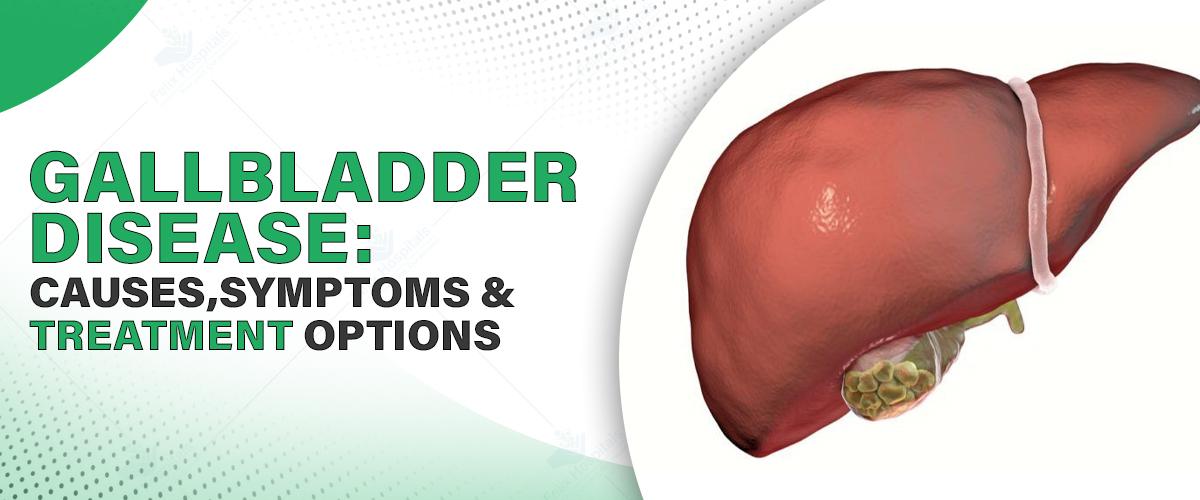
Gallbladder disease is a prevalent digestive disorder that usually arises from the existence of gallstones. Small, hardened bits of material that build up in the bile ducts can clog bile flow, leading to swelling, infection, and a lot of pain. The surgery to remove the gallbladder is usually the most extreme option. This blog shall offer a complete overview of gallbladder disease, its causes, signs, risk factors, treatment, and recovery. Before selecting a surgeon for gallbladder disease, consult the best laparoscopic treatment hospital in Noida for trusted advice.
Are you experiencing persistent abdominal pain or digestive discomfort? Don’t wait. Call us today at +91 9667064100.
The gallbladder is a small, pear-shaped organ lying under the liver. It has the main function of storing and releasing bile, a fluid produced by the liver that aids in the breakdown of fats in the small intestine. Gallbladder disease refers to several conditions that disrupt this organ's function, such as gallstones, inflammation, infections, and even cancer.
Gallbladder illness may be caused by the organ itself or by the bile ducts that are attached to it. As these ducts are common with other organs involved in digestion, any issue may be able to affect the liver, pancreas, and overall digestive health.
Gallstones (Cholelithiasis): The most common problem, gallstones are hardened bits created by extra cholesterol or bilirubin in bile. Some individuals can coexist with gallstones with no symptoms, while others can experience excruciating pain if a stone obstructs a bile duct.
Cholecystitis: Gallbladder inflammation, typically as a result of gallstones. Severe abdominal pain, fever, and vomiting result from acute cholecystitis. Scarring, gangrene, or rupture of the gallbladder may follow chronic cases.
Biliary Dyskinesia: The inability of the gallbladder to empty bile because of an issue with its motility. It is similar to gallstones and may need to be treated surgically.
Cancer of the Gallbladder: Although rare, gallbladder cancer can be a life-threatening diagnosis that is usually found later in its stages. Suspect growths should be surgically removed early.
Cholangiopathy: A collection of diseases of the bile duct, most often causing inflammation, infection, or constriction (strictures). Damage can impair both gallbladder and liver function for a long time.
Symptoms depend on the underlying cause but can consist of:
Severe pain in the upper right part of the abdomen (after meals)
Nausea and vomiting
Fever and chills
Jaundice (yellow color of the skin or eyes)
Dark-colored urine
Pale-colored stools
Digestive discomfort, bloating, or gas
These symptoms often appear suddenly and can last for several hours. It is important to get medical care in case of such signs.
Several risk factors are responsible for gallbladder disease:
High-cholesterol diet
Obesity (particularly with a BMI > 30)
Age ≥ 40 years
Female gender (due to hormonal factors such as estrogen)
Pregnancy or hormone replacement
Family history of gallbladder disease
Diabetes and Crohn's disease
Liver conditions such as cirrhosis
Certain ethnicities, particularly Native American or Mexican ethnicity
Physicians start with a careful symptom and medical history review. Physical examination can demonstrate abdominal pain, particularly in the upper right quadrant. Some of the diagnostic tests include:
Ultrasound: Initial imaging to identify gallstones and inflammation.
HIDA Scan: Assesses gallbladder function and bile flow.
Blood Tests: To identify infection, liver function, and inflammation.
CT Scan or MRI: For advanced imaging of the gallbladder and bile ducts.
Endoscopic Ultrasound (EUS) or ERCP: To identify and, at times, treat obstructions or remove gallstones.
Pain control and antibiotics are the initial interventions for inflammation or infection. These are often temporary measures, though.
In certain situations, an endoscope is employed to remove gallstones, insert stents, or drain abscesses, providing a minimally invasive alternative.
The most conclusive treatment is gallbladder removal, particularly in cases involving repeated gallstones or chronic cholecystitis. There are two main methods:
Laparoscopic Cholecystectomy: A minimally invasive procedure involving small cuts. Patients tend to recover rapidly and leave within 24–48 hours.
Open Surgery: Used for complicated conditions like severe infection, abscess, or gallbladder cancer.
Post-operative recovery differs with the surgery method:
Laparoscopic surgery usually enables a return to normal activity in 1 to 2 weeks.
Open surgery can take as much as 6 weeks to recover from.
Patients can have the following symptoms during the first few days after the surgery:
Abdominal pain or bloating
Changes in bowel habits, which are reversible
Fatigue
Dietary adjustments involve limiting fatty, greasy foods and eating high-fiber, easily tolerated foods. Most people adapt well and can resume a normal diet in a few months.
Untreated gallbladder disease can cause:
Severe infections (cholangitis, peritonitis)
Damage to the liver or cirrhosis
Pancreatitis (inflammation of the pancreas)
Rupture or gangrene of the gallbladder
Early diagnosis and treatment are critical to avoid long-term complications.
The cost of gallbladder removal surgery in India depends on:
Surgical technique (laparoscopic vs. open)
City and hospital facility
Hospital stay
Pre- and post-operative care
On average, gallbladder surgery in India will cost between ₹50,000 to ₹1.5 lakhs. Laparoscopic procedures will be a little higher but result in quicker recovery and fewer complications. It's better to approach the top laparoscopic surgeon in your city for a customized estimate.
You should consult the best laparoscopic surgeon in Noida if you experience any of the following conditions:
Recurring stomach pain, particularly after meals
Nausea or vomiting
Jaundice or fever
Loss of weight without reason
Early consultation leads to quicker relief and avoids complications.
Are you worried about the symptoms of your gallbladder or the cost of surgery? Schedule a consultation at the best hospital for gallbladder treatment.
Gallbladder disease may be prevalent, but it is incredibly curable if you catch it early. Thanks to today's diagnostic technologies and laparoscopic surgery, patients are back to their normal lives in no time. Always seek serious digestive issues and visit the top doctor or specialist in your area for professional examination and treatment. Take action on time, and your gallbladder—your life—may be saved.
Stay proactive. Listen to your gut. Your digestive health matters.
Q1. How long can someone live with gallstones without symptoms?
Ans: Many people live with silent gallstones for years without knowing it. If gallstones aren’t causing symptoms, they often don’t require treatment. However, regular monitoring is important because symptoms can develop unexpectedly, and complications like inflammation or infection can arise if left unchecked.
Q2. Is it possible to dissolve gallstones naturally or with diet changes?
Ans: In some cases, small cholesterol-based gallstones may be managed with medications like ursodeoxycholic acid, which can slowly dissolve them. However, this process is slow and doesn’t work for all stone types. Diet changes may reduce symptoms but rarely eliminate gallstones completely.
Q3. What dietary restrictions should be followed after gallbladder removal?
Ans: After gallbladder surgery, patients are usually advised to avoid fatty, fried, and greasy foods for a few weeks. Smaller, frequent meals help digestion. Over time, most people can return to a regular diet, though some may continue to experience mild food sensitivities, especially to high-fat items.
Q4. Can gallbladder disease cause issues with the pancreas or liver?
Ans: Yes, advanced gallbladder disease can affect the pancreas and liver. Gallstones may block the bile duct and cause bile to back up, leading to inflammation in the pancreas (pancreatitis) or liver damage. This makes early diagnosis and treatment critical to prevent further complications.
Q5. Are there any non-surgical treatments for gallbladder polyps?
Ans: Most small gallbladder polyps are benign and monitored with periodic ultrasounds. However, polyps larger than 1 cm or those that grow over time may pose a cancer risk and typically require surgical removal. Currently, there are no effective medications to shrink or treat polyps non-surgically.
Q6. What are the warning signs that gallbladder disease is becoming life-threatening?
Ans: Severe, persistent upper right abdominal pain, fever, yellowing of the skin or eyes (jaundice), vomiting, and confusion are red flags. These may indicate complications like gangrene, perforation, or widespread infection (sepsis). Immediate medical attention is required in such cases.

Understand the factors that influence gallbladder stone surgery cost in Noida, including hospital charges, surgeon expertise, type of procedure, and post-operative care expenses.

Expert gastroenterology care for better digestive health, offering advanced diagnosis and treatment for GERD, IBS, ulcers, and liver disorders.
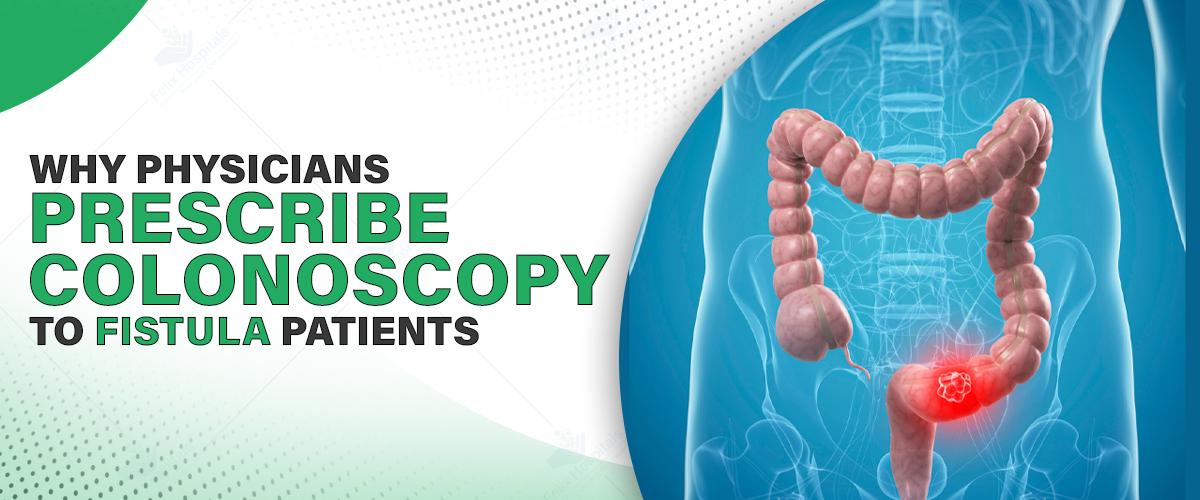
Anal and intestinal fistulas are abnormal tracts that form between two organs within the body or between an internal organ and the skin. These painful, persistent tracts can result in infection, drainage, and lifelong consequences if not diagnosed or treated. Although MRI and CT scanning are key in visualizing fistulas, colonoscopy continues to be essential in determining causes, establishing specific treatments, and enhancing patient outcomes.
Let’s explore why colonoscopy is frequently recommended for fistula patients and how it enhances the diagnostic and therapeutic process.
Ask your care team about scheduling a colonoscopy before imaging or surgery. Call us today at +91 9667064100.
The following ten factors support the doctor’s recommendation of colonoscopy for fistula surgery:
A good many fistulas are associated with underlying conditions such as Crohn's disease or ulcerative colitis, both inflammatory bowel diseases (IBD). External imaging may demonstrate the tract of a fistula, but colonoscopy enables physicians to directly view inflammation, ulcers, or mucosal abnormalities that establish a diagnosis of IBD.
Colonoscopy gives a complete view of large bowel, extending from the rectum to the cecum. This complete, real-time visualization helps in finding:
internal fistula openings
infections
structural abnormalities like scar tissue
polyps or precancerous signs
With the assistance of the best laparoscopic surgeon in Noida, polyps can be removed simultaneously, providing immediate preventative treatment against colorectal cancer.
What is found on colonoscopy has direct implications for the treatment of your fistula:
Straightforward fistulas: May be treated with local surgery like fistulotomy or seton insertion.
Complex or Crohn's fistulas: Typically require a multidisciplinary approach, utilizing a combination of biologic medications and surgery.
Suspicious findings, like polyps or lesions: Can involve further coordination with an oncologist or gastroenterologist.
This sensitivity ensures that each patient receives the right treatment at the right time, without inappropriate intervention.
Colonoscopy has also been demonstrated to enhance long-term results for fistula patients. A colonoscopy detects additional inflammation that is not visible on an external image. Treatment of these findings at the best laparoscopic surgery hospital in Noida can promote healing and lower the risk of recurrence of disease.
Fistulas can be associated with, or hide, severe conditions like colorectal cancer. Colonoscopy is the most effective method for early detection. Direct visualization and removal of precancerous lesions, like adenomatous polyps, are possible.
This type of examination is especially valuable in patients with chronic inflammation or rectal bleeding, where occult malignancy can otherwise be overlooked.
Colonoscopy findings frequently are the basis for a coordinated treatment plan among surgeons, gastroenterologists, and oncologists. In the case of complicated disease, this degree of coordination will ensure that every facet—ranging from controlling inflammation to operating timing—is managed in a smooth and patient-focused manner.
Done in mild sedation, colonoscopy is a safe, outpatient procedure with a rich harvest of diagnostic information. The process is more comfortable than anticipated in most patients, particularly when well-prepared.
The advantages of such a high-yield procedure—detection of disease, cancer prevention, and improved operative planning—far exceed the temporary inconvenience of bowel preparation.
Patients who are preparing for fistula repair can achieve bowel cleansing as part of their pre-operative routine. Colonoscopy aligns well with the process and allows providers to assess the bowel's readiness for repair. With instructions on the use of soothing creams, bidets, or soft wipes, discomfort during preparation can be reduced—making it more bearable even for patients with active fistulas.
Omitting colonoscopy prior to fistula surgery can lead to overlooked diagnoses or unsuccessful treatments. Surgeons might go ahead and operate without understanding the degree of internal inflammation or the presence of polyps or masses. Colonoscopy provides a detailed internal map—assisting in avoiding failed repairs or multiple operations.
For IBD or recurrent fistula patients, colonoscopy is not a standalone appointment—it's a part of ongoing monitoring of disease. Regular follow-ups allow evaluation of disease activity, assessment of drug efficacy, and identification of changes in the lining of the intestine that can predict future problems.
Schedule your colonoscopy today and take a proactive step toward full healing.
Colonoscopy is more than a cursory test for fistula patients—it's a thorough, diagnostic, and preventive procedure that enhances the outcome of surgery, individualizes care, and minimizes the risk of severe complications such as cancer or repeated surgery. When synchronized with the proper team of medical professionals, colonoscopy becomes a cornerstone of safe and effective fistula management.
From identifying hidden diseases to guiding complex treatment decisions, colonoscopy plays a central role in delivering the best possible care.
Q1. Is a colonoscopy necessary if an MRI already shows the fistula?
Ans: Yes. MRI maps the fistula tract, but colonoscopy can detect inflammation, ulcers, or polyps—critical details that an MRI cannot reveal.
Q2. Can colonoscopy worsen my fistula?
Ans: It's extremely uncommon. Done with caution under sedation, colonoscopy is safe. The majority of patients accept it well if they are well-prepared.
Q3. What happens if colonoscopy identifies Crohn's disease?
Ans: You could be placed on specific treatments such as biologic medications to manage inflammation prior to or following surgery—minimizing healing time and recurrence.
Q4. Will an oncologist be part of my treatment?
Ans: Only in the event that colonoscopy detects polyps or lesions that need follow-up evaluation. This facilitates early detection of cancer and planned intervention, if needed.
Q5. How much does a colonoscopy cost?
Ans: Although it does incur an added expense to overall care, early disease detection and prevention of repeated surgeries usually makes colonoscopy a cost-saving measure.
Q6. How often should I repeat colonoscopy if I have IBD?
Ans: For Crohn's or ulcerative colitis patients, repeat colonoscopies every 1–3 years as indicated, depending on disease severity and history.
Q7. Are there no-sedation colonoscopy options?
Ans: Yes, but the majority of patients like to have mild sedation for comfort. It relaxes the anxiety and enhances the quality and success of the procedure.
Anal fissures, perianal abscesses, and anal fistulas are common anorectal disorders that can significantly impact an individual's quality of life.

Cervical cancer is most common in women after breast cancer. Cervical cancer starts from the cervix, i.e., the cervix. The cervix is the lower part of the uterus that connects the vagina to the uterus.

Head and neck cancers are a heterogeneous group of cancers that can involve essential regions like the mouth, throat, voice box, and nasal passages. They are especially worrisome because of their proximity to vital organs and potential to affect simple activities such as speaking, eating, breathing, and making facial expressions. Head and neck cancers are treatable, however, even though serious, especially if found early.
This blog aims to provide a clear and comprehensive understanding of head and neck cancer, including its causes, symptoms, risk factors, and available treatment options. Raising awareness is crucial, as many early signs may seem minor or mimic common illnesses. However, consulting the best oncologist in Noida at the right time can lead to early diagnosis and timely treatment—factors that can make the difference between life and death.
If you have any recurring symptoms in your mouth, throat, or neck, get assessed promptly. Call us today at +91 9667064100.
Head and neck cancer involves various kinds of cancers that usually start in the squamous cells covering the moist surfaces of the head and neck. They are the mouth, throat (pharynx), nasal passages, voice box (larynx), and sinuses. A majority of them fall under the category of head and neck squamous cell carcinoma (HNSCC).
This group also includes less common cancers like those found in the salivary glands, which make saliva, and nasopharyngeal cancers, which are in the upper part of the throat behind the nose.
Oral Cancer – Occurs on the lips, gums, tongue, inner cheeks, roof of the mouth, and floor of the mouth.
Salivary Gland Cancer – Starts in the glands that secrete saliva.
Nasal Cavity and Sinus Cancer – Affected areas are in and around the nasal passages.
Nasopharyngeal Cancer – Develops in the upper throat.
Oropharyngeal Cancer – Develops in the middle throat, such as the tonsils and base of the tongue.
Hypopharyngeal Cancer – Develops in the lower throat.
Laryngeal Cancer – Specifically targets the voice box (larynx).
Symptoms depend on where the cancer is, but some warning signs are:
An ongoing sore throat
Pain or trouble swallowing
Hoarseness or a change in voice
Ear pain without infection
A neck or throat lump
A mouth or tongue sore that doesn't heal
Swelling in the jaw or face
Frequent nosebleeds or nasal blockage
Unintentional weight loss
Recurring headaches or facial pain
If you or your loved one is facing any symptoms like this so consult with the best oncologist in Noida for your healthier future.
Certain things make it more likely to get head and neck cancers:
Tobacco Use: The number one cause of head and neck cancer. Cigarettes, cigars, pipes, and smokeless tobacco.
Alcohol Use: Heavy drinking, particularly when combined with tobacco use, greatly raises risk.
Human Papillomavirus (HPV): Increasingly the cause of oropharyngeal cancers, particularly in younger adults.
Betel Nut Chewing: Prevalent in certain regions of Asia, highly associated with oral cancers.
Epstein-Barr Virus (EBV): Linked with nasopharyngeal cancer.
Radiation Exposure: History of previous radiation therapy to the head or neck.
Genetics: Genetic disorders such as Fanconi anemia.
Occupational Exposure: Wood dust, paint solvent, asbestos, and certain chemicals.
Poor Oral Hygiene: Associated with an increased risk of oral cancers.
Early detection is important. The procedure normally includes:
Physical Examination: Visual examination and palpation of the areas involved.
Endoscopy: Employment of a flexible tube with a camera to examine internal structures.
Imaging Tests: X-rays, CT scans, MRI, and PET scans to find tumors.
Biopsy: A tissue sample to determine the presence and type of cancer.
HPV Testing: Frequently completed when oropharyngeal cancer is suspected.
Staging tells the severity and how far it has spread. The TNM system is most often used:
T (Tumor): How big is the tumor, and where is
N (Node): How far the lymph nodes are involved
M (Metastasis): Whether it has spread to other parts of the body
Stages are I (early) through IV (advanced), determining treatment plans and outcomes.
Treatment is based on the type, location, and stage of cancer and can consist of a combination of:
1. Surgery
To remove the tumor and possibly surrounding lymph nodes. Minimally invasive methods are used when possible.
2. Radiation Therapy
External beam radiation targets the tumor directly. It can be used alone or in combination with surgery and chemotherapy.
3. Chemotherapy
Medications that destroy cancer cells or stop them from growing. Often combined with radiation therapy.
4. Targeted Therapy
Targets specific molecules that contribute to the growth of cancer. Cetuximab and Larotrectinib are two examples.
5. Immunotherapy
Activates the immune system to destroy cancer cells. Pembrolizumab and Nivolumab are two popular drugs.
6. Clinical Trials
New and experimental treatments are being tested.
7. Palliative Care
Manages symptoms and enhances quality of life during treatment, particularly in late stages.
Treatments for head and neck cancer can impact speech, swallowing, and appearance. Supportive care can include:
Reconstructive surgery
Nutritional support
Psychological counseling
You can reduce your risk of head and neck cancers by:
Avoiding tobacco and secondhand smoke
Restricting alcohol consumption
Receiving the HPV vaccine
Practicing good oral hygiene
Using sun protection
Avoiding contact with harmful chemicals
Make an appointment for a consultation if you observe anything out of the ordinary. Knowledge is the beginning of protection.
Head and neck cancers are a broad spectrum of disorders, which, although serious, may be successfully treated, particularly when caught early. A chronic sore throat, swallowing trouble, or unusual lumps are symptoms that should never be dismissed. Early detection combined with an appropriate treatment regimen can result in much better outcomes and quality of life.
Prevention through healthy lifestyle practices—such as quitting smoking, avoiding alcohol, and taking the HPV vaccine—can significantly lower your risk. If you've already been diagnosed, it's most important to know about your treatment options. If you're in quest of getting insights into the cost of head and neck cancer treatment in Noida, there is a need to find out those options that provide state-of-the-art care, multidisciplinary treatment, and transparent pricing to enable you to plan accordingly.
Knowing better, doing better, and paying attention to early warning signs can be a lifesaver. Don't wait—take control of your health and seek the care you need.
Q1. Can head and neck cancer result in signs that resemble a cold?
Ans: Yes, initial signs are often subtle, such as a sore throat or hoarseness, and are wrongly assumed to be less severe illnesses.
Q2. Can head and neck cancer be developed without tobacco and alcohol consumption?
Ans: Yes. HPV-related head and neck cancer is becoming more prevalent among non-smokers and non-users of alcohol.
Q3. Can dental problems be an early indicator of oral cancer?
Ans: Yes, the presence of ongoing mouth sores, bleeding gums, or poorly fitting dentures can be symptoms.
Q4. Does HPV-related throat cancer manifest differently?
Ans: HPV-related head and neck cancers tend to occur with a neck lump and little pain, unlike classical symptoms.
Q5. Is the risk of head and neck cancer present in young adults?
Ans: Yes, particularly because of increasing HPV infections. The cancers are no longer limited to older adults.
Q6. Can head and neck cancer recur after treatment?
Ans: Yes, recurrence can happen, particularly in the first two years. Routine follow-up is important.
Q7. Do these cancers affect mental health?
Ans: Yes. The observable and functional consequences of treatment can affect self-esteem and emotional well-being.

There has been a steep rise in hearing issues in the last 5 years. People who use earphones and headphones continuously for long duration are prone to become deaf.

Chronic neck pain can limit daily life—consult a spine expert today for accurate diagnosis and effective treatment options.

Explore essential information about breast cancer, including its symptoms, causes, types, and treatments, to stay informed and proactive about your health.

Recent studies have explored a possible link between frequent mouthwash use and cancer risk.
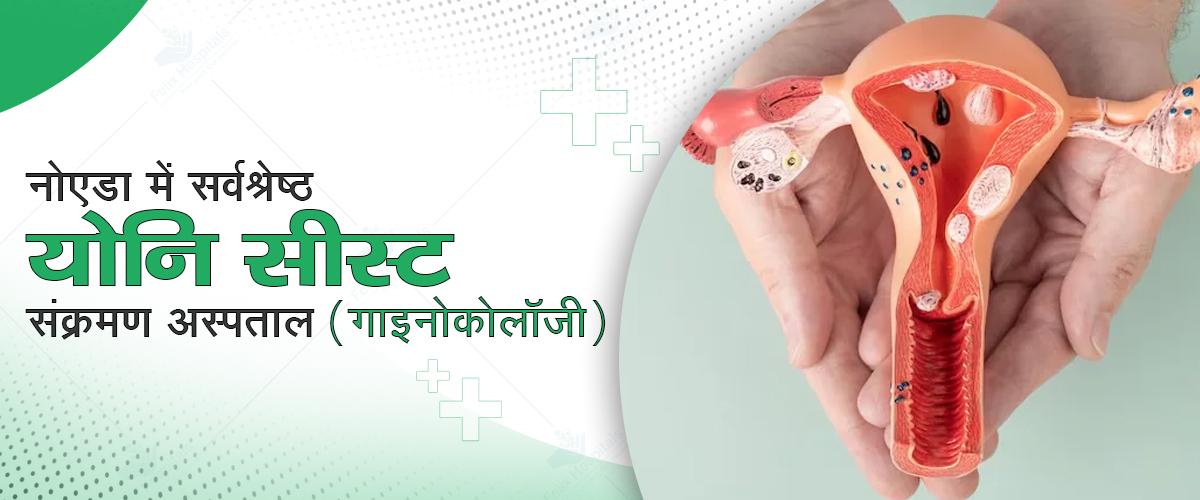
भागदौड़ भरी जिंदगी में महिलाएं सेहत को लेकर लापरवाह रहती हैं। खासतौर पर जब बात निजी अंगों की हो, तो महिलाओं में योनि संक्रमण (Vaginal Infection) और योनि सीस्ट (Vaginal Cyst) जैसी समस्याएं बेहद आम हैं। मगर शर्म और जागरूकता की कमी के कारण इनका सही समय पर इलाज नहीं हो पाता, जो बाद में गंभीर स्वास्थ्य समस्याओं का कारण बन सकता है। इस ब्लॉग में हम योनि संक्रमण, विशेष रूप से यीस्ट इंफेक्शन के बारे में जानकारी साझा करेंगे — इसके लक्षण, कारण, और बचाव के उपाय।
अगर आप इन समस्याओं का सही और सुरक्षित इलाज ढूंढ रही हैं, तो नोएडा में सर्वश्रेष्ठ गाइनोकोलॉजी हॉस्पिटल का चुनाव करना बेहद जरूरी है, जहां विशेषज्ञ डॉक्टरों की देखरेख में आधुनिक जांच और इलाज की सुविधा उपलब्ध हो।
योनि सीस्ट एक छोटी, मुलायम व तरल-से भरी गांठ होती है, जो महिला की योनि की आंतरिक या बाहरी दीवार में बनती है। यह सीस्ट बिना लक्षण के होती हैं। महिला को पता भी नहीं चलता कि वह इसके साथ जी रही है। जब सीस्ट में संक्रमण होता है तब यह दर्द, सूजन और दुर्गंधयुक्त डिस्चार्ज जैसी समस्याएं पैदा करती है। सरल भाषा में कहे तो योनि सीस्ट एक तरह की गांठ है, जो संक्रमित होने के बाद इन्फेक्टेड सीस्ट बनती है। योनि सीस्ट में संक्रमण तब होता है जब बैक्टीरिया या अन्य सूक्ष्म जीव उसमें घुसते हैं। इसके कारणों योनि की स्वच्छता में लापरवाही, असुरक्षित यौन संबंध, जन्म या प्रसव के दौरान चोट, बार-बार का इनफेक्शन या एंटीबायोटिक का अत्यधिक उपयोग होता है।
सबसे आम प्रकार योनि के दोनों ओर नीचे की तरफ बार्थोलिन ग्रंथियां होती हैं, जो लुब्रिकेशन में मदद करती हैं। जब इस ग्रंथि का छिद्र बंद होता है, तो तरल अंदर इकट्ठा होने से सीस्ट बनती है।
भ्रूण के विकास के दौरान बनने वाली संरचनाओं से यह सीस्ट बनती है, यह योनि की साइड वॉल में बनती है। यह अधिकतर बिना लक्षण होती है, लेकिन बड़ी होने पर असुविधा होती है।
यह अक्सर प्रसव या शल्य चिकित्सा के दौरान चोट से बनती है। योनि की भीतरी परत के नीचे की स्किन जब बढ़ती है, तो गांठ होती है। यह छोटी होती हैं किन दर्द का कारण बनती हैं।
अनदेखी एक सामान्य सीस्ट को गंभीर संक्रमण में बदलती है। योनि सीस्ट में संक्रमण होने के पीछे कई कारण होते हैं। यहां निम्न चार कारण प्रमुख हैं:
लैक्टोबैसिलस हानिकारक जीवाणुओं को नियंत्रित रखते हैं। जब यह संतुलन बिगड़ता है, तो कैनडीडा अल्बिकन्स जैसी फंगस तेजी से बढ़ती है, इससे फंगल इंफेक्शन होता है। गार्डनेरेला वेजिनेलिस जैसे बैक्टीरिया के बढ़ने से बैक्टीरियल वेजिनोसिस होता है।
बिना कंडोम के यौन संबंध बनाना या बार-बार पार्टनर बदलना योनि संक्रमण की वजह है। इससे न केवल एसटीआई यानी गोनोरिया, क्लेमाइडिया, ट्राइकोमोनास का खतरा बढ़ता है, साथ ही संक्रमण फैलकर सीस्ट में भी पहुंचता है।
महिलाओं के शरीर में हार्मोन खासकर एस्ट्रोजन और प्रोजेस्टेरोन प्रजनन क्रिया को नियंत्रित करते हैं। यदि किसी कारण जैसे तनाव, पीसीओडी, थायरॉइड रोग या मेनोपॉज हार्मोन असंतुलित होते हैं तो ग्रंथियों की कार्यप्रणाली बिगड़ती है, इससे ग्रंथियों का तरल बाहर नहीं निकल पाता और सीस्ट बनती है।
गलत तरीके से साफ-सफाई, अधिक रगड़ या गंदे अंडरगारमेंट्स पहनने से समस्या होती हैं। योनि क्षेत्र में बैक्टीरिया या फंगस का जमाव पसीने और नमी की वजह से संक्रमण होता है। इस कारण सीस्ट की त्वचा पर सूक्ष्म चोट से बैक्टीरिया अंदर जा सकते हैं।
योनि सीस्ट में जब संक्रमण होता है, तो कुछ लक्षण स्पष्ट रूप से उभरते हैं। यदि इन संकेतों को समय पर पहचान लिया जाए, तो गंभीर समस्या बनने से पहले इलाज संभव होता है।
योनि के आसपास हल्की सूजन, एक छोटी सी गांठ होती है। शुरुआत में यह दर्दरहित होती है, लेकिन संक्रमण बढ़ते ही यह गर्म, लाल और स्पर्श में दर्दनाक होती है। इस कारण चलने, बैठने या यौन संबंध बनाते समय असहजता महसूस होती है।
योनि क्षेत्र में लगातार जलन या चुभन जैसा महसूस होती है, खासकर जब सीस्ट में मवाद भरता है। बैठने, टाइट कपड़े पहनने या चलते समय यह दर्द बढ़ता है।
योनि से निकलने वाला डिसचार्ज यदि पीला, हरा या बदबूदार हो, तो यह संक्रमण का सीधा है। संक्रमण की स्थिति में यह डिसचार्ज गाढ़ा और चिपचिपा होता है।
जब सीस्ट का आकार या सूजन मूत्रमार्ग के पास पहुंचती है, पेशाब करते समय जलन या तेज दर्द होता है, बार-बार पेशाब इसके लक्षण है, कभी-कभी महिलाएं इसे यूटीआई समझती हैं, लेकिन यह अंदरूनी सीस्ट संक्रमण का प्रभाव होता है।
हर महिला में योनि संक्रमण या सीस्ट का खतरा होता है, लेकिन कुछ विशेष वर्ग की महिलाओं में यह जोखिम होता है।
बार-बार यौन संबंध बनाना या अनसेफ सेक्स करना संक्रमण की संभावना बढ़ाता है। एसटीआई (यौन संचारित संक्रमण) के संपर्क में आने से योनि की ग्रंथियां संक्रमित होती हैं।
मधुमेह के कारण शरीर की रोग प्रतिरोधक क्षमता कमजोर होती है। छोटी-सी सीस्ट में भी संक्रमण तेजी से फैलता है, घाव भरने में अधिक समय लगता है।
बार-बार दवाइयों का सेवन योनि के नेचुरल बैक्टीरियल बैलेंस को बिगाड़ता है। इससे संक्रमण और फंगल ग्रोथ को मौका मिलता है जिससे सीस्ट अधिक संवेदनशील होती है।
गर्भावस्था के दौरान हार्मोनल बदलाव, पसीना, नमी और इम्यूनिटी में बदलाव से योनि क्षेत्र संक्रमण के प्रति अधिक संवेदनशील होता है। सीस्ट गर्भावस्था को प्रत्यक्ष प्रभावित नहीं करती, लेकिन दर्द से जीवन गुणवत्ता जरूर गिरती है।
अगर लक्षण महसूस हो तो अगला जरूरी कदम है सटीक जांच। डॉक्टर आमतौर पर निम्नलिखित जांच कराते हैं:
डॉक्टर हाथ से या स्पेकुलम की मदद से योनि क्षेत्र की जांच करते हैं। गांठ की स्थिति, आकार, रंग और दर्द की जानकारी की जाती है।
योनि या पेट के जरिए अल्ट्रासाउंड कर सीस्ट की गहराई, आकार और स्थिति का पता लगाते हैं। इससे पता चलता है कि सीस्ट तरल-भरी है या ठोस है।
अगर डिस्चार्ज होता है, तो उसे लैब में जांचते हैं जिससे यह पता चले कि उसमें कौन-सा बैक्टीरिया या फंगस है। इससे यह आसान होता है कि कौन-सी दवा संक्रमण के लिए प्रभावी होगी।
अगर सीस्ट असामान्य दिखे या लंबे समय तक ठीक न हो तो उसकी एक छोटी सी परत लेकर लैब टेस्ट करते हैं। कैंसर जैसे गंभीर खतरे की संभावना को जांचने के लिए होता है।
समय पर इलाज न केवल दर्द से राहत देता है, बल्कि संक्रमण के फैलने से रोकता है। योनि सीस्ट संक्रमण के इलाज के प्रमुख तरीके निम्न है:
यदि सीस्ट में बैक्टीरियल संक्रमण है, तो डॉक्टर टॉपिकल एंटीबायोटिक्स देते हैं। मगर दवा कभी भी डॉक्टर की सलाह के बिना न लें। वहीं, वार्थिन डक्ट मार्सुपियलाइजेशन विशेष रूप से बार्थोलिन सीस्ट के लिए इस्तेमाल की जाने वाली एक प्रभावी प्रक्रिया है। इसमें डॉक्टर सीस्ट को काटकर उसका तरल बाहर निकालते हैं, फिर उसमें कैथेटर लगाते हैं ताकि वह दोबारा न बने और संक्रमण दोहराया न जाए।
इस प्रक्रिया के प्रकार, अस्पताल की सुविधाओं और डॉक्टर की विशेषज्ञता पर निर्भर करती है। आमतौर पर यह लागत कुछ हजार से लेकर कुछ दस हजार रुपये तक हो सकती है। सटीक जानकारी के लिए किसी विश्वसनीय गाइनोकोलॉजी सेंटर या अस्पताल से संपर्क करना उचित होगा।
योनि सीस्ट संक्रमण में थोड़ी सतर्कता और अच्छी आदतों से रोका जा सकता है।
रोजाना गुप्तांग की सफाई करें, खुशबूदार साबुन, डियोड्रेंट या वेजाइनल वॉश से परहेज करना चाहिए, यह पीएच बैलेंस बिगाड़ते हैं, मासिक धर्म के दौरान हर चार–छह घंटे में पैड/टैम्पोन बदलें, नहाने के बाद योनि को सुखाएं, जिससे नमी से संक्रमण नहीं हो।
सूती अंडरगारमेंट्स पसीना सोखते हैं। टाइट, नायलॉन या सिंथेटिक अंडरवियर से नमी बनती है, जो फंगल और बैक्टीरियल संक्रमण को न्योता देती है इसलिए रोजाना अंडरगारमेंट्स बदलना चाहिए।
कंडोम का इस्तेमाल संक्रमणों से सुरक्षा देता है। बार-बार पार्टनर बदलना या बिना जांच के संबंध बनाना एसटीआई यौन संचारित संक्रमण का खतरा बढ़ाता है। असुरक्षित यौन संबंध सेहत के लिए खतरा है।
हर 6–12 महीने में एक बारजांच कराना चाहिए। जिससे पहले से मौजूद सीस्ट, फाइब्रॉइड या इन्फेक्शन का समय पर पता चल सके।
योनि संक्रमण की अनदेखी करना गंभीर परिणाम देता है। एक छोटी सी गांठ या हल्का दर्द भी किसी बढ़ते संक्रमण का संकेत होता है। जो आगे चलकर शारीरिक कष्ट का कारण बनता है। प्रजनन क्षमता और मानसिक स्वास्थ्य पर असर डालता है। महत्वपूर्ण यह नहीं कि संक्रमण हुआ या नहीं, बल्कि यह है कि आपने कब ध्यान दिया जाए। नोएडा जैसे विकसित शहर में अनुभवी गाइनोकोलॉजिस्ट, आधुनिक तकनीकें और गोपनीय इलाज के विकल्प उपलब्ध हैं।
योनि सीस्ट संक्रमण को लेकर अक्सर पूछे जाने वाले सवाल और उनके जवाब (Frequently asked questions and answers about vaginal cyst infection)
प्रश्न 1: क्या योनि सीस्ट खतरनाक होती है ?
उत्तर: अधिकांश योनि सीस्ट बिना किसी लक्षण के होती हैं, जो अपने-आप ठीक होती हैं। अगर उनमें दर्द, सूजन या मवाद हो तो इलाज जरूरी है।
प्रश्न 2 : योनि सीस्ट संक्रमण से बांझपन होता है ?
उत्तर: आमतौर पर सीस्ट बांझपन का कारण नहीं होती है। मगर संक्रमण फैल जाए और समय पर इलाज न हो, तो यह गर्भाशय या फैलोपियन ट्यूब को प्रभावित करता है। जिससे प्रजनन क्षमता प्रभावित होती है।
प्रश्न 3: क्या योनि सीस्ट खुद से फूट सकती है ?
उत्तर: कुछ मामलों में संक्रमित सीस्ट फूटती है। मवाद बाहर निकलता है। यह दर्दनाक होता है। संक्रमण आसपास के ऊतकों में फैलता है।
प्रश्न 4: क्या मासिक धर्म (पीरियड्स) पर सीस्ट का असर पड़ता है ?
उत्तर: सीधे तौर पर नहीं लेकिन अगर सीस्ट बड़ी हो या उसमें सूजन होती है। यह पीरियड्स के दौरान दर्द और असहजता बढ़ती है।
प्रश्न 5: बार्थोलिन सीस्ट और अन्य सीस्ट में क्या अंतर है ?
उत्तर: बार्थोलिन सीस्ट योनि के प्रवेश द्वार के पास होती है। बार्थोलिन ग्रंथि के बंद होने से बनती है। अन्य सीस्ट जैसे गार्टनर डक्ट या इन्क्लूजन सीस्ट अलग कारणों से बनते हैं।
प्रश्न 6: क्या योनि सीस्ट कैंसर में बदलती है ?
उत्तर: दुर्लभ मामलों में योनि सीस्ट कैंसर का रूप लेती है। लेकिन अगर सीस्ट बार-बार हो तो डॉक्टर द्वारा बायोप्सी कराना जरूरी है।
प्रश्न 7: क्या गर्भावस्था के दौरान सीस्ट का इलाज संभव है ?
उत्तर: दवाएं और इलाज केवल वहीं अपनाए जाते हैं जो गर्भवती महिला और भ्रूण दोनों के लिए सुरक्षित हों। सर्जरी केवल जरूरत पड़ने पर ही की जाती है।
पीसीओडी (PCOD) की समस्या उन महिलाओं में अधिक देखने को मिल रही है, जो नाइट शिफ्ट में काम करती हैं। पूरी रात जागना देर रात खाना जैसी लाइफस्टाइल उनकी सेहत को भारी नुकसान पहुंचा रही है।

Sexually transmitted infection is one of the significant public health problems. And the bigger problem is people hide sexual dysfunction instead of discussing it.

डिमेंशिया व्यक्ति की स्मृति, सोचने-समझने की क्षमता, निर्णय लेने और व्यवहार पर गहरा असर डालता है। यह रोग धीरे-धीरे प्रगति करता है और समय के साथ व्यक्ति की दैनिक गतिविधियों को पूरी तरह से प्रभावित कर सकता है। डिमेंशिया (Dementia) को समय रहते समझना और इसके विभिन्न चरणों की पहचान करना इलाज और देखभाल की दृष्टि से अत्यंत आवश्यक है।
इस ब्लॉग में हम डिमेंशिया के कारण, प्रमुख लक्षण, और विभिन्न चरणों पर विस्तार से चर्चा करेंगे, ताकि आप या आपके किसी प्रियजन को शुरुआती संकेतों को पहचानने में मदद मिल सके।
अगर आप डिमेंशिया की जांच (Dementia testing), उपचार या देखभाल को लेकर किसी विशेषज्ञ से सलाह लेना चाहते हैं, तो नोएडा में सर्वश्रेष्ठ हॉस्पिटल से संपर्क करें, जहां अनुभवी न्यूरोलॉजिस्ट (Neurologist) और आधुनिक सुविधाएं उपलब्ध हैं। अधिक जानकारी के लिए हमसे संपर्क करें — समय पर उठाया गया एक कदम, जीवन की दिशा बदल सकता है।
अपॉइंटमेंट शेड्यूल करने के लिए, अभी कॉल करें: +919667064100
डिमेंशिया में व्यक्ति की याददाश्त, सोचने-समझने की शक्ति, भाषा, निर्णय क्षमता और व्यवहार धीरे-धीरे क्षीण होती हैं। यह कोई एकल बीमारी नहीं है होती बल्कि लक्षणों का एक समूह है, जो मस्तिष्क की सामान्य कार्यप्रणाली में रुकावट उत्पन्न करता है। डिमेंशिया की सबसे सामान्य वजह अल्जाइमर रोग है। 65 वर्ष से अधिक आयु के लगभग 5-8% लोग किसी न किसी प्रकार के डिमेंशिया से प्रभावित होते हैं डिमेंशिया को एक प्रगतिशील न्यूरोडीजेनेरेटिव डिसऑर्डर (Neurodegenerative Disorders) के रूप में देखा जाता है। जिसमें समय के साथ मस्तिष्क कोशिकाएं नष्ट होती जाती हैं। समय रहते इसका निदान और देखभाल रोग की गति को धीमा कर सकती है। रोगी के जीवन की गुणवत्ता को बेहतर बना सकती है।
अल्जाइमर रोग (Alzheimer's disease) डिमेंशिया का सबसे सामान्य कारण है। इसमें मस्तिष्क में प्रोटीन जमा होने से कोशिकाएं क्षतिग्रस्त हो जाती हैं। वेस्कुलर डिमेंशिया में मस्तिष्क में रक्त प्रवाह बाधित होने से होता है। इससे सोचने की क्षमता और ध्यान केंद्रित करने में दिक्कत होती है। लूई बॉडी डिमेंशिया में मस्तिष्क की नसों में असामान्य प्रोटीन जमा होते हैं। इसमें भ्रम, नींद की दिक्कतें और संतुलन की समस्याएं होती हैं। फ्रंटोटेम्पोरल डिमेंशिया के कारण मस्तिष्क के सामने और किनारे के हिस्से में क्षति होती है। व्यक्ति के व्यवहार, भाषा और निर्णय लेने की क्षमता पर असर पड़ता है। लंबे समय तक पार्किंसन होने के बाद कई लोगों को डिमेंशिया हो सकता है। सिर की चोट, मस्तिष्क में संक्रमण, शराब या नशीले पदार्थों का लंबे समय तक सेवन, विटामिन बी 12 की कमी, थायरॉइड या लिवर से जुड़ी समस्याएं, डिप्रेशन भी इसके कारणों में शामिल हैं।
अल्जाइमर रोग (Alzheimer's disease):
इसमें मस्तिष्क में एमायलॉइड प्लाक्स और टॉ प्रोटीन का असामान्य जमाव होता है। जिससे स्मृति, भाषा और सोचने की क्षमता प्रभावित होती है। धीरे-धीरे बढ़ने वाला यह रोग प्रारंभ में व्यक्ति को हाल की बातें याद रखने में भूलाता है।
वैस्कुलर डिमेंशिया (Vascular Dementia)
यह तब होता है जब मस्तिष्क में रक्त प्रवाह बाधित होता है। इसमें निर्णय लेने की क्षमता, एकाग्रता और योजना बनाने में कठिनाई होती है, लक्षण अचानक भी उभरते हैं, हर स्ट्रोक के बाद स्थिति और बिगड़ सकती है।
लुई बॉडी डिमेंशिया (Lewy Body Dementia)
इसमें मस्तिष्क की तंत्रिका कोशिकाओं में लुई बॉडी नामक असामान्य प्रोटीन जमा होते हैं। इसके लक्षण अल्जाइमर और पार्किंसन (Parkinson's) दोनों से मिलते-जुलते हैं, इसमें भ्रम की स्थिति, नींद से संबंधित विकार, चलने में कठिनाई और दृष्टि से जुड़ा भ्रम होता है।
फ्रंटोटेम्पोरल डिमेंशिया (Frontotemporal dementia)
यह डिमेंशिया मस्तिष्क के फ्रंटल और टेम्पोरल लोब्स को प्रभावित करता है। जो व्यक्ति के व्यवहार, निर्णय क्षमता और भाषा को नियंत्रित करते हैं। यह 40–65 वर्ष की आयु के बीच शुरू होता है। इसमें रोगी में व्यवहार में बदलाव, सामाजिक अनुशासन की कमी और बोलने में समस्या होती है।
चरण 1 – सामान्य कार्यशीलताः
कोई भी स्मृति हानि या मानसिक समस्या नहीं होती है। इसमें मस्तिष्क सामान्य रूप से काम करता है, व्यवहार और संज्ञानात्मक क्षमता सामान्य होती है।
चरण 2 – बहुत हल्की हानिः
कभी-कभी सामान्य भूलने की घटनाएं होती है जैसे चाबी या चश्मा रखकर भूल जाना। उम्र से जुड़ी सामान्य बातें यानी कोई स्पष्ट रोग संकेत नहीं होता है।
चरण 3 – हल्का संज्ञानात्मक अवक्रमणः
ध्यान केंद्रित करने में कठिनाई होती है, निर्णय लेने में संकोच होता है, सामाजिक कार्यों में परेशानी महसूस होती है, इस चरण में परिवार वालों को फर्क महसूस होता है
चरण 4 – मध्यम संज्ञानात्मक हानिः
स्पष्ट लक्षण सामने आते हैं जैसे तिथि, स्थान, पैसे का हिसाब याद न रखना। जटिल कार्यों यानी बिल भरना, बैंकिंग में असमर्थता होती है।
चरण 5 – मध्यम गंभीर हानिः
दैनिक जीवन की गतिविधियों में मदद की जरूरत पड़ती है जैसे कपड़े पहनना, खाना बनाना, नहाना आदि। अपने घर का पता या परिवार के सदस्यों के नाम भूलना।
चरण 6 – गंभीर संज्ञानात्मक गिरावटः
व्यक्ति को अपने परिजनों के नाम याद नहीं रहते हैं। व्यवहार में बदलाव, भ्रम, रोना या गुस्सा आना, रात में बेचैनी, नींद में गड़बड़ी, टॉयलेट जैसी गतिविधियों में भी सहारे की आवश्यकता होती है।
चरण 7 – बहुत गंभीर स्थितिः
बोलने में कठिनाई, शब्दों की कमी होती है, चलने-फिरने में असमर्थता होती है, निगलने में दिक्कत, पूर्ण देखभाल की आवश्यकता होती है। यह चरण पूर्ण शारीरिक और मानसिक निर्भरता का होता है
डिमेंशिया का इलाज तभी प्रभावी हो सकता है जब उसका समय पर निदान हो। इसके लिए न्यूरोलॉजिस्ट कई स्तरों पर जांच करते हैं:
डिमेंशिया या अन्य न्यूरोलॉजिकल समस्याओं की पहचान के लिए रोगी की संज्ञानात्मक क्षमता, स्मृति, संतुलन, बोलने, और सोचने की क्षमता की विस्तृत जांच की जाती है। इस प्रक्रिया में डॉक्टर यह तय करते हैं कि मस्तिष्क के कौन-से न्यूरोलॉजिकल फंक्शन प्रभावित हो रहे हैं और उनकी गंभीरता क्या है।
इस तरह की गहन जांच और सही निदान के लिए आपको अनुभवी विशेषज्ञ की आवश्यकता होती है। यदि आप किसी भरोसेमंद विशेषज्ञ की तलाश में हैं, तो नोएडा में अच्छे न्यूरोलॉजिस्ट से संपर्क करना एक सही कदम हो सकता है। यहां कई reputed हॉस्पिटल्स में अनुभवी न्यूरोलॉजिस्ट उपलब्ध हैं, जो आधुनिक तकनीकों और जांच विधियों की मदद से सटीक इलाज सुनिश्चित करते हैं।
मस्तिष्क की संरचना में बदलाव जैसे मस्तिष्क संकोचन, स्ट्रोक या ट्यूमर का पता लगाते हैं। यह डिमेंशिया के अन्य संभावित कारणों को बाहर करने में मदद करता है।
इसमें स्मृति, ध्यान, गणना, भाषा और कॉन्शसनेस की जांच की जाती है। स्कोर के आधार पर डिमेंशिया की गंभीरता का निर्धारण करते हैं।
थायरॉइड, विटामिन बी 12 की कमी आदि ब्लड जांच यह सुनिश्चित करती है कि संज्ञानात्मक गिरावट किसी अन्य इलाज योग्य समस्या के कारण तो नहीं हो रही है।
डिमेंशिया से पूरी तरह बचाव की कोई गारंटी नहीं है, लेकिन जीवनशैली में बदलाव और कुछ सावधानियों से इसके जोखिम को काफी हद तक कम किया जा सकता है।
रोजाना कम से कम 30 मिनट पैदल चलें, योग या हल्का व्यायाम करें। व्यायाम मस्तिष्क में रक्त संचार को बेहतर बनाता है।
माइंड डाइट और मेडिटेरेनियन डाइट अपनाएं। हरी सब्जियां, फल, नट्स, मछली, जैतून का तेल, साबुत अनाज का सेवन करें, तले-भुने, प्रोसेस्ड फूड और ज्यादा नमक-शक्कर से परहेज करें।
दिमागी खेल खेलें यानी सुडोकू, पहेली, ताश, शतरंज, नई चीजें सीखें यानी नई भाषा, संगीत वाद्य, लेखन या पेंटिंग करें।
रक्तचाप, कोलेस्ट्रॉल और डायबिटीज को नियंत्रण में रखें क्योंकि जो दिल के लिए अच्छा है, वही दिमाग के लिए भी अच्छा है।
धूम्रपान और शराब से दूरी बनाएं ये मस्तिष्क कोशिकाओं को नुकसान पहुंचाते हैं और डिमेंशिया का खतरा बढ़ाते हैं।
नींद पूरी और अच्छी लें, हर रात 7–8 घंटे की गहरी नींद लें, नींद में रुकावट या स्लीप एप्निया जैसी समस्याओं का इलाज करवाएं।
तनाव को नियंत्रित करें योग, ध्यान, प्राणायाम और सामाजिक मेलजोल तनाव कम करने में सहायक हैं।
सुनने की क्षमता का ध्यान रखें, सुनाई न देना डिमेंशिया के खतरे को बढ़ाता है जरूरत हो तो हियरिंग एड का इस्तेमाल करें।
सामाजिक रूप से जुड़े रहें अकेलेपन से मानसिक रोगों का खतरा बढ़ता है। परिवार, दोस्तों के साथ समय बिताएं।
नियमित जांच कराएं विशेषकर यदि पारिवारिक इतिहास हो तो साल में एक बार न्यूरोलॉजिस्ट से परामर्श लें (Consult a neurologist)।
डिमेंशिया का उपचार केवल दवाओं तक सीमित नहीं होता। इसका व्यापक प्रबंधन परिवार, देखभाल, वातावरण और जीवनशैली पर भी निर्भर करता है।
औषधीय प्रबंधनः
डोनेपेजिल (अल्जाइमर रोग के शुरुआती से मध्यम चरणों में प्रयोग में लाई जाती है। मेमंटीन मध्यम से गंभीर डिमेंशिया में सहायक होती है, रिवास्टिगमाइन मस्तिष्क में रसायन संतुलन बनाए रखने में मदद करती है, गैलेंटामाइन और अन्य अल्जाइमर-स्पेसिफिक दवाएं इलाज में सहायक होती है। यह दवाएं लक्षणों में सुधार ला सकती हैं, लेकिन रोग को पूरी तरह से रोक नहीं सकतीं।
थैरेपी आधारित हस्तक्षेपः
संज्ञानात्मक व्यवहार थेरेपी (CBT) भ्रम, चिंता और अवसाद जैसे मानसिक लक्षणों को संभालने में काफी सहायक होती है। यह थेरेपी मरीज को नकारात्मक सोच को समझने और सकारात्मक सोच विकसित करने में मदद करती है।
मेमोरी ट्रेनिंग में स्मृति को बेहतर करने के लिए विशेष गतिविधियां और अभ्यास कराए जाते हैं, जो डिमेंशिया या अल्जाइमर से जूझ रहे मरीजों के लिए लाभदायक होते हैं।
वहीं, म्यूजिक और आर्ट थेरेपी रचनात्मक अभिव्यक्ति के माध्यम से मानसिक संतुलन बनाए रखने में मदद करती है। यह थेरेपी न केवल तनाव को कम करती है, बल्कि रोगी को भावनात्मक रूप से जोड़े रखने और सामाजिक रूप से सक्रिय बनाने में भी उपयोगी होती है।
जहां तक बात है नोएडा में इलाज की कीमत की, तो यह विभिन्न थेरेपी सेशन्स की संख्या, हॉस्पिटल या क्लिनिक की सुविधा, और विशेषज्ञ की फीस पर निर्भर करती है। आम तौर पर CBT और मेमोरी ट्रेनिंग की प्रति सेशन कीमत ₹1,000 से ₹3,000 तक हो सकती है, जबकि आर्ट और म्यूजिक थेरेपी के पैकेज अलग-अलग हो सकते हैं। सटीक जानकारी के लिए किसी विश्वसनीय क्लिनिक या अस्पताल से संपर्क करना उचित होगा।
परिवार और देखभाल प्रबंधनः
डिमेंशिया रोगी के लिए दवाओं की समय पर निगरानी, पोषण, मानसिक सहयोग और दैनिक जरूरतों की पूर्ति में सक्रिय भागीदारी जरूरी होती है। घर का माहौल सुरक्षित और सरल बनाना भी जरूरी होती है। इससे स्पष्ट संकेतक, पर्याप्त रोशनी और न्यूनतम विघटन यानी रूटीन बनाना रोगी को मानसिक रूप से स्थिर बनाता है। रोगी को अपनापन, धैर्य और सम्मान देना बेहद जरूरी है। उनकी बातों को महत्व देना, उन्हें निर्णय में शामिल करना आत्मविश्वास बढ़ाता है।
रोग की प्रगति और जीवनशैलीः
हल्का व्यायाम जैसे टहलना, योग मानसिक स्थिति में सुधार लाता है। संतुलित आहार विशेषकर मेडिटेरेनियन डाइट यानी फल, सब्जी, फाइबर, ओमेगा-3 मस्तिष्क को पोषण देता है। बोर्ड गेम्स, पहेली, ड्राइंग, किताबें पढ़ना मस्तिष्क को सक्रिय रखते हैं। संगीत सुनना और पुराने फोटो देखना सकारात्मक स्मृतियों को सक्रिय करता है। पूरा आराम और अच्छी नींद संज्ञानात्मक स्वास्थ्य के लिए अनिवार्य है। रिश्तेदारों, दोस्तों या ग्रुप गतिविधियों से जुड़े रहना मानसिक गिरावट को कम करता है।
डिमेंशिया में व्यक्ति की याददाश्त, सोचने की क्षमता, निर्णय लेने की क्षमता और दैनिक कार्यों को करने की क्षमता प्रभावित होती है। लक्षण नजर आने पर जल्द से जल्द डॉक्टर से मिलना जरूरी होता है। न्यूरोलॉजिस्ट (Neurologist) डॉक्टर मस्तिष्क और तंत्रिका तंत्र के रोगों के विशेषज्ञ होते हैं। वह डिमेंशिया की सटीक जांच, ब्रेन स्कैन, न्यूरोलॉजिकल परीक्षण और दवा प्रबंधन में सबसे अहम भूमिका निभाते हैं।
अभी अपॉइंटमेंट शेड्यूल करें – कॉल करें: +91 9667064100
डिमेंशिया एक जटिल लेकिन पहचाने जाने वाला न्यूरोलॉजिकल विकार है। जिसे समय रहते पहचानना और देखभाल देना बेहद जरूरी है। यह केवल स्मृति की समस्या नहीं, बल्कि जीवन की गुणवत्ता को गहराई से प्रभावित करने वाला रोग है। अगर न्यूरोलॉजी गाइडलाइन के अनुसार समय पर निदान और उपचार शुरू किया जाए, तो इसकी प्रगति को धीमा किया जा सकता है। चुनौती से निपटने के लिए परिवार, समाज और चिकित्सा प्रणाली तीनों की मिलीजुली भागीदारी जरूरी है। समझ, सहानुभूति और वैज्ञानिक उपायों से हम डिमेंशिया से प्रभावित लोगों को सक्रिय जीवन जीने में सहायता कर सकते हैं।
प्रश्न 1. डिमेंशिया के कितने चरण होते है ?
जवाब: डिमेंशिया को सात चरणों में बांटा गया है। जिन्हें वैश्विक गिरावट पैमाना (जीडीएस) के अनुसार वर्गीकृत करते हैं। यह चरण हल्की भूलचूक से लेकर गंभीर मानसिक और शारीरिक निर्भरता तक बढ़ते हैं।
प्रश्न 2. क्या डिमेंशिया का इलाज संभव है ?
जवाब: डिमेंशिया का पूर्ण इलाज संभव नहीं है। मगर दवाओं, थैरेपी और जीवनशैली प्रबंधन से इसके लक्षणों को नियंत्रित कर सकते हैं। रोग की गति को धीमा कर सकते हैं।
प्रश्न 3. डिमेंशिया का पता कैसे चलता है ?
जवाब: डिमेंशिया का निदान न्यूरोलॉजिस्ट संज्ञानात्मक परीक्षण, न्यूरोलॉजिकल एग्जामिनेशन, एमआरआई/सीटी स्कैन और ब्लड टेस्ट शामिल होते हैं।
प्रश्न 4. डिमेंशिया किन लोगों को अधिक होता है ?
जवाब: यह रोग सामान्यत 65 वर्ष से अधिक उम्र के लोगों में पाया जाता है। कुछ मामलों में यह 40-60 की उम्र में भी शुरू होता है।
प्रश्न 5. डिमेंशिया और भूलने की बीमारी में क्या अंतर है ?
जवाब: सामान्य भूलने की आदतें उम्र का हिस्सा हो सकती हैं, लेकिन डिमेंशिया में यह भूलने की प्रवृत्ति रोजमर्रा के जीवन को बाधित करती है। इसमें लोगों को पहचानना, रास्ता भूल जाना या बातों को बार-बार दोहराना शामिल होता।
प्रश्न 6. क्या डिमेंशिया के रोगी ठीक हो सकते हैं ?
जवाब: समय पर निदान हो और समुचित देखभाल मिले तो रोगी कई वर्षों तक संतुलित और सम्मानजनक जीवन जी सकता है।
प्रश्न 7. क्या डिमेंशिया के रोगियों को अकेला छोड़ना ठीक है ?
जवाब: डिमेंशिया के रोगी को हमेशा देखरेख की जरूरत होती है। अकेलेपन से उनकी स्थिति और बिगड़ती है। इसलिए परिवार या देखभालकर्ता की भूमिका अहम होती है।
प्रश्न 8. क्या डिमेंशिया में भ्रम और गुस्सा सामान्य हैं ?
जवाब: जैसे-जैसे रोग बढ़ता है। मरीजों में भ्रम, चिड़चिड़ापन, व्यवहार परिवर्तन और रात में बेचैनी होती हैं। इन्हें थैरेपी, वातावरण और संयम से नियंत्रित कर सकते हैं।
ब्रेन स्ट्रोक एक जानलेवा स्थिति है जिसमें मस्तिष्क को रक्त आपूर्ति रुक जाती है। इसके प्रकार, कारण, लक्षण, बचाव और इलाज

पार्किंसंस रोग एक न्यूरोलॉजिकल विकार है, जो मस्तिष्क के कुछ हिस्सों में डोपामाइन नामक रसायन के स्तर में कमी के कारण होता है।

सीजर (Seizure) जिसे हिंदी में दौरे कहा जाता है, एक ऐसी स्थिति है जिसमें मस्तिष्क की कोशिकाओं (न्यूरॉन्स) की असामान्य विद्युत गतिविधि के कारण शरीर पर अचानक और अनियंत्रित झटके, अजीब हरकतें या बेहोशी जैसे लक्षण उत्पन्न होते हैं।

माइग्रेन (Migraine) के लक्षण, कारण और निवारण के उपाय जानें। सही समय पर पहचान और देखभाल से सिरदर्द और असुविधा कम होती है
Experiencing repeated episodes of loose motion? It's worse than just discomfort—it can ruin your health if not treated in time. Many residents of Noida search for "the best hospital near me" to get instant and effective relief from such gastrointestinal disorders. Loose motion, or what is commonly called diarrhea, could be an indication of numerous underlying conditions, ranging from food intolerance to infection.
Understanding when to go to the doctor and whom to go to can be the difference between life and death. In this blog, we are going to be discussing the causes, diagnosis, and treatment of loose motion, and acquainting you with the top general physicians in Noida who specialize in treating this disorder.
Call us today at +91 9667064100 to schedule your appointment and begin the path to better digestive health!
Loose motion is defined by frequent watery stools. Although an occasional diarrhea is harmless, frequent or chronic loose motion can cause dehydration, weakness, and even hospitalization if left untreated. Based on the duration and severity, loose motion can be:
Acute: It persists for a short duration of three days and is most often due to infection or food poisoning.
Chronic: It persists for more than two weeks and can be indicative of an underlying serious disease.
Loose motion is due to numerous diseases, such as:
Gastroenteritis: Due to bacterial or viral infection.
Irritable Bowel Syndrome (IBS): Functional gastrointestinal disorder.
Lactose Intolerance: Milk product undigestion inability.
Inflammatory Bowel Disease (IBD): Crohn's disease and ulcerative colitis fall in this category.
Food Poisoning: Due to rotten food or water.
Parasitic Infections: Mostly occur in unhygienic environments.
If you get loose motions regularly, it is better to see an expert to eliminate severe gastrointestinal illness.
Identification of the reason behind loose motion is important to deal with it properly. As per the top internal medicine department of Noida, some of the most common reasons are:
Infections: Viral (e.g., rotavirus), bacterial (e.g., E. coli, Salmonella), or parasitic infections.
Contaminated Food or Water: Particularly during travel or monsoon.
Food Allergies or Intolerances: For instance, gluten or lactose intolerance.
Medications: Antibiotics may upset gut bacteria and produce diarrhea.
Digestive Disorders: For instance, IBS, IBD, or celiac disease.
Stress and Anxiety: May upset digestion and cause loose motions.
To find out the underlying cause, physicians typically do:
Physical Examination: Evaluation of hydration status and tenderness in the abdomen.
Stool Tests: Identification of infection or parasites.
Blood Tests: Identification of inflammation or electrolyte imbalance.
Endoscopy or Colonoscopy: In chronic and/or red-flag presenting patients, e.g., in blood in stools.
Food Allergy Tests: Where there is intolerance.
Early diagnosis makes treatment possible in terms of prevention of unnecessary complications.
Treatment is either in a pattern or recognition of pattern:
Oral Rehydration Therapy (ORT): Should restore the lost electrolytes and fluid.
Antibiotics or Antiparasitics: For treating established bacterial or parasitic infection.
Probiotics: Help restore normal gut flora.
Antidiarrheal Medicines: Like loperamide, for temporary relief.
Dietary Adjustments: Bland diet, avoiding dairy and high fiber foods initially.
Treatment of Underlying Disease: Such as treating IBS or IBD if diagnosed.
Physicians recommend avoidance of self-medication, especially if there is fever, blood in stool, or long-standing diarrhea.
In case of digestive issues, the best general physician in Noida or an internal medicine specialist is usually your first point of contact. They examine your symptoms, conduct necessary tests, and refer you to a gastroenterologist if required. For residents in and around Noida, consulting a reliable doctor at a well-known clinic ensures timely and accurate treatment.
Felix Hospital in Noida is famous for its modern-day treatment and well-experienced internal medicine doctors. In case you experience frequent loose motions, the following physicians provide professional diagnosis and empathetic treatment:
Dr. Anshumala Sinha – Famous for her accurate diagnosis and effective medical treatment of gastroenterological conditions.
Dr. Neelabh Pratap – Provides well-sustained treatment regimens and patient-focussed treatment of stomach conditions.
Dr. Priyanka Singh – Experienced in treating acute and chronic loose motion causes.
Dr. Ravi Sharma – Experienced in internal medicine with expertise in gastrointestinal well-being.
Dr. Sonakshi Saxena – Experienced in treating infection and food causes of diarrhea.
Dr. Keshav Kumar Garg – Experienced in evidence-based treatment of gastrointestinal and metabolic disorders.
Dr. Apoorva Shetty – Specialist in treating complicated gastrointestinal symptoms and patient-friendly solutions.
These doctors provide not only medical expertise but also guidance on preventive healthcare and lifestyle modification to prevent recurring attacks.
Visit our experienced doctors at Felix Hospital in Noida for the correct diagnosis and customized treatment schedule. Call us at +(91) 9667064100 for appointments and more information.
Loose motion might look like a mere irritation, but if it becomes repetitive or catches up with you some time down the line, it might be an omen indicating more sinister gastric issues. Early specialist consultation is important in diagnosis of cause and to avoid complications like dehydration or malnutrition. Good and affordable care, with awareness of loose motion cost in Noida and opting for a reputed hospital like Felix, can create peace of mind and normal healing.
The best way of managing loose motion is through believing in veteran doctors who do not only treat but also provide long-term counsel. With skilled doctors at Felix Hospital, you can take command of your lifestyle and digestive system.
Q1. What is causing loose motion on a regular basis?
Ans: Recurrent loose motion may have various causes such as infection (bacterial, viral, or parasitic), intolerance to food, gastrointestinal disorder like IBS, food poisoning, or stress and anxiety. The specific cause will be decided by consulting a doctor.
Q2. How is loose motion diagnosed?
Ans: Physicians diagnose loose motion through physical examinations, stool and blood tests, and sometimes sophisticated examinations such as endoscopy or colonoscopy, particularly when symptoms recur or are severe. Diagnosis determines treatment.
Q3. When do I need to see a doctor for loose motion?
Ans: If you have loose motions frequently, dehydration, hematemesis, or symptoms for more than a few days, it is mandatory that you see a doctor. Long or excessive diarrhea can cause severe health problems.
Q4. What is the best medicine for loose motion?
Ans: Loose motion treatment varies with its cause. In bacterial or parasitic infections, antibiotics or antiparasitic drugs can be given. Oral rehydration, probiotics, and dietary modifications are usually advised. In long-standing diseases such as IBS or IBD, a prolonged treatment regimen may be required.
Q5. Is loose motion treatment costly in Noida?
Ans: The price of treating loose motion in Noida depends on the reason behind the condition and diagnostic tests needed. But clinics such as Felix provide quality but affordable treatment for chronic as well as acute loose motion, providing high-class treatment at reasonable rates.
Q6. Does loose motion lead to dehydration?
Ans: Yes, repeated loose motion might cause dehydration that, if left untreated, can be perilous. Oral fluids or IV fluids to rehydrate and replace lost fluids and electrolytes are usually required.
Q7. Who is the best doctor for treatment of loose motion in Noida?
Ans: Some of the best general physicians and best gastroenterologists in Noida are available at Felix Hospital, including Dr. Anshumala Sinha, Dr. Neelabh Pratap, Dr. Priyanka Singh, and Dr. Ravi Sharma. They are known for offering effective loose motion treatment in Noida, providing precise diagnoses and personalized treatment plans for quick recovery.
Gastric problems occur when excess acid or digestive disturbances affect the stomach lining, causing symptoms like bloating, acidity, and pain. Timely diagnosis ensures effective treatment.
Expert gastroenterology care for better digestive health, offering advanced diagnosis and treatment for GERD, IBS, ulcers, and liver disorders.


Subscribe to our
© Copyright 2026. All Rights Reserved by Felix Healthcare Private Limited
Design and development by :


 +(91)9667064100
 Emergency : +(91)9667064100