 WhatsApp
 Emergency:
  WhatsApp








Subscribe to our
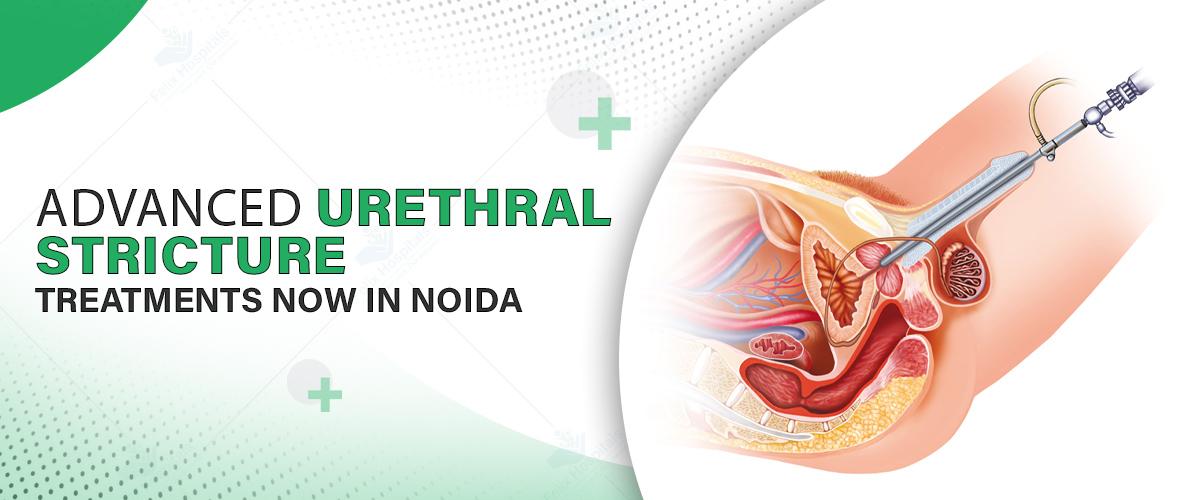
Urethral stricture is a condition that can greatly affect day-to-day living, making it hard and painful to urinate. Finally, urethral stricture treatment in Noida has come a long way with the latest, minimally invasive methods that allow patients to recover quicker and experience improved results. Noida now has some of the finest experts and state-of-the-art facilities committed to delivering the best care for the condition. If you or your family members are experiencing symptoms of urethral stricture, it is crucial to seek professional advice in time.
Get your health back on track today—book an appointment by calling +91 9667064100 with top urologists providing effective urethral stricture treatment in Noida.
Urethral stricture is the narrowing of the urethra because of the formation of scar tissue. Scar tissue blocks the urethra, thereby inhibiting urine flow from the bladder and causing many urinary issues. The urethra is a vital part of the urinary system, and any blockage can result in immense discomfort and complications.
Identifying the causes and symptoms at an early stage prevents complications. The following are some common causes and symptoms:
Trauma or injury to the pelvic region (e.g., accidents or catheter placement)
Repeated urinary tract infections
Previous urethral or prostate surgeries
Sexually transmitted diseases with inflammation
Chronic inflammation or medical conditions impacting urinary tract health
Weak or slow urine stream
Difficulty initiating urination
Sensation of incomplete emptying of the bladder
Pain or burning while urinating
Increased frequency and urgency of urination
Recurrent urinary tract infections
In case you notice these symptoms, it's crucial to see a healthcare expert right away.
Noida has state-of-the-art treatment options for urethral stricture in the form of minimally invasive urethral stricture procedures. These are designed to decrease pain and hasten recovery. Some popular state-of-the-art options are:
Urethral Dilation: Systematic widening of the constricted urethra with the help of specialized devices.
Internal Urethrotomy: Endoscopic incision of the scar tissue to create an opening in the urethra.
Laser Therapy: Precise cutting of scar tissue with laser beams without harming the surrounding tissue.
Buccal Mucosal Graft Urethroplasty: Grafting tissue from within the cheek to re-make the urethra in severe conditions.
Stent Placement: Transient or long-term stents to maintain an open urethra for certain patients.
These new treatments aim at the preservation of healthy tissue, shorter hospital stay, and the least risk of recurrence.
New urethral stricture procedures have revolutionized patient care by providing:
Accuracy: New imaging and endoscopic technology enable surgeons to precisely target the scar tissue.
Less Damage: Minimally invasive procedures cause less pain, bleeding, and risk of infection.
Faster Recovery: Patients have shorter hospital stays and quicker return to daily routines.
Lower Recurrence: Novel grafting and laser therapies minimize the risk of recurrence of the stricture.
These patients experience enhanced urinary flow and improved quality of life.
It is important to select an experienced urologist to ensure successful treatment. While selecting your expert:
Make sure they have experience in diagnosing as well as treating urethral strictures.
Ensure availability of advanced diagnostic equipment like urethroscopy and uroflowmetry.
Seek facilities that provide a variety of treatment methods suited to specific conditions.
Patient feedback and hospital accreditation for quality are matters to be checked.
Noida boasts many well-known hospitals with qualified experts who take extra care in making the patient comfortable as well as offering individualized care.
Early treatment of urethral stricture has many benefits:
Averts worsening of symptoms and complications such as bladder damage.
Justifies increased chances of success in minimally invasive treatment.
Reduces risk of repeated infections and renal issues.
Assists in a normal way of life without pain or repeated doctor visits.
If you experience signs such as painful urination or recurring urinary infections, do not wait to get medical attention.
Your doctor will do some tests before treatment such as:
Uroflowmetry (to check urine flow rate)
Urethroscopy (direct vision of urethra)
Ultrasound or MRI if necessary
Treatment can be performed as outpatient surgery or can involve a short hospital stay based on how complicated the procedure is.
You might have a catheter for several days to keep the urethra open.
Mild pain or discomfort is to be expected and controlled with drugs.
Follow-up appointments check that healing is going well and no recurrence is found.
Recovery also differs by procedure, but most people become normal again within 2 to 4 weeks. To get a better idea, read more about the recovery time for urethral strictures.
Most important post-procedure care tips:
Stay hydrated by drinking lots of water to clean out the urinary system.
Do not do any heavy lifting or heavy exercise for some weeks.
Take medication and personal hygiene as instructed by your doctor.
Immediately report any new symptoms like pain, bleeding, or inability to urinate.
Following these care steps ensures easy recovery and minimizes opportunities for stricture recurrence.
Felix Hospital is a well-established brand in urological treatment, providing:
Board-certified urologists experienced in current urethral stricture treatments
Modern diagnostic and operative technologies
Customized treatment plans developed specifically for each patient's situation
Holistic support from diagnosis to recovery
Comfortable settings and patient-centered care approach
Selecting Felix Hospital is deciding to choose excellence, safety, and empathetic care in Noida.
Do not let urethral stricture control your life anymore. Call us today to book your appointment and avail the finest urethral stricture care in Noida.
Urethral stricture is a tough condition but extremely curable with early and specialized treatment. Due to advancements in minimally invasive procedures, patients in Noida can now receive treatments that are safer, more effective and with faster recovery. Early diagnosis is vital to avoid complications and maximize outcomes.
Felix Hospital stands as the Best Urology Hospital in Noida, offering advanced treatments, urology doctors in Noida, and world-class care for all urinary and kidney-related conditions.
Q1. What is the best treatment for urethral stricture?
Ans: Minimally invasive surgeries such as internal urethrotomy or urethroplasty with buccal mucosal grafts are some of the best treatments, particularly for long or recurrent strictures.
Q2. How long does it take to get over urethral stricture surgery?
Ans: Recovery would be around 2 to 4 weeks, depending on the type of surgery. The majority of the patients get back to normal activity within this time with proper post-operative care.
Q3. Can urethral stricture recur following treatment?
Ans: Yes, recurrence can occur, especially if treatment is delayed or inadequate. But with modern techniques, recurrence is very minimal when performed by experienced specialists.
Q4. Does treatment for urethral stricture hurt?
Ans: Most are done under anesthesia, so patients are not aware of pain during the procedure. Some minor discomfort after surgery can be managed with medications and tends to resolve rapidly.
Bladder tumor (TURBT) is a serious condition that occurs when abnormal growths develop in the bladder, requiring transurethral resection to diagnose and treat effectively.
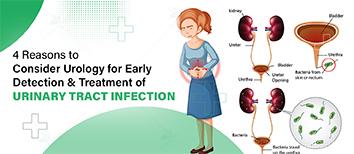
One of the best hospitals for urinary tract treatment in Noida offers comprehensive urology care, featuring expert urologists and advanced diagnostic and treatment facilities.
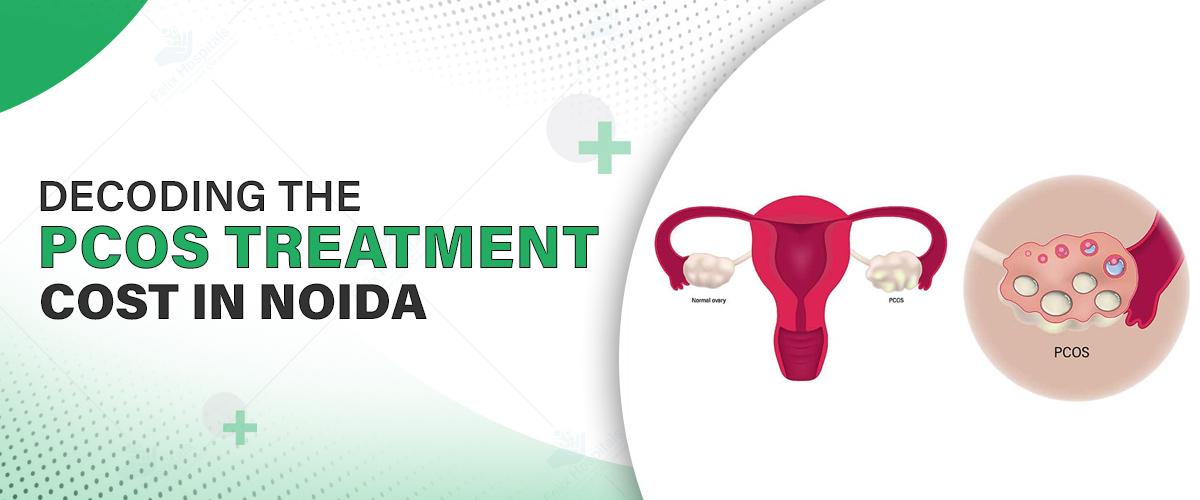
Polycystic Ovary Syndrome (PCOS) is a common hormonal disorder among the majority of women of reproductive age in India, including Noida. While diagnosis and treatment are important to long-term health, knowing the cost of treatment in your area is also significant. This guide breaks down the cost of treatment for PCOS in Noida, in which minimum, maximum, and average costs are given, as well as cost-saving advice. Using Felix Hospitals as an example of a facility offering comprehensive care, it also illustrates the significance of choosing the best hospitals in Noida for PCOS treatment.
If you are undergoing PCOS and searching for your options in Noida, you are on the right page.
Ready to become the owner of your health within your budget? Let's start. Meet the best gynecologist by calling +91 9667064100.
PCOS—or Polycystic Ovary Syndrome—is a hormonal disorder with excessive androgens, many ovarian cysts, irregular periods, acne, weight gain, and infertility. The cause is genetic, insulin resistance, and lifestyle habits. PCOS may predispose a person to diabetes, cardiovascular disease, and infertility if one does not take an active role in treatment. Treatment may include accurate diagnoses, lifestyle modification, medication, and sometimes procedures.
Treatment in Noida by the best gynecologist typically begins with diagnostic tests, followed by lifestyle interventions and medications; only in select cases are surgical procedures needed. Here is the PCOS treatment cost in Noida across the city:
| Minimum Cost | ₹6,000 |
| Maximum Cost | ₹12,000 |
| Average Cost | ₹9,000 |
Several factors determine the level of PCOS treatment in Noida:
Diagnostic range: Panels that are less expensive are less costly, more expensive tests (e.g., insulin assays, AMH, prolactin) or entire "women's health" packages could be ₹2,500 to ₹4,000 or more.
Type of drug and length: Branded anti‑androgens or supplements are expensive, whereas generic Metformin or inositol is cheap.
Treatment modality: Lifestyle and dietary guidance vs surgical procedures such as drilling or assisted conception such as IVF/ IUI. In Delhi, the cost of IVF starts at approximately ₹68,000 per cycle, which is significantly higher than other treatment options.
Hospital or clinic level: Top hospital or the top fertility specialist for PCOS in Noida will be costlier for consultation, procedure, and facilities.
Follow-up frequency: Serial ultrasounds and blood work every few months may sum to greater cumulative expense.
Comorbid conditions: Treatment may be prolonged if comorbid conditions like insulin resistance or diabetes are present.
Home vs centre-based services: Home-collection for diagnostics (e.g. ₹1,499–₹2,500) is generally accompanied by convenience but might include service charges.
Compare diagnostics: Home-collection packs (₹1,499–₹2,500) will likely be cheaper than hospital labs.
Select generic medicines: Metformin, inositol, and low-dose contraceptives are cheap and effective. Avoid unnecessary branded supplements if not absolutely necessary.
Prioritize lifestyle changes: Diet, exercise, and stress reduction are most often treated in community programs or low-fee support groups.
Limit unnecessary testing: Apply only routine blood tests and ultrasound tests.
Packaged sets: Combos (PCOS panel + diabetes + thyroid) are offered by some labs at ₹2,699–₹3,599 with added value.
Telemedicine follow-ups: Save travel and consultation fees by scheduling virtual visits after the initial in-person diagnosis.
Insurance/wellness plans: If you are insured or have a corporate wellness plan, part of the tests or consultations will be paid back.
One of the best hospitals for PCOS treatment in Noida is Felix Hospitals, which boasts a balanced, multidisciplinary model of care. Why?
Women's Health Hospital: Offers in-office diagnosis, gynecology, endocrinology, and nutrition, simplifying appointments.
Transparency of cost: Provides true cost quotes of tests, consultations, medications, and surgery.
Patient-centered care: It is a multidisciplinary team of gynecologists with endocrinologists managing treatments that reduce costs while maximizing effectiveness.
Support services: Provides lifestyle advice, diet planning, and aftercare in the care packages—eliminating unnecessary extras.
Few unnecessary tests or supplements: Evidence‑based medicine prioritization, no unnecessary high‑cost medications unless medically indicated.
Do you experience irregular periods, weight gain or loss, acne, or fertility problems? Don't wait—book a consultation today at a trusted center.
Treating PCOS in Noida does not always have to be stressful and costly. You can better plan your treatment process if you have a clear idea of what the treatment is and how much it will be. Treating PCOS is not standard for all, and the price varies on a multitude of factors, such as the hospital you visit, how bad your condition is, and how many follow-up visits to the top gynecologist for PCOS treatment in Noida you require. Fortunately, most women can treat PCOS at a reasonable price through taking generic medicines, taking bundled packages of diagnosis, and being mindful of lifestyle modifications.
While looking for the best PCOS treatment hospitals near me in Noida you must look beyond the price tag. You must also observe the hospital's readiness, the patient care services it provides, and the quality of care. Felix Hospitals, among others, offer promising review-based comprehensive treatment plans that are guaranteed to succeed and are within budget. By staying informed and utilizing the available resources, women in Noida can effectively manage PCOS.
Q1. What is the estimated cost of PCOS tests for treatment in Noida?
Ans: In Noida, the cost of the diagnosis, like hormonal blood tests and pelvic ultrasound, generally ranges between ₹6,000 and ₹12,000. The cost will differ based on the lab and diagnostic package of your choice.
Q2. Are PCOS medications costly, and how long do I have to take them?
Ans: Most of the medicines, such as metformin and oral contraceptives, are inexpensive and range from ₹300 to ₹500 per month. The duration varies with your condition and response to treatment. It may take a few months or a few years to control it.
Q3. Can I treat PCOS with lifestyle change alone, or will I definitely need medicine or surgery?
Ans: Diet and exercise changes are an important aspect of treating PCOS and can completely improve symptoms. Many women, however, also require medication. Individuals do not typically have surgery unless other measures are not effective.
Q 4. Is there a cost-effective way of PCOS treatment in Noida with no compromise on quality?
Ans: Yes. Most popular Noida clinics offer clear-cut prices and affordable value-for-money treatment packages. You can save money without compromising on quality by going for generic medicines, package deals of tests, and telemedicine follow-ups.
Q 5. Is PCOS covered under health insurance in Noida?
Ans: Various insurance policies handle PCOS differently. Some well-being or health policies will cover some tests or consultations but none cover regular medication or lifestyle advice. You will have to look at your policy details.
Understanding PCOS: A Growing Concern for Women in Greater Noida" explores the rising prevalence of Polycystic Ovary Syndrome (PCOS) among women in the region

Facing pregnancy difficulties due to PCOS? Discover effective ways to boost fertility, regulate hormones, and achieve a healthy pregnancy with the right medical support and lifestyle adjustments.

Hormones are the chemicals that regulate various bodily functions in both men and women.
People often think that strokes only happen to older people, but they can also happen to kids. Pediatric strokes are rare, but if they aren't treated right away, they can have serious and life-changing effects. You should immediately go to one of the best Pediatric neurology hospital in Noida, that knows how to spot and treat pediatric stroke with care and expertise.
Is your child acting weak, confused, or having seizures? Don't wait. If you need help with pediatric neurology right away, at +91 9667064100.
Pediatric stroke is a condition in which blood flow to the brain in children is interrupted, which can cause brain damage and other neurological problems. A pediatric stroke happens when blood flow to a part of a child's brain stops. This can happen because of a clot (ischemic stroke) or bleeding (hemorrhagic stroke). These things might happen:
Before birth (perinatal stroke)
During the first 28 days of life (neonatal stroke)
At any point in childhood or teenage years
Strokes in kids are rare, but they can have serious effects on brain growth and overall health in the long run.
Kids can have the same main types of strokes as adults:
Ischemic Stroke: Happens when arteries are blocked or clots form.
Hemorrhagic stroke-When blood vessels break, it causes bleeding in the brain.
A Transient Ischemic Attack (TIA), also known as a "mini-stroke," has symptoms that go away within 24 hours, but it could be a sign of bigger problems.
Early diagnosis can lower the chances of long-term damage and improve health in general.
It can be hard to tell if a child has had a stroke. There can be a lot of differences between babies, young kids, and teens. Older kids might show:
Sudden weakness on one side of the body
Problems with speaking or understanding language
Changes in sight
Severe headaches
Hard to keep things stable or coordinated
In babies, signs can be very subtle and may include:
Seizures
Crying all the time or not having enough energy
Problems with eating
Asymmetrical movement of the limbs
A Pediatric Stroke Specialist Doctor in Noida carefully checks every suspected case to make sure that no symptom is missed.
A stroke happens when the brain doesn't get enough blood that is rich in oxygen. There are many things that can cause strokes in children, such as:
Heart Problems Present at Birth
Sickle Cell Disease and Problems with Blood Clotting
Arteriovenous Malformations (AVMs)
Injuries caused by birth trauma or head injuries
Meningitis and other infections like it
Genetic disorders like Down syndrome
High blood pressure, diabetes, a family history of strokes, or not getting enough oxygen to the brain during birth are all things that could raise the risk.
It can be hard to tell if a child has had a stroke because they often have trouble describing their symptoms clearly. The diagnosis process starts with a thorough neurological exam and a detailed look at your medical history.
Tools for diagnosis include:
Scan with Computed Tomography
Magnetic Resonance Imaging and Magnetic Resonance Angiography
EEG Monitoring for Seizures
Echocardiogram
Tests to Find Problems with Blood Clotting
A quick and accurate diagnosis from Pediatric neurology hospital in Noida is necessary to start treatment right away and stop long-term effects.
The type of stroke your child has, as well as their age and overall health, will affect how they are treated. Some possible emergency actions are:
Drugs that break up clots
Anticoagulants -blood thinners.
Surgery in cases of bleeding
Medicines for seizures
The Cost of childhood stroke treatment in Noida can vary depending on a number of things, such as how bad the stroke is, whether surgery is needed, how long the child has to stay in the ICU, the tests that are done to diagnose the stroke, and the follow-up care.
There are a number of ways for families to get help with paying for quality care, such as insurance, government health programs, and in-house assistance programs.
Parents are often very worried about the costs of treating childhood strokes. Should make sure of:
Full breakdown of costs before treatment
Insurance claims
Flexible payment options for long-term care
Affordable options for rehabilitation
The child's recovery journey goes on even after they leave the hospital. Rehabilitation for kids who have had a stroke is very important for helping them get back skills they lost and reach important developmental goals. Your child might need:
Physical Therapy to regain mobility
Speech and Language Therapy for communication
Occupational Therapy for daily life skills
Neuropsychological Support for learning or behavioral issues
Pediatric stroke survivors often need a lot of follow-up care that can last anywhere from a few months to a few years. That's why it's important to choose Best pediatric neurologist in Noida that takes the best care of your child.
Every child reacts to a stroke in their own way. Some people fully recover, but others may have problems like:
Learning problems
Weakness or inability to move
Seizures that happen over and over again
Beginning rehabilitation with Noida's best pediatric neurologist greatly increases the chances of regaining independence and cognitive abilities.
Some pediatric strokes are unavoidable, especially those that are congenital. However, many can be avoided with timely screening and proactive health care strategies. Ways to stop this from happening include:
Regular checkups for kids with heart or blood problems
Watching for signs of bleeding or clotting problems
Taking care of infections on time
Avoid obesity and diabetes, eat a balanced diet and get regular exercise.
Parents that know their child is at risk of having another stroke should think about making long-term connections with a pediatric stroke specialist in Noida to lower the chances of it happening again.
Felix Hospital is the best Pediatric Neurology Hospital in Noida because it has 24-hour emergency care, the latest imaging technology, and the best pediatric neurologists all in one place. We focus on the needs of each child when we care for them. This means that every patient gets kind treatment, respect for their privacy, and individual attention. From emergencies in newborns to rehabilitation for older kids, our pediatric neurology team is committed to giving your child the best care possible at every stage. Choosing the right pediatric neurologist in Noida is very important for your child to get the right diagnosis and the best chance of getting better.
Children who show early signs of a stroke need immediate medical attention. Call our expert team at +91 9667064100 for help right away.
Pediatric strokes are rare but serious neurological events that need to be diagnosed quickly, treated right away, and rehabilitated for a long time. Seeing the signs and getting help right away can really make a difference. Go to the best Pediatric Neurology Hospitals in Noida if you think your child might be having a stroke or has had one recently.
Q1.Can kids who have migraine-like symptoms have a stroke?
Ans: Yes, but only in very rare cases. Our pediatric neurology team at Felix hospitals will look into neurological causes, such as stroke, if your child suddenly has severe headaches and problems with their vision or speech.
Q2. Does Felix Hospital offer stroke rehab programs just for kids?
Ans: Yes, we offer rehabilitation for kids that includes speech-language therapy, neuro-physiotherapy, and occupational therapy that is specific to your child's stage of development.
Q3. Can a stroke make it harder for a child to learn or remember things?
Ans: Yes. Stroke can affect parts of the brain that are in charge of memory, language, or focus. We have child psychologists and special educators on staff to help with recovery.
Q4. Does Felix Hospital provide care after discharge?
Ans: Yes, regular recall visits with neurologists, rehab specialists, and counselors are scheduled to make sure progress continues and problems don't come up.
Q5. Can an infection cause a stroke in kids?
Ans: Yes, infections like meningitis or encephalitis can cause strokes. Felix Hospital does a lot of tests, like blood panels and neuroimaging, to find out what caused the stroke that was related to an infection.
ब्रेन स्ट्रोक एक जानलेवा स्थिति है जिसमें मस्तिष्क को रक्त आपूर्ति रुक जाती है। इसके प्रकार, कारण, लक्षण, बचाव और इलाज
Migraine relief includes advanced treatments and simple lifestyle changes to reduce pain and prevent attacks.

माइग्रेन (Migraine) के लक्षण, कारण और निवारण के उपाय जानें। सही समय पर पहचान और देखभाल से सिरदर्द और असुविधा कम होती है
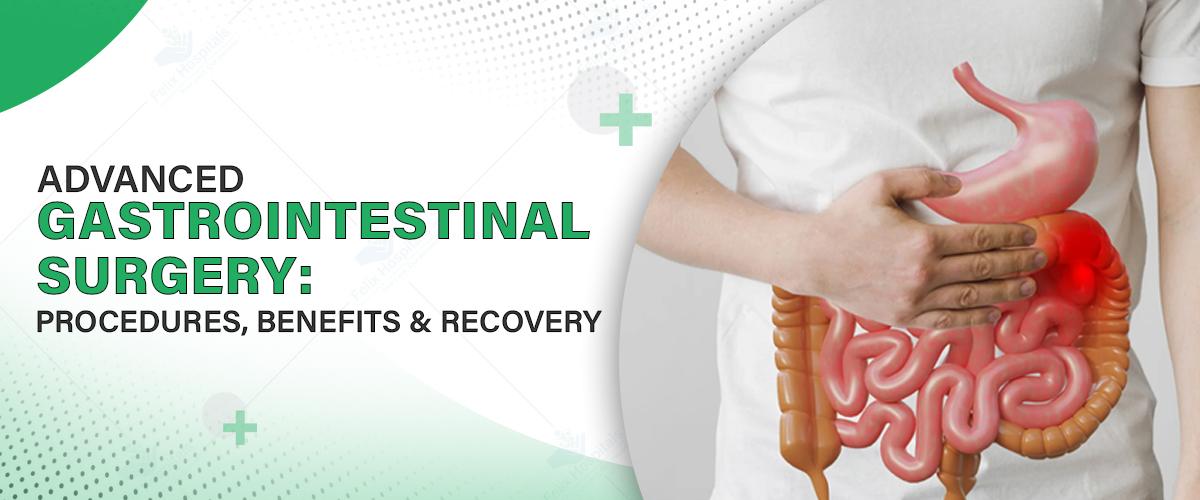
l recovery in 4–6 Digestive disorders impact millions of individuals globally and tend to disrupt everyday life with chronic pain, discomfort, and malnutrition. Although most gastrointestinal (GI) disorders can be treated with medication, diet, and lifestyle modifications, some patients need surgery to regain health and avoid complications.
Advanced gastrointestinal surgery involves specialized procedures intended to cure complicated or chronic conditions of the digestive system. Most such surgeries are minimally invasive, involving laparoscopic or robotic procedures, which minimize recovery time, scarring, and post-operative complications. The best GI surgery hospital in Noida can treat any condition, including hernias, chronic acid reflux, and more complex conditions like colorectal cancer.
Are you in need of specialized surgical care? Schedule a consultation now at Noida's top GI surgery hospital by calling +91 9667064100.
Advanced gastrointestinal surgery covers a broad spectrum of intricate procedures aimed at the organs that are responsible for digestion — the esophagus, stomach, intestines, liver, pancreas, gallbladder, and colon. They treat issues which cannot be treated with medication or non-surgical treatments.
Types of advanced GI surgery are:
Laparoscopic GI surgery (keyhole surgery)
Esophageal surgery for GERD, Barrett's esophagus, or achalasia
Gastric surgery for ulcers or tumors
Colorectal surgery for cancer, diverticulitis, or IBD
Pancreatic or liver surgery
Gallbladder removal
Bariatric surgery for obesity-related GI problems
The type of surgery would depend on the diagnosis, severity, and overall health of the patient.
Most gastrointestinal problems start mildly but may worsen if left untreated. Some common symptoms that may suggest surgical evaluation include:
Severe or chronic belly pain
Swallowing difficulties or pain
Persistent acid reflux or heartburn
Blood in stool or ongoing constipation
Unusual, unexplained weight loss
Vomiting, bloating, or nausea that recurs often
Yellow color to the skin or eyes (jaundice)
Ongoing fatigue or anemia due to hidden bleeding
If you notice any of these symptoms, seek immediate medical help for proper diagnosis and treatment.
There are some risk factors that raise the chances of getting GI disorders. Knowledge about them aids prevention as well as early intervention:
Poor eating habits (low-fiber, high-fat, or spicy diets)
Obesity and lack of exercise
Smoking and heavy drinking
Personal or family history of gastrointestinal cancer or disease
Chronic infection with H. pylori
Long-standing IBD or GERD
Stress and specific autoimmune disorders
Early screening is the way to go, particularly if you've got a personal or family history of GI problems.
Quit looking for "the best gastrointestinal surgeon near me" because professional diagnoses, beginning with a history and physical examination, are more common in Noida. Physicians apply a combination of imaging and lab tests, such as:
Endoscopy or colonoscopy to visually examine internal organs
Ultrasound and CT/MRI scans for structural information
Blood tests to test for infection, inflammation, or anemia
Stool tests for parasites, blood, or inflammatory markers
Biopsy to rule out or confirm cancer
Precise diagnosis enables proper treatment and avoids avoidable complications.
Surgery is not necessary for every digestive disorder. Mild to moderate conditions are treated with:
Medications – Antacids, antibiotics, anti-inflammatories, or immunosuppressants
Dietary modifications – Fiber increase, probiotics, or elimination diets
Lifestyle modifications – Weight loss, smoking cessation, and stress reduction
Physical therapy or pelvic floor exercises for functional problems
However, if these methods are ineffective or if the condition becomes serious or life-threatening, such as in cases of cancer, obstruction, or perforation, surgery is the only option.
Discover gastrointestinal surgery treatment options designed for your situation. Based on the diagnosis, the surgery method can differ:
Tiny cuts, faster recovery, small scarring
Usually applied in hernia repair, gallbladder removal, and small cancers
Indicated for complicated conditions such as large tumors, perforations in emergencies, or malignant cancers
For long-standing GERD, ulcers, or tumors
Aids in cancer, IBD (Crohn's disease or ulcerative colitis), and diverticulitis
For liver cysts, tumors, or bile duct obstructions
Weight-loss Bariatric Surgery
Aids in obesity-related GI complications such as fatty liver and GERD
Each operation is meticulously planned and executed by skilled GI surgeons with state-of-the-art technology.
Surgery can be life-altering. Advantages are:
Total elimination of chronic digestive symptoms
Enhanced quality of life and energy
Improved nutrient uptake and metabolism
Potential prevention or elimination of cancerous tissue
Less reliance on lifelong medication
Short hospital stays for minimally invasive techniques
Early surgery can significantly reduce complications and improve outcomes.
Recovery is manageable, though it takes time. What to expect:
Hospital stay: 1–7 days, depending on procedure
Pain management: Managed with medication and supportive care
Dietary support: Liquid diet first, and then progress to solids
Follow-ups: Wound care, imaging, and blood work
Return to daily activity: Light activity 1–2 weeks after; ful weeks
You will get specific recovery guidelines, including diet plans, exercise tips, and long-term care tips from your surgery team.
Don't neglect chronic digestive symptoms. Book an appointment with the top GI surgeon in Noida and gain control over your digestive health today.
Leading-edge gastrointestinal surgery isn't merely symptom treatment—it's about regaining health, self-assurance, and overall well-being. Thanks to innovations in surgical procedures and diagnostics, today's patients are enjoying improved results, quicker healing, and few complications. Whether you're faced with chronic acid reflux, gallstones, or an intricate GI malignancy, skilled surgical treatment can make a substantial impact.
At our reliable GI surgery hospital in Noida, we offer best-in-class care, customized treatment plans, and empathetic care during your process. Curious about the cost of gastrointestinal surgery in Noida? Talk to our team for an honest quote and consultation with a specialist GI surgeon. Take the first step to a healthier tomorrow—your gut will bless you!
Q1. How can I tell if I require GI surgery or medication?
Ans: When symptoms do not go away on medication or if tests reveal severe problems such as tumors, blockage, or inflammation, surgery could be required. A GI specialist will determine.
Q2. Is laparoscopic GI surgery always an option?
Ans: Laparoscopic surgery is preferred but not always an option. Complicated or emergency situations might need open surgery depending on your situation.
Q3. Will I be on a special diet following GI surgery?
Ans: Yes, you begin with liquids and advance to solids over time. Dietary requirements are based on the procedure and how well you're healing.
Q4. How long does it take to recover from GI surgery?
Ans: 2 to 6 weeks is standard for most procedures. Minimally invasive surgeries tend to heal more quickly than open surgeries.
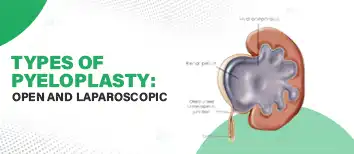
Learn about open and laparoscopic pyeloplasty, their benefits, and when they’re used to treat kidney blockage.
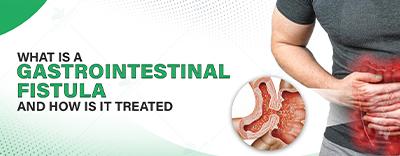
A gastrointestinal fistula is an abnormal opening that develops between the stomach, intestines, or other digestive organs, often causing leakage of digestive fluids. Treatment typically involves infection control, nutritional support, medications, and in
When you're doubled over in pain or making frequent trips to the bathroom, it’s hard to focus on the why. You just want it to stop. But understanding whether you're dealing with the stomach flu or food poisoning is essential — not just for faster recovery, but also for preventing it from happening again. At the Best General Physician Hospital in Noida, physicians tend to diagnose patients who are going through severe gastrointestinal discomfort, and the first question they usually ask is: "When did your symptoms begin?" Because when is often the determinant for knowing if a virus or tainted food is responsible.
Not Sure What's Making Your Stomach Hurt? call +91 9667064100 to know the underlying cause.
Contrary to the name, the stomach flu is not actually influenza (seasonal flu). It's a viral illness that inflames the stomach and intestines, usually due to norovirus or rotavirus. The condition is spread by contaminated food, water, or close contact with an infected person.
Food poisoning, conversely, is brought on by bacteria, toxins, or parasites within spoiled food. Salmonella, Listeria, E. coli, and Campylobacter are some of the usual suspects. Symptoms may differ based on the contaminant, but vomiting, diarrhea, and stomach cramps are the norm across the board.
Both illnesses have your digestive system as their target — but the cause and course distinguish them. Stomach flu is caused by viruses, whereas food poisoning is due to food safety problems.
Stomach flu, also referred to as viral gastroenteritis, is characterized by a list of unpleasant symptoms. Common stomach flu symptoms are:
Watery diarrhea that starts suddenly
Nausea or queasiness
Vomiting, particularly in the first 24 hours
Fever and chills
Abdominal pain or cramps
Overall weakness or fatigue
These symptoms tend to stick around for about three days, and sometimes even longer based on the viral strain.
If your symptoms turn up 2–6 hours after eating, suspect food poisoning. If the symptoms occur 24–48 hours after being exposed to an infected individual, then it's probably the stomach flu.
In both instances, an early response prevents complications, particularly dehydration. Most patients wait before visiting a doctor hoping that the symptoms will go away by themselves, but it is best to visit a doctor if the condition aggravates.
Rest and hydration take care of most. But sometimes you do require a visit to a healthcare provider:
More than 3 days of diarrhea
Blood in the stool or vomiting
Fever greater than 102°F (38.9°C)
Severe dehydration signs: dry mouth, no urine, dizziness
If you or a family member exhibit these symptoms, don't wait to seek care. Consult with the best general physician in Noida who can determine if additional tests or IV fluids are required.
Another helpful tip is what you've eaten in the recent past. If you suspect a suspect meal, food poisoning could be the culprit. These are some of the common contaminated foods:
Undercooked meat and poultry
Raw or inappropriately cleaned fruits and vegetables
Unpasteurized milk or soft cheese
Leftovers that were not stored properly
Unlike the causes of stomach flu, which is spread from person to person, food poisoning tends to hit individuals who ate the same meal.
For instance, if several individuals fall ill after a family picnic or get-together, it's likely foodborne illness.
Food poisoning starts suddenly and usually clears up within 24–48 hours.
Stomach flu will last a little longer — two to five days — particularly if you don't get plenty of rest and fluids.
Top General Physician Hospital in Noida, often emphasizes early symptom tracking. Knowing when symptoms started and how they’ve progressed helps rule out more serious gastrointestinal disorders.
Whether you’re battling food poisoning or the stomach flu, the recovery process is largely the same:
The most immediate danger with both illnesses is dehydration. Vomiting and diarrhea cause the body to lose essential fluids and electrolytes. Oral rehydration salts (ORS), clear broths, or electrolyte drinks like coconut water can be lifesavers.
When your stomach starts settling, eat easy-to-digest foods like bananas, rice, toast, applesauce, or boiled potatoes. Avoid spicy, fatty, or dairy-rich foods until fully recovered.
Your body requires energy to overcome infections. Don't attempt to push through — take 1–2 full days of rest.
Anti-diarrheals can ease symptoms for a short time but will exacerbate certain bacterial infections. Always consult a doctor before using medication.
A consultation with the best general physician in Noida would be able to rule out self-limiting diseases from something serious. Stool cultures or blood work may be prescribed for proper diagnosis.
Prevention is the best medicine. Here's how to prevent both stomach flu and food poisoning:
Frequent hand washing, particularly before eating and after visiting the restroom.
Disinfect shared surfaces such as doorknobs and phones.
Don't share drinking cups or eating utensils during outbreaks.
Thoroughly cook meats and leftovers correctly.
Wash produce such as fruits and vegetables in running water.
Don't eat expired food or something with a bad odor.
Maintaining personal hygiene habits and keeping your kitchen clean will usually suffice to keep both diseases at bay.
Don't ignore the signs of a stomach infection. For quick care, call. +91 9667064100.
Food poisoning and the stomach flu are nasty but universal diseases. Knowing how they develop, recognizing the early symptoms of the stomach flu, and knowing the causes of the stomach flu will lead you to react more quickly and recover more comfortably.
In the event of doubt or intense symptoms, do not delay in consulting professional services. The Best General Physician Hospital in Noida provides end-to-end care, from diagnosis to post-recovery support, so you and your loved ones can be secure in their hands.
Q1. Are probiotics useful during or after a stomach infection?
Ans: Yes, probiotics can restore gut flora during recovery, particularly after diarrhea. They should not, however, replace medical care in serious cases.
Q2. What beverages are suitable during the time of recovery?
Ans: Restrict yourself to clear fluids such as ORS (oral rehydration solution), coconut water, herbal teas, and electrolyte beverages. Refrain from caffeine, alcohol, and carbonated sodas, which irritate your gut.
Q3. Do I need to go to the hospital?
Ans: Most cases are treated on an outpatient basis, but some people need to be admitted if they are vomiting a lot, are very weak, or are dehydrated and need IV fluids to get better.
Q4. Will I need to go back to the hospital after I leave?
Ans: Yes, in some cases. If your symptoms are bad or your doctor thinks you might have an underlying illness, they may tell you to come back in 3–5 days to make sure you're fully healed.
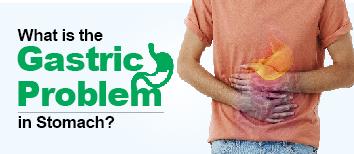
Gastric problems occur when excess acid or digestive disturbances affect the stomach lining, causing symptoms like bloating, acidity, and pain. Timely diagnosis ensures effective treatment.
Looking for reliable treatment for diarrhea in Noida? Discover top-rated clinics and hospitals offering expert gastroenterology care, accurate diagnosis, and fast relief. Get treated by trusted specialists using modern techniques and patient-first approac
Wondering why you're suddenly facing diarrhea in Noida? Learn the key differences between food poisoning and infections, their symptoms, and how to manage them effectively.
The liver is one of the body's most important organs. It makes bile, which helps get rid of toxins, waste, and too much cholesterol. It also helps with digestion by breaking down fats and other important nutrients. Liver disease is more common than ever because people don't move around enough and eat poorly. If liver disease is caught early, the good news is that it can be treated with drugs and changes to your lifestyle. We'll talk about five warning signs of liver damage in this blog, as well as the treatment at the Best Gastroenterology Hospital in Noida, what causes it and how getting help early can save a life at,
Talk to our liver expert right away— Early detection can save lives. Call us at +91 9667064100.
The liver cleans the blood, makes bile, and stores nutrients, all of which are good for your health. When the liver is damaged, it can't do these things as well, which can lead to a number of problems:
Toxins Build Up in the Blood: A liver that is damaged can't filter toxins properly, which makes toxic substances like ammonia and bilirubin build up in the blood. This can cause symptoms like confusion, tiredness, and jaundice.
The liver makes bile, which is needed to break down fat. When the liver is hurt, it makes less bile, which can cause symptoms like indigestion, bloating, and pale stool.
Fluid Retention and Swelling: When the liver is hurt, it often causes fluid to build up in the belly (ascites) and legs because the liver makes less protein and the blood vessels get more pressure.
Inflammation and Scarring (Cirrhosis): Long-term liver inflammation can cause scar tissue to form (fibrosis), which makes it harder for blood to flow through the liver and lowers its function. Cirrhosis is a term for advanced scarring.
Higher Risk of Infection: A damaged liver weakens the immune system, which makes the body more likely to get infections like hepatitis.
If liver damage isn't treated, it can get so bad that the liver stops working completely, which is called hepatic failure. This makes the Liver Failure Treatment Cost In Noida to increase.
It's very important to know the early signs of liver disease so they can get treatment right away and avoid liver failure in women. Here are five important signs that your liver might be having problems:
1. Fluid retention (ascites)
Cirrhosis is a disease that causes scarring of liver tissue. This can lead to fluid buildup in the abdomen, which is called ascites.
Signs of Ascites:
Increase in weight
Breathlessness.
Ankles that are swollen.
Pain in the back.
Stomach pain, bloating, indigestion, constipation, and loss of appetite.
2. Jaundice
People with jaundice have too much bilirubin in their blood which makes their skin and eyes yellow. Bilirubin is made when red blood cells break down. This often means that the liver is very damaged.
3. Easy Bruising
The liver makes proteins that are needed for blood to clot. When the liver is hurt, it makes less of these proteins, which makes you more likely to bruise and bleed from small cuts and scrapes.
4. Loss of appetite.
If your liver isn't working well, toxins can build up in your blood and make you feel sick all the time. As liver disease gets worse, it often causes a loss of appetite, weight loss, and general weakness.
5. Pain and swelling in the stomach
The liver is in the upper right part of the belly. Damage to the liver can cause swelling, which can make this area hurt in a dull, throbbing way. If you have fluid retention or ascites, the pain may spread to other parts of your belly.
If you go to the Best Gastroenterology Hospital in Noida for regular screenings and checkups, you can catch all of these signs early and avoid severe liver failure.
There are many things that can hurt the liver, such as infections, lifestyle choices, and other medical conditions. Here are the most common causes and risk factors:
Drinking too much alcohol for too long is a big reason why the liver can become damaged. It could cause fatty liver disease, which is damage that happens early on when fat builds up in liver cells.
Alcoholic hepatitis is when alcohol causes the liver to become inflamed.
Cirrhosis is when liver tissue gets scarred up so badly that it can't work properly.
Viral infections, especially Hepatitis A, B, and C, can cause inflammation in the liver, which can lead to chronic liver disease. You can get hepatitis A from food or water that has been tainted. Blood or body fluids can spread hepatitis B and C, which can hurt you for a long time.
Fat buildup in the liver causes NAFLD, and drinking alcohol does not cause this. Obesity and metabolic syndrome are two risk factors. Too much body weight and problems that come with it, like insulin resistance.
Eating too many sugary drinks, processed foods, and unhealthy fats is bad for you.
Taking too much of some medicines, like paracetamol, can hurt the liver.
Long-term exposure to industrial chemicals or environmental toxins can hurt the liver.
When the immune system mistakenly attacks liver cells, it causes inflammation and damage, which leads to autoimmune disorders. Autoimmune hepatitis is one example. If it isn't treated, it can lead to chronic liver disease.
Finding liver failure in women early is very important for effective treatment and avoiding problems in the future. Here are the most common ways to find out how healthy your liver is.
Medical History: The doctor will ask about your habits (like drinking alcohol or taking medications), your family's history of liver disease, and any symptoms you may have, like jaundice or tiredness.
Physical Examination: The doctor at the Best Gastroenterology Hospital in Noida may look for signs like yellowing of the skin (jaundice), pain in the abdomen, swelling, or an enlarged liver.
Blood tests, especially Liver Function Tests (LFTs), are very important for finding liver damage. These tests check for high levels of ALT (alanine transaminase) and AST (aspartate transaminase), which could mean that liver cells are hurt.
Imaging can help figure out the liver's structure and health. Some common ways are:
Ultrasound can find fatty liver, scars, and tumors.
CT scans and MRIs give you detailed pictures that can show problems like liver cancer or cirrhosis.
Sometimes, a liver biopsy is done. This means taking a small piece of liver tissue and looking at it under a microscope to see if it has diseases like cirrhosis, fibrosis, or inflammation.
The best gastroenterologist in Noida decides how to treat liver damage based on what caused it, how bad it is, and how far along it is. Early treatment is very important for stopping problems and getting the liver to work again. Here are some common ways to treat:
1. Drugs
Antiviral drugs like tenofovir and entecavir are used to treat hepatitis B and C and lower inflammation in the liver.
2. Treatment for Specific Conditions.
People with alcoholic liver disease may need to stop drinking and take supplements like thiamine to make up for what they are missing.
The goal of cirrhosis treatment is to slow its progress and manage its effects, such as varices and ascites.
Autoimmune Hepatitis: Corticosteroids and other immunosuppressants are used to treat liver inflammation caused by an immune system that is too active.
Call Felix Hospital to set up a Liver Function Test. Call +91 9667064100 to schedule your test today.
Your liver is very important for your health, and knowing the early warning signs of liver damage can save your life. Finding problems early and getting medical help quickly are very important for avoiding problems and speeding up recovery. If you or someone you care about has symptoms of liver disease, don't wait to get help from a doctor. The professional staff at Felix Hospitals uses cutting-edge technology to make diagnoses, create personalized treatment plans, and give caring care to get the best results.
Q1: Is it possible to fix liver damage?
Ans: It is often possible to fix liver damage caused by diseases like fatty liver or mild hepatitis in their early stages by changing your lifestyle and getting good medical care.
Q2. What foods are bad for the liver?
Ans: Eating a lot of saturated fats, refined sugars, processed foods, and too much salt can hurt the liver by making it store fat and become inflamed. You can lower your risk of liver disease by not eating these foods.
Q3. Are there any signs that you might have liver cancer early on?
Ans: Some early signs of liver cancer are unexplained weight loss, fatigue, pain in the upper right abdomen, and jaundice. However, symptoms may not show up until later stages.
Q4. Does stress have a direct effect on the health of the liver?
Ans: Yes, long-term stress can affect liver function indirectly by causing hormonal imbalances and encouraging bad habits like drinking too much or eating too much.
Understand how fatty liver develops, its key stages, and the steps needed for recovery. Early diagnosis and expert treatment can help reverse damage and restore liver function.
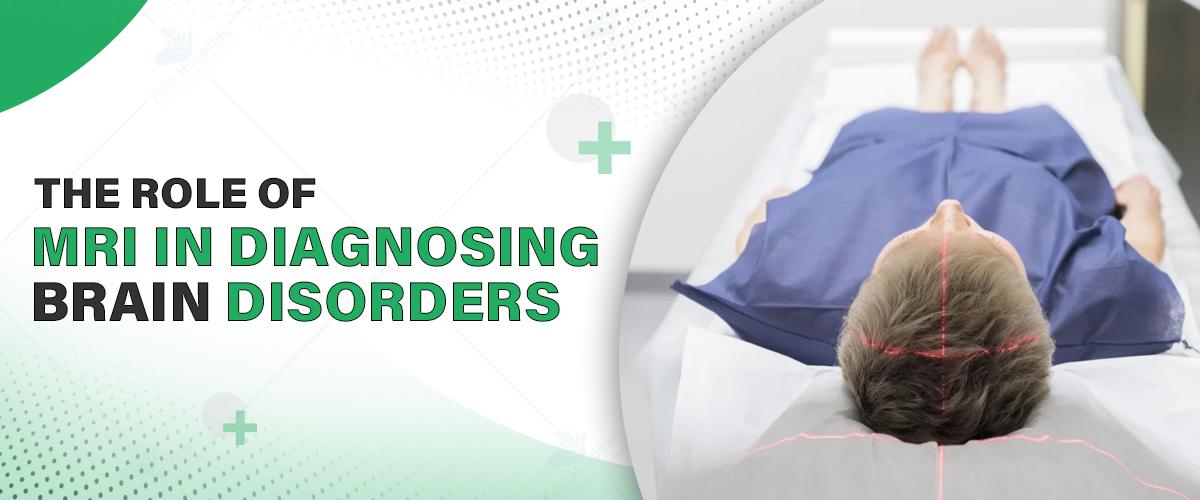
In terms of detecting neurological disorders, Magnetic Resonance Imaging (MRI) of the brain is perhaps the most sophisticated and utilized technology in use today. Whether the doctor is checking for recurring headaches, seizures, stroke-like symptoms, or other neurological issues, a brain MRI offers precise information that no other imaging technique can.
If you are in need of care or consultation, it is essential to seek out the best neurology hospital in Noida—a facility with state-of-the-art MRI technology and highly trained experts who can properly analyze your scans and direct treatment.
This in-depth guide will familiarize you with what a brain MRI is, how it is performed, what happens during the process and why your neurologist would prescribe this vital diagnostic test.
Early and precise diagnosis is the key to successful treatment. Don't hesitate—seek experts by calling +91 9667064100.
MRI of the brain is a painless imaging examination that employs a combination of powerful magnetic fields and radiofrequency waves to produce highly detailed images of the structures of the brain. In contrast to X-rays or CT scans, MRI doesn't employ ionizing radiation, making it safer, particularly for repeated imaging.
Brain MRI gives cross-sectional views which may reveal abnormalities in brain tissues, blood vessels, and other soft tissues and aid in the detection of tumors, strokes, infections, degenerative diseases, and others. High-resolution images enable neurologists to see even minor changes, something that is very important for early diagnosis and tracking.
In other situations, physicians prescribe a contrast-enhanced brain MRI to make some structures or lesions appear better. With this test, a contrast agent—a gadolinium-containing dye—is injected into a vein before or simultaneously with the MRI exam.
The contrast agent heightens the contrast between normal and abnormal tissues, which makes it easier to detect:
Cancerous growths or tumors
Regions of infection or inflammation
Abnormal blood vessels or aneurysms
Stroke or multiple sclerosis-affected regions
If your diagnostic imaging indicates a condition that can be treated with surgery or other advanced interventions, seeing the best neurology surgeon in Noida ensures you get first-class evaluation and planning for your treatment from an expert familiar with your individual circumstances.
Although terms "head MRI" and "brain MRI" are interchangeable, they can have subtly different connotations:
Brain MRI: Deals exclusively with the brain tissue itself—the gray matter, white matter, ventricles, and blood vessels that reside within the cranial cavity.
Head MRI: A more general term that can encompass imaging of the whole head, including the skull bones, sinuses, orbits (eye sockets), and potentially the upper cervical spine.
Understanding what kind of scan you're having illuminates what the neurologist is trying to assess based on your symptoms or condition.
Brain MRI may show a vast array of abnormalities and conditions, some of which include:
Brain cysts and tumors: Detection and evaluation of size, location, and possible malignancy.
Stroke or ischemic injury: Detection of areas with decreased blood supply or brain tissue death.
Multiple sclerosis (MS): Demonstration of demyelinating plaques or MS typical lesions.
Hemorrhage or bleeding: Acute and chronic bleeding within the brain.
Infections: Brain abscesses, encephalitis, or meningitis-related changes.
Structural abnormalities: Aneurysms, arteriovenous malformations (AVMs), or congenital malformations.
Neurodegenerative diseases: Changes linked to Alzheimer’s, Parkinson’s, or other disorders.
MRI’s exceptional soft tissue contrast and ability to capture multiple planes of images provide unparalleled detail for these conditions.
Neurologists order brain MRIs to investigate a broad spectrum of symptoms or conditions. Some common reasons include:
Persistent or extreme headaches that are not treatable
New onset of seizures or epilepsy assessment
Weakness, speech problems, or sudden vision change symptoms of stroke
Decline in cognitive function or memory impairment
Unexplained neurological impairment such as numbness, dizziness, or coordination problems
Follow-up of already diagnosed brain disorders
If you are referred for brain imaging, it is essential to see the best neurologist in Noida for professional interpretation of the results and a customized management plan that suits your individual requirements.
A brain MRI scanner is a big, tube-shaped device holding a strong magnet. As you recline in the scanner, the magnetic field briefly repositions the hydrogen atoms in your body. The scanner then picks up the signals created by radio waves to create precise images.
While the process is not painful or invasive, it requires extreme stillness to prevent blurring during the scan. Various sequences and settings in the MRI enable visualization of different aspects of tissues, which assist radiologists and neurologists in identifying abnormalities.
Preparation for a brain MRI is usually simple but significant:
Remove metal objects: Jewelry, watch, hairpins, glasses, and any metal accessories need to be removed.
Inform your doctor: Inform them if you have any implanted devices like pacemakers, cochlear implants, or metal clips.
Fasting: If your scan requires contrast dye, you might be asked to fast for several hours prior to it.
Comfortable clothes: Wear loose and comfortable clothes with no metal fasteners. You may also be asked to dress in a hospital gown.
Claustrophobia: Do you get nervous in small spaces? Talk to your doctor about sedation or open MRI options.
By following these steps, your scan will be safe, accurate, and comfortable.
No, just your head and neck are positioned inside the scanner bore (the hollow cylindrical part) during a brain MRI. The rest of your body stays outside the machine. This targeted positioning allows good-quality images of your brain to be taken while keeping discomfort to a minimum.
Here's what generally happens during a brain MRI:
You will lie on a motorized table that slides slowly into the MRI machine.
The technician will provide earplugs or headphones because the machine produces loud knocking and buzzing noises during scanning.
You need to remain very still to ensure sharp images. The scan usually lasts 20 to 45 minutes, depending on the sequences used.
If you receive contrast dye, you may experience a cold sensation or metallic taste for a brief time while it's injected.
The technician will also keep talking to you through an intercom and give you information.
Once your scan is complete, you can generally go back to normal activities unless sedation was administered.
Take the Next Step in Neurological Health—Schedule Your Brain MRI Now by clicking here.
Brain MRI is a vital diagnostic and management tool for neurological conditions. Safety, high resolution imaging, and lack of invasiveness make it the first choice for studying brain abnormality. If you obtain your scan from the best neurology hospital in Noida, you are assured of the use of cutting-edge technology, along with specialist doctors who can walk you through diagnosis and treatment confidently.
Before going ahead, always ask for the treatment cost in Noida to arrange your healthcare finances accordingly.
Early detection can be a make-or-break factor for outcomes. Be proactive about your neurological health by consulting experts and getting timely imaging.
Q1. Can a brain MRI detect anxiety, depression, or other mental health disorders?
Ans: No, a brain MRI cannot specifically diagnose mental health disorders such as depression or anxiety. Yet, it may help eliminate structural or neurological conditions that can have secondary psychiatric symptoms.
Q2. Is it safe to undergo a brain MRI if I have fillings or braces in my teeth?
Ans: Dental fillings and most braces are MRI-compatible, though they can, on occasion, warp images in the vicinity. Always give notice to your technician so changes can be made if needed.
Q3. Will I need someone to ride with me after the MRI?
Ans: Only in the case that you have been sedated because of claustrophobia or anxiety. Otherwise, a brain MRI is not invasive and you may go about your day immediately following the scan.
Q4. Can early Alzheimer's or dementia be detected on a brain MRI?
Ans: Yes, it can reveal structural brain alterations like shrinkage or white matter lesions that are typically characteristic of early dementia. It's frequently combined with memory and cognitive tests.

Unlike X-rays or CT scans, MRI uses powerful magnets and radio waves to generate images, making it particularly effective for visualizing soft tissues such as the brain, muscles, and internal organs.
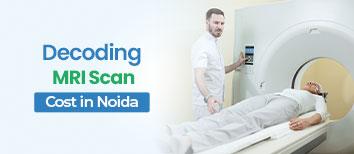
MRI (Magnetic Resonance Imaging) is an advanced diagnostic test used to detect problems related to the brain, spine, joints, and internal organs.
ब्रेन स्ट्रोक एक जानलेवा स्थिति है जिसमें मस्तिष्क को रक्त आपूर्ति रुक जाती है। इसके प्रकार, कारण, लक्षण, बचाव और इलाज
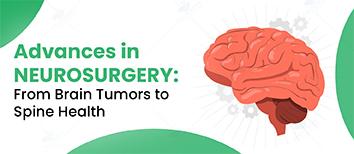
Advanced neurosurgery improves treatment for brain and spine disorders with better outcomes.

Bringing a baby into your life is a journey that begins long before you reach the delivery room. At our best maternity hospital in Noida, we feel that parenthood begins in the womb. Amid the numerous marvels of pregnancy, one of the most potent—and often underrated—is the influence of your voice on your baby's early growth. Speaking to your baby inside the womb is something more than a loving gesture; it's scientifically proven to facilitate bonding and fetal brain growth.
Schedule your prenatal consultation at the gynecology hospital today by calling +91 9667064100 and start your journey of deeper connection.
Your baby's ears start to develop during the second trimester and can hear and react to outside noises by the third trimester. According to studies, babies already recognize their mother's voice before birth. Talking to your unborn child on a daily basis not only establishes a connection emotionally but also encourages early cognitive and emotional development.
Infants usually start hearing sounds at about 18 weeks of pregnancy, and by 24–26 weeks are able to react to noises outside their womb. Your voice, especially, becomes a known, soothing sound your baby will recognize when born. It's one of the earliest and most powerful methods of bonding.
The cadence, tone, and rhythm of your voice can stimulate a developing brain. According to studies, repeated listening to your voice may increase language and sound-processing areas of the brain. This prenatal stimulation provides a foundation for later language ability, emotional security, and even improved sleep habits after birth.
Here are tips from the best gynecology hospital in Noida for communicating with your baby:
Morning and night talks – Say good morning when you get up and goodnight when sleeping.
Read out loud – Read children's books or your favorite book.
Sing – Lullabies or even your favorite tunes assist in the development of voice recognition.
Tell me about your day – Tell your baby what you're doing, how you're feeling, or what you're anticipating.
Routine talk – Repeating phrases or names familiarizes the baby with family voices.
There's no script—just be sincere. Say:
"Good morning, little one."
"Mommy and Daddy love you."
"We can't wait to meet you."
Tell your baby stories, your favorite memories, or just talk about your day. The tone and warmth in your voice matter more than the words themselves.
Yes, they do! Newborns know the voices and music they listened to all the time while they were pregnant. Familiar voices have a soothing effect and can calm them down after giving birth. That's why parents observe that their babies get calmer when they hear mom's voice or a song that was played very often when they were pregnant.
Make your partner and older children speak to the baby. It creates a feeling of belonging and anticipation. Listening to various voices increases familiarity and ties the family closer together. Fathers, in particular, must read books or sing to the baby—it creates a bond and lessens concern regarding bonding after delivery. It is a crucial insight from the best gynecologist in Noida.
This habit sets the emotional foundation for your relationship. It reminds your baby of your love, presence, and warmth. Parents who speak with their baby in utero report feeling more connected and emotionally ready to be parents. These initial conversations cultivate trust, empathy, and love even before your baby's birth.
Book your appointment with the best gynecologist in Noida and enjoy holistic prenatal care that is tailored to both mother and baby.
Speaking to your baby in the womb is lovely, simple, and an incredibly effective way to begin creating a lifelong connection. It aids in your baby's brain growth and emotional well-being and also makes you feel more bonded during pregnancy.
Our established maternity hospital in Noida offers caring, informed prenatal care and Call us to learn how much a prenatal consultation in Noida will cost. First-time visit or on-going pregnancy journey, we're here to guide you every step of the way. Prenatal consultations in Noida begin at affordable prices—contact us today to book yours and start talking to your little one with love.
Q1. Can listening to my baby in the womb during pregnancy assist with sleeping or feeding patterns after birth?
Ans: Yes, research indicates that babies exposed to their parents' voices regularly in utero will react more peacefully to the sounds after birth. This familiarity can have a very good effect on newborn sleep habits and feeding, as hearing the sound gives comfort and a feeling of security.
Q2. Is there a best time of day to chat with the baby?
Ans: There's no perfect time, but several parents have reported that mornings and evenings, when the baby is more active, tend to work best. Babies tend to respond more at times when the mother is relaxed, so bedtime stories or morning hellos work well.
Q3. Will loud or angry voices harm my baby in the womb?
Ans: Yes, repeated loud sounds or stressful voice can in fact induce distress in the fetus. While intermittent loud sounds are not harmful, continuous exposure to stress-related noises can negatively impact fetal development. Speaking in a soothing rhythm is best.
Q4. How can I get my toddler excited about talking to the baby in the womb?
Ans: Encourage your toddler to sing to the bump, to touch the baby, or to chat to the bump. Praise with words such as "The baby adores your voice!" and include them in activities preparing for the baby. This doesn't just enhance bonding but also alleviates baby-related sibling transition stress post-birth.

Mothers think a lot, when it comes to giving right nutrition to her baby. And she also has many questions like

Oropharyngeal cancer can present with a range of symptoms and risk factors that are often overlooked until the disease progresses. It's critical to understand the factors that contribute to this condition, from its early symptoms, such as throat pain and difficulty swallowing, to its causes, which include alcohol consumption, tobacco use, and HPV infection. This blog goes into great detail about Physical examinations and imaging tests are frequently used in diagnosis, and immunotherapy, medication therapy, radiation therapy, and surgery are all possible forms of treatment. This will help you to find Best hospital for pharyngeal cancer treatment.
Are you worried that your sore throat might be serious? To get an evaluation from experts, call +91 9667064100.
Oropharyngeal cancer is in the oropharynx, which is the middle part of your throat (pharynx) where saliva is made. Saliva helps you digest food and keeps your mouth and throat wet. For oropharyngeal cancer, there are different ways to treat it, but the illness may come back after treatment. You might not be able to avoid getting oropharyngeal cancer, but you can lower your chances of getting it by getting vaccinated against the human papillomavirus (HPV), not smoking, and drinking alcohol in moderation.
Signs and Reasons
Some common signs of oropharyngeal cancer are:
Pharyngitis sore throat.
Dysphagia means pain or trouble eating.
Your mouth won't open all the way (trismus) or your tongue won't move
Loss of weight for no reason
Voice changes
Pain in the ears
A lump in your mouth or throat
Blood cough.
A white spot on your tongue or the inside of your mouth.
The most common cause is an infection with human papillomavirus (HPV). HPV makes proteins that mess up the genes that control the genes that decide how fast the cells that line your mouth and throat grow. When genes stop controlling cell growth, cells start to grow out of control and form tumors.
Some other reasons are:
Cigarettes, cigars, and chewing tobacco are all forms of tobacco that damage the cells that line your throat. When cells in your throat get hurt, they divide more than usual. This means that they make more copies of their DNA than normal. When cells have to grow more often to make up for damaged cells, they are more likely to make mistakes when copying their DNA. This makes it more likely that cells will turn cancerous.
Alcohol: Drinking drinks with alcohol may hurt cells in your throat, making it harder for them to fix DNA.
Being infected with HPV, especially HPV type 16, is the biggest risk factor. These are some other risk factors:
A history of having smoked cigarettes and other tobacco products.
Regularly drinking a lot of alcoholic drinks.
A history of cancer in the head and neck.
A Pharyngeal cancer specialist will ask you about your symptoms and medical background, such as whether you have had head and neck cancer or radiation therapy to those areas. They will ask you about your habits, such as whether you smoke or have ever smoked.
Your mouth, throat, and neck will be looked at, and lumps in your neck may be a sign of a mass.
In order to get cells, doctors may do an endoscopic biopsy. The Best hospital for pharyngeal cancer treatment can perform the following other tests:
Computed tomography (CT) scan: This type of scan can be used to find out how big a growth is and whether it has spread. They might do this scan along with positron emission tomography (PET) scans.
An MRI scan is a type of imaging test that makes clear pictures of your body, especially of soft parts like your tonsils and the base of your tongue. An MRI also helps doctors figure out how big a growth is.
To treat oropharyngeal cancer, ENT cancer doctor may use surgery, radiation therapy, chemotherapy, specific drug therapy, or immunotherapy. Their goal is to get rid of the cancer cells as completely as possible without making it hard for you to speak or swallow.
Cancers that are small and haven't spread can be treated with surgery to get rid of growth.
The doctor may use chemotherapy by itself or along with radiation treatment. When you can't have surgery, like when you have a tumor that is too big to remove with surgery, they may use combination treatment instead. This type of treatment can also be used to:
Cure cancer that has spread from your throat to other parts of your body.
Cut down on growth before surgery.
Kill any cancer cells that are still there after surgery.
Immunotherapy is the first choice for treating oropharyngeal cancer that has come back or spread. Immunotherapy helps your body's defenses find and kill cancer cells.
Most of the side effects of immunotherapy are mild. These are the most common side effects:
Weakness
Rashes
Vomiting
Treatment for pharyngeal cancer gives a better outcome if its caught in the earlier stages
A doctor will need to check on you regularly if you have oropharyngeal cancer so they can look for signs of new or second cancer close to your oropharynx. If you smoke and drink alcohol containing drinks, you're more likely to get a new or second cancer or for your oropharyngeal cancer to come back.
Best hospital for pharyngeal cancer treatment will also inform you that pharyngeal cancer sometimes comes back after treatment is complete. As with most types of cancer, people who get identified and treated before the disease spreads do better than those who don't. People with HPV are more likely to get better than people who don't have it.
Get help from an expert for throat cancers. Call +91 9667064100 to talk to an ENT cancer doctor right away.
Oropharyngeal cancer is a serious disease, but finding it early and using the right treatment can make a big difference in how well it works. To effectively manage this disease, you need to know what the symptoms are, what your risk factors are, and get screenings on time. Many patients can get good results from surgery, drug therapies, and immunotherapy. This is especially true for patients who visit Best hospital for pharyngeal cancer treatment. If you have symptoms that don't go away, like a sore throat, trouble swallowing, or changes in your voice, see a doctor right away.
Q1. What kinds of doctors help people with oropharyngeal cancer?
Ans: ENT cancer doctors, oncologists, and surgeons often work together to take care of and treat people with oropharyngeal cancer.
Q2. What is the best way to treat pharyngeal cancer?
Ans: On the stage, treatment may include surgery, chemotherapy, radiation, or immunotherapy, or a mix of these.
Q3. Does immunotherapy work for oropharyngeal cancer?
Ans: Yes, especially in cases that come back or are advanced where other treatments don't work as well.
Q4. Is it possible to treat oropharyngeal cancer that is caused by HPV?
Ans: Cancers caused by HPV usually respond better to treatment and have a better chance of survival.
Q5. Does Felix Hospital have cancer care that involves more than one type of doctor?
Ans: Yes, Felix Hospital provides coordinated care that includes ENT surgeons, oncologists, radiologists, and rehabilitation specialists.
Q6. Should people with pharyngeal cancer get regular screenings?
Ans: Screenings aren't common, but people who are at high risk (like smokers and people with HPV) should get regular checkups.
7. How long does it take to get better after treatment for pharyngeal cancer?
Ans: It can take anywhere from a few weeks to months to fully recover, depending on the type of treatment and the stage of the cancer.
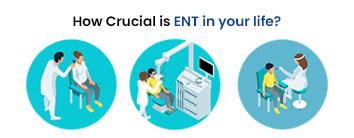
ENT health is essential for proper breathing, hearing, speech, and balance. Early detection and expert care ensure a better quality of life and prevent chronic complications.
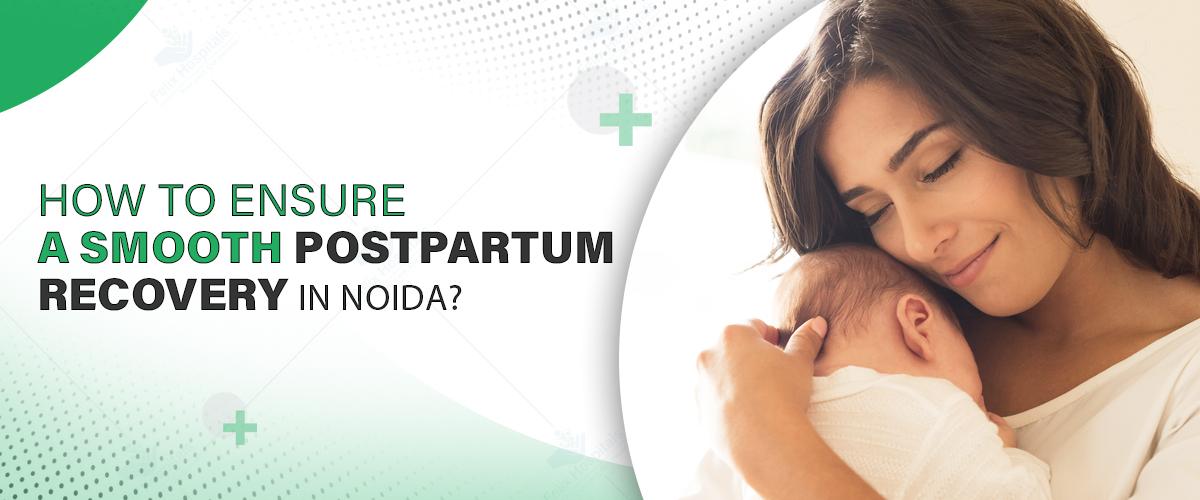
Postpartum recovery is one of the most personal and transformative experiences for all mothers. Whether this is your first baby or a new member of a family that's expanding, the weeks and days following childbirth can be exhausting, physically, mentally, and emotionally. As women living in a crowded urban metropolis like Noida, they are privileged to have access to high-quality medical care, communal resources, and support systems that can mitigate the postpartum period and facilitate optimal recovery.
Noida provides a range of choices where postnatal care is concerned, from nutrition consultations and physiotherapy to mental health counseling and home-care services. Whether you recover at home or want clinical advice, knowing what to anticipate and seeking consultation from the best gynecology hospital in Noida brings all the difference.
Develop a recovery plan that is centered around your comfort, wellness, and peace of mind. Call us today at +91 9667064100.
Postpartum recovery is the time shortly after giving birth — generally the first six to eight weeks — during which the mother's body starts to heal and adjust from the physical and emotional stress of pregnancy and labor.
This includes:
Uterus and perineum healing (particularly in the event of vaginal delivery)
Recovery of stitches or incision marks (C-section)
Hormonal balance
Adjustment of lactation
Stabilizing mental health
Restoring energy and muscle tone
Each woman's recovery is unique, and support during this time is essential.
Knowing what to expect and what not can alleviate anxiety during the post-delivery days. Following are some typical changes and symptoms to anticipate:
Bleeding and Discharge (Lochia): Look for light to heavy bleeding during 4–6 weeks post-delivery.
Uterine Contractions: These are normal as your uterus returns to its non-pregnant size.
Perineal or Incision Pain: Mild pain is usual, particularly with stitches.
Breast Engorgement or Soreness: With or without breastfeeding, this can happen within the first couple of days.
Fatigue and Sleep Disruption: Lack of sleep is one of the most frequent difficulties.
Mood Swings or "Baby Blues": Mood changes are normal, but they tend to resolve within two weeks.
Always seek a medical expert if you have intense pain, high fever, heavy bleeding, or ongoing emotional distress.
Noida boasts an array of private clinics, wellness centers, and governmental programs that treat postnatal mothers. Although centers differ in services, many provide:
Post-delivery check-ups
Lactation counseling
Pain management
Scar and wound care
Pelvic floor strengthening physiotherapy
Nutrition counseling
24/7 medical advice hotline
When choosing a center or practitioner, ensure that they are postnatal care specialists with experience in dealing with the emotional and physical requirements of new mothers.
Postpartum recovery needs a solid support system. You can hire:
Postnatal Doulas or Caregivers: Experts who take care of newborns and mothers' physical healing.
Lactation Consultants: Certified experts who address breastfeeding issues.
Physiotherapist: Specifically trained for postnatal care to help tighten abdominal muscles and strengthen the pelvic floor.
If visiting a clinic is not your preference, then in-home visits or even online consultations are possible with the best gynecologist in Noida, especially in the early recovery weeks.
Food is an important part of recovery. In Indian culture, the postpartum diet relies on replenishing strength, supporting lactation, and repairing the body. Some advice includes:
High-Protein Foods: Like lentils, nuts, milk, and eggs to support tissue repair.
Iron and Calcium-Rich Foods: Supports rebuilding blood and fortifying bones.
Hydration: Drink lots of warm liquids — it supports digestion and increases milk supply.
Herbal Beverages: Teas infused with cumin, ajwain (carom seeds), and fenugreek are usually used.
Healthy Fats: Consume ghee in moderation to regain strength.
Avoid extremely spicy, fried, and processed foods, if possible, in the initial weeks.
Motion is essential for mental clarity, circulation, and general recuperation, but only after consulting the best gynecology physician nearby. Noida provides access to:
Postnatal Yoga Sessions (in centers or online)
Light Park Walking Trails
Home Physiotherapy Consultations
Pelvic Floor Training Programs
Emphasize breathing exercises, stretching, and strengthening exercises. Steer clear of abdominal crunches or high-impact exercise for the first six weeks.
Just like physical recovery, mental well-being is crucial. New mothers often suffer from mood swings, anxiety, and stress.
This is how to get help:
Therapists or Psychologists who specialize in postpartum depression and anxiety
Helplines that provide anonymous emotional support
New mom support groups, online or in-person
Mindfulness groups and meditation classes
Early identification of signs of postpartum depression, including persistent sadness, loss of interest, or being disconnected from the baby, is important. Seeking professional advice is not a weakness, it's self-care.
Most mothers in Noida prefer in-home rehabilitation with the assistance of qualified caregivers, who can provide:
Personal care and wound management
Breastfeeding support
Infant care and feeding schedules
Light housework
Medication management
Physiotherapy sessions at home
This is especially helpful in the early weeks when rest and support are vital. Be sure to choose a verified, background-checked provider for peace of mind.
New moms will benefit from having certain products easily accessible at home:
Maternity sanitary pads and postpartum underwear
Nipple creams and breast pumps
Herbal massage oils
Nursing pillows
Perineal sprays and ice packs
Comfortable, feeding-friendly clothing
These are easily accessible at Noida pharmacies, supermarkets, and online shopping sites. Postpartum recovery kits provided by some home care services also contain these basics.
Creating a support network with fellow mothers gives emotional support and hands-on assistance. In Noida, you can join:
Local mom meetups via social media or parenting apps
WhatsApp groups organized by doulas or childbirth educators
Online parenting forums with localized advice
Yoga or fitness groups for new mothers
These groups usually exchange tips on baby care, post-delivery recovery, breastfeeding difficulties, and other issues, and also they work to decrease feelings of loneliness.
Most women underestimating the physical and emotional demands of giving birth, particularly in urban areas where life moves so quickly. Taking care of your recovery not only speeds up the healing process but also enables you to connect more closely with your baby and adjust to motherhood confidently.
Having a solid postpartum plan, either at home or under professional consultation, is vital in a place at an affordable cost in Noida, where there is plenty of resource but life can be fast-paced.
Take care of your health and well-being during this life-changing phase by scheduling your appointment.
Postpartum is not only about recovery, it's about finding your strength again, adjusting to a new rhythm of life, and taking care of your body and soul. Being in Noida gives new mothers an added benefit: access to multiple recovery options, wellness services, and caring communities that make this experience easier and more comfortable.
The most important thing is to respect your pace and allow yourself the time and space to heal, whether you choose home care, wellness consultations, support groups, or a combination of these options. Postpartum healing is not linear, and there is no one-size-fits-all solution, your body and your feelings deserve patience, care, and compassion.
Make use of the resources around you, create a supportive network of friends and family, and most of all, listen to your body. Your health does the groundwork for your baby's development, your family's peace, and your own long-term well-being.
Q1. How long does postpartum recovery typically last?
Ans: Postpartum recovery should take approximately 6 to 8 weeks, but this is dependent on the nature of delivery (vaginal or C-section), one's health conditions, and the extent of support received. Complete physical and emotional restoration could take up to a few months.
Q2. At what point should I begin postnatal exercise after delivery?
Ans: You can typically start gentle breathing and pelvic floor exercises in a few days following a normal delivery, but do check with your healthcare provider. For more intense activity or C-section recovery, wait at least 6 weeks and clear it medically before beginning.
Q3. What are the signs of postpartum depression I should watch for?
Ans: Look out for persistent sadness, irritability, anxiety, tiredness, loss of interest in the baby, sleep or appetite changes, or thoughts of self-harm. If you experience these symptoms beyond two weeks or they get worse, seek professional mental health help right away.
Q4. Can I contract postnatal care at home in Noida?
Ans: Yes, several certified caregivers, physiotherapists, and nurses in Noida provide postpartum services at home, such as baby care, wound care, lactation support, and light housekeeping. Always look for certified professionals and customer reviews.
Dr. Charu Yadav is an obstetrician and gynecologist with 12+ years of experience, specializing in high-risk and twin pregnancies, ectopic pregnancy, and menstrual disorders. Trained in laparoscopic surgery, she provides care for pregnancy, infertility, menopause, and gynae procedures. She is also recognized among the Best Gynecologists in Noida for her patient-focused treatment.
Selecting the best gynecologist hospital in Noida is crucial for your health. Learn what to look for in top facilities offering specialized care in maternity, infertility, menstrual health, and gynecological surgeries.

Childhood is an important period in which lifelong habits are formed, making it an ideal time to introduce lifestyle interference that can promote long-term health and well-being.

As parents, we often strive to ensure our children are happy, healthy, and thriving both emotionally and physically.

Subscribe to our
© Copyright 2026. All Rights Reserved by Felix Healthcare Private Limited
Design and development by :


 +(91)9667064100
 Emergency : +(91)9667064100