 WhatsApp
 Emergency:
  WhatsApp







Subscribe to our
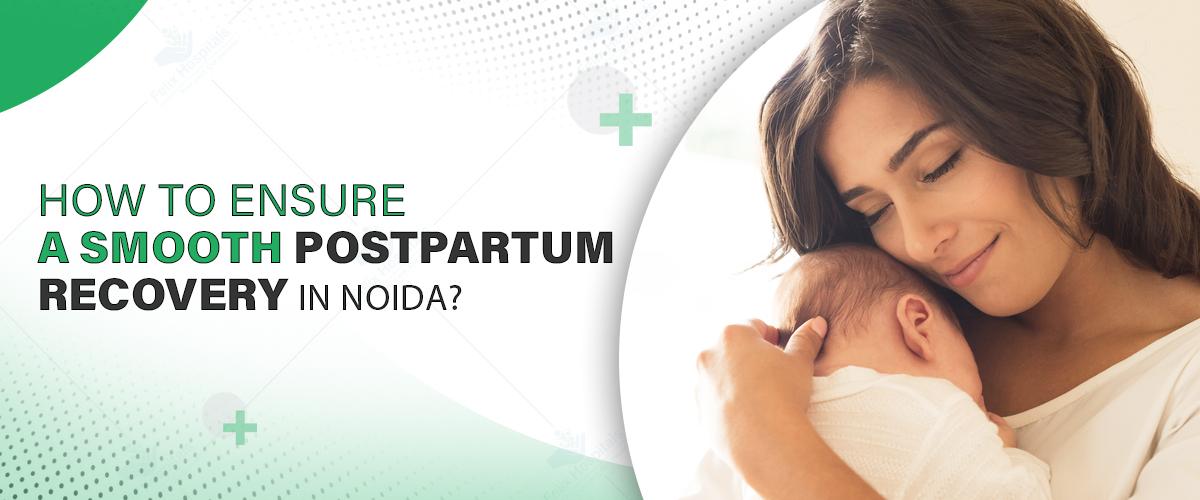
Postpartum recovery is one of the most personal and transformative experiences for all mothers. Whether this is your first baby or a new member of a family that's expanding, the weeks and days following childbirth can be exhausting, physically, mentally, and emotionally. As women living in a crowded urban metropolis like Noida, they are privileged to have access to high-quality medical care, communal resources, and support systems that can mitigate the postpartum period and facilitate optimal recovery.
Noida provides a range of choices where postnatal care is concerned, from nutrition consultations and physiotherapy to mental health counseling and home-care services. Whether you recover at home or want clinical advice, knowing what to anticipate and seeking consultation from the best gynecology hospital in Noida brings all the difference.
Develop a recovery plan that is centered around your comfort, wellness, and peace of mind. Call us today at +91 9667064100.
Postpartum recovery is the time shortly after giving birth — generally the first six to eight weeks — during which the mother's body starts to heal and adjust from the physical and emotional stress of pregnancy and labor.
This includes:
Uterus and perineum healing (particularly in the event of vaginal delivery)
Recovery of stitches or incision marks (C-section)
Hormonal balance
Adjustment of lactation
Stabilizing mental health
Restoring energy and muscle tone
Each woman's recovery is unique, and support during this time is essential.
Knowing what to expect and what not can alleviate anxiety during the post-delivery days. Following are some typical changes and symptoms to anticipate:
Bleeding and Discharge (Lochia): Look for light to heavy bleeding during 4–6 weeks post-delivery.
Uterine Contractions: These are normal as your uterus returns to its non-pregnant size.
Perineal or Incision Pain: Mild pain is usual, particularly with stitches.
Breast Engorgement or Soreness: With or without breastfeeding, this can happen within the first couple of days.
Fatigue and Sleep Disruption: Lack of sleep is one of the most frequent difficulties.
Mood Swings or "Baby Blues": Mood changes are normal, but they tend to resolve within two weeks.
Always seek a medical expert if you have intense pain, high fever, heavy bleeding, or ongoing emotional distress.
Noida boasts an array of private clinics, wellness centers, and governmental programs that treat postnatal mothers. Although centers differ in services, many provide:
Post-delivery check-ups
Lactation counseling
Pain management
Scar and wound care
Pelvic floor strengthening physiotherapy
Nutrition counseling
24/7 medical advice hotline
When choosing a center or practitioner, ensure that they are postnatal care specialists with experience in dealing with the emotional and physical requirements of new mothers.
Postpartum recovery needs a solid support system. You can hire:
Postnatal Doulas or Caregivers: Experts who take care of newborns and mothers' physical healing.
Lactation Consultants: Certified experts who address breastfeeding issues.
Physiotherapist: Specifically trained for postnatal care to help tighten abdominal muscles and strengthen the pelvic floor.
If visiting a clinic is not your preference, then in-home visits or even online consultations are possible with the best gynecologist in Noida, especially in the early recovery weeks.
Food is an important part of recovery. In Indian culture, the postpartum diet relies on replenishing strength, supporting lactation, and repairing the body. Some advice includes:
High-Protein Foods: Like lentils, nuts, milk, and eggs to support tissue repair.
Iron and Calcium-Rich Foods: Supports rebuilding blood and fortifying bones.
Hydration: Drink lots of warm liquids — it supports digestion and increases milk supply.
Herbal Beverages: Teas infused with cumin, ajwain (carom seeds), and fenugreek are usually used.
Healthy Fats: Consume ghee in moderation to regain strength.
Avoid extremely spicy, fried, and processed foods, if possible, in the initial weeks.
Motion is essential for mental clarity, circulation, and general recuperation, but only after consulting the best gynecology physician nearby. Noida provides access to:
Postnatal Yoga Sessions (in centers or online)
Light Park Walking Trails
Home Physiotherapy Consultations
Pelvic Floor Training Programs
Emphasize breathing exercises, stretching, and strengthening exercises. Steer clear of abdominal crunches or high-impact exercise for the first six weeks.
Just like physical recovery, mental well-being is crucial. New mothers often suffer from mood swings, anxiety, and stress.
This is how to get help:
Therapists or Psychologists who specialize in postpartum depression and anxiety
Helplines that provide anonymous emotional support
New mom support groups, online or in-person
Mindfulness groups and meditation classes
Early identification of signs of postpartum depression, including persistent sadness, loss of interest, or being disconnected from the baby, is important. Seeking professional advice is not a weakness, it's self-care.
Most mothers in Noida prefer in-home rehabilitation with the assistance of qualified caregivers, who can provide:
Personal care and wound management
Breastfeeding support
Infant care and feeding schedules
Light housework
Medication management
Physiotherapy sessions at home
This is especially helpful in the early weeks when rest and support are vital. Be sure to choose a verified, background-checked provider for peace of mind.
New moms will benefit from having certain products easily accessible at home:
Maternity sanitary pads and postpartum underwear
Nipple creams and breast pumps
Herbal massage oils
Nursing pillows
Perineal sprays and ice packs
Comfortable, feeding-friendly clothing
These are easily accessible at Noida pharmacies, supermarkets, and online shopping sites. Postpartum recovery kits provided by some home care services also contain these basics.
Creating a support network with fellow mothers gives emotional support and hands-on assistance. In Noida, you can join:
Local mom meetups via social media or parenting apps
WhatsApp groups organized by doulas or childbirth educators
Online parenting forums with localized advice
Yoga or fitness groups for new mothers
These groups usually exchange tips on baby care, post-delivery recovery, breastfeeding difficulties, and other issues, and also they work to decrease feelings of loneliness.
Most women underestimating the physical and emotional demands of giving birth, particularly in urban areas where life moves so quickly. Taking care of your recovery not only speeds up the healing process but also enables you to connect more closely with your baby and adjust to motherhood confidently.
Having a solid postpartum plan, either at home or under professional consultation, is vital in a place at an affordable cost in Noida, where there is plenty of resource but life can be fast-paced.
Take care of your health and well-being during this life-changing phase by scheduling your appointment.
Postpartum is not only about recovery, it's about finding your strength again, adjusting to a new rhythm of life, and taking care of your body and soul. Being in Noida gives new mothers an added benefit: access to multiple recovery options, wellness services, and caring communities that make this experience easier and more comfortable.
The most important thing is to respect your pace and allow yourself the time and space to heal, whether you choose home care, wellness consultations, support groups, or a combination of these options. Postpartum healing is not linear, and there is no one-size-fits-all solution, your body and your feelings deserve patience, care, and compassion.
Make use of the resources around you, create a supportive network of friends and family, and most of all, listen to your body. Your health does the groundwork for your baby's development, your family's peace, and your own long-term well-being.
Q1. How long does postpartum recovery typically last?
Ans: Postpartum recovery should take approximately 6 to 8 weeks, but this is dependent on the nature of delivery (vaginal or C-section), one's health conditions, and the extent of support received. Complete physical and emotional restoration could take up to a few months.
Q2. At what point should I begin postnatal exercise after delivery?
Ans: You can typically start gentle breathing and pelvic floor exercises in a few days following a normal delivery, but do check with your healthcare provider. For more intense activity or C-section recovery, wait at least 6 weeks and clear it medically before beginning.
Q3. What are the signs of postpartum depression I should watch for?
Ans: Look out for persistent sadness, irritability, anxiety, tiredness, loss of interest in the baby, sleep or appetite changes, or thoughts of self-harm. If you experience these symptoms beyond two weeks or they get worse, seek professional mental health help right away.
Q4. Can I contract postnatal care at home in Noida?
Ans: Yes, several certified caregivers, physiotherapists, and nurses in Noida provide postpartum services at home, such as baby care, wound care, lactation support, and light housekeeping. Always look for certified professionals and customer reviews.
Dr. Charu Yadav is an obstetrician and gynecologist with 12+ years of experience, specializing in high-risk and twin pregnancies, ectopic pregnancy, and menstrual disorders. Trained in laparoscopic surgery, she provides care for pregnancy, infertility, menopause, and gynae procedures. She is also recognized among the Best Gynecologists in Noida for her patient-focused treatment.
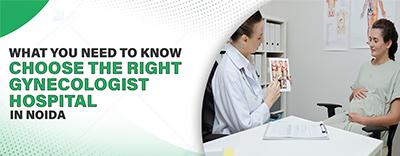
Selecting the best gynecologist hospital in Noida is crucial for your health. Learn what to look for in top facilities offering specialized care in maternity, infertility, menstrual health, and gynecological surgeries.

Childhood is an important period in which lifelong habits are formed, making it an ideal time to introduce lifestyle interference that can promote long-term health and well-being.

As parents, we often strive to ensure our children are happy, healthy, and thriving both emotionally and physically.
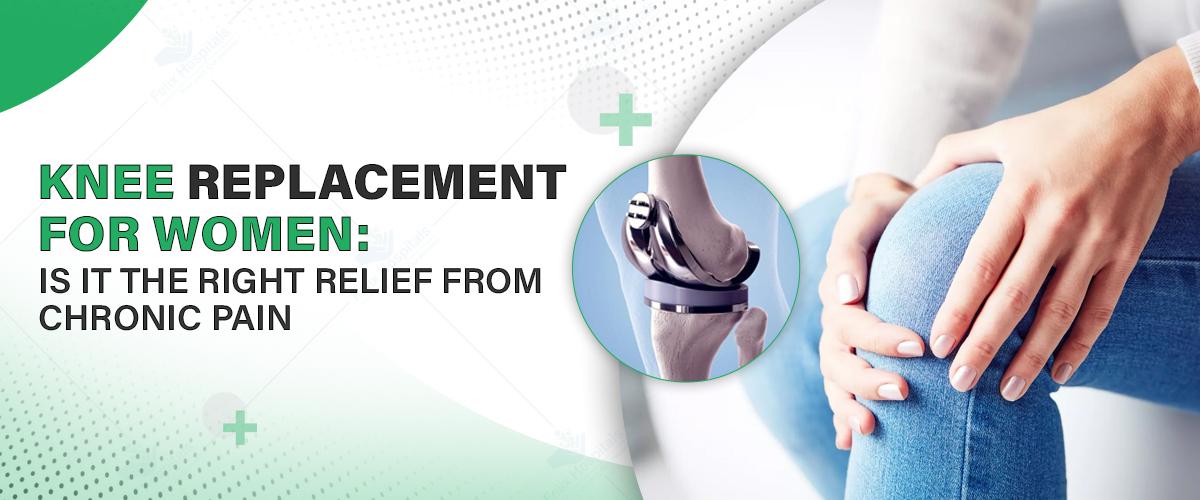
From morning walks to power moves—healthy knees help you accomplish more!
Whether you are trying to meet a work milestone, doing house chores, or engaged in a Zumba class, your knees are your reliable partner in each of these activities. They hold much more value than simply being joints as they support the structure of your body. However, pain does happen to come out of nowhere and slow you down. Injuries, arthritis, weight gain, and decades of life accumulated stress can all take a toll. Did you know that? Women are more likely to suffer from knee pain than men. This is due to the combination of hormonal changes, joint structures, and lifestyle factors.
Here’s the bright side: knees don’t have to dictate the story of your life, and you are empowered to change that with the right action, care, and understanding. Your knees can silently be screaming for help, and it is now time to act, support, and pamper them. This way, the strength and confidence of movement you’ll have is the one that matters.
For many women, knee discomfort begins as a little irritation but can progress to a serious problem that makes it difficult to walk, climb stairs, or even stand for extended periods of time. When conservative treatments such as medication, physical therapy, and lifestyle changes fail to alleviate symptoms, knee replacement surgery becomes a viable and successful choice.
This blog post goes into excellent detail about knee replacement surgery, with a focus on how it affects women. It also offers advice on how to make an informed decision, especially for those considering visiting knee replacement hospital in Noida.
Begin your journey towards a pain-free life. Call +91 9667064100 to schedule a tailored appointment today.
Knee replacement surgery, also known as knee arthroplasty, is a surgical technique that involves removing worn-out or shattered sections of the knee joint and replacing them with man-made pieces composed of metal alloys, ceramics, or high-strength polymers. The purpose of this procedure is to reduce pain, restore function, and enhance the quality of life for people who have significant joint illness or damage.
Total Knee Replacement (TKR): This procedure involves replacing the whole knee joint.
Partial Knee Replacement (PKR): The broken section of the knee is replaced.
Minimally invasive surgery involves smaller incisions and faster healing.
Advances in medical technology have accelerated healing, reduced hospital stays, and improved surgical success, making the cost of knee replacement surgery in Noida more affordable and accessible.
Knee problems are more prevalent and severe in women than in men. This increased sensitivity can be attributed to three major causes:
1. Anatomical differences
Women have a larger pelvis than men, which affects the alignment of the femur and tibia. The Q-angle, also known as the quadriceps angle, causes increased strain on the knee joint, particularly during physical activity. Misalignment causes cartilage to wear out more quickly, potentially leading to illnesses like patellofemoral pain syndrome or osteoarthritis.
2. The effects of hormones
Hormonal fluctuations, particularly estrogen, can weaken and stiffen ligaments. Women's joints can become looser at times, such as during menstruation, pregnancy, or menopause. This increases the risk of ligament injuries, including ACL ruptures, and worsens knee pain.
3. How you live and what you do
Some hobbies or tasks that women frequently perform may increase their susceptibility to repetitive stress or overuse injuries. Furthermore, women are more likely than men to seek medical attention, which leads to early diagnosis and treatment.
4. More cases of osteoarthritis
Studies show that women are more likely to acquire osteoarthritis after 50. Hormonal changes during menopause can also accelerate joint degeneration, making surgery a viable option for long-term relief.
A woman who suffers from chronic and severe knee pain might have knee replacement surgery to change her life forever. The following are some of the most important benefits:
Chronic knee discomfort can make it difficult to complete routine tasks. Women can continue a more active lifestyle after knee replacement surgery, which can greatly lessen or eliminate pain caused by arthritis or damage.
Most indicate they can now walk, exercise, and enjoy activities that they were unable to do previously due to pain. Improved joint function promotes people's independence.
Chronic pain relief and increased mobility can improve your mental health, make you more sociable, and feel healthier overall. Women tend to sleep better, take less drugs, and are happier in their daily lives.
Under ideal conditions, an artificial prosthetic knee can last 15 to 20 years, if not longer. This increased longevity is attributable to advancements in implant materials and surgical procedures. Surgery is a successful long-term treatment since it lasts for an extended period of time.
Most manufacturers now offer gender-specific implants that are engineered to fit and feel more like natural tissue, resulting in a higher success rate and feel for women. They recognize that male and female knees are not same.
Knee replacement surgery has many benefits, but women must consider the risks and responsibilities associated with it. Important aspects to consider are:
Recovery following knee replacement surgery needs time, effort, and dedication to physical therapy. Most people recover in 6 to 12 weeks, although it may take 6 months or more.
Any major surgery comes with certain consequences, such as
Infection
Blood clots.
Nerve injury
How the body reacts to anesthetic
Depending upon these complications, the Cost of knee replacement surgery in Noida may increase.
Younger women must evaluate how long their implants will survive and whether they will need to have surgery again in the future. Active individuals will need to learn new movement patterns and avoid activities that put pressure on the new joint.
The standard of medical therapy has a substantial impact on the efficacy of knee replacement surgery. If you or a loved one are considering knee replacement surgery, you must find the best knee replacement hospital in Noida.
Before deciding to have surgery, one should consider the following:
Experienced orthopedic doctors: Locate institutions with board-certified orthopedic surgeons who perform a high volume of knee replacement surgery. Best Orthopedic Surgeons in Noida have performed a large number of successful surgeries and are better equipped to handle complicated cases.
Surgical Facilities: Newer operating rooms equipped with 3D imaging, and advanced systems can improve operation precision and patient outcomes.
Reputation and Accreditation: Make sure the hospital is accredited by reputable healthcare organizations and has positive patient evaluations and high success rates for joint replacement surgeries.
Book an appointment to obtain a thorough assessment and a treatment plan tailored just for you.
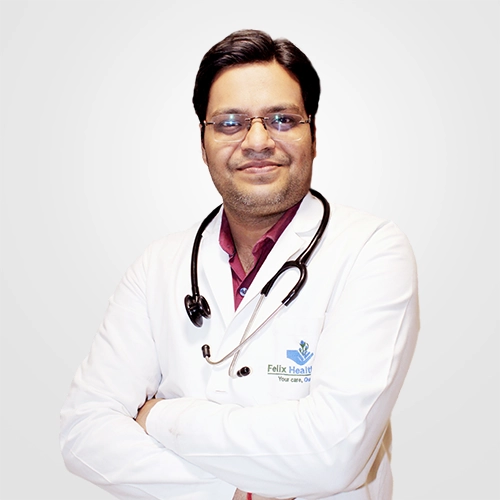
Dr. Keshav Goel is an experienced Orthopedic and Joint Replacement Surgeon in Noida with over 10 years of clinical expertise. He has performed 2,000+ independent surgeries and specializes in computer-assisted joint replacement and arthroscopic surgeries of the knee, shoulder, and hip. Known for his skill in treating sports injuries, trauma, and joint disorders, he provides advanced and patient-focused orthopedic care.
Knee replacement surgery can transform the lives of women suffering from chronic and severe knee pain. It relieves pain, restores joint function, and allows you to resume physical activity. However, it's important not to make hasty decisions. To make the best option, you must understand the benefits and drawbacks, consult an experienced orthopedic surgeon about your specific health needs, and weigh the risks.
If you are considering this operation in Noida, you must choose the best hospital with one of the best Female orthopedic surgeon in Noida. A reliable medical support system can make the journey go more smoothly and produce better results.
If you or someone you care about is experiencing knee discomfort and considering surgery, now is the time to speak with a specialist call at +91 9667064100.
Question 1. Does knee replacement surgery work as effectively for women as for men?
Answer: Yes, but women often experience more pain alleviation and improved mobility following surgery. Women-specific implants and surgical techniques have increased women's success and satisfaction rates.
Question 2. How do postmenopausal hormone changes affect the outcomes of knee replacement surgery?
Answer: Women who have experienced menopause may have this bones and heal in different ways. Surgeons at top-tier hospitals evaluate these alterations when selecting implants and monitoring patients after photoporation, which leads to better outcomes.
Question 3. If I have other ailments, such as diabetes or thyroid difficulties, can I still have knee replacement surgery?
Answer: Yes, however it is critical to monitor other health conditions. Hospitals in Noida offer comprehensive treatment, including endocrinologists, before and after surgery to ensure your best health.
Question 4. How long are women in Noida normally hospitalized after having knee replacement surgery?
Answer: The majority of women are hospitalized for three to five days, depending on their health and rate of recovery.
Question 5. Will I be able to kneel, squat, or do yoga following knee replacement surgery?
Answer: Most women return to low-impact activities like yoga, swimming, and cycling within three to six months.

Knock knees, medically known as genu valgum, is a common condition in young children where the knees angle inward and touch one another when the legs are straightened.

Knock knees occur when knees angle inward, creating a bow-legged appearance from the front. This condition is common in children during growth spurts.

PCOS can make it hard to get pregnant, but it's not impossible. Polycystic ovary syndrome (PCOS) is a common condition that affects many women of childbearing age and is one of the main reasons why women can't get pregnant. It can make it harder to get pregnant because it causes a lot of problems, such as irregular periods, hormonal imbalances, and problems with ovulation. Many women with PCOS go on to have healthy pregnancies, though, with the right help, medical advice, and changes to their way of life. In this blog, we'll talk about the problems that people with PCOS often have, the cost of PCOS treatment in Noida, and how to deal with the problems that come with PCOS.
Having trouble getting pregnant with PCOS? You are not the only one. Call our fertility experts today at +91 9667064100.
Polycystic Ovarian Syndrome, also known as PCOS, is a hormonal disorder that affects millions of women. It is a condition in which the ovaries generate androgens (male hormones) at a degree that is higher than the normal range. The woman's fertility, and menstrual cycle could all be impacted as a result of this.
The following are some of the most prevalent symptoms of polycystic ovary syndrome (PCOS):
Lack of menstrual periods or periods that are irregular
period that is longer than usual
Accumulation of weight
Infertility occurring as a result of irregular ovulation
An of acne outbreak
Oily Skin
Excessive facial and body hair, also known as hirsutism
Loss of hair on the head or thinner hair
Ovaries with cysts
In spite of the fact that you might want some additional assistance, having PCOS does not indicate that you are unable to conceive; there is still hope. Women with polycystic ovary syndrome (PCOS) can visit the best gynecology hospital Noida to get help related to the concerns of conceiving and delivering healthy infants.
Polycystic ovarian syndrome is a condition that affects women who are of reproductive age and is characterized by an imbalance of endocrine hormones. It is responsible for the appearance of cysts on the ovaries, which are tiny sacs filled with fluid and cause high levels of androgens. It also causes menstrual periods that are irregular.
PCOS can have a negative impact on a woman's fertility due to the following issues:
Irregular ovulation:
One of the most prevalent symptoms of polycystic ovary syndrome (PCOS) is irregular ovulation. Irregular ovulation makes it more difficult to determine when the best time is for a woman to conceive, which in turn decreases the likelihood that she will become pregnant.
Imbalances of the hormones:
By causing hormonal imbalances, polycystic ovary syndrome (PCOS) can be detrimental to the formation and release of eggs. Androgens that are present in high amounts can cause disruptions to the menstrual cycle and can also prevent eggs from maturing.
The resistance to insulin:
A common sign of polycystic ovary syndrome (PCOS) in women is insulin resistance. This can result in increased insulin levels, which in turn causes the ovaries to create a greater quantity of androgens.
If you have polycystic ovary syndrome (PCOS), there is a possibility of a cesarean section delivery, an elevated blood pressure, hypoglycemia during pregnancy and miscarriage all of this adds up and increases the Cost of PCOS treatment in Noida.
Weight gain is one of the most prominent symptoms of polycystic ovary syndrome (PCOS), and the majority of women who have this condition are obese. Those women who are overweight and have polycystic ovary syndrome (PCOS) are more prone to undergo significant anovulation, which is the reason why they have difficulty conceiving.
A nutritious diet is essential for any woman who is trying to conceive, but it is especially important for women who are suffering with polycystic ovary syndrome (PCOS) so that their bodies can better regulate insulin levels. It is essential that your diet have a sufficient amount of protein and a variety of nutrients.
The regularity of your menstrual cycle can be improved by around fifty percent by increasing the amount of time you spend exercising and walking at a fast pace on a daily basis. It assists you in maintaining a healthy lifestyle and facilitates the treatment of your fertility issues.
PCOS is a condition that creates a number of problems in a woman's body, which makes it more challenging for her to become pregnant. In spite of this, there are certain actions that a clinician will recommend to their patient in order to assist them in becoming pregnant.
Maintaining a record of your menstrual cycle through the use of a calendar or an application can allow you to recognize any patterns that may arise. With the use of this knowledge, you will have a better understanding of your body and will be able to provide your healthcare professional with insights.
You can monitor your ovulation by using ovulation predictor kits, also known as OPKs. It is possible to determine when you are most fertile with the use of OPKs. This raises the likelihood that you may become pregnant.
Your fertility specialist will be able to provide you with personal guidance and may also suggest therapies that will assist you in regulating your menstrual cycle. They have the potential to increase your rates of conceiving. Consulting the PCOS pregnancy specialist doctor Noida will help with more clarity and confidence during your pregnancy.
The price of a treatment for polycystic ovary syndrome (PCOS) vary depending on the particular form of treatment that is recommended by a healthcare provider, such as:
Hormonal birth control
Medications (Insulin-sensitising, androgen-blocking and ovulation-inducing)
Surgery
In vitro fertilization (IVF)
The Cost of PCOS treatment in Noida can also vary greatly based on a number of criteria, such as the location, the amount of the therapy, the level of experience of the physician, and the pricing structure of the facility.
In addition, you have the option of consulting the best gynecologist Noida in order to discuss your particular requirements and obtain a tailored estimate for the procedure.
You can start your journey to parenthood today. Call +91 9667064100 to learn more about your treatment options.
It can be hard to get pregnant with PCOS, but with the right care, careful planning, and a strong support system, it is possible. You can greatly increase your chances of having a healthy pregnancy by learning about your body, making healthier choices, and getting medical help when you need it. Remember that you are not alone as you start this journey or look into fertility treatments.
Q1. If I have PCOS and want to get pregnant, when should I see a gynecologist?
Ans: It's best to get advice right away when you start planning, because getting help early can improve your chances of having a successful pregnancy.
Q2. Does Felix Hospital offer fertility counseling for women with PCOS?
Ans: Yes, Felix does full fertility tests and makes personalized plans for getting pregnant for people with PCOS.
Q3. How does having insulin resistance make it harder for people with PCOS to get pregnant?
Ans: When your body doesn't respond to insulin as it should, it can cause more hormonal imbalance, which makes ovulation less predictable and makes it harder to get pregnant.
Q4. If I have PCOS, can I still get IVF at Felix Hospital?
Ans: Yes, Felix Hospital has IVF treatments that are specifically for women with PCOS. These treatments include careful monitoring of ovulation and hormone levels.
Q5. What makes Felix Hospital the best place in Noida for PCOS care?
Ans: Felix has a variety of care methods, the latest diagnostic tools, and gynecologists who focus on PCOS-related fertility problems.
Q6. Do natural ways of getting pregnant still work for people with PCOS?
Ans: Yes, many women with PCOS can get pregnant naturally by keeping track of their cycles, changing their lifestyles, and only needing a little medical help.
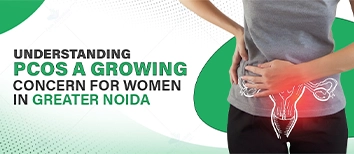
Understanding PCOS: A Growing Concern for Women in Greater Noida" explores the rising prevalence of Polycystic Ovary Syndrome (PCOS) among women in the region

Turner Syndrome can impact fertility and reproductive health, causing challenges with ovarian function, hormone production, and pregnancy for affected women.
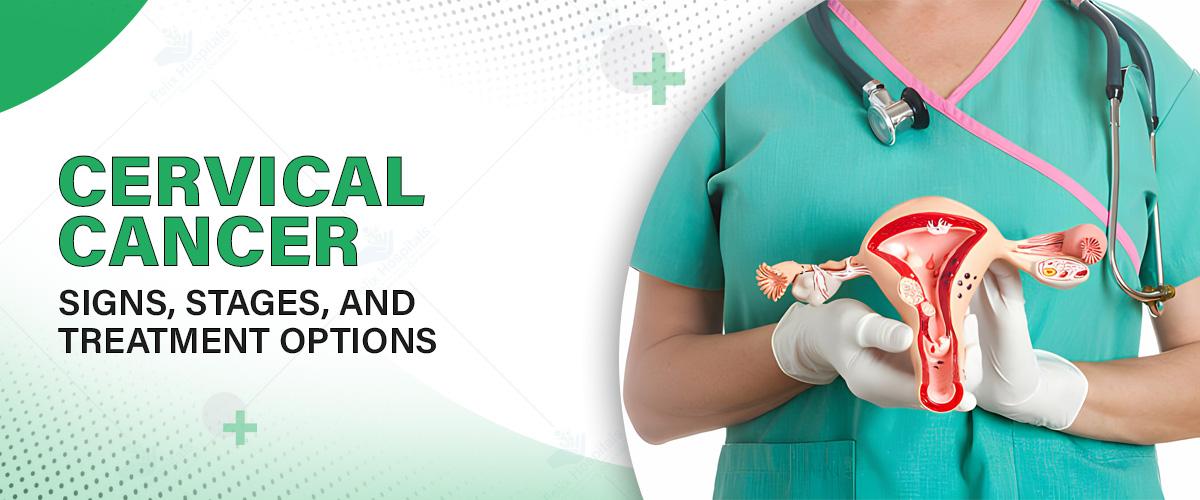
Cervical cancer continues to be a significant global health issue for women, but the availability of screening devices and improved therapies can significantly improve early detection. For individuals worried about risk factors or any symptoms, it is essential to visit the best oncology hospital in Noida, where all diagnostics, treatment planning, and patient care with dignity are provided under one roof. This background serves as the precursor to learning about cervical cancer and how timely treatment at a high-class facility can be a lifesaver.
Get Professional Advice on Your Treatment Process! Schedule your consultation today by dialing +91 9667064100.
Cervical cancer develops in the cervix—the lower portion of the uterus, which creates a canal to the vagina. The majority of the cases progress gradually over multiple years, usually starting as precancerous alterations of the cervical cells, which is otherwise referred to as cervical dysplasia. In nearly all the cases, infection with high-risk types of human papillomavirus (HPV) is the underlying cause of the cellular changes. If we fail to detect and address these abnormal cells early, they can become invasive and spread to nearby tissues or lymph nodes. Knowing this development highlights the importance of regular screening.
Early cervical cancer might not be noticeable, and for that reason, regular screening is necessary. When the disease advances, these signs and symptoms might appear:
Unusual vaginal bleeding: bleeding between periods, during or after sexual intercourse, or after menopause.
Abnormal vaginal discharge: can be watery, thick, or pungent, sometimes stained with blood.
Pelvic or low back ache: Pain that does not change with menstruation and persists or worsens.=
Pain associated with intercourse (dyspareunia): Painful or uncomfortable sexual intercourse.
Abdominal bloating, bowel obstruction, or painful abdomen: Nausea and vomiting, frequent urination, or rectal bleeding.
If you find any of these symptoms, you must see the best oncologist in Noida as soon as possible to check your signs and get you checked and tested accordingly.
Although most cervical cancers are caused by infection with the high-risk types of HPV, other risk factors can increase your risk:
Early initiation of sex or having many sex partners raises the risk of exposure to HPV.
Cigarette smoking greatly compromises the immune system and stimulates the growth of dysplastic cells.
Illnesses such as HIV or immunosuppressive drugs leading to immune suppression.
Extended use of oral contraceptives has been linked to a small excess risk.
Low socioeconomic status or inaccessibility to screening frequently causes delays in diagnosis, deteriorating prognosis.
Identification of these parameters empowers women to take preventive measures such as screening, immunization, and riskier lifestyle habits.
Diagnosis usually proceeds according to a step-by-step method:
Pap smear test: a straightforward yet effective screening test that detects abnormal cervical cells before they turn malignant.
HPV DNA test: tests for high-risk viral types causing dysplasia.
Colposcopy with biopsy: if screening tests reveal abnormalities, a colposcopy provides magnified visual examination and tissue biopsy for confirmation.
Imaging tests: MRI, CT scan, or PET-CT can be advised to evaluate the tumor size and extent of spread.
Staging evaluation: a combination of biopsy findings and imaging determines the stage of disease, which in turn dictates treatment.
This diagnostic process generates solid information for experts, allowing them to personalize a successful treatment plan.
Proper staging provides clarity about the extent of disease involvement, guiding treatment decisions:
Stage I: Cancer is confined to the cervix. Subdivided into Ia (microscopic) and Ib (visible lesion).
Stage II: Cancer has spread beyond the cervix but hasn’t reached the pelvic wall or lower vagina.
Stage III: Extends to the pelvic wall or involves the lower vagina; may cause hydronephrosis or decreased kidney function.
Stage IV: Cancer has extended to nearby organs (such as bladder or rectum) or distant organs (lungs, liver).
Every stage requires unique care strategies in order to maximize outcomes and maintain quality of life.
Selecting the correct treatment relies on the stage of the disease, age, health status, and fertility desires:
Conization or Loop Electrosurgical Excision Procedure (LEEP): removal of pre-cancerous or early cancer cells to preserve fertility.
Simple or Radical Hysterectomy: can be advised if fertility is not wanted and cancer is early.
Radiation therapy along with chemotherapy (concurrent chemoradiation) is the standard of care in most situations.
External Beam Radiation (EBRT) with a following brachytherapy treats both the cervix and pelvic lymph nodes.
Chemotherapy drugs like cisplatin are also often used alongside radiation to enhance results.
Targeted therapy such as bevacizumab can be employed to block tumor growth.
Immunotherapy or other newer systemic therapy is being explored or employed in specialized environments.
Palliative care is aimed at maintaining symptom control and quality of life.
If surgery is included in the treatment regimen, it is essential to visit the best oncology surgeon in Noida, who can conduct sophisticated operations with expertise in modern surgical oncology techniques and coordination with specialties.
Prevention is still the backbone of lowering cervical cancer rates:
HPV vaccination is preferably given before the initiation of sexual activity to confer protection against high-risk types of HPV.
Regular screening with Pap smear and HPV testing every 3–5 years, based on age and previous findings. Consistent condom use and safe sex reduce exposure to the virus.
Abstention from tobacco smoking enhances immune status and lowers risk of cervical dysplasia.
Regular public campaigns and easy access to screening initiatives enable the screening of underscreened groups.
Through a combination of vaccination, screening, and behavior change, the risk of cervical cancer can be significantly lowered.
Make an appointment at the top oncology hospital in Noida for expert cervical cancer screening and customized care.
Cervical cancer can be prevented and treated effectively—particularly when detected early. By making a decision on care at the top oncology hospital in Noida, meeting with the top oncologist in Noida, and collaborating with the top oncology surgeon in Noida, patients are able to access world-class care and customized treatment plans.
Before you begin treatment, make sure to talk about the treatment cost of cervical cancer up-front so financial planning is clear. Don't wait—take action early, undergo preventive screening, and receive expert care. Serious health from this day forward relies on conscious choices.
Q1. How frequently should I be screened for cervical cancer if I have no symptoms?
Ans: Women aged 21 to 65 should have a Pap smear every 3 years, or a combined Pap smear and HPV test every 5 years after age 30, depending on previous results and risk factors.
Q2. Can the HPV vaccine protect me if I’m already sexually active?
Ans: Yes, the vaccine can still protect against HPV types to which you have not been exposed, but it is most effective if administered prior to sexual initiation.
Q3. Is cervical cancer inherited or transmitted through family genes?
Ans: Cervical cancer is not hereditary; it is basically caused by infection with human papillomavirus. But family history can affect immune response or screening compliance.
Q4. What are the fertility consequences of treatments for cervical cancer?
Ans: Early-stage treatments like conization can preserve fertility, while radical surgery or radiation may impact it. Fertility-sparing options should be discussed with your oncologist before treatment.
Q5. How can I manage side effects during radiation or chemotherapy for cervical cancer?
Ans: Side effects like fatigue, nausea, and skin irritation can be managed with medications, diet modifications, and supportive care—always communicate openly with your healthcare team for symptom relief.

Cervical cancer is most common in women after breast cancer. Cervical cancer starts from the cervix, i.e., the cervix. The cervix is the lower part of the uterus that connects the vagina to the uterus.
Recognize the early warning signs of cervical cancer. Learn about its symptoms, causes, and when to consult a gynecologist for timely diagnosis and treatment.
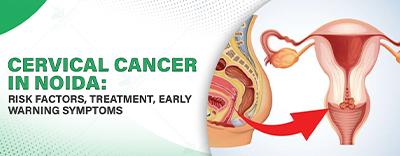
Explore the key causes, symptoms, and modern treatments for cervical cancer. Learn how early detection in Noida can save lives through timely care and expert intervention.
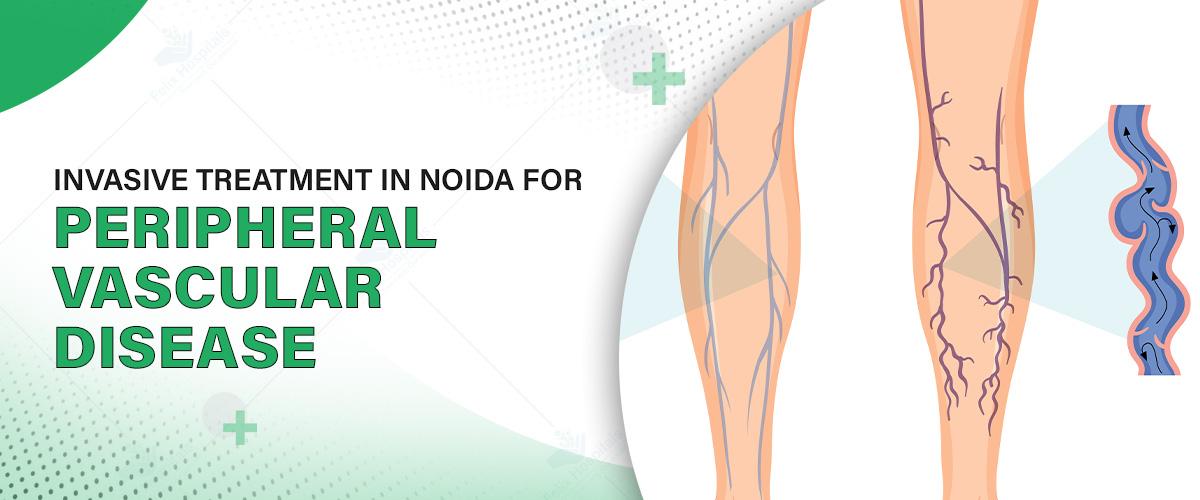
Peripheral Vascular Disease (PVD) or Peripheral Artery Disease (PAD) is a common circulatory disorder that affects millions of individuals worldwide. PVD results when the blood vessels outside the heart and head—largely the arteries that deliver blood to the legs and feet—are narrowed or blocked by deposits of fats, known as atherosclerosis. This constriction denies blood flow, which may lead to symptoms varying from trivial distress to extreme pain and even limb-threatening complications.
Having PVD can greatly affect quality of life by creating pain in the leg while walking (claudication), numbness, non-healing wounds, and in advanced cases, dead tissue resulting in gangrene. Early intervention and treatment are needed to stop progression and enhance results. Patients in Noida are lucky to have access to some of the finest vascular surgeons and cutting-edge invasive treatments, which provide hope for individuals with moderate to severe PVD.
If you or a loved one is having symptoms indicative of peripheral vascular disease, visiting the best vascular surgeon in Noida can be a life-altering experience. They employ advanced invasive therapies customized to your condition to re-establish blood flow, alleviate symptoms, and salvage limbs.
Do not neglect symptoms such as recurring leg pain, numbness, cold feet, or ulcers that won't heal. Contact us now at +91 9667064100.
Peripheral Vascular Disease is a condition where the blood vessels outside the heart and brain become narrowed or blocked, commonly the arteries to the legs and feet. When these arteries are narrowed, the blood flow is not enough to satisfy the metabolic needs of your tissues, particularly during exertion, and produces such symptoms as:
Leg cramps or pain with walking or exercise (claudication)
Numbness or weakness of the legs
Coldness or color change of the feet or toes
Non-healing wounds or sores on the feet or legs
Slow hair growth or shiny skin on the involved limb
The main reason for PVD is atherosclerosis, in which fatty plaques develop within the walls of the arteries, gradually constricting the vessel lumen. Risk factors are smoking, diabetes, hypertension, hypercholesterolemia, and physical inactivity. If left untreated, PVD can advance to critical limb ischemia—severe rest pain, ulceration, gangrene, and even amputation risk.
Not all peripheral vascular disease cases need invasive treatment. Lifestyle modifications, medications, and minimally invasive treatments can treat early or mild symptoms in most patients. Invasive treatment is usually advised when:
Symptoms significantly reduce the quality of life or hinder daily activities.
Critical limb ischemia occurs along with rest pain, ulceration, or gangrene.
Non-invasive treatments and medications do not correct the blood supply.
There is a need to save the limb from loss immediately.
A consultation with a vascular surgeon in Noida is crucial to assess the severity of your disease and advise on the most suitable treatment alternatives. Such experts employ diagnostic imaging like Doppler ultrasound, CT angiography, or MR angiography to chart the extent of arterial obstruction prior to suggesting invasive procedures.
Invasive procedures are operations or minimally invasive processes used to reopen blood flow through or around obstructed arteries. They include:
1. Angioplasty and Stenting
This is a minimally invasive surgery that entails putting a tiny balloon catheter through the blocked vessel and expanding it to expand the vessel. A stent (a little metal mesh tube) can be inserted to prevent the artery from closing again in the future. Angioplasty is usually the choice for isolated blockages and provides faster recovery times.
2. Bypass Surgery
Bypass surgery is an older method in which a graft or a blood vessel taken from another site on the body is used to make a detour around the clogged artery. This is usually advised for large blockages that cannot be opened with angioplasty.
3. Endarterectomy
This operation entails cutting away the fatty plaque from the lining of the artery to enable normal blood circulation. This operation is usually done in visible arteries such as the femoral artery.
4. Thrombectomy
If a blood clot is causing a blockage of blood circulation, a thrombectomy is undertaken to cut out the clot and enable circulation.
5. Amputation
In exceptional, severe forms where tissue damage is irreparable and life-threatening infection or gangrene develops, partial or complete amputation of the affected limb may be required to preserve the patient's life.
Although lifestyle adjustments, exercise therapy, and drugs are key in the management of peripheral vascular disease, invasive interventions have certain benefits for more advanced stages of the disease:
Early symptom relief: Patients experience prompt relief of pain and ability to walk.
Enhanced function of the limb: Restored circulation enhances healing of wounds and ulcers, decreasing disability.
Limb preservation: Early interventions can prevent the development of gangrene and amputation.
Improved quality of life: Patients regain their independence and mobility.
The decision between invasive and non-invasive methods will be based on disease severity, patient health, and patient choice, which will be decided by your Noida vascular surgeon.
Noida has a number of state-of-the-art centers offering vascular care with top-notch diagnostic and surgical amenities. Patients can access:
Advanced catheterization labs for angioplasty and stenting.
Operating rooms with dedicated vascular surgical staff.
Multidisciplinary care including wound care and rehabilitation.
Experienced vascular surgeons skilled in the latest techniques.
The availability of comprehensive care under one roof ensures patients receive seamless treatment from diagnosis to recovery.
Preparation is crucial for a successful procedure and smooth recovery. Your healthcare team will provide detailed instructions which may include:
Pre-operative blood tests and imaging studies.
Medication review and adjustments, especially blood thinners.
Fasting before surgery or intervention.
Arranging transportation and post-procedure care at home.
Knowing the procedure of peripheral vascular disease treatment in Noida keeps you updated and assured with your treatment process.
Similar to any surgery or invasive intervention, there are possible risks such as:
Infection at the incision or catheter site.
Bleeding or hematoma formation.
Damage to blood vessels or nerves.
Blood clots or embolism.
Allergic reactions to contrast dye (used in angiography).
Yet, with seasoned surgeons and innovative techniques, all these risks are avoided. Post-surgical care and follow-up are critical to achieve the best results.
Early invasive treatment by the experts in Noida can salvage limbs and lives. Schedule your appointment today to discuss individualized treatment plans.
Peripheral vascular disease is a condition requiring prompt and effective treatment. Invasive therapies in Noida offer strong solutions to regain circulation, relieve symptoms, and avoid disastrous consequences such as amputation. Consulting with experienced vascular surgeons at established institutions guarantees you expert, holistic treatment best suited to your needs.
Before starting treatment, make sure to discuss the peripheral artery disease surgery cost in Noida openly with your care provider to make well-informed decisions about your health and finances.
Taking swift action now can preserve your mobility and quality of life—don’t delay.
Q1. Can invasive treatment for PVD be combined with lifestyle changes?
Ans: Yes, invasive treatments work best when complimented by lifestyle changes such as the cessation of smoking, exercise, and dietary adjustment to stop disease progression and enhance long-term outcomes.
Q2. What is the typical recovery time following an invasive vascular procedure?
Ans: Recovery time varies by procedure type but generally ranges from a few days for angioplasty to several weeks for bypass surgery; your doctor will provide a personalized timeline based on your condition.
Q3. Are there less invasive alternatives before considering surgery?
Ans: Yes, treatments like medication, supervised exercise therapy, and minimally invasive angioplasty are often tried first; surgery is recommended only when these options fail or disease severity warrants.
Q 4. How often will I need to follow up after invasive treatment?
Ans: Routine follow-ups are essential—first every few weeks or months, then yearly—to check vessel health, control risk factors, and avoid recurrence or complication.
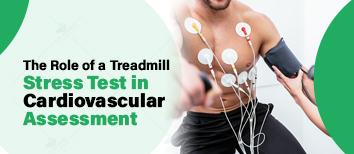
The primary goal of the Treadmill Stress Test is to evaluate how well the heart responds to increased physical activity

By working closely with experienced vascular surgeons and following their guidance, patients can achieve positive outcomes and enjoy a better quality of life.
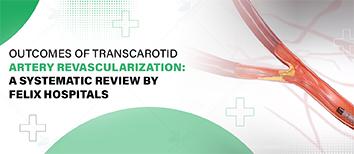
The primary goal of TCAR is to reduce the risk of stroke in patients with significant carotid artery stenosis.
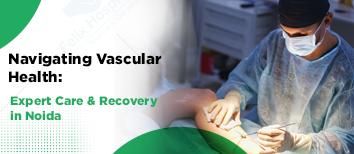
Expert vascular care in Noida for conditions like varicose veins and artery blockages, ensuring timely treatment and smooth recovery.
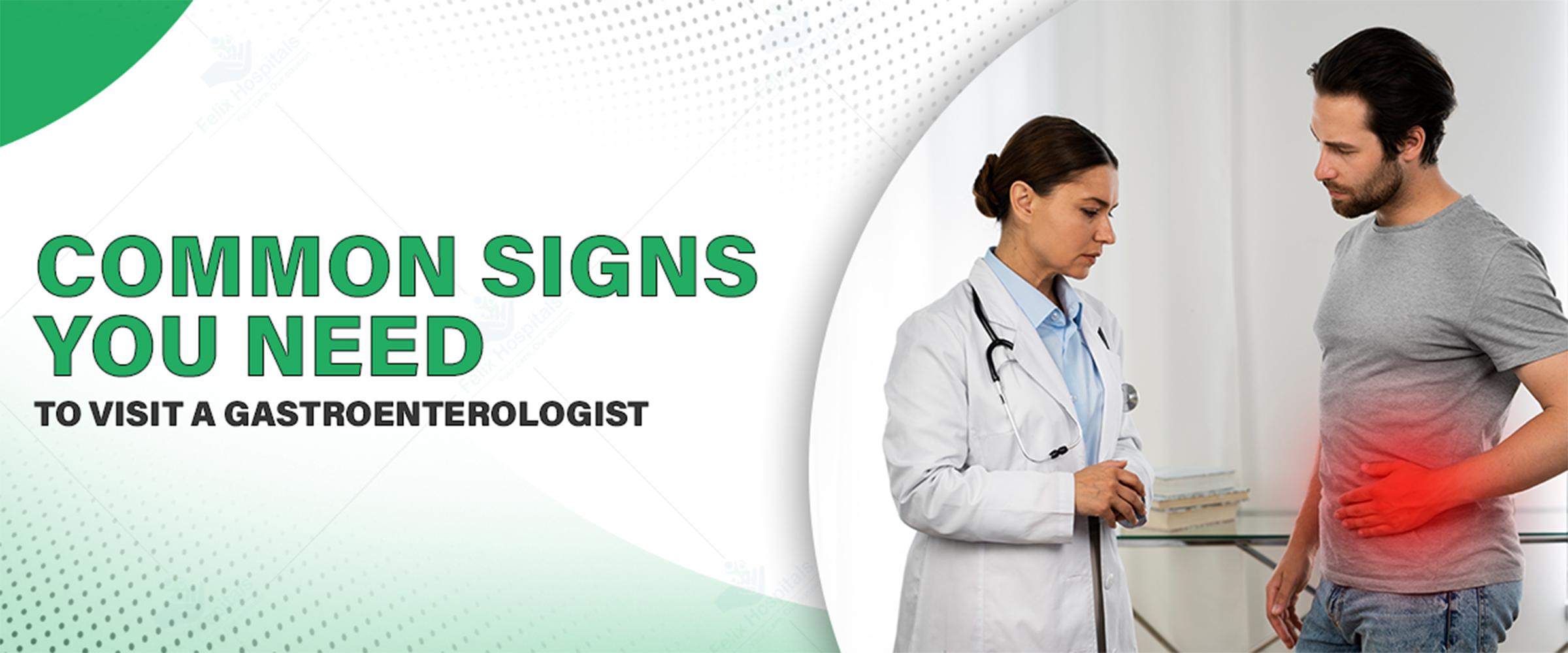
Your digestive system is more than a simple mechanism to break down food—it is highly related to your immune system, hormonal balance, and even your psychological state. If your gastrointestinal (GI) tract goes awry, it can impact your energy level, mood, nutrient uptake, and overall quality of life. Sadly, most individuals disregard or self-treat persistent gastrointestinal symptoms, which may result in more complicated problems in the long run.
Whether it is constant bloating, heartburn, or pain in the abdomen, an early identification of these symptoms and specialist consultation are a must. For early diagnosis and superior treatment, it's necessary to visit the best gastroenterology hospital in Noida, where expert professionals employ advanced tools to correctly diagnose and treat gastrointestinal issues with customized treatment plans.
If you've been having recurrent gastrointestinal symptoms, kindly book a consultation to get a professional evaluation and personalized treatment by calling +91 9667064100.
A gastroenterologist is a physician who evaluates and treats conditions that affect the digestive system—from the esophagus and stomach to the small and large intestines, pancreas, liver, gallbladder, and bile ducts.
They are specially trained to conduct procedures such as endoscopy, colonoscopy, biopsies, and advanced imaging to diagnose and treat conditions from acid reflux and ulcers to inflammatory bowel disease and liver complications.
Recurring or chronic stomach pain—particularly when it is dull, crampy, or pressure-like—must not be taken lightly. It could be a sign of conditions such as gastritis, peptic ulcers, gallbladder disease, IBS, or incipient liver disease. Early identification is important to avoid complications. Meeting the best gastroenterologist in Noida ensures quality investigation and prompt intervention.
Frequent heartburn (acid reflux) more than two times a week may mean GERD, esophagitis, or even Barrett's esophagus. Esophageal damage and long-term cancer risk may result from these conditions. Immunity is also compromised. Endoscopic testing, selective medications, and lifestyle modification can be given by a specialist.
Loss of more than 5–10% of your baseline weight over several months—without alterations in diet or activity—requires prompt evaluation. It can be caused by malabsorption (celiac disease, chronic pancreatitis), cancer (esophageal, stomach, pancreatic), or chronic intestinal or liver disease. A GI physician can refer for the proper imaging and nutritional studies.
Difficulty in swallowing solid food, the sensation of food being stuck in your throat, or pain associated with eating may indicate narrowing of the esophagus, motility disorders, or lesions like strictures or tumors. A gastroenterologist evaluates this with the help of endoscopy and esophageal manometry studies.
Chronic diarrhea or hard constipation with straining for greater than two weeks impacts quality of life and can result in hemorrhoids, bowel motility disorders, or dehydration. Infections, colon polyps, IBS, or IBD need to consider an expert evaluation.
Any sign of bleeding—fresh red streaks, black tar-like stools, or dark clots—points to internal bleeding within the GI tract. It may be from hemorrhoids, ulcers, gastritis, or other issues like polyps or cancer. Endoscopic examination by a specialist will find the source and treat it promptly.
Intermittent nausea or vomiting is not a worry, but persistent or severe may be a sign of ulcers, gastritis, inflammatory conditions, gallbladder disease, bowel blockage, or even central nervous system causes which affect gut motility. A GI specialist can identify the underlying cause and give symptom relief measures.
Ongoing bloating, too much belching, or feeling full after light meals may imply SIBO, IBS, functional dyspepsia, or enzyme deficiencies. The ongoing symptoms will impact nutrition and daily comfort. Specialist assessment makes it possible to focus on dietary therapy, breath testing, scanning, and specialist dietician advice.
Family history of colon, pancreas, or stomach cancer—and gastrointestinal diseases such as Crohn's, ulcerative colitis, or celiac disease—raises your individual risk. Your gastroenterologist may suggest right-age screenings such as colonoscopy or genetic testing.
If you’ve tried over-the-counter medications, dietary adjustments, or herbal remedies without relief, it’s crucial to consult the best gastroenterology surgeon in Greater Noida. Persistent issues like recurring abdominal pain, unresolved GERD, or frequent bloating may require advanced investigation, minimally invasive procedures, or lifestyle-guided intervention.
Investigative tools may include:
Endoscopy – visual exam of the esophagus, stomach, and small intestine; allows biopsy
Colonoscopy – scope test of rectum and large intestine; polyps may be removed
Upper GI series – barium swallow X-ray to see swallowing or reflux problem
Capsule endoscopy – small camera pill to take pictures of small intestine
Imaging tests – ultrasound of abdomen, CT or MRI scan
Functional tests – esophageal manometry, pH testing, lactose or bacterial overgrowth breath tests
Laboratory tests – stool test, celiac panels, level of liver and pancreatic enzymes
Biopsy and histopathology to evaluate suspected abnormal tissue or cancer
The experts integrate test results with your symptoms, medical history, and lifestyle data to reach an accurate diagnosis and treatment plan.
Ready to Take Charge of Your Digestive Health? Book an appointment for your consultation by calling Expert GI Consultation!
Your GI health has a direct effect on your daily comfort, energy levels, and overall well-being. From pain and bleeding to chronic bloating and weight loss, GI symptoms should never be dismissed. Seeing a specialist early—particularly when symptoms are advanced or ongoing—can avert complications and facilitate timely intervention.
Before making any decisions, consider getting the best care possible and always find out how much the treatment in Noida will cost to understand your financial situation. Wasting valuable time will have lasting effects—be kind to your body and get the treatment you need.
Q1. Can anxiety or stress actually produce digestive problems?
Ans: Yes, stress can profoundly impact gut function through a change in motility and an increase in acid production, often exacerbating symptoms such as bloating, IBS, and reflux.
Q2. How do I know whether my bloating is severe enough to have a specialist consult?
Ans: If bloating is recurring, painful, or accompanied by weight loss, abnormal stools, or nausea, it could be a sign of an underlying disease that warrants expert attention.
Q3. Do I need to avoid eating prior to my gastro appointment or testing?
Ans: It varies with the test. For endoscopy or some scans, fasting is necessary; your physician will give specific instructions in advance.
Q4. Does heartburn happen often and can it become more serious?
Ans: Yes, if left untreated, heartburn may develop into GERD, damage to the esophagus, or Barrett's esophagus, which has a risk of esophageal cancer if not managed well.
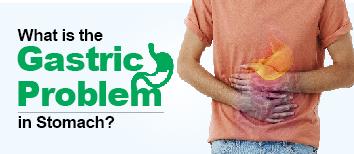
Gastric problems occur when excess acid or digestive disturbances affect the stomach lining, causing symptoms like bloating, acidity, and pain. Timely diagnosis ensures effective treatment.
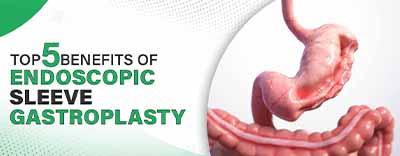
Endoscopic Sleeve Gastroplasty (ESG) offers a non-surgical way to lose weight with benefits like minimal downtime, no scars, faster recovery, and long-term results.
Diagnosis of cancer is one of the toughest moments in an individual's life. Not only does it initiate uncertainty and emotional tension, but also important decisions influencing the direction of treatment and the overall quality of life. Of these, selecting the most appropriate medical specialist who can be in charge of your cancer treatment ranks highest. Your survival, comfort, confidence, and peace of mind during the course of treatment can all be influenced by this decision.
For those who start this difficult journey, getting treated at the best oncology hospital in Noida guarantees having access to sophisticated facilities and seasoned experts who can make all the difference. But even before a treatment facility is chosen, it's crucial to learn how to assess and choose the most appropriate specialist to guide your treatment.
A timely and informed consultation from experienced hands guides effective cancer control. Don't wait until it's too late—call us today at +91 9667064100.
Cancer is not a unique entity; it's hundreds of unique tumors with their own biological behaviors and treatments. Knowing your unique cancer type, including location, stage, and aggressiveness, is the foundation for selecting the proper treatment team.
Physicians commonly categorize cancers by:
Origin tissue (breast, lung, colon, etc.)
Histology or cell type (adenocarcinoma, squamous cell carcinoma, lymphoma)
The grade (how unusual the cells appear under a microscope) and stage (spread size)
For surgical treatment of your tumor, it's sensible to meet with the best oncology surgeon in Noida, who is an expert in surgeries specific to your cancer's type. Their experience provides accurate tumor removal and least tissue destruction while maximizing recovery.
By knowing your diagnosis fully, you will be able to make better decisions and work well with your care team.
Picking a specialist can be daunting with different professionals and treatments available. Begin with reliable referrals to limit the scope and offer some reliability.
Or consider these sources:
Family doctors or primary care physicians: They might have experience referring you to skilled specialists according to your requirement.
Diagnostic experts: Radiologists or pathologists handling your diagnosis can recommend experts they have worked with in the past.
Cancer survivor groups and support systems: Patient feedback can direct you to empathetic and skilled professionals.
Online patient review sites: Although subjective, they provide some information about communication skills, bedside manner, and patient satisfaction.
After gathering recommendations, conduct thorough research on each candidate to ensure they align with your expectations and treatment goals.
Credentials are not merely a formality—they reflect the depth of training, clinical exposure, and commitment to oncology as a specialty. When researching, focus on the following:
Medical education: Look for training at reputed medical schools and institutes known for oncology excellence.
Specialized fellowships or certifications: Oncology is a multifaceted specialty with numerous sub-specialties like medical oncology, radiation oncology, surgical oncology, pediatric oncology, or hematologic malignancies. Ensure that your specialist has formal certifications in the field.
Years of clinical experience: More experience generally equals superior clinical judgment, especially in complicated or unusual cases.
Research and scholarly work: Practitioners who conduct clinical trials, cancer studies, or writing remain updated with changing treatment strategies, which can prove helpful for your treatment.
Ensuring these facts helps you choose one with not just theoretical experience but with practical knowledge formed through actual cases.
Each cancer treatment is different, and so should your specialist's approach. There are some practitioners who follow traditional treatments such as surgery and chemotherapy, whereas others might include new therapies, targeted therapy, or complementary therapy to improve efficacy and diminish side effects.
Consulting the best oncologist in Noida may grant you access to the most recent evidence-based guidelines and state-of-the-art therapies, like immunotherapy or precision medicine, specially designed for your cancer type.
Does the expert tailor treatment programs according to my own medical profile and preferences?
Are several modalities, such as clinical trials or novel therapies, under consideration?
How do they track treatment outcomes and change plans when necessary?
What are their recommendations for supportive care to mitigate side effects and enhance quality of life?
Your care should not be a strict protocol but a patient-centered flexible plan to provide you with the optimal result.
A frequently underappreciated but important part of care is communication. Cancer therapy is physically and emotionally demanding, so it's vital that you have someone who listens attentively, describes things well, and collaborates with you throughout the process.
On your first meetings, notice:
Do they facilitate questions and reply to them comprehensively without hurrying?
Are they able to describe complicated medical information in a way you can understand?
Are they transparent about the advantages, disadvantages, and potential side effects of treatment?
Do they have regard for your values and treatment preferences?
A solid treatment relationship based on open communication reduces anxiety, enhances treatment compliance, and ultimately results in improved health outcomes.
Multidisciplinary care is today's cancer treatment. Effective treatment often demands close interaction among surgical teams, medical oncologists, radiation therapists, pathologists, radiologists, nutritionists, and psychological counselors.
Ask:
Is the specialist in an environment that fosters coordinated multidisciplinary care?
Are case discussions or tumor boards a regular part of treatment planning?
How accessible are allied services like dietitians, physiotherapists, and mental health professionals?
Will care coordination go smoothly among all the experts involved?
The more integrated your care, the richer your treatment experience will be, aiding in the management of side effects, recovery, and long-term outcomes.
Patient reviews offer helpful suggestions that go beyond formal qualifications. They shed light on the practitioner’s bedside manner, availability, and overall patient experience.
When exploring testimonials, look for:
Stories of how the specialist handled complications or difficult cases
Reports on responsiveness and emotional support during treatment
Feedback on the clarity of information shared and involvement in decision-making
Information on post-treatment follow-up and survivorship care
Although experiences differ from one person to another, repeated positive comments usually indicate dependability and dedication.
Cancer treatment often involves repeated trips for consultations, therapies, follow-ups, and supportive care. Everyday factors such as location and accessibility can influence your adherence to treatment as well as your comfort.
Consider:
How far is the specialist's clinic or treatment center from your residence?
Is there accessible parking, public transport, or virtual consultation available?
Can appointment times fit around your work and personal commitments?
Having a care provider that is available is less stressful and allows you to stick to a regular treatment routine.
Don't let uncertainty hold things up. Schedule your appointment with professionals today and make sure your treatment plan is complete, understanding, and individualized.
Selecting the right medical expert for cancer treatment is a deeply personal and consequential decision. It goes beyond certificates and years of experience—it is about trust, empathy, communication, and a holistic approach that respects your individual needs.
By understanding your diagnosis, seeking referrals, verifying qualifications, evaluating treatment philosophies, and assessing communication, you place yourself in the best possible position for a successful treatment journey.
Don't forget to also ask about the cost of the treatment in Noida at the beginning of your talks, so you can organize your care with openness and fiscal confidence.
Cancer treatment is more than a war against sickness; it's a process of hope and survival. Selecting the proper companion to journey through it with can be the difference-maker.
Q1. How do I confirm whether an oncologist has experience with my exact cancer subtype?
Ans: Oncology is an umbrella term, and even specialist oncologists have a specific specialty in certain cancers or subtypes. You can confirm experience by looking into their published work, asking directly how many such cases they have treated, and seeing if they are active on specialized tumor boards or cancer registries for your diagnosis.
Q2. How is a multidisciplinary tumor board involved in my treatment plan for cancer?
Ans: A multidisciplinary tumor board is composed of specialists from different areas (surgery, medical oncology, radiation oncology, pathology, radiology, etc.) who all work together to review and tailor your treatment plan. Selecting a specialist who is part of such a board means your case gets the benefit of pooled experience, which results in a more thorough approach.
Q3. Are there any questions that I can ask at my initial consultation to assess the suitability of the oncologist?
Ans: Yes. Key questions are: What are my treatment options for my type and stage of cancer? How do you tailor treatment plans? What side effects should I experience, and how are they handled? What is your strategy if early treatments fail? How available are you in case of emergencies?
Q4. How significant is the oncologist's participation in clinical trials for my treatment prospects?
Ans: An active oncologist participating in clinical trials remains current with developing therapies and potentially provides access to new treatments that are not commonly practiced. This can be particularly significant for unusual or aggressive cancers where conventional treatments are of little success.

Felix Hospital offers advanced oncology treatment at an affordable cost, ensuring high-quality care for cancer patients with compassion and expertise.

Recent studies have explored a possible link between frequent mouthwash use and cancer risk.

Prostate cancer is a type of cancer that occurs in the prostate gland, a small walnut-shaped gland responsible for producing seminal fluid, which nourishes and transports sperm.
Diarrhea ranks among the most prevalent gut problems people in Noida experience during seasonal changes and increased humidity. Although most instances are mild, others can indicate severe reasons such as food poisoning or infectious agents. Knowledge of the difference is essential for selecting the appropriate treatment and averting complications such as dehydration. Foodborne contamination, unsafe water, or exposure to viruses are all triggers—though symptoms may overlap.
This blog assists you in determining the cause of diarrhea, deciding whether food borne toxin or infection is the issue, and understanding when to seek attention and when you need to go at the best pediatric hospital in Noida. If the affected person or your loved one is getting prolonged symptoms, doing something early can make a significant difference in recovery.

Reach out to our team of digestive care specialists by calling +91 9667064100 if your diarrhea persists for more than 48 to 72 hours or if you have red flag symptoms.
Cause: Toxins produced by bacteria like Salmonella, E. coli, Clostridium perfringens, or Bacillus cereus in food contaminated or stored in a faulty manner.
Onset: Sudden—typically within 2 to 6 hours, at times up to 24 hours after consuming contaminated food.
Symptoms: Intense sudden nausea, vomiting, cramps, diarrhea. There may be fever. Most will clear up in 1–3 days with rest and fluids.
Cause: Bacterial infection (Campylobacter, Shigella, Salmonella), viral infection (norovirus, rotavirus), or parasitic infection (Giardia, Cryptosporidium).
Onset: Usually slower—symptoms 12–72 hours after exposure, sometimes even days afterward with parasites.
Symptoms: Fever, cramps, potential mucus or blood stools (particularly bacterial), nausea, and longer course of 4–10 days or longer.
If your child has signs of gastrointestinal upset or diarrhea that lasts for a long time, it's crucial to seek the attention of a pediatrician for proper diagnosis and on-time treatment. Early treatment not only makes your child recover quicker but also averts complications as well as the transmission of infection to others.
Timing: Sudden onset (hours) → probably toxin‑induced food poisoning. Prolonged onset (days to weeks) → probably infection or parasite.
Stool appearance: Bloody or mucus‑containing diarrhea indicates bacterial etiology; watery but odorless usually viral or parasitic.
Associated symptoms: Vomiting and cramps predominate in food poisoning; fever, prolonged duration, and systemic manifestations more typical of infections.
Exposure history: Food illness with a shared meal → suspect bacterial toxins, travel or contaminated water → parasitic or viral infection more likely.
Hydrate: Use WHO-type ORS or equivalent fluids (sugar + salt) to avoid dehydration. Salted rice water or weakly salted yogurt beverages are alternatives.
Light eating: After the nausea has passed, experiment with bland foods such as khichdi, yoghurt, bananas, apple puree, toast. Do not use milk if the stool is loose.
Antidiarrheal drugs (such as loperamide) are avoided if the individual has fever or bleeding diarrhea.
Antibiotics are reserved only for prescription—most resolve without them.
Hygiene precautions: Hand washing thoroughly, particularly after the use of the bathroom or before food handling; disinfection of surfaces to avoid transmission.
Early treatment guarantees optimum results and aids your child's overall development and well-being under the best pediatrician in Noida.
Blood-stained stool or vomiting
High temperature (>102 °F / 39 °C)
Symptoms of dehydration (extremely low urine output, dizziness, parched mouth)
Diarrhea that doesn't improve and lasts longer than 3 days
Severe tummy pain or confusion.
Wash hands always before eating and after visiting the bathroom.
Cook food well, chill leftovers immediately under refrigeration.
Don't eat raw or undercooked meat and dairy.
Drink boiled or bottled water, especially infants and older people.
When traveling, don't eat street food or select safe, sanitary vendors.
Use good sanitation at home to limit parasite contact.
Children should have appropriate immunizations (e.g. rotavirus vaccine).

Do you have concerns about repeated infections or food reactions? Contact now to schedule a follow‑up appointment for individualized preventive counseling
Regardless of whether it's due to food poisoning or an infection, diarrhea must never be taken lightly—particularly if the symptoms are severe, persistent, or recurring. Knowing the cause ensures appropriate treatment, faster recovery, and prevention of recurrence. In Noida, where there's been rampant urbanization with higher food and water risks, attentiveness to hygiene habits and warning signs is crucial. Rehydration, relaxation, and proper diet may help most mild cases, but early detection is the key when they get severe. Don't forget that early action not only restricts the spread to others but also saves your health at the right moment and at a reasonable cost in Noida. Know your facts, eat wisely, and think about your digestive health.
Q1. How long after eating a meal will I know if it was contaminated?
Ans: Food poisoning caused by toxins typically hits within 2–6 hours; infections or parasites may take 12 hours to several days or weeks.
Q2. Can food poisoning be reproduced by viral gastroenteritis?
Ans: Yes—viral infections such as norovirus may bring on sudden vomiting and diarrhea like food poisoning, but typically 12–48 hours from the time of exposure, not within hours.
Q3. Is it okay to offer oral rehydration beverages to my child with diarrhea?
Ans: Certainly. WHO-recommended ORS or equivalent homemade oral fluids are safe and adequate for prevention of dehydration—even in children.
Q4. Could my diarrhea be due to the antibiotics I took a few days ago?
Ans: Diarrhea associated with antibiotics, such as C. difficile infection, can occur days to weeks after drug; proper testing and targeted treatment can be necessary.
Looking for reliable treatment for diarrhea in Noida? Discover top-rated clinics and hospitals offering expert gastroenterology care, accurate diagnosis, and fast relief. Get treated by trusted specialists using modern techniques and patient-first approac
Gastric problems occur when excess acid or digestive disturbances affect the stomach lining, causing symptoms like bloating, acidity, and pain. Timely diagnosis ensures effective treatment.
Expert gastroenterology care for better digestive health, offering advanced diagnosis and treatment for GERD, IBS, ulcers, and liver disorders.
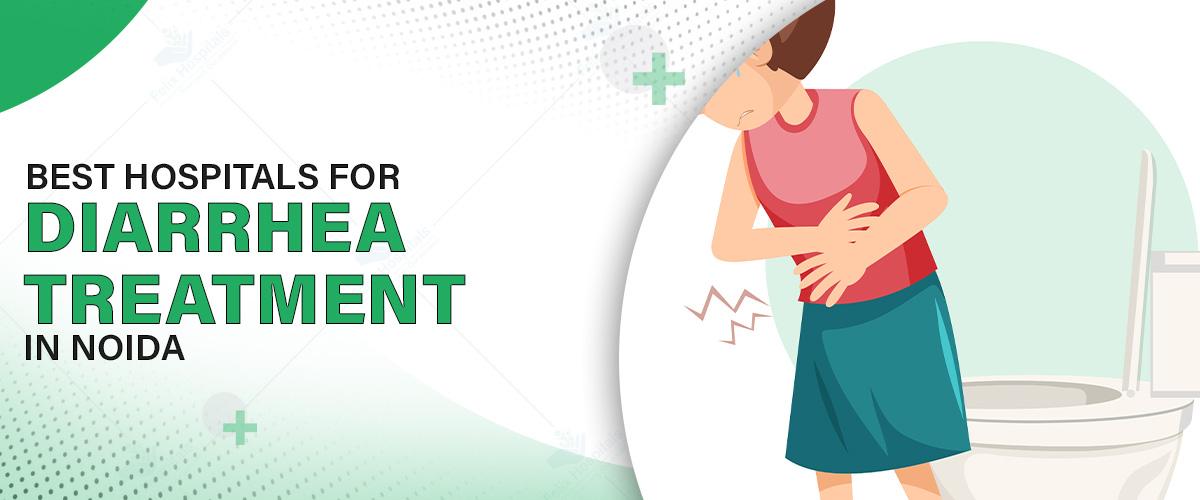
Diarrhea is a common gastrointestinal disorder that involves loose, watery stools occurring more often than normal. Most cases of mild diarrhea clear up on their own, but frequent episodes may cause severe complications—particularly for children, older people, and those with weakened immune systems.
Choosing the best pediatric hospitals in Noida for diarrhea treatment can be the difference between a quick and effective recovery and prolonged suffering. This article outlines what good care entails and discusses how Felix Hospital provides cutting‑edge, patient‑oriented treatment.

Book your child's pediatric diarrhea consultation at Felix Hospital for experienced diagnosis, compassionate care, and dietary advice by calling +91 9667064100.
When you have diarrhea, your poop is loose or watery. Most people flinch when they hear the word because it's so common. It never stops being gross to think about thin, sickly-looking poop in the toilet.
Acute diarrhea: Relatively brief in duration and usually due to food or infection issues.
Chronic diarrhea: Lasts for over two weeks and can be a sign of underlying gastrointestinal disease or food intolerances.
Frequent, loose, or watery stools
Abdominal cramping or pain
Bloating and gas
Nausea or vomiting
Fever in infection-related diarrhea
Signs of dehydration: Dry mouth, reduced urine production, weakness, or dizziness
Awareness of the underlying cause of diarrhea—infectious, dietary, or medical—is critical to proper treatment and prevention of complications.
When considering treatment, the best facilities will have:
Proper diagnosis of diarrhea's cause is essential. A good facility will have:
Stool microbial cultures and rapid antigen/PCR for infections
Blood panels to evaluate dehydration markers (electrolytes, renal function)
Imaging—such as abdominal ultrasound or endoscopy—if necessary to exclude structural causes or complications
Recovery is best when:
Oral Rehydration Solutions (ORS) with correct electrolyte balance
Intravenous fluids in moderate to severe cases, adjusted per patient’s weight and condition
Dietary counseling and nutritional supplements for post-illness gut recovery, including baby/youth feeding plans
Facilities must offer:
Specialized pediatric diagnostics and treatment protocols
Child-friendly wards and interaction areas
Gastroenterology input for chronic or recurrent diarrhea
Nutrition experts for children and adults
To limit spread in high-volume hospital:
Impeccable sterilization and privacy protocols
Segregated facilities for suspected infectious cases
Routine facility cleaning and preventive measures
High-quality treatment facilities offer:
24/7 emergency access for dehydration or extreme symptoms
Telehealth follow-up care with nurses or the best pediatric doctor in Noida
Digital health record systems for continuity and reminders
Here's how Felix Hospital provides level-one treatment and results:
Upon arrival, patients are given:
Detailed review of symptoms: frequency of bowel movements, blood or mucus, duration
Hydration assessment: weight, skin turgor, urine output, tear testing
Brief but pertinent medical history: recent travel, food changes, previous antibiotics, chronic diseases
Diagnostic strategy encompasses:
Stool testing, such as wet mount, culture, and rapid pathogen analysis
Blood testing with emphasis on electrolyte status, kidney function, and risk for dehydration
Imaging and endoscopy in case of red flags (e.g., unexplained pain, ongoing bleeding)
Care pathways are individualized according to severity:
Mild: oral rehydration therapy (ORS) and dietary advice
Moderate to severe: intravenous fluids with balanced electrolyte replacement
Nutritional support and phased resumption of bland foods
Where needed, treatment can involve:
Antibiotics guided by stool culture sensitivity
Antidiarrheal agents under medical direction—dependent on age and hospital need
Probiotics or gut‑supporting agents as appropriate
For inpatient management:
Ongoing monitoring of vitals and fluid status
Recurring re-assessment of frequency of stool and hydration
Discharge procedures including dietary charts and hydration schedules
Post-discharge care includes:
Telemedicine check-ins scheduled for follow-up and dosage adjustment
Health reminders through digital patient portal
Outpatient consultation access for recurrence or complication
Children need special attention:
Weight-based dosing and hydration schedules
Reactivity to therapies varies among adults, specific forms, tastes, and amounts
Reliable pediatric nutrition guidance to safely resume feeding
Soothing, child-focused physical environments to alleviate stress during testing
Felix Hospital works with the best pediatricians nearby to treat diarrhea at every stage, providing parents and kids with hospital precision and comfort.
Integrated Approach: Smooth integration of diagnostics, treatment, nutrition, and follow-up
Pediatric-friendly Facilities: Child‑friendly environment with specific protocols
Strict Hygiene Standards: Adherence to infection control practices to protect all patients
Round‑the‑Clock Support: Emergency and telecare access at any hour
Digital Health Tools: Patient portals for scheduling, records, and reminders
While personal data remains confidential, many patients share that:
They experienced rapid relief from fluid replacement and medical care
Children stayed calm and cooperative due to engaging and gentle staff
Post‑visit guidance always included clear dietary plans and hydration tips
Follow-ups via telehealth assured them of complete recovery
Practical measures to ensure digestive well-being:
Hand washing before meals and after toilet use
Washing raw foods thoroughly, and eating fully cooked food
Drinking solely boiled or sealed bottle water, particularly when traveling
Steering clear of high-risk street food or unpasteurized milk
Maintaining vaccinations where applicable (e.g. rotavirus vaccine in infants)
Following recovery, pay attention to:
Careful reintroduction of low‑fiber, soft foods
Avoiding such heavy spicy or high-fat foods until gut flora returns to normal
Replacing fluids (water, ORS, clear broths) and eating well
Monitoring stool consistency and frequency; if symptoms return, seek care
Routine screenings if frequent episodes recur to rule out chronic disorders
Call Felix Hospital's 24/7 helpline or make an appointment online to get timely evaluation and tailor-made care.
Diarrhea is a ubiquitous disease, but its impact—i.e., dehydration, electrolyte imbalance, and loss of nutrients—can escalate rapidly. Particularly in a dynamic and developing city like Noida, it is crucial to have access to a health care facility that provides end-to-end care.
Felix Hospital is unique in its diagnostic profundity, treatment experience, pediatric preparedness, infection-control stringency, and inclusive follow-up. Whether a patient is experiencing a brief illness or requires customized care for a child, Felix Hospital matches medical excellence with compassionate care at an affordable cost in Noida, just because of your care.
Q1. How much does it usually cost to treat diarrhea in Noida?
Ans: Depending on the severity of the condition and the services needed, treatment costs range from ₹500 for outpatient mild care to ₹20,000 or more for hospitalization with investigation and IV fluids.
Q2. Which Noida children's hospital has a friendly environment for treating digestive problems?
Ans: The best children's hospitals have brightly colored wards, play areas, trained staff, and gentle diagnostic tools to keep kids calm during treatment.
Q3. How can I get a trustworthy pediatrician in my locality for chronic diarrheal conditions?
Ans: You can get trustworthy pediatricians from hospital listings within your local area, telemedicine websites, referrals, and pediatric gastroenterology hospitals.
Q4. When do you recommend approaching a pediatric surgeon for diarrhea complications?
Ans: A pediatric surgeon is only required for significant complications such as intestinal obstruction, ongoing bleeding, or perforation associated with diarrhea symptoms.

During sleep, the body releases growth hormones, which are essential for a child's growth and development. Adequate sleep is vital for muscle development, tissue growth, and the overall physical health of a child.
Pediatric Intensive Care Unit (PICU): Expert care for critically ill or injured children requiring constant monitoring and advanced life support. Our specialized team ensures round-the-clock treatment in a safe, child-friendly environment.
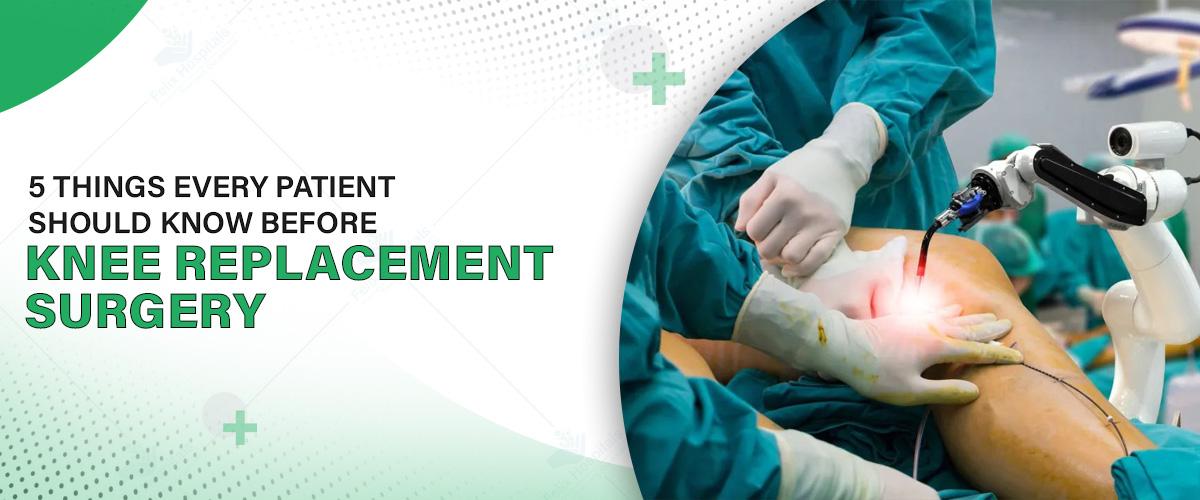
One of the most common complaints, affecting people of all ages, is knee pain. The main cause is wear and tear, which is frequently brought on by aging or repetitive stress, though injuries, torn ligaments, and cartilage damage also play a part. Over 1.5 lakh knee replacement procedures are carried out annually in India, and as more people become aware of the issue and have access to better care, the number keeps growing. Before making the decision, it's critical to arm yourself with the necessary information if you're considering pre-knee replacement surgery. Patients should be aware of these five crucial factors before choosing their best knee replacement Surgery Hospital in Noida.
Regain Your Freedom to Walk. A professional knee replacement is only a phone call away. Today, dial +91 9667064100.
Every patient should know all non-surgical options before undergoing surgery. Establishing an early relationship with an orthopedic specialist who is knowledgeable about both surgical and pre knee replacement surgery procedures guarantees that they look at conservative options first:
Prescription and over-the-counter anti-inflammatory drugs
Injections of cortisone and hyaluronic (gel)
Knee ablation using radiofrequency to stop nerve pain
A program of organized physical therapy
When these techniques are no longer effective or long-lasting, you'll know it's time to think about surgery.
Good preoperative planning speeds up recovery and improves surgical results. For this reason, the time leading up to knee replacement surgery consists of:
Managing long-term conditions like diabetes and high blood pressure
Even a small weight loss of 10 to 20 pounds can shorten hospital stays and minimize complications.
Lowering the risk of post-operative muscle loss by strengthening your legs with pre-hab exercises.
A growing trend for knee replacements that enhances comfort and results is same-day discharge, which may even be possible with a commitment to prehabilitation.
It's all about timing. Damage can worsen if you wait too long:
Atrophy of the muscles surrounding the joint
Leg structural abnormalities
Decreased range of motion following surgery
In the past, replacement was advised for patients over 60 in order to prevent repeat procedures. Modern pre-knee replacement surgery planning, however, in conjunction with sophisticated implants, increasingly favors customized timing based on each patient's mobility, pain threshold, and lifestyle, rather than just age.
Effective pre-knee replacement surgery involves being aware of your options because there are various types of knee replacements:
Only the damaged compartment is targeted by a partial knee replacement, which is less invasive and usually results in a quicker recovery.
A total knee replacement involves using prosthetics to replace the bone, cartilage, and ligaments that make up the joint.
Robotic-Assisted Total Knee Replacement: Improves implant alignment, maintains soft tissue, and increases precision.
Customized implants: Using patient-specific 3D models, these implants offer improved fit and function while conserving more bone.
To choose the best course of action for your anatomy and lifestyle, talk about each with your surgeon.
Credentials can be looked up, but experience is important. These elements aid in choosing the best provider for patients in Noida undergoing pre-knee replacement surgery:
An orthopedic surgeon with board certification who specializes in knee replacements
Knowledge of customized, robotic, and minimally invasive implants
Good results and feedback, particularly from patients who have had knee surgery
A reputable establishment ranked as Noida's top knee replacement surgery hospital
Hospitals and surgeons in your health insurance network to assist in controlling the cost of a knee replacement. Never be afraid to get different viewpoints. More clarity can be obtained by inquiring about particular knee implant brands, recovery procedures, and surgical success rates.
One major worry is affordability. The Knee Replacement Cost is determined by multiple factors:
Fees for the surgeon and type of implant
Length of hospital stay and ICU needs
Investigations prior to surgery and rehabilitation following surgery
Out-of-pocket policies and insurance coverage
Felix Hospital offers streamlined paperwork and actively collaborates with insurance companies. Before surgery, clear cost estimates reduce surprises.
Patients should emotionally and psychologically get ready for pre-knee replacement surgery:
Arrive early for final checks, anesthesia evaluation, and pre-operative counseling.
Under spinal or general anesthesia, the procedure should take one to two hours.
Early physiotherapy, pain management, and immediate post-operative monitoring—often within 24 hours
Discharge varies; some patients stay one to two nights, but same-day surgery is possible.
There are detailed instructions for wound care, pain management, at-home care, and follow-up appointments. Anxiety can be reduced and the surgical team's confidence increased with adequate planning and process knowledge.
Day 1–3: Ambulation using a walker; oral medications or local blocks are used to manage pain.
Weeks 1–4: Make the switch to canes or crutches; gradually improve gait
Weeks 4–12: Targeted physical therapy to improve strength and mobility
3–6 Months: Notable progress; most people return to their regular activities
6–12 months: Complete implant integration, resume participation in low-impact activities like cycling or swimming
To get the best results, follow your therapist's and surgeon's instructions.
After surgery, schedule assistance at home with meals, housework, and transportation.
Prepare your house by installing handrails, raising toilet seats, and reducing trip hazards.
Organize your important documents, such as your ID, insurance, and prescriptions.
To reduce anxiety before surgery, practice breathing and relaxation techniques.
Keep lines of communication open with your surgical team.
These actions help you be mentally and physically prepared.
Felix Hospital is well-known for having the best knee replacement surgeon in Noida:
Specialized Knowledge: Surgeons on our orthopedic team specialize in knee replacements, completing many procedures with outstanding outcomes.
Advanced Technology: Mini-invasive procedures, personalized prosthetics, and robotically assisted implants are all used at Felix Hospital.
Complete Care: Patients receive complete support, including pain management, dietary counseling, and physical therapy, to hasten recovery from pre-surgery conditioning to post-operative rehabilitation.
Transparent Costs: Our knee replacement cost packages are competitively priced, transparent, and free of any hidden costs when compared to other facilities in the area.
Patient-Centered Approach: Consistent follow-ups, patient education, and tailored consultations guarantee trust and attention at every stage.
Felix is the best knee replacement Surgery Hospital in Noida working with a facility dedicated to quality, security, and long-term knee function
Are You Having Joint Pain? Advanced knee replacement surgery can provide relief. Make an appointment by calling +91 9667064100.
Dr. Keshav Goel is an experienced Orthopedic and Joint Replacement Surgeon in Noida with over 10 years of clinical expertise. He has performed 2,000+ independent surgeries and specializes in computer-assisted joint replacement and arthroscopic surgeries of the knee, shoulder, and hip. Known for his skill in treating sports injuries, trauma, and joint disorders, he provides advanced and patient-focused orthopedic care.
It is best to make the big decision to have pre-knee replacement surgery fully informed. Preparation is essential for assessing surgical timing, implant types, provider expertise, non-operative treatment options, and the cost of knee replacement surgery.
As the top knee replacement surgery hospital in Noida and a leader among orthopedic teams, Felix Hospital provides leadership and excellence. They guarantee that every patient has the best chance for a prosperous, active future with their patient-centered care, cutting-edge techniques, and transparent knee replacement cost.
Q1. How much time will my prosthetic knee last?
Ans: Weight and activity level affect how long implants last, but most last 15 to 20 years.
Q2. After surgery, when can I resume driving?
Ans: After reflexes, pain, and strength are sufficient, this usually happens in 4–6 weeks.
Q3. Will I require help at home?
Ans: Indeed, particularly during the first week. Make arrangements for assistance with hygiene and household chores.
Q4. What happens if I later develop pain in my other knee?
Ans: Inquire with your surgeon about postponing surgery or scheduling surgery for both knees.
Q5. Are young adults able to avoid surgery?
Ans: Replacement may be postponed by options like osteotomy, joint preservation, or cartilage repair.
Knock knees, medically known as genu valgum, is a common condition in young children where the knees angle inward and touch one another when the legs are straightened.

Subscribe to our
© Copyright 2026. All Rights Reserved by Felix Healthcare Private Limited
Design and development by :


 +(91)9667064100
 Emergency : +(91)9667064100