 WhatsApp
 Emergency:
  WhatsApp


Subscribe to our
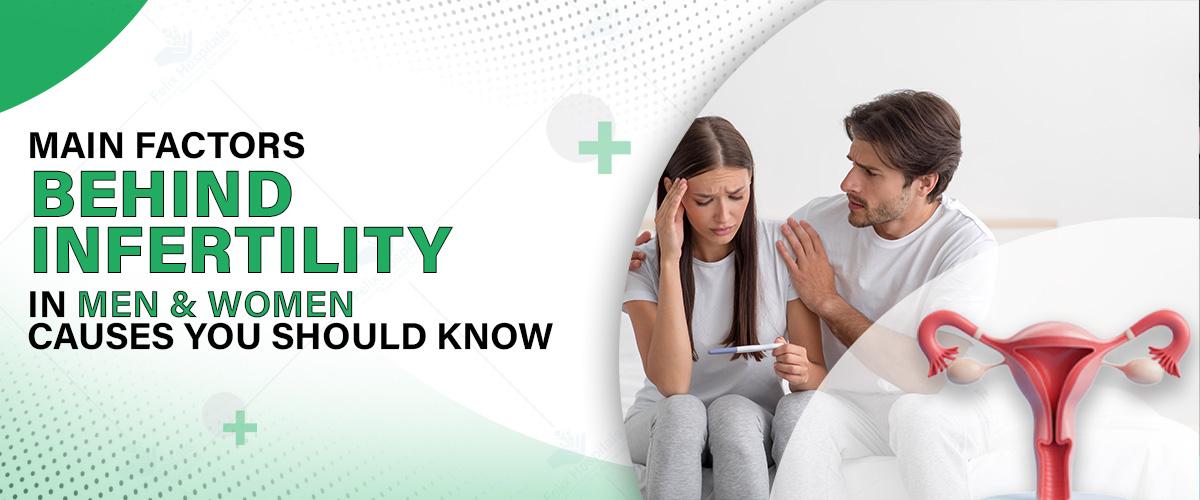
Millions of couples worldwide are grappling with infertility, an emotionally charged and rapidly spreading condition. Infertility is defined as the inability to conceive naturally after 12 months of regular, unprotected intercourse. We now know that infertility affects both men and women nearly equally, despite the earlier belief that it was a female issue. Indeed, research indicates that male factors account for approximately 40–50% of all cases of infertility. While its emotional and psychological cost, the positive news is that most causes of infertility are now treatable with modern medicine.
Whether you are just starting out to conquer fertility or have been trying for a while now, understanding the primary reasons for infertility can enable you to make the right choices. For others who need motivation and specialized advice, a visit to the best gynecology hospital in Noida can be a stepping stone toward a customized treatment plan.
Are you struggling to conceive? Book a consultation at a reputable hospital in Noida by calling +91 9667064100.
Infertility is medically a condition of not being able to conceive after 12 months of consistent, unprotected sex. In women over the age of 35, this period is usually shortened to six months, since age has an impact on fertility. Infertility may either be primary (when the couple has never conceived) or secondary (when there has been at least one previous pregnancy, irrespective of whether it was successful or not).
Infertility can be caused by a wide array of issues with the female or male reproductive system, or both. The intricacy of the human reproduction process such that slight interferences in hormones, anatomy, or sperm/egg quality can affect a couple's chances of having a baby.
Female infertility may be brought on by a myriad of problems that involve ovulation, the integrity of the reproductive organs, or the capacity to carry a pregnancy to term. The most common offenders are:
Ovulation Disorders: Conditions like PCOS (Polycystic Ovary Syndrome), hypothalamic amenorrhea, or hyperprolactinemia can lead to insufficient or irregular ovulation. These hormonal imbalances interfere with the normal release of eggs from the ovaries.
Fallopian Tube Damage or Blockage: The fallopian tubes are necessary for sperm and egg to mingle. Any damage from infections (such as pelvic inflammatory disease), previous surgery, or an ectopic pregnancy can hinder fertilization.
Endometriosis: This disease results in tissue similar in composition to the lining of the uterus developing outside the uterus, usually creating inflammation, scarring, and altered pelvic anatomy.
Uterine or Cervical Abnormalities: Inborn problems, such as a septate uterus, or problems developed after birth, such as uterine fibroids and polyps, may prevent implantation or lead to habitual miscarriage.
Age-Related Decline in Egg Quality: With advancing age, the number of eggs available diminishes, as does their quality, resulting in diminished fertility and an elevated risk of chromosomal abnormalities.
For an in-depth overview of male and female fertility problems, check out this guide on reasons for infertility in men and women.
Male infertility is underappreciated but no less essential to assess. The primary causes are normally related to sperm production, functioning, or delivery problems. They include:
Low Sperm Count (Oligospermia): A lower count of sperm in semen greatly reduces the possibility of fertilization.
Poor Sperm Motility: Even when sperm count is normal, sperm need to swim well in order to get to the egg. Weak or slow-moving sperm frequently do not make it to the target.
Abnormal Sperm Morphology: Abnormally shaped sperm cannot penetrate the outer covering of the egg.
Varicocele: Dilated veins in the scrotum can damage sperm quality and diminish testicular function.
Ejaculation Disorders: Retrograde ejaculation (where semen enters the bladder rather than leaving the body), premature ejaculation, or erectile dysfunction can all affect fertility.
Infections and STDs: Chlamydia, gonorrhea, or mumps can irreparably damage the reproductive organs.
Testicular Trauma or Surgery: Previous injuries, undescended testes, or surgeries such as hernia repair can hamper sperm production.
Hormones control virtually all aspects of reproduction. Hormonal disturbances in both men and women can result in subfertility or infertility:
In Women: Disturbances in estrogen, progesterone, luteinizing hormone (LH), and follicle-stimulating hormone (FSH) may inhibit ovulation, thicken the uterine lining, or induce luteal phase defects.
In Men: Decreased testosterone, FSH, and LH levels may cause decreased sperm production, inadequate libido, and erectile dysfunction.
Thyroid disorders—both hypothyroidism and hyperthyroidism—can also adversely affect fertility by disrupting hormone regulation and metabolism.
Age continues to be among the most influential factors affecting fertility:
Women: Fertility peaks during the early 20s and gradually reduces after the age of 30, and falls sharply after the age of 35. At the age of 40, the likelihood of conception is much lower due to reduced egg quantity and quality.
Men: Although men are able to remain fertile for longer, sperm quality decreases with age. Increased age is linked with a higher incidence of sperm DNA fragmentation, which can impact the quality of the embryo and predispose to miscarriage.
Increased rates of infertility are due to modern lifestyles. Some of the most important reasons for infertility among women and men due to everyday habits and lifestyle choices include:
Smoking: Decreases sperm quality and causes premature menopause in females.
Alcohol and Drug Consumption: Deteriorates hormone secretion and health of eggs/sperm.
Poor Nutrition and Obesity: Causes hormonal imbalance and insulin resistance, both of which affect fertility.
Excessive Exercise or Inactive Lifestyle: Intense exercise or inactivity can disrupt ovulation and testosterone production.
Stress and Worry: Continual stress impacts the hypothalamus, inhibiting ovulation and sperm production.
Sleep Deprivation: Sleep controls hormones such as melatonin and cortisol, both of which influence reproductive health.
Some of the risk factors are:
Pesticides and Herbicides: These are endocrine disruptors that can get in the way of hormone balance.
Heavy Metals: Lead, cadmium, and mercury are harmful to reproductive organs.
Industrial Chemicals: Phthalates and bisphenol A (BPA) decrease sperm count and disrupt ovulation.
Radiation or High Heat: Regular exposure (e.g., to computers or hot tubs) can lower sperm quality.
Individuals who work in factories, agriculture, or with radiological equipment are possibly at greater risk and should take cautionary steps.
Some chronic or acute medical conditions can cause infertility in both men and women:
Diabetes: Affects hormone levels and can lead to erectile dysfunction.
Thyroid Disorders: Disrupt ovulation, menstruation, and metabolism.
Autoimmune Diseases: Conditions such as lupus have the potential to destroy reproductive tissues or hinder implantation.
STIs and Pelvic Infections: Untreated infection may lead to scarring or obstructions within reproductive tracts.
Early diagnosis and treatment of the above conditions are essential in restoring fertility.
Genetic issues could also be the cause of infertility. Examples include:
Klinefelter Syndrome (Men): Extra X chromosome (XXY), resulting in low testosterone and inadequate sperm production.
Turner Syndrome (Women): Impacts ovarian function and results in premature ovarian failure.
Y Chromosome Microdeletions: Insignificant deletions can significantly affect sperm development.
Cystic Fibrosis Gene Mutations: Can result in congenital absence of the vas deferens in men.
Advanced genetic testing can reveal these occult causes and inform treatment decisions.
Some medications can inadvertently affect fertility. These are:
Chemotherapy and Radiation: May destroy reproductive tissue.
Antidepressants and Antipsychotics: May reduce libido or affect hormone levels.
Blood Pressure Drugs: Some beta-blockers or calcium channel blockers may impair ejaculation or sperm motility.
NSAIDs and Steroids: Prolonged use can affect ovulation and testosterone levels.
Before starting or stopping any long-term medication, speak with your doctor—especially if you’re planning to conceive. For advanced care options, explore men and women infertility treatment in Noida for specialized consultations.
You might want to visit a fertility specialist if:
You've been attempting to get pregnant for more than 12 months (or 6 months if you're older than 35)
You have missing or irregular periods
You've had repeated miscarriages
You, or your partner, has known medical conditions like PCOS, endometriosis, varicocele, or thyroid disease
There's a family history of reproductive issues or STIs
You, or your partner, are receiving cancer treatment or have had surgery on reproductive organs
Pre-marital consultation can greatly enhance the prospect of success by identifying conditions that can be treated early and making advanced fertility treatments like IUI, IVF, or ICSI available. Top hospitals in Noida provide detailed fertility evaluations and customized treatment solutions to enable your way to parenthood.
Schedule a consultation at Felix Hospitals to achieve your dream of becoming a parent.
Infertility is a complex condition affected by many biological, environmental, and lifestyle aspects. From hormonal disorders to age, genetics, or medical conditions, learning the primary causes of infertility in men and women can lead couples to the proper diagnosis and treatment. Remember that infertility is not a life sentence, with proper advice, many couples successfully establish joyful, healthy families.
If you're having trouble or experiencing difficulties conceiving, please consider seeking assistance without delay. Early diagnosis and professional treatment by a reputable hospital in Noida can prove to be a turning point. From proper diagnosis to cutting-edge treatment and counseling, acting today can help take you one step closer to the realization of your parenthood dream.
Get the best male infertility treatment in Noida with expert specialists and advanced techniques for successful conception.
Q1. What are the most common causes of infertility in men and women?
Ans: In females, the usual etiologies are ovulation disorders, fallopian tube blockage, and endometriosis. In males, low sperm count, lack of motility, or hormonal imbalances are usual.
Q2. From what age does the fertility of men and women begin to decline?
Ans: Female fertility decreases after the age of 30 and declines sharply after the age of 35. Male fertility also declines gradually, typically after the age of 40.
Q3. Do lifestyle modifications help increase fertility naturally?
Ans: Yes, quitting smoking, eating a balanced diet, exercising moderately, and reducing stress can help improve fertility in both men and women.
Q4. When should a couple see a fertility specialist?
Ans: Couples under 35 should seek help after 12 months of trying; over 35, after 6 months. Earlier if there are known health issues.
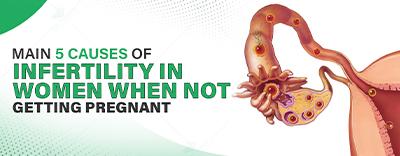
Facing trouble conceiving? This article highlights the main 5 causes of infertility in women, including hormonal imbalances, PCOS, endometriosis, blocked fallopian tubes, and age-related factors.
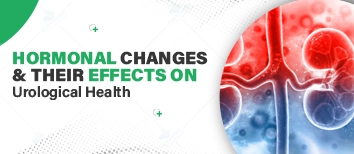
Hormones are the chemicals that regulate various bodily functions in both men and women.
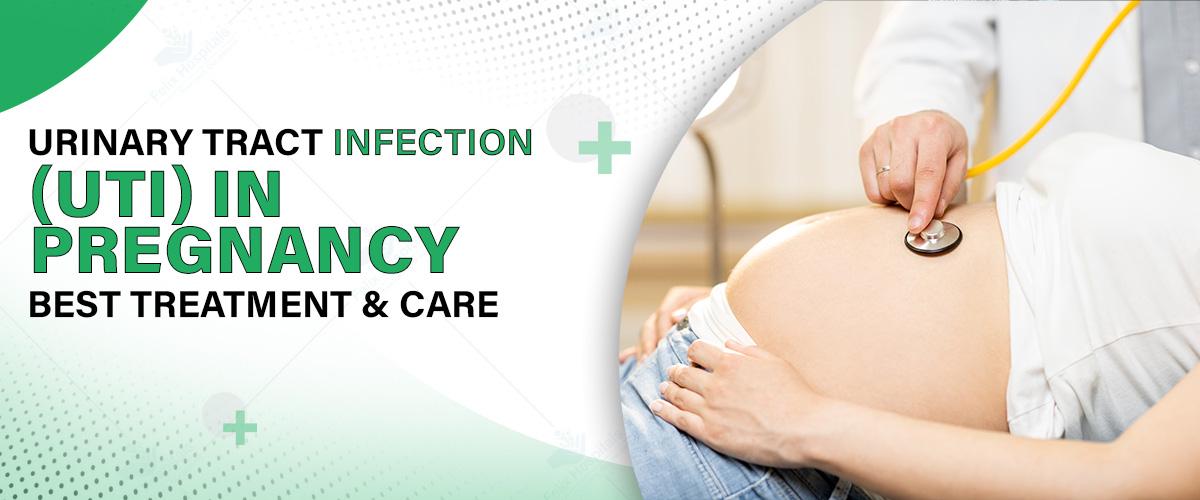
Pregnancy changes a woman's body in many ways, but it can also make her more likely to get some health problems, like urinary tract infections (UTIs). Hormones, anatomy, and a growing uterus all make it more likely that you will get UTIs during this important time. For anyone looking for the best gynecology hospital in Noida, it's important to get UTIs diagnosed and treated early to keep both the mother and the baby safe.
Getting treatment on time is the first step to a safe pregnancy. Call at +91 9667064100 to make an appointment for your UTI.
Hormones that are higher during pregnancy and a growing uterus can slow down the flow of urine and make it hard for the bladder to empty completely. This makes it easier for bacteria to grow. Also, the urethra is shorter in women, which makes it easier for bacteria like E. coli to get in and move up. Because of these physical and anatomical factors, UTI detection in pregnancy is an important part of prenatal care.
UTI treatment for pregnant women is faster if they know the early signs. Some common signs are:
A frequent need to go to the bathroom
A burning feeling when you pee
Urine that is cloudy or smells bad
Pain or cramps in the lower abdomen
Fever, nausea, or back pain (which could mean you have a kidney infection)
If you have any of these symptoms, you need to see a doctor right away. If you wait too long to get treatment, you could get kidney infections, go into labor early, or have a baby with a low birth weight.
A simple urine test that looks for bacteria and white blood cells is how most UTIs in pregnant women are found. Urine cultures may sometimes be used to find the exact strain of bacteria that is causing the infection. Routine urine tests are often part of prenatal checkups, so it's easy to get UTI treatment for pregnant women and stop it from happening.
For most mild UTIs, pregnant women should start by taking oral antibiotics. Depending on how bad it is, these are given for 3 to 7 days. Even if your symptoms get better quickly, you should still finish the whole course. For more serious infections, like pyelonephritis (a kidney infection), you may need to go to the hospital and get antibiotics through an IV.
Some antibiotics, like penicillin and amoxicillin, are thought to be safe to take while pregnant. Some, on the other hand, are avoided because they could be dangerous for the baby. This is why it's so important to get professional help during treatment.
The good news is that there are a few easy things you can do to lower your chances of getting a UTI while pregnant:
Drink a lot of water.
After using the bathroom, always wipe from front to back.
Pee before and after having sex.
Put on cotton underwear that lets air through.
Don't wear clothes that are too tight or use harsh soaps.
Taking these steps to avoid UTIs during pregnancy can make them happen less often and less severely.
Some women may get UTIs more than once while they are pregnant. If you have cystitis three times or more or pyelonephritis once, you may need to take antibiotics every day for the rest of your pregnancy. This makes sure that the infection is under control and doesn't put the health of the mother or the baby at risk.
If you don't treat a UTI, it can get worse quickly. If you have any of the following, get medical help right away:
A high fever
Back pain that won't go away
Chills or vomiting
Signs that don't get better within 48 hours of starting antibiotics
Early treatment can stop serious problems like sepsis, kidney damage, or giving birth too soon.
Felix Hospital has experienced gynecologists and advanced diagnostic tools to give pregnant women personalized UTI treatment. Our professional team follows protocols that are based on evidence and makes sure that the mother-to-be is safe and comfortable. If you're looking for a hospital for UTI in pregnancy Noida, Felix offers complete care, from early screening and diagnosis to treatment and follow-up.
Every trimester is important. With the right care, you can stay UTI-free. For a check-up, call at +91 9667064100.
Urinary tract infections are common during pregnancy, but they can be treated. Most women can have a healthy pregnancy without any problems if they get the right diagnosis, treatment, and preventive care. Don't wait if you think you might have a UTI. Get medical help and pick the right provider. Proactive care is important whether you're in your first trimester or about to give birth. Always talk to a qualified healthcare provider about how to treat a UTI while pregnant, and put your health and your baby first. If you need a reliable hospital for UTI in pregnancy Noida, make sure it has a full range of services, makes accurate diagnoses, and gives you personalized care. Because peace of mind is everything when you're pregnant.
Q1. Is it possible for a UTI during pregnancy to hurt the baby?
Ans: If not treated, a UTI can cause problems like early labor or a baby with a low birth weight.
Q2. Is it safe to take antibiotics for a UTI while you are pregnant?
Ans: Yes, but only the ones your doctor tells you to take that are safe for pregnancy.
Q3. How often should pregnant women get tested for UTIs?
Ans: Most doctors check for problems at least once early in pregnancy and again if symptoms show up.
Q4. Can I get tested and treated for a UTI at Felix Hospital?
Ans: Yes, Felix has both lab testing and treatment on site, which speeds up diagnosis and care.
Q5. Is it possible to get a UTI without any obvious signs?
Ans: Yes, it's common for pregnant women to have infections without any symptoms. These infections still need to be treated.
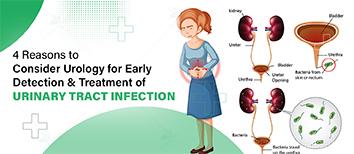
One of the best hospitals for urinary tract treatment in Noida offers comprehensive urology care, featuring expert urologists and advanced diagnostic and treatment facilities.
At Felix Hospitals, our team of best pediatricians in Noida specializes in diagnosing and treating UTIs in children with care and precision.
Find the best urologist for your child's UTI with expert care and treatment.

Urinary Tract Infections (UTIs) are common infections affecting the bladder, kidneys, or urethra. They often cause symptoms like frequent urination, burning sensation, and abdominal discomfort.
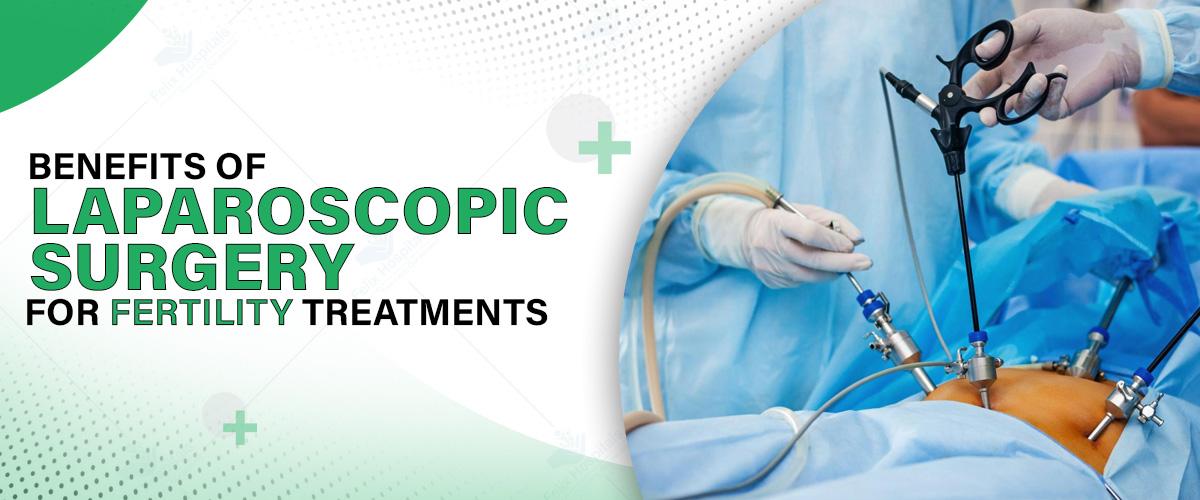
Many women around the world have trouble getting pregnant, which can be hard on their bodies and minds. Modern medicine gives us hope through advanced diagnostic and treatment methods. Laparoscopic surgery is one of the best and least invasive ways to do things today. It is widely known as the gold standard and is done at the best gynecology hospital in Noida for both diagnosing and treating infertility problems. This blog will talk about the main benefits of laparoscopic surgery for fertility and why it is so important for reproductive health care.
Take charge of your reproductive health. To talk to one of our gynecology experts, call +91 9667064100.
Laparoscopic surgery is a type of surgery that uses small cuts to insert a thin tube with a camera (laparoscope) and surgical tools. This lets you see the pelvic organs directly and helps find problems that might not show up on standard imaging tests.
The procedure is often used to find and treat problems like:
Fibroids
Cysts on the ovaries
PID, or pelvic inflammatory disease
Fallopian tubes that are blocked or broken
In many cases, laparoscopy can find the problem and fix it all in the same surgery.
One of the benefits of laparoscopic surgery for fertility is that it can fix the body's normal structure. For example, it can get rid of endometrial lesions, fibroids, and adhesions that make it hard to get pregnant. After these problems are fixed, a lot of women get pregnant on their own without needing IVF or other treatments.
Couples who can't get pregnant for no clear reason often find that laparoscopy reveals problems that can be easily fixed with surgery.
Open surgeries that are done the old-fashioned way require big cuts, long hospital stays, and long recoveries. On the other hand, laparoscopic surgeries only require 2 to 4 small cuts, which greatly reduces the damage to the body.
Patients gain from:
Less pain after surgery
Little scarring
Stays in the hospital are shorter.
A quicker return to normal life
This is especially helpful for women who want to start fertility treatments again or get pregnant soon after surgery. Laparoscopy for infertility treatment is also good for emotional health because it has a shorter recovery time.
Laparoscopy is more than just a way to treat infertility. It has a very high level of diagnostic accuracy. Laparoscopy lets doctors see the reproductive organs in real time and find even small problems, which is not possible with ultrasounds or HSG (hysterosalpingogram).
Some common results are:
Little bits of tissue sticking to the tubes
Light endometriosis
Small signs of infection or inflammation
Such specific information can help make personalized fertility plans that work better and save time.
One more big benefit of laparoscopic surgery for fertility is that it lets you get a diagnosis and treatment in the same visit. This means that fewer surgeries, anesthetics, and recovery times are needed. For instance, if a patient has a blocked tube and is having laparoscopy, the blockage can be cleared or the tubes can be fixed right away if possible. In the same way, ovarian cysts or fibroids that are found during the procedure can be taken out right away.
This combined method speeds up the process of planning for pregnancy, which saves time and emotional energy.
Sometimes, natural conception isn't possible, and assisted reproductive technologies (ART) like IVF are needed. Laparoscopy is also an important part of the preparation process. Laparoscopy can help with infertility in the following ways:
Getting rid of things that make it harder for embryos to implant
Treating hydrosalpinx (fallopian tubes filled with fluid) that can change the results of IVF
Fixing pelvic adhesions to make it easier to get eggs
Laparoscopy makes ART cycles more likely to work and lowers the chance of problems by making the reproductive environment better.
Most of the time, laparoscopic surgery is done under general anesthesia, so you won't feel any pain. After surgery, you might feel mild cramping, bloating, or pain in your shoulders because of the gas used during the procedure. These signs usually go away in a few days.
There are risks with any surgery, such as, Fever, Bleeding but when done at the best gynecology hospital in Noida by a skilled team, problems are rare and recovery goes smoothly.
The length of recovery depends on whether the laparoscopy was for diagnosis or surgery: Recovery time for diagnostic procedures is usually 1 to 2 days.
Procedures that are done during surgery (like myomectomy and adhesiolysis): It could take 2 to 4 weeks to get better.
Your doctor will give you instructions on how to care for your wounds, what activities you should avoid, and when to come back for follow-up appointments to make sure you heal completely.
The cost of laparoscopy for treating infertility depends on:
Place of treatment and city
Experience of the surgeon
Need for surgery
Some health insurance plans may pay for part of a laparoscopy if it is medically necessary. During your consultation, talk about all of your options for pricing and insurance.
Felix Hospital is a well-known name in the field of surgery for fertility issues. Many women think about it for their laparoscopy for infertility treatment because of these reasons:
A group of very skilled laparoscopic gynecologic surgeons
High-tech tools for diagnosis and surgery
Full range of fertility services, including planning after laparoscopy
Care that puts the patient first
Felix Hospital still gets great results for patients who want treatments based on evidence in a caring environment.
Laparoscopic surgery is a safe, effective, and advanced way to find hidden fertility problems or treat known reproductive problems. Laparoscopic surgery for fertility has more benefits than just being more precise. It gives people hope, clarity, and a better chance of getting pregnant. If you're thinking about getting pregnant naturally or with help, you should talk to your gynecologist about the possibility of laparoscopy. Laparoscopy changes the way people think about infertility, turning doubt into opportunity.
Are you thinking about laparoscopy for infertility? Call +91 9667064100 to move forward.
Q1. Can laparoscopy find damage to the tubes that ultrasound can't?
Ans: Yes, for sure. Laparoscopy gives a direct view of the fallopian tubes and can show small blockages or damage that imaging can't see.
Q2. How soon after laparoscopy can a woman get pregnant?
Ans: Most women can start trying to get pregnant after one to two menstrual cycles, depending on how much surgery they had.
Q3. Does laparoscopy make IVF more likely to work?
Ans: Yes, laparoscopic surgery for conditions like fibroids or endometriosis may greatly improve the chances of IVF success.
Q4. Is laparoscopic surgery only for women who can't get pregnant?
Ans: It's often used in fertility care, but it's also useful for finding out what's wrong with your reproductive organs and treating chronic pelvic pain.
Q5. Is it possible to do laparoscopy in a day-care setting?
Ans: Yes, most diagnostic laparoscopies and small repairs are done on the same day at places like Felix Hospital.
Q6. Can a single laparoscopic fertility surgery treat more than one condition?
Ans: Yes, surgeons can often fix a number of problems, such as endometriosis, in one surgery.
Dr. Ritesh Agrawal is an experienced surgeon in noida specializing in both open and minimally invasive laparoscopic procedures.
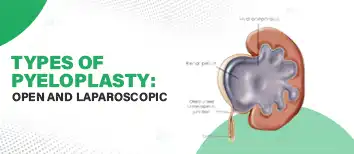
Learn about open and laparoscopic pyeloplasty, their benefits, and when they’re used to treat kidney blockage.
Facing trouble conceiving? This article highlights the main 5 causes of infertility in women, including hormonal imbalances, PCOS, endometriosis, blocked fallopian tubes, and age-related factors.
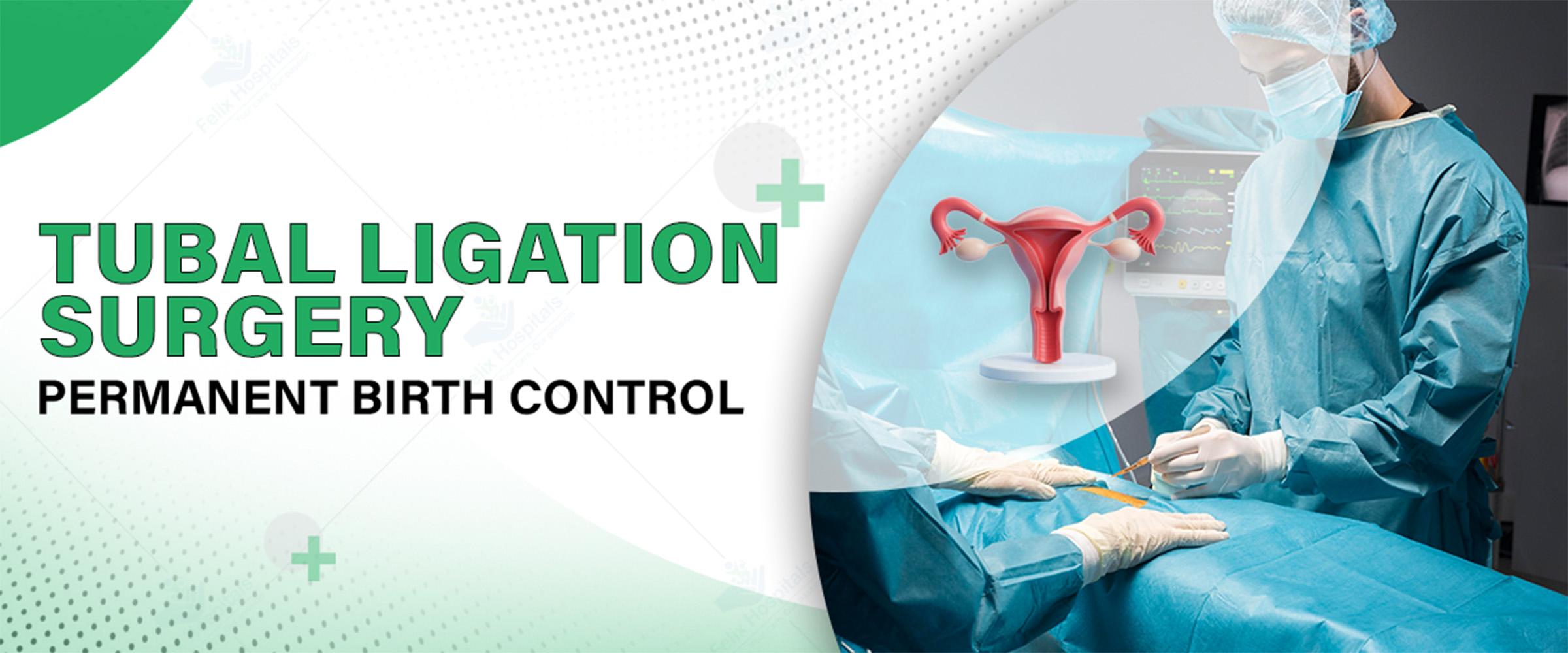
Women today have access to advanced medical solutions for long-term birth control that are both safe and permanent. One option that works well is tubal ligation surgery in Noida, which is known for being safe and easy. Done in the best gynecology hospital in Noida and expert gynecologists it helps women feel confident about their reproductive choices.
This surgery gives people who have completed their family or who are at risk of getting pregnant a sense of security and protection from getting pregnant again for the rest of their lives. Let's look at how this procedure works, who it's for, and what to expect during the whole thing.
Take charge of your reproductive health. Talk to our expert gynecologists about female sterilization surgery in Noida. Dial +91 9667064100.
Blocking or sealing the fallopian tubes is a surgical method of birth control that stops pregnancy for good. This stops the sperm from getting to the egg, which stops fertilization. This procedure, which is often called "getting your tubes tied," is one of the best female sterilization surgery in Noida.
Women who want permanent birth control without having to take hormonal pills, use devices, or go to the doctor often prefer this option because it has a high success rate and long-term benefits.
There are a number of ways to do tubal ligation, depending on the patient's health and what the surgeon says:
Clipping: This means putting small clips or clamps on the fallopian tubes to keep them from falling.
Cauterization: This method uses electricity to burn the tubes shut.
Ligation and resection: A part of the tubes is cut and tied off or burned.
Banding: This means putting elastic bands around the tubes to keep the eggs from moving.
Laparoscopy is the most common way to do these procedures. It only requires small cuts and speeds up recovery time.
Women who are sure they don't want to get pregnant again can have tubal ligation. In the following situations, it may be a good idea to do it:
Completed their family and not planning on having any more children
Health problems that could make pregnancy dangerous
A history of having many high-risk pregnancies
Lifestyle preference for non-hormonal and permanent contraception
Repeated miscarriages and the emotional toll of losing a pregnancy
Women should get a lot of counseling before having permanent birth control surgery in Noida so they can make a smart and confident choice.
The healthcare provider will do the following before the procedure:
A thorough consultation and medical history
Blood tests and imaging, if needed
Evaluation before anesthesia
Talk about how long the procedure will last
It is important to communicate clearly to make sure the patient is both mentally and physically ready for the procedure.
Starting with anesthesia, which can be either general or spinal.
Access for Surgery: Laparoscopic access is the most common type, and it only requires one or two small cuts.
Tube Sealing: The surgeon will clip, cut, or seal the fallopian tubes, depending on the method chosen.
Completion: The surgery usually takes 30 to 60 minutes and is done as a day-care procedure.
Depending on how well they heal, most women can start doing light activities again in a few days.
It's normal to have mild pain or cramps in your stomach.
Most of the time, you can leave the hospital the same day or the next.
You might be given painkillers and antibiotics.
You should rest for at least 24 to 48 hours.
Don't lift heavy things or do hard workouts for 1–2 weeks.
Only have sex again after your doctor gives you the all-clear.
The procedure doesn't change the balance of hormones, so menstruation goes on as usual.
Regular follow-up makes sure there are no problems after surgery.
One of the best things about this safe tubal ligation procedure in Noida is that it doesn't take long to heal and there isn't much risk of complications when done in the right place.
There are a lot of good reasons why more women are choosing tubal ligation as their main form of birth control:
Permanent solution: no more need for birth control
No hormones are involved: The natural menstrual cycle stays the same.
One-time procedure: no need to come back, get refills, or do maintenance
Effective: It has a failure rate of less than 1%, making it one of the most reliable choices.
Peace of mind: Women can live their lives without worrying about getting pregnant by accident.
Because of these benefits, women who want a safe and worry-free method often choose tubal ligation surgery in Noida.
There are some risks with tubal ligation, just like with any other surgery. However, these risks are very low.
Problems with surgery, like bleeding or infection
Reaction to anesthesia
Very low chance of pregnancy or tubal failure
Pregnancy can happen outside the uterus (ectopic) in very rare cases.
Some women may also feel bad about their choice later, especially if they want to try to have a baby again. So, it's important to make the choice clearly and only after talking to a doctor.
The price depends on:
The kind of surgery (open or laparoscopic)
Using surgical tools and anesthesia
Hospital services and a stay (if needed)
In the long run, female sterilization surgery in Noida is usually cheaper than ongoing birth control methods like pills, injections, or IUDs. Also, in a lot of cases, health insurance may cover the cost.
One of the main reasons women choose safe tubal ligation procedure Noida is the freedom it brings. After surgery, women can:
Get back to normal life in a few days
Keep your menstrual cycles going naturally
You don't have to worry about missed pills, birth control, or broken devices anymore.
Stay away from hormonal side effects that come with other methods.
Most women say they feel better and more at ease after the surgery.
Felix Hospital is a name that women trust when it comes to health care and clinical excellence. Here's why a lot of women choose Felix for their tubal ligation surgery in Noida:
Expert Gynecologists with a lot of experience
Modern Surgical Infrastructure that has the latest tools for quick, safe, and minimally invasive surgeries
Full preoperative support to help patients feel confident and make smart choices
Hygienic and patient-friendly environment:
Clear prices and help with insurance claims to make money worries go away
Our goal at Felix Hospital is to give women both compassionate care and technical accuracy, especially when it comes to permanent birth control surgery in Noida.
Get Comfortable and Safe with Tubal Ligation in Noida. To get started with professional gynecological care, call +91 9667064100.
If you want permanent birth control that doesn't cause stress, getting tubal ligation surgery in Noida can change your life. It's a one-time procedure that works very well and gives you peace of mind for the rest of your life about not getting pregnant.
This surgery is a safe and effective option for women who have decided they don't want any more kids. It also gives women the power to make their own long-term reproductive choices, with the help of professional care and medical excellence.
Q1. Does Felix Hospital offer laparoscopic tubal ligation as an option?
Ans: Yes, skilled gynecologic surgeons at Felix Hospital do laparoscopic tubal ligation procedures that are as minimally invasive as possible.
Q2. Is it possible to have a tubal ligation right after giving birth?
Ans: Yes, postpartum tubal ligation can be done within 24 to 48 hours of giving birth, especially if the baby was born by C-section or mini-laparotomy.
Q3. Does tubal ligation change your periods or hormone levels?
Ans: No, it doesn't. Your hormones and menstrual cycles usually stay the same because your ovaries are still there.
Q4. How successful is tubal ligation surgery?
Ans: One of the most reliable permanent birth control methods is tubal ligation, which works more than 99% of the time.
Q5. Are there any age limits for women who want to get tubal ligation?
Ans: There is no strict age limit, but most doctors say that women over 25 who have finished having children should get it.
Facing trouble conceiving? This article highlights the main 5 causes of infertility in women, including hormonal imbalances, PCOS, endometriosis, blocked fallopian tubes, and age-related factors.
Dr. Ritesh Agrawal is an experienced surgeon in noida specializing in both open and minimally invasive laparoscopic procedures.
Understanding PCOS: A Growing Concern for Women in Greater Noida" explores the rising prevalence of Polycystic Ovary Syndrome (PCOS) among women in the region
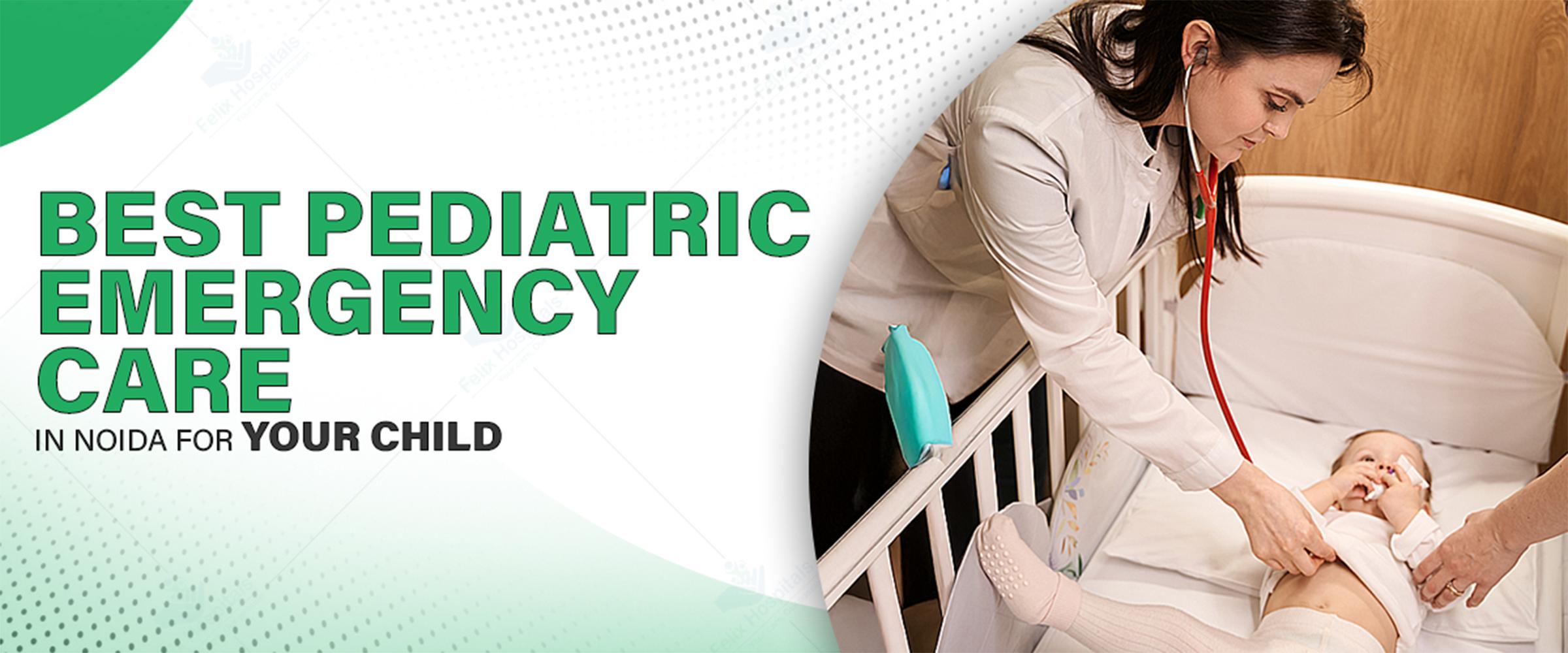
At Felix Hospital, Noida, we provide 24x7 pediatric emergency care with a dedicated Pediatric Intensive Care Unit (PICU) and experienced child specialists available round-the-clock.
Our team ensures immediate response, accurate diagnosis, and the highest standard of medical support to safeguard your child’s health in critical moments.
With the life of your child, medical emergencies can be frightening and daunting. Children are different from adults, in that they require medical treatment specially suited to their tiny sizes and growing systems. Pediatric Emergency Care in Noida provides expert services with the intent of treating children with emergent medical conditions effectively and humanely. From unexpected illness to accidents, accessing an immediate facility with trained pediatric specialists can be a matter of life and death.
In Noida, the healthcare infrastructure has rapidly advanced, with multiple hospitals offering round-the-clock pediatric emergency services. This means parents and caregivers can have confidence that expert care is available at any hour. This blog will guide you through why pediatric emergency care is unique, what signs to watch for, the best hospitals, and what to expect during an emergency visit, helping you be prepared for your child’s health needs.
Book an urgent consultation by making a call at +91 9667064100 with Noida's best pediatric emergency specialists today—your child deserves no delay!
Children are not little adults; their bodies and medical requirements are very different. Their symptoms, vital signs, and disease course can be quite different from adults and need health professionals with expertise in pediatrics. For instance, how a child's heart or lungs react to stress or injury is different and needs individualized interventions.
Furthermore, children are not able to clearly communicate their symptoms, so it is important that emergency personnel are trained in observation and child-sensitive communication skills. Children's emergency rooms contain child-sized equipment, child-dosed medication, and staff trained to know how to offer emotional support to both the family and the child in stressful emergencies.
Without these specialized services, misdiagnosis or delayed treatment can happen that will aggravate the situation. Hence, Pediatric Emergency Care In Noida ensures your child's emergency is being treated by specialists who grasp these all-important differences.
As a parent, identifying when your child requires immediate medical attention is difficult but essential. There are a few signs that should never be overlooked and require immediate emergency treatment, including:
Trouble breathing or ongoing wheezing, grunting, or fast breathing
Severe fever that will not go away with medication or lasts longer than a few days
Ongoing vomiting or diarrhea that causes dehydration
Loss of consciousness, seizures, or frequent fainting spells
Severe swelling or pain after an accident or injury
Sudden rash or swelling that could be a sign of an allergic reaction
Unusual lethargy, confusion, or irritability
Symptoms of dehydration such as dry mouth, no tears when crying, or reduced urination
If your child has any of these symptoms, it's important to take your child to pediatric emergency services in Noida quickly. Early treatment often averts complications and is sometimes lifesaving.
While selecting a pediatric emergency centre, some features are crucial to quality treatment:
24/7 Availability of Pediatric Specialists: Emergencies can arise at any moment, hence uninterrupted access to trained pediatric emergency doctors and nurses is crucial.
Child-Friendly Atmosphere: Hospitals that create waiting rooms and treatment rooms with children in mind reduce fear and anxiety, making the process less traumatic.
Specially Designed Medical Equipment: Pediatric-focused equipment for anything from oxygenation to IV lines ensures accurate care scaled to children's smaller physiologies.
Multidisciplinary Staff: Coordination of pediatricians, emergency medicine physicians, nurses, psychologists, and social workers provides holistic care.
Rapid Response Protocols: Effective triage protocols give top priority to the most critical children to receive urgent care and quicker diagnostics.
Support Services: Availability of counseling and family support assists parents in dealing with the psychological distress of an emergency.
The best orthopedic hospital in Noida focuses on these attributes to deliver top-notch pediatric emergency services.
Knowing how a pediatric emergency visit works can reassure parents and get them ready. This is what usually occurs:
Rapid Triage: A doctor or nurse will first examine your child's symptoms upon arrival to decide on the urgency and severity.
Vital Signs and Initial Assessment: Heart rate, breathing, oxygen saturation, and temperature to check for stability of condition.
Diagnostic Testing: X-rays, ultrasounds, blood work, or ECGs might be ordered immediately to determine the issue.
Stabilization: Oxygen, fluids, or medications might be given immediately to stabilize your child.
Clear Communication: Physicians tell parents the diagnosis, treatment strategy, and what will happen next and answer all questions compassionately.
Emotional Support: Staff could communicate with children using distraction methods or permit parents to remain nearby to alleviate fear.
The objective is to administer rapid, effective treatment while being supportive of your child emotionally during the crisis.
Selecting the ideal pediatric emergency care facility is important in order to ensure the best outcome. Take the following factors into consideration:
Proximity: Time is essential when it comes to emergencies. Pick a hospital near your home or work area to reach quickly.
Pediatric Specialization: Provide trained pediatric emergency specialists and specialized pediatric ICUs in the hospital.
Facility Accreditation: Choose hospitals accredited by national or international accrediting agencies that uphold high health standards.
Availability of Specialists: The availability of consulting pediatric cardiologists, neurologists, and surgeons in the hospital is an advantage.
Support Services: Institutions providing counseling, nutrition, and rehabilitation support to families after the emergency.
Reviews and Reputation: Other parents' feedback and the hospital's history in pediatric emergencies can help direct your decision.
Research and learn more about your closest pediatric emergency centers to prevent delays during an emergency.
Certain emergencies need close monitoring and treatment in a Pediatric Intensive Care Unit (PICU). The pediatric emergency care teams in Noida are specifically trained to handle life-threatening emergencies like severe breathing difficulty, cardiac arrest, trauma, or neurological emergencies.
PICU staff continuously monitor vital signs, provide ventilatory support, administer complex medications, and coordinate multidisciplinary care plans. These units are equipped with advanced technology and child-sized equipment, ensuring that critically ill children receive round-the-clock expert attention to support their recovery.
Pediatric emergency units frequently manage a range of conditions including:
Respiratory Distress: Asthma attacks, bronchiolitis, pneumonia
Severe Allergic Reactions: Anaphylaxis requiring immediate epinephrine and monitoring
Injuries: Fractures, burns, head injuries due to falls or accidents
Infections: High fevers, sepsis, meningitis
Gastrointestinal Issues: Dehydration due to diarrhea or vomiting
Neurological Emergencies: Seizures, loss of consciousness
Specialized emergency teams provide timely, condition-specific treatments to minimize complications and accelerate recovery.
Require urgent pediatric emergency attention in Noida? Talk to expert pediatricians at Felix Hospitals, available 24/7 here.
Pediatric emergency care focuses on providing urgent medical treatment for infants, children, and adolescents facing life-threatening or acute conditions.
Unlike general emergency units, pediatric emergency departments are equipped with child-friendly infrastructure and specialized doctors who understand the unique medical needs of children.
24x7 Child Emergency Services at Felix Hospital In Noida
Felix Hospital’s Emergency & Trauma Unit is supported by advanced facilities and a compassionate pediatric team.
Our emergency department is operational 24 hours a day, 7 days a week, with specialists trained to manage critical pediatric cases.
Expert orthopedic surgeons with years of experience
NABH & NABL accredited hospital for quality care
State-of-the-art Modular OT
Advanced diagnostics and minimally invasive procedures
24x7 trauma and emergency ortho care
Dedicated physiotherapy and post-op recovery support
Felix Hospital — trusted child hospital in Noida, delivering specialized pediatric care for newborns, infants, and children with compassion and excellence.
Your child's health and safety in emergencies rely, to a large extent, on the quality and accessibility of expert care. The increased network of hospitals with expert pediatric emergency care in Noida guarantees that children get quick, customized treatment any time of day.
Through early warning sign recognition, knowledge of the finest hospitals to seek out, and familiarity with what happens in emergency visits, parents can feel empowered and ready. Early treatment, in conjunction with skilled pediatric emergency staff and caring care settings, results in improved outcomes and family peace of mind.
Recall that emergencies may arise at any time—being well-informed and having access to reliable pediatric emergency care in Noida is the initial step towards safeguarding the health of your child.
Q1. What is pediatric emergency care, and how does it differ from adult emergency care?
Ans: Pediatric emergency treatment is specifically designed to treat infants, children, and adolescents. It needs specialized training, pediatric-sized equipment, and customized treatment methods since children's bodies and illnesses are very different from adults'.
Q2. When is it time to bring my child to a pediatric emergency center in Noida?
Ans: If your child presents with symptoms like trouble breathing, uncontrolled high fever despite medication, seizures, loss of consciousness, serious injuries, or severe vomiting and dehydration, take your child to pediatric emergency care right away.
Q3. Are 24/7 pediatric emergency services available in Noida?
Ans: Yes, the best orthopedic hospitals in Noida, such as Felix Hospitals, have 24/7 pediatric emergency services to offer round-the-clock care whenever your child requires it.
Pediatric rheumatology focuses on diagnosing and treating autoimmune and inflammatory disorders affecting children’s joints, muscles, and connective tissues.
It’s essential to note that the cost of skin pigmentation disorder treatment in Noida can differ based on the type of treatment required and the healthcare facility's resources.

Search the best hospital for your child in Noida the team of experienced pediatricians is dedicated to supporting parents and guiding children on their journey to a healthy life.
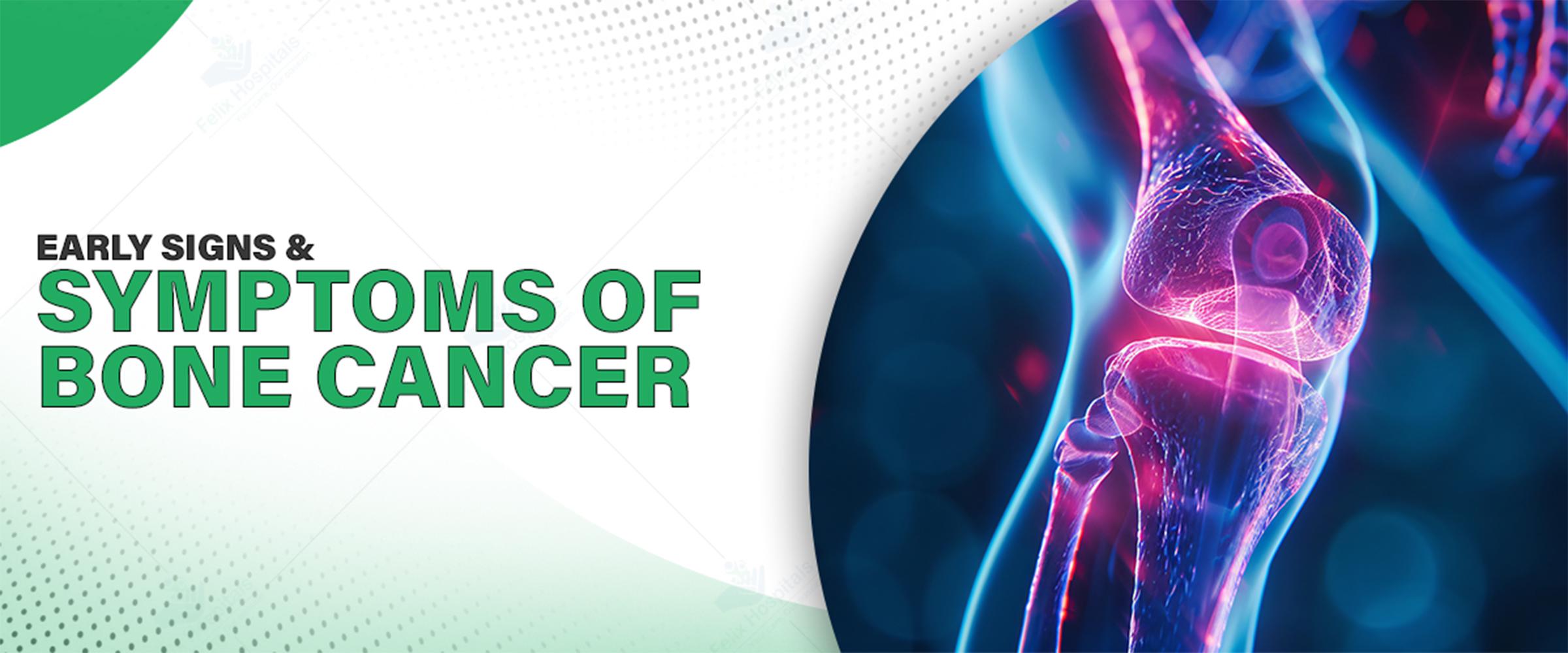
While bone cancer is uncommon, it is a severe disease that requires early diagnosis and treatment. Bone cancers are several distinct types that occur in your bones, and they vary in aggressiveness. Primary bone cancers that originate in your bone usually strike children, teens, and young adults. On the other hand, cancers from other organs—such as the breast, prostate, or lungs—move to the bones, referred to as secondary or metastatic bone cancer.
Bone cancer may involve several areas of the skeleton, particularly the long bones of the arms and legs. Surgery, radiation, and chemotherapy are some of the common treatments, depending on the stage and type. The symptoms in some instances may be similar to other prevalent diseases such as arthritis or sports injuries, which may give a false sense of security and delay diagnosis. This is why receiving treatment at the best oncology hospital in Noida can significantly impact early detection and successful treatment.
Seek the services of the top oncology hospital in Noida for prompt evaluation and specialized treatment. Call us today at +91 9667064100.
Bone cancer is a term that describes a set of cancers that begin in bone tissue. When cancer grows in a bone, it distorts normal bone shape and function. Although bone cancers may begin in any bone, they occur most often in large long bones like the thigh bone (femur), shin bone (tibia), or upper arm bone (humerus).
Cancers that develop in bone are referred to as primary bone cancers (or bone sarcomas). Other cancers—in the breast, prostate, or lung—may extend to bone; these are bony metastases. Primary bone cancers differ from metastatic bone cancers, which develop elsewhere but penetrate the bone at a later stage in their development.
Bone cancers are dangerous but not necessarily deadly—early diagnosis and treatment provide the best results.
Bone cancers are classified according to the cells from which they originate. Although still uncommon, knowledge of the distinctions facilitates informed decision-making regarding treatment:
Arises in bone-building cells and is the most common among teens. Frequently presents in adolescents when bone formation is active. Found frequently in long bones such as thigh and shin bones.
May affect bones or adjacent soft tissues. Affects mostly children and young adults, particularly during growth spurts. Tumors may appear in the pelvis, femur, or ribs.
Arises in cartilage-forming cells. More common in adults and frequently occurs in bones of the pelvis and shoulders.
Usually located at the base of the spine or skull. Although slow-growing, it is difficult to treat because of the delicate location.
Occurs in fibrous connective tissue near bones. It occurs in adults and can penetrate deep tissue if not caught early.
Usually benign but sometimes becomes cancerous. Adults may also encounter these tumors near their joints.
Undifferentiated Pleomorphic Sarcoma is a rapidly expanding tumor that can form in either bone or soft tissue, frequently affecting middle-aged and older adults.
Primary bone cancers occur in fewer than 1% of all cancers.
They're diagnosed more often in children, teenagers, and young adults.
Benign bone tumors such as osteochondromas and bone cysts are much more prevalent and usually benign.
Early diagnosis is rare because of non-specific symptoms that resemble common musculoskeletal conditions.
Even though bone cancer may initially mirror other common conditions like sports injuries or growing pain, rapid evaluation is essential. Consulting the best oncologist in Noida can help distinguish between benign and malignant causes quickly.
Persistent or worsening bone pain, especially at night or during activity
Swelling or a noticeable lump near a bone
Limited joint motion if the tumor is near a joint
Fatigue and spontaneous fevers
Persistent, unexplained weight loss
Patients often attribute these symptoms to be mere aches—missing early diagnosis.
Hereditary Genetic Syndromes: Also includes Li-Fraumeni syndrome and familial retinoblastoma
Previous Cancer Therapy: Previous exposure to radiation therapy or chemotherapy for other cancers
Benign Bone Disease: Such as rare conditions like Paget's disease, that raises long-term risk
Idiopathic Causes: Most instances occur with no detectable cause.
Precise diagnosis comprises several steps:
X‑rays to look for suspicious lesions or structural defects
MRI or CT scans for detailed pictures of bone and surrounding soft tissues
Bone scan or PET‑CT to determine whether cancer has infected other bones
Biopsy is the gold standard—surgical removal of tissue for microscopic examination to identify the cancer type
Enneking system: evaluates tumor grade and spread
AJCC staging: classifies cancer from Stage I (local) to Stage IV (metastasized)
These steps are crucial for deciding on the best treatment strategy.
The treatment plans are personalized based on the patient's diagnosis. Having the best oncology surgeon in Noida provides access to surgical finesse and wholistic care.
Limb-sparing methods are used whenever possible. Doctors can reconstruct the area with bone grafts or prosthetic implants.
Applied preoperatively to shrink tumors or postoperatively to kill leftover cancer cells. In certain situations, it can be a solitary treatment.
Most prevalent in osteosarcoma and Ewing sarcoma. Administered to shrink tumors before surgery and decrease recurrence risk after.
Multidisciplinary teams make optimal treatment timing and tracking a certainty.
Pain typically decreases when treatment is initiated.
Limb-sparing surgery: Complete recovery and restoration of mobility can take a year.
Amputation with prosthesis: Rehabilitation can take up to six months.
Chemotherapy side effects (fatigue, nausea) can last for weeks to months.
Recovery depends upon cancer type, the combination of treatments, and overall health.
Early diagnosis and aggressive treatment can greatly improve outcomes:
Enables limb-sparing operations and minimizes amputations
Minimizes chance of metastasis and life-threatening complications
Better functionality and quality of life over the long haul
Eases the emotional and physical burden accompanying advanced disease
Choosing timely care often determines whether a disease is manageable or leads to severe complications. Make an appointment for a checkup today.
Bone cancer may not be all that common; however, its impact on a person's life can be phenomenal if it is not caught early. From bone pain that is constant to swelling or tiredness that is inexplicable, the symptoms may be insidious initially but will escalate over time. Early diagnosis provides the greatest opportunity for successful treatment, and most individuals can go on to live normal lives after recovery with the right treatment.
Due to improvements in medicine, limb-sparing surgeries, specific therapies, and specialized oncological treatment, bone cancer prognosis is increasing. Whether you're worried about a new symptom or dealing with an active diagnosis, it's taking action early that is the only way to control risks. You must consult a known healthcare provider who can walk you through proper diagnosis, customized treatment, and extended care at an affordable cost in Noida. The recovery journey starts with knowledge and the correct medical professionals. For the best possible care for you or your loved ones, entrust only the finest oncology hospital in Noida.
Q1. Is bone pain always due to bone cancer?
Ans: Not always—it can result from injury or arthritis. But recurring or increasing bone pain, particularly at night or even after rest, must be investigated.
Q2. Can bone cancer be successfully treated?
Ans: Yes—most bone cancers can be treated or even cured with early treatment involving surgery, radiation, and chemotherapy.
Q3. How is bone cancer diagnosed?
Ans: Imaging studies (X-ray, MRI, CT) are employed in the diagnosis of bone cancer, after which a biopsy is done to identify the type and extent of cancer.
Q4. Are children more likely to get bone cancer than adults?
Ans: Yes—primary bone cancers such as osteosarcoma and Ewing sarcoma occur more frequently in children, adolescents, and young adults.
Q5. What are the long-term consequences of treatment?
Ans: They may restrict mobility or involve physical therapy. Rehabilitation and specialist care suit most patients well.
Bone fractures are common injuries from accidents or falls. While many heal well, complications can arise, affecting recovery. Learn more about these issues and treatments.
Advanced neurosurgery improves treatment for brain and spine disorders with better outcomes.
Bladder tumor (TURBT) is a serious condition that occurs when abnormal growths develop in the bladder, requiring transurethral resection to diagnose and treat effectively.
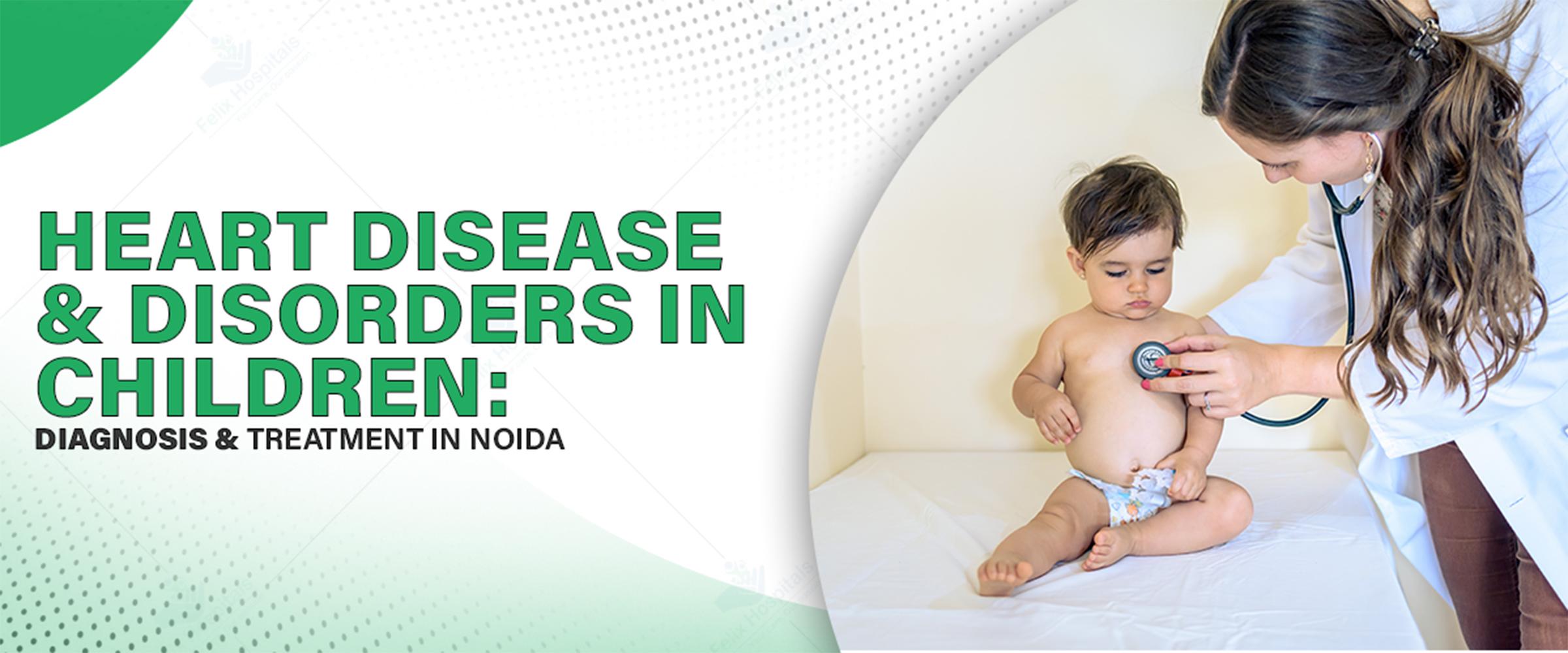
The diagnosis of child heart disease is a shock for any parent. Although we generally know heart disease to be associated with elderly people, Heart Disease and Disorders in Children are on the rise that require the same attention. They may either be congenital (born) or acquired and vary from mild transient issues to severe illnesses that need long-term management or surgery.
Thanks to advances in pediatric cardiology, early detection and successful treatment are not only feasible—today, they are more and more effective. For parents in Noida and the NCR, good healthcare has never been more accessible, thanks to elite hospitals and child heart specialists working in the city.
If you are a parent seeking information on your child's heart health, this comprehensive guide will enlighten you about the types, symptoms, diagnosis, and treatment avenues available—particularly in Noida, a center for cutting-edge pediatric cardiac care.
Book a consultation with a pediatric heart specialist in Noida — A lifetime of difference begins with early action. Call us today at +91 9667064100.
Pediatric heart disease encompasses a broad range of conditions affecting how a child’s heart develops or functions. Childhood heart conditions are mostly due to congenital defects or developmental abnormalities, while adult heart problems often result from lifestyle related issues like cholesterol, blood pressure, or smoking.
There are two primary categories:
Congenital Heart Disease (CHD): Structural defects in the heart at birth. CHD is the most frequent congenital defect, occurring in about 1 in every 100 live births.
Acquired Heart Disease: These are acquired after birth as a result of infection, autoimmune diseases, or other diseases. Although less frequent than CHDs, they can be just as severe and require immediate treatment.
Conditions such as valve malformations, abnormal heart rhythms, and inflammation of the heart muscle can all affect a child's ability to grow, play, and have an active life. Early recognition and appropriate management can significantly impact prognosis.
Knowing certain heart diseases in children helps parents understand what to look out for. The following are some of the most prevalent conditions:
A gap between the heart's upper chambers (atria), which may permit blood to travel in the wrong direction. Tiny ASDs can close spontaneously; larger ones will need surgery.
A defect in the wall between the heart's lower chambers. It is among the most usual congenital abnormalities.
A fetal blood vessel that doesn't close after birth, resulting in abnormal blood flow between the pulmonary artery and the aorta.
A serious condition with four defects in the heart. This is often treated early by surgery.
An inflammatory condition that predominantly occurs in children under the age of five, it can lead to inflammation in the blood vessels, including the coronary arteries.
Irregular heart rhythms may be caused by problems in the electrical system. Some are benign, but some can require medication or equipment such as pacemakers.
Often a complication of strep throat left untreated, this can lead to permanent damage to valves in the heart.
For any of these disorders, prompt child heart disease treatment in Noida can do a big difference. All hospitals here are well geared to detect, observe, and treat these disorders efficiently, reducing long-term consequences.
One of the biggest reasons heart conditions in kids are so hard to diagnose is that they may be subtle or mimic more common childhood illnesses. These are the warning signs parents must not ignore:
Bluish color to lips, tongue, or fingertips (cyanosis)
Difficulty breathing, particularly with feeding or activity
Poor weight gain or failure to thrive
Increased frequency of respiratory infections
Excessive sweating, particularly during feeding
Chest pain or feeling of tightness (in older children)
Fainting spells
Swelling of the legs, ankles, or stomach
Irregular or rapid heartbeats
If your child shows one or more of these symptoms, see a pediatric cardiologist right away. Complications in the future can be avoided with early intervention.
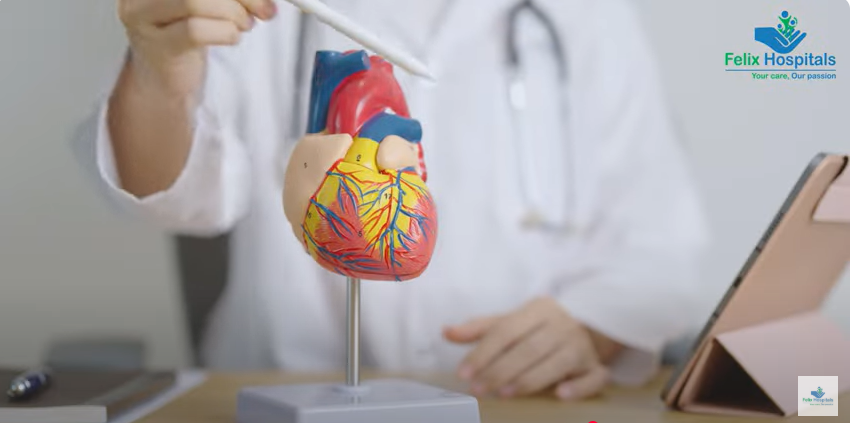
Pediatric cardiac diagnosis has become sophisticated and non-invasive. Early detection, particularly in infants or during pregnancy, is critical.
Most common diagnostic equipment includes:
Fetal Echocardiography: Can identify heart defects while the baby is still in the womb (as early as 18–22 weeks pregnant).
Echocardiogram (ECHO): Provides pictures of the heart and its chambers, valves, and vessels using sound waves.
Electrocardiogram (ECG or EKG): Takes measurements of the electrical activity of the heart.
Chest X-ray: Assists in identifying heart enlargement or fluid collection in the lungs.
Pulse Oximetry: It is a measure of oxygen levels in the blood that may indicate underlying heart problems.
MRI or CT Scan: It gives intense images of the structures of the heart.
Cardiac Catheterization: It is an invasive procedure employed when intricate treatment planning or accurate measurement is required.
The best cardiology hospitals in Noida have these facilities within a single premise, ensuring ease and fast turnaround for worried families.
Noida's healthcare scene has expanded exponentially, providing world-class diagnostic and treatment facilities for children with heart disease. Some of the key aspects are:
Special pediatric cardiology departments
Pediatric cardiac intensive care units equipped with high-end monitoring
Access to fetal cardiology programs for pregnant women
Interventional cardiology for non-surgical procedures
Multidisciplinary teams comprising pediatricians, cardiologists, surgeons, nutritionists, and psychologists.
Treatment plans vary according to the nature, severity, and age of the child. Technological and surgical advancements have greatly enhanced outcomes.
Options are:
Medications: To manage symptoms, cure infections, or correct heart rhythm.
Interventional Cardiology Procedures: Least invasive methods such as balloon angioplasty or device closure through catheterization.
Open-Heart Surgery: Needed for more complicated structural issues like TOF or serious VSD.
Pacemaker or Defibrillator Implantation: For rhythm disorders.
Lifestyle Modification & Rehabilitation: Long-term management involving diet, physical therapy, and emotional support.
If needed, parents may seek out Child heart surgery Noida in centers that have a reputation for pediatric cardiac excellence. The surgeons and ICU staff at these centers are specifically trained to care for infants and children, which helps recovery become less complicated and safer.
Early intervention tends to result in fewer complications, improved developmental outcomes, and increased survival. Even after treatment or surgery is successful, routine follow-up is crucial to:
Closely monitor heart function and valve operation
Tune drug therapy as required
Identify any long-term impact in early stages
Facilitate growth and developmental milestones
A majority of pediatric cardiologists in Noida provide systematic follow-up programs and online monitoring solutions for the convenience of patients.
A child on the heart patient list needs sustained care. In addition to the kind of medical care, psychological development and societal interaction support has also shown huge implications in the child's life. Here's what this calls for in families:
Counseling and therapy for psychological effects in kids
Parent education programs to inform on care at home
Nutritional counselling on maximizing growth and immunity
Education and sporting activity adjustments for every child depending on their condition
Support groups: Sharing experiences with other families on the same journey
Noida hospitals tend to provide these integral services all under one roof so that the whole family is taken care of.
Felix Hospital — trusted child hospital in Noida, delivering specialized pediatric care for newborns, infants, and children with compassion and excellence.
Felix Hospital — Best pediatric surgery in hospital in Noida, delivering specialized pediatric care for newborns, infants, and children with compassion and excellence.
Heart Disease and Disorders in Children can be intricate, but with modern medicine and the presence of experienced care experts in Noida, children with heart diseases have a good chance at achieving normal, healthy lives. If your child requires diagnosis, surgical repair, or ongoing management, early medical attention and a supportive setting can be the deciding factor.
Being a parent, your watchfulness, timely intervention, and faith in pediatric cardiac specialists are the ingredients that will make your child's future brighter, healthier, and better.
Felix Hospital — trusted pediatric hospital in Noida, delivering specialized pediatric care for newborns, infants, and children with compassion and excellence.
Q1. Is a hole in my child's heart likely to close by itself?
Ans: Small VSDs or ASDs can close themselves over time. Larger defects typically require surgery or catheter treatment depending on what the doctor finds.
Q2. Is it safe to do heart surgery on children in Noida?
Ans: Yes, renowned Felix Hospitals in Noida/Greater Noida have experienced pediatric heart surgeons and child-specific ICUs, ensuring surgery is safe and successful.
Q3. My child gets tired too easily when playing—might it be heart-related?
Ans: Yes, sudden tiredness can indicate a problem with the heart. A pediatric cardiologist's check-up is advised to ensure there are no issues.
Q4. Are diagnostic tests child-friendly at Felix Hospitals?
Ans: Yes, at the Felix Hospitals, there are painless, non-invasive procedures such as ECHO and ECG available in child-friendly environments with parental presence and sedation available if required.
During sleep, the body releases growth hormones, which are essential for a child's growth and development. Adequate sleep is vital for muscle development, tissue growth, and the overall physical health of a child.
Search the best hospital for your child in Noida the team of experienced pediatricians is dedicated to supporting parents and guiding children on their journey to a healthy life.
Pediatric Intensive Care Unit (PICU): Expert care for critically ill or injured children requiring constant monitoring and advanced life support. Our specialized team ensures round-the-clock treatment in a safe, child-friendly environment.

Heart disease is a significant health concern for women, often presenting unique challenges. Understanding the causes, symptoms, and treatment options is essential for early detection and effective management.
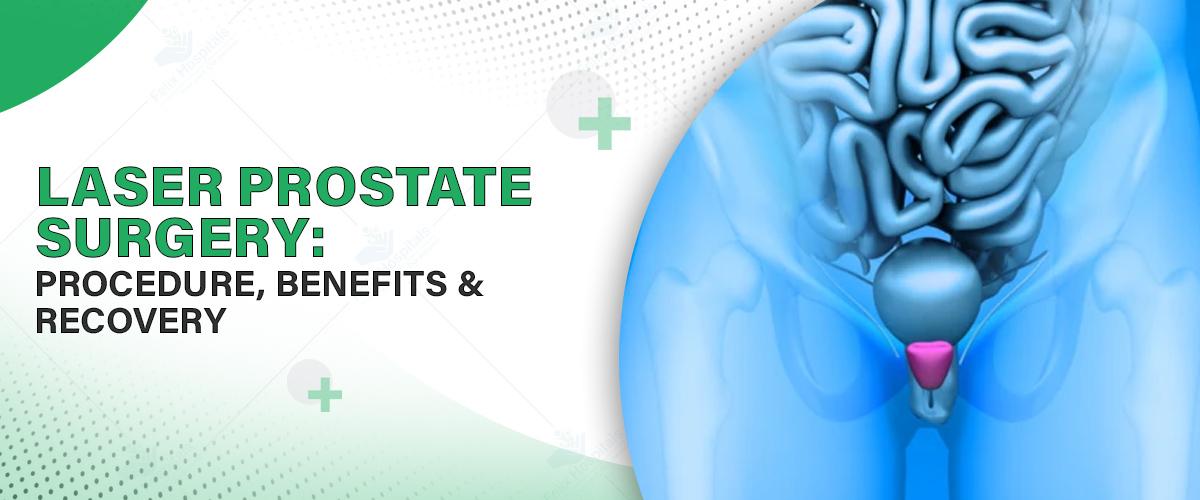
As men get older, prostate problems like benign prostatic hyperplasia (BPH) become more common. These problems can cause annoying urinary symptoms that make it hard to go about your daily life. Fortunately, new medical technologies have changed the way we treat this condition. Laser Prostate Surgery is now thought to be one of the best and least invasive options.
Noida has modern urological care that uses advanced laser technology for people who are thinking about Laser Prostate Surgery. Choosing the best Urology Hospital in Noida can make a big difference in your treatment journey, whether you're worried about comfort, recovery, or long-term outcomes.
Worried about the health of your prostate? Call +91 9667064100 to make an appointment.
Laser Prostate Surgery is a procedure that uses powerful lasers to get rid of or vaporize extra prostate tissue that is blocking the flow of urine. Laser prostate surgeries are different from regular ones because they cause less bleeding, less pain after the surgery, and a quicker return to normal activities. There are different ways to use lasers, such as:
HoLEP, or Holmium Laser Enucleation of the Prostate, is for big prostates.
Green Light Laser Therapy works well for moderate cases.
Thulium Laser Enucleation is accurate and works best on small prostates.
There are no cuts on the outside of the body during any of these procedures. Patients who want to heal faster and with fewer problems are choosing laser surgery more and more.
Laser prostatectomy is a good idea if medications don't help with the symptoms or if the prostate gets so big that it causes urinary retention or infections that keep coming back. If any of the following apply to you, you might be able to get laser surgery:
You have to go to the bathroom a lot, especially at night.
Your urine stream is weak, or you have trouble starting to pee.
Your bladder doesn't empty all the way.
You've had episodes of severe urinary retention.
People who take blood-thinning drugs are also good candidates because laser surgery lowers the risk of bleeding much more than other methods.
Laser prostate surgery is a minimally invasive way to treat symptoms caused by an enlarged prostate. The overall experience is different for each laser technique (like HoLEP, GreenLight, or Thulium), but most of them follow the same steps from preparation to recovery.
Most of the time, patients get either general anesthesia or spinal anesthesia. General anesthesia makes sure that you are completely unconscious during the procedure. You can stay awake while spinal anesthesia numbs the lower part of your body.
Before surgery, the doctor may tell you to stop taking some medications and do some routine tests. Before surgery, you usually have to fast for a few hours.
A thin tool called a resectoscope is put through the urethra (the tube that carries urine) to get to the prostate. Then, a laser fiber is put through this scope to cut away or vaporize extra prostate tissue that is blocking the flow of urine.
Some methods allow for the collection of the tissue fragments that were taken out and sent for testing. The whole thing usually takes between one and two hours, depending on how big the prostate is and how it is done.
Most patients have a temporary urinary catheter put in to help drain urine while the swelling from the procedure goes down.
Most of the time, the catheter is taken out in one or two days.
In the first few days, you may feel a mild burning sensation when you urinate, have to go a lot, or see a little blood in your urine. You can usually go back to your normal activities in one to two weeks, but this can change.
Before you have Laser Prostate Surgery in Noida, your urologist will do a number of tests to see how bad your condition is:
Uroflowmetry checks how strong your urine stream is.
Ultrasound (transrectal/abdominal) checks the size of the prostate.
PSA blood test looks for prostate cancer.
Urine culture to make sure there isn't an infection.
Cystoscopy is a visual check of the bladder and urethra if necessary.
The surgery is usually set up after the evaluation shows that you are a good candidate. Most of the time, procedures are done with spinal or general anesthesia and last between 60 and 90 minutes.
Most people recover quickly and without any problems after laser prostate surgery. Most patients are sent home within 24 hours and can go back to their normal activities within a week. After surgery, people often have the following experiences:
A little burning when you pee for a few days.
For up to a week, there may be light blood in the urine.
An urgent need or more frequent need for a short time.
Using a catheter for one to two days after surgery.
Most men say their urinary function gets better in 2 to 3 weeks and keeps getting better over the next few months, which is a good thing.
Patients often ask about the cost of laser prostate surgery in India. Prices can change based on:
The hospital's location and infrastructure
The urologist's background
The kind of laser procedure that was done
Time spent in the hospital
Extra diagnostic or post-op services
The average cost of laser prostate surgery in India is between ₹80,000 and ₹2,00,000. But at most well-known hospitals, the price includes the cost of pre-op tests, the surgery, the anesthesiologist's fees, and follow-up visits after the surgery. Best Urology Hospital in Noida offer packages that are good for both local and international patients. These packages offer good care at a price that is lower than average.
Most patients who have laser prostate surgery find that their BPH symptoms go away for good. Many people say they have seen long-term improvements in:
Strength of the urine stream
Less urination at night
Less pressure in the bladder
Sleep better and feel more at ease in social situations
There aren't many possible long-term side effects. Some men may have retrograde ejaculation, which means that semen flows back into the bladder. This is not harmful and does not affect sexual performance or pleasure. Following up with your urologist will help keep your prostate healthy and catch any problems early.
Felix Hospital is a well-known and trusted place for urology services, providing care that is very accurate and focused on the patient. Here's why people like Felix:
Advanced Laser Technology: We have the newest minimally invasive treatments for prostate problems, such as HoLEP and GreenLight therapy.
Multidisciplinary Team: We have best urologists in Noida along with , anesthetists, and diagnostic specialists make sure everything goes smoothly.
Personalized Care: We put your comfort and safety first, from the first consultation to the time after surgery.
Felix Hospital is the best Urology Hospital in Noida because it offers a full range of tests and treatments all in one place.
Take charge of your prostate health right now— Call Felix Hospital at +91 9667064100.
Laser prostate surgery is a big step forward in urological care because it gives long-lasting relief, fewer problems, and a quicker recovery. This minimally invasive option might be the answer you've been looking for if you've been having urinary problems and your medication hasn't worked.
The first step toward a healthier, more comfortable life is to choose the best urology hospital in Noida. Find out about packages, know how much laser prostate surgery costs in India, and look at your options with confidence.
Q1. Does laser prostate surgery hurt?
Ans: No, the procedure is not very invasive and is done while the person is asleep. There may be some mild pain during recovery, but it should go away in a few days.
Q2. When can I go back to work after my surgery?
Ans: Most people can start doing light activities again within a week and get back to work in about 10 to 14 days.
Q3. Are there any risks that come with laser surgery?
Ans: There isn't much risk. Some patients may have to go to the bathroom more often or have mild bleeding, but serious problems are rare.
Q4. Is laser prostate surgery in India covered by insurance?
Ans: A lot of insurance companies will pay for the procedure, especially if it's medically necessary. It's a good idea to call your insurance company ahead of time.
Q5. Is it safe for me to have this surgery while taking blood thinners?
Ans: Yes, one benefit of laser surgery is that it causes less bleeding, which makes it a good choice for people who can't stop taking blood thinners.
Q6. Do you need to stay in the hospital after laser prostate surgery?
Ans: Most patients go home the same day or the next morning, depending on how healthy they are and what kind of procedure they had.
Q7. Where can I find a professional to talk to about laser prostate surgery in Noida?
Ans: Leading hospitals in Noida, like Felix, that specialize in full prostate care can help you make an appointment with the best urologist in the area.
Prostate cancer is a type of cancer that occurs in the prostate gland, a small walnut-shaped gland responsible for producing seminal fluid, which nourishes and transports sperm.
Prostate health is a critical aspect of a man’s overall well-being, and prostate surgery can play a vital role in addressing serious health concerns.
Do you find yourself constantly running to the bathroom, even after a recent visit? Do anxiety over leakage or the need to rush worry you all day and interrupt your sleep at night? You don't have to live this way. Overactive bladder (OAB) is a treatable condition that disrupts the lives of millions. The good news is that treatment for overactive bladder in Noida is now more convenient, effective, and tailored than ever before, providing real solutions for lasting relief.
Whether you have mild symptoms or intense urgency, skilled urologists and dedicated treatment facilities in Noida offer the proper care customized to your condition and lifestyle.
Schedule your consultation for overactive bladder treatment in Noida today and take back your comfort and confidence. Call us today at +91 9667064100.
Overactive bladder (OAB) is a medical condition that generates sudden, uncontrollable urges to urinate, which in most cases leads to frequent bathroom use, even at night. Such urges may be uncontrollable and, at times, result in involuntary leakage (urge incontinence).
It's not a normal part of growing older—OAB is a treatable condition due to an overactive detrusor muscle in the bladder that contracts uncontrollably. Read on for more information about your treatment options for frequent bathroom problems.
You might have OAB if you find yourself often experiencing:
Suddenly feeling the urge to urinate
Urinating 8 or more times during a 24-hour time frame
Waking up repeatedly at night to urinate (nocturia)
Involuntary loss of urine immediately upon an urge
Fear of being close to a bathroom while in a public place
These symptoms can seriously impair quality of life and emotional well-being, and therefore timely diagnosis and treatment are important.
The etiology of OAB can be quite different and include:
Nerve injury (secondary to diabetes, Parkinson's, or stroke)
Hormonal change (particularly at menopause)
Weak pelvic floor muscles
Blockage by enlarged prostate (in men)
Certain drugs or caffeine/alcohol excess
Aging-related muscle abnormality
In some cases, the cause is not known (idiopathic OAB), but treatment is still effective.
Correct diagnosis is essential for effective treatment. Top urology hospitals in Noida adopt a combination of the following tests:
Bladder diary to monitor patterns
Urine tests to exclude infection
Post-void residual test to examine bladder emptying
Urodynamic studies to evaluate bladder function
Cystoscopy to view the inside of the bladder
These tests aid in identifying the underlying cause and level of severity of OAB to provide a more accurate treatment plan.
If you are searching for the best way to manage an overactive bladder. There are several treatment options depending on your particular symptoms and diagnosis:
Timed voiding
Fluid management
Bladder training
Pelvic floor (Kegel) exercises
Anticholinergics (to relax muscles in the bladder)
Beta-3 agonists (to decrease urgency and frequency)
FDA-approved to treat severe OAB
Decreases spasms in the bladder muscle and urges
Delivers mild electrical signals to nerves that control the bladder
Utilized for those who do not respond to drugs
These treatments are provided at special centers for overactive bladder treatment in Noida under the supervision of skilled urologists.
For OAB patients that are unresponsive to conservative management, surgery can be contemplated:
Sacral nerve stimulation (SNS): Implanted device is used to control bladder nerves
Bladder augmentation: Increases bladder capacity with intestinal tissue
Urinary diversion: Diverts urine flow in very rare, extreme situations
These are specialist procedures that are done in advanced centers of urology in Noida.
Regain your confidence and comfort, schedule your consultation for overactive bladder care in Noida today with expert urologists.
OAB is not merely an annoyance—it can overwhelm every aspect of your day. But with modern medicine, treatment for overactive bladder in Noida can bring significant relief and restore your independence. From conservative care to minimally invasive procedures, Noida's top urologists offer customized treatment tailored to fit your unique situation.
If you're repeatedly checking where the bathroom is, waking up exhausted from nightly urges, or obsessing over bladder control, it's time to get help. There are effective solutions, and you don't have to be quiet about it.
Get reliable and advanced urinary bladder stone surgery in Noida at Felix Hospital for pain-free treatment and better urinary health.
Q1. Is an overactive bladder a normal part of aging?
Ans: No, OAB is not just a normal sign of aging. While age can increase risk, OAB is a treatable medical condition that can occur at any age.
Q2. Can an overactive bladder be cured completely?
Ans: While there is no universal cure, proper treatment and lifestyle changes can lead to significant improvement or complete symptom control for many patients.
Q3. How long does OAB treatment take to show results?
Ans: Results are variable, but most patients feel better within a few weeks of beginning medication, pelvic exercises, or bladder training.
Q4. Is surgery the only option for severe OAB?
Ans: No, surgery is generally reserved as a last resort. More advanced therapies such as Botox injections and nerve stimulation are effective non-surgical interventions for severe cases.
Gallbladder stone surgery, or cholecystectomy, is typically performed when gallstones lead to significant health issues.
Bladder cancer is a serious and often aggressive condition that primarily affects older adults.
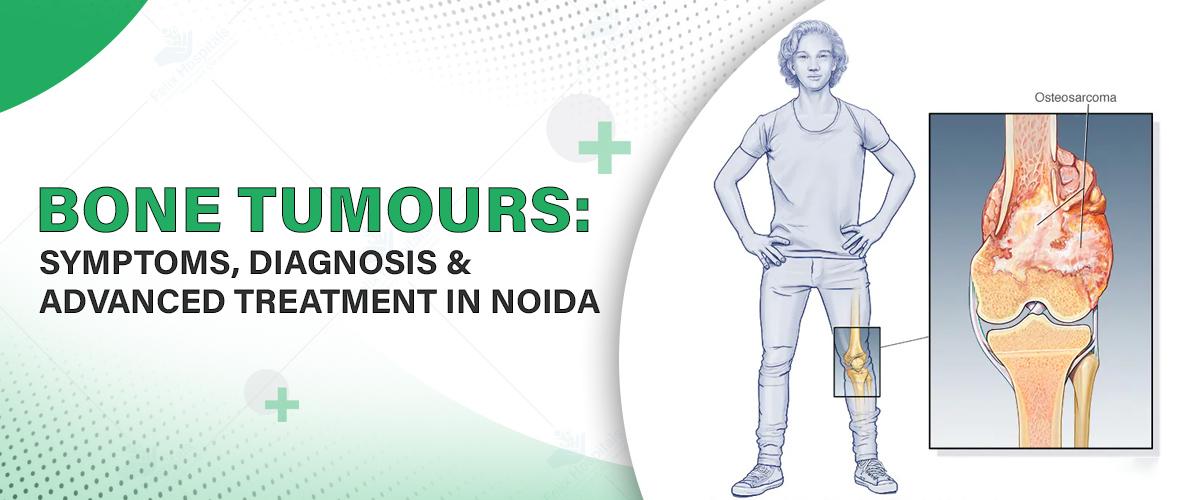
Bone cancer is a rare but severe disease needing proper diagnosis and early medical treatment. Although often confused with orthopedic issues, chronic bone pain or inflammation may be the first sign of a tumor. Early detection, proper assessment, and skilled treatment are vital. With the best oncology hospital in noida having skilled experts with advanced equipment and multidisciplinary expertise, the diagnosis and treatment of bone tumors are made precise.
Do you need advanced tests to diagnose bone cancer in Noida? To make an appointment, call +91 9667064100.
Bone cancer begins when abnormal cells in the bone grow uncontrollably, eventually forming a tumor. This tumor can weaken the bone, cause pain, and even spread to other organs if left untreated. Bone tumors can be primary (originating in the bone) or secondary (metastasized from other parts of the body).
There are several types of primary bone cancers, including:
Osteosarcoma – commonly affects children and young adults.
Chondrosarcoma – frequently occurs in adults aged 40 and above.
Ewing sarcoma – mostly affects young adults and adolescents.
Bone cancer may also result from benign bone tumors that transform into malignant tumors over time.
It is difficult to diagnose bone cancer early since many of its symptoms are similar to those of more frequent diseases. Nevertheless, a combination of the following should not be dismissed:
Persistent bone pain, particularly at night
Swelling around the joints or involved bone
lump or mass
Restricted mobility or inability to move
Recurrent fractures with minimal trauma
Fatigue and malaise
Mild fever without apparent cause
These symptoms can prompt people to visit orthopedic physicians initially, but when pain continues even after the initial treatment, more investigation is necessary.
While the cause of bone cancer is not yet known, some risk factors are known to elevate susceptibility:
Past history of exposure to a high level of radiation
Inherited genetic syndromes such as Li-Fraumeni syndrome
Family history of retinoblastoma (a form of rare eye cancer in children)
Bone disorders such as Paget's disease
Uncommon genetic mutations that disrupt cell repair processes
With that, there are no apparent risk factors for many patients who are diagnosed with bone cancer, which emphasizes the critical need for early testing and diagnosis.
Bone tumors have the potential to cause weakening of the bone structure, resulting in fractures called pathologic fractures. These fractures usually result in the diagnosis of the tumor, particularly when pain or swelling was neglected earlier. Some other complications are:
Compression of nerves
Reduced range of motion
Impaired daily function
Spread (metastasis) into lungs or other bones
Effective management is required to avoid long-term damage and provide quality life.
Correct diagnosis is the key to successful treatment. Various bone cancer diagnosis tests in Noida can be found in prominent healthcare facilities. These are:
X-rays to identify structural abnormalities of bones
MRI and CT scans for precise imaging
Bone scans to evaluate bone metabolism and tumor extent
PET scans for staging cancer
Biopsy to identify the type of tumor (malignant or benign)
A biopsy is mandatory prior to the initiation of any treatment, as it determines the type of cancer and decides on therapeutic options. In case of suspected bone cancer, meeting the best oncologist in noida is important. These experts can evaluate your reports, diagnose, and take you through a planned treatment course following international standards.
Patients these days have access to effective and personalized bone tumours treatment in Noida with the progress made in oncology. The treatment plan usually relies on:
Tumor type and site
Stage of illness
Age of the patient and overall health
Surgical excision of the tumor – Whenever feasible, limb-sparing procedures are advisable over amputations.
Chemotherapy – Particularly good in osteosarcoma and Ewing sarcoma.
Radiation therapy – Helpful when surgery is not possible or as a supportive treatment.
Targeted therapy – New treatment based on genetic characteristics of the tumor.
Availability of advanced bone tumour treatment in Noida makes it the best place for the treatment of complicated cases of bone cancer.
At Felix Hospital, our pledge is to provide high-quality, empathetic care to patients with bone cancer. Here's why patients have faith in us:
Multidisciplinary Team: Oncologists, radiologists, orthopedic surgeons, and rehab specialists work together to provide customized treatment programs.
Advanced Imaging & Testing: Our centre provides all the important tests for bone cancer diagnosis in Noida, ranging from MRI to biopsy.
Comprehensive Treatment: We offer surgery, chemotherapy, and follow-up treatments designed to suit specific situations.
Patient-Focused Environment: With on-campus counseling and emotional support services, we are with patients and families throughout.
Felix Hospital is further raising the standards of bone tumours treatment in Noida with ethical, evidence-based practice.
Felix Hospital Provides All-Inclusive Bone Tumor Treatment. Call us at +91 9667064100 today to start your recovery.
Bone cancer is a complicated illness, but with early treatment, specialist care, and the appropriate support, most patients can lead full and active lives following treatment. Selecting a hospital with established excellence in bone tumours treatment in Noida is imperative. If you are looking for the best oncologist in Noida, do ensure that experience, complete services, and patient-centric philosophy are given top priority.
For the finest care, prompt diagnosis, and empathetic counseling, Felix Hospital is a well-established name that continues to be your guide throughout your cancer journey.
Q1. What changes to your lifestyle should you make after treatment for bone cancer?
Ans: Patients may do better with a diet that is good for their bones, regular physical therapy, emotional support, and slowly getting back into their normal activities.
Q 2. How long does it usually take to treat bone cancer?
Ans: Treatment can take months and may include surgery, chemotherapy, or radiation, sometimes in combination, depending on the type and stage.
Q3. Is it possible for bone cancer to affect kids and teens?
Ans: Yes, types like osteosarcoma and Ewing sarcoma are more likely to happen in teens and young adults.
Q4. Does Noida have any specialized centers for bone tumor surgery?
Ans: Yes, Felix Hospital and other hospitals in Noida offer orthopedic oncology services with advanced imaging and surgery capabilities.
Q5. Does Felix Hospital in Noida give second opinions on bone cancer diagnoses?
Ans: Yes, Felix Hospital welcomes patients who want a second opinion and makes sure that a multidisciplinary oncology team reviews all reports in detail.
Bone fractures are common injuries from accidents or falls. While many heal well, complications can arise, affecting recovery. Learn more about these issues and treatments.

Subscribe to our
© Copyright 2026. All Rights Reserved by Felix Healthcare Private Limited
Design and development by :


 +(91)9667064100
 Emergency : +(91)9667064100