 WhatsApp
 Emergency:
  WhatsApp









Subscribe to our
Exploring the Best IVF hospital in Noida for expert fertility treatments. Felix Hospital IVF is dedicated to helping couples achieve their dream of parenthood with advanced fertility treatments, latest technology, and compassionate care. Our expert team provides personalized solutions, ensuring the best possible outcomes on your journey to parenthood.
Comprehensive Fertility Treatments – IVF, ICSI, IUI, and egg donation tailored to individual needs.
Advanced Technology & Infrastructure – Cutting-edge equipment, including embryoscopes and vitrification systems.
Expert Medical Team – Skilled fertility specialists, embryologists, and compassionate support staff.
Personalized & Holistic Care – Individualized treatment plans, emotional counselling, and dedicated support.
With a wide range of cutting-edge fertility treatments, Felix Hospital fertility hospital in Noida are among the most advanced assisted reproductive technology and in vitro fertilizations (IVF) Hospital in the Noida. Treatment in Noida includes:
IVF is an advanced assisted reproductive technology. Felix Hospital has a best team of IVF doctors in Noida, who are experts in all fertility-related problems. Our IVF doctors in Noida will work with you to identify the main cause of your condition. We will help you understand your options and determine the best treatment to help you begin or expand your family.
Felix Hospital has a dedicated and experienced team that will support you throughout your fertility journey in a caring and attentive environment. Our team of experts, including fertility specialists in Noida, is ready to listen to you and is committed to working with you to develop the treatment plan best suited to your needs. Our fertility specialists in Noida are internationally recognized for their research, medical skills, and teaching expertise.
Many couples want to have a baby, but for some, the road is full of surprises. In some circumstances, modern science can help. One of the most promising ways is in vitro fertilization (IVF). If you've been trying to conceive but haven't been able to, learning about IVF could be the first step toward parenthood.
For the treatment to work, you need up-to-date medical technology and emotional support which you can find at Felix Hospital, known to be the best hospital for IVF treatment. They not only have the most up-to-date medical technology, but they also offer emotional support and help at every step. This This blog will discuss who may need IVF, explain how it works, and outline what to expect during the IVF process step by step.
Your journey to parenthood starts here—call us now at +91 9667064100.
IVF, or in vitro fertilization, is a type of assisted reproductive technology (ART) that involves fertilizing an egg with sperm in a lab, outside of the body. The embryo is then put into the woman's uterus, where it is hoped that it will implant and lead to pregnancy.
A lot of people suggest this procedure for couples who are having trouble getting pregnant and can't fix it with other treatments like changing their lifestyle, using drugs, or IUI (intrauterine insemination).
There are a number of reasons why doctors would recommend IVF:
Blocked Fallopian Tubes: Eggs can't get to the uterus on their own.
Male infertility is when a man has a low sperm count or motility.
Polycystic Ovary Syndrome (PCOS): It's hard to get pregnant naturally when your ovulation is irregular.
Endometriosis: Growth of tissue outside the uterus makes it hard for sperm to reach the egg.
Age: After age 35, the number and quality of eggs decrease.
Unexplained infertility: All tests come back normal, but you still can't become pregnant.
Genetic Conditions: To stop passing on genetic problems using preimplantation genetic testing.
Repeated IUI Failures: IVF has a better probability of working.
IVF becomes a personalized answer in any of these situations, giving hope and a better possibility of getting pregnant.
There are many steps and exact times involved in the IVF process. Here's a simple guide to the IVF process step-by-step:
Before starting, both parties have to have fertility testing, which include hormone profiles, semen analysis, ultrasound, and general health checks. This helps build a treatment plan just for you.
The woman gets hormone shots for 8 to 14 days to make her ovaries make more than one egg. Regular checks make sure the eggs are growing properly.
When the eggs are ready, a small surgery is done while the patient is asleep to get them. Ultrasound guides a tiny needle to the ovaries to get eggs. The eggs that were taken out are fertilized with sperm in a lab. This can be done by mixing the sperm and eggs together or by using ICSI (Intracytoplasmic Sperm Injection), which means that one sperm is inserted into each egg.
We keep an eye on the fertilized eggs for three to five days. Only the healthiest embryos make it to the blastocyst stage and are then considered for transfer.
One or more embryos are gently put into the uterus. Most of the time, this operation doesn't hurt and only takes a few minutes.
A blood test checks for pregnancy about 10 to 14 days after the embryo transfer. If all goes well, the embryo will attach to the lining of the uterus.
This step-by-step IVF process can take anywhere from 4 to 6 weeks, but it could take longer.
There are a lot of successful stories for an IVF but also there are a number of things that can affect how well IVF works:
Age of the woman (chances go down after 35)
Quality of sperm
Quality of eggs and embryos
Health of the uterus
Lifestyle and health problems that are already there
For women under 35, the success rates for IVF cycles are between 30 and 50 percent. As women get older, these percentages go down a little. Not only can choosing the best gynecology doctor in Noida make a big impact in your health, but it may also make a big difference in your well being and confidence.
IVF, like all medical procedures, has some minor risks it's better to know them before starting: Risks of miscarriage are high especially as you get older, ectopic pregnancy, stress on the mind and body. But these hazards can be controlled with the correct medical care and emotional support.
Getting pregnant through IVF requires more than just medical accuracy. Your mental and physical preparedness is also important:
Eat a diet that is balanced and full of nutrients.
Keep your BMI in a healthy range.
Don't drink or smoke.
Get enough sleep and lower your stress levels.
Take the medicines as directed.
Stay in touch with your doctor for support.
Your road to getting pregnant is as much about your feelings as it is about your health. Take it one step at a time and remember that aid is always there for you.
You need expert help, cutting-edge reproductive technology, and caring support that is specific to your path to get over fertility problems. Felix Hospital is a well-known place to get IVF treatment because it has some of the best gynecologists in Noida. Felix is more than just a great hospital; it's also a place where you can talk to the best fertility professionals ,have the latest technology, personalized care, and a thorough understanding of your emotional requirements.
Do you want to learn more? Schedule a call to get closer to your dream of being a parent. at +91 9667064100.
People often ask how much IVF treatment costs in Noida. The cost of IVF in Noida can range from ₹1,20,000 to ₹2,50,000, depending on the person's medical history, and the number of cycles needed. IVF is more than just a treatment; it's a chance. It gives couples who have been trying to become parents for a long time hope. IVF could be the answer you're seeking for, whether you're just starting to look into your options or have tried other reproductive treatments without success.
You can make better choices regarding your future if you understand the IVF process step by step.
Don't go through IVF alone if you're thinking about it.
Q1. Does IVF always result in pregnancy on the first try?
Ans: Not necessarily. Many variables such as age, quality of eggs, and other medical conditions—several attempts may be necessary.
Q2. Do IVF children develop differently from naturally conceived children?
Ans: No, IVF children will usually develop exactly like any other child with regards to physical and mental achievements.
Q3. Can I select the gender of the baby using IVF?
Ans: In India, sex selection is forbidden strictly by law under the PCPNDT Act. IVF cannot be employed for gender selection of a baby.
Q 4. Is IVF painful?
Ans: The procedure may be mildly painful with injections and egg retrieval but is well-tolerated with good care.
Q 5. How soon can I return to work after embryo transfer?
Ans: The majority of individuals return to normal activity in 24–48 hours, but it is advisable to have light rest according to your doctor's recommendation.
Q6. Can I freeze embryos for later use?
Ans: Yes, freezing embryos is routine and enables you to bank fertilized embryos for future IVF cycles or family planning.
Q7. Is IVF safe in women above 40 years of age?
Ans: Yes, but success rates decrease with age. Your physician can recommend the use of donor eggs to enhance success.
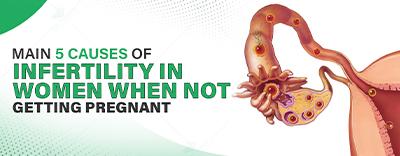
Facing trouble conceiving? This article highlights the main 5 causes of infertility in women, including hormonal imbalances, PCOS, endometriosis, blocked fallopian tubes, and age-related factors.
When the heart's main pumping chamber, the wall of the left ventricle, gets thicker because of too much labor, this is called left ventricular hypertrophy (LVH). Hypertension is the most common cause of LVH. This disorder makes it harder for the heart to pump oxygen-rich blood across the body. In the beginning, it may work as a compensatory response, but over time, persistent LVH impairs the heart's ability to work and leads to serious problems. Consult one of the best cardiology hospitals in Noida for expert care and timely treatment.
Get trusted care for your heart with just one call. Call our heart team at +91 9667064100 to remain ahead.
Medical experts put LVH into groups based on how the heart muscle changes shape:
Concentric LVH: The inside of the wall gets thicker, which makes the chamber smaller.
Eccentric LVH: The chamber expands outward, which could make the wall weaker.
Concentric Remodeling: The wall gets thicker, but the muscle mass doesn't develop much.
At first, the indications of Left Ventricular Hypertrophy may not be very clear, but they will get more obvious over time. Important signs are:
Chest Pain: This is a warning that the heart muscle isn't getting enough oxygen
Shortness of breath: Especially when working out or doing other things that require effort.
Tiredness: Even doing everyday things makes you tired.
Irregular heartbeat: Feeling like your heart is racing or fluttering.
Dizziness or fainting (syncope): It can happen when there isn't enough blood flow to the brain.
Finding these signs of Left Ventricular Hypertrophy early helps save the heart from getting worse.
The most common causes of Left Ventricular Hypertrophy are:
Hypertension: When the heart has to work harder because the blood pressure is high for a long time.
Heart Valve Disorders: When the mitral or aortic valves don't work right, the heart has to work harder.
Cardiomyopathy: It is a disorder of the heart muscle that changes its shape and function.
Aortic Coarctation : Congenital condition that makes the aorta smaller.
Diabetes: High blood sugar levels might be bad for your heart.
Renal artery stenosis: When the blood supply to the kidneys is limited, which might affect blood pressure.
To get effective treatment, knowing the causes of Left Ventricular Hypertrophy is essential.
There are some lifestyle and medical variables that make it more likely that you will get LVH:
Being overweight (BMI > 30)
Long-term kidney disease
Cigarette smoking
Diet high in salt
Living a sedentary existence
Obstructive sleep apnea
Arrhythmias: Heartbeats that aren't regular
Heart Failure: The heart doesn't pump blood well enough.
Stroke: This can happen when blood flow slows down or a clot forms.
Dementia: linked to long-term low blood flow to the brain
Regular heart screenings are usually the first step in finding out if someone has LVH. Cardiologists can follow up on problems with:
Echocardiogram: Shows the size, thickness, and function of the heart.
An electrocardiogram (ECG/EKG) shows changes in electrical activity.
Cardiac MRI: Gives detailed pictures of the structure.
Blood Tests: To find out if there are any other problems.
Nuclear Imaging (PYP Scan): Used to find cardiac amyloidosis.
Early detection of the symptoms of Left Ventricular Hypertrophy is the most important part of managing it well
To cure LVH, you need to control the cause of the problem. You might be told to make changes to your lifestyle and get medical help:
Changes to your way of life: A heart-healthy diet, frequent exercise, quitting smoking, and cutting back on salt should all be part of your daily life.
ACE inhibitors, ARBs, and beta-blockers are examples of antihypertensive drugs.
SGLT2 inhibitors, which are anti-diabetic drugs, can be good for the heart.
Valve Replacement: If there are difficulties with the valve that are making things worse.
ICD Placement: For deadly arrhythmias.
Bariatric surgery is a way to control weight and blood pressure.
The plan for managing a patient depends on their individual risk factors and medical history. Regular follow-ups help keep track of progress and change care as needed.
The prognosis for LVH depends on how early it is found and how well the underlying problems are addressed. Most people become better or even better with the right treatment.
But if LVH isn't addressed, it might lead to serious problems later on. Life expectancy changes depending on how much stress the heart is under and other factors.
Routine follow-up and sticking to lifestyle adjustments are vital for treating the illness and improving quality of life.
To deal with left ventricular hypertrophy, you need more than simply treatment. You need expert advice, cutting-edge technology, and care that is tailored to your needs. Felix Hospital has the Best Cardiologists in Noida, who are known for their ability to diagnose and treat complicated cardiac problems including LVH.
Felix is different from other hospitals not just because of its high-quality medical care, but also because it puts the needs of its patients first and focuses on their long-term heart health. It has state-of-the-art facilities, quick treatments, and 24/7 cardiac support.
Worried about signs of Left Ventricular Hypertrophy? To get an appointment with a specialist right now, call +91 9667064100.
Left Ventricular Hypertrophy is a heart ailment that can be managed, but it can also be quite dangerous. It is important to pay attention to the symptoms of Left Ventricular Hypertrophy, like chest pain, tiredness, or an irregular heartbeat, so that the condition can be diagnosed early.
Many patients can slow down or even stop the disease from getting worse if they get treatment on time. If you have high blood pressure or other health problems that put you at risk, getting specialist treatment can help keep your heart healthy and improve your quality of life.
Q1. Can a regular physical exam find Left Ventricular Hypertrophy?
Ans: A routine physical exam may not find LVH, but a heart murmur or irregular rhythm could lead to more tests, including an ECG or echocardiography.
Q2. Can making adjustments to your lifestyle alone make Left Ventricular Hypertrophy go away?
Ans: In the beginning, living a heart-healthy life may help make the ventricular wall thinner. But this depends on what caused the hypertrophy and how long it has been there.
Q3. Does having left ventricular hypertrophy effect how well you do in sports?
Ans: Yes, LVH can make it harder to recover and last longer in some circumstances since it slows down blood flow. But physiological alterations in the athlete's heart are distinct and usually not harmful.
Q 4. Is it possible to have LVH without having high blood pressure?
Ans: Yes, LVH can happen even in persons with normal blood pressure. It can be caused by valve problems, genetic factors, or certain cardiac illnesses.
Q5. People with LVH should get their hearts checked how often?
Ans: Patients should generally have follow-up appointments every 6 to 12 months, or as their cardiologist recommends, to keep an eye on how their hearts are working and change their treatment plans as needed.
Q6. Is it possible for LVH to be passed down via families?
Ans: Yes, some types of LVH, especially those linked to cardiomyopathies or rare genetic disorders, can run in families. Close relatives should be screened early for these types of LVH.
Q7. Do a lot of kids or teens have LVH?
Ans: LVH is not common, although it can happen in young people, especially if they have congenital heart abnormalities or inherited heart muscle illnesses. In these circumstances, a pediatric examination is quite important

Best heart hospital in Noida for bypass surgery at affordable prices with expert cardiac surgeons, advanced facilities, and quality patient care for better recovery.
If you're concerned about your child's heart health, be sure to inquire about the Heart Treatment cost in Noida for expert care and guidance.

In Noida hospitals, recognized for being among the best heart health hospitals in Noida, are at the forefront of offering critical care for heart-related issues.
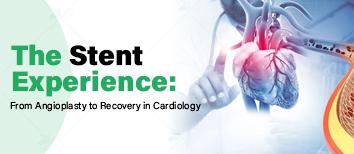
A stent procedure can be life-saving for those with blocked arteries. This guide walks you through the stent experience—from the angioplasty process to post-procedure recovery and lifestyle changes.
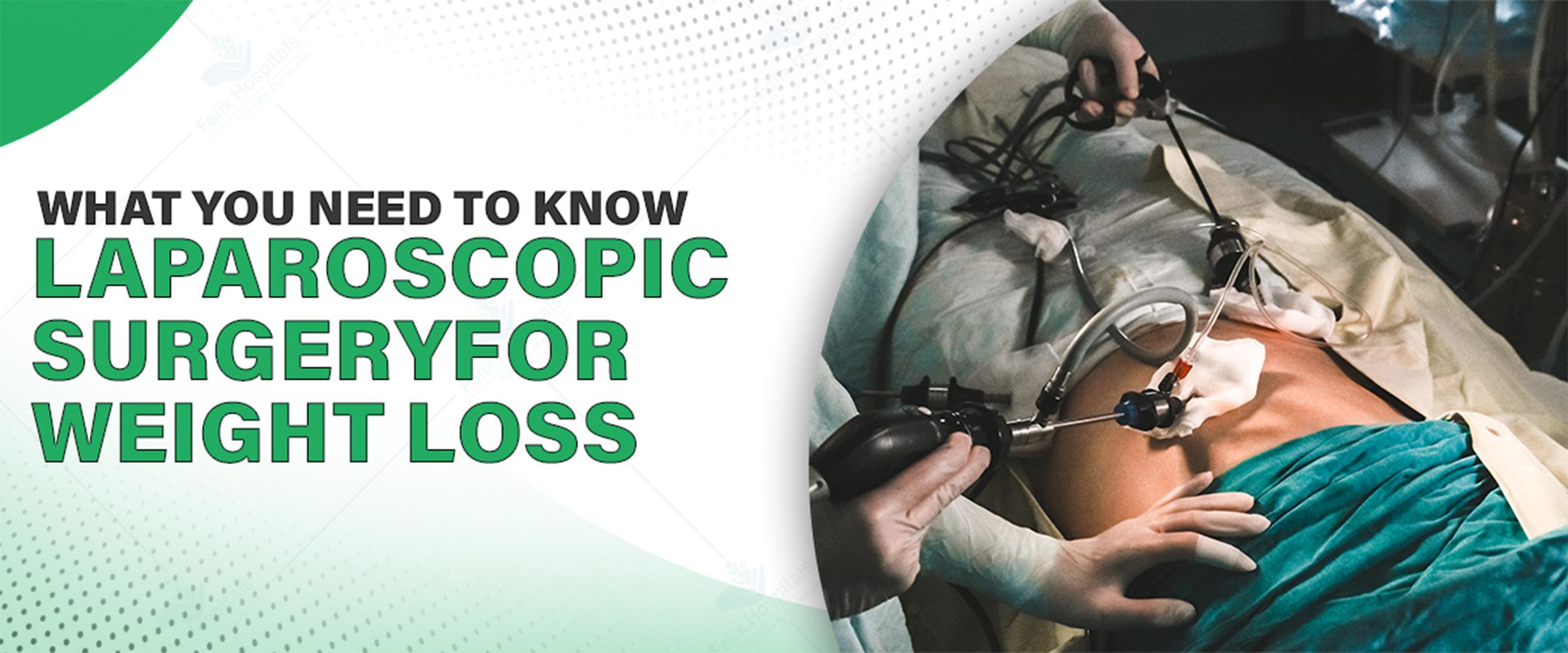
For those dealing with obesity, losing weight is a battle at times. If lifestyle modification, diet regimens, and exercise routines do not produce sustainable results, something more might be needed. Among the most powerful and least invasive treatments currently being offered is Laparoscopic bariatric procedure. The surgery has changed the lives of countless individuals around the globe by enabling them to achieve healthy, sustainable weight loss while reducing recovery time.
In this post, we're going in-depth about what laparoscopic weight loss surgery entails, who it's for, and how it aids in the management of obesity-related diseases. Whether you're looking at getting the procedure or are just curious, here's all you should know. For expert consultation or to book an appointment, call +(91) 9667064100 and speak with our bariatric specialists today.
Laparoscopic obesity surgery is a form of bariatric surgery done through small cuts and a camera known as a laparoscope. In contrast to open surgery, this method reduces pain, hastens recovery, and decreases the risk of complications. The main aim is to change the digestive system in a manner that restricts food absorption and/or nutrient intake, eventually leading to considerable weight loss.
Laparoscopic bariatric procedure can be of a few different types, such as:
Sleeve Gastrectomy: Most of the stomach is excised, leaving a banana-shaped area. It suppresses hunger and food volume.
Gastric Bypass (Roux-en-Y): The stomach is separated into a small pouch and directly linked to the small intestine, skipping a big section of the digestive system.
Biliopancreatic Diversion with Duodenal Switch (BPD/DS): A blend of stomach reduction and intestinal bypass that limits consumption and absorption.
SIPS (Stomach Intestinal Pylorus Sparing Surgery): A less aggressive form of the duodenal switch designed to lower complications.
Obesity is more than just a matter of extra weight—it is typically associated with a range of serious health issues including:
Type 2 Diabetes
Hypertension (High Blood Pressure)
High Cholesterol
Joint Pain and Osteoarthritis
Non-Alcoholic Fatty Liver Disease (NAFLD)
Increased Risk of Certain Cancers
For those with a Body Mass Index (BMI) of 40 or higher—or 35 with existing obesity-related conditions—bariatric surgery is usually the best long-term option. When such conditions start interfering with your quality of life or placing you at risk for life-threatening complications, it's time to consider possibilities such as the laparoscopic bariatric operation.
Laparoscopic bariatric surgery includes placing surgical instruments and a scope within the abdominal space through small incisions. The surgery can make your stomach smaller, bypass part of the intestine, or both. This limits the amount of food you can consume and how many calories your body absorbs. The surgery also affects hunger and satiety hormones, which help control your appetite and metabolism.
Since it's minimally invasive, patients generally have:
Less post-op pain
Shorter hospital stays
Sooner recovery time
Less risk of infection and complications
Preparation and Evaluation Prior to Surgery
You will have a complete evaluation before you are approved, which includes:
Physical examination and medical history
Blood work and imaging
Psychological evaluation
Nutritional therapy
Smoking and alcohol cessation (if necessary)
Your medical team will also suggest a pre-operative short-term diet to minimize liver size and enhance the safety of the procedure.
After surgery, your life is affected in many different ways. Your diet will go through a variety of stages beginning with liquids, progressing to pureed foods, followed by soft solids, and finally back to normal meals. You will be instructed to take smaller meals to fit your smaller stomach. You will need to emphasize foods that are nutrient-dense and high in protein in order to facilitate healing and provide energy. Vitamins and mineral supplements prescribed by your doctor will also be instructed for you to take every day since your body can absorb fewer nutrients following surgery.
To avoid complications and ensure steady progress, you’ll need to stay away from sugary, fatty, or processed foods. Regular follow-ups with your healthcare provider will be essential to monitor your nutritional health, track weight loss progress, and manage any potential complications that may arise along the way.
When performed by the best doctor for laparoscopic surgery, this weight loss solution can offer incredible benefits:
1. Significant Weight Loss
Most patients lose 50–70% of their excess weight in 1–2 years following the operation.
2. Improvement or Resolution of Comorbidities
Conditions such as diabetes, hypertension, and sleep apnea usually improve or even remit.
3. Increased Mobility and Energy
Less weight equals less wear and tear on your joints and more energy for your daily life.
4. Psychological and Emotional Boost
Most patients experience enhanced self-esteem, confidence, and quality of life.
Similar to all surgeries, bariatric surgery is not without some risk. Possible complications may be: Bleeding or infection, Nutrient deficiencies, Gallstones from too-quick weight loss, bloating, gas, or diarrhea. With appropriate medical care and aftercare, most of these side effects are effectively manageable.
Most people lose 50–80% of their excess weight, depending on the procedure type. The average for:
Gastric sleeve: 50–70%
Gastric bypass: 60–75%
Duodenal switch: up to 80%
The weight loss process continues over 12–24 months after surgery, with ongoing support and checks to maintain success.
Follow-up regularly to monitor your progress and check for vitamin or mineral deficiencies. Patients are also recommended to:
Participate in nutritional counseling
Take supplements
Maintain moderate physical activity
Do not consume alcohol and smoke
Adhere to mental health support programs if necessary
These measures ensure that your transformation is not only physical but sustainable and holistic.
Patients who are fighting obesity can go to Felix hospital as it has the best Doctor for laparoscopic surgery. The hospital has a team of dedicated specialists, full care, state-of-the-art equipment, and individualized treatment plans that prioritize long-term health benefits. The patients enjoy the use of minimally invasive procedures that aid in quicker recovery and less complication. If you're considering weight loss surgery in a caring and high-tech setting, Felix is an excellent option.
If you've fought obesity and feel that you've tried every diet and exercise regimen with no long-term success, it might be time to explore surgery. Laparoscopic bariatric procedure is safe, effective, and customized to assist you not only in losing weight—but in gaining a healthier, richer life.
If you’re unsure where to begin, schedule a consultation with an experienced bariatric surgeon. With the right support and planning, your weight loss journey can move from frustration to success.
Q 1. Is laparoscopic obesity surgery more painful than open surgery?
Ans: Most patients experience less pain and faster recovery with laparoscopic techniques.
Q 2. When can I go back to work after having a laparoscopic bariatric procedure?
Ans: Most people return to light work in 1–2 weeks, depending on your occupation.
Q 3.What's the difference between gastric sleeve and gastric bypass laparoscopically?
Ans: Gastric sleeve takes out part of the stomach, bypass diverts the intestine—both done laparoscopically.
Q 4.Does scarring occur after laparoscopic bariatric surgery?
Ans: Scars are minimal—usually small incisions concealed close to the belly button or waistline.
Dr. Ritesh Agrawal is an experienced surgeon in noida specializing in both open and minimally invasive laparoscopic procedures.
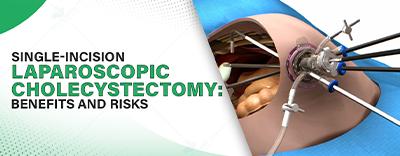
Single-Incision Laparoscopic Cholecystectomy is a minimally invasive gallbladder removal surgery done through one cut, offering quicker recovery and minimal scarring, with some surgical risks.
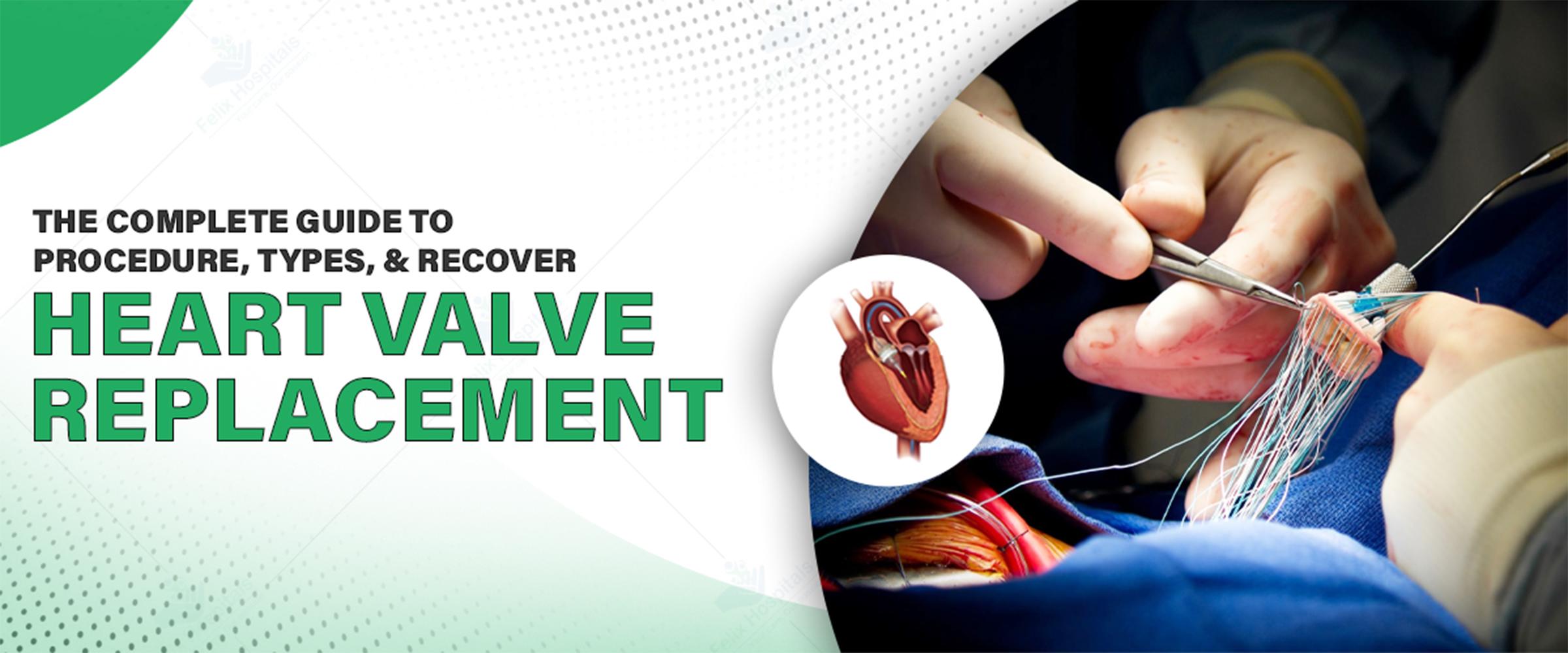
Heart valve replacement is a lifesaving operation that replaces faulty or diseased heart valves with mechanical or biological substitutes. In cases when repair is impossible, valve replacement becomes necessary to reestablish normal heart function, reduce symptoms, and enormously improve the quality of life in a patient. Thanks to advances in medical technology, numerous surgical techniques and valve types are now at hand, with high success rates and better outcomes for patients.
Are you asking for the price of heart valve replacement or looking for a second opinion? Contact us now at +91 9667064100.
Heart valve replacement involves the removal of a defective heart valve and the insertion of a prosthetic valve. Your heart contains four valves—aortic, mitral, tricuspid, and pulmonary—each responsible for maintaining normal blood flow. If one of these valves narrows (stenosis), becomes leaky (regurgitation), or is malformed, normal circulation of the blood through the heart and to the rest of the body can be impaired, causing fatigue, shortness of breath, chest pain, or even heart failure.
According to the best cardiology hospital in Noida, if medications and valve repair do not control the condition, then valve replacement is the most effective remedy.
Biological valves are made of animal tissues like:
Bovine (cow)
Porcine (pig)
Human donor tissue (homografts)
Biological valves can have some synthetic parts to provide support and facilitate implantation. These valves are normally suggested for elderly people and individuals who would prefer not to be on long-term blood-thinning drugs.
Less need for lifelong anticoagulants
Typically quieter in function
May wear out within 10 to 20 years
Mechanical valves are constructed of long-lasting materials such as carbon and titanium. They are expected to last a lifetime and are usually advised for younger patients.
Extremely durable
No future replacement needed
Needs lifelong anticoagulant use (e.g., warfarin)
Can cause a clicking sensation during function
There are many reasons why valve choice is dependent upon several factors:
Age: Younger patients (less than 50 for aortic valve, less than 65 for mitral valve) typically get mechanical valves.
Lifestyle: An active person might get more benefit from mechanical valves because of their durability.
Risk of bleeding: Bleeding disorders or inability to be on blood thinners are two reasons why biological valves are more appropriate.
Valve location: Whether the involved valve is aortic, mitral, etc., also has a role to play.
Depending on your risk profile and condition, the best cardiologist in Noida can select from the following surgical methods:
1. Open-Heart Surgery
This classic technique requires a large incision in the breastbone to reach the heart. This technique is ideal for patients who require multiple operations or those who have serious valve complications.
2. Minimally Invasive Surgery
Smaller incisions in the chest result in faster recovery, less pain, and fewer chances of infection.
3. Transcatheter Aortic Valve Replacement (TAVR)
This procedure is ideal for patients who have severe aortic stenosis and are at a high or intermediate surgical risk. In this procedure, a catheter (often inserted via the groin) is used to place a new valve within the diseased one.
4. Ross Procedure
This intricate process is usually applied to young patients with aortic valve disease. The procedure replaces the aortic valve with the patient's pulmonary valve and subsequently employs a donor valve to replace the pulmonary valve.
You might need valve replacement if you have:
Aortic stenosis or regurgitation
Mitral valve prolapse or stenosis
Tricuspid or pulmonary valve disorder
Congenital heart valve deformities
Heart valve infection (endocarditis)
Before surgery, your doctor may recommend:
Chest X-ray and ECG to assess heart function
Fasting the night before surgery
Medication adjustments as per your condition
Packing comfortable clothes and easy-to-wear footwear
The incision site will be cleaned and shaved before the operation.
The surgery typically takes 2 to 5 hours, depending on the type of replacement:
You’ll be given general anesthesia
For open-heart surgery, a 6–8 inch incision is made
For minimally invasive or TAVR, tiny cuts are made
A heart-lung machine is used temporarily to perform heart functions
The surgeon takes out the defective valve and puts in a new one
Post-Surgery Recovery and Hospital Stay
Initial monitoring occurs in the ICU.
Hospital stay is 5 to 7 days on average.
You might be put on blood thinners (particularly with mechanical valves).
You will start walking and eating slowly.
Cardiac rehabilitation can be suggested upon discharge.
Weeks 1–3: You’ll experience fatigue and need help with daily tasks
Week 4 onwards: Gradual return to normal activities
Driving and lifting restrictions: No driving or heavy lifting (over 10 lbs) for 6 to 8 weeks.
As with any surgery, valve replacement carries certain risks:
Infection
Bleeding
Stroke
Arrhythmias (irregular heartbeat)
Kidney dysfunction
Minimally invasive techniques often reduce these risks significantly.
Success rates are promising, especially with advancements in surgical techniques:
TAVR procedures indicate a success rate of more than 90%.
Life expectancy is from 6 to 20 years after surgery, according to age, overall health, and the type of valve.
The cost of heart valve replacement in Noida depends on several factors:
Type of procedure (TAVR, open surgery, etc.)
Type of valve implanted (biological vs. mechanical)
Length of hospital stay and ICU treatment
Additional medications and post-operative care
The average cost in Noida would be between ₹2.5 lakhs and ₹10 lakhs based on the institution and the complexity of the case. It is best to inquire with the nearest top cardiology hospital for a specific quote.
Don't delay seeking help for your heart. Book your consultation today and take that confident step toward a better life. Call us at +91 9667064100.
Heart valve replacement is a safe and effective treatment for severe valve disease. Whether you need a mechanical valve or a biological valve, advanced surgical techniques guarantee safe surgery with excellent long-term outcomes. Talk to an experienced cardiology expert in the top-rated hospital close to you. Take the Next Step toward a Healthier Heart. Consult the best cardiology expert in Noida closest to you to discuss your treatment possibilities. Don't dismiss symptoms—taking action early can save your life.
Q1. Will I be able to lead a normal life following heart valve replacement?
Ans: Yes, most individuals resume normal activities in weeks to months after surgery, provided they adhere to good follow-up and cardiac rehabilitation.
Q2. How frequently will I have to go for checkups following valve replacement?
Follow-up checkups are generally necessary every 6 to 12 months, depending on the valve type and your status.
Q3. Can I travel after valve replacement surgery?
Ans: Yes, once your doctor says you've recovered, travelling is safe. Take your medical history and any medication along.
Q 4. Is heart valve replacement covered under health insurance in India?
Ans: Most insurance policies cover organ valve replacement. Always check with your insurance company.
Q5. What should I not eat after surgery?
Ans: If you are on blood thinners, do not eat foods that are rich in vitamin K, such as spinach and broccoli. Obey your cardiologist's dietary program.
Q6. Can I exercise following heart valve surgery?
Ans: Yes, gentle exercise is recommended after the recovery. Cardiac rehabilitation programs offer special activities for your health status.
Q7. Is heart valve replacement permanent?
Ans: Mechanical valves can last a lifetime but may require lifelong medication. Tissue valves typically last 10–20 years and may need replacement over time.
Best heart hospital in Noida for bypass surgery at affordable prices with expert cardiac surgeons, advanced facilities, and quality patient care for better recovery.

Over time, this restricted blood flow can lead to serious issues like coronary artery disease, heart attack, or heart failure.

The Felix Center for Oncology provides personalized and best cancer treatment across India. Our team of highly qualified Medical Oncologists, Surgical Oncologists, Onco-Pathologists, Radiologists and other allied specialists work seamlessly to ensure quality treatment to all our patients. They have wide experience in treating both early stage as well as complex cases of cancer.
The Center strictly adheres to international treatment guidelines and protocols while offering result-oriented cancer care plans. Our multidisciplinary tumor board, consisting of specialist doctors and healthcare experts, thoroughly evaluate each case and recommend an evidence-based treatment plan. They deal with various endoscopic procedures, major and minor resections, organ preservation surgeries, as well as complex reconstructions.
Our team offers advanced and best cancer treatment in Noida for Ortho Oncology, Gynecologic Oncology, Uro-oncology, Breast Oncoplasty, Head & Neck Oncology, and Palliative and Hospice Care, etc. They adopt a holistic approach to treat the entire spectrum of cancers at all stages.
Accurate diagnosis is the first step in effective treatment. Our oncologist (near me), who provides world class cancer treatment, is backed by advanced diagnostic tools to accurately evaluate, identify and stage cancers to create personalized treatment plans. Our diagnostic services include:
Imaging Diagnostics: Non-invasive imaging technologies such as Ultrasound, X-ray, MRI, CT Scan, and PET-CT scan provides detailed visualization of tumors and surrounding tissues. These diagnostic tests help to detect abnormalities in organs, such as the liver, breast, and prostate, and are effective in accurate staging.
Laboratory Tests: These tests such as Complete Blood Count (CBC), Biochemical Tests, and Tumor Marker Tests help in evaluation and detection of abnormal cell counts and indicate presence of cancer.
Biopsy Procedures: A biopsy is the gold standard for confirming cancer diagnosis by examining tissue samples. Depending on your symptoms, your doctor may ask you to get Fine Needle Aspiration Biopsy (FNAB), Surgical Biopsy or Liquid Biopsy.
Endoscopic Procedures: Minimally invasive techniques, such as Colonoscopy, Bronchoscopy or Gastroscopy may be done to diagnose cancers in internal organs.
Cancer Staging and Grading: The cancer staging system helps to determine the extent of cancer spread. It is essential for planning treatment.
Felix Hospital offers a range of advanced and personalized cancer treatment options based on the type and stage of cancer, ensuring the best possible outcomes for our patients.
Surgical Oncology: Surgery is often the primary treatment for solid tumors, aimed at removing cancerous tissues while preserving function. It could be one of the following types:
Laparoscopic or Minimally Invasive Surgery is less painful and offers faster recovery.
Curative Surgery is performed to remove the entire tumor and surrounding tissues.
Debulking Surgery reduces the size of cancerous tumors. It's a common treatment if you have ovarian cancer that's spread to nearby organs.
Reconstructive Surgery helps to restore appearance and function after tumor removal.
Palliative Surgery is performed to relieve symptoms and improve quality of life.
Chemotherapy: Chemotherapy uses drugs to kill cancer cells or to stop their growth. It may be given in one of the following ways:
Intravenous (IV) Chemotherapy is when chemo drugs are administered through veins.
Oral Chemotherapy is given in pill form for convenience.
Targeted Therapy: Precision medicine that targets specific genetic changes in cancer cells.
Immunotherapy & Cancer Vaccines: This treatment modality boosts the body’s immune system to recognize and attack cancer cells.
Palliative Care: A specialized approach to improve quality of life and manage symptoms for patients with advanced cancer.
Highly experienced onco-surgeons and medical surgeons
Deals with various types of cancers
Multidisciplinary approach; our team of oncologist in Noida works closely with other medical experts across specialities
Advanced minimally invasive surgery
Fertility conserving surgery and advanced assisted reproductive technology
Immunotherapy
Targeted therapy
Backed by advanced and latest technology
Personalized treatment plans
Comprehensive services - from prevention and diagnostics to treatment and management
Day-care chemo center
At-home cancer care
Round-the-clock emergency services
For more information or to schedule an appointment with our oncologists, contact us at: +(91) 9667064100.
Q1. Is cancer genetic?
Ans: To an extent yes, because cancer is caused by mutations or changes to genes that control the way our cells function, causing them to behave irregularly. These mutations can be inherited. In fact, when an individual has a known family history of hereditary cancer, genetic testing or regular screening is recommended. To seek consultation at our cancer hospital (Noida), speak to our representative.
Q2. Is there a vaccine for cancer?
Ans: There is no vaccine for cancer. But there are vaccines for some viruses that are known to cause cancer, such as the human papillomavirus (HPV) and hepatitis B.
Q3. Does cancer always show symptoms?
Ans: Sometimes, but not always. The signs and symptoms of cancer depend on where the cancer is located and its stage. Some general signs and symptoms of cancer can include: unexplained weight loss, fever, fatigue, pain, skin changes, and change in bowel habits, etc.
Q4. Are mammograms painful?
Ans: Mammography does compress the breasts and can sometimes cause slight discomfort but it's not painful. However, patients who are sensitive should schedule their mammograms a week after their menstrual cycle so that the breasts are less tender. If you are looking for the ‘best cancer hospital near me’, your search ends here with us!

Recent studies have explored a possible link between frequent mouthwash use and cancer risk.
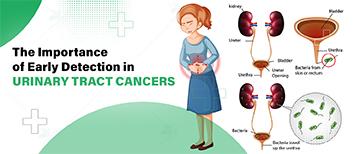
For instance, bladder cancer has a five-year survival rate of about 77% when diagnosed early, compared to just 5% in advanced stages. Early diagnosis directly correlates with improved outcomes and survival rates.
घुटने का दर्द भागदौड़ भरी जिंदगी में आम है। उम्र बढ़ने, मोटापा, आर्थराइटिस या चोट जैसी स्थितियों के कारण यह दर्द कई बार इतना बढ़ता है कि चलना-फिरना, सीढ़ियां चढ़ना मुश्किल होता हैं। इस कारण घुटने की सर्जरी एक व्यावहारिक और राहत देने वाला विकल्प है। इस ब्लॉग में घुटने के दर्द के कारण, लक्षण और उपलब्ध इलाज के विकल्पों के बारे में विस्तार से जानकारी साझा करेंगे।
अगर आप इस बीमारी की जांच या इलाज के लिए भरोसेमंद चिकित्सा सुविधा की तलाश कर रहे हैं, तो नोएडा में सर्वश्रेष्ठ आर्थोपेडिक हॉस्पिटल का चयन करना बेहद जरूरी है, जहां अनुभवी ऑर्थोपेडिक्स और अत्याधुनिक तकनीक के माध्यम से मरीज को बेहतर देखभाल मिल सके।
अभी अपॉइंटमेंट शेड्यूल करें – कॉल करें: +91 9667064100
घुटने सबसे अधिक इस्तेमाल होने वाला जोड़ होते हैं। इसके खराब होने से चलना-फिरना, बैठना और दैनिक क्रिया प्रभावित होती हैं। नीचे घुटने में दर्द के पांच आम कारण हैं:
ऑस्टियोआर्थराइटिसः
यह एक डीजनरेटिव जॉइंट रोग है, जिसमें घुटने के जोड़ की कार्टिलेज धीरे-धीरे घिसती है। उम्र के साथ यह समस्या होती जाती है। दर्द, सूजन और अकड़न इसके प्रमुख लक्षण हैं। सीढ़ियां चढ़ने-उतरने और सुबह उठते समय दर्द बढ़ता है
लिगामेंट इंजरी:
लिगामेंट्स (Ligament) जोड़ को स्थिर बनाए रखते हैं एसीएल (पूर्वकाल क्रूसिएट लिगामेंट) की चोट अचानक मोड़ने या झटके से होती है। यह युवाओं और खिलाड़ियों में ज्यादा होती है। चोट लगने के साथ पॉप जैसी आवाज, सूजन और चलने में परेशानी होती है
मिनिस्कस टियरः
मिनिस्कस घुटने के बीच स्थित रबड़ जैसी कुशनिंग संरचना होती है। अचानक मुड़ने, उठने या भारी वजन उठाने से कई बार यह फट जाती है। यह दर्द धीरे-धीरे बढ़ता है। इससे जोड़ में लॉकिंग की समस्या महसूस होती है।
रूमेटॉइड आर्थराइटिसः
यह एक ऑटोइम्यून बीमारी है। इसमें शरीर की प्रतिरक्षा प्रणाली जोड़ों पर हमला करती है। दोनों घुटनों में एक साथ सूजन के सात दर्द होता है। सुबह के समय दर्द ज्यादा होती है। इसके अलावा जोड़ों में लालिमा भी होती है।
मोटापा और उम्र से जुड़ी क्षतिः
अत्यधिक वजन घुटनों पर दबाव डालता है,जिससे कार्टिलेज तेजी से घिसता है। बढ़ती उम्र के साथ जोड़ के घिसने की प्रक्रिया तेज होती है। यह ऑस्टियोआर्थराइटिस (osteoarthritis) को भी बढ़ावा देता हैं।
हर घुटने के दर्द के कारण सर्जरी नहीं करनी पड़ती है, जब कष्ट बढ़ने लगे और जीवन की गुणवत्ता पर असर पड़े तब सर्जरी की जरूरत होती है।
दवाओं और फिजियोथेरेपी से राहत नहीं मिलने परः
जब लंबे समय तक पेनकिलर, स्टेरॉयड इंजेक्शन या फिजियोथेरेपी के बाद भी आराम न मिले। दर्द में कोई स्थायी सुधार न होने पर व लक्षण लगातार बिगड़ने पर सर्जरी की जाती है।
चलने-फिरने में असहनीय दर्दः
घुटने में ऐसा तेज दर्द जो चलने, खड़े होने या सोते समय भी बना रहे। उठने-बैठने, सीढ़ियां चढ़ने या जमीन पर बैठने पर परेशानी होने पर सर्जरी की जाती है।
एक्स-रे या एमआरआई में घुटने की गंभीर क्षति दिखेः
जब एक्सरे और एमआरआई जांच में कार्टिलेज पूरी तरह घिस चुकी हो। जोड़ में बदलाव, हड्डियों की आपसी रगड़ दिख रही हो तो सर्जरी की जाती है।
दैनिक क्रियाओं में बाधा आने लगेः
घर के काम, दफ्तर जाना, घूमना-फिरना बाधित हो जाए। व्यक्ति दूसरों पर निर्भर होने लगे, मानसिक तनाव या नींद की कमी होने पर सर्जरी की जाती है।
डॉक्टर द्वारा सुझाई गई सर्जरीः
जब घुटने की समस्या गंभीर हो जाए और दवाओं या फिजियोथेरेपी से आराम न मिले, तो डॉक्टर सर्जरी करते हैं। इसके लिए डॉक्टर मरीज की उम्र, जीवनशैली और जोड़ में हुई क्षति को देखते हैं।
अगर पूरा घुटना घिस चुका हो और जोड़ में व्यापक नुकसान हो तो टीकेए (टोटल नी आर्थ्रोप्लास्टी) रिप्लेसमेंट की सलाह दी जाती है। जिसमें घुटने के दोनों सिरों को कृत्रिम इम्प्लांट से बदला जाता है।
अगर क्षति केवल घुटने के एक हिस्से अंदरूनी या बाहरी भाग तक सीमित है तो यूकेए (यूनिकॉम्पार्टमेंटल घुटना आर्थ्रोप्लास्टी) यानी आधे घुटने की सर्जरी की जातीहै।
अगर घुटने में मिनिस्कस टियर, लिगामेंट इंजरी या हल्की कार्टिलेज क्षति हो तो डॉक्टर आर्थ्रोस्कोपी की सलाह देते हैं। इसमे मिनिमली इनवेसिव प्रोसीजर में छोटे चीरे से कैमरा और उपकरण डालकर घुटने के अंदरूनी हिस्से की जांच और उपचार किया जाता है।
घुटने की सर्जरी केवल मेडिकल प्रोसीजर नहीं बल्कि इसकी सफलता इस बात पर भी निर्भर करती है कि आप इसके लिए कितना तैयार हैं।
ब्लड टेस्ट, ईसीजी, एक्स-रे जैसी जांचेंः
सर्जरी से पहले शरीर की स्थिति जानने के लिए कई मेडिकल जांच होती हैं। इसमें ब्लड शुगर, सीबीसी, ब्लड ग्रुप, कोगुलेशन प्रोफाइल ईसीजी और छाती का एक्स-रे किया जाता है। हृदय व फेफड़ों की जांच के अलावा घुटने का एक्सरे या एमआरआई जांच होती है। इससे पता करते हैं कि शरीर सर्जरी और एनेस्थीसिया के लिए तैयार है या नहीं।
वजन प्रबंधन और ब्लड शुगर कंट्रोलः
अधिक वजन से घुटने पर दबाव बढ़ता है। रिकवरी धीमी होती है। इसलिए डायबिटीज (Diabetes) है, तो ब्लड शुगर को नियंत्रित करना अत्यंत आवश्यक है। इससे संक्रमण का खतरा घटता है और घाव जल्दी भरते हैं।
फिजियोथेरेपिस्ट से सर्जरी पूर्व व्यायामः
सर्जरी से पहले घुटने और आसपास की मांसपेशियों को मजबूत करना जरूरी होता है। इससे सर्जरी के बाद उठने, चलने और रिकवरी में सहायता मिलती है। फेफड़ों और रक्त संचार को बेहतर बनाने के लिए व्यायाम जरूरी हैं।
मानसिक रूप से तैयार रहनाः
सर्जरी से पहले डर या भ्रम को दूर करने के लिए डॉक्टर से खुलकर सवाल पूछें। सकारात्मक सोच और मानसिक तैयारी सर्जरी के बाद के अनुभव को बेहतर बनाने में मदद करती है।
अस्पताल और सर्जन का चयन सोच-समझकर करेंः
सर्जरी के लिए अनुभवी ऑर्थोपेडिक सर्जन और मल्टी-स्पेशियलिटी हॉस्पिटल का चयन सोच समझकर करें। जहां आईसीयू, फिजियोथेरेपी यूनिट, इमरजेंसी सपोर्ट आदि सुविधाएं हों। मरीज की मेडिकल हिस्ट्री के अनुसार उपयुक्त सेंटर का चयन होना चाहिए। जिससे आपातकालीन स्थित में हर प्रकार की गंभीर समस्या से निपटा जा सके।
घुटने की सर्जरी मरीज की अवस्था, उम्र, नुकसान की गंभीरता और सक्रियता के स्तर पर निर्भर करती हैं।
टोटल नी रिप्लेसमेंट में घुटने के दोनों सिरों फीमर और टिबिया की सतह को कृत्रिम धातु या प्लास्टिक की मदद से बदल जाता है। यह सर्जरी तब की जाती है जब घुटने का अंदरूनी हिस्सा पूरी तरह घिस चुका हो।
अगर घुटने का सिर्फ एक हिस्सा अंदरूनी या बाहरी खराब हुआ हो तो यूनिकॉम्पार्टमेंटल नी रिप्लेसमेंट अधिक उपयुक्त होता है। इस सर्जरी में केवल प्रभावित भाग को ही बदला जाता है। यह प्रक्रिया कम चीरे, कम रक्तस्राव और तेज रिकवरी के लिए जानी जाती है।
जब घुटने की पूरी सतह को बदलना जरूरी न हो, बल्कि किसी आंतरिक चोट, मिनिस्कस टियर या लिगामेंट रिपेयर की आवश्यकता हो तब घुटने की आर्थ्रोस्कोपी की जाती है। यह इस मिनिमली इनवेसिव प्रक्रिया में छोटे छेदों से कैमरा और उपकरण डालकर घुटने के अंदर की जांच और उपचार किया जाता है।
अगर कार्टिलेज घिस चुकी हो लेकिन हड्डियों को पूरी तरह बदलने की जरूरत न हो तो कार्टिलेज पुनर्जनन तकनीकों का सहारा लिया जाता है। इनमें कई आधुनिक विधियां शामिल हैं जैसे माइक्रोफ्रैक्चर सर्जरी, जिसमें हड्डी में सूक्ष्म छिद्र कर कार्टिलेज के पुनर्जनन को बढ़ावा दिया जाता है।
ऑटोलॉगस चोंड्रोसाइट इम्प्लांटेशन (एसीआई) में मरीज की कार्टिलेज कोशिकाएं प्रयोग कर नई कार्टिलेज तैयार की जाती है।
ओएटीएस (ओस्टियोकॉन्ड्रल ऑटोग्राफ़्ट ट्रांसफर सिस्टम) में शरीर के किसी अन्य हिस्से से हड्डी और कार्टिलेज निकालकर प्रभावित क्षेत्र में ट्रांसप्लांट किया जाता है।
घुटने की सर्जरी के बाद देखभाल न सिर्फ रिकवरी को तेज करती है बल्कि संभावित जटिलताओं से भी बचाती है।
हॉस्पिटल में रुकने की अवधिः
संपूर्ण घुटना प्रतिस्थापन के बाद मरीज को तीन से पांच दिन तक अस्पताल में रखा जाता है। इस दौरान संक्रमण पर नजर, वॉउंड ड्रेसिंग, दर्द प्रबंधन और चलने की प्रारंभिक ट्रेनिंग दी जाती है। आर्थ्रोस्कोपी जैसी मामूली प्रक्रिया के बाद मरीज उसी दिन या एक दिन बाद डिस्चार्ज हो सकता है।
दवाएं, दर्द प्रबंधन और सूजन नियंत्रित करनाः
डॉक्टर द्वारा दी गई पेनकिलर, एंटीबायोटिक और एंटी-इंफ्लेमेटरी दवाएं समय पर लें। बर्फ की सिकाई से सूजन में आराम मिलता है। अगर ब्लड क्लॉटिंग का रिस्क हो तो ब्लड थिनर दवा भी दी जाती है
संक्रमण से बचाव के उपाय
ऑपरेशन वाले स्थान को साफ-सुथरा और सूखा रखें। पट्टी समय पर बदलवाएं और किसी भी लालिमा, पस या पर डॉक्टर को दिखाएं। सर्जरी के बाद कुछ हफ्तों तक भीड़-भाड़ और धूल वाले स्थानों से बचें। डायबिटिक मरीजों के लिए ब्लड शुगर नियंत्रित रखना बहुत जरूरी है।
पहले 1–2 हफ्तों तक वॉकर का उपयोग आवश्यक होता है। धीरे-धीरे मांसपेशियों के मजबूत होने के साथ मरीज स्टिक पर शिफ्ट कर सकता है। 4 से 6 हफ्ते में अधिकतर मरीज बिना सहारे चलने लगते हैं इसके लिए फिजियोथेरेपिस्ट की सलाह जरूरी है।
घर में सुरक्षा उपाय:
बैठने के लिए मजबूत और ऊंची कुर्सी का इस्तेमाल कर चाहिए। वॉशरूम में कमोड राइजर, ग्रैब बार्स और नॉन-स्लिप मैट्स लगवाना चाहिए। सीढ़ियों से जितना हो सके बचें जरूरी हो तो सहारे से और धीरे-धीरे बढ़ना चाहिए। फर्श पर बिछी ढीली चादरें, फिसलन वाले कारपेट और बिजली के तार हटा दें। इससे गिरने व करंट लगने का खतरा होता है। घर में रात में चलने के लिए पर्याप्त लाइटिंग का इंतजाम रखें।
नियमित फिजियोथेरेपी न केवल दर्द को कम करती है, बल्कि मांसपेशियों को मजबूत बनाकर घुटने को फिर से चलने लायक बनाती है।
पहले सप्ताह मेंः
पहले दिन से ही पैरों की हल्की हरकत शुरू होती है। जिससे ब्लड सर्कुलेशन बना रहे। फिजियोथेरेपिस्ट की देखरेख में मरीज को बिस्तर से उठाया जाता है। कुछ मरीजों को वॉकर या सपोर्ट फ्रेम के सहारे खड़ा किया जाता है। अभ्यास में पैर सीधा करके उठाना, पंजों को आगे-पीछे हिलाना, घुटने को धीरे-धीरे मोड़ने की कोशिश करनी चाहिए।
2 से 6 हफ्तेः
इस चरण में धीरे-धीरे घुटने पर वजन डालना शुरू होता है। चलना सीखने की ट्रेनिंग दी जाती है। शुरू में वॉकर के साथ और फिर स्टिक के सहारे प्रयास कर सकते हैं। फिजियोथेरेपिस्ट बैलेंस सुधारने और मांसपेशियों को सशक्त बनाने के अभ्यास करवाते हैं।
6 से 8 हफ्तों हफ्ते बादः
अधिकांश मरीज 6 से 8 हफ्तों में बिना सहारे चलने लगते हैं। इस चरण में घुटने की फ्लेक्सिबिलिटी का फोकस होता है । लेकिन लंबी दूरी चलने के लिए सामान्य दिनचर्या जैसे ऑफिस, मार्केट जाने से पहले डॉक्टर और फिजियोथेरेपिस्ट के मार्गदर्शन में गतिविधियों को बढ़ाना जरूरी होता है।
नियमित व्यायाम और मांसपेशियों को मजबूत बनानाः
रिकवरी के बाद भी कई महीनों तक हल्के व्यायाम आवश्यक होते हैं। जैसे साइकिल चलाना, तैराकी, योग व स्ट्रेचिंग जांघों, पिंडलियों और हिप्स की मांसपेशियों को मजबूत बनाए रखने के लिए घुटने की सुरक्षा जरूरी है।
डॉक्टर की निगरानी में रिकवरी ट्रैकिंगः
नियमित फॉलोअप से यह सुनिश्चित किया जाता है कि घुटना सही है या नहीं। अगर कोई असामान्य लक्षण जैसे सूजन, बुखार, तेज दर्द हो तो तुरंत डॉक्टर से संपर्क करना चाहिए। फॉलोअप में एक्स-रे या अन्य जांचों के जरिए आंतरिक स्थिति पर नजर रखी जाती है।
सर्जरी इस बार पर निर्भर करती है कि आप जीवनशैली में क्या-क्या बदलाव करते हैं। अच्छी आदतें घुटने की उम्र बढ़ाती हैं और दोबारा सर्जरी की जरूरत को कम करती हैं।
संतुलित आहारः
हड्डियों की मजबूती के लिए कैल्शियम और विटामिन डी (vitamin D) बेहद जरूरी हैं। दूध, दही, पनीर, हरी पत्तेदार सब्जियां, तिल और सोया फायदेमंद हैं। विटामिन डी के लिए सुबह की धूप लेनी चाहिए। डॉक्टर की सलाह पर सप्लिमेंट लेना चाहिए। प्रोटीन युक्त आहार मांसपेशियों की रिकवरी में मदद करता है।
वजन नियंत्रित रखनाः
अधिक वजन घुटने पर दबाव डालता है। वजन घटाने से दर्द और सूजन दोनों में राहत मिलती है। इसलिए रोजाना 20–30 मिनट की हल्की-फुल्की गतिविधि और संतुलित डाइट से वजन पर नियंत्रण रखना चाहिए। 5 किलो वजन कम करने से घुटने पर 20 किलो भार कम होता है।
नियमित योग, तैराकी या साइकलिंगः
नियमित योग, तैराकी या साइकलिंग से लचीलापन बढ़ता है। मानसिक तनाव भी कम होता है। तैराकी घुटनों को बिना झटके के मुवमेंट देती है। स्टैटिक साइकलिंग से जांघों और पिंडलियों की मांसपेशियां मजबूत होती हैं।
बार-बार झुकने और सीढ़ी चढ़ने से परहेजः
जमीन पर बैठना, पालथी मारना, बार-बार झुककर कुछ उठाना टालना चाहिए। बहुत अधिक सीढ़ियां चढ़ना-उतरना घुटने पर असर डालता है। जहां तक हो सके लिफ्ट या रैम्प का इस्तेमाल करना चाहिए। घर में ऐसे कामों की व्यवस्था करें। जिससे बार-बार झुकना न पड़े।
नोएडा में अच्छा आर्थोपेडिक्स चुनना इस प्रक्रिया का पहला और सबसे जरूरी कदम है, ताकि सही समय पर इलाज शुरू किया जा सके और रोग की प्रगति को नियंत्रित किया जा सके।
अभी अपॉइंटमेंट शेड्यूल करें – कॉल करें: +91 9667064100
घुटने का दर्द सिर्फ एक शारीरिक समस्या नहीं है। यह जीवन की गति, आत्मनिर्भरता और मानसिक संतुलन को प्रभावित करता है। ऐसे में सही समय पर लिया गया सर्जरी का निर्णय और सही देखभाल जरूरी है। कोई भी व्यक्ति सर्जरी के बाद न केवल चल फिर सकता है, बल्कि सामान्य, सक्रिय और खुशहाल जीवन जी सकता है। लेकिन इलाज तभी सफल होता है। जब मरीज डॉक्टर का कहां सही तरीके से मानें।
नोएडा में घुटने के रोग के इलाज की कीमत मरीज की स्थिति, दर्द के कारण जैसे ऑस्टियोआर्थराइटिस, लिगामेंट इंजरी या मिनिस्कस टियर, आवश्यक जांच जैसे एक्सरे, एमआरआई और चुने गए इलाज यानी दवा, फिजियोथेरेपी, इंजेक्शन या सर्जरी पर निर्भर करता है।
प्रश्न 1. क्या घुटने की सर्जरी हमेशा जरूरी होती है?
उत्तर: सर्जरी तब की जाती है, जब दवाएं, फिजियोथेरेपी, इंजेक्शन से राहत नहीं मिलती और दर्द असहनीय हो जाता है।
प्रश्न 2. घुटने की सर्जरी के बाद कब चलना शुरू कर सकते हैं?
उत्तर: ज्यादातर मामलों में मरीज को सर्जरी के 24 घंटे के भीतर खड़े हो सकते हैं। मरीज को वॉकर के सहारे चलवाया जाता है।
प्रश्न 3. क्या सर्जरी के बाद दौड़ना या व्यायाम करना संभव है?
उत्तर: दौड़ना सीमित रूप से और डॉक्टर की सलाह पर करना चाहिए। हल्के व्यायाम जैसे तैराकी, साइकलिंग, योग डॉक्टर की सलाह पर किया जाता है।
प्रश्न 4. क्या सर्जरी के बाद घुटना दोबारा खराब हो सकता है?
उत्तर: आधुनिक तकनीकों से किया गया नी रिप्लेसमेंट औसतन 15–20 साल तक चलता है। मगर अधिक वजन, गलत चाल या ज्यादा दबाव से घुटना जल्द घिस सकता है।
प्रश्न 5. क्या बुजुर्गों के लिए घुटने की सर्जरी सुरक्षित है?
उत्तर: अगर स्वास्थ्य रिपोर्ट्स, ब्लड प्रेशर, शुगर, हार्ट आदि सामान्य हों तो 70–80 वर्ष तक के लोग सर्जरी करवा सकते हैं।
प्रश्न 6. ऑपरेशन के बाद कितने समय में सामान्य जीवन शुरू हो सकता है?
उत्तर: रिकवरी में 3 से 6 महीने लगते हैं। यह व्यक्ति की आयु, शारीरिक स्थिति और अनुशासन पर निर्भर करता है।

Knock knees, medically known as genu valgum, is a common condition in young children where the knees angle inward and touch one another when the legs are straightened.
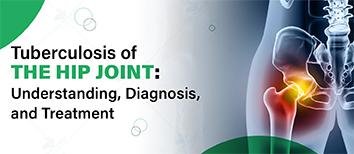
Tuberculosis (TB) is primarily known as a respiratory infection caused by Mycobacterium tuberculosis, but it can affect various body parts, including bones and joints.
Uterine fibroids are abnormal growths in the uterus that can develop during a woman's reproductive years. These growths are benign in nature but can cause severe pain, bleeding, and other side effects. They may grow outside or inside the uterine wall or within the wall of the uterus. Fibroids can occur as single or multiple entities and vary in size. They can have an impact on pregnancy, and while they are known to affect pregnancy, the specific impact varies from woman to woman.
If you have fibroids, you may be concerned about how they could affect your pregnancy. Here is what you might expect to experience during your pregnancy if you have uterine fibroids. For expert advice and personalized care, contact us at +(91) 9667064100.
Problems During the First Trimester
Some small fibroids may develop during a pregnancy. This happens due to a rise in the level of hormones estrogen and progesterone in pregnancy. This could lead to the following problems:
Bleeding and pain
Miscarriage: Women with fibroids, especially those with multiple fibroids or large fibroids, are at a higher risk of miscarriage in the early stage.
Second and Third Trimesters
As the baby grows and the uterus expands, it can push against your fibroids. This can lead to the following issues:
Pain
Preterm delivery
Placental abruption: In this case, the placenta tears away from the wall of the uterus before your baby is born. It is quite severe since the baby will not receive enough oxygen, and you may suffer from excessive bleeding.
During Delivery: A cesarean section may be needed due to uterine fibroids.
The root cause of fibroids is unclear, however, factors may be responsible:
Hormones: The changes in the ovarian hormones estrogen and progesterone can cause fibroids due to the regeneration of the uterine lining.
Family history: If other women in your family have the condition, then you are also at risk of developing it.
Age: Fibroids are most common in women within the age group of 30 and 50.
Obesity: High body weight may also increase your chances.
Fibroids often do not have specific symptoms. In many cases, pregnant women may discover when they go for their first ultrasound to check the baby's growth. However, some expectant mothers with fibroids may have the following symptoms:
Severe cramps, similar to period cramps
Pain and tension in the stomach
Digestion problems, such as constipation
Frequent urination (if the fibroids put pressure on the bladder)
The doctor may first perform a pelvic examination after understanding your symptoms and checking your family history. Post which you may be suggested the following tests. For accurate diagnosis and expert care, consult the Best General Surgeons in Noida for a personalized treatment plan.
Ultrasound: The doctor may suggest a transabdominal (over the abdomen) or a transvaginal (through the vaginal canal) to check for fibroids.
Magnetic Resonance Imaging or MRI may be suggested to detect the location and size of the fibroid.
It is crucial to choose the right surgery to manage fibroids during pregnancy so that there is no negative effect on the baby. The following may be suggested:
Myomectomy: This is a surgical procedure, performed either hysteroscopically (fibroids removed through the vagina and cervix) or abdominally (by a bigger cut in the stomach area) to remove the fibroid.
Cesarean Myomectomy: Done during a C-section, if fibroids are in the way of delivering the baby or if they’re easy to remove safely. Still risky, because of potential bleeding and longer surgery time.
The doctor may also choose to treat the fibroid before conception or wait after delivery, depending on your case.
If fibroids are discovered before conception, they can be treated before pregnancy. The doctor may suggest the following methods to treat fibroids before pregnancy:
Hormone therapy: Gonadotropin-releasing hormone (GNRH) agonists treat fibroids by preventing the production of estrogen and progesterone. This induces a menopause-like condition for a short time. This stops the menstrual cycle and makes the fibroid shrink.
High intensity ultrasound treatment: Focused Ultrasound Surgery is a noninvasive procedure that does not require surgical cuts. In this, you are made to lie down inside the MRI scanner, then the doctor finds the exact location of the fibroid. Once it is determined, a high-energy ultrasound instrument sends sound waves into the fibroid. It heats up the fibroid and destroys it.
Uterine artery embolization: Embolic agents are injected into the arteries that carry blood to the uterus. The particles block the blood flow to fibroids, and they ultimately shrink and die.
It is natural to feel anxious if you are planning to have a baby and have fibroids. The good news is that many women with fibroids have healthy pregnancies and safe deliveries. Early diagnosis, the right medical guidance, and personalized care are key to the good health of both the mother and fetus. It is important to stay informed, have regular checkups, and follow the doctor’s advice. For expert consultation and treatment, trust the Best Hospital for Fibroid Removal Surgery in Noida.
Q1. Can fibroids lead to anemia?
Ans: Fibroids can make your periods extremely heavy or cause bleeding between periods, which can lead to anemia.
Q2. Can fibroids make your stomach big?
Ans: Yes, it is possible if you have large uterine fibroids.
Q3. Can fibroids change over time?
Ans: Fibroids can shrink and grow over time. This might happen quickly or gradually over time.
Fibroids are non-cancerous growths in the uterus that can affect pregnancy in some women. Understanding their symptoms, risks, and treatment options is essential for a healthy pregnancy.
Pregnancy is a time of joy and transformation, but for some women, it can come with added challenges. High-risk pregnancies can arise due to health conditions, complications during previous pregnancies, or unexpected problems that develop along the way. While the term "high-risk" can sound alarming, it simply means that extra monitoring and care are needed to protect both the mother and the baby.
Fortunately, improvements in prenatal care have made it possible to manage high-risk pregnancies more effectively than ever before. Whether a pregnancy is considered high-risk due to age, pre-existing conditions, or complications during pregnancy, early identification and continuous care are the keys to managing it effectively.
If you're concerned about a high-risk pregnancy, speak to our specialists today at +91 9667064100 for expert guidance and personalized care.
When there are high chances of complications for the mother and/or baby in a pregnancy, then it is called a high-risk pregnancy. Below are some of the complications that are present in high-risk pregnancies:
Preeclampsia: In this condition, the blood pressure rises dangerously high, which can damage other organ systems, especially the liver and kidneys.
Gestational diabetes: When the blood sugar levels rise during pregnancy, it can increase the risk of premature birth, high birth weight, and other complications.
Preterm labor and delivery: When labor begins before 37 weeks of pregnancy, it can cause various health risks for the baby.
Placental Abruption: This occurs when the placenta prematurely detaches from the uterine wall, resulting in heavy bleeding and compromising the oxygen and nutrition supply of the baby.
Here are some factors that may contribute to a high-risk pregnancy:
Maternal age: Advanced maternal age (35 years of age or older) increases the risk of complications such as gestational diabetes and chromosomal abnormalities.
Medical conditions: Pre-existing medical issues, including diabetes, hypertension, and autoimmune diseases, might complicate pregnancy.
Multiple pregnancies: Women carrying twins, triplets, or more are at a higher risk due to increased demands on the mother's body.
Previous Complications: Women with complications in their previous pregnancies are also at a higher risk.
Genetic factors: Certain genes and family history might increase the risk of problems.
Lifestyle factors: Smoking, excessive alcohol use, and drug use can all increase the chance of complications.
It’s essential to recognize warning signs and seek immediate medical care when it comes to high-risk pregnancies. Symptoms to watch for include:
Severe or persistent headaches
Swelling in the face, hands, or legs
Abdominal pain or cramping
Sudden changes in vision, such as blurriness or seeing spots
Heavy bleeding or unusual vaginal discharge
Decreased fetal movement
Pain or burning when you urinate
Depending on your conditions and symptoms, the doctor might suggest the following tests:
Specialized ultrasounds: Three-dimensional (3D) or four-dimensional (4D) ultrasounds are used to check for any abnormalities. Ultrasound to measure the length of the cervix is performed to determine whether you are at risk of preterm delivery, and a biophysical profile may be required to evaluate the health of the fetus.
Cell-free DNA screening: It examines a blood sample to see whether there is an increased risk of chromosomal disorders.
Amniocentesis: It is used to detect serious conditions known as neural tube defects in the brain or spinal cord.
High-risk pregnancies require close monitoring and tailored treatment. Regular check-ups help manage symptoms and complications. For expert care, visit the best gynecologist hospital in Noida for specialized support.
Visit Your Doctor Regularly: In high-risk pregnancies, it becomes crucial to follow up with your doctor regularly to keep track of your health and your baby’s health.
Gestational Diabetes: Regular glucose monitoring is needed along with medicines to control blood glucose levels.
High blood pressure: Anti-hypertensives (blood pressure-lowering medications) are prescribed along with lifestyle changes, such as limiting salt intake and exercising regularly.
Steroid injections: If there is a danger of premature delivery (especially if before 34 weeks), then steroid injections are given to promote lung development in the baby.
Magnesium Sulfate: It is given to women with severe preeclampsia or eclampsia to prevent seizures.
Early Induction or Cesarean Section: If there are high health risks to the mother or child, then delivery may be induced early or a C-section may be done.
Fetal Intervention: In rare cases, fetal surgery may be needed to treat congenital conditions detected during pregnancy.
To lower the risk of pregnancy-related complications, you should:
Avoid alcoholic drinks, smoking, and taking non-prescription medicines
Maintain a healthy weight before pregnancy
Manage any existing or chronic medical issues you may have
Safe sex minimizes the risk of sexually transmitted infections (STIs)
Have an active and stress-free lifestyle
Having a high-risk pregnancy can make you anxious, but instead of getting scared, you should focus on taking special care before, during, and after your baby’s birth. This includes more prenatal ultrasounds, careful monitoring, and following your doctor’s advice throughout pregnancy to keep you and your baby healthy. While a high-risk pregnancy may come with added challenges, advancements in medical care have greatly improved outcomes for both mothers and babies. By staying informed, following medical advice, and consulting the best gynecologist in Noida, you can navigate these challenges with confidence and care.
Q1. Will I have a high-risk pregnancy if I get pregnant at a later age?
Ans: There are chances of high risk in late pregnancies, but age is not the only determining factor. The doctor will take into account other factors while evaluating if your pregnancy is at risk of complications.
Q2. Can I have a vaginal delivery with a high-risk pregnancy?
Ans: Yes. In many cases, vaginal delivery is safe for women with high-risk pregnancies. However, some women may require a cesarean delivery to reduce the risk of complications for themselves or their babies.
Q3. Can high-risk pregnancies result in premature birth?
Ans: Yes, there are increased chances of premature deliveries in high-risk pregnancies, which can lead to complications for the baby. Women with high-risk pregnancies need careful observation and medical care.
Choosing the right hospital for pregnancy is one of the most important decisions expectant parents can make.
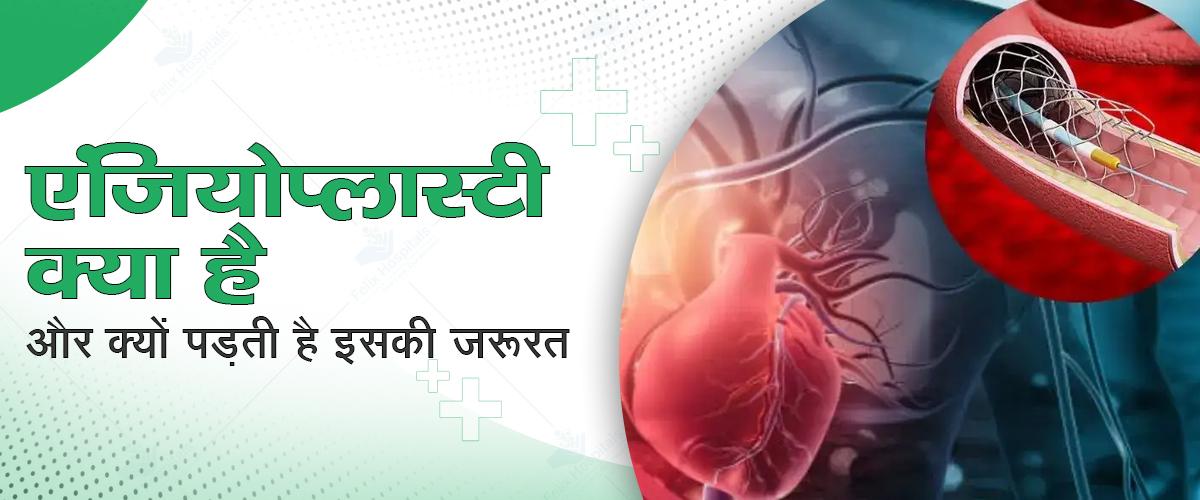
आज की तेज़ रफ्तार ज़िंदगी में दिल की बीमारियां चिंताजनक रूप से बढ़ रही हैं। जो समस्याएं पहले सिर्फ बुज़ुर्गों में देखी जाती थीं, अब वे युवाओं को भी तेजी से अपनी चपेट में ले रही हैं। जब दवाओं और जीवनशैली में बदलाव से उपचार संभव नहीं होता, तब एंजियोप्लास्टी जैसी उन्नत प्रक्रिया की जरूरत पड़ती है।
इस ब्लॉग में हम एंजियोप्लास्टी क्या है, इसकी प्रक्रिया कैसे होती है, और यह कब ज़रूरी होती है – इन सभी पहलुओं की विस्तार से जानकारी देंगे।
अगर आप भी हृदय संबंधी समस्याओं से ग्रस्त हैं, तो तुरंत नोएडा के सर्वश्रेष्ठ कार्डियोलॉजी अस्पताल में अनुभवी विशेषज्ञों से परामर्श लें और सही समय पर अपने हृदय का इलाज करवाएं।
अपॉइंटमेंट शेड्यूल करने के लिए, अभी कॉल करें: +91 9667064100.
एंजियोप्लास्टी की जरूरत कब पड़ती है ? (When is Angioplasty Needed?)
कौन से मरीज इसके लिए उपयुक्त नहीं माने जाते? (Which Patients are not Considered Suitable for this?)
एंजियोप्लास्टी के बाद जीवनशैली में बदलाव (Lifestyle Changes After Angioplasty)
एंजियोप्लास्टी को लेकर पूछे जाने वाले सवाल (FAQs about angioplasty)
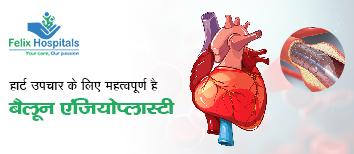
एंजियोप्लास्टी एक ऐसी चिकित्सा प्रक्रिया है जिसका उपयोग दिल की ब्लॉक हुई धमनियों को खोलने के लिए करते है, जिससे हृदय को पर्याप्त रक्त और ऑक्सीजन मिल पाएं। जब कोरोनरी आर्टरी में कोलेस्ट्रॉल या प्लाक जमा होकर रक्त का प्रवाह बाधित करती हैं, तो एंजियोप्लास्टी से उस अवरोध को दूर करते है।
एंजियोप्लास्टी एक मिनिमल इनवेसिव प्रक्रिया है जिसमें अवरुद्ध धमनियों को खोलते है, जिससे रक्त प्रवाह पुनः सामान्य हो सके। इसमें मरीज की जांघ या हाथ की नस में एक पतली नली डाली जाती है जो हृदय की ब्लॉक धमनियों तक पहुंचाया जाता है। कैथेटर के माध्यम से एक छोटा बैलून ब्लॉकेज वाली जगह पर पहुंचाता है और उसे वहां फुलाया जाता है। इससे जमा हुआ प्लाक धक्का खाकर दीवार से चिपक जाता है और रास्ता चौड़ा होता है। अधिकतर मामलों में एक धातु का जाल (स्टेंट) लगाते है। जिससे धमनियां दोबारा संकरी न हों।
एंजियोप्लास्टी की जरूरत तब महसूस होती है जब दिल की धमनियों में ब्लॉकेज इतना गंभीर हो जाता है कि वह दिल को पर्याप्त रक्त नहीं पहुंचा पाता।
हार्ट अटैक की आपात स्थिति मेंः
जब कोई मरीज हार्ट अटैक (heart attack) से जूझ रहा हो और एंजियोग्राफी में किसी मुख्य धमनी में रुकावट नजर आए तो तुरंत एंजियोप्लास्टी करनी होती है।
सीने में बार-बार दर्द (एंजाइना) बना रहता होः
यदि मरीज को चलने, सीढ़ियां चढ़ने या हल्के व्यायाम में सीने में दर्द, दबाव या जकड़न महसूस हो और यह दर्द बार-बार होने पर एंजियोप्लास्टी की जरूरत हो सकती है।
दवाओं से राहत न मिल रही होः
कई बार मरीज को ब्लॉकेज के बाद दवा और जीवनशैली सुधार के बावजूद लक्षण बने रहें हैं। इस दौरान एंजियोप्लास्टी करना प्रभावी होता है।
जांचों में गंभीर ब्लॉकेज सामने आएः
अगर मरीज की एंजियोग्राफी, ईको या तनाव परीक्षण (टीएमटी) में यह पता चलता है कि किसी प्रमुख धमनी में 70 प्रतिशत या उससे अधिक ब्लॉकेज है, तो एंजियोप्लास्टी जरूरी होती है।
एंजियोप्लास्टी कोई सामान्य प्रक्रिया नहीं, बल्कि एक क्लिनिकल निर्णय है जो अंतरराष्ट्रीय और राष्ट्रीय हृदय रोग गाइडलाइंस पर आधारित होता है।
अमेरिकन कॉलेज ऑफ कार्डियोलॉजी / अमेरिकन हार्ट एसोसिएशन:
यदि दिल की किसी बड़ी धमनी में अचानक 100 प्रतिशत ब्लॉकेज हो तो 90 मिनट के भीतर एंजियोप्लास्टी करना अनिवार्य है। इसे डोर टू बैलून टाइम कहा जाता है। यदि मरीज की हालत स्थिर न हो कार्डियक एंजाइम्स बढ़े हों या दर्द लगातार बना हो तो 24–72 घंटे में एंजियोप्लास्टी की सिफारिश की जाती है। अगर मरीज को बार-बार सीने में दर्द हो और दवाओं से राहत न मिले या स्ट्रेस टेस्ट/एंजियोग्राफी में महत्वपूर्ण ब्लॉकेज दिखे तो एंजियोप्लास्टी की जाती है।
यूरोपियन सोसाइटी ऑफ कार्डियोलॉजीः
ईएससी भी स्टेमी में तुरंत एंजियोप्लास्टी को प्राथमिकता देता है। इसमें मरीज के जोखिम स्कोर के अनुसार तय किया जाता है कि कितनी जल्दी एंजियोप्लास्टी करनी है। पहले दवाओं से इलाज करने की कोशिश की जाती है। अगर लक्षण न सुधरें या धमनी में बायां मुख्य अवरोध हो तब एंजियोप्लास्टी होनी चाहिए।
भारतीय कार्डियोलॉजी सोसाइटीः
सीएसआई (कार्डियोलॉजिकल सोसायटी ऑफ इंडिया) गाइडलाइंस, एसीसी और ईएससी दोनों के मानदंडों को स्थानीय जनसंख्या की जरूरतों के अनुसार अपनाती है। इसमें क्लॉट बस्टर दवाओं की भूमिका महत्वपूर्ण होती है। जब समय पर एंजियोप्लास्टी उपलब्ध न हो। भारत जैसे देश में एंजियोप्लास्टी का निर्णय करते समय लागत, पहुंच और मरीज की समझदारी को भी ध्यान में रखना चाहिए।
यह हर मरीज के लिए उपयुक्त नहीं होती। कुछ स्थितियां ऐसी होती हैं जहां एंजियोप्लास्टी के बजाय बायपास सर्जरी या केवल दवाइयों से इलाज करना बेहतर होता है।
मल्टी वेसल डिजीज वाले मरीजः
जब हृदय की तीन या अधिक मुख्य धमनियों में गंभीर ब्लॉकेज हो तो एंजियोप्लास्टी की बजाय कॉरोनरी आर्टरी बायपास ग्राफ्टिंग को प्राथमिकता दी जाती है। खासकर डायबिटीज (Diabetes) वाले मरीजों में बायपास सर्जरी बेहतर हैं।
जिनका हृदय बहुत कमजोर हो चुका होः
अगर मरीज की हृदय की पंपिंग क्षमता 30 प्रतिशत से नीचे और ब्लॉकेज जटिल हो तो एंजियोप्लास्टी पर्याप्त नहीं है। ऐसे मामलों में विस्तृत कार्डियक मूल्यांकन कर वैकल्पिक उपचार तय किया जाता है।
ब्लॉकेज बहुत जटिल या कैल्सिफाइड होः
कुछ मरीजों में ब्लॉकेज कैल्सिफाइड स्थान पर होता है। जहां बैलून या स्टेंट पहुंचाना तकनीकी रूप से मुश्किल होता है। ऐसे में एंजियोप्लास्टी जोखिमपूर्ण होती है। इसलिए बायपास बेहतर विकल्प है।
एंजियोप्लास्टी आज भले ही एक सुरक्षित और सामान्य प्रक्रिया बन चुकी हो, लेकिन यह पूरी तरह जोखिम-मुक्त नहीं है। सही देखभाल और अनुशासन इसके सफल परिणाम की कुंजी हैं।
रेस्टेनोसिसः
कई मामलों में स्टेंट लगाने के बावजूद धमनियों में फिर से सिकुड़न होती है। यह जोखिम बेयर मेटल स्टेंट की तुलना में ड्रग-एल्यूटिंग स्टेंट में कम होता है। लेकिन पूरी तरह समाप्त नहीं होता, इसलिए नियमित फॉलोअप जरूरी है।
ब्लीडिंग, हार्ट अटैक या स्ट्रोक का खतराः
प्रक्रिया के दौरान या बाद में कुछ दुर्लभ जटिलताएं सामने आ सकती हैं। कैथेटर डालने वाली जगह से ब्लीडिंग होती है। दिल की धड़कनें असामान्य हो सकती है। दिल का दौरा या बहुत ही दुर्लभ मामलों में स्ट्रोक हो सकता है।
ब्लड थिनर दवाओं की भूमिकाः
एंजियोप्लास्टी के बाद मरीज को ब्लड थिनर दवा दी जाती हैं जिससे स्टेंट में खून का थक्का न जमे। इन दवाओं को कम से कम 6 से 12 महीने तक लेना अनिवार्य है।
निम्न बातों का ध्यान रखेंः
डॉक्टर द्वारा तय दवाएं ही लें, ब्लड प्रेशर और शुगर को नियंत्रित रखें, तंबाकू और शराब से पूरी तरह दूरी बनाएं, हल्का व्यायाम और संतुलित आहार अपनाएं, निर्धारित अंतराल पर कार्डियोलॉजिस्ट से जांच कराते रहें।
नोएडा में एंजियोप्लास्टी के इलाज की लागत (Cost of Angioplasty treatment in Noida) मरीज की स्थिति, हार्ट ब्लॉकेज की गंभीरता, स्टेंट की गुणवत्ता (ड्रग एल्यूटिंग या सामान्य स्टेंट), और अस्पताल की सुविधाओं के अनुसार अलग-अलग हो सकती है। यदि मरीज की स्थिति सामान्य है और एक ही स्टेंट की जरूरत है, तो प्रारंभिक जांच (ईसीजी, ईको, टीएमटी, ब्लड टेस्ट) और कैथ लैब एंजियोग्राफी सहित कुल खर्च 80 हजार से 1.5 लाख तक हो सकता है।
वहीं यदि एक से अधिक ब्लॉकेज हों और मल्टीपल स्टेंट या आईसीयू देखभाल की आवश्यकता पड़े, तो इलाज का कुल खर्च 2 लाख से 4.5 लाख तक पहुंच सकता है। इसमें सर्जरी, स्टेंट की कीमत, अस्पताल में भर्ती, आईसीयू शुल्क, दवाएं, और फॉलोअप जांचें शामिल होती हैं। यदि मरीज के पास हेल्थ इंश्योरेंस है या आयुष्मान भारत योजना के तहत इलाज कराया जाता है, तो कुल लागत में काफी राहत मिल सकती है। कुछ अस्पतालों में कैशलेस सुविधा भी उपलब्ध है।
एंजियोप्लास्टी के बाद की जिंदगी ही असली इलाज है यदि मरीज अपनी पुरानी आदतों पर लौट जाता है, तो ब्लॉकेज फिर से आ सकता है।
संतुलित आहार (डाइट):
कम वसा और कम कोलेस्ट्रॉल वाला भोजन लें, हरी सब्जियां, फल, साबुत अनाज और ओमेगा-3 युक्त आहार शामिल करें, नमक और चीनी की मात्रा सीमित करें, तले-भुने, फास्ट फूड और प्रोसेस्ड चीजों से बचें।
नियमित व्यायाम:
एंजियोप्लास्टी के कुछ सप्ताह बाद हल्की फिजिकल एक्टिविटी जैसे 30 मिनट की वॉक डॉक्टर की सलाह पर करें, धीरे-धीरे योग, साइकलिंग या स्वीमिंग जैसी एक्टिविटी करें, बहुत तेज एक्सरसाइज से बचें।
तनाव प्रबंधनः
क्रोध, चिंता और मानसिक थकान हृदय रोगों को बढ़ाते हैं, ध्यान, योग, गहरी सांसें लेना, और पर्याप्त नींद तनाव को घटाते हैं।
पॉजिटिव सोचः
दवाओं का नियमित सेवन और डॉक्टर फॉलोअप कराना चाहिए, ब्लड थिनर, बीपी, कोलेस्ट्रॉल और शुगर कंट्रोल की दवाएं समय पर लेना चाहिए। अगर आप नोएडा से अपना इलाज करवा रहे हैं तो नोएडा के कार्डियोलॉजिस्ट के बताए अनुसार ब्लड टेस्ट और ईसीजी आदि समय पर कराएं। सीने में दर्द, थकान या सांस फूलने जैसे लक्षण दिखे तो तुरंत जांच कराएं।
तंबाकू और शराब से करें परहेजः
धूम्रपान और तंबाकू ब्लॉकेज को दोबारा बढ़ाने का सबसे बड़ा कारण हैं। शराब दिल की मांसपेशियों पर असर डालती है। इसलिए इन आदतों को छोड़ना अनिवार्य है
अपॉइंटमेंट शेड्यूल करने के लिए, अभी कॉल करें: +91 9667064100
एंजियोप्लास्टी एक संकेत है कि आपके दिल ने तकलीफ झेली है अगर जीवनशैली पहले जैसी ही बनी रही, तो समस्या दोबारा लौट सकती है इस बार ज्यादा घातक हो सकती है, इसलिए सावधानी जरूरी है। अधिकांश हार्ट अटैक की जड़ ब्लॉकेज होती है यदि डॉक्टर की सलाह और कार्डियोलॉजी गाइडलाइंस के आधार पर एंजियोप्लास्टी की जाती है, तो यह न केवल हार्ट अटैक को टाल सकती है, बल्कि जीवन की गुणवत्ता भी बेहतर बनाती है। इसमें अंतरराष्ट्रीय मानकों, जांचों और अनुभवजन्य चिकित्सा के अनुसार जब इलाज किया जाता है, तो मरीज को अनावश्यक जोखिमों से बचा सकते हैं।
प्रश्न 1. क्या एंजियोप्लास्टी हार्ट की सर्जरी होती है?
उत्तर: एंजियोप्लास्टी एक मिनिमल इनवेसिव प्रक्रिया है। इसमें छाती नहीं खोली जाती बल्कि एक पतली नली (कैथेटर) के माध्यम से ब्लॉकेज हटाया जाता है।
प्रश्न 2. क्या एंजियोप्लास्टी के बाद मरीज ठीक हो जाता है?
उत्तर: एंजियोप्लास्टी ब्लॉकेज हटाकर रक्त प्रवाह सुधार देती है, जिससे लक्षणों में तुरंत राहत मिलती है। लेकिन बीमारी की जड़ें बनी रहती हैं। इसलिए दवा, डाइट और व्यायाम जरूरी हैं।
प्रश्न 3. क्या स्टेंट जीवनभर के लिए रहता है?
उत्तर: स्टेंट जीवनभर धमनियों में रहता है। लेकिन ब्लॉकेज दोबारा न हो इसके लिए ब्लड थिनर दवाएं और सतर्क जीवनशैली जरूरी है।
प्रश्न 4. क्या एंजियोप्लास्टी के बाद ब्लॉकेज फिर से हो सकता है?
उत्तर: संभावना होती है, जिसे रेस्टेनोसिस कहते हैं। यह जोखिम दवा-लेपित स्टेंट और अच्छी जीवनशैली से कम होता है।
प्रश्न 5. एंजियोप्लास्टी की लागत क्या होती है?
उत्तर: भारत में एंजियोप्लास्टी की लागत अस्पताल, शहर और स्टेंट की गुणवत्ता के अनुसार बदलती है। सामान्यत यह 1.5 लाख से 3.5 लाख के बीच है।
प्रश्न 6. क्या सभी ब्लॉकेज में एंजियोप्लास्टी जरूरी होती है?
उत्तर: एंजियोप्लास्टी तभी की जाती है जब ब्लॉकेज गंभीर हो या लक्षण काबू में न हों। यदि ब्लॉकेज हल्का हो या लक्षण न हों, तो दवा से इलाज किया जाता है।
प्रश्न 7. एंजियोप्लास्टी के बाद काम पर कब लौट सकते हैं?
उत्तर: मरीज 5 से 7 दिनों में सामान्य गतिविधियां शुरू कर सकता है। 2 से 4 सप्ताह में दफ्तर/कार्यस्थल लौट सकता है।

एंजियोप्लास्टी के बाद जीवनशैली में बदलाव बेहद जरूरी होता है ताकि दिल स्वस्थ रहे और दोबारा समस्या न हो। इसमें संतुलित आहार, नियमित एक्सरसाइज, दवाइयों का पालन, और मानसिक तनाव कम करना शामिल है।

सर्दियों के मौसम में हृदय रोग से जुड़े किसी भी लक्षण को हल्के में न लें और फेलिक्स हॉस्पिटल के अनुभवी हृदय रोग विशेषज्ञों से परामर्श लें।
एंजियोप्लास्टी एक ऐसी प्रक्रिया है, जिसके जरिए हृदय की ब्लॉकेज को खोला जाता है ताकि रक्त प्रवाह सामान्य हो सके। सही खानपान, नियमित व्यायाम और उचित देखभाल के बिना एंजियोप्लास्टी के लाभ लंबे समय तक नहीं टिकते। इस ब्लॉग में हम जानेंगे कि एंजियोप्लास्टी के बाद आपको किन बातों का ध्यान रखना चाहिए, क्या खाना चाहिए, किस प्रकार की एक्सरसाइज फायदेमंद होती है और किस तरह आप खुद को दोबारा हार्ट अटैक से बचा सकते हैं।
अगर आप या आपके किसी परिचित ने हाल ही में एंजियोप्लास्टी करवाई है, और बेहतर रिकवरी चाहते हैं, तो सही देखभाल और निगरानी के लिए नोएडा में सर्वश्रेष्ठ हॉस्पिटल का चयन करना बहुत जरूरी है। नोएडा में कार्डियोलॉजी की उन्नत सुविधाएं और अनुभवी विशेषज्ञ उपलब्ध हैं जो मरीजों को समग्र हृदय देखभाल प्रदान करते हैं।
अपॉइंटमेंट शेड्यूल करने के लिए, अभी कॉल करें: +91 9667064100.
एक्सरसाइज और फिजिकल एक्टिविटी (Exercise and Physical Activity)
दवाओं और मेडिकल फॉलो-अप की अहमियत (Importance of Medicines and Medical Follow-up)
हृदय को सुरक्षित रखने वाली जीवनशैली (Heart-Protective Lifestyle)
किन संकेतों को नजरअंदाज न करें ? (What Signs Should not be Ignored?)
कार्डियोलॉजी गाइडलाइन की झलक (A Glimpse of the Cardiology Guideline)
एंजियोप्लास्टी के बाद अक्सर पूछे जाने वाले सवाल (FAQs after Angioplasty)
एंजियोप्लास्टी एक चिकित्सा प्रक्रिया है जिसमें हृदय की धमनियों में जमा फैट या प्लाक को हटाकर ब्लॉकेज को खोला जाता है। इसमें एक पतली ट्यूब (कैथेटर) के जरिए बैलून को ब्लॉक हिस्से तक पहुंचाते है, फिर इसे फुलाकर धमनियों को चौड़ा किया जाता है। अक्सर इसमें स्टेंट भी लगाया जाता है जिससे ब्लॉकेज दोबारा न हो।
एंजियोप्लास्टी तब की जाती है जब किसी मरीज को दिल का दौरा हुआ हो। धमनियों में गंभीर ब्लॉकेज पाया गया हो या मरीज को सीने में बार-बार दर्द के अलावा सांस लेने में तकलीफ होती है। इस प्रक्रिया का उद्देश्य रक्त प्रवाह को फिर से सामान्य करना और हृदय को नुकसान से बचाना होता है। एंजियोप्लास्टी आमतौर पर एक मिनिमली इनवेसिव (कम चीरफाड़ वाली) प्रक्रिया होती है। प्रकिया के दौरान मरीज को 1 से 2 दिन अस्पताल में रखते हैं। यदि हार्ट अटैक (Heart attack) हुआ हो या कई ब्लॉकेज हों तो 3 से 5 दिन तक निगरानी में रखा जा सकता है। छुट्टी से पहले ईसीजी, इको, ब्लड टेस्ट कराएं जाते हैं।
एंजियोप्लास्टी के बाद पहला सप्ताह बेहद महत्वपूर्ण होता है इसलिए आराम करें, लेकिन बहुत ज्यादा बिस्तर पर न रहें, सीढ़ियां चढ़ने-उतरने में सावधानी बरतें, भारी सामान न उठाएं, गाड़ी चलाने से कम से कम 1 हफ्ते तक बचें, अगर कैथेटर हाथ या पैर में डाला गया हो तो उस अंग को ज्यादा दबाव में न लाएं, घाव की साफ-सफाई और सूजन/लाली पर नजर रखें, शारीरिक संबंध बनाने से पहले डॉक्टर से सलाह लें, धूम्रपान और शराब पूरी तरह बंद रखें।
दवाएं छोड़ना खतरे से खाली नहीं है। स्टेंट लगाने के बाद, शरीर उसे ‘अजनबी’ मानकर ब्लड क्लॉट बना सकता है। कार्डियोलॉजिस्ट (Cardiologist) एंटीप्लेटलेट्स जैसे एस्पिरिन और क्लोपिडोग्रेल जो खून को पतला रखते हैं। स्टैटिन्स कोलेस्ट्रॉल घटाते हैं। बीटा-ब्लॉकर्स या एसीई इनहिबिटर्स हृदय पर दबाव कम करते हैं। ब्लड प्रेशर और शुगर की दवाएं जरूरत के हिसाब से दी जाती है।
पहले 1 महीने में 1-2 बार डॉक्टर से मिलना आवश्यक है। ईसीजी, लिपिड प्रोफाइल, बीपी, शुगर जैसे टेस्ट कराना जरूरी होता है। डॉक्टर दवाओं की डोज समायोजित कर सकते हैं। दवा बंद करना या अपने मन से बदलना घातक होता है।
दिल को स्वस्थ रखने के लिए खानपान बड़ा हथियार है। एंजियोप्लास्टी के बाद सही आहार अपनाकर दोबारा ब्लॉकेज की संभावना को काफी हद तक कम करता है।
नमक की मात्रा 5 ग्राम प्रतिदिन से अधिक न हो। पैक्ड फूड, अचार, पापड़, नमकीन, चिप्स से बचें।
सैचुरेटेड फैट यानी घी, मक्खन, मलाई और ट्रांस फैट बेकरी आइटम, फ्राई चीजें के सेवन से बचे साथ ही वनस्पति घी, मार्जरीन, डिब्बाबंद मिठाइयां हानिकारक हैं।
फल, सब्जियां, साबुत अनाज जैसे ओट्स, दालें, ब्राउन राइस फायदेमंद हैं। दिन में कम से कम पांच रंग-बिरंगे फल/सब्जियां जरूर खाएं।
अंडे की जर्दी, रेड मीट, मटन, मिठाई, सोडा जैसे पदार्थ सीमित करें। मीठा खाने की इच्छा हो तो गुड़ या खजूर का सीमित प्रयोग करें।
शराब और धूम्रपान से पूरी तरह दूरी बनांएं। ये हृदय की धमनियों को फिर से संकुचित कर सकते हैं क्योंकि धूम्रपान त्यागना हृदय सुरक्षा की पहली शर्त है।
सुबह का नाश्ता:
ओट्स में दूध और फ्लैक्ससीड डालकर सेवन करें, 4–5 बादाम खा सकते हैं, 1 कप ग्रीन टी (शुगर फ्री) पिएं।
दोपहर का भोजन:
मूंग/मसूर दाल के अलावा ब्राउन राइस या मिलेट्स यानी बाजरा व जौ का सेवन करें साथ में 1 कटोरी हरी सब्जियां तरी वाली खाएं, वहीं 1 कटोरी सलाद यानी खीरा, गाजर, टमाटर का सेवन करना चाहिए।
शाम का नाश्ता:
फलों का सलाद यानी सेब, पपीता, अमरूद खाएं, 1 कप नींबू पानी बिना नमक और शक्कर वाला पिएं।
रात का खाना:
मल्टीग्रेन रोटी और लौकी, तुरई, पालक का सेवन करें, हल्का सूप लो-फैट दही ले सकते हैं।
दिन भर में पानी
कम से कम 2.5-3 लीटर पानी, लेकिन भोजन के साथ ज्यादा न पिएं।
एंजियोप्लास्टी के बाद शारीरिक गतिविधि धीरे-धीरे और सावधानीपूर्वक शुरू करनी चाहिए।
व्यायामः
एक्सरसाइज न केवल हृदय को मजबूत बनाती है, बल्कि रक्तचाप, कोलेस्ट्रॉल और तनाव को भी नियंत्रित करती है। हर दिन 5–10 मिनट की धीमी वॉक करें, दिन में 2 बार छोटी दूरी पर टहलना बेहतर रहेगा, सप्ताह में कम से कम 5 दिन या रोजाना 30 मिनट की चलने की सलाह दी जाती है, शुरुआत में 15-20 मिनट से शुरू करें, धीरे-धीरे समय बढ़ाएं, यदि चक्कर, सांस फूलना या सीने में दर्द हो तो तुरंत रुकें और डॉक्टर से संपर्क करें।
भारी व्यायाम और वेट लिफ्टिंग से परहेजः
पहले 6 से 8 हफ्तों तक कोई भी भारी काम (जैसे वज़न उठाना, पुशअप्स, जॉगिंग) न करें, जिम जाना या स्ट्रेंथ ट्रेनिंग डॉक्टर की अनुमति के बिना शुरू न करें, सीढ़ियाँ चढ़ना, तेज़ साइकलिंग, या लंबी दूरी की ड्राइविंग से भी परहेज़ करें।
स्ट्रेचिंग और योगः
प्राणायाम, अनुलोम-विलोम, गहरी सांसें लेने वाले अभ्यास से हृदय को राहत मिलती है। हल्के स्ट्रेचिंग व्यायाम जोड़े, जैसे गर्दन घुमाना, कंधों की रोटेशन, हाथ फैलाना, भस्त्रिका, कपालभाति जैसे उग्र प्राणायाम एंजियोप्लास्टी के शुरुआती महीनों में वर्जित हैं। सभी योग या व्यायाम की शुरुआत कार्डियोलॉजिस्ट या फिजियोथेरेपिस्ट की निगरानी में करें।
एंजियोप्लास्टी के बाद दवाएं केवल उपचार का हिस्सा नहीं हैं ये भविष्य के हार्ट अटैक से बचाव की गारंटी भी होती हैं।
एंटीप्लेटलेट दवाएंः
जब हृदय की धमनियों में स्टेंट डाला जाता है, तो शरीर की प्रतिरक्षा प्रणाली उस पर प्रतिक्रिया कर सकती है। इससे उस स्थान पर ब्लड क्लॉट (खून का थक्का) बनने का खतरा रहता है। यदि मरीज डॉक्टर की सलाह के बिना दवाएं बीच में छोड़ देता है, तो स्टेंट थ्रॉम्बोसिस हो सकता है, जो जानलेवा साबित हो सकता है।
कोलेस्ट्रॉल कंट्रोल: स्टैटिन्सः
स्टैटिन्स जैसे एटोरवास्टेटिन, रोसुवास्टेटिन दवा कोलेस्ट्रॉल को घटाकर नई ब्लॉकेज बनने से रोकते हैं साथ ही पुराने प्लाक को स्थिर करते हैं। हार्ट अटैक की संभावना को 30–40 प्रतिशत तक घटाते हैं, कई बार मरीज सोचते हैं कि उनका कोलेस्ट्रॉल नॉर्मल है तो दवा छोड़ सकते हैं जबकि यह बड़ी भूल है।
नियमित बीपी और शुगर की मॉनिटरिंगः
हाई ब्लड प्रेशर (बीवी) और डायबिटीज हृदय की धमनियों को खराब करते हैं। इसलिए बीपी 120/80 mmHg होना चाहिए, शुगर (फास्टिंग 100 mg/dl, HbA1c < 6.5% बनाए रखना चाहिए, हर हफ्ते बीपी और शुगर चेक करें, खासकर जिनका हाइपरटेंशन या डायबिटीज (Diabetes) का इतिहास हो तो।
ब्लड थिनर दवाओं के साथ सावधानीः
अगर ब्लड थिनर दवा दी जा रही हों तो कुछ मामलों में कट लगने पर ज्यादा खून बहता है इसलिए सतर्क रहें। दांत निकालने, ऑपरेशन या इंजेक्शन से पहले डॉक्टर को बताएं।
ब्रूफेन, डायक्लोफेनैक जैसे दर्द निवारक दवाएं बिना डॉक्टर की सलाह नहीं लें, शराब का सेवन बिल्कुल नहीं करें, चोट लगने वाले कामों जैसे भारी सामान उठाना, बाइक तेज चलाने से बचें।
फॉलो-अप की अहमियत
पहली विजिट एंजियोप्लास्टी के 1-2 हफ्ते बाद करें, उसके बाद 1, 3 और 6 महीने पर करें, फिर वार्षिक हार्ट चेकअप, ईसीजी, लिपिड प्रोफाइल, शुगर और बीपी जांच कराएं। फॉलोअप से यह तय होता है कि दवाएं असर कर रही हैं या नहीं, जरूरत हो तो दवाओं की डोज बदलती है।
हृदय को सुरक्षित रखने के लिए प्रतिदिन 10–15 मिनट मन को शांत करने के लिए ध्यान का अभ्यास करें, अनुलोम-विलोम, गहरी सांसें लेने वाले व्यायाम करें, यदि आप डिप्रेशन, चिंता या अकेलेपन से जूझ रहे हैं तो काउंसलिंग या थैरेपी के लिए प्रोफेशनल की मदद लें। किताबें पढ़े के साथ संगीत सुने, बागवानी भी कर सकते हैं।
अच्छी नींद की अहमियतः
7–8 घंटे की गहरी और अनियमितता से मुक्त नींद हृदय को स्वस्थ रखने में उतनी ही जरूरी है जितनी दवा या व्यायाम। यदि नींद खराब है तो हार्ट बीट अनियमित होती है, ब्लड प्रेशर बढ़ता है, थकान से शारीरिक गतिविधि कम होगी इसलिए बेहतर नींद के लिए सोने से एक घंटा पहले मोबाइल या टीवी से दूरी बनाएं, एक तय समय पर सोना-जागना करें।
धूम्रपान, गुटखा, शराब से दूरीः
धूम्रपान और तंबाकू दिल की धमनियों को संकुचित करते हैं और ब्लड क्लॉटिंग की संभावना बढ़ाते हैं इससे दिल की नलियां सिकुड़ी हैं। इस कारण स्टेंट फेल होने का खतरा रहता है, दोबारा हार्ट अटैक हो सकता है, ब्लड प्रेशर और हार्ट रेट असंतुलित हो सकता है।
वजन नियंत्रण और BMI ट्रैक करना
मोटापा हृदय पर बोझ डालता है ब्लड शुगर और कोलेस्ट्रॉल को बढ़ाता है जिससे स्टेंट ब्लॉकेज (stent blockage) की संभावना बढ़ती है इसलिए बीएमआई को को 18.5–24.9 के बीच रखना चाहिए। पेट की चर्बी सबसे खतरनाक है पुरुषों में कमर 90 सेमी से कम व महिलाओं में 80 सेमी से कम होनी चाहिए। सप्ताह में एक बार वजन चेक करें। खाना कम लेकिन संतुलित खाएं।
एंजियोप्लास्टी के बाद कुछ लक्षण ऐसे होते हैं जिन्हें नजरअंदाज करना भूल हो सकती है। यह वार्निंग साइन होते हैं कि दिल दोबारा परेशानी में है।
छाती में दोबारा दर्द या जकड़न। सीने के बीचोंबीच भारीपन तो यह गंभीर संकेत होता है।
सांस फूलना थोड़ी सी चाल या आराम की स्थिति में भी सांस फूलना हृदय की कार्यक्षमता में गिरावट का संकेत है।
अत्यधिक थकान या चक्कर आना, लगातार थकान, कमजोरी या हल्का सिर घूमना ब्लड सर्कुलेशन में रुकावट की ओर इशारा करते हैं।
पसीना, घबराहट या बेचैनी बिना मेहनत के बार-बार पसीना आना या घबराहट महसूस होना दिल पर अचानक पड़े तनाव का संकेत होता है।
हाथ-पैरों में सुन्नपन या झनझनाहट खासकर बाएं हाथ में सुन्नता या भारीपन यह हृदय संबंधी तकलीप का लक्षण है।
दिल की बीमारी हर व्यक्ति में अलग होती है। इसलिए एक ही इलाज या डाइट हर मरीज पर लागू नहीं किया जा सकता है। डॉक्टर आपकी मेडिकल हिस्ट्री, ईसीजी, इको और ब्लड रिपोर्ट के अनुसार इलाज और जीवनशैली की सलाह देते हैं।
फेलिक्स हॉस्पिटल, नोएडा में एंजियोप्लास्टी (Angioplasty) के लिए अनुभवी कार्डियोलॉजिस्ट की टीम, कैथ लैब, आधुनिक ऑपरेशन थियेटर और 24×7 इमरजेंसी सेवाएं उपलब्ध हैं। यहां सीने में दर्द, सांस फूलना, बेचैनी, हाई बीपी या हार्ट अटैक के शुरुआती लक्षण आने पर तुरंत ईसीजी, ईको और एंजियोग्राफी कर इलाज शुरू किया जाता है। अस्पताल में ड्रग एल्यूटिंग स्टेंट और कम समय में रिकवरी की सुविधा के साथ कैशलेस मेडिक्लेम सुविधा भी उपलब्ध है। ओपीडी सप्ताह के सभी दिन खुली रहती है। कम खर्च में भरोसेमंद और विशेषज्ञ इलाज फेलिक्स हॉस्पिटल की पहचान बन चुका है।
अभी अपॉइंटमेंट शेड्यूल करें – कॉल करें: +91 9667064100
एंजियोप्लास्टी एक चेतावनी है। इलाज का अंत नहीं। ऐसे में अब वक्त है जीवनशैली को गंभीरता से सुधारने का। डाइट, व्यायाम, दवाएं और निगरानी ये चार स्तंभ ही दिल की असली सुरक्षा हैं। छोटी-छोटी आदतें ही भविष्य के बड़े खतरे को रोक सकती हैं। दवाओं को नजरअंदाज करना या समय पर न लेना, भविष्य में बड़ी जटिलताओं को बुलावा दे सकता है। बीपी, शुगर और कोलेस्ट्रॉल की नियमित जांच दिल को सुरक्षित रखने में मदद करती है।
जहां तक बात है नोएडा में इलाज की कीमत की, तो एंजियोप्लास्टी की लागत (Cost of Angioplasty) अस्पताल, डॉक्टर की विशेषज्ञता, इस्तेमाल किए गए स्टेंट, और देखभाल की सुविधाओं पर निर्भर करती है। आमतौर पर यह कीमत ₹1.5 लाख से ₹3.5 लाख या उससे अधिक तक हो सकती है। सटीक जानकारी के लिए किसी विश्वसनीय कार्डियोलॉजी हॉस्पिटल से संपर्क करें।
प्रश्न 1. क्या एंजियोप्लास्टी के बाद सबकुछ खा सकते हैं?
उत्तर: लो-सोडियम, लो-फैट और हाई-फाइबर डाइट लेनी चाहिए। तला-भुना, मांस, मिठाइयां, नमकीन और प्रोसेस्ड फूड से बचना चाहिए।
प्रश्न 2. क्या एंजियोप्लास्टी के बाद मैं दोबारा हार्ट अटैक से पूरी तरह सुरक्षित हूं?
उत्तर: एंजियोप्लास्टी लक्षणों से राहत देती है। बीमारी की जड़ नहीं हटाती। जीवनशैली सुधारना, दवा लेना और निगरानी ही दोबारा अटैक से बच सकते हैं।
प्रश्न 3. एंजियोप्लास्टी के बाद कितने समय बाद वॉक या व्यायाम करना चाहिए?
उत्तर: पहले 1–2 हफ्ते यानी हल्की वॉक (5–10 मिनट), 2 हफ्तों बाद बाद 30 मिनट वॉक करना चाहिए। इसके लिए कार्डियोलॉजिस्ट या कार्डियक रिहैब टीम से सलाह लेकर शुरुआत करें।
प्रश्न 4. क्या मैं चाय, कॉफी और ड्रायफ्रूट्स ले सकता हूं?
उत्तर: कॉफी सीमित मात्रा में लें। बादाम, अखरोट जैसे ड्रायफ्रूट्स फायदेमंद हैं, लेकिन नमकीन या भुने हुए नहीं।
प्रश्न 5. क्या दवाएं ज़िंदगीभर चलेंगी?
उत्तर: कुछ दवाएं 1 साल या उससे ज्यादा समय तक चलती हैं। कुछ मरीजों को बीपी, शुगर, कोलेस्ट्रॉल की दवाएं लाइफ-लॉन्ग लेनी पड़ती हैं।
प्रश्न 6. क्या तनाव वाकई दिल को नुकसान पहुंचाता है?
उत्तर: लंबे समय तक तनाव रहने से ब्लड प्रेशर बढ़ता है। कोर्टिसोल हार्मोन हृदय पर दबाव डालता है। नींद, डाइट व एक्सरसाइज सब पर असर होता है।
प्रश्न 7. क्या एक बार स्टेंट लगवाने के बाद दोबारा ब्लॉकेज हो सकता है?
उत्तर: अगर आप फिर से धूम्रपान करें। अनहेल्दी खाना खाएं। दवाएं न लें या व्यायाम न करें तो ब्लॉकेज की पुनरावृत्ति संभव है।

डॉक्टर बच्चे की सामान्य स्थिति और हृदय की धड़कन की जांच करते हैं। हृदय की ध्वनि सुनना यानी स्टेथोस्कोप से दिल की धड़कन और असामान्य आवाज़ (जैसे मर्मर) सुनना त्वचा, नाखूनों, और होंठों के रंग की जांच (नीलापन साइनोसिस का संकेत हो सकता है)।

ठंडे मौसम में शरीर को गर्म रखने के लिए रक्तचाप स्वाभाविक रूप से बढ़ जाता है। उच्च रक्तचाप हार्ट अटैक का प्रमुख जोखिम कारक होता है

Subscribe to our
© Copyright 2026. All Rights Reserved by Felix Healthcare Private Limited
Design and development by :


 +(91)9667064100
 Emergency : +(91)9667064100