 Emergency:
  WhatsApp

Subscribe to our
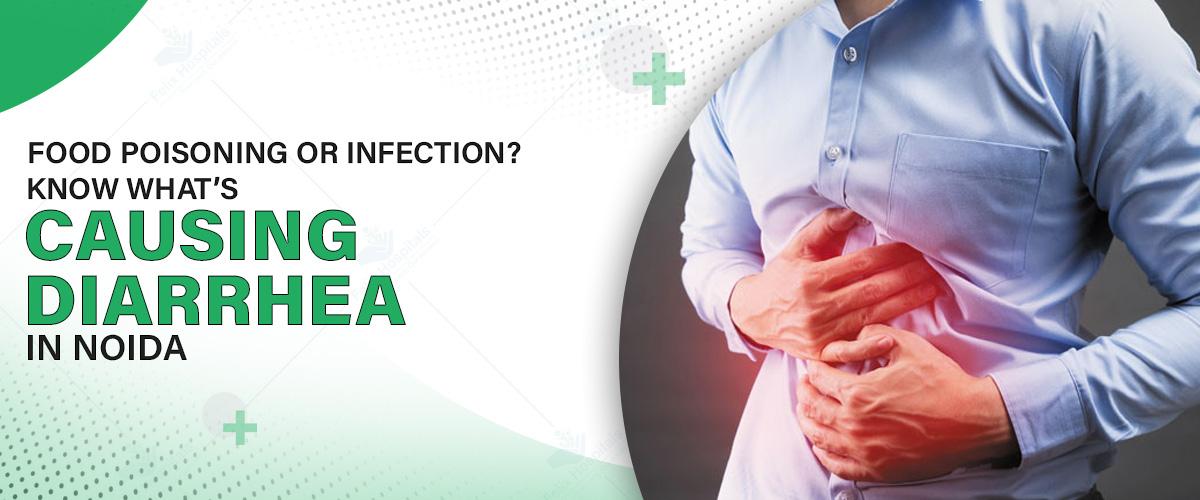
Diarrhea ranks among the most prevalent gut problems people in Noida experience during seasonal changes and increased humidity. Although most instances are mild, others can indicate severe reasons such as food poisoning or infectious agents. Knowledge of the difference is essential for selecting the appropriate treatment and averting complications such as dehydration. Foodborne contamination, unsafe water, or exposure to viruses are all triggers—though symptoms may overlap.
This blog assists you in determining the cause of diarrhea, deciding whether food borne toxin or infection is the issue, and understanding when to seek attention and when you need to go at the best pediatric hospital in Noida. If the affected person or your loved one is getting prolonged symptoms, doing something early can make a significant difference in recovery.

Reach out to our team of digestive care specialists by calling +91 9667064100 if your diarrhea persists for more than 48 to 72 hours or if you have red flag symptoms.
Cause: Toxins produced by bacteria like Salmonella, E. coli, Clostridium perfringens, or Bacillus cereus in food contaminated or stored in a faulty manner.
Onset: Sudden—typically within 2 to 6 hours, at times up to 24 hours after consuming contaminated food.
Symptoms: Intense sudden nausea, vomiting, cramps, diarrhea. There may be fever. Most will clear up in 1–3 days with rest and fluids.
Cause: Bacterial infection (Campylobacter, Shigella, Salmonella), viral infection (norovirus, rotavirus), or parasitic infection (Giardia, Cryptosporidium).
Onset: Usually slower—symptoms 12–72 hours after exposure, sometimes even days afterward with parasites.
Symptoms: Fever, cramps, potential mucus or blood stools (particularly bacterial), nausea, and longer course of 4–10 days or longer.
If your child has signs of gastrointestinal upset or diarrhea that lasts for a long time, it's crucial to seek the attention of a pediatrician for proper diagnosis and on-time treatment. Early treatment not only makes your child recover quicker but also averts complications as well as the transmission of infection to others.
Timing: Sudden onset (hours) → probably toxin‑induced food poisoning. Prolonged onset (days to weeks) → probably infection or parasite.
Stool appearance: Bloody or mucus‑containing diarrhea indicates bacterial etiology; watery but odorless usually viral or parasitic.
Associated symptoms: Vomiting and cramps predominate in food poisoning; fever, prolonged duration, and systemic manifestations more typical of infections.
Exposure history: Food illness with a shared meal → suspect bacterial toxins, travel or contaminated water → parasitic or viral infection more likely.
Hydrate: Use WHO-type ORS or equivalent fluids (sugar + salt) to avoid dehydration. Salted rice water or weakly salted yogurt beverages are alternatives.
Light eating: After the nausea has passed, experiment with bland foods such as khichdi, yoghurt, bananas, apple puree, toast. Do not use milk if the stool is loose.
Antidiarrheal drugs (such as loperamide) are avoided if the individual has fever or bleeding diarrhea.
Antibiotics are reserved only for prescription—most resolve without them.
Hygiene precautions: Hand washing thoroughly, particularly after the use of the bathroom or before food handling; disinfection of surfaces to avoid transmission.
Early treatment guarantees optimum results and aids your child's overall development and well-being under the best pediatrician in Noida.
Blood-stained stool or vomiting
High temperature (>102 °F / 39 °C)
Symptoms of dehydration (extremely low urine output, dizziness, parched mouth)
Diarrhea that doesn't improve and lasts longer than 3 days
Severe tummy pain or confusion.
Wash hands always before eating and after visiting the bathroom.
Cook food well, chill leftovers immediately under refrigeration.
Don't eat raw or undercooked meat and dairy.
Drink boiled or bottled water, especially infants and older people.
When traveling, don't eat street food or select safe, sanitary vendors.
Use good sanitation at home to limit parasite contact.
Children should have appropriate immunizations (e.g. rotavirus vaccine).

Do you have concerns about repeated infections or food reactions? Contact now to schedule a follow‑up appointment for individualized preventive counseling
Regardless of whether it's due to food poisoning or an infection, diarrhea must never be taken lightly—particularly if the symptoms are severe, persistent, or recurring. Knowing the cause ensures appropriate treatment, faster recovery, and prevention of recurrence. In Noida, where there's been rampant urbanization with higher food and water risks, attentiveness to hygiene habits and warning signs is crucial. Rehydration, relaxation, and proper diet may help most mild cases, but early detection is the key when they get severe. Don't forget that early action not only restricts the spread to others but also saves your health at the right moment and at a reasonable cost in Noida. Know your facts, eat wisely, and think about your digestive health.
Q1. How long after eating a meal will I know if it was contaminated?
Ans: Food poisoning caused by toxins typically hits within 2–6 hours; infections or parasites may take 12 hours to several days or weeks.
Q2. Can food poisoning be reproduced by viral gastroenteritis?
Ans: Yes—viral infections such as norovirus may bring on sudden vomiting and diarrhea like food poisoning, but typically 12–48 hours from the time of exposure, not within hours.
Q3. Is it okay to offer oral rehydration beverages to my child with diarrhea?
Ans: Certainly. WHO-recommended ORS or equivalent homemade oral fluids are safe and adequate for prevention of dehydration—even in children.
Q4. Could my diarrhea be due to the antibiotics I took a few days ago?
Ans: Diarrhea associated with antibiotics, such as C. difficile infection, can occur days to weeks after drug; proper testing and targeted treatment can be necessary.
Looking for reliable treatment for diarrhea in Noida? Discover top-rated clinics and hospitals offering expert gastroenterology care, accurate diagnosis, and fast relief. Get treated by trusted specialists using modern techniques and patient-first approac
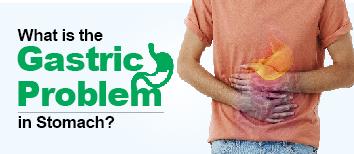
Gastric problems occur when excess acid or digestive disturbances affect the stomach lining, causing symptoms like bloating, acidity, and pain. Timely diagnosis ensures effective treatment.
Expert gastroenterology care for better digestive health, offering advanced diagnosis and treatment for GERD, IBS, ulcers, and liver disorders.


Subscribe to our
© Copyright 2026. All Rights Reserved by Felix Healthcare Private Limited
Design and development by :


 +(91)9667064100
 Emergency : +(91)9667064100