 Emergency:
  WhatsApp


Subscribe to our

Diarrhea is a common gastrointestinal disorder that involves loose, watery stools occurring more often than normal. Most cases of mild diarrhea clear up on their own, but frequent episodes may cause severe complications—particularly for children, older people, and those with weakened immune systems.
Choosing the best pediatric hospitals in Noida for diarrhea treatment can be the difference between a quick and effective recovery and prolonged suffering. This article outlines what good care entails and discusses how Felix Hospital provides cutting‑edge, patient‑oriented treatment.

Book your child's pediatric diarrhea consultation at Felix Hospital for experienced diagnosis, compassionate care, and dietary advice by calling +91 9667064100.
When you have diarrhea, your poop is loose or watery. Most people flinch when they hear the word because it's so common. It never stops being gross to think about thin, sickly-looking poop in the toilet.
Acute diarrhea: Relatively brief in duration and usually due to food or infection issues.
Chronic diarrhea: Lasts for over two weeks and can be a sign of underlying gastrointestinal disease or food intolerances.
Frequent, loose, or watery stools
Abdominal cramping or pain
Bloating and gas
Nausea or vomiting
Fever in infection-related diarrhea
Signs of dehydration: Dry mouth, reduced urine production, weakness, or dizziness
Awareness of the underlying cause of diarrhea—infectious, dietary, or medical—is critical to proper treatment and prevention of complications.
When considering treatment, the best facilities will have:
Proper diagnosis of diarrhea's cause is essential. A good facility will have:
Stool microbial cultures and rapid antigen/PCR for infections
Blood panels to evaluate dehydration markers (electrolytes, renal function)
Imaging—such as abdominal ultrasound or endoscopy—if necessary to exclude structural causes or complications
Recovery is best when:
Oral Rehydration Solutions (ORS) with correct electrolyte balance
Intravenous fluids in moderate to severe cases, adjusted per patient’s weight and condition
Dietary counseling and nutritional supplements for post-illness gut recovery, including baby/youth feeding plans
Facilities must offer:
Specialized pediatric diagnostics and treatment protocols
Child-friendly wards and interaction areas
Gastroenterology input for chronic or recurrent diarrhea
Nutrition experts for children and adults
To limit spread in high-volume hospital:
Impeccable sterilization and privacy protocols
Segregated facilities for suspected infectious cases
Routine facility cleaning and preventive measures
High-quality treatment facilities offer:
24/7 emergency access for dehydration or extreme symptoms
Telehealth follow-up care with nurses or the best pediatric doctor in Noida
Digital health record systems for continuity and reminders
Here's how Felix Hospital provides level-one treatment and results:
Upon arrival, patients are given:
Detailed review of symptoms: frequency of bowel movements, blood or mucus, duration
Hydration assessment: weight, skin turgor, urine output, tear testing
Brief but pertinent medical history: recent travel, food changes, previous antibiotics, chronic diseases
Diagnostic strategy encompasses:
Stool testing, such as wet mount, culture, and rapid pathogen analysis
Blood testing with emphasis on electrolyte status, kidney function, and risk for dehydration
Imaging and endoscopy in case of red flags (e.g., unexplained pain, ongoing bleeding)
Care pathways are individualized according to severity:
Mild: oral rehydration therapy (ORS) and dietary advice
Moderate to severe: intravenous fluids with balanced electrolyte replacement
Nutritional support and phased resumption of bland foods
Where needed, treatment can involve:
Antibiotics guided by stool culture sensitivity
Antidiarrheal agents under medical direction—dependent on age and hospital need
Probiotics or gut‑supporting agents as appropriate
For inpatient management:
Ongoing monitoring of vitals and fluid status
Recurring re-assessment of frequency of stool and hydration
Discharge procedures including dietary charts and hydration schedules
Post-discharge care includes:
Telemedicine check-ins scheduled for follow-up and dosage adjustment
Health reminders through digital patient portal
Outpatient consultation access for recurrence or complication
Children need special attention:
Weight-based dosing and hydration schedules
Reactivity to therapies varies among adults, specific forms, tastes, and amounts
Reliable pediatric nutrition guidance to safely resume feeding
Soothing, child-focused physical environments to alleviate stress during testing
Felix Hospital works with the best pediatricians nearby to treat diarrhea at every stage, providing parents and kids with hospital precision and comfort.
Integrated Approach: Smooth integration of diagnostics, treatment, nutrition, and follow-up
Pediatric-friendly Facilities: Child‑friendly environment with specific protocols
Strict Hygiene Standards: Adherence to infection control practices to protect all patients
Round‑the‑Clock Support: Emergency and telecare access at any hour
Digital Health Tools: Patient portals for scheduling, records, and reminders
While personal data remains confidential, many patients share that:
They experienced rapid relief from fluid replacement and medical care
Children stayed calm and cooperative due to engaging and gentle staff
Post‑visit guidance always included clear dietary plans and hydration tips
Follow-ups via telehealth assured them of complete recovery
Practical measures to ensure digestive well-being:
Hand washing before meals and after toilet use
Washing raw foods thoroughly, and eating fully cooked food
Drinking solely boiled or sealed bottle water, particularly when traveling
Steering clear of high-risk street food or unpasteurized milk
Maintaining vaccinations where applicable (e.g. rotavirus vaccine in infants)
Following recovery, pay attention to:
Careful reintroduction of low‑fiber, soft foods
Avoiding such heavy spicy or high-fat foods until gut flora returns to normal
Replacing fluids (water, ORS, clear broths) and eating well
Monitoring stool consistency and frequency; if symptoms return, seek care
Routine screenings if frequent episodes recur to rule out chronic disorders
Call Felix Hospital's 24/7 helpline or make an appointment online to get timely evaluation and tailor-made care.
Diarrhea is a ubiquitous disease, but its impact—i.e., dehydration, electrolyte imbalance, and loss of nutrients—can escalate rapidly. Particularly in a dynamic and developing city like Noida, it is crucial to have access to a health care facility that provides end-to-end care.
Felix Hospital is unique in its diagnostic profundity, treatment experience, pediatric preparedness, infection-control stringency, and inclusive follow-up. Whether a patient is experiencing a brief illness or requires customized care for a child, Felix Hospital matches medical excellence with compassionate care at an affordable cost in Noida, just because of your care.
Q1. How much does it usually cost to treat diarrhea in Noida?
Ans: Depending on the severity of the condition and the services needed, treatment costs range from ₹500 for outpatient mild care to ₹20,000 or more for hospitalization with investigation and IV fluids.
Q2. Which Noida children's hospital has a friendly environment for treating digestive problems?
Ans: The best children's hospitals have brightly colored wards, play areas, trained staff, and gentle diagnostic tools to keep kids calm during treatment.
Q3. How can I get a trustworthy pediatrician in my locality for chronic diarrheal conditions?
Ans: You can get trustworthy pediatricians from hospital listings within your local area, telemedicine websites, referrals, and pediatric gastroenterology hospitals.
Q4. When do you recommend approaching a pediatric surgeon for diarrhea complications?
Ans: A pediatric surgeon is only required for significant complications such as intestinal obstruction, ongoing bleeding, or perforation associated with diarrhea symptoms.

During sleep, the body releases growth hormones, which are essential for a child's growth and development. Adequate sleep is vital for muscle development, tissue growth, and the overall physical health of a child.
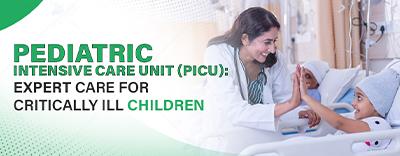
Pediatric Intensive Care Unit (PICU): Expert care for critically ill or injured children requiring constant monitoring and advanced life support. Our specialized team ensures round-the-clock treatment in a safe, child-friendly environment.

Subscribe to our
© Copyright 2026. All Rights Reserved by Felix Healthcare Private Limited
Design and development by :


 +(91)9667064100
 Emergency : +(91)9667064100