 WhatsApp
 Emergency:
  WhatsApp















Subscribe to our


Learn 10 simple and effective remedies to relieve post-C-section back pain. Improve posture, reduce discomfort, and speed up recovery with safe, doctor-recommended methods.

Balanced diet is key to good health. Learn its definition, importance, and how it helps in maintaining energy, immunity, and overall well-being.
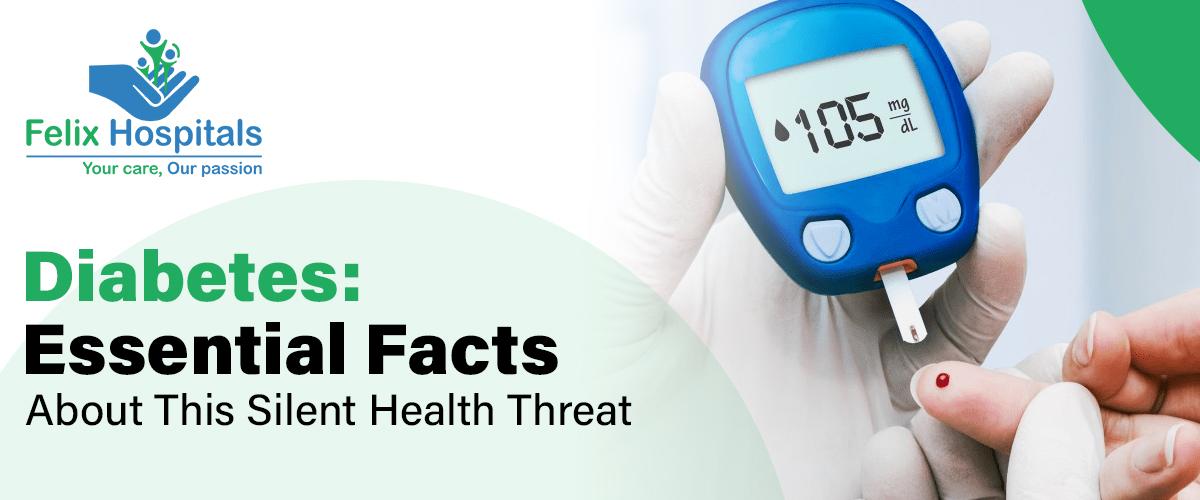
Diabetes is a chronic disease that affects millions worldwide, characterized by the body's inability to properly use or produce insulin. This essential hormone regulates blood glucose levels, and when it becomes compromised, it leads to hyperglycemia and potential damage to multiple organ systems, including nerves and blood vessels. For maintaining normal blood sugar levels, consider seeking care at a specialized diabetes hospital.
India is often referred to as the ‘Diabetes Capital of the World’, accounting for 17% of the total number of diabetes patients globally.
Learn more about our Diabetology services, please contact us at +91 9667064100.
Table of Contents
Diabetes manifests in several forms, each with its own unique characteristics and impacts on health. The three main types of diabetes include:
Formerly known as insulin-dependent or juvenile diabetes, type 1 diabetes is an autoimmune condition marked by insufficient insulin production. In this form, the body's immune system mistakenly attacks and destroys the insulin-producing beta cells in the pancreas. As a result, little or no insulin is produced, necessitating daily insulin administration for survival. Type 1 diabetes primarily affects younger populations, typically developing in childhood or adolescence, though it can occur at any age.
Type 2 diabetes is the most common form, accounting for over 95% of all diabetes cases globally. It develops when the body becomes resistant to insulin or does not produce enough insulin to maintain normal blood sugar levels. This form of diabetes is often associated with lifestyle factors such as obesity, lack of physical activity, and poor diet. Genetics also play a role, with certain ethnic groups showing a higher predisposition to developing type 2 diabetes. Unlike type 1 diabetes, type 2 diabetes is largely preventable through lifestyle modifications and is often manageable through a combination of diet, exercise, and medication.
This type occurs during pregnancy and is characterized by elevated blood sugar levels in women who did not previously have diabetes. Hormonal changes during pregnancy can affect insulin sensitivity, leading to increased blood glucose levels. While gestational diabetes usually resolves after childbirth, both the mother and child are at higher risk of developing type 2 diabetes later in life. Close monitoring and management during pregnancy are crucial to ensure the health of both the mother and the developing fetus.
1. Genetics: Family history and specific genetic markers.
2. Insulin Resistance: Cells become less responsive to insulin.
3. Autoimmune Response: Immune system attacks insulin-producing cells.
4. Obesity: Significant risk factor for type 2 and gestational diabetes.
5. Physical Inactivity: Sedentary lifestyle increases risk.
6. Age: Risk increases with age, especially after 45.
7. Ethnicity: Higher risk in certain ethnic groups (e.g., African Americans, Hispanics/Latinos, American Indians).
8. Hormonal Changes: Pregnancy-related hormonal changes can cause gestational diabetes.
9. Environmental Triggers: Certain viruses may trigger type 1 diabetes.
The symptoms of diabetes can vary in severity and onset:
Increased Thirst and Urination (Polydipsia and Polyuria): As excess glucose builds up in the bloodstream, the kidneys work harder to filter and absorb it. When the kidneys can't keep up, the excess glucose is excreted into the urine, dragging along fluids from tissues. This leads to more frequent urination, which in turn can cause dehydration. As you drink more fluids to quench your thirst, you'll urinate even more.
Blurred Vision: High blood sugar levels can cause the lens in the eye to swell, changing its shape and affecting its ability to focus, resulting in blurred vision. If left untreated, diabetes can lead to more severe eye problems, including diabetic retinopathy.
Fatigue: When your body can't efficiently use glucose for energy, you may feel unusually tired and lethargic, even after adequate rest. This fatigue can be particularly pronounced in individuals with undiagnosed or poorly managed diabetes.
Unexplained Weight Loss: Despite normal or increased food intake, individuals with uncontrolled diabetes, especially type 1, may experience rapid weight loss. This occurs because when there isn't enough insulin to help the body use glucose, the body starts burning fat and muscle for energy instead.
Slow-Healing Wounds: High blood sugar levels can affect blood circulation and damage the body's nerves, making it harder for wounds to heal. This is particularly problematic in the extremities, such as the feet.
Increased Hunger (Polyphagia): As the body's cells are starved for energy (due to the inability to use glucose effectively), you may feel constantly hungry.
Numbness or Tingling in Hands or Feet: This symptom, also known as diabetic neuropathy, occurs when high blood sugar levels damage nerve fibers, particularly in the extremities.
Untreated or poorly managed diabetes can lead to serious complications, including:
Cardiovascular Disease: Diabetes significantly increases the risk of various cardiovascular problems, including coronary artery disease with chest pain (angina), heart attack, stroke, and narrowing of arteries (atherosclerosis). The risk is so high that heart disease and stroke are the leading causes of death among people with diabetes.
Kidney Disease (Nephropathy): Diabetes is a leading cause of chronic kidney disease and end-stage renal disease, requiring dialysis or kidney transplantation. The kidneys contain millions of tiny blood vessel clusters that filter waste from the blood. Diabetes can damage this delicate filtering system.
Eye Problems (Retinopathy): Diabetes can damage the blood vessels of the retina, potentially leading to blindness. Diabetes also increases the risk of other serious vision conditions, such as cataracts and glaucoma.
Nerve Damage (Neuropathy): Excess sugar can injure the walls of the tiny blood vessels that nourish your nerves, especially in the legs. This can cause tingling, numbness, burning or pain that usually begins at the tips of the toes or fingers and gradually spreads upward. Poorly controlled blood sugar can eventually cause you to lose all sense of feeling in the affected limbs.
Foot Problems: Nerve damage in the feet or poor blood flow to the feet increases the risk of various foot complications. Left untreated, cuts and blisters can develop serious infections, which may heal poorly. These infections may ultimately require toe, foot or leg amputation.
Skin Conditions: Diabetes may leave you more susceptible to skin problems, including bacterial and fungal infections.
Hearing Impairment: Hearing problems are more common in people with diabetes.
Alzheimer's Disease: Type 2 diabetes may increase the risk of Alzheimer's disease. The poorer your blood sugar control, the greater the risk appears to be.
Depression: Depression symptoms are common in people with type 1 and type 2 diabetes. Depression can affect diabetes management.
Preventing diabetes and its complications is crucial. Lifestyle changes are the cornerstone of prevention:
Healthy Weight: Maintaining a healthy body weight is one of the most effective ways to reduce the risk of developing type 2 diabetes. Even a modest weight loss of 5-7% of body weight can significantly lower the risk. Patients should follow a balanced diet and maintain a sugar patient diet chart to manage their blood sugar levels effectively.
Physical Activity: Engaging in at least 150 minutes of moderate-intensity aerobic activity or 75 minutes of vigorous-intensity aerobic activity per week helps control blood sugar levels, improves cardiovascular health, and aids in weight management. This can include activities like brisk walking, cycling, swimming, or dancing.
Healthy Diet: A balanced diet low in sugar and saturated fats, and rich in fruits, vegetables, whole grains, and lean proteins supports blood sugar control. The Mediterranean diet and the DASH (Dietary Approaches to Stop Hypertension) diet have shown particular benefits for diabetes prevention and management.
Avoiding Tobacco: Smoking increases the risk of diabetes and diabetes-related complications. Quitting smoking can lower these risks substantially.
Limiting Alcohol Consumption: Excessive alcohol intake can contribute to weight gain and increase diabetes risk. If you choose to drink, do so in moderation.
Regular Health Check-ups: Regular screenings can help detect prediabetes or diabetes early, allowing for prompt intervention.
Stress Management: Chronic stress can affect blood sugar levels. Techniques such as meditation, yoga, or deep breathing exercises can help manage stress effectively.
Early diagnosis is essential for effective management. Diagnostic tests such as blood glucose testing are simple and inexpensive:
Type 1 Diabetes: Requires lifelong insulin therapy.
Type 2 Diabetes: Managed through lifestyle changes, oral medications, and sometimes insulin therapy.
Medications: Examples include metformin, sulfonylureas, and SGLT-2 inhibitors, which help regulate blood sugar levels.
Medical Care: Regular foot exams, kidney screenings, and eye exams are crucial for preventing complications.
While diabetes is a chronic condition, many people with diabetes lead full, active lives. Successful management requires:
Education: Understanding the condition, its management, and potential complications.
Self-Management: Taking an active role in monitoring blood sugar, administering medications, and making lifestyle choices.
Support: Engaging with healthcare providers, support groups, and loved ones for emotional and practical support.
Technology: Utilizing diabetes management tools like continuous glucose monitors and insulin pumps when appropriate.
Dr. Vimal Gupta is a seasoned general physician with over 15 years of experience. He specializes in managing conditions such as Diabetes, Obesity, Calcium, and Electrolyte-Imbalance Disorders. Dr. Gupta is dedicated to providing comprehensive care, focusing on preventive measures and personalized treatment plans to improve the health and well-being of his patients.
Contact us today to schedule an appointment or learn more about our extensive range of services at +91 9667064100.
Diabetes is a lifelong condition that needs proper care and monitoring. Consulting the Best Diabetes Doctor in Noida can help you manage blood sugar levels, prevent complications, and live a healthy life with the right treatment and guidance in Noida
Q1. How does diabetes affect life?
Ans. Diabetes can have a significant impact on daily life. It requires careful management of blood sugar levels, which can affect energy levels, mood, and overall well-being. Uncontrolled diabetes can lead to serious health complications such as heart disease, kidney damage, vision loss, and nerve damage.
Q2. What is the main reason for diabetes?
Ans. The main reasons for diabetes include:
- Type 1 diabetes: Autoimmune destruction of insulin-producing cells in the pancreas.
- Type 2 diabetes: Insulin resistance, where the body's cells do not respond effectively to insulin, and the pancreas cannot produce enough insulin to overcome this resistance.
- Gestational diabetes: Hormonal changes during pregnancy that can lead to insulin resistance.
Q3. How to reduce blood sugar levels?
Ans. Blood sugar levels can be managed through:
- Medication: Insulin and other medications prescribed by a healthcare provider.
- Diet: A healthy diet low in sugars and refined carbohydrates.
- Exercise: Regular physical activity helps lower blood sugar levels.
- Monitoring: Regularly checking blood sugar levels to track progress and make adjustments.
Q4. What are the first signs of being diabetic?
Ans. Early signs of diabetes can include:
- Feeling very thirsty
- Urinating more often than usual, especially at night
- Feeling very tired
- Unexplained weight loss
- Blurred vision
- Slow-healing wounds or frequent infections
Q5. Can diabetes be cured?
Ans. There is currently no cure for diabetes. Type 1 diabetes requires lifelong insulin therapy. Type 2 diabetes can sometimes be managed with lifestyle changes, but often requires medication to control blood sugar levels.
6. What is end-stage diabetes?
Ans. End-stage diabetes refers to the most severe complications of diabetes, including widespread damage to organs such as the kidneys, heart, eyes, and nerves. This stage is characterized by significant health problems and the need for extensive medical care.
7. What organs are affected by diabetes?
Ans. Diabetes can affect several organs, including:
Heart: Increases the risk of heart disease and stroke.
Kidneys: Can lead to diabetic nephropathy (kidney damage).
Eyes: Can cause diabetic retinopathy (damage to the retina).
Nerves: Can cause diabetic neuropathy (nerve damage), which can lead to pain, numbness, or problems with digestion or urination.

Manage diabetes effectively with a well-planned Indian vegetarian diet chart. Explore healthy meal options and tips for blood sugar control.


If you are having any physical pain in your body due to factors like illness, injury, sudden stroke or aging, a physiotherapist can help you to overcome the pain through various therapies like electrotherapy, heat and cold packs, exercise etc.
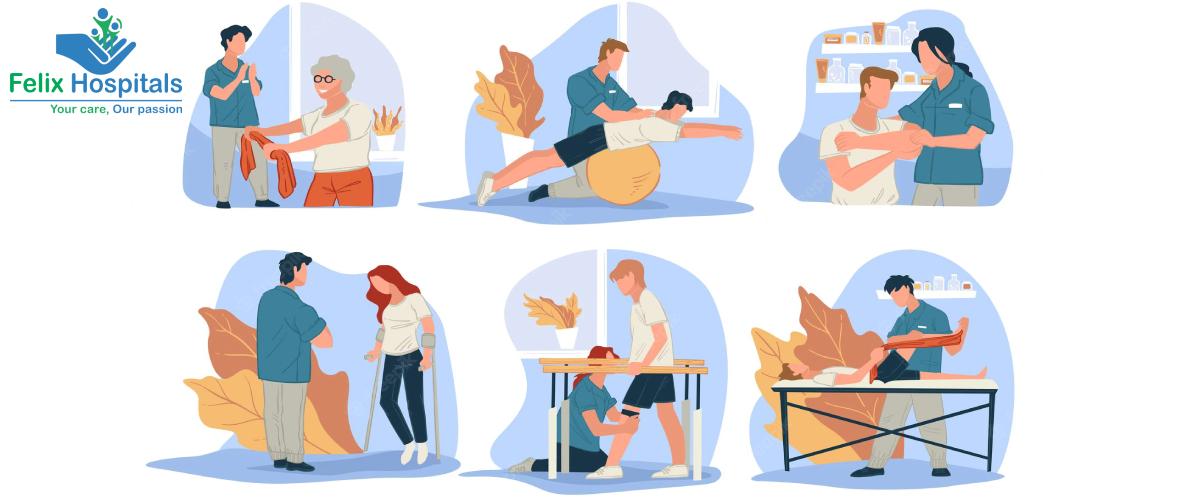
If you are having any physical pain in your body due to factors like illness, injury, sudden stroke or aging, a physiotherapist can help you overcome the pain through various therapies like electrotherapy, heat and cold packs, exercise, and manual therapy. Choosing the Best Physiotherapy Hospital in Noida ensures that you receive advanced treatment, proper diagnosis, and personalized rehabilitation programs for faster and safer recovery.
An expert physiotherapist is well trained to understand not only the patient’s physical condition but also their mental well-being.
You can find many physiotherapists nearby through online and offline sources, but selecting the right specialist is very important. Because one wrong move or therapy can be more harmful than not getting treated at all.
Don’t let pain control your life—book your appointment today at +91 9667064100.
1. Go to a professional and well known physiotherapy hospital - It is important that you find a physiotherapist who is well known in the fraternity You can also choose a Physiotherapy Hospital, where, you can get all the consultants under one roof.
2. Check with your physiotherapy hospital regarding availability of all the advanced and required instruments for therapy. And also check, if their panel has more good physiotherapist if the one who is treating you is unavailable.
A friend, doctors, and the rush at the hospital can help you to identify the best physiotherapist near you. The reputation of the hospital or clinic should also be checked.
3. A physiotherapist should be friendly and encouraging. A little encouragement from experienced physiotherapist can do wonders in your treatment. It not only improves your health physically but also mentally.
4. Do not get confused just by seeing the advertisement of physiotherapy as the field is full of quacks. To get a genuine physiotherapist always visit a registered physiotherapist.
5. You should carefully choose physiotherapy clinics which can give time to its patients and understand their needs and not rush for treatments.
6. You should also check the cleanliness of the clinic where the physiotherapist is practicing. The place should be hygienic with proper privacy to its patients. The physiotherapist should be well trained by the health authorities.
If you have any queries or issues related to your physical pain like arthritis, frozen shoulder, golfer elbow, neck pain, back pain etc. You can visit our hospital and meet the best physiotherapist in noida panel near you.

Frozen shoulder is a common condition in which the shoulder stiffens, reducing its mobility. It commonly affects people aged between 40 and 60 years, and it is more likely in women than in men.

Get personalized care from experienced physiotherapists in the comfort of your home, tailored to meet your specific needs for faster recovery.
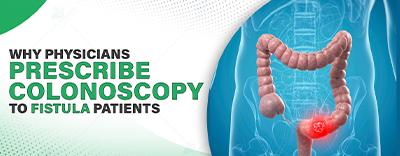
Physicians often recommend colonoscopy for fistula patients to identify underlying conditions like Crohn’s disease, detect infections, or rule out colorectal cancer.

Felix Hospital in Noida is well known for its general practitioners who offer holistic treatment for different health issues, like the common cold and coughs.

Back pain, a common issue affecting millions, can range from a dull, constant ache to a sudden, sharp pain. It can be caused by many factors, but one possible cause is a slipped disc, also known as a herniated disc.
A slipped disc occurs when the soft, cushion-like discs between your spine's bones get damaged. This can happen due to lifting heavy objects, twisting awkwardly, poor posture, or simply from wear and tear over time. When a disc slips, it can press on nearby nerves, causing pain, numbness, or weakness in your back. Sometimes, this pain can even extend to your legs or arms.
Feeling tired all the time from dealing with back pain? If you’re experiencing persistent discomfort, it might be due to a slipped disc. In such cases, consulting an experienced Back pain doctor in Noida is important for proper diagnosis and effective treatment. Early care can help prevent complications and improve your quality of life.
A disc helps protect the bones of the spine by absorbing shocks from daily activities such as lifting, twisting, and walking. The discs of the spine are also called intervertebral discs.
Most of the time, the affected area is the lower back, but any disc in the spine can be ruptured, including those in the neck. Seeking timely medical advice can help you recover faster and return to your normal routine.
Book Your Appointment One click at +91 9667064100
Slipped disc does not mean that the disc actually got slipped. But it means that it got ruptured, split or bulged. This rupturing of disc can fail the nearby tissues along with the disc cartilage, which allows the inner gel of the disc to escape into the surrounding area. This jelly-like substance may put pressure on the spinal cord or any adjacent nerve which can cause symptoms like pain, weakness and numbness in that area. The condition is also referred as ruptured disc, herniated disc, prolapsed disk.
Symptoms of a slipped Disc can be from mild to severe and can vary from person to person.
Pain extending from your back to your arms and neck
Back pain while standing and even sitting
Muscle weakness
Itching, burning, tingling in the affected area
Numbness and pain on one side of the body
Back pain that worsens at night and after certain movements
The severity and type of pain may vary from person to person. One must not delay in consulting a doctor if one experiences back pain that results in tingling and affects their ability to control their muscles.
Your healthcare provider will conduct a thorough examination to diagnose a herniated disc/slipped disc. During the physical exam, they will evaluate your pain, muscle reflexes, sensation, and muscle strength. Additionally, they will inquire about symptoms like back pain and tiredness, as these can be key indicators of a herniated disk and its impact on your overall health. Understanding the extent of your discomfort and fatigue helps in developing an effective treatment plan.
They may order several tests, such as:
Magnetic Resonance Imaging (MRI): This is the most common and accurate imaging test for diagnosing a suspected herniated disk.
X-rays: X-rays are used to rule out other causes of back or neck pain.
Computed Tomography (CT): A CT scan provides detailed images of the bones in your spine. It can show if herniated disks have moved into the space around your spinal cord and nerves and if they are pressing on them.
Myelogram: This involves an injection of dye into your spine, guided by X-ray, followed by a CT scan. The dye highlights a narrowing of the spinal canal (spinal stenosis) and the location of the herniated disk.
Electromyogram (EMG): Small needles are inserted into various muscles to evaluate nerve function. An EMG helps identify which nerve is affected by the herniated disk.
The treatment depends on how severe the problem is. It can be treated through conventional methods like medicine and physiotherapy to surgery.
There are four cases of a slipped disc. Starting from mild to severe, they include disc bulge, disc protrusion, disc extrusion and disc sequestration. In case of bulging disc, a patient is advised to get physiotherapy done. Along with physiotherapy, some muscle relaxants may also be given. But in a sequestration disc, when the inner jelly-like part completely falls out, detaching itself, surgery is recommended, followed by physiotherapy.
For those in need of slip disc treatment in Noida, specialized care is available at Felix Hospital to address the severity of the condition. Surgery is preferred when the pain starts traveling from the back to the legs and becomes persistent.
An untreated, severe slipped disc can result in permanent nerve damage. In very rare instances, a slipped disc can interrupt nerve impulses to the cauda equina nerves in your lower back and legs, potentially leading to loss of bowel or bladder control.
Another serious complication is called saddle anesthesia. In this condition, the slipped disc compresses nerves, causing a loss of sensation in your inner thighs, the back of your legs, and around your rectum.
Additionally, a slipped disc can cause persistent back pain and feelings of tiredness, impacting your overall quality of life. While symptoms of a slipped disc may improve over time, they can also worsen. If you find yourself unable to perform activities you once could, or if you experience persistent tiredness and back pain, it’s important to see your doctor.
Your Sedentary lifestyle - Sitting all day with no exercise can make your muscles weak and can increase your chances of getting slipped disc, says Best Physiotherapist in Noida. Nine to five job where we all just sit with our backs hunched puts us at risk. This type of lifestyle can make you both sad and sick.
Gym – Gym is a good way to keep yourself in shape. But doing the exercise in a right way is also important for your own safety. You should take proper guidance from your gym instructor while lifting weights in order to avoid any kind of back injury.
Smoking - We all know that smoking is injurious to health and it can also put you at a risk of getting slipped disc. Smoking reduces blood circulation to the inner and outer part of the disc, making it weak. When the disc becomes weak then even a slightest jerk or injury can make it fall out of place and cause slipped disc.
Stress - Any mental stress can also increase your chances of getting slipped disc. When a person is stressed, his/her muscles become stiff and tight. In this case, even a slight shock or jerk can cause the disc to bulge, says physiotherapist of Felix Hospital.
Obesity - If a person is overweight, the discs will have to bear extra pressure, which definitely can lead to the problem of slipped disc.
Sitting smartly, standing smartly and walking smartly are the keys to avoid any kind of back problem.
If you have any queries or issues related to your physical pain like arthritis, frozen shoulder, golfer elbow, neck pain, back pain etc. You can visit Felix hospital and meet the best orthopedic and physiotherapist panel near you.
Maintaining a healthy lifestyle helps prevent and manage a slipped disc. Regular exercise, proper posture, and avoiding smoking, stress, and obesity can reduce your risk. If you notice symptoms, consult a good orthopaedic doctor near me for early diagnosis and proper treatment to protect your spine and overall health.
Q1. Why do I feel so tired and my back hurts?
A: Fatigue and back pain can be caused by various factors such as poor posture, muscle strain, stress, lack of sleep, or underlying medical conditions like anemia or thyroid disorders. It’s important to assess your lifestyle and consult a healthcare provider if symptoms persist.
Q2. How do I know if my back pain is serious?
A: Back pain is considered serious if it is accompanied by symptoms like numbness, weakness, fever, unexplained weight loss, or if the pain persists for more than a few weeks. If you experience these symptoms, you should see a ortho specialist immediately.
Q3. How do I know if my back pain is organ-related?
A: Back pain that is organ-related may be accompanied by symptoms like nausea, vomiting, changes in bowel or bladder habits, or pain that radiates to other areas such as the abdomen. Consult a healthcare provider to determine the cause of your pain.
Q4. What are the red flags for back pain?
A: Red flags for back pain include severe pain that doesn't improve with rest, pain that radiates down the legs, numbness or tingling, difficulty walking, loss of bladder or bowel control, and a history of cancer or osteoporosis. If you experience these symptoms, seek medical attention promptly.
Q5. What causes fatigue and back pain?
A: Fatigue and back pain can be caused by a combination of physical and psychological factors such as muscle strain, poor posture, lack of physical activity, stress, depression, and chronic medical conditions like fibromyalgia or arthritis.

Orthopedics is a specialized branch that takes care of your musculoskeletal problems related to joints, bones, muscles, spine, ligaments, and tissues.

As the delivery date nears, several pregnant ladies are filled with anxiety due to the fear of the unknown. Arming yourself with the right knowledge helps you prepare for every situation and keeps you calm and confident. It is also important to stay in regular touch with a top rated gynecologist near me who can guide you properly throughout your pregnancy journey.
Giving birth to a baby is a tremendous responsibility. However strong a woman may be, at this stage of life she needs complete emotional and medical support, a caring hand to hold during labour pain, and proper pre-delivery guidance from an experienced doctor.
The following are some of the most helpful recommendations on how to prepare your body for labour.
For expert pregnancy care and safe delivery guidance, call now at +91 9667064100 to book your appointment.
These classes are conducted by birthing health professionals who specialize in various labour-coping techniques and preparation for normal delivery. The categories supply well-planned basic data regarding giving birth for to-be moms. The training doesn’t just involve lectures but also includes videos of childbirth as well as real stories of couples to help mothers understand pregnancy with a better perspective.
Pregnancy books and notes are also provided which explain various concepts such as positions preferred during childbirth, breathing patterns as well as techniques to focus on contractions.
Even before a pregnant woman goes to the maternity hospital on the day of delivery, she is going to expertise labour pain. Most hospitals tell the patient to come back to the hospital only if the contractions are returning frequently for five to ten minutes. During this time, the woman will be in constant pain and may feel anxious as she faces an uncertain situation.
The only way is to have patience and wait for the contractions to become regular and continuous. In these situations, try to remain calm and divert your mind from the pain by watching TV or by speaking over the phone with your dear ones.
Preparing for traditional delivery can ought to begin after you commit to get pregnant because it can assist you to require up the challenge of delivery confidently. You must understand the entire process of delivering a baby so that there are no unforeseen complications and you are prepared with contingency plans.
You can gather loads of data on-line by visiting varied connected websites and medical portals. For those who want a visual experience, you can even watch videos related to labour and childbirth.
You can discuss varied prospects of giving birth together with your gynecologist, such as what to do in case of a macrosomia baby, epidural, premature birth or C-section. One may become involved in varied initiatives relating to toiling with the assistance of labour coach and also the alternative full-fledged individuals.
Remember that not all labour strategies work effectively for every woman in pain, so it is best to know your options and be prepared.
For the woman suffering from pain, it will be a difficult time, and she needs the complete support from the people around. The labour coach, nurses and the doctors understand the situation that the mother is in as they deal with these situations on an everyday basis.
You should feel free to express yourself to the medical staff as they would be more than willing to help to lay to rest any fears that you may have. No hospital staff will resent you if you become irritated as they are trained to handle all pregnancy-related issues.
For pregnant women, time will be ticking, and uncertainty looms over them all the time. At any purpose of your time, pregnant women may have to leave for the hospital. One smart way to get ready for the occasion is to pack the bag beforehand and keep it ready.
You can have all the essentials ready for you such as a pair of clothes, comfortable footwear, medicines and other necessities.
The doctors and the nurses start the procedures immediately after you enter the hospital. You can always ask questions regarding the work they are doing.
Always find out about the tests or procedures that they carry out. The medical personnel can answer your queries associated with a way to be ready for labor on the delivery day.
When you are pregnant, you have a responsibility of a child inside you. Never be on your own even when you sleep or relax. Always have a person around you, someone who is close to you like your mother, sister, spouse or a friend.
You need someone who can understand your pain and give you emotional support whenever required.
There is a strong connection between the emotions and your body. Whenever you are under stress or feeling pressurized, your body gets rigid and stops responding to the laboring process.
You must remain free, confident and keep control over your emotions. Take your time and have your own pace while you deal with the pain. Do not be hesitant to ask for help if required but be focused.
While within the delivery area, you need to lie well and think about your respiratory. The inhaled breath slowly fills your body with air. Your belly supported by the ribcage slowly start filling with air. Thus, it expands the tissues on either side of vagina called perineum which helps ease the process of childbirth.
In order to face the labour process, breathe slowly and generate strength into the pelvic muscles of the body. Start pushing the baby by breathing deep and longer. You can have 10 seconds of countdown when you push hard with all your strength.
Keep your full body relaxed, including your head and neck. Keep your hands under your breasts and slowly push your baby down while you breathe. The labour pain will slowly subside as the woman starts pushing the baby slowly.
For pushing during labour, women can try different positions such as squat, lie on one side, sit on hands and knees, or lean forward. These positions help in reducing the pain and effectively pushing the baby.
Delivering a child is the most difficult part of being pregnant as a woman has to endure large amounts of pain. Little things like trying to be calm and having a loved one around you go a long way in helping you overcome this hurdle. Once the ordeal is over, you can take joy in the fact that you helped bring new life into the world.
Learn 10 simple and effective remedies to relieve post-C-section back pain. Improve posture, reduce discomfort, and speed up recovery with safe, doctor-recommended methods.


Protein powder supplements are a rage now. They sure have benefits – they help the body to meet its daily protein needs, and that too in a convenient way. Many people use them for muscle building, weight management, or recovery. However, excess intake of protein supplements often does more harm than good, leading to digestive issues, kidney strain, or nutritional imbalance.
If you are unsure about the right dosage or type of supplement for your body, it is always better to consult experts at the Best Dietetics & Nutrition Hospital in Noida for proper guidance and a personalized diet plan.
Call Now: +(91) 9667064100 to book your consultation today.
Our hair is made of keratin, which is a protein. So, it only makes sense to gorge on more protein, right? Well, maybe not.
‘Whey protein’ is also known to boost testosterone levels, which produce a chemical called DHT in the bloodstream. This chemical can often cause hair loss.
‘Whey protein’ is known to increase the production of a hormone called IGF-1, or insulin-like growth factor. Excess intake of protein can trigger sebum production which can further lead to acne.
Whey Protein and Casein Protein, the two most popular protein supplements are derived from milk. These are rich in lactose, which is a type of sugar naturally found in milk. Therefore, it is not a good choice for those who are lactose intolerant. And intake of these can be a cause for your upset stomach.
Excess intake of these proteins can also cause increased bowel movements, bloating, and even nausea. Other side effects include flatulence and diarrhea.
If taken in excess quantities, protein supplements can cause you to gain weight. And by weight, we mean fat. When your workout regimen does not match up to your protein intake, the unutilized calories get converted into fat. This fat gets piled up day by day, causing you to gain weight rapidly. It is surely not a good sign.
Research shows that excess consumption of whey protein can lower your blood pressure. It is always advisable to consult your family doctor before consuming protein supplements in your regular diet.
Though this can be good news for people suffering from high blood pressure. Consumption of these supplements can help in bringing down their blood pressure. But you should always consult physician near you before consuming it.
As protein is utilized by the body, it produces ammonia as a by-product. The ammonia is then converted into urea, which is eliminated from the body through urine. The logic is simple. If a person takes high amounts of protein, they produce large quantities of urea. It puts higher pressure on the kidneys as they filter out copious amounts of urea and calcium from the blood.
When large qualities of protein supplements are consumed over a long period, there is an increased risk of developing renal disorders.
Impairment of kidneys, kidney stones, and renal failure are the probable side effects of taking protein supplements in excess quantities.
Hormonal disruption is the major issue when it comes to soy-based protein supplements. While soy is rich in essential amino acids, it is also loaded with phytoestrogen. Phytoestrogen, when ingested, mimics the estrogen hormone and can send your endocrine system on a roller coaster ride.
95% of soy used to make protein supplements is genetically modified. The genetically modified soy contains a chemical called glyphosate, which is responsible for hormonal imbalance, miscarriage, and even birth defects in newborns.
The daidzein and genistein found in soy can cause erectile dysfunction, diminished libido, and enlarged breasts in men.
Having a diet of protein supplements, with no carbs, can push the body to the state of ketosis, wherein the body utilizes fat as the primary source of energy. This leads to high blood acidity levels.
Consistent high blood acidity is known to impair liver function and may result in severe liver disorders.
Also, taking excess ‘whey protein’ without exercising can lead to liver inflammation and increase the risk of serious liver injury.
It would be extremely wise of you, not to consume whey protein if you are on medication for osteoporosis – as it might decrease the absorption of the drug.
Whey protein can also interact with anti-platelet medications, anti-coagulant drugs, and NSAIDs (Non-Steroidal Anti-Inflammatory Drugs), thereby increasing the risk of bleeding.
There is a long list of drug interactions, which one must study before embracing the protein supplement fad. A supervised, recommended intake of protein supplements is okay. The problems set in when you go overboard.
The best way forward is to consult your physician before stacking your kitchen shelf with jars of expensive protein supplements.
Research shows that High-Protein Diets can make one dehydrated. This is why people on high-protein diets must drink a lot of water.
Protein sure is important. In fact, it is the building block of life. But taking it in excess is not advisable. So, keep a check on your protein intake. Ensure you get adequate of it, but do not go overboard.
Do share with us in the comments section below.
If you are looking for best super speciality hospital in Noida, Visit Felix Hospital in Sector 137 Noida or Call +(91)9667064100.

Explore 25 fruits and vegetables that are excellent sources of Vitamin D. Including these nutrient-rich foods in your diet can support strong bones, boost immunity, and enhance overall well-being naturally.

Maintaining a healthy lifestyle is important, in today’s scenario. It is common to hear about some or the other problem related to health faced by individuals. Your sedentary lifestyle and lack of physical exercise are the two major contributors for lifestyle disorder. To protect your healthy lifestyle, consider scheduling a checkup with a dietitian in Noida. Stay proactive and take action to maintain your health! An Indian diabetic diet chart can be particularly beneficial for adults, as it includes a variety of foods rich in protein, iron, and other essential nutrients.
Take Charge of Your Health Today! Call us at +91 9667064100 to book your appointment now!
Here are 9 habits you can include in your daily routine to lead a healthy lifestyle.
You should include a variety of food in your meal. Our body needs more than 40 different nutrients. Eating the same food everyday doesn’t give the required nutrients to the body.
It is important to have a balanced diet which will provide multiple nutrients required for your body.
Fruits and Vegetables are good sources for vitamins, minerals and fiber required by our body. We should include at least 4-5 servings daily. E.g. A glass of juice in the morning, one portion of fruit during snack time and rest (vegetables) can be taken during lunch and dinner.
The key to remaining healthy is by eating regularly and in the right amount. You should never starve yourself. Skipping a meal like breakfast, will lead to out of control hunger. And this will further result in binge eating or over eating of food. Eating in-between meals the meals will help you to control your hunger.
You can carry unsalted nuts, fruits, yogurt, dry fruits as snack items with you.
Also, you should pay attention to the portion you eat. Eating in right amount will help you to enjoy your food without having to eliminate it.
Drinking plenty of fluids keep your body hydrated. An adult requires 1.5 liters or 8 glasses or more fluid a day. Water is the best source for having fluids but you can also include fruit juices, milk, tea etc.

Regular physical activity is essential for maintaining good health and preventing chronic diseases. Aim for at least 150 minutes of moderate-intensity aerobic activity or 75 minutes of vigorous-intensity aerobic activity per week. Include strength training exercises at least twice a week. Find activities you enjoy to make exercise a sustainable part of your routine.
Quality sleep is crucial for physical and mental health. Most adults need between 7-9 hours of sleep per night. Establish a consistent sleep schedule and create a relaxing bedtime routine. Make your bedroom conducive to sleep by keeping it dark, quiet, and cool. Avoid screens for at least an hour before bed, and limit caffeine and heavy meals in the evening.
Good personal hygiene is essential for preventing the spread of diseases and maintaining overall health. Wash your hands frequently with soap and water, brush your teeth at least twice a day, and take regular showers or baths. Keep your nails trimmed and clean, wear clean clothes, and change your bedding regularly. Cover your mouth and nose when coughing or sneezing.
A key tip for maintaining adult health is effectively managing chronic stress, as it can significantly impact both physical and mental well-being. Developing healthy coping mechanisms is essential. Regular exercise, relaxation techniques like deep breathing, meditation, or yoga, and making time for activities you enjoy can greatly reduce stress levels. Additionally, it is important to prioritize tasks and learn to say no to commitments that may overwhelm you. If needed, seek support from friends, family, or a mental health professional to help manage stress effectively.
Preventive care is key to maintaining good health and catching potential problems early. Schedule regular check-ups with your healthcare provider, even when you're feeling well. Stay up to date with recommended vaccinations and health screenings. Don’t ignore persistent symptoms or changes in your health, and consult your doctor if something doesn’t feel right. Regular check-ups are an investment in your long-term health.
Dt. Pooja Yadav
Our esteemed dietitian, Pooja Yadav, brings over 8 years of experience to her role as Senior Dietitian at Felix Hospital. With a strong commitment to excellence, she has established herself as a dedicated professional in the field of dietetics.
Dt. Nida Zafar
Dt. Nida Zafar is a dietician with 4 years of specialized experience. She excels in providing counseling to both outpatient (OPD) and inpatient (IPD) patients, offering expert guidance on various health concerns.
Achieve Your Health Goals with Felix Hospital! Contact us at +91 9667064100 to start your journey to better health!
Maintaining a healthy lifestyle in adults involves a combination of balanced nutrition, regular physical activity, adequate hydration, sufficient sleep, good hygiene, stress management, and regular medical check-ups. Incorporating these habits into your daily routine can improve overall well-being and reduce the risk of chronic health conditions. Additionally, using a toddler diet chart as a guideline can help ensure balanced nutrition by including a variety of proteins, iron-rich foods, and other essential nutrients. For personalized guidance and support, consider scheduling a check-up with a dietitian in Noida.
1. How to maintain a healthy lifestyle?
Ans. Maintaining a healthy lifestyle involves several key habits:
- Eating a balanced diet with plenty of fruits, vegetables, whole grains, lean proteins, and healthy fats.
- Staying physically active with regular exercise, such as walking, jogging, or sports.
- Getting enough quality sleep each night (7-9 hours for most adults).
- Managing stress through relaxation techniques like meditation or yoga.
- Avoiding tobacco and limiting alcohol consumption.
- Practicing good hygiene, including regular handwashing and dental care.
- Going for regular medical check-ups and screenings.
2. Why is it important to maintain a healthy lifestyle?
Ans. Maintaining a healthy lifestyle is crucial for several reasons:
- It reduces the risk of chronic diseases like heart disease, diabetes, and hypertension.
- It improves overall physical fitness, strength, and flexibility.
- It enhances mental well-being, reducing stress, anxiety, and depression.
- It promotes better sleep quality and higher energy levels throughout the day.
- It supports a longer, more active life with improved quality of life.
3. How to have a better lifestyle?
Ans. To improve your lifestyle, focus on making sustainable changes:
- Set realistic goals for diet, exercise, and stress management.
- Make gradual changes to habits, rather than trying to change everything at once.
- Find enjoyable physical activities and incorporate them into your routine.
- Seek social support from friends, family, or support groups to stay motivated.
- Practice mindfulness and self-care to maintain mental and emotional health.
4. How to stay healthy?
Ans. Staying healthy involves maintaining a balance of healthy habits:
- Eat nutritious foods and avoid excessive junk food or sugary drinks.
- Exercise regularly to strengthen muscles, bones, and cardiovascular health.
- Stay hydrated by drinking plenty of water throughout the day.
- Get enough sleep to allow your body to rest and recover.
- Manage stress through relaxation techniques and positive coping strategies.
- Avoid smoking and limit alcohol consumption to recommended levels.
5. What is meant by a healthy lifestyle?
Ans. A healthy lifestyle refers to a way of living that promotes overall well-being and prevents chronic diseases. It encompasses balanced nutrition, regular physical activity, adequate sleep, stress management, and avoidance of harmful substances.
6. What is the healthiest lifestyle?
Ans. The healthiest lifestyle is one that includes:
- A varied and balanced diet rich in fruits, vegetables, whole grains, lean proteins, and healthy fats.
- Regular physical activity that includes both aerobic exercises (like walking or jogging) and strength training.
- Sufficient sleep to support physical and mental health.
- Effective stress management through relaxation techniques, hobbies, or social activities.
- Avoidance of tobacco products and moderation in alcohol consumption.
- Regular health screenings and check-ups to monitor and maintain overall health.
Adopting these habits can lead to a healthier, more fulfilling life.

Mothers think a lot, when it comes to giving right nutrition to her baby. And she also has many questions like
Manage diabetes effectively with a well-planned Indian vegetarian diet chart. Explore healthy meal options and tips for blood sugar control.


Subscribe to our
© Copyright 2026. All Rights Reserved by Felix Healthcare Private Limited
Design and development by :


 +(91)9667064100
 Emergency : +(91)9667064100