 WhatsApp
 Emergency:
  WhatsApp






Subscribe to our
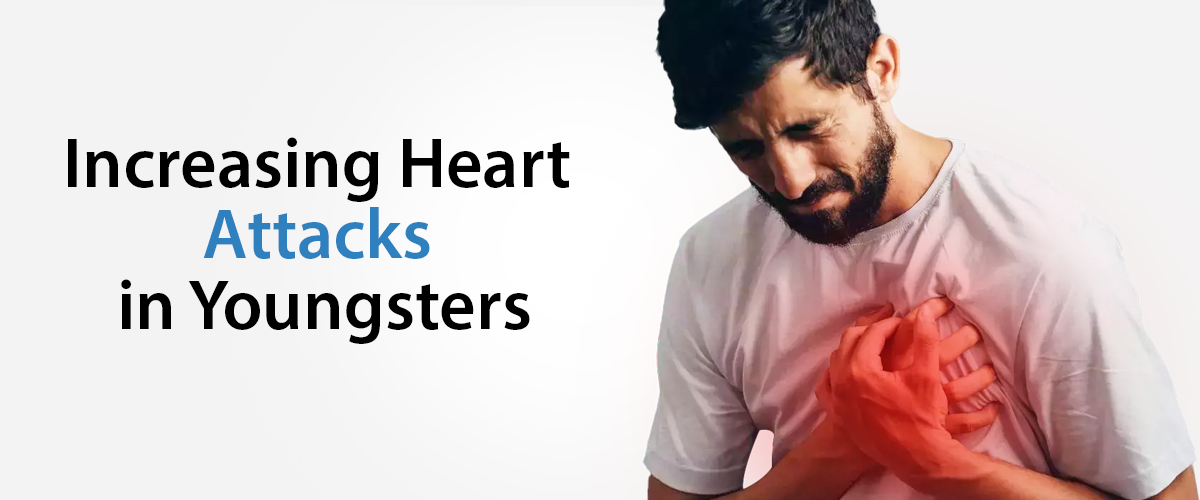
Recent years have shown a steep increase in incidents of heart attacks in younger adults. This fact has changed the existing concepts people had age group which could have a heart attack. The earlier prevalent notion amongst general population had it that only the elderly population, aged above or around 50 years were prone to these. But gradual increase in the count of young adults suffering cardiovascular acute conditions has shifted the paradigm. At present around 20 percent of overall heart attack cases can be mapped to population under 40 years of age.From the year 2000 till 2016, the heart attack rate in the age group of 20 to 40 years has increased by 2% every year.Sounds alarming!
Come, let’s check the details of increasing heart attack incidents in youngsters, with cardiac experts from the best Heart Hospital in Noida.
Book Your Appointment One click at +91 9667064100
Table of Contents
It is a cardiovascular emergency condition that usually arises due to obstruction in blood flow to the heart muscle. In such state, due to lack of oxygen, the heart muscles begin to die. Heart attack, if intercepted earlier, this damage to the heart muscles can be minimised and the person’s life can be saved.
People in this age group usually complete their education, enter professional phase of life, expand their social networks, and get into relationships, build a family, and establish financial goals for their life.As per our doctors which include the best Cardiologists in Noida, all the above could be stressful. Unhealthy, sedentary lifestyle and a few other factors, when coupled with these, become a potent combination responsible for increasing heart attacks in young adults.
Common risk factors for heart attack in adult youngsters include:
Cardiologists from all across the globe, used to think about primary and secondary prevention when it comes to heart attacks. Primary and Secondary prevention indicate attempting to prevent the first heart attack and then attempting to prevent the second heart attack.
But recent times have seen evolution of the idea of primordial prevention. This refers attempting to prevent the progression of the risk factors for causing heart attack, themselves.
Primordial prevention aims to change the lifestyle, social and environmental conditions which could develop and progress risk factors. These includes things we have control over:
Primordial prevention involves bringing awareness and education about what behaviours could put people at risk for a heart attack, as well, such as Obesity and unhealthy Body Mass Index (BMI), Poor diet, lack of exercise or sedentary lifestyle, type 2 diabetes, High blood pressure, high cholesterollevels, history of smoking,family history of cardiovascular diseases.
We, as the best Cardiology Hospital in Noida, take pride in having an expert team of super specialised cardiologists who encompass each of the steps from primordial prevention to secondary prevention as needed to provide the best of cardiac care to our patients, helping them lead a healthy, happy, and long life.
Other causes of heart attack include:
Our team of the best Heart Specialists in Noida, guide and help our patients to take steps to prevent a heart attack. The ways to prevent a heart attack include simple steps inclusive of-:
Recent years have shown the world that there is no definitive age bracket to suffer a heart attack. Hereditary reasons being beyond one’s control, only the kind of lifestyle one chooses to live, dietary habits, workout routines or physical activity levels, management of stress and other co-morbid health conditions like Diabetes and Hypertension, could prove of immense significance in reducing one’s chances of experiencing a heart attack.
Could you relate to the above? Are you having any of the aforesaid risk factors in your life? We suggest you to please do visit us, and let our expert Cardiologists help you in leading a heart-healthy life.
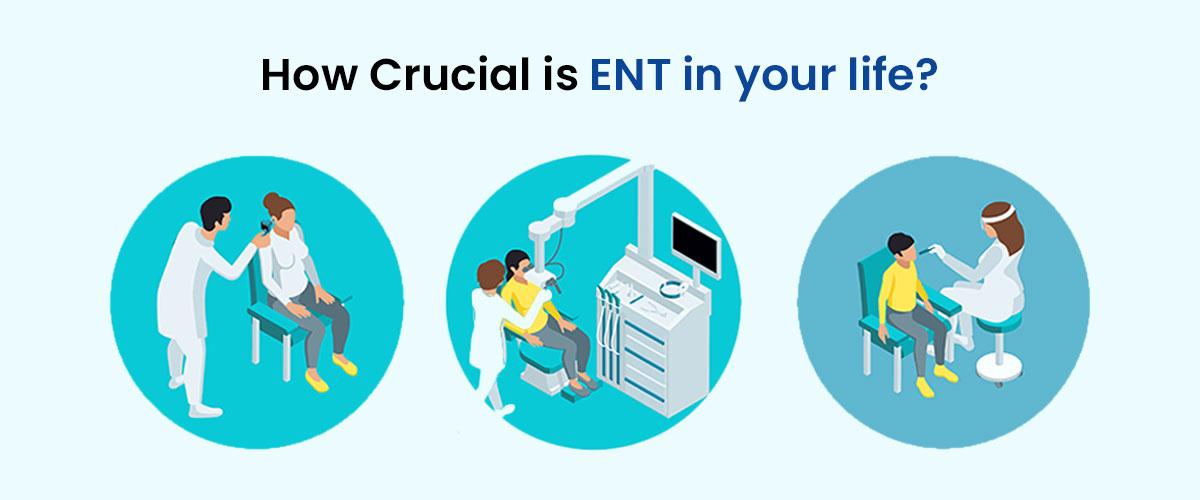
You must have heard about the term ENT so many times in life, but quite a few of you might know the exact meaning behind this term. So, for your information, ENT means Ear, Nose, and Throat. If we are left only with a single sentence that could perfectly describe the vitality of ENT, then that would be simply- “ENT is the backbone of our daily life without which our life will simply crumble upon and become paralyzed.” Felix Hospital understands the vitality of ENT, so we have highly qualified and experienced ENT Specialist In Noida.
Book Your Appointment One click at +91 9667064100
Now to understand the cruciality of ENT, let us just imagine for a moment that you wake up on a usual morning, and you are shocked to find that you have turned unable to listen to any sound around you, and meanwhile, to express your shock when you start to utter any word, you just get even more dumbstruck to find that you are now even unable to make any speech. Now imagine another instance when on a jolly evening you are cooking some intensely delicious snacks but you find yourself unable to smell the strong aroma of it, however somewhat ignoring it, you start tasting your favorite snacks then you are jolted after observing that you even can’t perceive the taste out of it. Apart from it, imagine for a while that after working hard the whole day, you are not able to sleep through the night next to your loved one because they start snoring the freak out of you.
So now after going through this whole round of imagination and possibility, you might be horrified like hell and this shall be feeling like a nightmare to you. But you should worry not, because we are always with you at your every rescue. We, Felix Hospital are the Best Hospital in Noida.
Talking about the specialists, an ear, nose, and throat doctor (ENT) specializes in everything having to do with these parts of the body. They’re called Otolaryngologists. So at this juncture, we are proud to acclaim that Felix Hospital is home to the very Best ENT Doctor In Noida. Apart from a stuffy nose, clogged ears, or sore throat, ENT specialists treat a diverse range of conditions and disorders of the ears, nose, throat, head, and neck region, be it from simple to severe, for all persons, at all stages of life. Hearing and balance, swallowing and speech, breathing and sleep issues, allergies, and sinuses, head and neck cancer, skin disorders, and even facial plastic surgery are just some of the conditions that ENT specialists treat.
ENTs specialists treat both adults and children for a vast range of issues relating to the head, neck, and ears, such as:
Hearing
Vocal
Throat
Ear tubes
Ear surgeries
Cancers of the head, neck, and throat
Sleep medicine
Snoring
Sinuses
Allergies
Adenoids and tonsils
Larynx
Reconstructive and cosmetic surgery on the head and neck
Neurology
Pediatrics
In addition to these vast bunch of issues, Felix Hospital also specializes in treating complex issues like cochlear implants, issues with nerves in the head, swallowing disorders, singing disorders, etc. And this is made successfully possible because Felix Hospital does have an army of Top ENT Specialist In Noida.
Ear, nose, or throat disease is diagnosed on the basis of symptoms. First, the doctor will get information about the symptoms of the disease from you and then diagnose. Here we will give you information about the different types of diagnosis done for ear, nose, and throat disease.
Laryngoscopy:
Doctors perform a Laryngoscopy test to examine the inside of the throat. Any type of problem in the throat and larynx can be detected through laryngoscopy. Doctors can perform a laryngoscopy test if there is pain in the throat, a feeling of something stuck in the throat, swelling in the throat, chronic phlegm problem, blood in the phlegm, or lymph in the throat. The laryngoscopy procedure can take 45 minutes to an hour. The doctor may use anesthesia during the test. The doctor examines the inside of the throat through a telescope and tries to find out the disease. If something is accidentally stuck in the throat, the doctor may perform a laryngoscopy to check. Ask your doctor about the things you should keep in mind before and after a Laryngoscopy. You can gargle with lukewarm water after the test. You must contact the doctor for more information about this test.
Otoscope:
An otoscope is a tool that has a beam of light. With the help of beam light, the condition of the ear canal and eardrum is checked. An Otoscope examination is done on the appearance of symptoms like ear pain, ear fullness, or reduced hearing power. An otoscope is used during an otoscopic test, which gives information about the anatomy of the ear. The provider inserts the cone of the otoscope into the ear. An otoscope consists of a light and a lens. You must ask the doctor about the precautions to be taken before or during the otoscopy examination.
Rhinoscopy:
Rhinoscopy method is adopted to examine the nose and throat. Rhinoscopy is used to check nasal activity. A rhinoscope is a small, flexible plastic tube with fiber optics for viewing the airway. The airway interior part is seen on the screen. Cameras can also be added to the rhinoscope. Before rhinoscopy, the nose is cleaned with the help of a nasal spray. With the help of other nasal sprays, the nose is numbed so that the patient does not face any problems during the examination. The patient feels it when the rhinoscope goes inside, but there is no pain. There may be some discomfort in the nasal passage, but you can consult a doctor about it. Consult the doctor about the precautions to be taken before and after the Rhinoscopy.
Felix Hospital is the Best ENT Hospital In Noida where you get the best treatment for every ENT-related problem with the state of the art medical technology and equipment.

There has been a steep rise in hearing issues in the last 5 years. People who use earphones and headphones continuously for long duration are prone to become deaf.

Nobody likes to know that they smell bad. And people generally do not tell you if you smell bad.

Protein powder supplements are a rage now. They sure have benefits – they help the body to meet its daily protein needs. And that too, in a convenient way.

It all starts when you get to know that you are pregnant, you will be taking care of the little one. This news for first time parents brings lot of responsibility and excitement.
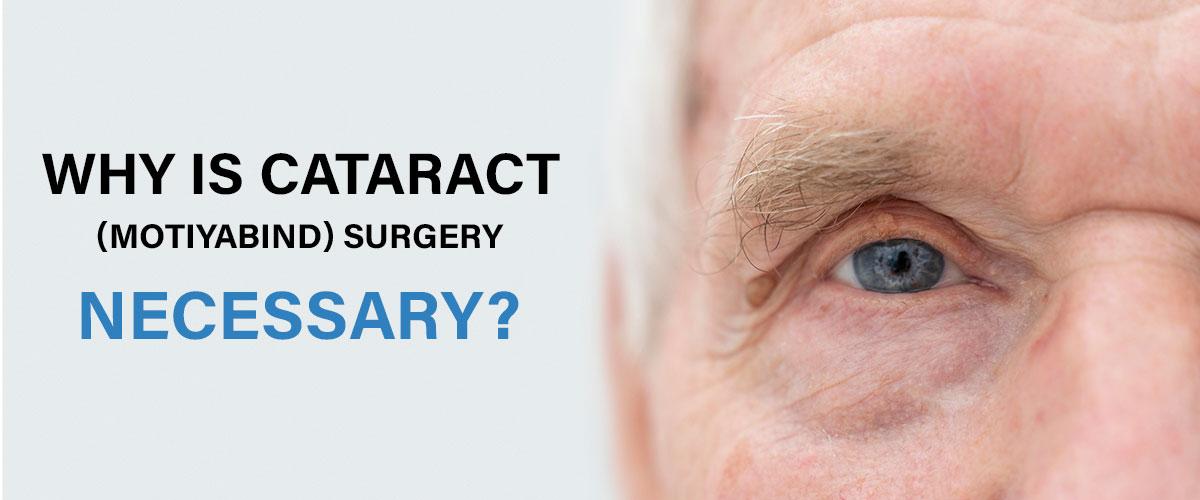
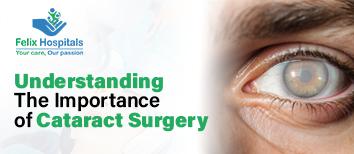
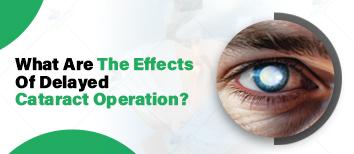
A Cataract is a dense, cloudy region that forms in the lens of the eye. The issue begins when proteins in the eye coalesce and prevent the lens from sending clear images to the retina.
As you age, Cataracts become more and more common. You might not be apprehensive that you have a cataract at first. However, over time, cataracts may cause your vision to become less sharp. But you need not worry because Felix Hospital is the Best Hospital for Cataract Surgery in Noida.
Book Your Appointment One click at +91 9667064100
You see a halo around the lights
You might see something double its original size
The brightness of the headlight, sunlight, and the lamp seems excessive
The colors seem faded
Night-time visibility becomes challenging
You have blurry vision
If you are looking for the best solution to your problem, then your search stops right here at Felix Hospital. We at Felix Hospital treat you in the best way with the Best Eye Specialist in Noida.
Cataracts are majorly caused due to regular aging-related changes to your eyes. Your eye's lens is clear while you're young. However, the proteins in your eye's lens begin to deteriorate from the age of 40. A cataract, which is a cloudy area on your lens, is produced by this mass. More of the lens becomes clouded as the cataract progresses.
So now puzzled by the thought of searching for the safest place that could treat your deformity the very best? Now we request you that “Please don’t be” Because your Felix Hospital is the Best Eye Care Hospital in Noida.
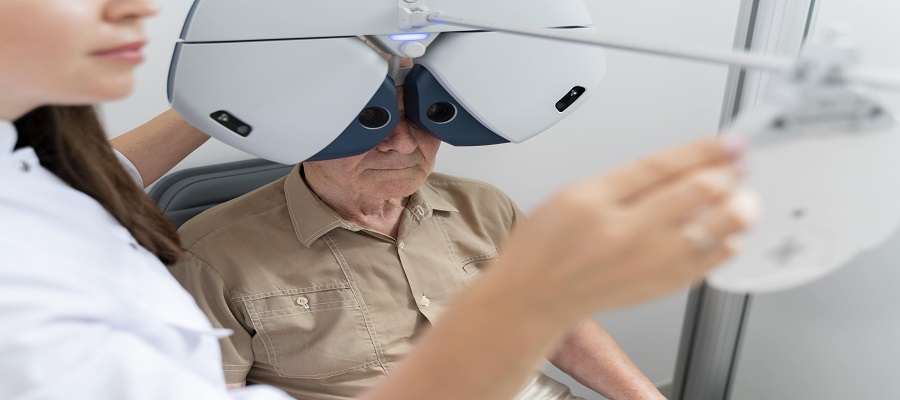
Around the age of 40, there may come a circumstance when your Cataract starts getting in the way of everyday activities like reading, driving, or watching TV, then you are left with no other possible option, other than getting your Cataract Surgery done. So this is why Cataract Surgery becomes necessary.
During Cataract Surgery, the doctor removes the clouded lens and replaces it with an artificial lens. So Felix Hospital is always there to take care of your eyes, and it tops the chart as the best Eye Care Centre in Noida.
In the early stage, you might be able to manage your cataracts with little adjustments. For eg:
Using brighter lights at work or home
Putting on glare-reducing eyewear
Using magnifying glasses when reading and performing other tasks
The risk of Cataract can be reduced by adopting some basic daily habits:
Having regular eye exams
Wearing sunglasses outside to shield your eyes from UVB rays
Managing diabetes and other medical issues.
Eating antioxidant-rich fruits and vegetables
Maintaining a healthy weight
Giving up smoking
Maintaining a healthy weight
Felix Hospital is the Best Eye Care Hospital in Noida, where you will get the best treatment for various eye-related diseases, including Cataracts.
Cataract surgery is essential to restore clear vision and prevent permanent blindness. It removes the cloudy lens and replaces it with an artificial one, helping patients regain normal sight and quality of life.
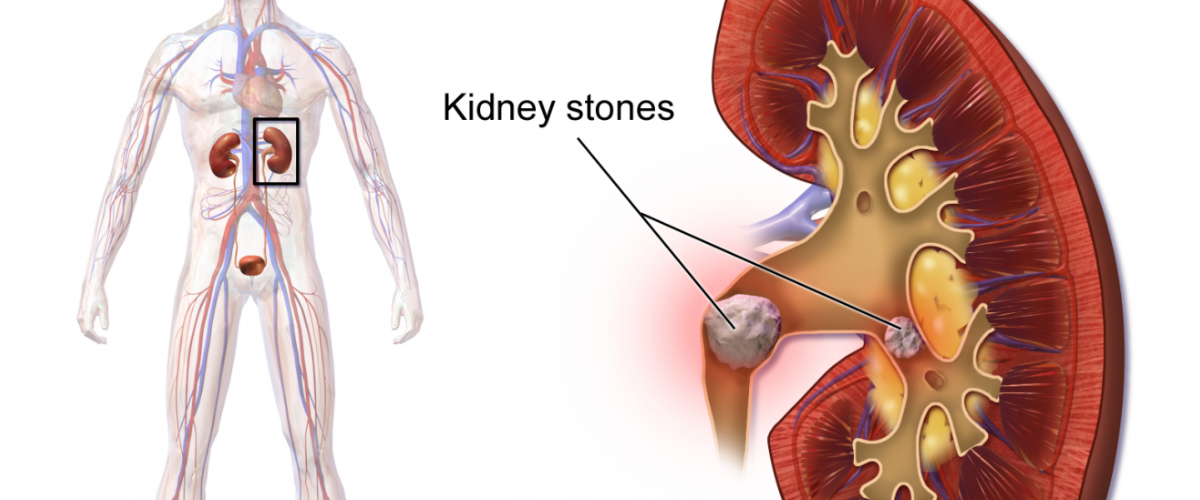
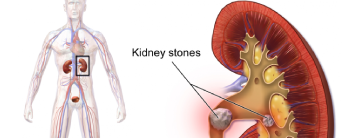
Kidney Stones are hard deposits composed of waste materials like uric acid or minerals like calcium. They start out small but gradually enlarge as time goes on because more minerals adhere to the inner lining of the kidneys for an extended period of time. While small kidney stones may dissolve on their own through urine without medical intervention, larger stones are typically uncomfortable and can become lodged in the urinary tract, necessitating immediate surgical removal.
At Felix Hospital, Noida, we provide the most advanced kidney stone removal treatments, combining technology, expertise, and compassionate care to help you recover quickly and pain-free.
Book Your Appointment One click at +91 9667064100
Kidney Stones are formed when stone forming substances are excreted in the urine. So any change in composition of urine contributes to the formation of kidney stones. Below are some common factors causing such a situation:
It is the most often used kidney stone treatment, and it is most effective for people with tiny to medium-sized stones. For those with bigger stones, this treatment might not be sufficient. The kidney stone is targeted with ultrasound shock waves during this surgical technique, which causes the stone to break up into little pieces that can be easily passed through the urine.
With a robust team of trusted doctors and health professionals, Felix Hospital is one of the very Best Hospital in Noida.
A narrow, flexible scope is used by the surgeon in this surgical operation to locate and remove stones. A small telescope called a ureteroscope is inserted via the urethra and bladder and then advanced up the ureter to the site of the stone. If the stone is small, the ureter can be easily cleaned of it. Otherwise, a laser would be needed to cut the stone into pieces. These fragments are taken out after the stone has been split into tiny pieces. Large stone patients should not have this surgery.
This method is used to treat kidney stones in individuals who have large or unusually shaped stones, particularly in those who cannot be treated with the first two procedures. Patients with stones larger than 2 cm in diameter are the only ones who can benefit from this surgical technique. A tiny incision in the back is used to access the kidney. A nephroscope and other small devices are passed through the body hole once the surgeon has reached the kidney. Following the employment of high-frequency sound waves to break up the stone, a suction machine is utilised to remove the dust.
Open surgery is a rather uncommon approach for kidney stone treatment today. Only when kidney stones are impinging on the urine flow and causing severe discomfort and bleeding may a doctor recommend open surgery. Large stones or those that cannot be removed or crushed with conventional therapies should be treated surgically. The ureter's aperture where a stent was inserted to aid in urine drainage will be used to remove the stone.
Felix Hospital is a leading urology and kidney care center in Noida offering complete diagnosis and management of kidney stones. Our team of experienced urologists and surgeons specializes in minimally invasive and laser-assisted procedures to ensure faster recovery and minimal discomfort.
We are equipped with modern diagnostic facilities like ultrasound, CT scan, and uroflowmetry, enabling accurate detection and personalized treatment for each patient.
Key Highlights
Felix Hospital stands out as the best kidney stone removal hospital in Noida because of its cutting-edge technology and experienced surgical team. Whether you require laser, laparoscopic, or non-invasive treatment, we ensure safe, effective, and personalized care.
Felix Hospital is one of the Best Kidney Hospital in Noida, which promises easy solution of your every complex problem with painless advance treatment and that too with 100% Success rate. Call Now at +91 9667064100.
Obesity and excessive sugar consumption are widely recognized as major contributors to diabetes, heart disease, and high blood pressure.
Kidney dialysis is a life-saving treatment for patients suffering from chronic kidney disease or kidney failure. Understanding the dialysis cost in Noida helps patients and families plan treatment effectively. This article explains the factors affecting d

Felix Hospital is the Best Heart Hospital in Noida for taking care of your heart.
Air pollution has become a sustainable development goal (SDG) for most countries around the globe. It has become a raging problem. Increasing pollution day by day from industrial waste, vehicles, households, etc., is impacting your heart health.
The heart diseases like heart attack, heart failure, and other coronary heart diseases are on the rise.
According to statistics, 25% of all cardiovascular deaths are caused by air pollution – WHO
Cardiovascular diseases have increased from 0.5% to 1.5%, for every 5–6 μg/m3 increase in PM2.5 – NCBI
Poor air quality is directly proportional to the rising number of heart-related issues. When you breathe this bad air, you inhale many harmful chemicals, gases, allergens, dust, pollens, etc., which impact your lungs and further your bloodstream.
And breathing such bad air, you are at higher risk of heart problems. The pollutants in the air can destroy your cells and can even affect endothelial cells. This triggers artery diseases and other issues like hypertension, diabetes, etc. And further leading to heart problems.
The air pollution level in developing countries like India is almost 10 times higher than in any developed country.
Book Your Appointment One click at +91 9667064100
Table of Contents
Consult a top cardiologist in Noida if you face any of the following symptoms:
Pain in Chest
Heaviness in the chest
Palpitation
Difficulty in breathing
Any discomfort related to your heart
Prevention is always better than cure, especially when it comes to your heart.
Look out for these heart issues that are caused by air pollution.
Heart Failure
Blood clot formation in blood vessels leads to a heart condition
Arrhythmias (irregular heartbeat)
Felix hospital has the best heart specialist and surgeons in Noida available 24*7 to take care of any problems related to your heart.
There is no way you can avoid breathing. But, you can do a few things to manage your heart health.
Here are a few lifestyle changes suggested by the best cardiologist in Noida that can be adopted to maintain your heart health.
Follow healthy habits from your side to reduce air pollution, like walking to the nearby shop instead of going by car. Walking a few steps a day is also good for your heart health. Avoid burning woods for bonfires etc., whenever you can. Your small contribution will make a big difference in society.
Include all types of vegetables (especially green leafy vegetables), fruits, pulses, nuts, dry fruits, dairy products, etc. The balanced Diet contains many nutrients and other vitamins that will boost your immunity and strengthen your body. This will further help your body to fight against the damage caused by air pollution.
Do light exercise like walking and cycling daily to stay physically active. It will help improve your blood circulation and heart health.
However, you should stay indoors if you live in polluted areas where air quality is terrible. Doing exercise in a contaminated area will harm more than do good.
Take preventive health check-ups plan that includes heart health. Regular check-ups once a year can help identify any heart problems early and can be managed accordingly.
Felix hospital is the best cardiology hospital near you in Noida, offering several heart check-up packages.
Smoking and drinking can create many health issues like respiratory, liver, etc., further impacting your heart health.
If you are stressed, it will directly impact your heart, like irregular heartbeats, heart attacks, etc.
You should always take medical help if you have any issues related to your heart. Call +919667064100 to make an appointment with a Heart Specialist In Noida at Felix hospital.

The weather is changing once again. Where it remains cold at night, there is a feeling of heat due to the sun's rising during the day.


Are you struggling with constant back pain that affects your daily life? Back pain can result from poor posture, long sitting hours, slip disc, muscle strain, or spinal problems.


Neglected tropical diseases (NTD) will be eradicated from the root only through awareness. But this is possible only when people are aware of the illnesses and get treatment by reaching the hospital on time.

Sexually transmitted infection is one of the significant public health problems. And the bigger problem is people hide sexual dysfunction instead of discussing it.


Mothers think a lot, when it comes to giving right nutrition to her baby. And she also has many questions like

Every parent wants their child to become a successful, confident, and good human being. A child is like a sponge, which can take any shape and can absorb almost everything they see/learn.

As a child care specialist, I have noticed a huge difference in overall growing of a child in the last 14 years.

10 Reasons why a child may not grow

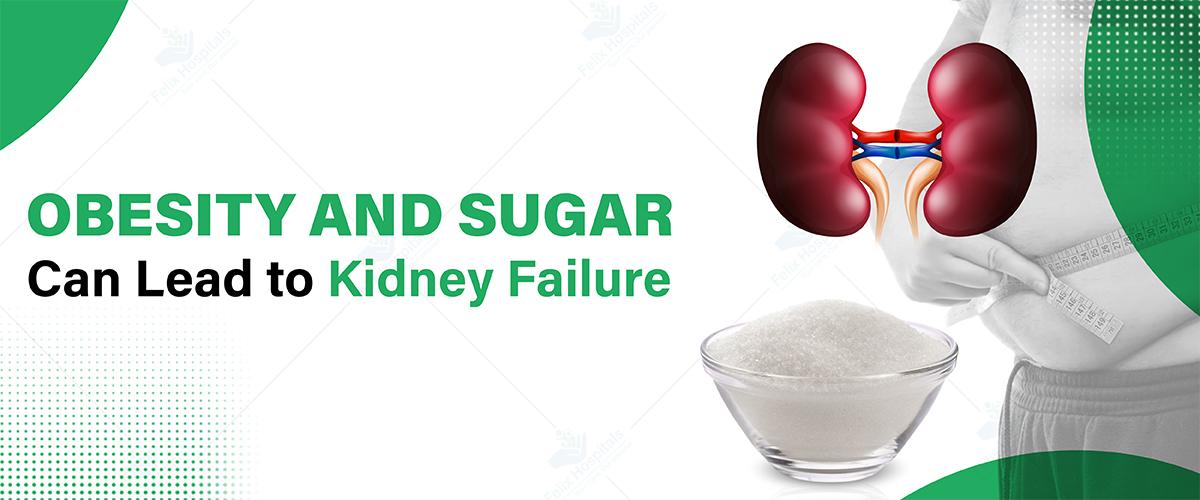
Obesity and excessive sugar consumption are widely recognized as major contributors to diabetes, heart disease, and high blood pressure. However, one often overlooked consequence of these lifestyle factors is kidney failure. As kidney disease becomes increasingly prevalent, particularly among individuals struggling with obesity or high sugar intake, it is vital to raise awareness about its impact and the importance of early intervention. At the Best Kidney Failure Treatment in Noida, we are dedicated to providing advanced care for patients affected by this growing health concern.
For expert guidance and treatment, call us at +91 9667064100 to schedule an appointment.
Yes, obesity and excessive sugar consumption are significant risk factors for kidney failure. These conditions contribute to kidney damage in various ways, often leading to a gradual decline in kidney function. Obesity, when combined with a high-sugar diet, can trigger metabolic disturbances that directly impact kidney health. Understanding this connection is essential for early intervention and prevention.
Obesity, defined as having excessive body fat and typically measured by a Body Mass Index (BMI) of 30 or higher, places a strain on multiple organs, including the kidneys. Here are the key ways it affects kidney health:
Increased Blood Pressure: Obesity often causes high blood pressure, which is a leading risk factor for obesity and kidney disease. Elevated pressure in the blood vessels weakens kidney tissues over time.
Chronic Inflammation: Excess fat triggers systemic inflammation, which can damage kidney tissues and accelerate the progression of kidney disease.
Diabetes Risk: Obesity is strongly associated with Type 2 diabetes, a leading cause of kidney disease. Persistent high blood sugar levels damage the delicate blood vessels in the kidneys, impairing their filtration capabilities.
Excessive sugar consumption, especially from sugary beverages and processed foods, is another major contributor to kidney failure. It affects kidney health in the following ways:
Elevated Blood Sugar Levels: High sugar intake leads to prolonged periods of elevated blood sugar, increasing the risk of diabetes and subsequent kidney damage.
Obesity and Insulin Resistance: Sugar contributes to weight gain and insulin resistance, both of which are significant risk factors for obesity and kidney disease.
Direct Kidney Damage: High-sugar diets promote the formation of harmful substances like advanced glycation end products (AGEs), causing oxidative stress and inflammation in kidney tissues.
The interplay between obesity and excessive sugar intake creates a toxic environment for kidney health:
Metabolic Syndrome: Obesity and high sugar consumption exacerbate insulin resistance, leading to metabolic syndrome. This condition—a combination of high blood pressure, high blood sugar, and abnormal cholesterol levels—places additional strain on the kidneys.
Diabetic Kidney Disease (DKD): Chronic diabetes caused by obesity and sugar intake damages the kidney’s filtering units, potentially leading to end-stage renal disease (ESRD).
Lifestyle Habits: A sedentary lifestyle and reliance on processed foods rich in sugar and unhealthy fats further contribute to kidney dysfunction.
Early detection is key to preventing severe kidney damage. Look out for these symptoms:
Swelling in Extremities: Fluid retention in the legs and ankles may indicate inefficient kidney function.
Changes in Urination: Alterations in urine frequency, color, or odor could signal kidney issues.
Fatigue and Weakness: Toxin build-up from impaired kidney function often causes persistent tiredness.
Routine health check-ups and blood tests can help identify kidney problems at an early stage.
You can take proactive steps to reduce your risk of kidney disease by addressing obesity and sugar consumption:
Limit Sugar Intake: Avoid sugary drinks, candies, and processed foods.
Follow a Kidney-Friendly Diet: Incorporate whole grains, fresh vegetables, fruits, lean proteins, and foods low in sodium.
Maintain a Healthy BMI: Engage in regular physical activities like walking, swimming, or cycling.
Practice Portion Control: Balanced meals and mindful eating can prevent overeating.
Stay Hydrated: Drink adequate water to support kidney function.
Avoid Smoking and Limit Alcohol: These habits can exacerbate kidney stress.
If kidney health is compromised, there are several medical and lifestyle interventions to consider:
Medication: Managing high blood pressure and diabetes can slow the progression of obesity and kidney disease.
Advanced Treatments: Dialysis or kidney transplantation may be necessary for patients with severe kidney damage.
Nephrologists: Kidney specialists play a vital role in diagnosing and treating kidney disease.
Dieticians: Customized dietary plans can help manage weight and support kidney health.
Obesity and excessive sugar intake are significant contributors to kidney failure. By adopting a healthier lifestyle, including a balanced diet and regular exercise, you can reduce your risk of obesity and kidney disease. Early detection and medical intervention are crucial for managing kidney health. At Felix Hospital, we are committed to providing top-quality care for patients with kidney-related conditions. Take charge of your health today for a better tomorrow.
Q1. Can obesity cause kidney failure?
Ans. Yes, obesity increases the risk of kidney disease by raising blood pressure, causing inflammation, and contributing to diabetes.
Q2. How does sugar affect kidney function?
Ans. Excessive sugar consumption leads to obesity, diabetes, and high blood pressure, all of which damage kidney function over time.
Q3. What are the early signs of kidney failure?
Ans. Early signs include fatigue, swelling, changes in urine output, and difficulty breathing.
Q4. Can weight loss reverse kidney disease?
Ans. While weight loss can’t reverse kidney disease, it can slow its progression by managing underlying conditions like high blood pressure and diabetes.
Q5. What is the best diet for kidney disease prevention?
Ans. A balanced diet low in salt, sugar, and unhealthy fats, combined with regular exercise, can help prevent obesity and kidney disease.
Q6. Can kidney failure be cured?
Ans. Kidney failure is typically not curable, but treatments like dialysis and kidney transplants can manage the condition effectively.
Q7. When should I see a nephrologist?
Ans. If you have risk factors like obesity, diabetes, or high blood pressure, regular check-ups with a nephrologist are essential for early detection and management of kidney problems.
Kidney dialysis is a life-saving treatment for patients suffering from chronic kidney disease or kidney failure. Understanding the dialysis cost in Noida helps patients and families plan treatment effectively. This article explains the factors affecting d
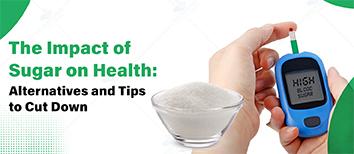
Sugar is an omnipresent part of our modern diet. It is found in everything from beverages and desserts to sauces and snacks. While it adds sweetness and flavor, excessive consumption of sugar can have detrimental effects on health.
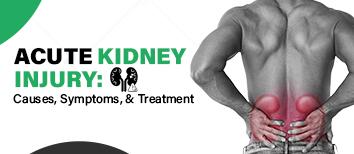
Acute Kidney Injury: Causes, Symptoms, and Treatment explores the sudden deterioration of kidney function, which disrupts the body’s ability to filter waste and regulate fluids.

Subscribe to our
© Copyright 2026. All Rights Reserved by Felix Healthcare Private Limited
Design and development by :


 +(91)9667064100
 Emergency : +(91)9667064100