 Emergency:
  WhatsApp

Subscribe to our
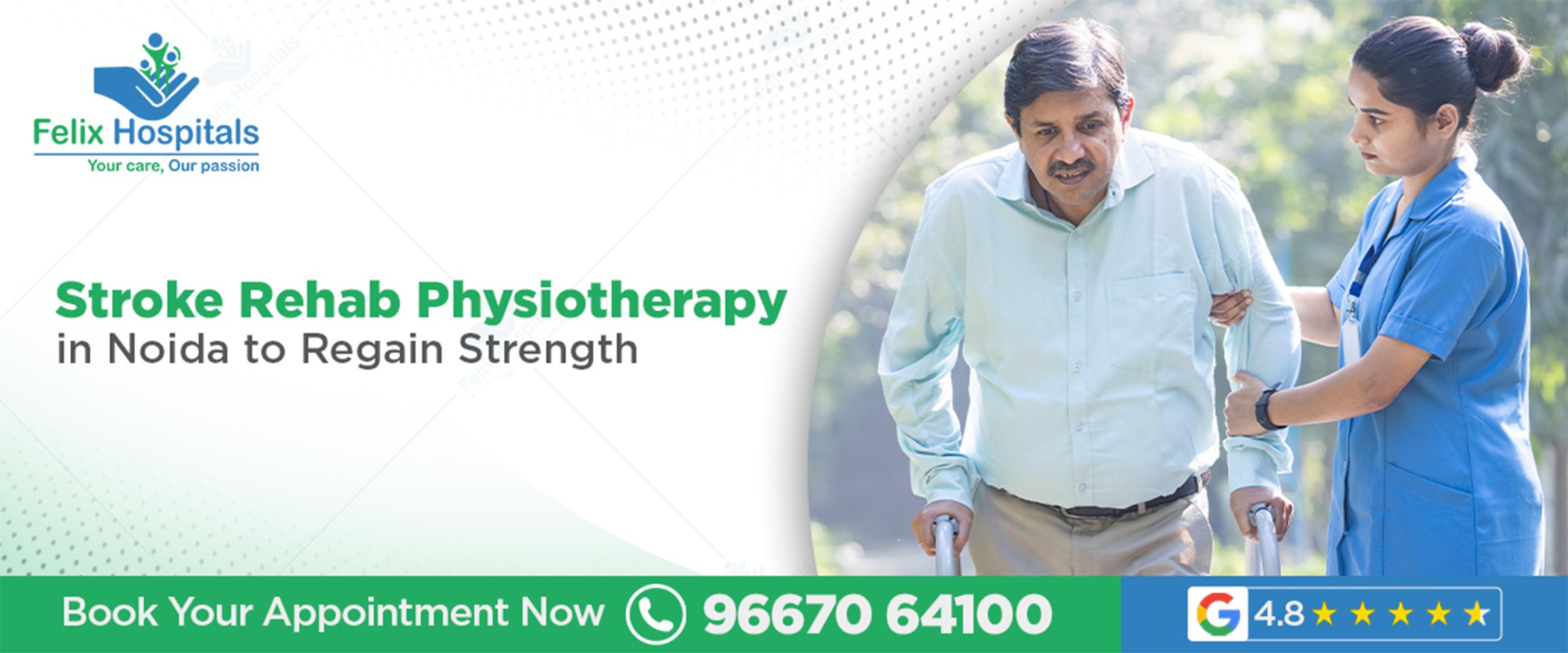
A stroke can drastically affect mobility, strength, and daily functioning. Recovery often requires a structured rehabilitation plan to regain independence and prevent long-term disability. Stroke rehabilitation physiotherapy plays a vital role in restoring motor skills, improving balance, and enhancing overall quality of life. Patients in Noida have access to specialized care through expert physiotherapy centres that provide personalized rehabilitation programs tailored to each patient’s needs.
If you or a loved one is recovering from a stroke, call +91 9667064100 today to consult a top physiotherapy hospital in Noida for expert guidance.
A stroke occurs when blood flow to the brain is interrupted, either due to a clot (ischemic stroke) or bleeding (hemorrhagic stroke). The affected brain region loses function, leading to symptoms such as weakness, numbness, difficulty speaking, or loss of coordination. Early intervention and stroke recovery physiotherapy are essential to minimize long-term complications and promote neural recovery.
Stroke survivors often face several physical and functional limitations:
Muscle weakness on one side of the body
Loss of coordination and balance
Difficulty walking or performing daily activities
Spasticity or stiffness in limbs
Fatigue and reduced endurance
Targeted neuro physiotherapy programs help address these challenges by retraining the nervous system and improving functional abilities.
Rehabilitation physiotherapy after stroke is crucial for:
Restoring mobility and strength
Preventing muscle contractures and joint stiffness
Reducing the risk of falls
Improving posture and balance
Enhancing cardiovascular fitness
Customized post-stroke physiotherapy ensures that exercises match the patient’s capability, promoting gradual but steady recovery.
A combination of exercises is recommended to address various deficits:
These help maintain joint flexibility and prevent stiffness.
Focused exercises improve muscle tone, especially on the affected side.
Patients practice standing, walking, and shifting weight to regain stability.
Specialized treadmill or overground walking sessions improve walking patterns.
Tasks like dressing, climbing stairs, and daily activities are incorporated into therapy to restore independence.
Neuro physiotherapy is designed to stimulate neural pathways and improve brain-muscle communication. Techniques often include:
Task-specific repetitive training
Constraint-induced movement therapy (CIMT)
Mirror therapy
Electrical stimulation for weak muscles
These interventions accelerate recovery and maximize functional outcomes for stroke patients in Noida undergoing stroke rehab exercises.
Timing plays a key role in recovery:
Early physiotherapy: Starts within days to weeks after the stroke, preventing complications and promoting faster recovery.
Late rehabilitation: Even months after a stroke, therapy improves mobility, balance, and independence but may require more intensive interventions.
Both approaches benefit significantly from professional supervision at a physiotherapy centre in Noida.
While professional guidance is essential, patients can continue recovery at home under physiotherapist supervision:
Simple stretching routines.
Assisted walking exercises
Arm and leg strengthening using resistance bands
Daily functional task practice
These exercises reinforce gains from clinical therapy and accelerate overall stroke rehabilitation physiotherapy progress.
Modern physiotherapy hospitals employ technology to enhance recovery:
Robotic-assisted gait training
Virtual reality exercises
Biofeedback for balance improvement
Electrical muscle stimulation
These tools complement traditional physiotherapy techniques, providing precise monitoring and measurable improvements for stroke recovery physiotherapy.
Regular assessment is vital to track progress:
Muscle strength and tone
Range of motion
Walking distance and balance
Daily living activities
Cognitive and speech abilities (if affected)
Adjustments to therapy plans based on these assessments ensure post-stroke physiotherapy remains effective and personalized.
Experiencing weakness or difficulty moving after a stroke? Call +91 9667064100 now to schedule expert stroke rehab physiotherapy at Felix Hospital in Noida.
Rehabilitation physiotherapy also helps prevent common post-stroke complications such as:
Contractures and joint deformities
Pressure sores from prolonged immobility
Muscle atrophy
Deep vein thrombosis (DVT)
Balance-related falls
Comprehensive programs at a physiotherapy hospital in Noida combine preventive strategies with active exercises to reduce these risks.
Long-term physiotherapy improves:
Muscle strength and flexibility
Walking ability and endurance
Hand-eye coordination and fine motor skills
Confidence in daily activities
Overall quality of life
Ongoing support from skilled physiotherapists ensures patients regain independence and maintain functional abilities.
Felix Hospital offers a dedicated neuro physiotherapy department equipped with advanced rehabilitation tools and experienced therapists. Patients benefit from personalized stroke rehab programs, continuous monitoring, and a multidisciplinary approach involving doctors, physiotherapists, and caregivers. With round-the-clock support and modern facilities, Felix Hospital is a leading physiotherapy centre in Noida.
Stroke recovery requires consistent effort, professional guidance, and a structured rehabilitation plan. Stroke rehabilitation physiotherapy enables patients to regain strength, improve mobility, and regain independence. Early and continuous intervention, guided by expert therapists, ensures the best outcomes. Patients in Noida can access comprehensive care and modern therapy techniques to enhance recovery and prevent complications.
For professional stroke rehab physiotherapy and expert consultation, call +91 9667064100 today and begin your journey to recovery at Felix Hospital in Noida.
Q1. How soon should physiotherapy begin after a stroke?
Ans: Ideally within days to weeks after the stroke, depending on medical stability.
Q2. Can stroke patients fully recover mobility?
Ans: Many patients regain significant function with consistent rehabilitation and guidance.
Q3. How often should stroke rehab sessions occur?
Ans: Most patients benefit from daily or 5–6 times per week sessions initially.
Q4. Are home exercises effective?
Ans: Yes, when supervised and combined with clinic-based therapy, they reinforce recovery.
Q5. Which doctor should I consult for stroke rehab?
Ans: A physiotherapist specializing in neuro physiotherapy or a physiotherapy hospital in Noida is recommended.
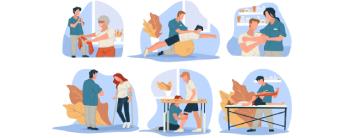
If you are having any physical pain in your body due to factors like illness, injury, sudden stroke or aging, a physiotherapist can help you to overcome the pain through various therapies like electrotherapy, heat and cold packs, exercise etc.
Annular tear treatment without surgery is possible through advanced physiotherapy in Noida, focusing on pain relief, spine stability, and faster recovery.
Expert stroke rehabilitation physiotherapy in Noida helps patients restore movement, balance, and independence through personalized therapy programs.
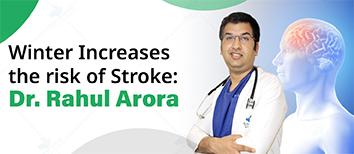
Cold Weather and Blood Pressure Cold temperatures cause blood vessels to constrict, which raises blood pressure—a major risk factor for heart attacks and strokes.

Subscribe to our
© Copyright 2026. All Rights Reserved by Felix Healthcare Private Limited
Design and development by :


 +(91)9667064100
 Emergency : +(91)9667064100