 Emergency:
  WhatsApp



Subscribe to our

Stomach ulcers are open sores that form on the inner lining of your stomach or upper small intestine. They can cause burning pain, digestive discomfort, and in severe cases, internal bleeding. Understanding what leads to these ulcers and how they progress is important because many people ignore early signs until symptoms worsen. The condition is quite common and affects adults across all age groups, especially those dealing with stress, irregular meals, or long-term medication usage. If left untreated, ulcers can expand and damage deeper layers of the stomach lining, turning a manageable issue into a serious complication. Modern peptic ulcer disease treatment in Noida now offers advanced diagnostic and therapeutic options, allowing patients to recover faster with minimal discomfort.
Severe abdominal burning or unexplained nausea? Speak to a specialist today Call +91 9667064100 for immediate support.
Stomach ulcers develop when the protective mucus barrier inside the stomach becomes weakened. This exposes the underlying tissues to strong digestive acids, causing irritation and eventual sore formation. Many patients first notice mild indigestion, assuming it is just acidity, but the problem may be deeper. Most early cases are linked to causes of stomach ulcers such as bacterial infections, chronic medication use, or lifestyle habits. If treatment is delayed, ulcers can enlarge, bleed, or even lead to perforation, which is a medical emergency. Early diagnosis is the best way to prevent long-term damage.
One of the primary factors behind ulcer formation is an infection called Helicobacter pylori (H. pylori), a bacteria that weakens the stomach's natural protective lining. However, many patients also develop ulcers due to long-term painkiller use, particularly NSAIDs like ibuprofen or aspirin. These medications reduce the stomach’s ability to produce protective mucus, increasing irritation. Stress, smoking, and alcohol consumption further elevate the risk as they stimulate extra acid production. Understanding symptoms of stomach ulcers that begin at the early stage helps doctors quickly identify these damage-causing triggers. Without proper medical care, even small ulcers may worsen over time.
Stomach ulcers often start with a burning sensation in the upper abdomen, usually occurring between meals or during the night when the stomach is empty. Some patients experience bloating, nausea, or early fullness even after eating small meals. Others report heartburn-like discomfort that does not improve with regular antacids. In advanced cases, ulcers may cause vomiting, dark stools, or fatigue due to slow internal bleeding. Recognizing early signs of stomach ulcers is important because the longer the stomach lining stays irritated, the deeper the ulcer can grow. If the pain becomes persistent or severe, immediate medical intervention is necessary.
Certain factors significantly increase the chance of developing stomach ulcers, especially in people with busy routines or irregular eating patterns. Smoking slows the healing of damaged tissues and promotes ulcer recurrence. Heavy alcohol intake not only irritates the stomach lining but also increases acid production. Chronic stress influences hormone levels, which may worsen inflammation. Many patients unknowingly worsen their condition with frequent consumption of spicy foods, skipping meals, or taking painkillers without medical guidance. It is essential to understand that causes of stomach ulcers combined with these risk factors can put long-term digestive health at risk.
To confirm the presence of ulcers, doctors often begin with a detailed medical history followed by basic tests to check for blood loss or infection. In most cases, an endoscopy is recommended because it allows specialists to directly view the ulcer, assess its depth, and check for complications. Imaging tests or breath tests may also be used to detect H. pylori infection. Identifying symptoms of stomach ulcers early during diagnosis ensures the correct treatment plan is started without delay. Endoscopy-guided evaluation remains the gold standard for understanding the exact condition of the stomach lining.
Treatment depends on the size of the ulcer, severity of symptoms, and presence of infection. For H. pylori-positive patients, a combination of antibiotics and acid-reducing medicines is prescribed to eliminate bacteria and promote healing. Patients with medication-induced ulcers are advised to discontinue painkillers under a doctor's guidance. Acid suppression therapy helps protect the ulcer as it heals, reducing irritation from digestive enzymes. Modern peptic ulcer disease treatment in Noida also includes lifestyle counselling to minimize recurrence. Most ulcers heal within a few weeks when treatment is followed correctly, but ignoring symptoms can delay recovery.
A balanced diet helps reduce acid production and soothe the irritated stomach lining. Patients are encouraged to eat small, frequent meals and avoid long gaps between eating. Foods like curd, bananas, cooked vegetables, oats, and soups help calm acidity. Avoiding oily, spicy, and highly processed foods is important during the healing phase. Smoking cessation is crucial because tobacco slows down tissue repair. Reducing caffeine and alcohol intake also speeds recovery. When early signs of stomach ulcers are properly managed with dietary changes, the overall treatment becomes more effective and long-lasting.
Untreated ulcers can lead to bleeding, perforation, or blockage in the digestive tract. Bleeding ulcers may cause weakness, dizziness, or dark stools, which require urgent medical attention. Another complication is gastric outlet obstruction, where swelling blocks food from passing normally, causing vomiting and severe discomfort. Chronic inflammation may also increase the long-term risk of stomach-related diseases. Many patients misinterpret symptoms as normal acidity, delaying treatment. Understanding the dangerous outcomes linked to causes of stomach ulcers is essential so individuals do not underestimate their condition.
Persistent pain or black stools? Don’t wait — Call +91 9667064100 to consult a gastro expert before it becomes serious.
Felix Hospital offers advanced diagnostic options, endoscopy facilities, and personalized care plans for ulcer patients. With experienced gastroenterologists and modern equipment, the hospital ensures accurate evaluation and safe, effective treatment. From identifying triggers to restoring digestive health, patients receive comprehensive guidance tailored to their needs.
Stomach ulcers are treatable when diagnosed early, but delaying care can lead to serious health problems. Understanding how ulcers form, recognizing early symptoms, and seeking timely treatment ensures better outcomes. With advanced options for peptic ulcer disease treatment in Noida, patients can recover faster and prevent recurrence. Whether symptoms are mild or persistent, it is always safer to consult a specialist before complications arise. Felix Hospital provides patient-focused care and expert evaluation, helping individuals regain comfort and digestive health.
Q. 1. Can stomach ulcers heal on their own?
Ans. Some small ulcers may improve temporarily, but complete healing usually requires proper medical treatment.
Q. 2. Does every ulcer cause pain?
Ans. No, some ulcers remain silent until complications occur, which is why timely evaluation is important.
Q. 3. Can stress alone cause ulcers?
Ans. Stress doesn’t directly cause ulcers but can worsen symptoms and delay healing.
Q. 4. How long does ulcer treatment usually take?
Ans. Most patients improve within 2–6 weeks with consistent medication and lifestyle changes.
Q. 5. When should I see a doctor immediately?
Ans. If you notice vomiting, black stools, dizziness, or severe abdominal pain, seek urgent care.

Stomach ulcers are painful sores in the stomach lining caused by infection, stress, or certain medications. Learn what triggers them and how to find effective relief.
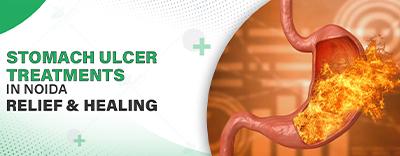
Find effective and affordable stomach ulcer treatments in Noida. Expert gastroenterologists offer advanced care, quick diagnosis, and long-lasting relief from pain and discomfort.


Subscribe to our
© Copyright 2026. All Rights Reserved by Felix Healthcare Private Limited
Design and development by :


 +(91)9667064100
 Emergency : +(91)9667064100