 Emergency:
  WhatsApp


Subscribe to our
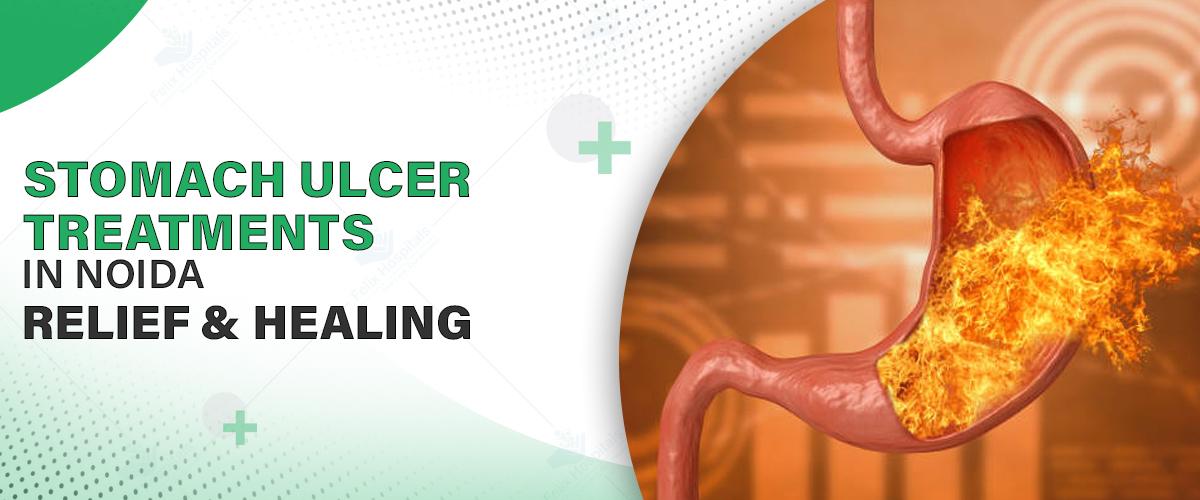
Stomach ulcers, or gastric ulcers, are painful sores that occur on the inside of the stomach. They are a type of peptic ulcer, which also includes ulcers in the esophagus and the upper section of the small intestine (duodenal ulcers). If you don't treat them, stomach ulcers might cause major health problems. Stomach ulcer treatment in Noida is done with modern diagnostics and professional gastroenterologists who know how to treat this issue well.
Getting the appropriate treatment at the right time is important for healing and long-term relief, no matter how bad your symptoms are. We'll talk about what causes stomach ulcers, what their symptoms are, what treatments are available, and how the best gastroenterology hospital in Noida, like Felix Hospital, can help you get better.
Feeling signs of an ulcer? To speak with a gastroenterologist in Felix, dial +91 9667064100.
Peptic ulcer disease is a term that covers any lesion in the upper digestive tract. Stomach ulcers are one type of peptic ulcer disease. These ulcers can happen in:
The stomach (gastric ulcers)
The duodenum (ulcers in the duodenum)
The esophagus (ulcers in the esophagus)
When stomach acid eats away at the protective mucosal lining of the stomach or intestines, ulcers form. Infection or using certain medications can cause this erosion, which leads to open sores that hurt and are uncomfortable.
Most incidences of stomach ulcers are caused by two main things:
Helicobacter pylori (H. pylori) infection: A frequent bacterial illness that hurts the lining of the stomach.
Using NSAIDs (nonsteroidal anti-inflammatory drugs) on a regular basis: Over time, drugs like ibuprofen, naproxen, or aspirin can make the lining of the stomach feel bad and becoming inflamed.
Other Things That Could Be Risky Are:
Using tobacco and smoking
Too much drinking
Taking NSAIDs with SSRIs, steroids, or blood thinners is not a good idea.
Zollinger-Ellison syndrome is a rare disease that makes too much acid.
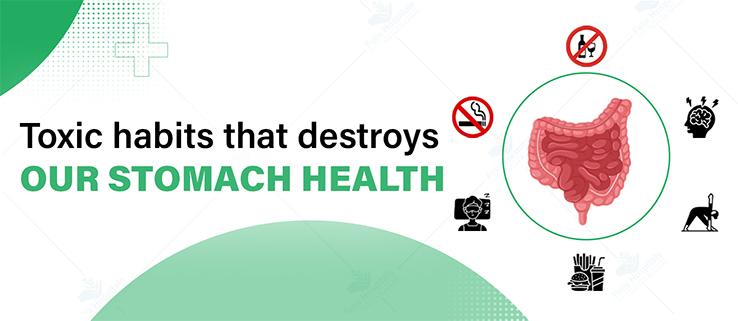
Stress and spicy meals don't directly cause ulcers, but they can make symptoms worse or slow down healing.
Different people can have different symptoms of stomach ulcers. Some people may not show any signs at all, especially in the beginning. But here are several symptoms that are frequent to look out for:
A dull, throbbing, or scorching ache in the upper stomach
Pain that gets better after eating or using antacids
Feeling full quickly or bloated
Feeling sick or throwing up
Indigestion and heartburn
reduction of appetite or weight reduction that can't be explained
In really bad circumstances, ulcers can cause:
Stools that are black and tarry (because of blood inside)
Throwing up blood or something that looks like coffee grounds
Fatigue, shortness of breath, or anemia
If you have any of these symptoms, you should see a doctor for stomach ulcer treatment in Noida
Getting the right diagnosis is important for getting the right treatment. If your doctor thinks you have a stomach ulcer, they will first ask you about your symptoms and medical history. After that, the following tests may be suggested:
1. Tests for H. pylori
Tests on blood, feces, or breath can show if H. pylori bacteria are present.
2. Imaging
Barium swallow X-ray: This test coats the upper digestive tract so that ulcers can be seen.
Upper GI endoscopy: A flexible tube with a camera is put in through the mouth to look at the stomach and duodenum.
Endoscopy is one of the best ways to find out how big, where, and how bad a stomach ulcer is. It also lets you take biopsies if you need to.
The next step is to start treatment if you have been told you have a stomach ulcer. Most people can get rid of their ulcers by taking medicine and making changes to their daily lives.
Antibiotics: To get rid of the H. pylori infection.
Proton Pump Inhibitors :(PPIs) lower the amount of acid your body makes and help it repair.
H2-Receptor Antagonists: These are another type of medicine that lowers the amount of acid in the stomach.
Antacids and protectants: Sucralfate or misoprostol cover the ulcer with a protective layer.
Bismuth Subsalicylate: This is often used alongside antibiotics to make them work better against germs.
In Noida, well-known hospitals like Felix Hospital make personalized prescription plans based on how bad the ulcer is and whether or not there is a bacterial infection.
Diet doesn't cause ulcers, but it can make symptoms worse. Here are some general tips:
Eating fruits, vegetables, and whole grains that are high in fiber
Avoiding meals that are acidic or hot
Not drinking alcohol or caffeine
Giving up smoking
Eating smaller meals more often
Dietitians and GI experts often work together to make personalized food programs that help people heal and keep them from getting sick again.
Most ulcers go away on their own. But surgery may be necessary in rare circumstances when complications happen, such a bleeding ulcer, a hole in the stomach, or ulcers that keep coming back. In an emergency, surgery can mean stopping a bleeding vessel or fixing a hole. Vagotomy is the process of cutting the nerve that tells the body to make acid.
Partial gastrectomy: In very bad situations, part of the stomach is taken out.
Thanks to less invasive technologies and trained gastroenterologists, Stomach ulcer treatment in Noida is safer and more accurate than ever.
If you get the right treatment, you should start to feel better in a few days and be completely healed in one to three months. It's crucial to:
Take all of the antibiotics that your doctor told you to take.
If your doctor says you need another endoscopy, make an appointment with them.
Keep avoiding anything that can cause ulcers, like NSAIDs, alcohol, and smoke.
Early treatment makes things much better and lowers the danger of problems like bleeding or stomach cancer.
Patients looking for excellent gastrointestinal care can contact Felix Hospital in Noida. The hospital has:
The newest endoscopic and diagnostic imaging units
Gastroenterologists and surgeons with a lot of experience
Care for patients
We are dedicated to providing complete and individualized care for stomach ulcers at Felix Hospital in Noida. Our skilled gastroenterologists and support staff make sure you get the best care possible, from accurate diagnoses to sophisticated treatments and nutritional advice.
Don't wait for your stomach ulcers to get worse if you've been having symptoms. Getting treatment early can stop problems like bleeding or perforation and help you get back to a healthy, pain-free life.
Ulcer symptoms will not wait—nor should you. Get quick and effective treatment Call +91 9667064100.
Even though stomach ulcers are prevalent, you should never disregard them. If you don't manage moderate indigestion or searing stomach discomfort, it could get worse and cause major problems. The good news is that most ulcers can be detected and treated well with medical help right once, and surgery is not always necessary. Modern treatments like antibiotics, proton pump inhibitors, and endoscopy for stomach ulcers have made healing faster and more effective, no matter what the cause is, whether it's an H. pylori infection, long-term use of NSAIDs, or something else.
Q1. Can stomach ulcers go away on their own?
Ans: Mild ulcers may feel better for a short time, but it's not common or encouraged to heal completely without medical attention.
Q2. How long does it take for stomach ulcers to heal?
Ans: Most ulcers heal in 4 to 8 weeks with the right care. It may take longer for difficult or recurring ulcers to heal.
Q3. Is it possible for kids to have stomach ulcers?
Ans: Yes, kids can get ulcers, but it's not as prevalent. This can happen because of an H. pylori infection or long-term usage of NSAIDs.
Q4. Can stress make ulcers worse?
Ans: Stress doesn't cause ulcers, but it can make them worse by making more acid and slowing down the healing process.
Q5. Is milk healthy for ulcers in the stomach?
Ans: Milk might help with ulcer pain for a short time, but it can also make symptoms worse by creating more acid.
Gastric problems occur when excess acid or digestive disturbances affect the stomach lining, causing symptoms like bloating, acidity, and pain. Timely diagnosis ensures effective treatment.


Subscribe to our
© Copyright 2026. All Rights Reserved by Felix Healthcare Private Limited
Design and development by :


 +(91)9667064100
 Emergency : +(91)9667064100