 Emergency:
  WhatsApp


Subscribe to our
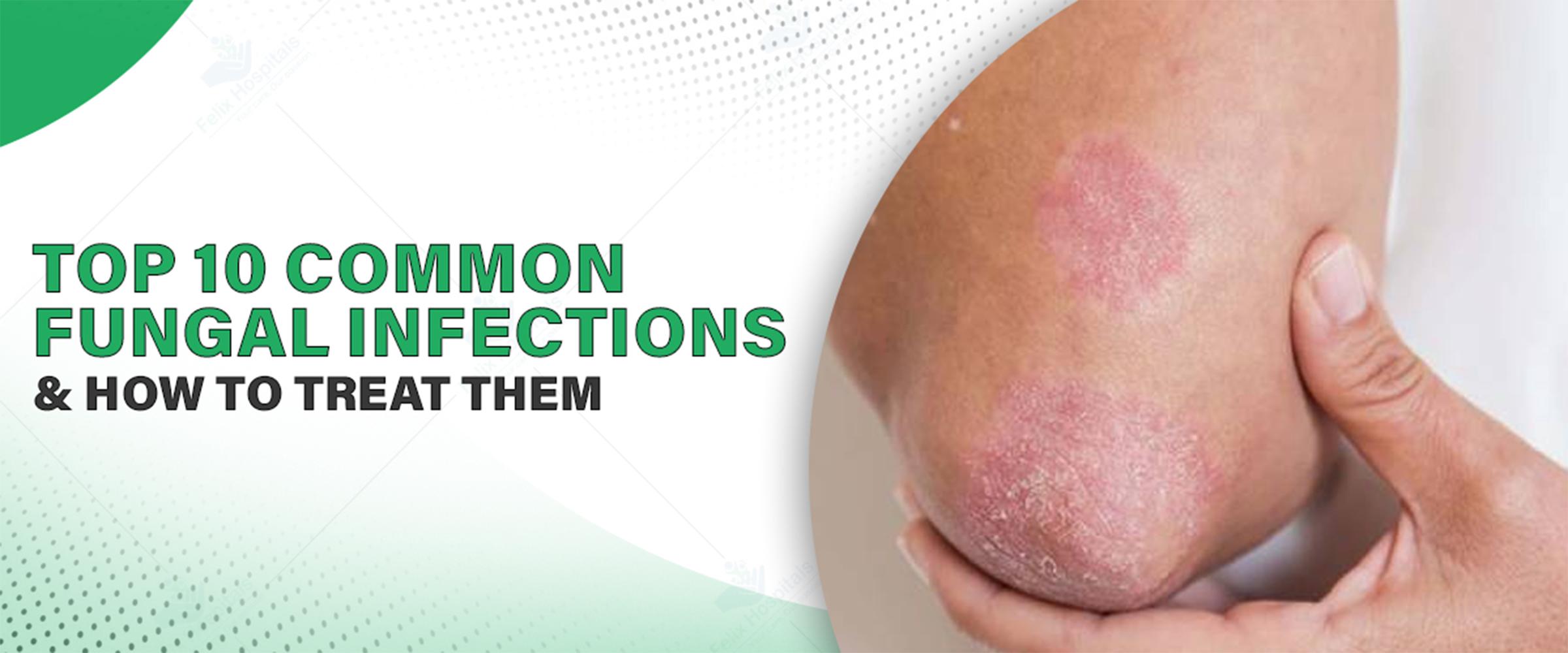
Fungal infections are among the most common ailments in India and globally. Most are initially a minor nuisance, yet if allowed to progress unchecked, they could spread readily and become uncomfortable and at times severe. From infected nails and skin rashes to more serious systemic infections that travel to the lungs and internal organ systems, fungi can attack in a vast array.
The best part is that the majority of fungal infections are treatable and preventable with proper and adequate medical attention. Recognition of the initial signs and proper determination of when to visit a skin expert in Greater Noida makes a world of difference in recovering fast and eluding long-term issues.
If you feel continuous itching, odd patches on the body, or colour changes on nails, never ignore them. Consult with the doctor by calling today at +91 9667064100.
Ringworm is a very common fungal disease. It manifests on human skin in red, circular patches with severe itching. Albeit the nomenclature, no worm is present—it is just a fungus. It is transmitted by contact between people or infected items such as a towel.
This condition primarily impacts individuals who use closed shoes for a couple of hours. It leads to itching, burning, cracked skin, and peeling between the feet. It thrives in warm and humid settings.
Fungal disease that involves the groin, upper inner thigh, and buttocks. It's a reddish-brown, itching patch that gets worse with moisture and rubbing.
The nails become hardened, brittle, and yellowish or brown. Nail fungus is both a cosmetic and a symptomatic condition that may produce pain and trouble walking or finger use if neglected.
Induced by the fungus Candida, oral thrush appears as creamy white patches in the mouth, on the tongue, or in the throat. Oral thrush is common in children, aged individuals, and those with weak resistance.
The condition most often affects females but may also affect males. The condition leads to itching, burning, and strange discharge in females and redness and irritation in males.
There is a condition that affects the scalp and roots of hairs and causes bald patches that are scaly. It is most common in children and spreads by sharing combs, headgear, or pillows.
Once in a while, the fungal spores can infect the sinuses and form chronic congestion, facial headaches, and recurring sinus infections. The individuals with weak immunity are at a greater risk.
The fungal disease enters the human body through small wounds or cuts and produces painful lumps or sores. Planters and cultivators are usually faced with the disease, as it originated from plants and soils.
The most serious form, systemic infections, spreads from the skin to essential organs such as the lungs, liver, or brain. They nearly exclusively occur in individuals having very little resistance, i.e., cancer or transplant patients, or individuals with poorly managed diabetes.
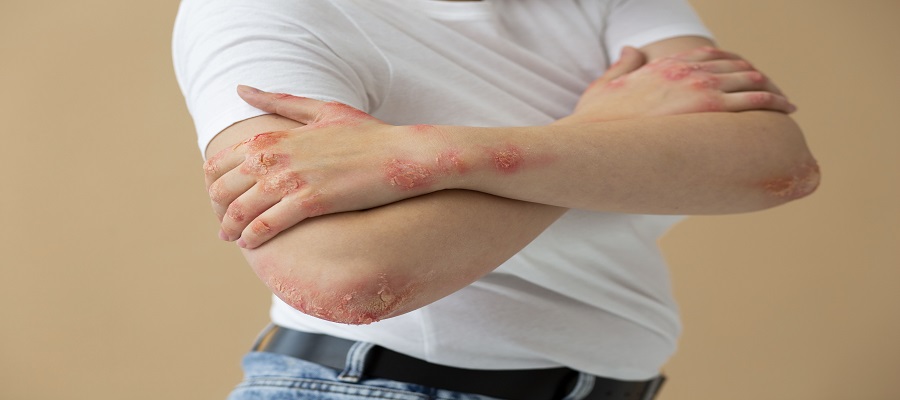
Fungal infections do not happen without a cause. Some possible causes and risk factors are:
Hot and humid weather.
Unhygienic habits and exchanging personal items.
Weak immune system due to disease or drugs.
Long-term steroid or antibiotic use.
Uncontrolled blood sugar in diabetic individuals.
Dressing in tighter, non-breathing clothes or shoes.
Fungal infections have different signs for different kinds, yet some signs that are common include:
Red, itchy, scaly patches on the body.
Fissured or cracked skin.
Thickened or darkened nails.
White spots within the mouth or throat.
Abnormal discharge or inflammation in genital infections.
Fever and lassitude in the systemic mycoses.
Fungal infections could seem innocuous initially, but neglecting them might lead to:
Spread of the disease to other body parts.
Lasting nail harm.
Chronic inflammation and pain.
Slow healing and scarring.
Serious body infection that affects the bloodstream or body organs.
Correct diagnosis leads to appropriate therapy. Doctors may prescribe:
Scrape skin and do a microscopic test for verification of fungal growth.
Fungus culture tests to find out the precise type of fungus.
Biopsy in unusual and problematic instances.
Blood tests or radiology in the case of suspected systemic infection.
1. Topical Agents
Mild infections of the skin can be managed using antifungal powders, ointments and creams.
2. Oral Medicines
Oral antifungals for severe to moderate infections including nail fungus, and systemic infections.
3. Intravenous (IV) Ant
Essential in severe systemic mycoses.
4. Lifestyle Support
Hygiene and not sharing personal items, along with keeping the damaged body surface clean and dry.
Getting treated at a reputable hospital for fungal infection in Noida allows being exposed to the modern treatment and on-the-spot attention.
Maintaining the fungal infections at bay is simple with some healthy habits:
Bathe regularly and be clean.
Dress in cotton cloth and light shoes.
Don't exchange towels, socks, and shaving equipment.
Dry yourselves off if you swim or are perspiring.
Live with diabetes and monitor regularly.
Take a balanced diet for improving immunity.
Noida and Greater Noida are healthcare hospitals with high-end medical infrastructure and the latest dermatological treatments. This is why individuals are inclined towards these locations:
Availability of skilled skin specialists in Greater Noida.
High-end diagnostic equipment for improved detection of infections.
Affordable therapy in contrast to big metro cities.
Availability of the best doctor for fungal infections in Noida for expert care.
Easy follow-up appointments and ongoing management assistance.
Get a dermatologist consultation at the soonest possible time for proper and effective treatment prior to the development of complications.
Fungal infections are more commonly encountered than one would think, and while most are simple irritants, they tend to become severe if neglected. From ringworm to systemic infections, each one must be diagnosed correctly, and an appropriate line of therapy administered at the proper time. Protective measures such as correct hygiene, use of light clothing, and avoidance of self-medication significantly help in reducing risks.
With proper dermatological attention and access to modern treatment centres, such as a hospital in Greater Noida, a cure for fungal infections is quite possible. The point is awareness, early consultation, and strict follow-ups. Early action not only leads to a fast cure, but recurrence also gets avoided.
If you feel continuous itching, odd patches on the body, or colour changes on nails, never ignore them. Consult with the doctor by calling today at +91 9667064100.
Find the links below:
Check the links below:
Q1. Most common fungal infection in the world?
Ans: Ringworm and athlete's foot are two most globally prevalent fungal infections.
Q2. Can fungal infections be transmitted from person to person?
Ans: Yes, most fungal infections are contagious and spread by direct contact or by objects.
Q3. Antifungal therapy normally takes for how long?
Ans: Treatment can range from 2 weeks for the mildest cases to a few months for nail or body infections.
Q4. Does diabetes make individuals more prone to fungal infections?
Ans: Yes, high blood sugar damages the immune system and predisposes diabetes patients to fungal infections.
Q5. Does reinfection with fungi arise from therapy?
Ans: In fact, unless preventative action was taken, fungal infections could recur.
Ear fungal infections (Otomycosis) cause itching, pain, and discharge in the ear. Learn about types, causes, and best treatment options in Noida from expert ENT doctors.
पुरुषों में फंगल इन्फेक्शन आम हैं, लेकिन सही जानकारी और समय पर इलाज से इसे आसानी से नियंत्रित किया जा सकता है।
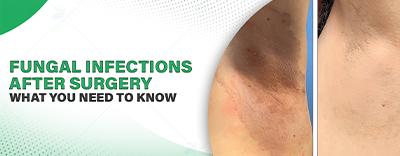
Fungal infections after surgery can affect recovery if not treated on time. Learn about symptoms, causes, prevention, and treatment options for safe healing.


Subscribe to our
© Copyright 2026. All Rights Reserved by Felix Healthcare Private Limited
Design and development by :


 +(91)9667064100
 Emergency : +(91)9667064100