 Emergency:
  WhatsApp

Subscribe to our
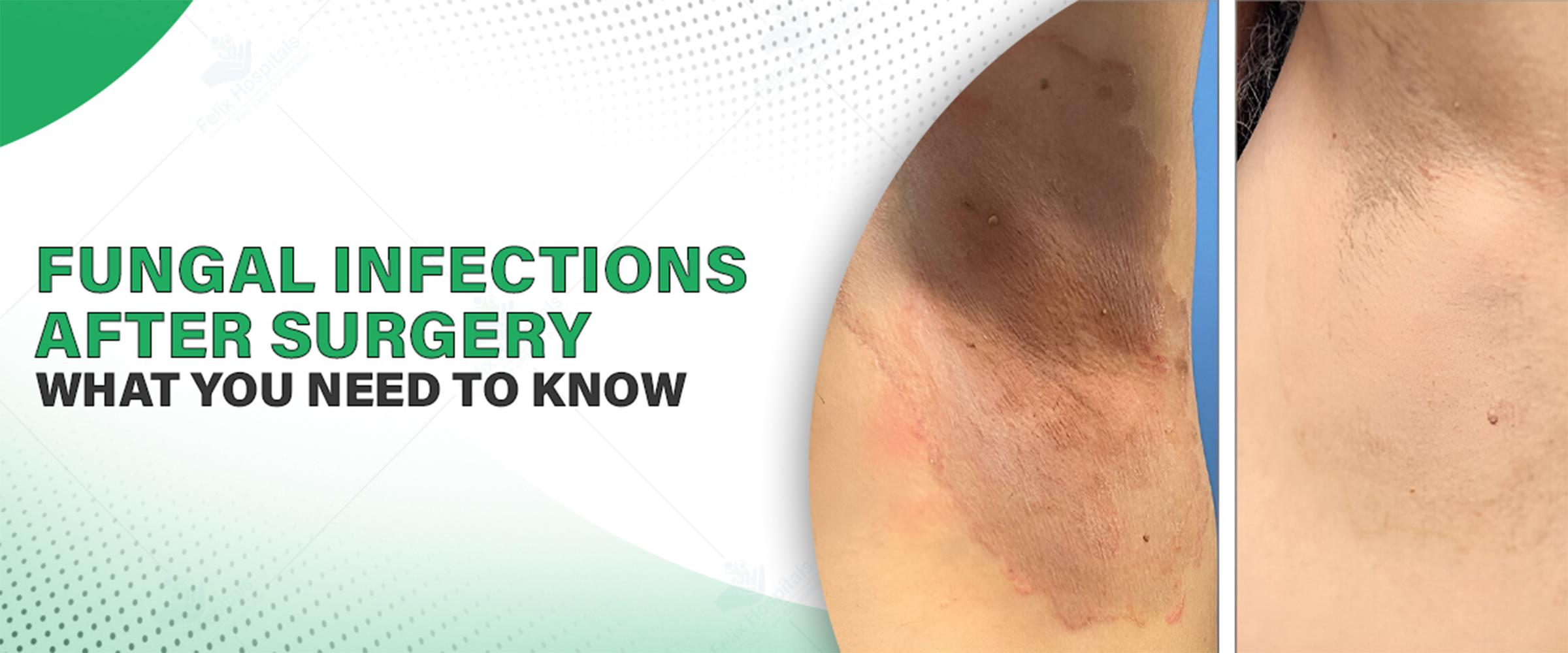
Surgery is oftentimes the first step on the road to recovery, alleviation of chronic disease, or life itself. However, the process doesn't quite end there with the surgery itself. The period after surgery is just as crucial as the surgery itself. Perhaps one of the more under the radar and serious complications that can arise amongst patients is a fungal infection after surgery. Compared to bacterial infections, fungal infections are typically slower to diagnosis and can complicate the healing process more if left unaddressed.
Although not all patients will contract such complications, some risk factors—such as compromised immunity, prolonged hospitalization, or pre-existing health status—may make one more prone. Awareness of the early signs and seeking early professional help can make all the difference between uneventful recovery and prolonged sickness.
In the case of irregular redness, itchiness, or delayed healing, consult an expert at the soonest for advice. Call +91 9667064100 today.
Surgical fungal infections occur when fungi—in such as Candida, Aspergillus, or dermatophytes—infect the field of surgery or systemically through the body. They are fewer in number than bacterial infections but are more stubborn and hard to eradicate.
They typically arise among patients whose immunity is weak, whose diabetes is uncontrolled, or who experienced prolonged surgery with prolonged antibiotic or steroid usage. Because the fungi grows when it is warm and damp, the surgery wounds provide the perfect breeding grounds when left uncontrolled.

There are many reasons for the development of fungal infections after surgery. Some of the most usual are:
Impeded Immune Functioning – Patients who had undergone severe surgery or who suffer from chronic diseases are more prone.
Long-term Use of Antibiotics – Although antibiotics kill bacteria, they destroy the normal microbial balance, leaving an opportunity for fungi growth.
Steroid Medications – Long-term use of steroids can suppress immunity and encourage fungal growth.
Diabetes and Elevated Blood Sugar Levels – Inadequately regulated blood sugar slows healing and accelerates the risk for infection.
Inadequate Wound Care – Unhygienic dressing changes or exposure to dirty surroundings can attract fungi.
Extended Hospitalization – Even with their best efforts, hospitals can expose patients to opportunistic fungal infections.
Early diagnosis prevents the development of complications. Some general signs are:
Unchanging redness or swelling in the area of surgery
Severe burn or stinging sensation
Discharge of pus or abnormal fluid
Stagnant or impaired healing of wounds
Fever, shivering, or leth
Appearance of white patches or fungal growth around the wound
Pain disproportionate to the stage of healing
If left untreated, the symptoms can worsen and spread beyond the region of surgery.
Neglecting fungal infections can lead to:
Slowed Recovery – Injuries heal more slowly and it is painful and distressing.
Spreading into Bloodstream (Fungemia) - Sometimes the fungi spread into the bloodstream and cause life-threatening infections.
Repeat Surgeries – Repeating infections can require re-operation or surgery for cleaning.
Organ Involvement–Invasive molds can involve lungs, liver, or kidney, more commonly among immunocompromised hosts.
Doctors employ various diagnostic techniques for the confirmation of fungal infections:
Wound Swab Test – Fungal growth can be identified under the microscope.
Fungal Culture – Identifies the type of fungus for special treatment.
Biopsy – Helps establish invasion of deep tissue.
Imaging Tests – Helpful for severe cases where the infection extends into body organs.
Treatment is based on the extent and degree of the infection.
Topical Antifungal Ointments/Creams – In the.
Oral Antifungal Agents – Very effective for moderate infections.
Intravenous (IV) Antifungals – Given for life-threatening, systemic infections.
Wound Debridement – Removal of infected tissue to allow fresh healing.
Procedures for Drainage – Surgical drainage can be required if there are abscesses.
Proper nutrition for immune support.
Intensive blood sugar control of diabetic patients.
Regular wound cleaning and monitoring.
Preventing fungal infections is often easier than treating them. Here are effective strategies:
Wash and dry the wound at all times.
Change dressing according to doctor's directions carefully.
Maintain proper hand hygiene.
Avoid overuse or overuse of the administration of antibiotics or steroids.
Tackle chronic diseases such as diabetes correctly.
Routine follow-up visits for monitoring of recovery.
Greater Noida is an epicentre for premium medicine as well, especially for infections. Patients get:
High level specialst infection services for complex post-operative infections.
State-of-the-art diagnostic facilities for early and accurate diagnosis.
Dermatology Hospital in greater Noida with infection control equipments.
Low cost of treatment in comparison to bigger metro cities thus, making care more accessible.
Surgical Mycoses are usually under treated but they can pose a serious threat to the wound healing process. They are different from bacterial infections, typically slower in development, and more resistant to most remedies. Fortunately, early identification and prompt professional intervention from an infection specialist doctor near me can treat them very successfully.
The bigger problem is that aftercare extends beyond the day you leave the hospital. You should be on the lookout for signs like redness, pus, slow healing, or fever. Just as crucial is the use of preventive interventions—upkeep of cleanliness of the wound, following up on drug regimen, managing chronic illnesses like diabetes, and refraining from unnecessary uses of antibiotics or steroids.
Visit your doctor if there’s a change in your normal condition after an operation. Schedule your appointment today by clicking here or call +(91)96670 64100.
Find the links below:
Check the links below:
Q1. When can fungal infection occur after surgery?
Ans: Fungal infections can arise within days up to weeks after surgery, depending on the dressing of the wounds and the immunity.
Q2. Is the bacterial infection more serious than the fungal one following surgery?
Ans: Yes. Although not rare, fungal infections can and are harder to cure and can systemically spread if not treated.
Q3. Whether fungal infections can be transferred into organs after surgery?
Ans: Yes, it can spread to the blood and life-saving organs in severe cases, more notably for immunocompromised individuals.
Q4. Why should diabetics be more susceptible to fungal diseases after a surgery?
Ans: Elevated blood sugar slows the recovery of sores, and it’s the perfect environment for fungus to thrive.
Q5. Can mycosis delay complete rehabilitation from the operation it is related to?
Ans: Yes, they prevent healing, lengthen hospital stays and sometimes necessitate multiple surgeries.

Ear fungal infections (Otomycosis) cause itching, pain, and discharge in the ear. Learn about types, causes, and best treatment options in Noida from expert ENT doctors.
पुरुषों में फंगल इन्फेक्शन आम हैं, लेकिन सही जानकारी और समय पर इलाज से इसे आसानी से नियंत्रित किया जा सकता है।

Do you find yourself constantly tired, breathless, or unable to cope with sudden physical activity?

Spinal cord injury is one of the most serious injuries one can have. The damages can be permanent if not treated on time.


Subscribe to our
© Copyright 2026. All Rights Reserved by Felix Healthcare Private Limited
Design and development by :


 +(91)9667064100
 Emergency : +(91)9667064100