 Emergency:
  WhatsApp


Subscribe to our
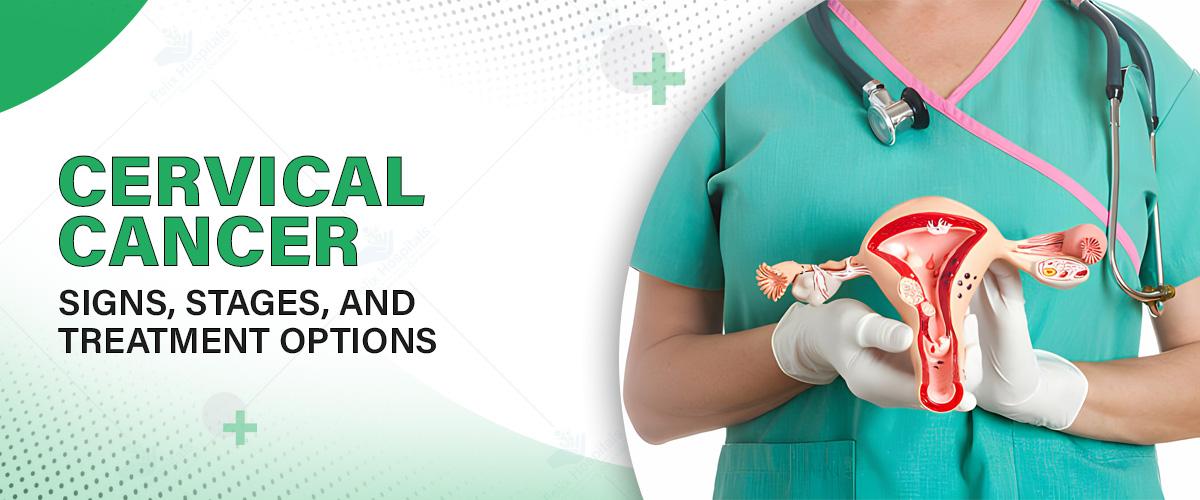
Cervical cancer continues to be a significant global health issue for women, but the availability of screening devices and improved therapies can significantly improve early detection. For individuals worried about risk factors or any symptoms, it is essential to visit the best oncology hospital in Noida, where all diagnostics, treatment planning, and patient care with dignity are provided under one roof. This background serves as the precursor to learning about cervical cancer and how timely treatment at a high-class facility can be a lifesaver.
Get Professional Advice on Your Treatment Process! Schedule your consultation today by dialing +91 9667064100.
Cervical cancer develops in the cervix—the lower portion of the uterus, which creates a canal to the vagina. The majority of the cases progress gradually over multiple years, usually starting as precancerous alterations of the cervical cells, which is otherwise referred to as cervical dysplasia. In nearly all the cases, infection with high-risk types of human papillomavirus (HPV) is the underlying cause of the cellular changes. If we fail to detect and address these abnormal cells early, they can become invasive and spread to nearby tissues or lymph nodes. Knowing this development highlights the importance of regular screening.
Early cervical cancer might not be noticeable, and for that reason, regular screening is necessary. When the disease advances, these signs and symptoms might appear:
Unusual vaginal bleeding: bleeding between periods, during or after sexual intercourse, or after menopause.
Abnormal vaginal discharge: can be watery, thick, or pungent, sometimes stained with blood.
Pelvic or low back ache: Pain that does not change with menstruation and persists or worsens.=
Pain associated with intercourse (dyspareunia): Painful or uncomfortable sexual intercourse.
Abdominal bloating, bowel obstruction, or painful abdomen: Nausea and vomiting, frequent urination, or rectal bleeding.
If you find any of these symptoms, you must see the best oncologist in Noida as soon as possible to check your signs and get you checked and tested accordingly.
Although most cervical cancers are caused by infection with the high-risk types of HPV, other risk factors can increase your risk:
Early initiation of sex or having many sex partners raises the risk of exposure to HPV.
Cigarette smoking greatly compromises the immune system and stimulates the growth of dysplastic cells.
Illnesses such as HIV or immunosuppressive drugs leading to immune suppression.
Extended use of oral contraceptives has been linked to a small excess risk.
Low socioeconomic status or inaccessibility to screening frequently causes delays in diagnosis, deteriorating prognosis.
Identification of these parameters empowers women to take preventive measures such as screening, immunization, and riskier lifestyle habits.
Diagnosis usually proceeds according to a step-by-step method:
Pap smear test: a straightforward yet effective screening test that detects abnormal cervical cells before they turn malignant.
HPV DNA test: tests for high-risk viral types causing dysplasia.
Colposcopy with biopsy: if screening tests reveal abnormalities, a colposcopy provides magnified visual examination and tissue biopsy for confirmation.
Imaging tests: MRI, CT scan, or PET-CT can be advised to evaluate the tumor size and extent of spread.
Staging evaluation: a combination of biopsy findings and imaging determines the stage of disease, which in turn dictates treatment.
This diagnostic process generates solid information for experts, allowing them to personalize a successful treatment plan.
Proper staging provides clarity about the extent of disease involvement, guiding treatment decisions:
Stage I: Cancer is confined to the cervix. Subdivided into Ia (microscopic) and Ib (visible lesion).
Stage II: Cancer has spread beyond the cervix but hasn’t reached the pelvic wall or lower vagina.
Stage III: Extends to the pelvic wall or involves the lower vagina; may cause hydronephrosis or decreased kidney function.
Stage IV: Cancer has extended to nearby organs (such as bladder or rectum) or distant organs (lungs, liver).
Every stage requires unique care strategies in order to maximize outcomes and maintain quality of life.
Selecting the correct treatment relies on the stage of the disease, age, health status, and fertility desires:
Conization or Loop Electrosurgical Excision Procedure (LEEP): removal of pre-cancerous or early cancer cells to preserve fertility.
Simple or Radical Hysterectomy: can be advised if fertility is not wanted and cancer is early.
Radiation therapy along with chemotherapy (concurrent chemoradiation) is the standard of care in most situations.
External Beam Radiation (EBRT) with a following brachytherapy treats both the cervix and pelvic lymph nodes.
Chemotherapy drugs like cisplatin are also often used alongside radiation to enhance results.
Targeted therapy such as bevacizumab can be employed to block tumor growth.
Immunotherapy or other newer systemic therapy is being explored or employed in specialized environments.
Palliative care is aimed at maintaining symptom control and quality of life.
If surgery is included in the treatment regimen, it is essential to visit the best oncology surgeon in Noida, who can conduct sophisticated operations with expertise in modern surgical oncology techniques and coordination with specialties.
Prevention is still the backbone of lowering cervical cancer rates:
HPV vaccination is preferably given before the initiation of sexual activity to confer protection against high-risk types of HPV.
Regular screening with Pap smear and HPV testing every 3–5 years, based on age and previous findings. Consistent condom use and safe sex reduce exposure to the virus.
Abstention from tobacco smoking enhances immune status and lowers risk of cervical dysplasia.
Regular public campaigns and easy access to screening initiatives enable the screening of underscreened groups.
Through a combination of vaccination, screening, and behavior change, the risk of cervical cancer can be significantly lowered.
Make an appointment at the top oncology hospital in Noida for expert cervical cancer screening and customized care.
Cervical cancer can be prevented and treated effectively—particularly when detected early. By making a decision on care at the top oncology hospital in Noida, meeting with the top oncologist in Noida, and collaborating with the top oncology surgeon in Noida, patients are able to access world-class care and customized treatment plans.
Before you begin treatment, make sure to talk about the treatment cost of cervical cancer up-front so financial planning is clear. Don't wait—take action early, undergo preventive screening, and receive expert care. Serious health from this day forward relies on conscious choices.
Q1. How frequently should I be screened for cervical cancer if I have no symptoms?
Ans: Women aged 21 to 65 should have a Pap smear every 3 years, or a combined Pap smear and HPV test every 5 years after age 30, depending on previous results and risk factors.
Q2. Can the HPV vaccine protect me if I’m already sexually active?
Ans: Yes, the vaccine can still protect against HPV types to which you have not been exposed, but it is most effective if administered prior to sexual initiation.
Q3. Is cervical cancer inherited or transmitted through family genes?
Ans: Cervical cancer is not hereditary; it is basically caused by infection with human papillomavirus. But family history can affect immune response or screening compliance.
Q4. What are the fertility consequences of treatments for cervical cancer?
Ans: Early-stage treatments like conization can preserve fertility, while radical surgery or radiation may impact it. Fertility-sparing options should be discussed with your oncologist before treatment.
Q5. How can I manage side effects during radiation or chemotherapy for cervical cancer?
Ans: Side effects like fatigue, nausea, and skin irritation can be managed with medications, diet modifications, and supportive care—always communicate openly with your healthcare team for symptom relief.

Cervical cancer is most common in women after breast cancer. Cervical cancer starts from the cervix, i.e., the cervix. The cervix is the lower part of the uterus that connects the vagina to the uterus.

Recognize the early warning signs of cervical cancer. Learn about its symptoms, causes, and when to consult a gynecologist for timely diagnosis and treatment.
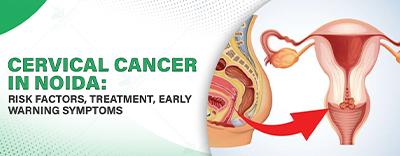
Explore the key causes, symptoms, and modern treatments for cervical cancer. Learn how early detection in Noida can save lives through timely care and expert intervention.


Subscribe to our
© Copyright 2026. All Rights Reserved by Felix Healthcare Private Limited
Design and development by :


 +(91)9667064100
 Emergency : +(91)9667064100