 Emergency:
  WhatsApp


Subscribe to our
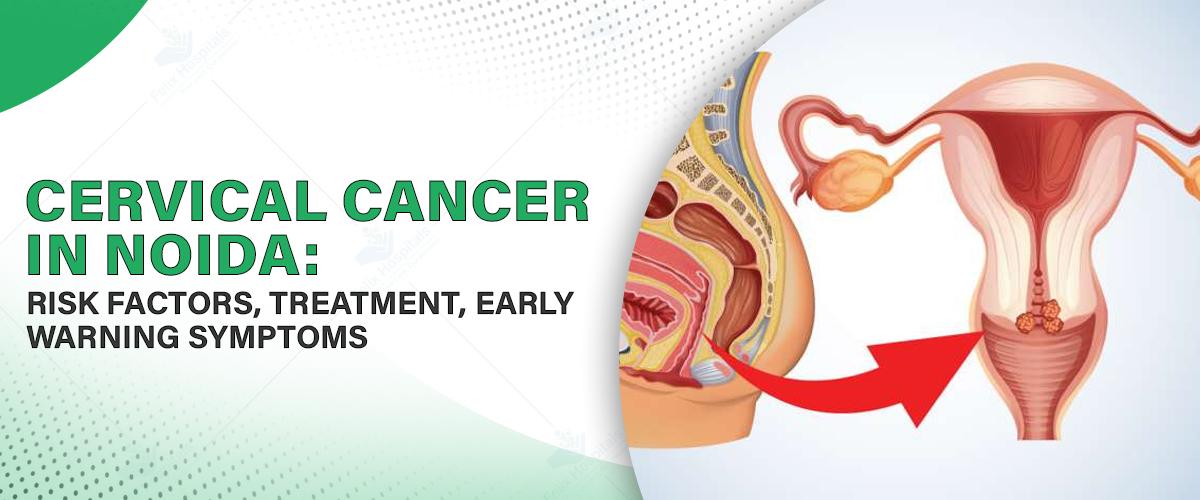
Cervical cancer is a serious health issue that affects thousands of women in Noida every year. Thanks to advances in medical science, early detection, and effective treatments, this disease is now very easy to prevent and treat, especially if it is caught early. To fight cervical cancer and save lives in Noida, people need to be aware of it, have easy access to screenings, and get medical help quickly.
This blog covers cervical cancer risk factors, symptoms, diagnosis, treatment options, and FAQs. If you or someone you care about is showing strange symptoms or is worried about preventing cervical cancer, the best oncology hospital in Noida for treating it can help you stay informed and take action.
To make an appointment with an expert, call us at +91 9667064100 today. Taking action early can save lives.
The cervix is the lower part of the uterus that connects to the vagina. Cervical cancer starts there. Persistent infection with high-risk types of the human papillomavirus (HPV), a virus that spreads through sexual contact, is the most common cause. The disease gets worse slowly over time, but if it isn't found and treated early, it can become life-threatening.
The good news is Cervical cancer is one of the cancers that women can avoid the most easily with regular Pap smears and HPV shots.
There are two main types of cervical cancer:
Squamous Cell Carcinoma is the most common type, making up 80% to 90% of all cases. It starts in the flat, thin cells that line the outside of the cervix.
Adenocarcinoma is less common, but it could be more aggressive. It starts in the glandular cells that line the cervical canal.
Some women may have cancers that are a mix of both types of cells.
One problem with cervical cancer is that it doesn't always show signs in its early stages. That's why it's so important to get regular checkups. But as the disease gets worse, you may start to notice the following symptoms:
Bleeding from the vagina that isn't normal (after sex, between periods, or after menopause)
Vaginal discharge that smells bad or is watery
Pain during sex
Pain in the pelvis or lower back
Urination that hurts or is hard to do
Blood in your urine or stool
Legs that are swollen
If any of these signs last for more than a few days, you should see a qualified oncologist right away.
There are several things that can raise the risk of getting cervical cancer:
Recurrent infection with high-risk strains of HPV is the main cause of cervical cancer.
Starting to have sex at a young age raises the risk of getting HPV.
This increases the likelihood of contracting high-risk HPV infections.
Women whose immune systems are weak, like those with HIV, are more likely to get infections and cancer.
Using tobacco is strongly linked to changes in the cervix that could lead to cancer.
If you don't get regular Pap tests, you might not notice changes that could lead to cancer.
Oral contraceptives work to prevent pregnancy, but using them for more than five years may slightly raise the risk.
Routine screenings usually find cervical cancer. You can use the following diagnostic tools:
Pap Smear: Finds cells in the cervix that are not normal.
HPV Testing: Finds HPV strains that can cause cancer.
Colposcopy: Using a special magnifying tool to look more closely at the cervix.
Biopsy: Confirms that cancer cells are present.
CT, MRI, or X-rays may be used to find out how far the cancer has spread.
Staging helps figure out how far along the cancer is and what kind of treatment to give:
Stage I: The cancer is only in the cervix.
Stage II: The cancer has spread beyond the cervix but not to the wall of the pelvis.
Stage III: Cancer has spread to the pelvic wall or the lower part of the vagina.
Stage IV: Cancer has spread to organs that are far away, like the lungs, bladder, or liver.
The best treatment plan will depend on the type and stage of cervical cancer. Here are some of the most common ways to treat it:
Early stages employ surgery to eliminate the tumor or even the cervix and uterus (hysterectomy).
Radiation therapy employs high-energy rays to destroy cancer cells. It is typically used in conjunction with chemotherapy.
Uses drugs to kill cancer cells, and it's especially good for cases that are advanced or come back.
Targets certain cancer cell markers, which makes healthy cells less affected.
Strengthens the immune system to help the body fight cancer better.
A team of specialists, including a gynecologic oncologist in Noida, makes a unique treatment plan for each patient.
Yes. Some things you can do to avoid problems are:
Regular HPV screenings and Pap tests
Vaccination against HPV for people who are old enough
Safe ways to have sex
Stopping smoking
Regular gynecological checkups
Screening helps find cervical cancer early, which greatly lowers the risk of getting it.
If you require a Pap smear, are experiencing unusual bleeding, or simply wish to feel more at ease, please consider scheduling an appointment today.
Cervical cancer is one of the most preventable and treatable cancers when detected early. Regular screenings, HPV vaccinations, and awareness of early symptoms can make a significant difference in reducing the risk and improving treatment outcomes. Whether you're experiencing abnormal symptoms or simply due for a Pap smear, taking proactive steps now can protect your future health.
If you or a loved one has concerns about cervical cancer, don’t wait. Early intervention offers the best chance for recovery and peace of mind. Reach out to the best hospital in Noida for expert consultation, compassionate care, and personalized treatment.
Q1. Is it costly to get treatment for cervical cancer at a private hospital?
Ans: The cost of treatment can change based on the type of treatment and the stage of the disease. To help with the cost, many hospitals offer packages and help with insurance.
Q2. How can I tell if the hospital is able to treat cervical cancer?
Ans: Find a hospital that has a separate oncology department, modern diagnostic tools, and a team that includes experienced oncologists.
Q3. Can cervical cancer treatment make it harder to get pregnant?
Ans: Yes, some treatments, like hysterectomy or radiation, can affect fertility. Talk to your oncologist about ways to keep your fertility before you start treatment.
Q4. How often should women get checked for cervical cancer?
Ans: At age 21, women should start getting Pap smears and then get them again every three years or as their doctor says.
Q5. Will insurance pay for all of the costs of cervical cancer treatment?
Ans: Most insurance companies pay for most parts of cancer treatment. For exact coverage information, contact your insurance company and the hospital's billing department.

Recognize the early warning signs of cervical cancer. Learn about its symptoms, causes, and when to consult a gynecologist for timely diagnosis and treatment.
Recognize the early warning signs of cervical cancer. Learn about its symptoms, causes, and when to consult a gynecologist for timely diagnosis and treatment.

Cervical laminectomy relieves neck pain by reducing spinal pressure, helping restore mobility and quality of life.


Subscribe to our
© Copyright 2026. All Rights Reserved by Felix Healthcare Private Limited
Design and development by :


 +(91)9667064100
 Emergency : +(91)9667064100