 Emergency:
  WhatsApp

Subscribe to our
Health crises are prone to occur suddenly, often without any advances signs, and necessitate instant intervention for avoid that becoming severe injuries or any mishappening . Knowledge of common medical emergencies helps them to identify early warning signs of danger and respond appropriately when lives are on the line.
Many life-threatening health conditions – including cardiac arrest, stroke or trauma – require urgent medical attention. According to WHO cardiovascular diseases continue to be the number one cause of death worldwide, which makes early response in emergencies vital. .
Experiencing sudden severe symptoms or unsure what to do? Don’t delay—seek immediate medical help. Call +91 9667064100 to connect with an emergency doctor near me.
A heart attack is one of the most serious life-threatening health conditions that occurs when blood flow to the heart is blocked. Early recognition and action are crucial to prevent fatal outcomes.
Chest pain or pressure
Pain radiating to arm, jaw, or back
Shortness of breath
Sweating or dizziness
Nausea or vomiting
Call emergency services immediately
Keep the person calm and seated
Give aspirin if advised by a doctor
Avoid physical exertion
Stroke is a medical emergency and one of the deadliest common medical emergencies that you face. When the blood supply to your brain is blocked, it results in stroke.
Sudden weakness in one side of the body
Slurred speech
Difficulty understanding speech
Vision problems
Severe headache
Remember FAST (face drooping, arm weakness, speech difficulty, time to act)
Dial your local emergency number now
Don’t give food or drink
Lay the patient down
Sudden breathing problems may result in death if are not attended to immediately. When unexpected health emergencies such as breathing trouble arise, knowing how to respond to sudden medical problems could save his life.
Fast or shallow breathing
Wheezing or choking
Lips or fingertips that are blue
Can’t say full sentences
Chest tightness
Assist the person to sit up straight
Use inhaler if prescribed
Make sure there is fresh air
Get emergency help now
Accidents leading to heavy bleeding or fractures are serious common medical emergencies requiring urgent care.Immediate action can prevent shock and complications.
Heavy or uncontrolled bleeding
Deep wounds
Visible bone deformity
Loss of consciousness
Severe pain
Apply pressure to stop bleeding
Immobilize the injured area
Do not move the patient unnecessarily
Call emergency services immediately
Seizures and sudden unconsciousness are alarming conditions and fall under what to do in a medical emergency? situations where quick thinking is essential.
Sudden collapse
Jerking body movements
Confusion after episode
Temporary loss of awareness
Difficulty breathing during episode
Place the person on their side
Do not put anything in the mouth
Clear surrounding area
Monitor breathing and call for help
Emergency teams act quickly to identify the cause and stabilize patients in how to identify medical emergencies situations using rapid diagnostic tools.
Test | Purpose |
Vital Signs Monitoring | Checks heart rate, BP, oxygen levels |
ECG | Detects heart attack or rhythm issues |
CT Scan | Identifies stroke or internal injury |
Blood Tests | Detects infection, sugar imbalance |
Identifies fractures or lung issues |
These tests help doctors make rapid and life-saving decisions. According to the American Heart Association, early emergency treatment within the “golden hour” significantly improves survival in heart attacks and strokes.
Understanding When to go to emergency vs OPD is important for choosing the correct medical service.
Severe chest pain
Difficulty breathing
Sudden unconsciousness
Heavy bleeding
Severe injury
Mild fever
Minor infections
Routine check-ups
Chronic disease follow-up
Preparation ahead of time may lead to good emergency management. A good medical emergency checklist would include:
Save emergency phone numbers.
Basic first aid kit should be kept at home
Be knowledgeable about CPR and First Aid
A list of your medications and any allergies
Emergency room nearby
Warning signs also help us to know when to go emergency vs opd. If you experience:
Sudden, severe symptoms
There is loss of consciousness
Difficulty breathing is reported
A person is experiencing severe chest pain
If there is uncontrollable bleeding
The selection of the hospital is very important in such cases.top hospitals for emergencies in noida have round the clock emergency services, skilled doctors, state of the art equipments and well-trained paramedical staff. They provide:
24/7 services
Diagnostic assistance provided immediately
Critical care units
Emergency Specialist Doctors
Emergency treatment protocol
Knowing how to stay prepared for health emergencies can reduce risks and improve response time during critical situations. Helpful tips include:
Regular health checkups
Managing chronic diseases
Learning basic first aid
Avoiding risky behaviors
Keeping emergency contacts handy
Facing a medical emergency or unsure about symptoms? Get immediate expert help from experienced professionals. Call +91 9667064100 to reach an emergency doctor near me.
Urgent health situations require prompt thinking, monitoring and action at once.Individuals can respond appropriately and avoid complications when they are aware of prevalent medical emergencies and the signs that precede them.
With information, preparation, and timely treatment from the top hospitals for emergency in noida, you can achieve better results and safeguard your kin in exigent circumstances.
Yes, panic may delay decision making and add stress to the patient and caregiver.Being calm helps you act more quickly and effectively.
If telephone numbers of ambulance services are known, the safer option is usually to call the ambulance as they can provide medical care en route to hospital.
It is the hour after a traumatic injury or a critical illness, during which the prompt medical treatment can have a great influence on outcome survival
No, but you're strongly advised to treat any unexplained or severe chest pain like an emergency until a doctor has looked at you.
Teach them about simple things such as the warning signs, emergency numbers, and when to get help in a straightforward and simple manner.
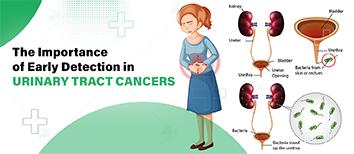
For those experiencing such symptoms, seeking care from the best hospital for pulmonology treatment in Noida ensures you receive timely and expert diagnosis and treatment.
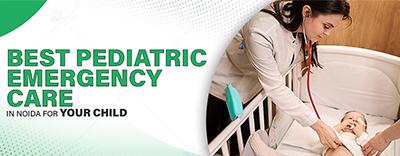
Get immediate, expert care for your child at the best pediatric emergency centers in Noida. Available 24/7, these facilities offer advanced treatment, experienced pediatricians, and specialized care for urgent child health issues.
Quick actions to save lives during a heart attack.
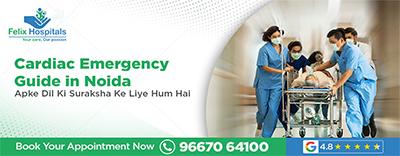
Noida mein cardiac emergency ke liye turant, vishwasniya aur expert care—aapke dil ki suraksha hamari zimmedari.

Subscribe to our
© Copyright 2026. All Rights Reserved by Felix Healthcare Private Limited
Design and development by :


 +(91)9667064100
 Emergency : +(91)9667064100