 Emergency:
  WhatsApp

Subscribe to our
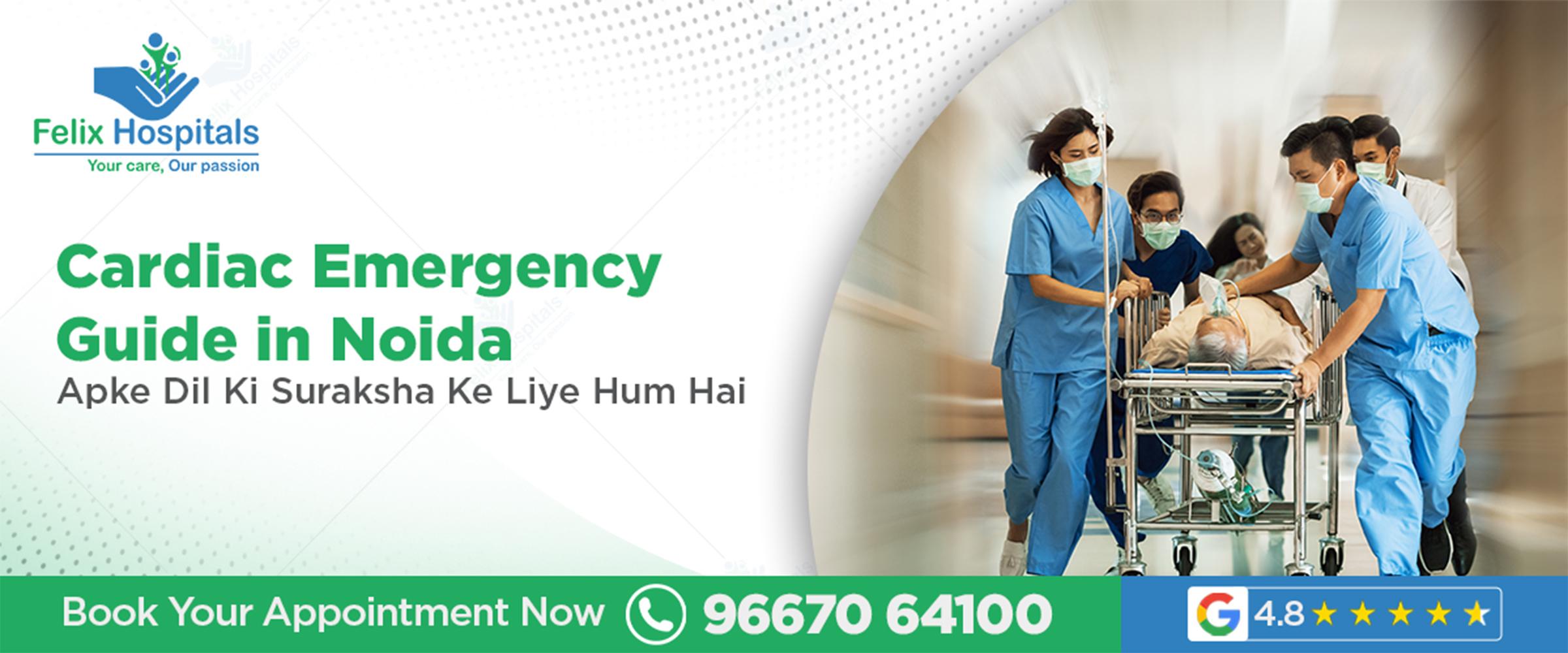
Cardiac emergencies are sudden, life-threatening conditions that demand immediate medical attention. A delay of even a few minutes can significantly impact survival and long-term heart function. In fast-growing urban areas like Noida, rising stress levels, sedentary lifestyles, and chronic health conditions have increased the incidence of sudden heart-related emergencies. This makes awareness and preparedness extremely important.
Having access to a reliable cardiac emergency hospital guide in Noida empowers individuals and families to act quickly, recognize warning signs, and seek appropriate care without panic. Knowing what to do in the first few critical moments can save lives.
In case of chest pain or suspected cardiac emergency, call +91 9667064100 immediately for urgent cardiac care in Noida.
A cardiac emergency refers to any sudden condition affecting the heart that disrupts its ability to pump blood effectively. A cardiac emergency Noida scenario may include heart attack, sudden cardiac arrest, severe arrhythmias, acute heart failure, or dangerously high blood pressure.
These conditions often develop rapidly and may occur even in people with no prior history of heart disease, making preparedness crucial for everyone.
Understanding different cardiac emergencies helps in quicker recognition and response:
Heart attack (myocardial infarction)
Sudden cardiac arrest
Life-threatening arrhythmias
Acute heart failure
Hypertensive crisis
Each of these conditions requires immediate evaluation at a heart emergency hospital in Noida with advanced cardiac care facilities.
Recognizing early symptoms can prevent severe damage or death. Common warning signs include:
Chest pain, pressure, or heaviness
Pain radiating to left arm, jaw, back, or neck
Sudden shortness of breath
Profuse sweating without exertion
Nausea, dizziness, or fainting
Unexplained anxiety or restlessness
In women, elderly patients, and diabetics, symptoms may be subtle, such as unusual fatigue or indigestion-like discomfort.
A heart attack emergency in Noida occurs when blood flow to the heart muscle is suddenly blocked, usually due to a clot in a coronary artery. The longer the blockage persists, the greater the damage to heart muscle.
The concept of “golden hour” is critical—treatment within the first hour significantly improves survival and recovery. Immediate transfer to a hospital offering cardiac emergency treatment in Noida is essential.
If you suspect a cardiac emergency:
Call emergency medical services immediately
Do not allow the patient to walk or exert themselves
Loosen tight clothing and keep the person calm
If conscious, help them sit or lie down comfortably
If unconscious and trained, begin CPR
Avoid home remedies or delays—professional cardiology emergency care Noida is the only safe option.
An emergency cardiologist in Noida plays a crucial role in rapid diagnosis and decision-making. These specialists are trained to interpret ECGs, manage cardiac drugs, perform emergency angiography, and initiate life-saving procedures such as angioplasty or pacing.
Their expertise ensures that treatment begins within minutes of hospital arrival, which is often the difference between survival and permanent heart damage.
A well-equipped heart emergency center must have:
24/7 emergency cardiac team
Advanced cardiac ICU
Immediate ECG and imaging
Cath lab for emergency angioplasty
Round-the-clock pharmacy and blood bank
Choosing a hospital prepared for cardiology emergency care Noida ensures uninterrupted treatment from diagnosis to recovery.
Certain individuals are more prone to cardiac emergencies:
Patients with diabetes or high blood pressure
Smokers and tobacco users
People with high cholesterol
Those with obesity or sedentary lifestyle
Individuals with family history of heart disease
For these groups, early recognition and access to a heart emergency hospital in Noida can be life-saving.
Surviving a cardiac emergency is only the first step. Post-emergency care includes:
Continuous heart monitoring
Medication management
Cardiac rehabilitation programs
Lifestyle modifications
Regular follow-up with cardiologists
Structured rehabilitation improves heart function, reduces recurrence risk, and enhances quality of life.
While not all emergencies can be prevented, risk can be reduced by:
Regular heart checkups
Managing blood pressure and sugar levels
Maintaining a heart-healthy diet
Avoiding smoking and excessive alcohol
Managing stress effectively
Preventive care reduces the likelihood of sudden cardiac emergency treatment in Noida situations.
With increasing work pressure, pollution, and lifestyle diseases, cardiac emergencies are no longer limited to older adults. Awareness, timely action, and knowing where to go during emergencies are essential for urban populations.
Having a clear plan and trusted medical support ensures that help is available when every second counts.
For immediate access to an emergency cardiologist in Noida or guidance during a heart emergency, call +91 9667064100 now.
Cardiac emergencies are unpredictable, but being informed and prepared can save lives. Recognizing symptoms early, acting without delay, and reaching the right medical facility are the cornerstones of survival. A reliable cardiac emergency guide in Noida helps individuals respond confidently during critical moments.
Apke dil ki suraksha ke liye hum hai—because when it comes to heart emergencies, fast action and expert care make all the difference.
Q. 1. How do I know if chest pain is a heart emergency?
Ans. Any sudden, severe, or persistent chest pain should be treated as an emergency.
Q. 2. Can young people have cardiac emergencies?
Ans. Yes, stress, smoking, and lifestyle factors increase risk even in younger adults.
Q. 3. What is the fastest treatment for a heart attack?
Ans. Immediate hospital care with clot-opening treatment or angioplasty.
Q. 4. Should I drive myself to the hospital during chest pain?
Ans. No, always use emergency services to ensure safe and rapid care.
Q. 5. Can cardiac emergencies be prevented completely?
Ans. Not entirely, but regular checkups and healthy habits reduce risk significantly.
Find the best cardiologist for your heart care with these essential tips and expert advice.
However, stress, sedentary lifestyle, chronic diseases such as diabetes and hypertension, and genetic factors place young individuals at risk of heart attack.
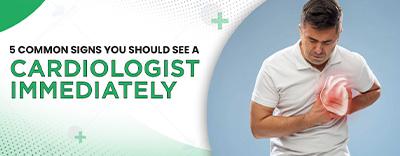
Chest pain, breathlessness, fast heartbeat, dizziness, or sudden fatigue are warning signs—see a cardiologist immediately.

Subscribe to our
© Copyright 2026. All Rights Reserved by Felix Healthcare Private Limited
Design and development by :


 +(91)9667064100
 Emergency : +(91)9667064100