 Emergency:
  WhatsApp

Subscribe to our
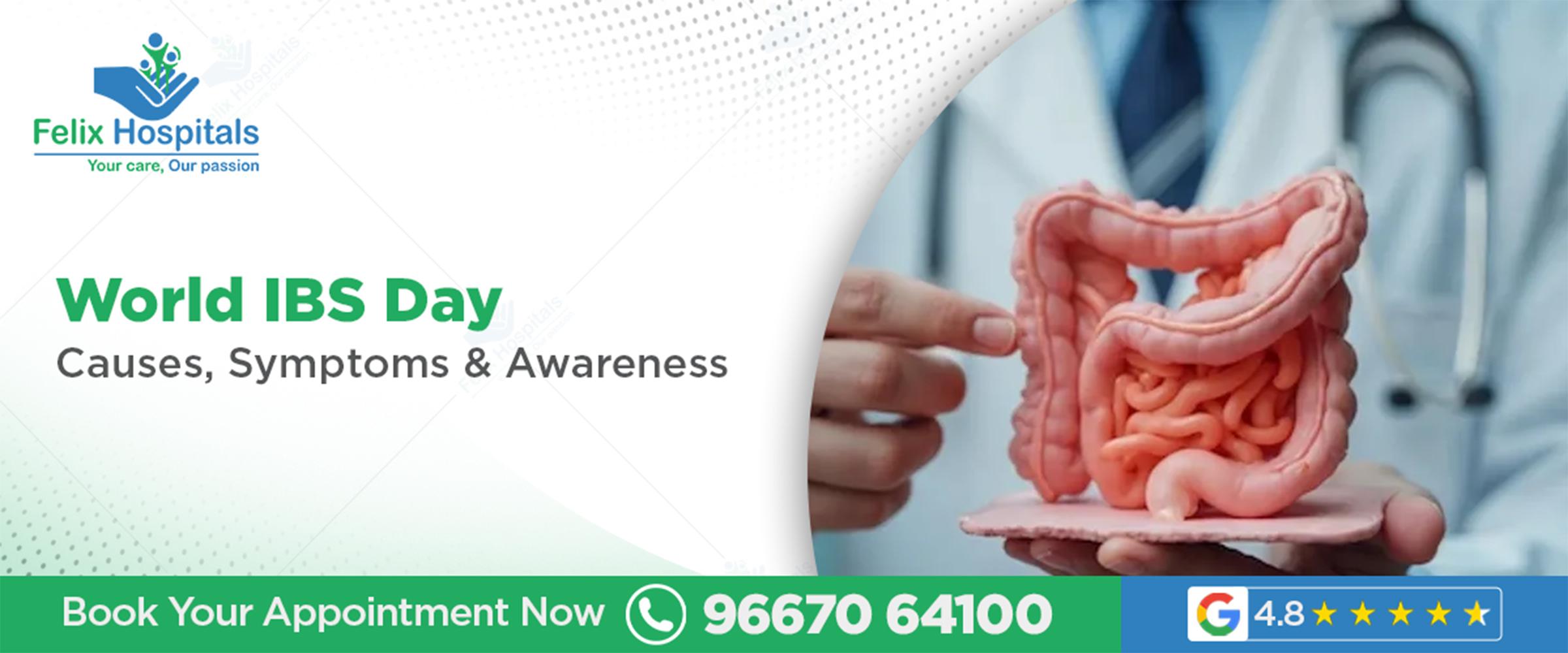
World IBS Day is celebrated every year to educate the world about Irritable Bowel Syndrome (IBS) - a persistent digestive disorder that afflicts millions of individuals in the world. IBS though common, is not usually diagnosed since most people are ready to attribute the symptoms to indigestion or discomfort associated with lifestyle.
IBS can be a complicated condition. Starting with the abdominal paling, uncontrolled bowel movements, the condition may have a severe impact on physical discomfort, emotions, and productivity. More awareness should be created regarding IBS to ensure that the people are aware of symptoms so that they can get medical assistance in time and understand how to deal with the disease.
IBS is discussed in this article and will tell you all you need to know about the disease; the causes, symptoms, diagnosis, treatment and some practical lifestyle tips you should know about to manage the disease.
Take charge of your gut health today. Early diagnosis can prevent long-term complications. Book a consultation: +91 9667064100 and speak with a gastro specialist today.
The Irritable Bowel Syndrome (IBS) is a functional gastrointestinal illness, which mostly involves the large bowel (colon). Functional refers to a digestive system that is not functioning normally even though it does not have any visible abnormalities.
IBS is not a kind of infection, not a kind of cancer, and it does not lead to a permanent damage of the intestines. But it is a long term illness that should be managed on a long term basis.
The types of IBS are determined by types of bowel habits:
IBS-C - Preponderance constipation.
IBS-D - Diarrhea predominant
IBS-M - Mixed (constipated and diarrhea)
IBS-U - Unclassified
IBS may not decrease the lifespan of individuals; however, it may significantly decrease quality of life when untreated.
The precise pathogenesis of IBS is not identified, however, it is supposed that a combination of several factors contributes to the development of the disease.
The gut-brain axis is an interrelation between the brain and the digestive system. Any interference with the communication may influence bowel movements and pain perception.
Individuals affected by IBS are generally very sensitive to their intestines, that is, even normal digestion is painful.
The food is propelled through the intestines. The stronger or weaker contractions may result in:
Diarrhea (fast movement)
Constipation (slow movement)
Gut Microbiome Imbalance
Trillions of beneficial bacteria are in the gut. Disproportion of these bacteria may result in bloat, gas and digestive problems.
IBS occurs in many following severe food poisoning or gastroenteritis. This is referred to as post infectious IBS.
IBS is closely associated with stress, anxiety and depression. The symptoms may be aggravated by emotional stress.
Some of these foods can cause IBS symptoms and they include:
Dairy products
Caffeine
Spicy foods
Artificial sweeteners
Processed foods
The symptoms of IBS are mild to severe and tend to occur in intervals known as flare-ups.
Common Symptoms
Abdominal pain or cramping
Bloating and gas
Diarrhea or constipation
Alternating bowel habits
Mucus in stool
This is a sense of unfinished bowel movement.
Additional Symptoms
Fatigue
Nausea
Backache
Frequent urination
Sleep disturbances
The symptoms tend to aggravate during the aftermath of meals or stressful situations.
IBS may develop in everyone, although some people are more susceptible to it:
Women have double the chances of developing IBS.
People below 50 years of age
Patients who have relatives who had IBS.
Individuals who have sustained stress.
Patients with anxiety or depression.
IBS is not merely a digestive condition, it may be a problem in all spheres of life.
Physical Impact
Frequent bathroom visits
Pain and discomfort
Low energy levels
Emotional Impact
Fear of going out.
Fear of eating outside
Reduced self-confidence
Professional Impact
Reduced productivity
Missed workdays
Difficulty traveling
IBS may have a serious impact on quality of life unless it is addressed adequately.
A lot of individuals do not want to discuss digestive problems. Consequently, the IBS is not fully diagnosed.
Raising awareness helps:
Encourage early diagnosis
Decrease bowel health stigma.
Enhance healthier lifestyles.
Improve mental well-being
See a doctor should you have:
Persistent abdominal pain
Blood in stool
Unexplained weight loss
Extreme diarrhea or constipation.
Early visitations to the doctor ensure that serious illnesses are eliminated and early treatment commenced.
IBS does not have any single test. Its diagnosis is done by doctors eliminating other disorders.
Diagnostic Process
Detailed medical history
Physical examination
Blood tests
Stool tests
Colonoscopy (if required)
Rome IV is one of the criteria that doctors employ when diagnosing IBS.
The management of IBS is aimed at the control of symptoms and lifestyle change.
Small carbohydrates are restricted to minimize symptoms with the help of a Low FODMAP diet.
Doctors may prescribe:
Antispasmodics
Laxatives or anti-diarrheal drugs.
Probiotics
There are antidepressants (to connect gut and brain)
Therapies that help:
Cognitive behavioral therapy (CBT).
Yoga and meditation
Mindfulness
Healthy Eating Habits
Eat smaller, regular meals
Avoid trigger foods
Increase fiber gradually
Lifestyle Changes
Exercise regularly
Sleep well
Stay hydrated
Stress Management
Practice meditation
Maintain work-life balance
Seek emotional support
Foods to Include
Oats
Bananas
Yogurt with probiotics
Rice and potatoes
Lean proteins
The most triggering foods of IBS
Examples of common trigger foods are:
Dairy products
Spicy and fried foods
Caffeine and carbonated beverages.
Artificial sweeteners
Highly processed foods
There are different triggers to different individuals.
Myth: IBS is just indigestion.
Fact: IBS is a long-lasting medical disorder.
Myth: IBS causes cancer.
Fact: IBS is not a risk factor to cancer.
Myth: Stress is the sole cause of IBS.
Fact: There are several causes of IBS among them being gut imbalance.
Treatment of IBS involves the combination of:
Medical treatment
Healthy lifestyle
Stress management
IBS patients are able to live healthy and productive lives with proper care.
Don’t ignore persistent digestive discomfort . If you frequently experience bloating, abdominal pain, or irregular bowel habits, consult specialists today. Call Now: +91 9667064100 to book your appointment.
During World IBS Day, one should share the information about Irritable Bowel Syndrome and make people realize that digestive health is important.
IBS is not life threatening, however, it can have a severe impact on the quality of life. With proper treatment, lifestyle change, and early diagnosis, the individuals can manage the symptoms and live comfortably.
In case of long-term digestive problems, see the specialists at the Best Gastrology Hospital, Noida, and ask the Best Gastrologist in Noida to consult and provide individual care.
Yes, IBS is a chronic condition, but symptoms can be effectively controlled with the right treatment, diet, and lifestyle changes. Many people experience long symptom-free periods once triggers are identified.
IBS usually does not completely disappear, but symptoms can improve significantly over time with proper medical care and lifestyle management.
Yes. Stress directly affects the gut–brain connection and is one of the biggest triggers of IBS flare-ups.
Flare-ups can last from a few hours to several days depending on triggers, diet, and stress levels.
Yes. Regular physical activity improves digestion, reduces stress, and helps regulate bowel movements.

Abdominal distension is a common condition that causes swelling, bloating, and discomfort in the stomach area. Early diagnosis and proper treatment in Noida can help prevent serious complications and improve digestive health.
Abdominal pain and bloating need timely evaluation. Expert diagnosis in Noida ensures accurate treatment and fast relief.
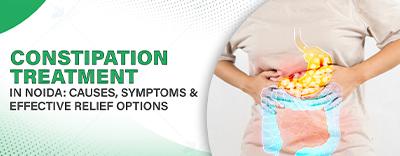
Get expert constipation treatment in Noida. Learn about common causes, symptoms, and the best relief options to improve digestive health.

Struggling with constipation in summer? Learn its causes, symptoms, and effective remedies. Stay hydrated and follow expert tips for better digestive health.


Subscribe to our
© Copyright 2026. All Rights Reserved by Felix Healthcare Private Limited
Design and development by :


 +(91)9667064100
 Emergency : +(91)9667064100