 Emergency:
  WhatsApp



Subscribe to our
Abdominal distension can be defined as the observed swelling or abdominal enlargement. As much as the abdominal distension that comes after eating may be normal, continuous or cumulative abdominal distension may be symptomatic of underlying severe health problems. The patients may have a feeling of fullness, tightness, or heaviness in, or around the stomach area, which disrupts the daily lives and comfort of the patients.
People want to visit the Best gastroenterologist in Noida and get Stomach swelling treatment Noida to evaluate and treat their stomach swelling and digestive disorder.
Constant abdominal swelling or pain? Visit the finest gastroenterologist of Noida. Book your appointment on call through +91 9667064100.
A notable enlargement in the abdomen, which is seen and may be due to gas, accumulation of fluid, obstruction of the intestines or the enlargement of organs. True distension is permanent and can be life-threatening unlike temporary bloating.
Patients often experience:
There is a difference between them though they are mostly used interchangeably:
The awareness of the cause of abdominal distension aids in the provision of effective treatment.
Common causes include:
Abdominal swelling can be caused by excess gas, as a result of indigestion, irritable bowel syndrome (IBS) or as a result of gulping air.
Many years of constipation results in the accumulation of stools and the fullness and pain.
Typically found with liver disease, heart failure, kidney diseases or some types of cancers.
Sudden distension and painful conditions caused by blockage by tumours, adhesions, and hernias.
The long-lasting diseases like inflammatory bowel disease, celiac disease or gastroparesis are some of the chronic conditions that lead to recurrent swelling in the abdomen.
Abdominal distension can be followed by:
Determination of any symptoms associated assists experts in identifying the severity and the cause.
Refer to gastroenterologist in Noida in case of abdominal distension:
Early examination facilitates treatment on time and it averts complications.
Warning Sign | What It May Indicate | Action Needed |
Rapid increase in abdominal size | Internal bleeding or bowel obstruction | Emergency evaluation |
Distension with fever | Infection or inflammation | Immediate doctor visit |
Distension with severe breathlessness | Massive fluid accumulation | Urgent hospital care |
Distension with black or bloody stools | Gastrointestinal bleeding | Emergency investigation |
Distension with sudden weight loss | Possible malignancy | Priority diagnostic workup |
Distension with persistent vomiting | Intestinal blockage | Immediate imaging and treatment |
Medical Examination and History
Physicians examine symptoms history, diets, bowel movements, and history. Physical examination is used to identify the presence of fluid, maggedenness of organs, or tenderness.
(Abdominal distension diagnosis, Abdominal distension diagnosis tests)
It is treated by considering the cause:
(Digestive disorder treatment Noida, Abdominal fullness treatment)
Extreme such as fluid build-up (ascites) or bowel obstruction can necessitate some medical activities or surgery to release the distension.
How to treat bloating naturally includes simple lifestyle and dietary changes such as eating slowly, staying hydrated, and avoiding gas-producing foods. Regular physical activity and probiotic-rich foods are also effective ways for long-term digestive comfort.
The recurring abdominal distension can suggest such serious ailments as:
Early detection enhances better treatment and elimination of complications.
Seek professional help and treatment of abdominal distension in one of the top Gastro hospital in Noida. Dial +91 9667064100.
People who experience abdominal distension want to know that it is more than an unpleasant slight inconvenience; it is also an indicator of digestive or systemic diseases that need to be addressed without delay. It is also important to identify the causes, the symptoms, and take adequate diagnostic tests in order to ensure successful treatment in the best Gastro hospital in Noida. The patients with Noida who have persistent abdominal swelling, bloating, or fullness may require dedicated attention and can search for the best Stomach swelling doctor near me. Immediate intervention eliminates pain and guarantees improved quality of living and avoidance of complications in the long term.
Answer: Whereas slight cases of bloating need no medical care, persistent distension can be a display of severe underlying diseases, which require an assessment.
Answer: The temporary bloating might clear but the actual abdominal distension normally needs medical intervention.
Answer: Commonly used drugs include blood tests, ultrasound, CT scans, X-rays and in rare cases, endoscopy or colonoscopy.
Answer: A gastroenterologist is the right specialist in terms of diagnosis and treatment.
Answer: The therapy will be based on the cause and can involve dietary modification, medication, procedure, or surgery.
Dr. Shuchita Sharma has over 11 years of experience in pathology, specializing in diagnostic pathology, cytopathology, and molecular pathology. She is skilled in analyzing tissue samples and laboratory reports to provide accurate and timely diagnoses, ensuring reliable support for patient treatment and medical investigations.
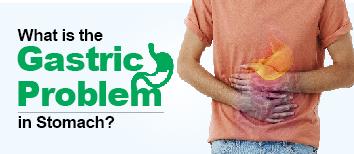
Gastric problems occur when excess acid or digestive disturbances affect the stomach lining, causing symptoms like bloating, acidity, and pain. Timely diagnosis ensures effective treatment.

Understand the key differences between stomach flu and food poisoning. Learn about their causes, symptoms, and when it's time to seek medical help for safe and effective treatment.


Subscribe to our
© Copyright 2026. All Rights Reserved by Felix Healthcare Private Limited
Design and development by :


 +(91)9667064100
 Emergency : +(91)9667064100