 Emergency:
  WhatsApp

Subscribe to our
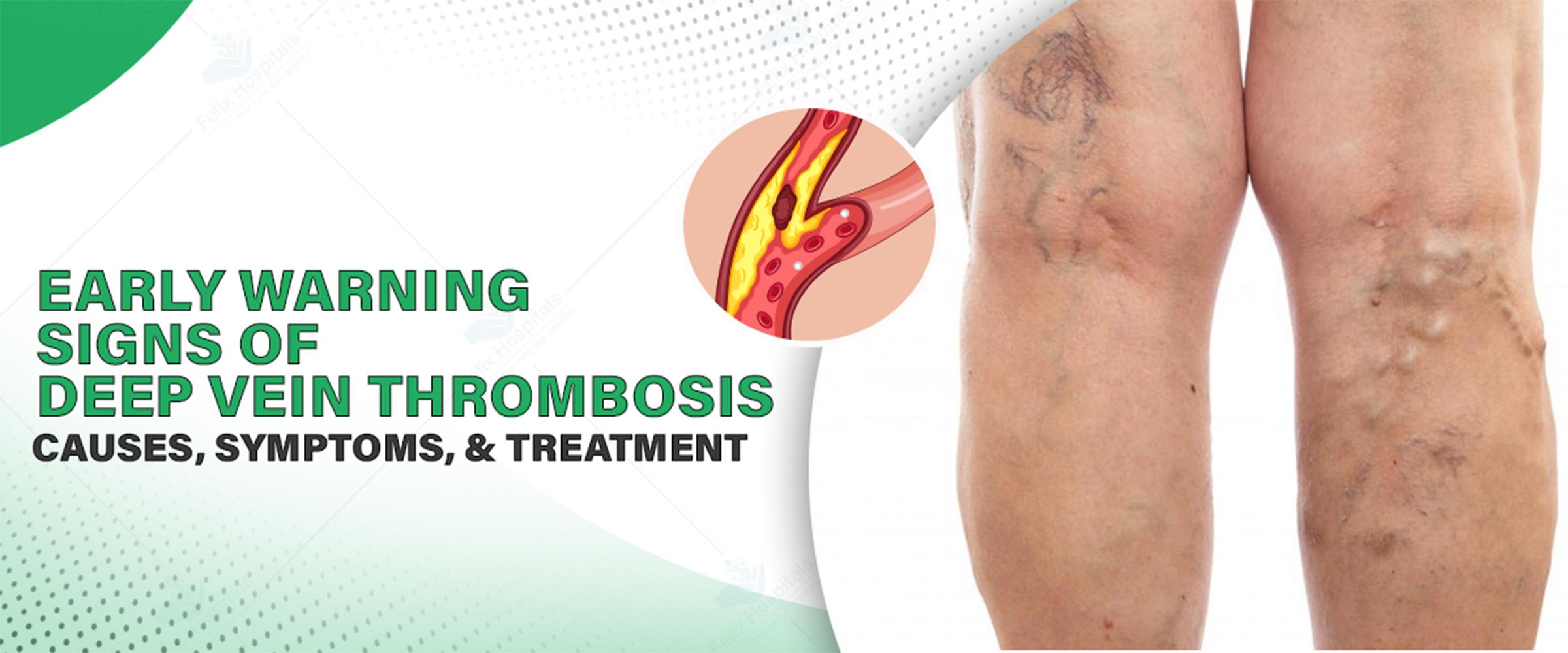
A minor pain or swelling may indicate a much larger problem. DVT is when a blood clot blocks a deep vein in the body. It usually happens in the lower leg or thigh. DVT can be life-threatening if not diagnosed. What makes it worse is the DVT symptoms that may not be obvious and may just come quietly as they form. Anyone can have DVT, but the risk is heightened in certain conditions like long travel, surgery, and other health problems. Well, the good news is that visiting the best Vascular Surgery Hospital in Greater Noida, knowing the signs to look for can make all the difference. In this, we will take you through some of the early signs and symptoms of DVT so you can take action and keep yourself safe.
Suspecting a blood clot? Don't wait - Call +91 9667064100 and consult an expert.
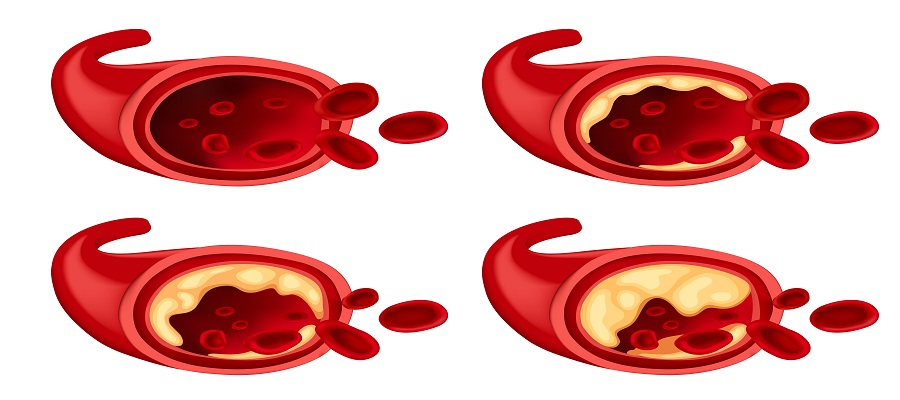
Blood coagulation helps to prevent bleeding. Still, once it happens in the deep structure of the vein without injury, it becomes dangerous, and this condition is known as deep vein thrombosis (DVT).
It usually affects the veins in the legs and can become serious if a part of the blood clotting on legs breaks off, travels through the bloodstream, and blocks a blood vessel.
Have you ever noticed one of your legs looking bigger than the other without a clear reason? Swelling in a single leg is often one of the initial signs of DVT but not all the time. It could also be caused by varicose veins. Hence, it is advisable to compare varicose veins vs DVT signs to know the exact cause and seek suitable medical care. With DVT, the swelling tends to come on quickly and affects only one leg. Your leg might appear visibly large, feel unusually heavy, or even tight. This occurs because there is a blood clot that’s starting to stop blood flow through the vein, which causes the fluid to build up within nearby tissues.
If you have a dull ache or cramping pain in your calf or thigh that simply does not get better, then that’s a major DVT symptoms signs. You should not ignore it. Pain or tenderness in the leg is often the first sign indicating something is wrong. It may start off mild, but it tends to get worse when you stand or walk. Muscle soreness usually goes away with exercise. But DVT pain usually sticks around and can even intensify. Listening to your body when something feels off is key.
At times, the body shows slight signs that a serious issue could be developing internally. If there’s an area on your leg that feels warm to the touch or you see a bit of redness, it may be a warning DVT signs. These two are typical deep venous thrombosis leg symptoms. Though they seem like mild signs, they should never be ignored. As it is your body’s way of raising a red flag, early help can make a big difference.
Ever take a closer look at your legs and see that the veins seem a bit more raised or twisted than usual? Enlarged and puffy veins in the leg can also be early stage DVT symptoms. They can be more visible when a person is standing or moving around. When a clot blocks the normal blood flow, it puts pressure on the veins. So the vein stretches and bulges. You may observe these changes, particularly around your knee or calf. Pay attention to changes that are new or otherwise unusual in your veins, as that can help detect a problem before it gets worse.
Much can be revealed through the skin regarding what is happening within the body. Sudden changes in colour, such as redness, paleness, or even bluish or purplish colour, especially noticeable on one leg, should be a serious blood clot in leg symptoms.Such conditions mean that the tissues are not receiving sufficient oxygen.
Skin discolouration often accompanies swelling and pain. Just trust your instincts. If your skin suddenly looks very different and something feels wrong, it is time to seek medical care without delay.
If you are concerned about DVT in your leg, you should get to your doctor as soon as you can. They will perform a few reliable ways of determining whether or not there is a clot. The typical includes the following.
Duplex Ultrasound: To take pictures of your veins and analyse blood flow.
D-Dimer Test: A blood test that tests for substances related to clotting
CT Venography: Creates 3d images to find blood clots in the lung arteries. Uses a special dye to clearly show the lung arteries.
MRI: Used for detailed imaging
Aside from these, your physicians may perform a physical examination, order a complete blood count, or other blood tests to get a complete picture of what is going on. Early diagnosis helps in preventing serious conditions.
The early stage DVT treatment focuses on three primary objectives.
Prevent the clot from getting bigger.
Stop the clot from dislodging and traveling to the lungs.
Reduce the chance of another DVT formation
The Deep Vein Thrombosis treatment in Greater Noida has come a long way. In the past, it has generally been treated with blood thinners such as heparin and warfarin. These medications prevented the clot from getting bigger but didn’t remove it. Patients often required close monitoring and faced long-term risks such as vein damage. Understanding the signs, symptoms of DVT and early treatment is crucial.
Nowadays, newer options like DOACs (such as rivaroxaban and apixaban) are more convenient to take and less dangerous. They are
A treatment where medication is injected into a clot through a catheter to break it down.
A method involving the use of special instruments to manually remove blood clots from veins.
It is employed in chronic DVT cases when a balloon is placed inside the affected vein and inflated to widen the narrow passage.
A stent is placed into the affected vein to keep it open. This allows normal blood flow.
These methods can remove the clot more rapidly and preserve the health of the veins. These methods improve recovery and reduce the risk of future complications.
Save your legs, save your life Early treatment for DVT is just a call away at +91 9667064100.
Timely recognition of symptoms of DVT in leg and its management is imperative to avoid fatal complications like pulmonary embolism. Early treatment reduces the chances of permanent harm and results in full recovery.
It helps you recover quicker and reduces complications known as pulmonary embolism. In the best Vascular Surgery Hospital in Greater Noida personalized care is provided for each patient’s unique condition and helps you get back to a healthier life quickly. Reach out to the Best Vascular Surgeon in Greater Noida, and they will help you regain control of your life.
Find the links below:
Check the links below:
Q1: How soon should I go to a doctor if I think I have DVT?
Ans: Immediately. A blood clot may travel to your lungs and become life-threatening. Vascular Emergency Care is provided 24X7 by Felix Hospital at Greater Noida.
Q2: Can lifestyle changes help reduce my risk for DVT?
Ans: Yes. Staying active and hydrated, as well as avoiding long immobility, can help lower the risk. Felix specialists also advise patients on individual policies for prevention.
Q3: Do women have any other DVT risks?
Ans: Yes, pregnancy, hormonal contraceptives, and post-menopause therapy can make DVT easier. At Felix Hospital, our vascular experts met with our gynecologists to ensure safe treatment.
Q4: How is DVT different from varicose veins?
Ans: While both affect veins, varicose veins typically occur superficially and are visible while DVT occurs deep in and can be dangerous. Felix doctors conduct diagnostic scans to confirm the difference.
Deep Vein Thrombosis (DVT) explained: causes, symptoms, and treatment strategies to safeguard your health.
Symptoms can include pain, itching, or a burning sensation, though the condition is generally not dangerous.
Symptoms can include pain, itching, or a burning sensation, though the condition is generally not dangerous.
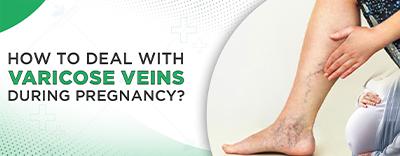
Varicose veins are common during pregnancy due to hormonal and physical changes. Learn effective ways to manage them with safe treatments, lifestyle tips, and medical guidance.
Subscribe to our
© Copyright 2026. All Rights Reserved by Felix Healthcare Private Limited
Design and development by :


 +(91)9667064100
 Emergency : +(91)9667064100