 Emergency:
  WhatsApp

Subscribe to our
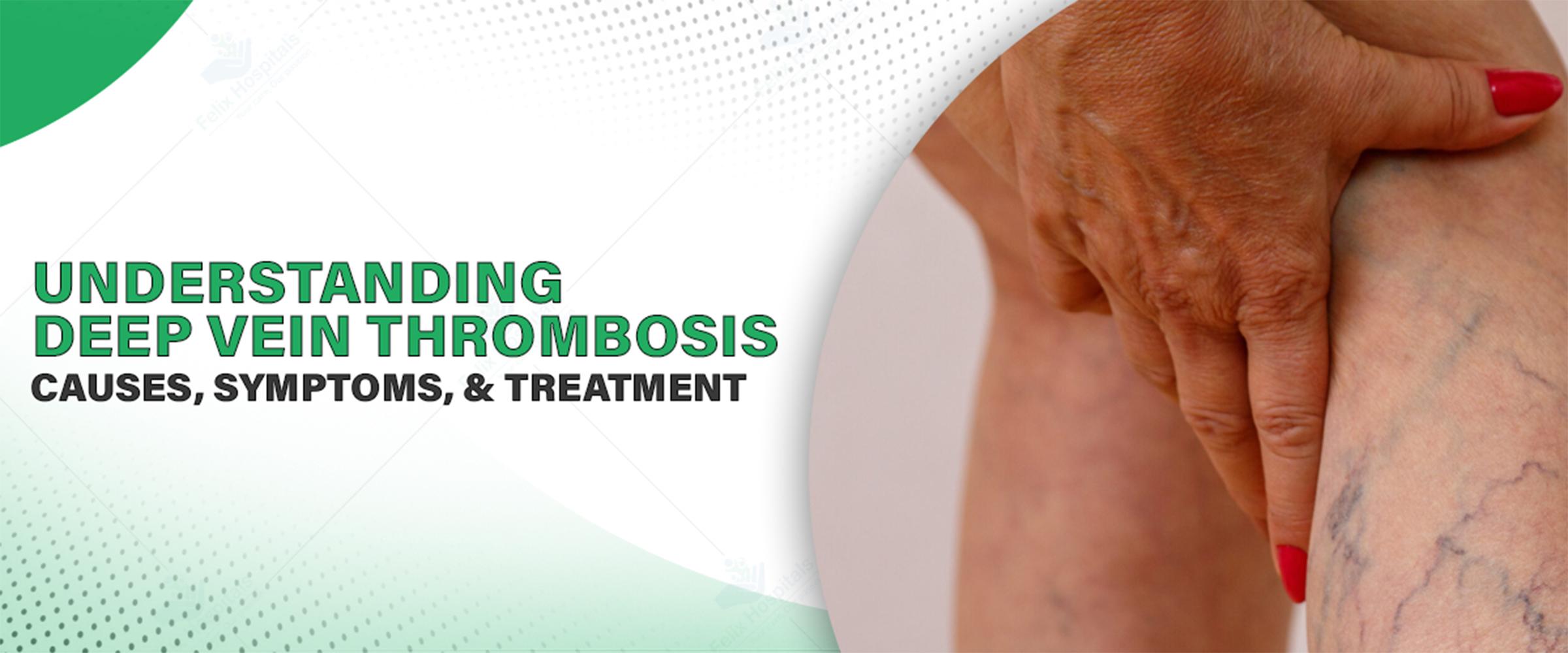
Deep Vein Thrombosis (DVT) is the condition of having blood clots form in the deep veins, most often in the legs or pelvis. It can be fatal if not treated, such as when a blood clot travels to the lungs, called pulmonary embolism. Identifying symptoms such as sudden leg swelling, pain, redness, or warmth is key to early diagnosis. Visiting Deep Vein Thrombosis specialists in Greater Noida can ensure complete diagnosis and timely treatment using the latest technology.
At Felix Hospital, we strive to provide comprehensive vascular care close to home, from the simplest to most complex vascular diseases to the most minuscule to life threatening disorders. Trust this process as to bring out the best in every case under supreme level of experience and knowledge our Best Vascular Surgeon in Greater Noida works with.
Having leg pain or swelling? Get expert Deep Vein Thrombosis treatment in Greater Noida - Call +91 9667064100.
If blood moves too slowly through your veins, it can cause a clump of blood cells called a clot. When a blood clot forms in a vein deep inside your body, it causes what doctors call deep vein thrombosis (DVT). This is most likely to happen in your lower leg, thigh, or pelvis. But it can occur in other parts of your body, too.
DVT can lead to major health problems. In some cases, it can be fatal. That’s why if you think you have one, you must see a doctor right away.
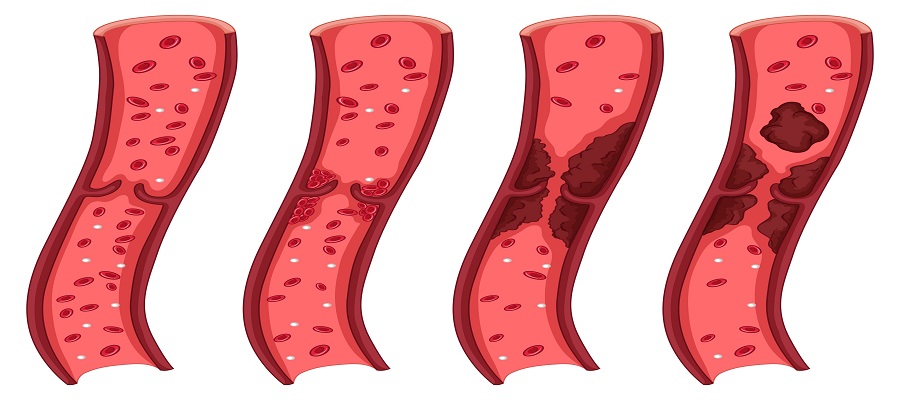
Not everyone with DVT shows symptoms. But you might notice any of the following:
Leg or arm swelling that comes on without warning
Pain or soreness when you stand or walk
Warmth in the area that hurts
Enlarged veins
Skin that looks red
If a blood clot breaks free and moves through your bloodstream, it can get stuck in a blood vessel of your lung. Doctors call this a pulmonary embolism, or PE. It can be fatal.
Shortness of breath
Chest pain that’s worse when you take a deep breath
Coughing up blood
Higher heart rate
The causes of DVT include things that keep blood from:
Flowing through your leg, thigh, or pelvis
Clotting correctly
This usually happens as a result of damage to one of your veins due to:
Surgery
Inflammation
Injury
Many things can raise your chances of getting DVT. Here are some of the most common:
Age: DVT can happen at any age, but your risk is greater after age 40.
Sitting for long periods: When you sit for long stretches of time, the muscles in your lower legs stay still. This makes it hard for blood to circulate, or move around, the way it should. Long flights or car rides can put you at risk.
Bed rest: When you’re in the hospital for a long time, this can also keep your muscles still and raise your odds of DVT.
Pregnancy: Carrying a baby puts more pressure on the veins in your legs and pelvis. What’s more, a clot can happen up to 6 weeks after you give birth.
Obesity: People with obesity – that's a body mass index (BMI) of 30 or higher – are at a higher risk. BMI measures how healthy your weight is based on how tall you are.
Serious health issues: Conditions like inflammatory bowel disease, cancer, and heart disease can all raise your risk.
Certain inherited blood disorders: Some diseases that run in families can make your blood thicker than normal or cause it to clot more than it should.
Injury to a vein: This could result from a broken bone, surgery, or other trauma.
Smoking: This makes blood cells stickier than they should be. It also harms the lining of your blood vessels. This makes it easier for clots to form.
Birth control pills or hormone replacement therapy: The estrogen in these raises your blood’s ability to clot. (Progesterone-only pills don’t have the same risk.)
Infection: When in your blood, veins, or elsewhere, it could lead to DVT.
Inflammation: This could be due to infection, surgery, injury, or some other root cause.
Your doctor will first do a physical exam of your leg and lower body areas to check for symptoms. If there is any swelling, tenderness, or change in skin color, they will likely want to run some tests to see if you have DVT. Such tests include:
Duplex ultrasound: This is the standard test for DVT. Your doctor will run an ultrasound to scan parts of your body for clots in your veins. An ultrasound scanner sends sound waves to create images showing how blood flows through your veins. If your doctor finds a clot, they may want you to come back for more ultrasounds to see if it has grown or if there are any new ones.
D-dimer blood test: Most people with bad DVT will have D-dimer in their blood, It's a type of protein that comes from blood clots. Your doctor will do a blood test to see whether you have high levels of D-dimer.
MRI: MRIs are usually done for DVT in the lower abdomen or belly area. They are not standard for the more common forms of DVT.
Venography: This test is rarely done because it is so invasive. Your doctor will inject dye in your veins and take an X-ray to see if the dye is flowing properly through your veins. It can let your doctor see if you have any clots. Other tests, like an ultrasound, are done first.
DVT can progress as your symptoms get worse. Signs of acute DVT include:
Pain in your leg or arm. It could be swollen and feel warmer than it normally does.
You may notice a change in skin color. It might be red. If you have a darker skin tone, this may be harder to see.
A bad headache that can come on suddenly. You might also have seizures.
Bad belly pain (if blood clots are in your abdomen)
If you are breathless or have chest pain, this can be a bad progression in your DVT. You might feel lightheaded or faint. If this happens, you need medical care right away. These could be signs of a pulmonary embolism (PE), when the clot is going into your lungs. PE can be fatal if it's not caught early enough.
Your doctor will want to stop the blood clot from getting bigger or breaking off and heading toward your lungs. They’ll also want to cut your chances of getting another DVT.
This can be done in one of three ways:
Blood thinners are the most common medications used to treat DVT. They cut your blood’s ability to clot. You may need to take them for 6 months. If your symptoms are severe or your clot is very large, your doctor may give you strong medicine to dissolve it. These medications, called thrombolytics, have serious side effects like sudden bleeding. That’s why they’re not prescribed very often.
Inferior vena cava (IVC) filter. If you can’t take a blood thinner or if one doesn’t help, your doctor may insert a small, cone-shaped filter inside your inferior vena cava. That’s the largest vein in your body. The filter can catch a large clot before it reaches your lungs.
Compression stockings. These special socks are very tight at the ankle and get looser as they reach your knee. This pressure prevents blood from pooling in your veins. You can buy some types at the drugstore. But your doctor might prescribe a stronger version that an expert can fit for you.
Up to half of people with DVT will have long-term complications because of damage to the leg vein (post-thrombotic syndrome) where blood remains too long (chronic venous insufficiency). You may notice pain, swelling, and redness, which can lead to open sores if you don’t get early treatment. In time, this can make it harder to do daily activities and even walk.
The biggest worry for a blood clot is a DVT that breaks off and causes a pulmonary embolism (see above). If the clot isn’t too big and you get the right treatment fast enough, you may recover from this, though there may be some long-term lung damage. About a third of people who have had a DVT or PE have a higher risk of another incident.
Deep Vein Thrombosis is a serious disease that requires a timely diagnosis and expert medical attention. Left untreated it can cause life-threatening complications such as pulmonary embolism. By choosing Felix Hospital, patients get access to the most advanced facilities and expertise of the best Vascular Surgery Hospital in Greater Noida. Whether it is preventive care, accurate diagnosis or specialized Deep Vein Thrombosis treatment in Greater Noida, Felix Hospital promises personalized care to every patient. With a combination of technology and caring healthcare, we are dedicated to protecting your vascular health and ensuring that you are on your way to a healthier, safer life.
Don't ignore the warning signs of DVT - call us on +91 9667064100 and talk to our vascular specialists today.
Find the links below:
Check the links below:
Q1: How is DVT Diagnosed at Felix Hospital?
Ans: Doctors at Felix Hospital use advanced diagnostic tools, including duplex ultrasound, blood tests and MRI, to confirm DVT at a quick and accurate rate.
Q2: Can I travel if I've had a DVT
Ans: Yes, but precautions such as compression stockings, hydration and movement breaks are recommended. Your vascular specialist will guide you individually.
Q3: Is surgery always required for DVT?
Ans: No. Most cases of DVT are treated with medication; only complex cases are treated with surgical procedures or IVC filters.
Q4: Can DVT affect young people too?
Ans: Yes, although it's more prevalent in older people. Risk factors are obesity, smoking, prolonged travel, and family history may cause DVT at any age.
A complete guide to understanding varicose vein surgery expenses in Noida, including treatment types, hospital charges, and recovery costs.
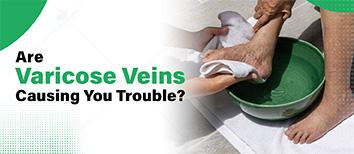
While varicose veins are often a cosmetic concern, they can also lead to symptoms like pain, discomfort, and even complications like ulcers or blood clots in severe cases.

Varicose veins can be treated effectively in Noida. Explore modern solutions for pain-free, healthy legs

Subscribe to our
© Copyright 2026. All Rights Reserved by Felix Healthcare Private Limited
Design and development by :


 +(91)9667064100
 Emergency : +(91)9667064100