 Emergency:
  WhatsApp

Subscribe to our
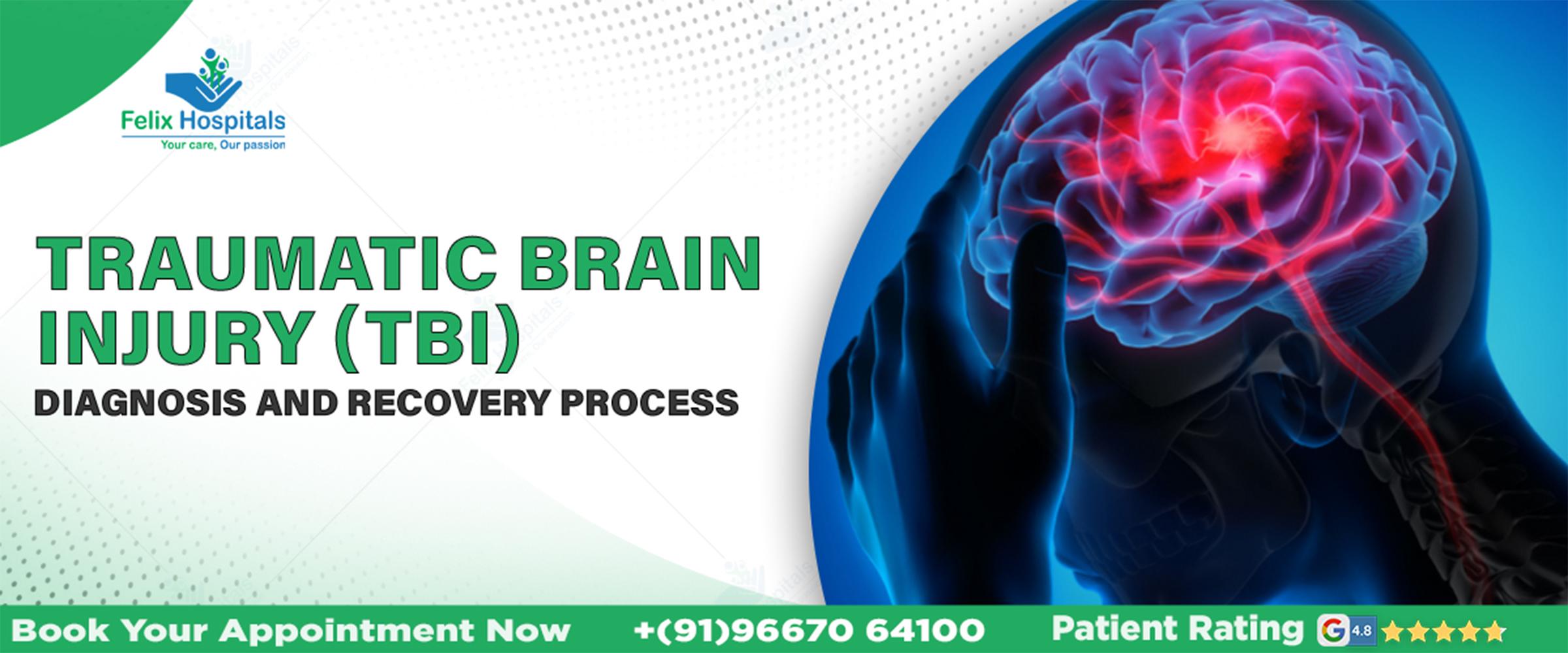
Traumatic brain injury usually results from a violent blow or jolt to the head or body. An object that goes through brain tissue, such as a bullet or shattered piece of skull, also can cause traumatic brain injury. If you or someone you love experiences such an injury, it’s important to seek help from a Brain Injury Specialist Doctor in Noida at the Best Brain Injury Hospital in Noida to ensure proper diagnosis and care.
For expert diagnosis and treatment of traumatic brain injury, call +91 9667064100 and get timely help.
Mild traumatic brain injury may affect your brain cells temporarily. More-serious traumatic brain injury can result in bruising, torn tissues, bleeding and other physical damage to the brain. These injuries can result in long-term complications or death. Understanding Who is at higher risk of TBI? is essential for taking timely precautions and planning prevention strategies.
Traumatic brain injury can have wide-ranging physical and psychological effects. Some signs or symptoms may appear immediately after the traumatic event, while others may appear days or weeks later.
The signs and symptoms of mild traumatic brain injury may include:
Nausea or vomiting
Fatigue or drowsiness
Problems with speech
Dizziness or loss of balance
Sensory problems, such as blurred vision, ringing in the ears, a bad taste in the mouth or changes in the ability to smell
Sensitivity to light or sound
Loss of consciousness for a few seconds to a few minutes
No loss of consciousness, but a state of being dazed, confused or disoriented
Memory or concentration problems
Mood changes or mood swings
Feeling depressed or anxious
Difficulty sleeping
Sleeping more than usual
Moderate to severe traumatic brain injuries can include any of the signs and symptoms of mild injury, as well as these symptoms that may appear within the first hours to days after a head injury:
Loss of consciousness from several minutes to hours
Persistent headache or headache that worsens
Repeated vomiting or nausea
Convulsions or seizures
Dilation of one or both pupils of the eyes
Clear fluids draining from the nose or ears
Inability to awaken from sleep
Weakness or numbness in fingers and toes
Loss of coordination
Cognitive or mental symptoms
Profound confusion
Agitation, combativeness or other unusual behavior
Slurred speech
Coma and other disorders of consciousness
Traumatic brain injury is usually caused by a blow or other traumatic injury to the head or body. The degree of damage can depend on several factors, including the nature of the injury and the force of impact.
Falls: Falls from bed or a ladder, down stairs, in the bath, and other falls are the most common cause of traumatic brain injury overall, particularly in older adults and young children.
Vehicle-related collisions: Collisions involving cars, motorcycles or bicycles — and pedestrians involved in such accidents — are a common cause of traumatic brain injury.
Sports injuries: Traumatic brain injuries may be caused by injuries from a number of sports, including soccer, boxing, football, baseball, lacrosse, skateboarding, hockey, and other high-impact or extreme sports. These are particularly common in youth.
Explosive blasts and other combat injuries. Explosive blasts are a common cause of traumatic brain injury in active-duty military personnel. Although how the damage occurs isn't yet well understood, many researchers believe that the pressure wave passing through the significantly disrupts brain function.
Traumatic brain injury also results from penetrating wounds, severe blows to the head with shrapnel or debris, and falls or bodily collisions with objects following a blast.
The people most at risk of traumatic brain injury include young children, older adults, and males. It's important to understand Who is at higher risk of TBI? to take effective preventive actions, especially in households with vulnerable individuals.
Children, especially newborns to 4-year-olds
Young adults, especially those between ages 15 and 24
Adults age 60 and older
Males in any age group
Several complications can occur immediately or soon after a traumatic brain injury. Severe injuries increase the risk of a greater number of and more-severe complications.
Moderate to severe traumatic brain injury can result in prolonged or permanent changes in a person's state of consciousness, awareness or responsiveness. Different states of consciousness include:
Coma: A person in a coma is unconscious, unaware of anything and unable to respond to any stimulus. This results from widespread damage to all parts of the brain.
It's possible that a vegetative state can become permanent, but often individuals progress to a minimally conscious state.
Seizures
Fluid buildup in the brain (hydrocephalus)
Blood vessel damage
Vertigo
Traumatic brain injuries at the base of the skull can cause nerve damage to the nerves that emerge directly from the brain (cranial nerves). Cranial nerve damage may result in:
Paralysis of facial muscles or losing sensation in the face
Loss of or altered sense of smell or taste
Loss of vision or double vision
Swallowing problems
Ringing in the ear
Hearing loss
Intellectual problems
Many people who have had a significant brain injury will experience changes in their thinking (cognitive) skills. It may be more difficult to focus and take longer to process your thoughts. Traumatic brain injury can result in problems with many skills, including:
Language and communications problems are common following traumatic brain injuries. These problems can cause frustration, conflict and misunderstanding for people with a traumatic brain injury, as well as family members, friends and care providers.
Follow these tips to reduce the risk of brain injury:
Seat belts and airbags: Always wear a seat belt in a motor vehicle. A small child should always sit in the back seat of a car secured in a child safety seat or booster seat that is appropriate for his or her size and weight.
Don't drive under the influence of alcohol or drugs, including prescription medications that can impair the ability to drive.
Helmets Wear a helmet while riding a bicycle, skateboard, motorcycle, snowmobile or all-terrain vehicle. Also wear appropriate head protection when playing baseball or contact sports, skiing, skating, snowboarding or riding a horse.
Pay attention to your surroundings: Don't drive, walk or cross the street while using your phone, tablet or any smart device. These distractions can lead to accidents or falls.
Traumatic brain injuries may be emergencies. In the case of more-severe TBIs, consequences can worsen rapidly without treatment. That’s why early and accurate assessment is critical to determining How is traumatic brain injury diagnosed? using proper clinical tools and imaging techniques.
This 15-point test helps a doctor or other emergency medical personnel assess the initial severity of a brain injury by checking a person's ability to follow directions and move their eyes and limbs. The coherence of speech also provides important clues.
Abilities are scored from three to 15 in the Glasgow Coma Scale. Higher scores mean less severe injuries. If you saw someone sustain an injury or arrived immediately after an injury, you may be able to provide medical personnel with information that's useful in assessing the injured person's condition.
Computerized tomography (CT) scan: This test is usually the first performed in an emergency room for a suspected traumatic brain injury. A CT scan uses a series of X-rays to create a detailed view of the brain. A CT scan can quickly visualize fractures and uncover evidence of bleeding in the brain (hemorrhage), blood clots (hematomas), bruised brain tissue (contusions), and brain tissue swelling.
Magnetic resonance imaging (MRI): An MRI uses powerful radio waves and magnets to create a detailed view of the brain. This test may be used after the person's condition stabilizes, or if symptoms don't improve soon after the injury.
Intracranial pressure monitor: Tissue swelling from a traumatic brain injury can increase pressure inside the skull and cause additional damage to the brain. Doctors may insert a probe through the skull to monitor this pressure.
Doctors often rely on Which tests confirm traumatic brain injury? such as CT scans and MRIs. These imaging techniques help identify bleeding, swelling, and other internal brain injuries that may not be externally visible.
Treatment is based on the severity of the injury.
Mild traumatic brain injuries usually require no treatment other than rest and over-the-counter pain relievers to treat a headache. However, a person with a mild traumatic brain injury usually needs to be monitored closely at home for any persistent, worsening or new symptoms. He or she may also have follow-up doctor appointments.
The doctor will indicate when a return to work, school or recreational activities is appropriate. Relative rest — which means limiting physical or thinking (cognitive) activities that make things worse — is usually recommended for the first few days or until your doctor advises that it's OK to resume regular activities. It isn't recommended that you rest completely from mental and physical activity. Most people return to normal routines gradually.
Emergency care for moderate to severe traumatic brain injuries focuses on making sure the person has enough oxygen and an adequate blood supply, maintaining blood pressure, and preventing any further injury to the head or neck.
People with severe injuries may also have other injuries that need to be addressed. Additional treatments in the emergency room or intensive care unit of a hospital will focus on minimizing secondary damage due to inflammation, bleeding or reduced oxygen supply to the brain.
Medications to limit secondary damage to the brain immediately after an injury may include:
Anti-seizure drugs: People who've had a moderate to severe traumatic brain injury are at risk of having seizures during the first week after their injury. An anti-seizure drug may be given during the first week to avoid any additional brain damage that might be caused by a seizure. Continued anti-seizure treatments are used only if seizures occur.
Coma-inducing drugs: Doctors sometimes use drugs to put people into temporary comas because a comatose brain needs less oxygen to function. This is especially helpful if blood vessels, compressed by increased pressure in the brain, are unable to supply brain cells with normal amounts of nutrients and oxygen.
Diuretics: These drugs reduce the amount of fluid in tissues and increase urine output. Diuretics, given intravenously to people with traumatic brain injury, help reduce pressure inside the brain.
Emergency surgery may be needed to minimize additional damage to brain tissues. Surgery may be used to address the following problems:
Removing clotted blood (hematomas): Bleeding outside or within the brain can result in a collection of clotted blood (hematoma) that puts pressure on the brain and damages brain tissue.
Repairing skull fractures: Surgery may be needed to repair severe skull fractures or to remove pieces of skull in the brain.
Bleeding in the brain: Head injuries that cause bleeding in the brain may need surgery to stop the bleeding.
Opening a window in the skull: Surgery may be used to relieve pressure inside the skull by draining accumulated cerebrospinal fluid or creating a window in the skull that provides more room for swollen tissues.
Suspicious of a head injury? Contact the expert Brain Injury Specialist Doctor in Noida at +91 9667064100 immediately.
If you're dealing with symptoms of a brain injury or suspect someone has sustained one, it's crucial to seek evaluation from a Brain Injury Specialist Doctor in Noida. Getting timely care at the Best Brain Injury Hospital in Noida can make a significant difference in recovery and outcome. Understanding Who is at higher risk of TBI?, recognizing early symptoms, and knowing How is traumatic brain injury diagnosed? with accuracy and Which tests confirm traumatic brain injury? can empower you to act quickly and effectively during a medical emergency.
Q.1. Who is the most vulnerable to traumatic brain injury (TBI)?
Ans. High-risk activities exposed children, older adults and young males are at an increased risk.
Q.2. In case of emergency, how is traumatic brain injury diagnosed?
Ans. Physical examination, scoring of Glasgow Coma Scale, and imaging (CT or MRI scan) are the tests used by doctors.
Q.3. What type of tests proves the severity and characteristics of TBI?
Ans. CT scans show bleeding or bruising and MRI provides detailed images of damage to the brain tissues.
Q.4. Does mild TBI lead to exacerbation of symptoms?
Ans. Yes, there are certain symptoms that may occur hours or days after the injury such as confusion, or headaches.
Advanced neurosurgery improves treatment for brain and spine disorders with better outcomes.
Experiencing tingling in your hands or feet? It could signal a nerve-related issue. Consult our expert neurologists at Felix Hospitals to find the cause and get the right treatment today.
Neurological disorders impact the brain, spine, and nerves, causing symptoms like headaches, seizures, or memory loss. Discover causes, treatments, and expert advice for better neurological care and management.


Subscribe to our
© Copyright 2026. All Rights Reserved by Felix Healthcare Private Limited
Design and development by :


 +(91)9667064100
 Emergency : +(91)9667064100