 Emergency:
  WhatsApp

Subscribe to our
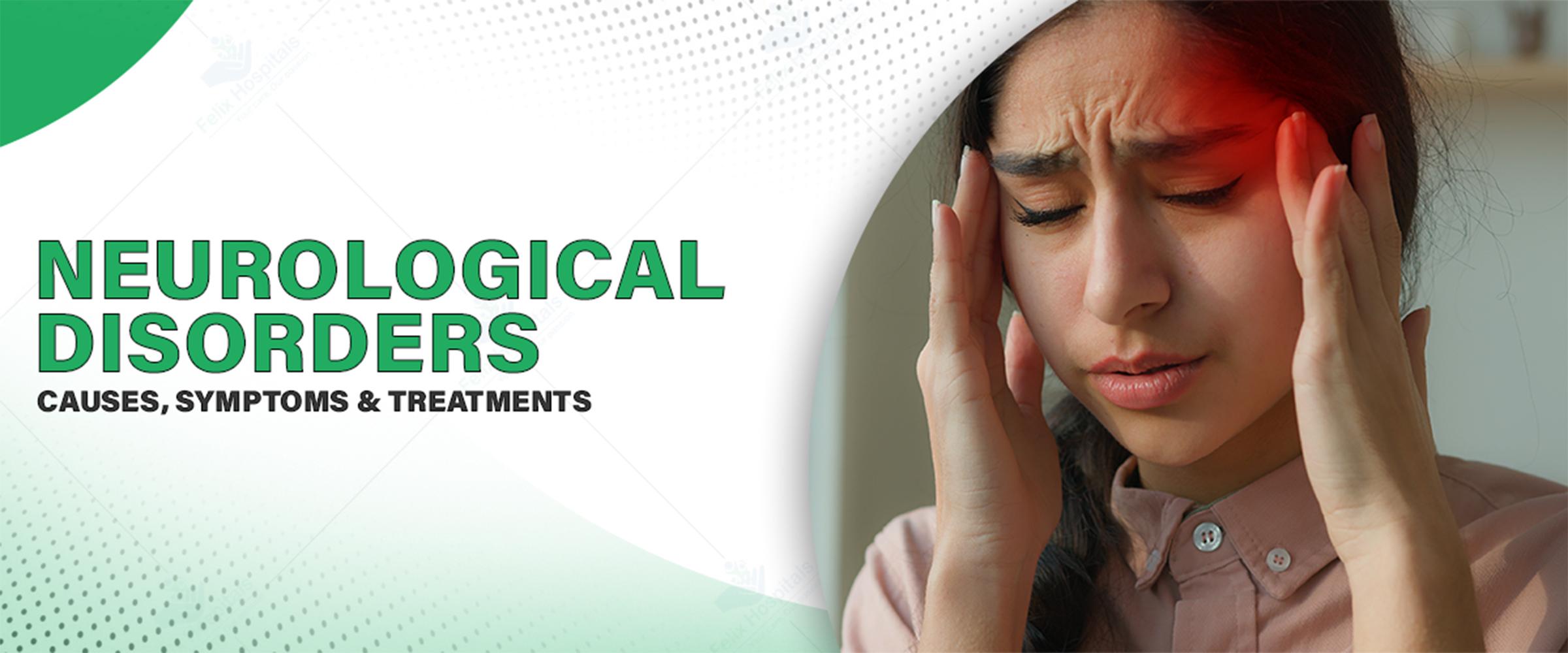
The human brain and nervous system are in charge of all movement, thinking, and feelings in our body. When anything goes awry in this intricate system, it may affect daily life in ways large and small. From memory slips to total mobility problems, neurological problems are often challenging to grasp and to treat.
People always ask about "What are neurological disorders?" and how to recognize their initial onset symptoms. The diagnosis and treatment at an early stage are highly necessary to improve recovery and standard of life. Obtaining consultations from specialists at the Best Brain & Neurology Hospital in Noida enables patients to receive the right treatment at the right time.
If you or your family member suffers from recurring headaches, memory loss, or involuntary muscle weakness, call us now at +91 9667064100.
Neurological disorders are problems within the brain, spinal cord, and nerves that involve problems in how the internal organs of the body communicate. Neurological disorders are either sudden (acute) or long-standing (chronic), ranging from headache to life-threatening stroke.
Some of these are as follows:
Alzheimer's disease and dementia
Parkinson's illness
Seizures and epilepsy
Migr
Stroke
Multiple Sclerosis
Neu
Knowing what are neurological disorders is the first step toward accessing timely care by the patient and their family.
None of the neurological issues has one cause. Rather, each is the outcome of several causes:
Genetic predisposition – Others such as muscular dystrophy or Huntington's disease are inherited.
Infections – The nervous system may be injured by meningitis, encephalitis, and HIV.
Traumatic injuries – The head or spinal injuries could bring about long-term neurological symptoms.
Lifestyle elements – Poor nutrition, stress, cigarettes, and alcohol misuse increase the risk.
Vascular issues – Reduced blood to the brain could result in strokes and other problems.
Degeneration with age – Aging may naturally occur in cells of the nerves and cause Parkinson's or dementia.
Knowing what triggers neurological disorder helps patients to prevent it and minimize the risk wherever possible.
Some symptoms are:
Symptoms will be specific to the condition but might be:
Severe or frequent headaches
Sudden vision disturbances
Memory loss or confusion
Seizures or fainting fits
Loss of balance or co-ordination
Tingling, numbness, or muscle weakness in limbs
Difficulty speaking or communicating articulate speech
If left untreated, these symptoms can worsen. Patients often wonder, “How is neurological disorder diagnosed?” Early testing, including brain scans, blood work, and neurological exams, can detect issues before they progress.
The condition has a number of steps to diagnose the cause of the condition and its severity:
Neurological test- Reflex, muscle strength, balance, and memory are all checked by doctors.
Imaging examinations MRI or CT scan may reveal abnormalities of the brain and the spinal cord.
Abnormalities are detected by electrodiagnostic tests EEG (brain activity) or EMG (muscle activity).
Blood tests -These provide details of infections and metabolic issues.
Lumbar puncture (LP) – Sometimes to investigate cerebrospinal fluid.
Etiological diagnosis is the cornerstone to appropriate personalized and effective treatment.
Not all symptoms are an emergency but certain conditions are an immediate necessity. The patient must seek immediate assistance if he or she feels:
Abrupt paralysis or weakness (probable stroke)
Severe, unexplained headaches
Seizures longer than 5 minutes in duration
Serious loss of speech or vision
Loss of consciousness
Recognizing when an emergency is a neurological disorder is important and in some cases life-saving. Prompt treatment often reduces long-term damage and increases recovery chances.
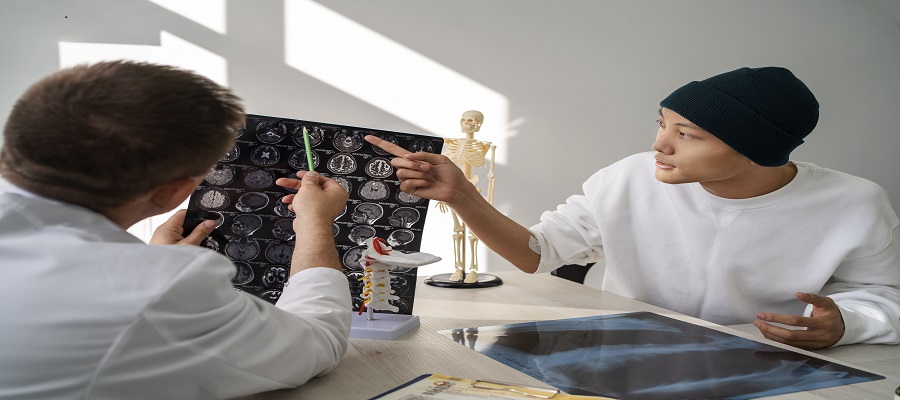
Treatment depends on the disorder and its severity. Typical treatment includes:
Prescription medication – To address symptoms such as seizures, pain or tremors.
Operation – For tumors, aneurysms or other potentially fatal forms of epilepsy.
Cognitive therapy – very useful in cases of memory disorder or dementia.
Lifestyle modifications – Diet and exercise of a healthy nature slow progression.
Expertise at the best neurosurgeons in Noida guarantees patients are given individualized treatment featuring a balance of medical and surgical and supportive treatment.
One of the neurologic issues to be faced is dementia. Families will be at a loss as to how to support their family member. Helpful caring tips are:
Having a safe space – Clear out anything in the path.
Creating routine – Structured timetables alleviate anxiety and confusion.
Promoting communication – Communicate using simple words and talking slowly and patiently.
Stimulation of mental processes – Activities such as puzzles or music may improve mental processes.
Procuring professional help – Regular checkups and counseling lower caregiver stress.
Knowing how to deliver caring service to a patient with dementia ensures a better quality of life in patients and carers.
Don't overlook residual neurological symptoms. Prioritize brain health today and talk to an expert to be in charge of your well-being.
Neurological conditions are intricate but recognition at an early stage and prompt treatment are all it takes. From what leads to neurological conditions to how a neurological disorder is treated, prevention and Neurological treatment in noida all begin at awareness. For comprehensive care, consulting the best hospital in Noida ensures expert guidance, advanced diagnostics, and effective treatment for better recovery and long-term neurological health.
Q1. Which are the world's most frequent neurological conditions?
Ans: Stroke and Alzheimer's are the most common. Others are migraine and epilepsy.
Q2. Do lifestyle changes treat neurological diseases?
Ans: Yes, exercise and a balanced diet, non-use of tobacco products, and blood pressure control lower risk.
Q3. How long will diagnosis of neurological disorder take?
Ans: It depends on the condition. Some may be diagnosed in one visit, while others require multiple tests and monitoring.
Q4. Do neurological disorders exist in young ones?
Ans: Yes, these types of diseases like epilepsy, multiple sclerosis, and migraine may appear even in children or teenagers.
Q5. Is each neurological disorder always irreversible?
Ans: No. Some issues such as some infections or traumatic problems will get better with treatment.
Recognizing neurological warning signs early can be life-saving. Learn when symptoms like frequent headaches, dizziness, memory loss, or numbness mean it’s time to consult a neurologist.
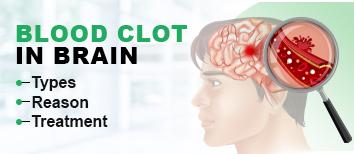
Blood clot in the brain is a serious condition causing sudden neurological symptoms and requires immediate medical treatment.

Sciatica Nerve Pain can cause sharp, shooting pain that radiates from the lower back to the legs. It often results from a herniated disc or spinal issues pressing on the sciatic nerve.

Subscribe to our
© Copyright 2026. All Rights Reserved by Felix Healthcare Private Limited
Design and development by :


 +(91)9667064100
 Emergency : +(91)9667064100