 Emergency:
  WhatsApp

Subscribe to our

Cataracts are a prevalent ocular condition which most individuals relate with the aging in this the natural eye lens is clouded causing a person to have poor eyesight. But in the case of diabetic people, cataracts may form earlier and faster. The association between diabetics and cataracts has been very well established and poses a pertinent issue on the health of the eye in diabetic patients. This paper discusses the etiology, symptoms, diagnosis, and treatment of diabetic-related cataracts and emphasizes the need to monitor and regulate diabetes and vision loss to keep the quality of life.
Worried about diabetes vision issues? Make a booking with the best ophthalmologist in Noida in eye care of diabetics at +91 9667064100.
Eye lenses are normally transparent and the light passes through them to observe the retina in an appropriate manner to provide the eye with a clear vision. Cataracts are caused by a clumping together of the proteins in the lens and therefore clouds the light. This creates blurred vision, glare problems, loss of colors and other visual effects.
When the level of blood glucose is high in the body of a diabetic, it changes the chemical environment within the eye, increasing damage to the eye lens. The surplus sugar is transformed into sorbitol in the cells of the lens that causes osmotic pressure disrupting the normal functioning of the cells and causing them to swell and become opaque. This is the reason why cataract development in diabetes patients is usually earlier and potentially faster than in the general population.
This association has been verified in several studies that have found a connection between poorly controlled blood sugar and more risk of cataract and other eye diseases associated with diabetes including diabetic retinopathy and diabetic macular edema. These circumstances are major causes of diabetes and eye blindness, which proves the significance of a comprehensive approach to the diabetic eye care.
The main reason behind cataracts is the destruction of the lens proteins by the high glucose level although a number of other factors play out with whether the cataracts are developed in diabetic patients:
Duration of Diabetes: The longer the duration of the disease, the more damage the lens cells will have accumulated.
Blood Sugar Control: The uneven changes and elevated blood sugar peaks hasten the eye issues.
Age and Genetics: Diabetes can increase age related changes in the lens and genetic predispositions are also a contributing factor.
Related Eye Conditions: There are other eye ailments that are prevalent in diabetes such as glaucoma or diabetic retinopathy, which can have a role.
Medication Use: Diabetic patients may be exposed to some corticosteroids which are known to increase the risk of cataract formation.
Lifestyle Factors: Smoking and UV radiation may interact with diabetes to cause cataracts.
Symptoms Cataracts may not lead to any noticeably different vision, but those that emerge with progression may include:
Blind, foggy, or obscured vision.
Intolerance to glare and bright lights.
Seeing halos around lights
Color failure or vision grey.
Double vision in one eye
Since these symptoms may also develop due to other complications associated with diabetes mellitus, constant check-ups by an eye specialist is a prerequisite among diabetic patients.
Every diabetic patient should be examined with full eyes annually. A combination of tests is used to diagnose cataracts and assess good eye health in general:
Visual Acuity Test is used to test the clarity of vision over various distances.
Slit-Lamp Examination used gives an enlarged look of the lens and anterior constructions in order to identify cloudiness.
Retina Examination of diabetic retinopathy transformations and macular conditions.
Tonometry is used to eliminate glaucoma by measuring of eye pressure.
Ocular Coherence Tomography (OCT) imaging is used to see the detailed retinal layers in case of necessity.
Since diabetes is likely to lead to several eye complications that occur simultaneously, a detailed examination is useful in the detection and early treatment of diabetes and vision impairment.
The most effective cure of cataracts at the moment is surgery to have the smoked lens removed and an artificial intraocular lens (IOL) inserted in its place. For diabetic patients:
Pre-surgical Assessment: Surgical patients can reduce preoperative complications by maximizing the level of blood sugar.
Surgical Techniques: The most common is phacoemulsification (ultrasound to rupture the lens) and the implantation of IOL which has the least recovery time.
Postoperative Care: It is essential and requires close attention to the inflammation and diabetes retinal disease progression.
Ophthalmologists will consider any eye disease associated with diabetes in the course of advising surgery because it is imperative to focus on these conditions before and after the cataract surgery in order to achieve the best visual results.
To stay healthy in her eyes, it is necessary to have a complete diabetic care that involves:
Blood Sugar Control: Stable glucose levels help to prevent or postpone cataracts and other eye complications of diabetes.
Eye Checks: The early the eye is diagnosed to make early interventions.
Protective Eyewear: UV full-coverage sunglasses lessen the risk of oxidative damage.
Healthy Lifestyle: Eating antioxidant-rich diet, eliminating smoking habit, regular exercise, and blood pressure control help in maintaining the general well-being of the eyes.
Treatment: Hypertension, cholesterol, and renal disease are effectively treated to decrease the microvascular damage.
These measures are critical in preventing incidences and development of cataracts in the case of diabetic patients.
Although cataracts may cause poor vision, the majority of diabetics develop great vision post-surgery, in case diabetic eye diseases are effectively controlled. One should keep regular care and follow lifestyle recommendations.
Blindness due to hamper vision in cataracts and diabetes has a profound impact on the quality and independence of life, and this fact highlights the importance of teaching and advocacy in the process of dealing with these diseases. Patients ought to engage in frequent contact with ophthalmologists and primary care physicians.
Manage Your Eye Care: Specialized Diabetes related eye disease-now, call +91 9667064100.
The complexity of the link between diabetes and cataracts highlights the importance of empowered and active eye management in diabetic patients. Cataracts pose a major threat to diabetes-related eye disease and significantly increase the global burden of vision loss. Early diagnosis through regular and careful eye examinations — especially by the Best Ophthalmologist In Noida — enables timely and effective treatment. With advancements in cataract surgery, vision restoration in diabetic patients has become highly successful.
In the case of individuals with diabetes, the greatest defense against losing vision is the best possible metabolic control and frequent check-ups with eye care specialists. The knowledge of symptoms, coupled with the availability of well-developed medical centers, implies that patients have an opportunity to be provided with complex cataracts in diabetes patient care which could be designed to meet their particular needs.
Q1: Does diabetes result in premature cataracts?
Ans: Yes, diabetes usually gives rise to cataracts, earlier than non-diabetes people because of the effects of high blood sugar on the eye.
Q2: What is the frequency of a diabetic individual to have eye checkups to identify cataracts?
Ans: It is advisable that annual comprehensive eye checkups be done so as to keep a check on cataracts and other eye complications of diabetes.
Q3: Is cataract surgery dangerous to diabetic individuals?
Ans: Cataract surgery is considered to be secure and successful among diabetic patients who have good blood sugar control and qualified surgeons.
Q4: Is it possible to prevent cataracts by controlling the level of sugar in the blood?
Ans: The risk is reduced and the speed of cataracts related to diabetes is slowed down by better control of glucose.
Q5: Can normal vision be restored to a diabetic patient by cataract surgery?
Ans: The cataract surgery brings about a significant increase in vision in most diabetic patients, although the diabetic eye health needs continuous monitoring.

Diabetes is a condition in which your body part pancreases cannot make enough insulin which results in an increase in your glucose level/blood sugar level.
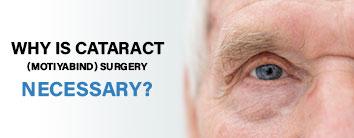
Cataract surgery is essential to restore clear vision and prevent permanent blindness. It removes the cloudy lens and replaces it with an artificial one, helping patients regain normal sight and quality of life.


Subscribe to our
© Copyright 2026. All Rights Reserved by Felix Healthcare Private Limited
Design and development by :


 +(91)9667064100
 Emergency : +(91)9667064100