 Emergency:
  WhatsApp

Subscribe to our
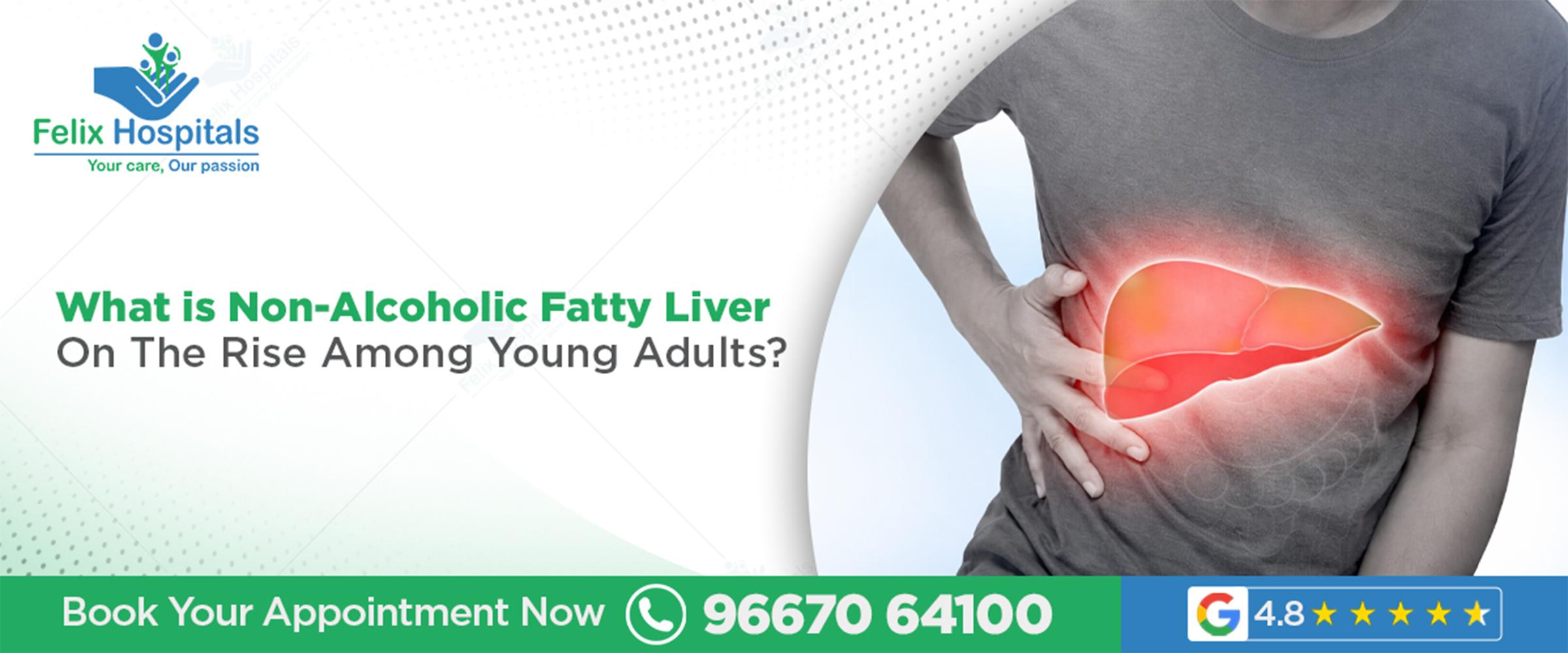
Nonalcoholic fatty liver disease (NAFLD) is defined by an accumulation of fat in the liver in people who drink little or no alcohol. Recently, fatty liver disease in non-alcoholics has also emerged as a major health problem among young adults owing to changing lifestyle, diet and metabolic profile. What many don't know is that fatty liver can take hold silently, without symptoms during the initial stages.
Fatty livers are not just the domain of older people, either – doctors are seeing more people in their 20s and 30s with it, found during routine health checks. Over time, without intervention, this may lead to inflammation, liver fibrosis or cirrhosis. Seeking a Gastroenterologist in Noida can become the right choice for you to identify the diagnosis at an early stage and walk the path of success for fatty liver treatment in Noida.
Experiencing fatigue, abdominal discomfort, or abnormal liver test results? Early screening can detect fatty liver before complications develop. Call +91 9667064100 to consult a Gastroenterologist in Noida.
Non-alcoholic fatty liver disease is fat accumulation in liver cells due to metabolic and lifestyle factors and not related to alcohol intake. This condition is now regarded as one of the most prevalent chronic liver diseases encompassing most industrialized nations. Research estimates that NAFLD is affecting roughly 32% of the world population – this makes the disease a significant public health issue.
The liver is essential to metabolism, digestion, and detoxification. When there is too much fat in the liver, it begins to function abnormally. If fatty liver is left untreated, it can cause inflammation (non-alcoholic steatohepatitis), scar tissue formation, and ultimately cirrhosis or liver cancer in extreme cases.
Why fatty liver is on the rise among young adults has doctors and researchers increasingly worried. Lifestyle and metabolic alterations that have occurred in the past decade have largely accounted for that trend.
Fatty liver disease was detected in nearly 35% of young adults who underwent ultrasound scans, pointing at the rapidly growing condition among young people.
Major contributing factors include:
Sedentary lifestyle and excessive sitting
High consumption of processed food and refined starch
Obesity and the accumulation of fat around the abdomen
Insulin resistance and early diabetes
Chronic sleep deprivation and irregular sleep-wake cycle
Regular intake of sugary drinks
These things alter metabolism and make you store more fat in liver cells, and that's what eventually makes them fatty.
Some diseases and factors can lead to non-alcoholic fatty liver disease even in non-drinkers. Common risk factors for the disease include:
Overweight or obesity
Type 2 diabetes or prediabetes
Elevated cholesterol or triglycerides
High blood pressure
Polycystic Ovarian Syndrome (PCOS)
A history of metabolic disease in the family
People, especially young adults with desk jobs and very little physical activity are more at risk of fatty liver as the calories are not being used up.
Fatty liver is difficult to detect because it has no symptoms in the early stages of illness. Several individuals learn about the disease when they undergo normal health examinations. But over time, fatty liver symptoms in young adults may start to occur gradually. Common symptoms include:
Chronic tiredness or weak feeling
Mild tenderness in right upper abdomen
Weight gain without explanation
Trouble losing stomach fat
Mild gastrointestinal symptoms
Increased liver enzymes in blood tests
Because symptoms can be subtle, medical evaluation is important when risk factors are present.
Early awareness of warning signs can identify fatty liver before it becomes severe liver damage. People who have any of the following symptoms should get checked out. Warning signs:
Feeling tired all the time, even when resting enough
Bloating or a feeling of heaviness after eating
Sudden weight gain in the area around the belly
Frequent indigestion
Abnormal results of liver function tests
Increased cholesterol levels
Early screening allows doctors to recommend lifestyle modifications and treatment before the disease worsens.
Consider consulting a specialist if symptoms continue or you have risk factors. Early diagnosis can help prevent complications related to fatty liver symptoms in young adults. Consult if you have concerns about:
Persistent tiredness or weakness
A pain in the abdomen that has been going on for weeks
Weight gain without explanation
High cholesterol or diabetes
Liver disease in your family
Abnormal liver function test reports
A Gastroenterologist in Noida can evaluate liver health and recommend appropriate investigations.
Doctors use several tests to diagnose non-alcoholic fatty liver disease and determine the severity of liver fat accumulation.
Test | Purpose |
Liver Function Test (LFT) | Evaluates liver enzyme levels |
Ultrasound Abdomen | Detects fat accumulation in liver |
FibroScan | Measures liver stiffness and fat content |
Blood Tests | Assesses metabolic health and cholesterol |
MRI or CT Scan | Provides detailed imaging in complex cases |
These diagnostic tests help confirm fatty liver and guide appropriate treatment strategies.
The aim of the treatment for fatty liver in Noida is to decrease accumulation of fat in the liver and to stop the development of worse liver disease. Treatment options may include:
Lifestyle changes and weight loss
Drugs to treat cholesterol or diabetes
Dietary advice for developing healthy eating plans
Liver function should be monitored regularly
Management of metabolic disorders
Early-stage fatty liver can often be reversed with proper lifestyle changes and medical supervision.
Developing healthy habits has a big part in the control of non-alcoholic fatty liver disease. Effective lifestyle changes include:
Maintaining a healthy body weight
Exercising for at least 30 minutes a day
Reducing sugar and processed foods consumption
Following a balanced diet that includes plenty of fruits and vegetables
Reducing intake of saturated fat and refined carbohydrates
Stress management and sleep quality enhancement
These lifestyle adjustments support liver health and reduce the risk of disease progression.
Neglected non-alcoholic fatty liver disease may slowly develop into more serious liver diseases. Potential complications are:
Non-alcoholic steatohepatitis (NASH)
Hepatic fibrosis and scarring
Cirrhosis with liver failure
Elevated risk for liver cancer
Greater risk for heart disease and diabetes
These risks can be greatly diminished by diagnosis and treatment in the early stages.
Concerned about abnormal liver reports or symptoms of fatty liver? Consult an experienced Gastroenterologist in Noida for accurate diagnosis and personalized fatty liver treatment in Noida. Call +91 9667064100 to schedule your consultation today.
Non-alcoholic fatty liver disease is not just a problem for the elderly. Changes in lifestyle, poor diet and lack of exercise has led to increasing numbers of young people residing in the Southeast Asia region being diagnosed with non-alcoholic fatty liver disease.
Early detection, periodic health checkups, and timely medical attention could prevent fatty liver from advancing to severe liver injury. Consultation with a Gastroenterologist in Noida and making healthier lifestyle choices can significantly assist in avoiding further complications and keeping your liver in good shape.
Yes, non-alcoholic fatty liver disease is a condition that develops as a result of metabolic risk factors (obesity, insulin resistance, poor diet) as opposed to alcohol consumption.
Fatty liver is often reversible when it is caught early. This might be via weight loss, healthy eating, exercise and medical advice.
Fatty liver is usually an incidental finding on a routine blood test or abdominal ultrasound done for some other reasons.
Fatty liver, however, may progress to severe complications like liver inflammation (steatohepatitis), fibrosis, cirrhosis and it may even contribute to the risk of liver cancer in the long run.
Medical professionals frequently recommend periodic evaluations of liver function with blood tests and liver imaging to confirm the stability of the disease.
Gastric problems occur when excess acid or digestive disturbances affect the stomach lining, causing symptoms like bloating, acidity, and pain. Timely diagnosis ensures effective treatment.

Understand the key differences between stomach flu and food poisoning. Learn about their causes, symptoms, and when it's time to seek medical help for safe and effective treatment.


Subscribe to our
© Copyright 2026. All Rights Reserved by Felix Healthcare Private Limited
Design and development by :


 +(91)9667064100
 Emergency : +(91)9667064100