 Emergency:
  WhatsApp

Subscribe to our
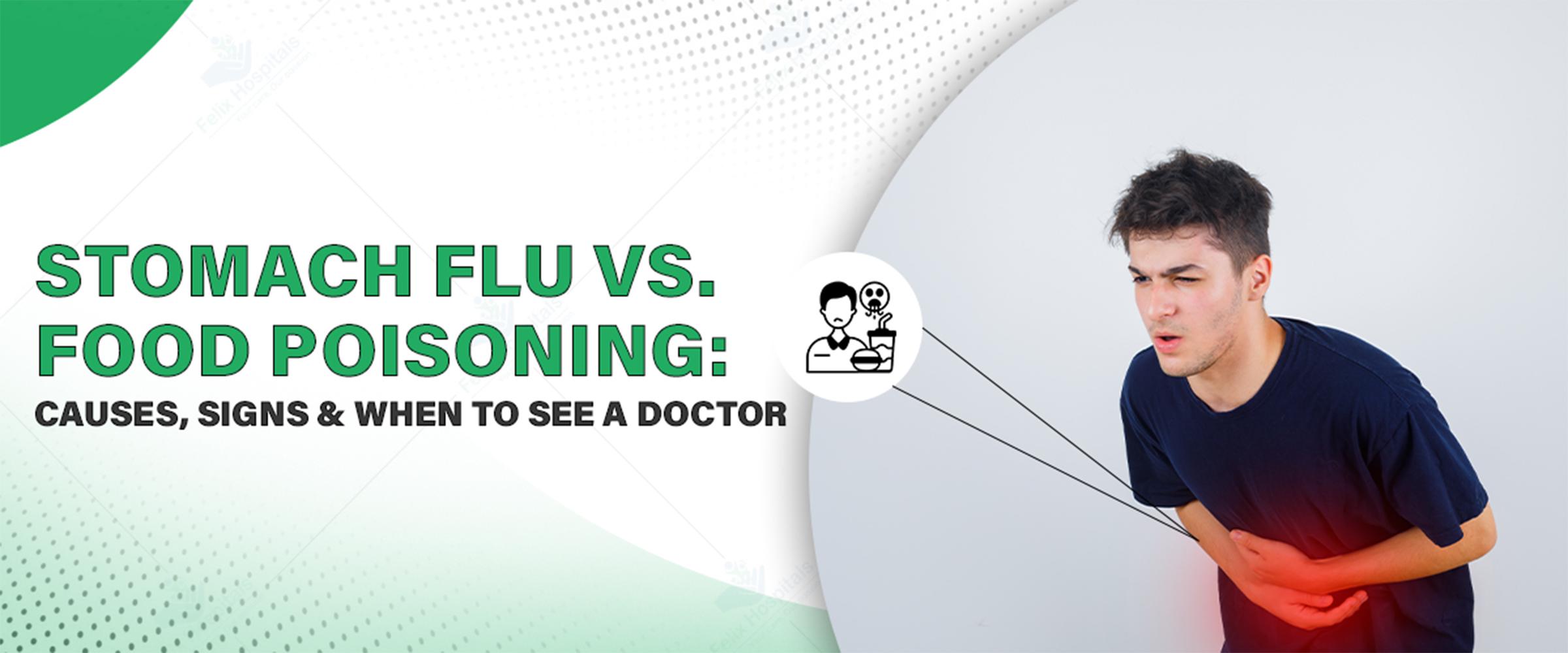
When you're doubled over in pain or making frequent trips to the bathroom, it’s hard to focus on the why. You just want it to stop. But understanding whether you're dealing with the stomach flu or food poisoning is essential — not just for faster recovery, but also for preventing it from happening again. At the Best General Physician Hospital in Noida, physicians tend to diagnose patients who are going through severe gastrointestinal discomfort, and the first question they usually ask is: "When did your symptoms begin?" Because when is often the determinant for knowing if a virus or tainted food is responsible.
Not Sure What's Making Your Stomach Hurt? call +91 9667064100 to know the underlying cause.
Contrary to the name, the stomach flu is not actually influenza (seasonal flu). It's a viral illness that inflames the stomach and intestines, usually due to norovirus or rotavirus. The condition is spread by contaminated food, water, or close contact with an infected person.
Food poisoning, conversely, is brought on by bacteria, toxins, or parasites within spoiled food. Salmonella, Listeria, E. coli, and Campylobacter are some of the usual suspects. Symptoms may differ based on the contaminant, but vomiting, diarrhea, and stomach cramps are the norm across the board.
Both illnesses have your digestive system as their target — but the cause and course distinguish them. Stomach flu is caused by viruses, whereas food poisoning is due to food safety problems.
Stomach flu, also referred to as viral gastroenteritis, is characterized by a list of unpleasant symptoms. Common stomach flu symptoms are:
Watery diarrhea that starts suddenly
Nausea or queasiness
Vomiting, particularly in the first 24 hours
Fever and chills
Abdominal pain or cramps
Overall weakness or fatigue
These symptoms tend to stick around for about three days, and sometimes even longer based on the viral strain.
If your symptoms turn up 2–6 hours after eating, suspect food poisoning. If the symptoms occur 24–48 hours after being exposed to an infected individual, then it's probably the stomach flu.
In both instances, an early response prevents complications, particularly dehydration. Most patients wait before visiting a doctor hoping that the symptoms will go away by themselves, but it is best to visit a doctor if the condition aggravates.
Rest and hydration take care of most. But sometimes you do require a visit to a healthcare provider:
More than 3 days of diarrhea
Blood in the stool or vomiting
Fever greater than 102°F (38.9°C)
Severe dehydration signs: dry mouth, no urine, dizziness
If you or a family member exhibit these symptoms, don't wait to seek care. Consult with the best general physician in Noida who can determine if additional tests or IV fluids are required.
Another helpful tip is what you've eaten in the recent past. If you suspect a suspect meal, food poisoning could be the culprit. These are some of the common contaminated foods:
Undercooked meat and poultry
Raw or inappropriately cleaned fruits and vegetables
Unpasteurized milk or soft cheese
Leftovers that were not stored properly
Unlike the causes of stomach flu, which is spread from person to person, food poisoning tends to hit individuals who ate the same meal.
For instance, if several individuals fall ill after a family picnic or get-together, it's likely foodborne illness.
Food poisoning starts suddenly and usually clears up within 24–48 hours.
Stomach flu will last a little longer — two to five days — particularly if you don't get plenty of rest and fluids.
Top General Physician Hospital in Noida, often emphasizes early symptom tracking. Knowing when symptoms started and how they’ve progressed helps rule out more serious gastrointestinal disorders.
Whether you’re battling food poisoning or the stomach flu, the recovery process is largely the same:
The most immediate danger with both illnesses is dehydration. Vomiting and diarrhea cause the body to lose essential fluids and electrolytes. Oral rehydration salts (ORS), clear broths, or electrolyte drinks like coconut water can be lifesavers.
When your stomach starts settling, eat easy-to-digest foods like bananas, rice, toast, applesauce, or boiled potatoes. Avoid spicy, fatty, or dairy-rich foods until fully recovered.
Your body requires energy to overcome infections. Don't attempt to push through — take 1–2 full days of rest.
Anti-diarrheals can ease symptoms for a short time but will exacerbate certain bacterial infections. Always consult a doctor before using medication.
A consultation with the best general physician in Noida would be able to rule out self-limiting diseases from something serious. Stool cultures or blood work may be prescribed for proper diagnosis.
Prevention is the best medicine. Here's how to prevent both stomach flu and food poisoning:
Frequent hand washing, particularly before eating and after visiting the restroom.
Disinfect shared surfaces such as doorknobs and phones.
Don't share drinking cups or eating utensils during outbreaks.
Thoroughly cook meats and leftovers correctly.
Wash produce such as fruits and vegetables in running water.
Don't eat expired food or something with a bad odor.
Maintaining personal hygiene habits and keeping your kitchen clean will usually suffice to keep both diseases at bay.
Don't ignore the signs of a stomach infection. For quick care, call. +91 9667064100.
Food poisoning and the stomach flu are nasty but universal diseases. Knowing how they develop, recognizing the early symptoms of the stomach flu, and knowing the causes of the stomach flu will lead you to react more quickly and recover more comfortably.
In the event of doubt or intense symptoms, do not delay in consulting professional services. The Best General Physician Hospital in Noida provides end-to-end care, from diagnosis to post-recovery support, so you and your loved ones can be secure in their hands.
Q1. Are probiotics useful during or after a stomach infection?
Ans: Yes, probiotics can restore gut flora during recovery, particularly after diarrhea. They should not, however, replace medical care in serious cases.
Q2. What beverages are suitable during the time of recovery?
Ans: Restrict yourself to clear fluids such as ORS (oral rehydration solution), coconut water, herbal teas, and electrolyte beverages. Refrain from caffeine, alcohol, and carbonated sodas, which irritate your gut.
Q3. Do I need to go to the hospital?
Ans: Most cases are treated on an outpatient basis, but some people need to be admitted if they are vomiting a lot, are very weak, or are dehydrated and need IV fluids to get better.
Q4. Will I need to go back to the hospital after I leave?
Ans: Yes, in some cases. If your symptoms are bad or your doctor thinks you might have an underlying illness, they may tell you to come back in 3–5 days to make sure you're fully healed.
Gastric problems occur when excess acid or digestive disturbances affect the stomach lining, causing symptoms like bloating, acidity, and pain. Timely diagnosis ensures effective treatment.
Looking for reliable treatment for diarrhea in Noida? Discover top-rated clinics and hospitals offering expert gastroenterology care, accurate diagnosis, and fast relief. Get treated by trusted specialists using modern techniques and patient-first approac
Wondering why you're suddenly facing diarrhea in Noida? Learn the key differences between food poisoning and infections, their symptoms, and how to manage them effectively.


Subscribe to our
© Copyright 2026. All Rights Reserved by Felix Healthcare Private Limited
Design and development by :


 +(91)9667064100
 Emergency : +(91)9667064100