 Emergency:
  WhatsApp

Subscribe to our
Sleep plays a crucial role in maintaining healthy brain function, emotional balance, and overall well-being. When sleep becomes disrupted, the consequences can extend far beyond tiredness. In Noida, families increasingly seek neurological support because sleep issues are now closely linked to memory decline, cognitive difficulties, mood changes, and chronic health problems. If left untreated, sleep disorders may raise serious concerns, making timely care essential for individuals of all ages.
Many people recognize snoring or poor sleep quality as minor issues, but persistent symptoms can be signs of underlying neurological problems. Early evaluation supports better outcomes, especially for those already receiving care such as brain stroke treatment in Noida.
This blog explains the major sleep disorders, their causes, symptoms, how they impact the brain, and the treatments available in Noida.
A sleep disorder refers to any disturbance that affects the quality, timing, or duration of sleep. When the body fails to achieve restorative sleep, a person may experience fatigue, confusion, irritability, or difficulty focusing. Conditions under this category can arise from lifestyle habits, neurological problems, breathing issues, hormonal imbalance, or stress. Identifying what are sleep disorders helps families understand when to seek medical advice.
Sleep disorders commonly interfere with daily functioning, academic performance in children, or work productivity in adults. They also increase the risk of chronic illnesses such as hypertension, diabetes, and mental health issues.
Recognizing the types of sleep disorders is a critical step toward proper diagnosis and personalized treatment.
People with insomnia struggle to fall asleep or stay asleep despite having the opportunity to rest. This is one of the most common sleep issues, often linked to stress, lifestyle habits, or medical conditions.
This condition involves interrupted breathing during sleep. It is especially concerning because it may cause severe oxygen deprivation, affecting heart and brain health. Understanding sleep apnea treatment in Noida is vital for individuals who snore loudly or wake up gasping.
A neurological condition that causes an uncontrollable urge to move the legs, especially at night.
A disorder that leads to excessive daytime sleepiness and sudden episodes of muscle weakness.
These occur when a person’s internal biological clock becomes disrupted, often due to irregular schedules or lifestyle patterns.
Identifying the causes of sleep disorders helps clinicians determine the right treatment approach. Factors include:
Stress, anxiety, and emotional strain
Lifestyle habits such as late-night screen use
Neurological conditions
Breathing problems
Hormonal imbalance
Chronic medical illnesses
Poor sleep hygiene
Some causes are temporary, whereas others may indicate deeper neurological concerns that require timely evaluation.
Families often overlook early signs because sleep issues develop gradually. Recognizing the symptoms of sleep disorders can help prevent complications. Common symptoms include:
Excessive daytime sleepiness
Loud snoring or interrupted breathing
Difficulty falling asleep
Unrefreshing sleep
Morning headaches
Irritability or mood swings
Difficulty concentrating or remembering information
If these symptoms persist beyond a few weeks, a neurological assessment is recommended.
Poor sleep affects nearly every cognitive and emotional function. The effects of poor sleep on brain activity can be profound, especially when sleep deprivation becomes chronic.
During deep sleep, the brain stores new information. Without this process, learning and memory suffer.
The brain slows down when rest is inadequate. People may struggle with planning, decision-making, or response time.
Anxiety, irritability, and emotional instability often arise from prolonged lack of proper sleep.
Studies reveal that poor sleep may raise the risk of long-term cognitive decline and neurological conditions.
Understanding how sleep affects brain function is vital for recognizing why medical attention is required. Sleep acts like a repair system for the brain. It clears toxins, restores energy, balances hormones, and stabilises neural pathways. When sleep is disrupted, these functions break down, causing:
Slower thinking
Difficulty processing information
Reduced alertness
Increased risk of accidents
Poor emotional control
In children, the impact can be even more serious, affecting development and behavior.
Doctors use several methods to identify the underlying reason for sleep disturbances. Diagnosis may include:
Sleep history and lifestyle assessment
Polysomnography (sleep study)
Neurological examination
Breathing evaluation
Blood tests
These tests help determine if the issue is neurological, behavioral, or related to conditions like sleep apnea.
Treatment depends on the diagnosis and severity of symptoms. Individuals looking for treatment for sleep disorders in Noida can explore several effective options.
This includes regular sleep schedules, reducing caffeine, managing screen time, and improving bedtime routines.
Medications may be prescribed for insomnia, anxiety-related sleep issues, or neurological causes.
For sleep apnea, devices like CPAP help maintain uninterrupted airflow during sleep.
This helps patients break patterns that contribute to insomnia or anxiety-related sleep problems.
If poor sleep is related to an underlying neurological issue, specialists may recommend targeted therapies.
Felix Hospital offers comprehensive evaluation and treatment for various neurological sleep-related concerns while ensuring personalized care.
Sleep disorders are more than nighttime disturbances—they directly affect memory, behavior, focus, and emotional well-being. Families in Noida should be aware that persistent sleep issues may indicate deeper neurological concerns and must be addressed early. Individuals receiving therapies like brain tumor treatment in Noida often benefit greatly from structured sleep support. Comprehensive neurological care, especially at a trusted Hospital offering brain tumor treatment hospital in Noida, can help restore healthy sleep patterns and improve long-term brain function.
Q. 1. What are sleep disorders?
Ans. Sleep disorders are conditions that disturb your ability to get consistent, restful sleep.
Q. 2. How do I know if I need medical help for sleep problems?
Ans. If your sleep issues last more than two weeks or affect daily performance, you should get evaluated.
Q. 3. Does poor sleep affect brain health?
Ans. Yes, long-term poor sleep can impact memory, mood, and overall brain function.
Q. 4. Can sleep apnea be treated?
Ans. Yes, sleep apnea is treatable through breathing support devices, lifestyle changes, and medical therapy.
Q. 5. Are sleep disorders linked to neurological issues?
Ans. Certain sleep disorders can be caused or worsened by underlying neurological conditions.

During sleep, the body releases growth hormones, which are essential for a child's growth and development. Adequate sleep is vital for muscle development, tissue growth, and the overall physical health of a child.
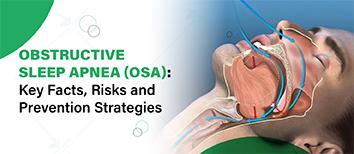
Obstructive Sleep Apnea occurs when the muscles in the throat relax excessively during sleep, causing the airway to become partially or fully blocked.

Lack of sleep silently damages your body and mind. Discover 10 shocking ways poor sleep affects your health, immunity, heart, and mental well-being.

Having trouble breathing while sleeping? Discover the best sleep positions to improve airflow and ensure restful sleep.


Subscribe to our
© Copyright 2026. All Rights Reserved by Felix Healthcare Private Limited
Design and development by :


 +(91)9667064100
 Emergency : +(91)9667064100