 Emergency:
  WhatsApp

Subscribe to our
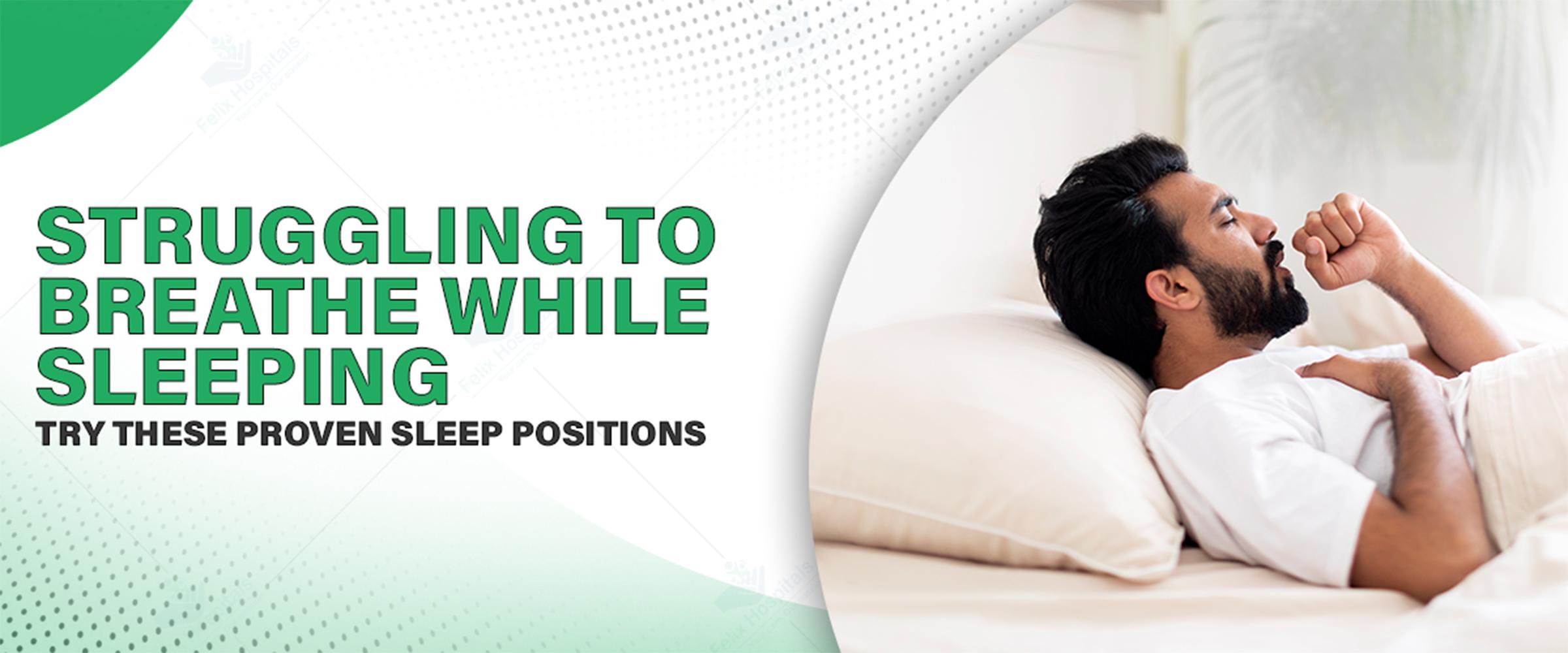
It's effortless breathing, after all, that occurs at nighttime. Alas, for most patients, bedtime is a struggle punctuated by snoring, gurgling, or awakening with gasps for breath. These symptoms aren't just bothersome but can also be indicative of deeper health concerns such as sleep apnea or cardiovascular stress. Patients themselves have questions about the severity of their symptoms and will pose such questions as, "Can a 100% blocked artery be fixed?" The response is that whole blockages necessitate sophisticated medical intervention but tiny daily lifestyle changes such as shifting sleeping position can have significant impact on the degree of effortless breathing at night.
At Felix Hospitals, our specialists emphasize comprehensive solutions that combine lifestyle modification with sophisticated medical care. Education on sleep positions and respiratory health is one of the simplest and initial measures that can help you improve your sleep quality and protect long-term health.
Take consultations from top experts at Felix Hospitals for proper evaluation and personalized solutions. Reach out to us right away at +91 9667064100.
When the body enters deep rest, the airway support muscles will relax. For others, this will constrict or close the upper airway and decrease oxygen supply. The consequence is fitful sleep, heavy snoring, or episodes where the breath will cease for a second or two at a time.
Obstructive Sleep Apnea (OSA): The most common single cause, where the airway shuts down at intervals during sleep.
Obesity and Neck Fat: The tissue pushes in on the airway and narrows and stiffens it.
Allergies or Nasal Congestion: Inflamed nasal membranes hinder passage of air.
Poor Posture in Bed: Some sleep positions will inherently angle the airway towards closing up.
Substances: Alcohol or sedatives at bedtime can exacerbate muscle relaxation, which will intensify the issue.
Leaving them unaddressed, these pauses in oxygen delivery put the heart under further stress, and can even precipitate rises in hypertension, arrhythmia, and stroke risk. This is why proper sleep position isn't a luxury – it's a move toward avoiding severe health issues.
The way you position yourself in bed can determine how freely your lungs and airways function. Research and clinical experience show that certain positions significantly improve airflow and reduce nighttime breathing disturbances.
Side sleeping also delineates the airway by not allowing the tongue and upper respiratory tract soft tissue to roll back and occlude it. Side sleeping is prescribed as the first non-invasive therapy for individuals with sleep apnea or snoring.
A small adjustment such as hugging a pillow or placing a pillow between your knees can also maintain your spine in alignment and aid in respiratory and back health.
Amongst side positions, the left side is especially helpful. This position not only minimizes airway obstruction but also increases circulation, which aids the function of the heart. In addition, left-side sleeping also reduces night-time pain in those with conditions such as acid reflux, which again boosts sleep quality further.
Lying on your back can even deepen airway obstruction, but lifting up your upper body can turn the situation around. By utilizing a wedge pillow or an adjustable bed and having your chest up slightly, the accumulation of airway tissue can be reduced. This also lessens acid reflux, which tends to worsen sleep apnea symptomatology.
Just a 30–45 degree increase can have a significant effect on oxygen circulation at night.
Flat-back sleep position is the poorest for obstructive sleep-breathing disorders. Gravity pushes the tongue and the upper airway tissue downward, which will reduce the airway passage's size. This sleep position is significantly associated with heavier snoring and greater apnea attacks.
If your habit is leaning towards sleeping on your back, positional therapy devices or special pillows will train your body to change.
Contemporary sleep solutions involve wearable devices or pillows that do not allow rolling onto the back at night. These devices might seem rudimentary, but they ensure proper body alignment and facilitate healthier sleeping postures.
When used in conjunction with medical assessment, positional therapy is a valuable step towards decreasing reliance on Interventional treatments.
The alteration of sleep position can greatly aid natural breathing, but it will not repair severe sleep apnea or late-stage cardiovascular illnesses. Some patients with both sleep and cardiovascular illnesses occasionally ask this question: "Will it be possible to repair a 100% blocked artery?" The reply is that while lifestyle adjustments such as correct sleep positions, weight reduction and healthy lifestyles predispose towards ameliorative outcomes, 100% blocked arteries require therapeutic interventions such as angioplasty, stenting, or bypass surgery.
This is where the complementary approach, reasonable lifestyle and medical assessment, comes in. In the Felix Hospitals, the specialists thoroughly investigate the symptoms and signs of every patient and compose the prescription with the most effective treatment, which can include sleep studying, CPAP drugs, or cardiology referrals.
Neglect not to notice frequent symptoms of poor or poor sleep and dyspnea. See a specialist in case of:
Irritable and periodical snoring that is annoying to others.
Sleep breathings (often observed by a partner)
Waking with gasping/choking.
Drowsiness, tiredness or loss of focus.
Dry mouth/ Morning headache.
Heart arrhythmia or hypertension.
With quick intervention, you won’t have to face the future with any serious issues and will be able to regain your energy levels, productive capacity, and overall quality of life. By checking the best Sleep Disorder Treatment Doctors in Noida, the problems and symptoms should be considered and resolved both in the short-term and long-term.
There are many long-term benefits of assuming the already developed sleeping positions:
Increased oxygenation: Reduced load on the heart and head.
Better sleep quality: Reduced disturbance means the better and sounder sleep.
Less snoring: It is not only good to the patient but also to partners of the patient.
Reduces cardiovascular risk: helps the heart to work and the nocturnal blood pressure surges.
Better energy condition: Better sleep means better concentration, better productivity and better attitude during the day.
They may be used alongside health treatment and help to promote long-term health.
Book an appointment with a trusted sleep apnea doctor at Felix Hospitals and restore your restful nights.
Disturbing trouble breathing at night is not a mere inconvenience--a sign that your body needs a prop.By implementing evidence-based sleep positions such as side sleeping, elevation of the upper body, and exclusion of flat back position, difficulty with breathing can be reduced right away and sleep improved. But sleep position is just one factor in the equation. Comprehensive review and treatment with the Best sleep apnea doctor in Noida need to take place for sleep apnea or heart problems to be diagnosed and treated.
If solutions are what have been on your mind, begin with changes in your body position this night—but do not just do it. Consult with a reliable sleep apnea doctor from Noida at Felix Hospitals for proper advice. At the same time, improvement in lifestyle and proper care will bring healthier living, sounder sleep, and better respiration.
Q.1. Why am I having difficulty breathing at night?
Ans. Shortness of breath at night can usually be caused by sleep disorders, sleep apnea, nasal obstruction, overweight, or incorrect sleeping posture.
Q. 2. What sleep position will help decrease snoring?
Ans. Sleeping on the side, especially your left side, will keep the airway open and also reduce snoring.
Q. 3. Will I feel better if I sleep upright?
Ans. Indeed, raising the upper body with an adjustable bed or wedge pillow minimizes airway slump and eases respiratory difficulty.
Q. 4. Is sleeping on your back bad for patients with sleep apnea?
Ans. In fact, supine sleep on your back will encourage airway obstruction and encourage noisier snoring and additional episodes of apnea.
Q. 5. Will lifestyle changes aid sleep-breathing?
Ans. Absolutely—breath control, abstention from drinking before bedtime, and correct sleep positions allow for effortless breathing.
Q. 6. Must I speak with a doctor if I sleep noisily only at night?
Ans. Sporadic snoring is harmless, but habitual or heavy snoring can be an indication of sleep apnea and needs professional intervention.
During sleep, the body releases growth hormones, which are essential for a child's growth and development. Adequate sleep is vital for muscle development, tissue growth, and the overall physical health of a child.
Obstructive Sleep Apnea occurs when the muscles in the throat relax excessively during sleep, causing the airway to become partially or fully blocked.
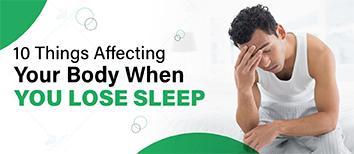
Lack of sleep silently damages your body and mind. Discover 10 shocking ways poor sleep affects your health, immunity, heart, and mental well-being.


Subscribe to our
© Copyright 2026. All Rights Reserved by Felix Healthcare Private Limited
Design and development by :


 +(91)9667064100
 Emergency : +(91)9667064100