 Emergency:
  WhatsApp



Subscribe to our
In the case of complicated hormonal disorders, the selection of an appropriate care center is an important issue. A leading Pituitary gland treatment hospital in Greater Noida, offers advanced diagnosis and treatment for pituitary tumors and other gland-related conditions. Having a group of highly skilled endocrinologists and neurosurgeons, focused on delivering accurate hormonal tests, minimal invasive surgery, and patient-centred care. If surgery is required, an expert pituitary gland tumor surgery doctor in Greater Noida ensures safe outcomes with faster recovery and comprehensive follow-up support.
From diagnosis to advanced surgery, Felix offers complete pituitary care. Call +91 9667064100 for expert guidance.
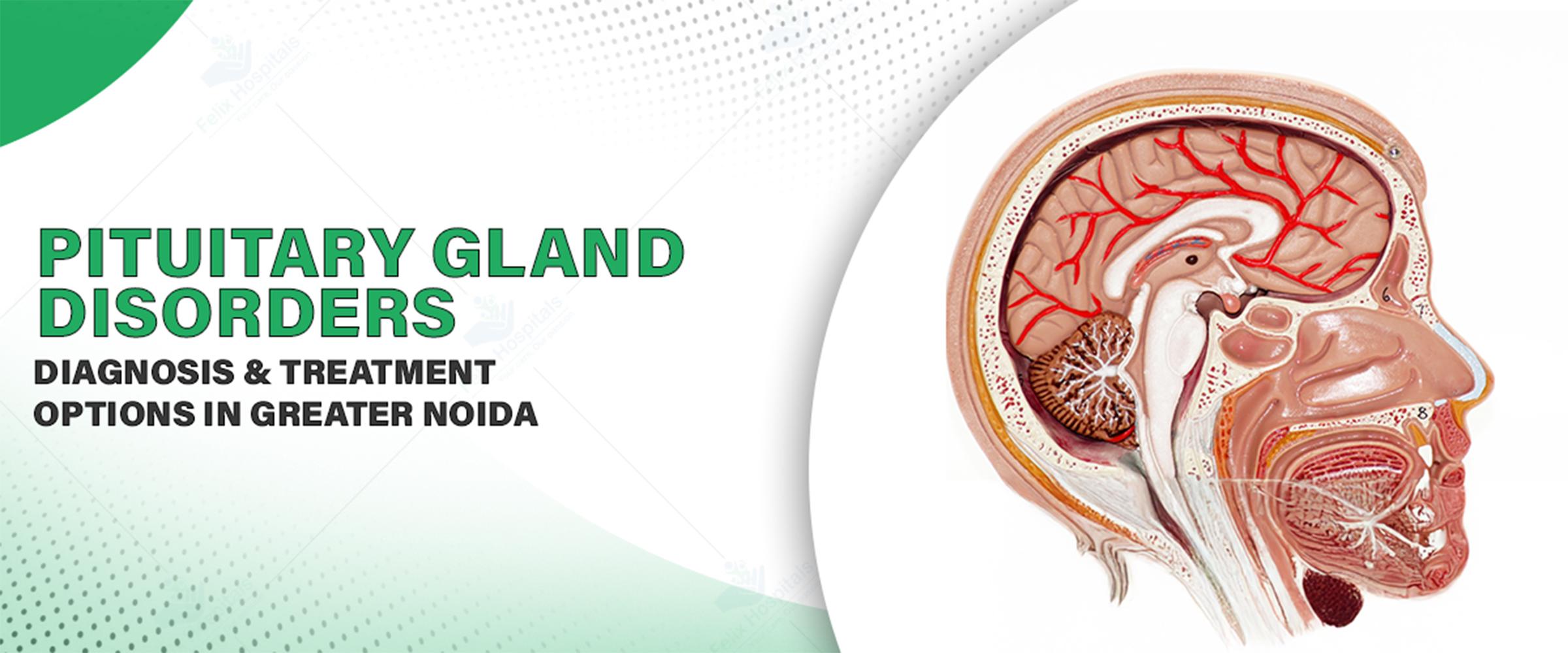
The pituitary gland is a pea size organ that sits inside the sella, a bony structure located in the middle of the head, beneath the brain and behind the nose and sinuses. The pituitary gland is considered the “master endocrine gland” because it produces and releases a number of hormones that control other glands in the body to regulate many biological functions. These hormones include:
Adrenocorticotropic hormone (ACTH)-stimulates the adrenal gland to make the hormone cortisol that is required for response to stress
Antidiuretic hormone (ADH)-regulates water balance in the body
Growth hormone (GH)-regulates growth
Follicle-stimulating hormone (FSH)-regulates production of egg and sperm
Luteinizing hormone (LH)-stimulates release of estrogen in women and testosterone in men
Prolactin-stimulates breast milk production after pregnancy
Thyroid stimulating hormone (TSH)-stimulates the thyroid gland to make thyroid hormone that is essential for regulation of metabolism, temperature and other bodily functions
Because of its location and role in regulating hormones within the body, any abnormality of the pituitary gland can be associated with a wide range of symptoms and disorders. For example, if the pituitary gland grows in size, this can cause pressure on the optic chiasm, a bundle of nerve fibers that communicates information from the eyes to the brain, which can lead to vision issues or headaches.
Pituitary tumors are one of the more common disorders involving the pituitary gland. While these tumors are nearly all benign (noncancerous), they can still lead to hormonal abnormalities, causing increased or decreased hormone production and impacting overall health. Not all tumors will have symptoms, but once they are discovered it is important that the patient undergo a comprehensive evaluation by an expert team to prevent the condition from worsening.
A list of the more common pituitary disorders include:
Functional pituitary adenomas that result in overproduction of hormones
Prolactinoma
Cushing’s disease
Acromegaly
Non-functional pituitary adenomas
Pituitary apoplexy
Pituitary cysts, including Rathke’s cleft cysts
Craniopharyngiomas
Empty Sella Syndrome
Pituitary hormone deficiencies and panhypopituitarism
Diabetes insipidus
Lymphocytic hypophysitis
To know what are the symptoms of pituitary gland disorders? Patients should know that pituitary disorders can have variable symptoms depending on the cause of the disorder. Pituitary tumors, cysts or other growths can cause headaches or problems with vision or in severe cases nausea and vomiting. Low levels of pituitary hormones can cause many symptoms such as fatigue, sexual dysfunction and changes in body composition, appearance or weight.
Conditions that are associated with too much hormone production include:
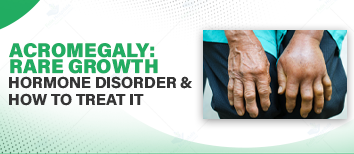
Acromegaly caused by overproduction of growth hormone that can lead to enlargement of hands and feet among other symptoms
Cushing’s syndrome caused by overproduction of ACTH and subsequently cortisol that can lead to weight gain especially in the abdominal and trunk areas in addition to increased risk for fractures, diabetes, hypertension and other complications
Hyperprolactinemia that can lead to abnormal menses, infertility and sexual dysfunction
Pituitary gland disorders may bring about infertility in all ways possible with the effects they have on hormone production. Pituitary gland disorders manifest themselves by causing headaches, vision impairment, and can lead to loss of libido or hormonal imbalances such as menstrual and impotency in men and women respectively.
Diagnosis of pituitary disorders involves a comprehensive approach that includes a hormonal evaluation by an endocrinologist as well as imaging studies such as MRI scans to evaluate for presence of pituitary gland abnormalities. Depending on the abnormality, patients may require formal evaluation of vision by a neuro-ophthalmologist.
To know how much pituitary tumor treatment costs in Greater Noida, it’s important to consider that treating patients with pituitary tumors in India is generally more affordable, ranging between INR 3.2 and 6.4 lakhs (USD 4,000–8,000). Costs may vary depending on the hospital, surgeon, and type of treatment required. Surgery to remove pituitary tumors through the nose (transsphenoidal surgery) usually requires 4–6 weeks for full recovery, though a hospital stay of 2–4 days is normal. Choosing the best hospital for surgery in Greater Noida ensures expert care, advanced facilities, and better outcomes.
To know how long does recovery take after pituitary surgery you should know that the time taken to recuperate following the surgery of the pituitary gland usually requires a period of 4 to 6 weeks prior to recovery. You are likely to be in the hospital between 2-4 days after surgery. Headaches and a short-term loss in taste and smell may happen, but these conditions should resolve in a few weeks.
The follow-up will be significant, and consultations to check the hormone levels and healing.
Hormones are produced in the pituitary gland and they regulate reproductive functions, and when the gland has a tumor, it would interfere with the production of those hormones. Infertility may have such symptoms as loss of sex drive, impotentia in males and/or loss of menstrual cycle in females.
Pituitary Gland Disorders Affect the body in the following ways:
The tumor itself may cause symptoms (such as pressing on neighboring nerves) or- through hormone imbalances due to tumor:
Eye damage, including temporary visual impairment caused by a pressure on the optic nerves around the eyes.
Hormonal disorders: causing:
Women: Abnormal or no menstrual period, infertility.
Men: Men lose facial hair, breast tissue grows or are impotent.
Both: Lowered sex drive
Weight changes: or the weakness without any known cause.
Nausea
Reduced growth and sexual development: in children.
More thirst: and more frequent urination (when there is an imbalance of saltwater)
Treatment of pituitary disorders often involves collaboration between endocrinologists, neurosurgeons, neuro-ophthalmologists, radiation oncologist and otolaryngologists (ENT). Treatments include surgical intervention, medications, hormone replacement in case of hormone deficiencies and at times radiation therapy.
Struggling with hormonal imbalances or pituitary symptoms? Call +91 9667064100 to consult experts.
Although pituitary disorders might seem to be rare, their effect on the general health is huge. Cases of stress can be successfully treated to lead healthy lives with timely diagnosis and professional treatment. Felix Hospital stands as a trusted Pituitary gland treatment hospital in Greater Noida, providing advanced diagnostic facilities, personalized hormonal therapies, and world-class neurosurgical care. For patients needing surgical intervention, our highly skilled pituitary gland tumor surgery doctor in Greater Noida ensures safe and effective procedures with compassionate follow-up care. By taking Felix, one takes accuracy, skill, and complete healing of every pituitary disorder.
Q1. How long is recovery after pituitary surgery?
Ans: Most patients stay 2–4 days in the hospital and recover in 4–6 weeks. Felix offers close follow-up and rehabilitation for faster healing.
Q2. Can children develop pituitary disorders?
Ans: Yes, children may face growth delays, puberty issues, or hormone imbalances. Felix pediatric endocrinologists provide specialized care for such cases.
Q3. Will I need lifelong treatment after pituitary surgery?
Ans: Some patients may need hormone replacement therapy. Felix Hospital provides ongoing monitoring and personalized medication plans.

The pituitary gland, often called the “master gland,” plays a crucial role in fertility by regulating hormones that control reproductive functions. Call now: 9667064100.


Subscribe to our
© Copyright 2026. All Rights Reserved by Felix Healthcare Private Limited
Design and development by :


 +(91)9667064100
 Emergency : +(91)9667064100