 Emergency:
  WhatsApp

Subscribe to our
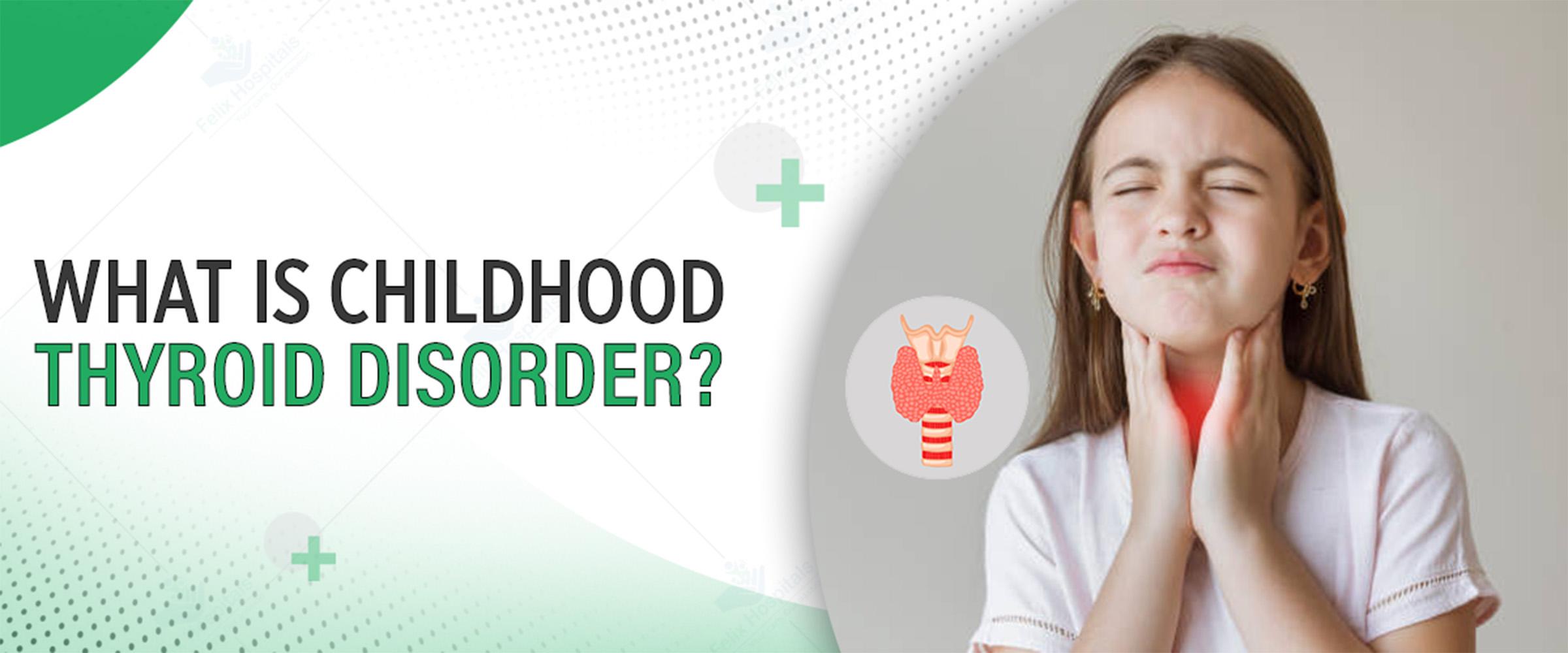
Everyone considers thyroid disease an adult illness but it is also present among youngsters at different stages of development. Since the thyroid gland is primarily responsible for an individual's metabolism, growth, as well as intellectual development, a failure to function effectively among youngsters can contribute to critical health issues if left unchecked. Parents ask often what symptoms indicate thyroid diseases among children because initial symptoms might be slight and disguised as growth changes related to development.
For parents who want to be counseled, visiting Top Thyroid Specialists Near You is the most prudent initial step to early assessment and management. With appropriate medical attention, childhood cases of thyroid diseases can be controlled effectively.
If you suspect something unusual such as fatigue or slow growth or learning dysfunction with your child, don't wait. Simply call us today at +91 9667064100.
Childhood thyroid disease is any disease that impacts a child's functioning thyroid gland. The thyroid is a tiny, butterfly-like gland located in the front part of the neck that creates hormones that regulate metabolism, growth, brain development, and energy.
Hypothyroidism (underactive thyroid): Reduced production of thyroid gland's hormones. It can lead to tiredness, slowed-down growth, weight increase, constipation, and learning problems.
Hyperthyroidism (overactive thyroid): There is an excess production of thyroid hormones. It leads to weight loss, agitation, a rise in heartbeats, sweating, and irritability.
Some others among these include congenital hypothyroidism (which is present from birth), goiter (enlargements of the thyroid), and autoimmune diseases such as Hashimoto's thyroiditis or Graves' disease.
Knowing why children develop thyroid disease keeps one a vigilant parent. Thyroid diseases can be caused by:
Congenital hypothyroidism – a child being born with an inactive thyroid gland.
Autoimmune diseases – i.e., Hashimoto's thyroiditis, where you're having an immune attack against your thyroid.
Iodine excess or deficiency – interfering with normal thyroid function.
Genetic causes – history of thyroid diseases in family.
Treatment – including radiation or some of the medications that impact the thyroid.
They point to why parents should never dismiss a child's unusual growth curves or developmental lag.
Early detection of symptoms of thyroid diseases among children can avert complications. Such symptoms usually vary with either a child having hypothyroidism (underactive thyroid) or hyperthyroidism (overactive thyroid).
Symptoms of hypothyroidism include: lethargy or tiredness, dry skin, constipation, loss of appetite, slowed growth; slowed onset.
Symptoms of hyperthyroidism: weight loss with a good appetite, nervous activity, rapid heartbeats, excessive sweating, distractibility, and insomnia.
Because these symptoms can masquerade as different childhood diseases, a physical examination is important for diagnosis.
Parents also ask about how hypothyroidism is diagnosed in children. Physicians routinely rely on a history, physical examination, and laboratory testing. In particular, they order particular tests such as:
TSH (Thyroid Stimulating Hormone) test – assesses function of thyroid gland.
Free T4 test – tests blood levels of thyroid hormone.
Ultrasound or imaging tests – if structural issues with the thyroid gland are a factor.
Early treatment averts growth retardation, intellectual development, and general health.
There is also a frequent question regarding treatment for thyroid problems among youngsters. It is treatment-based if a youngster has an over or an underactive thyroid.
For hypothyroidism – levothyroxine (daily dose of thyroid hormone replacement therapy) is very effective.
For hyperthyroidism – treatments may include antithyroid medications, beta-blockers for symptom relief, or in rare cases, surgery.
Dietary and lifestyle changes – including balanced nutrition with adequate iodine and periodic consultations with experts.
Families who consider undergoing advanced treatment can choose to undergo the best thyroid treatment in Greater Noida, where personalized care ensures effective and efficient management.
Once they have been diagnosed with a thyroid problem, treatment is ongoing medical treatment. Numerous blood tests occur to continuously check medication dosage levels alongside levels of thyroid hormones. Parents also keep an eye on:
Academic achievement and intellectual growth.
Growth milestones such as weight and length.
Emotional and behavioral welfare.
It is a continuous care framework that assures families that they can manage their child's condition with close observation.
Parents also face an anxious decision about where to take their child with a thyroid problem. The best thyroid treatment hospital in Greater Noida offers advanced diagnostic expertise, highly qualified pediatric endocrinologists, and family-centered support. As a parent, access to highly qualified doctors ensures safer treatment protocols with fewer complications and an easier recovery process.
Schedule an appointment today to entrust your child's thyroid treatment to capable hands. Call us at +91 9667064100.
Pediatric thyroid disease is something that is feared initially but can be taken care of effectively with good medical treatment at a multispeciality hospital in Greater Noida. If you're concerned about what is causing thyroid disease in children or if you're anxious to find out how hypothyroidism is diagnosed among children, it is critical not to defer medical care.
If you've been asking yourself, "Is my child showing symptoms of a thyroid problem?"—now's the time to act. With competent treatment, children can experience normal development, growth, and a healthy future.
Q1. In children, does thyroid problem affect growth?
Ans: Yes. Untreated hypothyroidism will lead to slowed growth, slowed pubertal development, and slowed development of the brain, so early detection is necessary.
Q2. What are early signs that a child has a thyroid problem?
Ans: Sudden lethargy, weight fluctuations, dry skin, and learning problems often manifest early among children as symptoms of thyroid problems.
Q3. Can congenital hypothyroidism be managed successfully?
Ans: Yes. Children with congenital hypothyroidism can live healthy, normal lives with early detection and a lifetime therapy with thyroid hormone.
Q4. How often should a child with a goiter see a doctor?
Ans: Closely observe the patient and conduct follow-ups every 3 to 6 months to adjust the dosage according to their growth spurts.
Childhood stroke is a rare but serious medical emergency that can affect infants, children, and adolescents.
Recognizing the early warning signs of autism in children can help parents seek timely support and interventions for better development.
Expert surgical care in Noida for childhood hip dysplasia ensures timely diagnosis, advanced operative treatment, and better mobility outcomes for children.

Subscribe to our
© Copyright 2026. All Rights Reserved by Felix Healthcare Private Limited
Design and development by :


 +(91)9667064100
 Emergency : +(91)9667064100