 Emergency:
  WhatsApp

Subscribe to our
Childhood as a period is very sensitive where each step, movement, and growing up milestone matters. Parents are overjoyed to see their child first crawl, first walk, and run playfully. However, in certain cases, latent conditions may steadily impact natural growth without being realized. Childhood hip dysplasia is one such orthopedic condition where many parents might not realize until later when the symptoms start interfering with movement. Occurring when the hip joint fails to develop normally, the condition may bring instability, trouble walking, and, unless corrected, lifetime issues.
In recent years, there has been a marked awareness regarding hip dysplasia operative treatment in Noida, and parents in the cities, including Greater Noida, are today emphasizing early check-ups. Locally available sophisticated diagnostic methods and surgery mean children can get world-class facilities near home. For parents, it means early intervention, speedy recovery, and a healthy future for their precious children.
Do you suspect your child to have hip instability or walk issue? Consult a trained professional through a call on +91 9667064100.
Childhood hip dysplasia, or Developmental Dysplasia of the Hip (DDH), is a condition where the hip socket is shallower than normal or not the proper shape. As a result of this, the ball of the thigh bone (the femoral head) does not easily seat in the hip socket.
This defect makes the hip dislocated partially or, in advanced cases, a total dislocation. It might develop at birth (congenital) or in infancy. Even though it is prevalent in neonatal screenings, in some instances, hip dysplasia might escape detection until children who are toddlers walk with a characteristic gait.
If treated early, non-surgical procedures such as braces and harnesses are capable of correcting the issue. However, for moderate to advanced disease or in cases of delayed diagnosis, surgical management of childhood hip dysplasia must occur in an effort toward normal joint function.
Predictive Warnings Parents Should Know About:
Unequal leg lengths (shorter appearance of a leg)
Inner movement restricted in single leg compared to opposite leg
A sense of a pop or click in the hip joint
Waddling or limping gait in children under
Late accomplishments such as walking or standing
Asymmetrical folds on the thigh or buttock region
These are not developmental quirks—they are signs a child might need operative treatment for hip dysplasia. Parents need a medical evaluation promptly conducted if they observe these signs.
Although the direct cause of hip dysplasia does not always exist, a set of risk factors are involved:
Genetics - A genetic predisposition for hips raises your risk.
Breech birth - Babies born feet-first have higher probabilities of instability in the hips.
First-born offspring- Less space in the uterus increases risk of congenital joint dislocation.
Over-swaddling legs – Hinder normal hip movement.
Hormones – During pregnancy, some of the pregnancy hormones loosen the baby’s ligaments, which also make it more likely to happen.
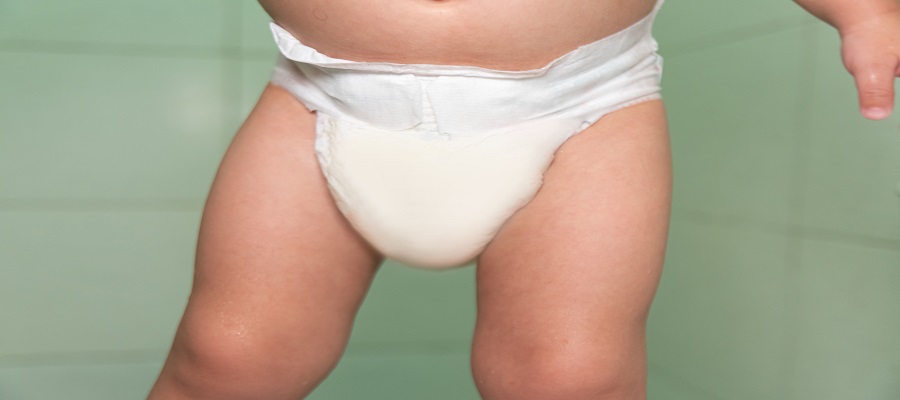
Surgery is the preferable option when non-surgical treatments, such as braces or harnesses, fail, or when diagnosis is delayed.
Prior to surgery, a full assessment is arrived out which includes:
Physical assessment for joint stability.
Radiology tests are available, and severity may be assessed with x-rays, ultrasound or MRI.
Preform anesthesia for this child.
Parental counselling about the surgical plan, postoperative recovery and future prospects.
The hip joint is gently repositioned under anesthesia.
Usually after a spica cast is applied for 3–6 months.
Best suited for younger infants when non-surgical bracing has failed.
Performed when the closed reduction does not succeed.
The surgeon makes a small incision to remove impediments (such as tight ligaments or tissues) that are not letting the hip flex.
The joint is immobilized and stabilized in a cast.
Involves reshaping of pelvic or Femur bones for better hip alignment.
Common in older children where bone structure has developed abnormally.
For proper surgical corrections in extreme cases.
Guarantees future flexibility and minimizes the chance of grown-up arthritis.
Recovery in the OR According to the spica cast protocol, education for parents includes upmost required postoperative care for their kids:
Managing the care of a spica cast.
Physiotherapy Progressive exercises are used to help in restoring movement and power.
Routine follow-ups To determine the stability of the hip, creating ionizing imaging studies.
Nutritional support Adequate protein is required for bone healing with calcium and vitamin D.
In a few kids, normal movement is restored and they participate actively.
Childhood hip dysplasia can appear daunting to parents, but it is a correctable condition when treated early. Treatment is possible with early diagnosis and appropriate surgical option. Children recover completely and lead a normal, pain-free life with proper surgical treatment performed in a timely manner. Surgical treatment is still the standard for moderate to severe cases with long-term stability of the hip joint.
For parents, having easy access to sophisticated facilities and pediatric hip dysplasia surgeon in Noida makes treatment both safe and confidence-inspiring. Whether a child requires a closed reduction for a youngster or reconstructive surgery for an adolescent, the aim is always to preserve mobility, stability, and quality of existence.
Are you concerned with your son’s or daughter’s hip well-being? Get in touch with a pediatric hip dysplasia surgeon today by calling +91 9667064100 or clicking here.
Find the links below:
Check the links below:
Q1. At what age does surgery for hip dysplasia work best?
Ans: Surgery is generally most successful after 6 months if conservative methods are not working but early diagnosis always yields superior outcomes.
Q2. It my child have pain after the hip dysplasia surgery?
Ans: Anesthetics and analgesics are used, and children “adapt, just fine”. Most challenging is adjusting the casting.
Q3. How long will my grandchild be casted after the surgery?
Ans: 3-6months usually after surgical intervention or during the patient's recovery.
Q4. Will my kid walk funny after hip dysplpla surgery?
Ans: Yes. The standard of care is good surgery, rehabilitation and follow up. \ Most children are able to achieve normal gait with appropriate surgery, physiotherapy, follow-ups.
Q5. Is there a chance of it coming back after surgery?
Ans: Though rare, recurrence can occur. Periodic follow up is carried out to achieve this correction permanently.
Childhood stroke is a rare but serious medical emergency that can affect infants, children, and adolescents.
Recognizing the early warning signs of autism in children can help parents seek timely support and interventions for better development.
Tuberculosis (TB) is primarily known as a respiratory infection caused by Mycobacterium tuberculosis, but it can affect various body parts, including bones and joints.

Our team of pediatric professionals is committed to offering expert care and guidance on sleep-related issues. If you’re looking for a pediatric doctor near me, our experienced specialists are ready to assist.


Subscribe to our
© Copyright 2026. All Rights Reserved by Felix Healthcare Private Limited
Design and development by :


 +(91)9667064100
 Emergency : +(91)9667064100