 Emergency:
  WhatsApp



Subscribe to our

Nutrition is important in supporting lung health, particularly in those with chronic lung disease. Individuals with respiratory issues frequently suffer from low oxygen levels, fatigue, and inflammation, all of which can be impacted by nutritional decisions. Know what lung patients should eat daily for strengthening their immune system as well as performing better in breathing.
Good eating habits can also contribute to less inflammation in the airways and more energy. Diet may not be able to cure lung disease, but it can complement medical treatment and make life better. If you have persistent respiratory symptoms, you should see a pulmonologist in Noida or a lung specialist doctor in Noida for proper evaluation and advice.
Struggling with breathing issues or persistent lung symptoms? Proper medical care and lifestyle guidance can help improve lung health. Call +91 9667064100 to consult a pulmonologist in Noida.
Nutrition is a critical factor for keeping the respiratory system in good working order. The lungs receive proper nourishment and are bathed in antioxidants to shield the tissues from injury by the effects of pollutants, infections, and the inflammatory process. Studies have shown that high fruit, vegetable, and healthy fat (such as olive oil) diet patterns are linked to better lung function and fewer respiratory symptoms.
Furthermore, good nutrition can help you achieve and maintain a healthy weight. Overweight makes breathing harder and malnutrition can impair the muscles used to breathe. With knowledge of the foods that help maintain and improve lung function, patients can make informed choices in their diet to help support, maintain, and protect their lung function.
People who suffer from breathing problems are advised to eat a diet rich in nutrients that promote immune health and have anti-inflammatory properties. Adding the right foods with the right nutrients to each meal can boost your energy and help you breathe better. Dietary recommendations:
Fresh fruit, such as apples, berries, and oranges
Leafy greens like spinach and kale
Whole grains such as brown rice and oats
Sources of lean protein such as fish and poultry
Healthy fats from nuts and seeds
Sufficient water to stay hydrated
These foods provide essential vitamins, minerals, and antioxidants that help protect lung tissues.
Some foods have nutrients that support lung health and fight inflammation. Consumption of these foods is likely to enhance breathing potential. Foods that may enhance lung function include:
Vitamin C-rich foods like citrus fruits and bell peppers
Omega-3 fatty acids found in fish
Berries rich in antioxidants that help shield lung cells
Magnesium from foods such as nuts and beans aids muscle relaxationHigh-fibre foods that may reduce systemic inflammation
These nutrients play a role in maintaining healthy lung tissues and improving immune response.
Some foods might exacerbate inflammation, mucus, or breathing issues in people with lung disease. Foods to avoid or limit in your diet:
Packaged and processed foods
Fried oily foods
Soft drinks and sugar-laden desserts
Salty foods that make you retain fluids
Overconsumption of red meat
Refined carbs like white bread and pastries
Reducing these foods can help minimize inflammation and improve overall respiratory health.
For those with asthma, COPD, or other lung diseases, diet can affect how severe symptoms are. Malnutrition can impair the strength of respiratory muscles and the ability of the body to combat infections. Conversely, a balanced diet may enhance immune function and decrease airway inflammation.
Knowing which foods improve lung function enables patients to make better dietary choices to complement their medication and increase the amount they are able to breathe each day.
Developing a well-rounded meal plan helps support patients with breathing conditions to get foods rich in nutrients that contribute to respiratory health. Your healthy daily meal options could be:
Breakfast containing whole grains and fresh fruit
Lunch with lean protein and vegetables
Snacks like nuts or yogurt
Dinner with equal helpings of protein, grains and vegetables
Proper hydration all day long
Consistent meal planning can support better metabolism and energy levels for individuals with lung disease.
Certain foods can exacerbate breathing issues and be mucus-forming in some people. Among the foods that may cause symptoms are:
Too many dairy products for some people
Bubbly drinks that give you bloating spells
Saltage in your processed foods
Synthetic colors and preservatives
Spicy food that makes you cough
Those who have difficulty breathing after eating should talk to a lung specialist doctor in Noida about potential dietary triggers.
There is no substitute for good medical care and respiratory diseases certainly are no exception. Patients should see a physician if they have persistent lung symptoms. Seek medical care if you have:
Shortness of breath during normal activities
Chronic cough for several weeks
Wheezing or chest pressure
Recurrent respiratory infections
Trouble breathing when lying down
Breathlessness-induced tiredness
A pulmonologist in Noida can evaluate lung health and recommend treatment options.
Doctors use several diagnostic tests to evaluate respiratory health and determine the cause of symptoms.
Test | Purpose |
Spirometry | Measures lung capacity and airflow |
Chest X-ray | Detects infections or lung abnormalities |
CT Scan | Provides detailed imaging of lung structures |
Blood Tests | Evaluates oxygen levels and infection markers |
Pulse Oximetry | Measures oxygen saturation in blood |
These tests help specialists diagnose lung conditions accurately and guide treatment.
Treatment is determined by the type and severity of the respiratory disease. Appropriate medical management and good lifestyle practices can greatly impact outcomes. Treatment may include:
Bronchodilator drugs to open the airways
Anti-inflammatory medicines that reduce inflammation
Oxygen treatment for serious breathing problems
Programs for pulmonary rehabilitation
Treatment of an underlying infection or allergy
Patients should follow treatment recommendations provided by a lung specialist doctor in Noida.
Along with diet, some other lifestyle changes can contribute to better respiratory health and alleviate symptoms of lung disease. Sensible lifestyle practices include:
Not smoking and avoiding second-hand smoke
Doing some gentle exercise regularly
Using breathing techniques
Being at a healthy weight
Decreasing contact with air pollutants
Adhering to medication regimen as directed
These practices help support overall respiratory function.
Experiencing persistent cough, breathing difficulty, or lung health concerns? Consult an experienced pulmonologist in Noida or lung specialist doctor in Noida for expert guidance and treatment. Call +91 9667064100 to schedule your consultation.
Diet and lifestyle play an important role in maintaining lung health, especially for people with lung disease. Knowing what foods to eat and avoid can help improve lung function, reduce inflammation, and support overall well-being.
However, diet alone is not enough. Proper medical care is essential for effective management. Visiting a multi speciality hospital in Noida ensures accurate diagnosis, advanced treatment, and expert guidance for better lung health.
While it's not likely to completely reverse the effects of lung disease, a healthy diet can help support lung health and reduce inflammation and immune system stress that affects breathing.
Not everyone reacts the same way to dairy products. Some people find they make them produce more mucus, others have no problems with dairy.
Keeping hydrated also thins mucus, making it easier to clear out of the airways. It is good for respiratory health to drink enough water daily.
Yes, a healthy weight helps reduce pressure on your lungs and makes breathing more efficient.
Supplements should be consumed only after consulting a doctor. Most of the essential nutrients a person needs to keep their lungs healthy are available from a well-balanced diet, without the need for supplements.
Dr. Priyadarshi Jitendra Kumar is an experienced General Practitioner with 20+ years of expertise in diabetes, thyroid disorders, hypertension, and infectious diseases. Recognized as a Best Pulmonologist in Noida, he specializes in respiratory emergencies, sleep disorders, and advanced pulmonology care.
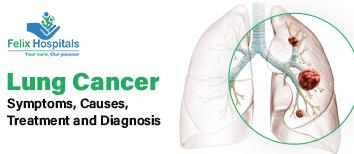
Lung cancer is a serious condition that starts in the lungs and can spread to other parts of the body.
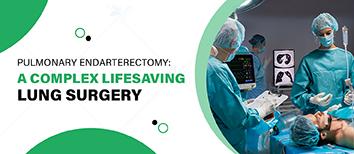
The cost of a Pulmonary Endarterectomy surgery depends on factors such as hospital facilities, surgeon fees, and post-operative care requirements.
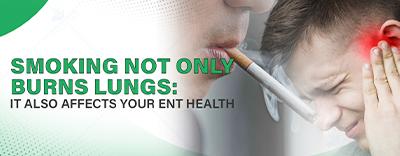
Smoking doesn’t just damage your lungs—it also harms your ears, nose, and throat. Learn how tobacco use increases the risk of ENT infections, hearing loss, sinus issues, and more.


Subscribe to our
© Copyright 2026. All Rights Reserved by Felix Healthcare Private Limited
Design and development by :


 +(91)9667064100
 Emergency : +(91)9667064100