 Emergency:
  WhatsApp


Subscribe to our
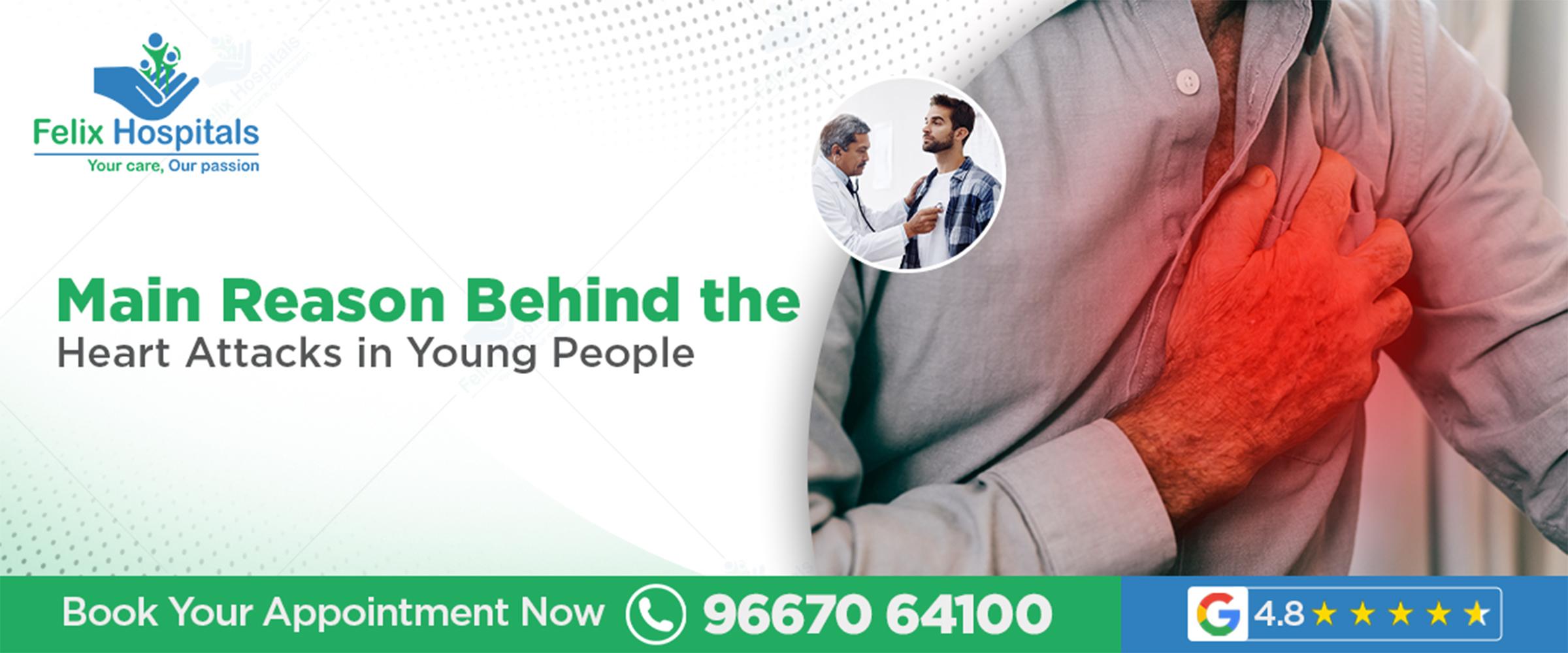
Heart attacks were considered a geriatric illness. But nowadays, physicians all over India — including cardiologist in Noida — have noticed alarming increase among individuals in their 20s, 30s, and their early 40s. Due to the present lifestyle, along with increasing tension, unhealthy diet, and physical inactivity, the youth have also become more prone to heart attacks.
Understanding the heart attack in young adults and why it’s becoming so common is essential for prevention and early intervention. A heart attack doesn’t strike suddenly — it often builds up silently over time. Recognizing the signs, knowing the causes, and adopting a heart-healthy lifestyle can make all the difference between life and loss.
Call +91 9667064100 and consult the best cardiologists in Noida, India, for the best heart attack hospital in Noida.
The increasing incidents of heart attack among the youth are alarming. Multiple factors that are interconnected are causing the same, many originating from lifestyle options. In spite of the genetic factor, preventable risk factors like high levels of stress, smoking, sitting habits, and improper feeding are found in the majority of the youths who are consulted today.
One key cause of heart attack is atherosclerosis — the build-up of fatty plaques within the arteries. They constrict the arteries, reducing the blood flow towards the heart. If the plaque ruptures, the flow of blood can be totally blocked, leading to a heart attack.
Let's have a detailed look at the leading young people heart attack causes.
Poor eating habits are among the leading culprits behind the risk factors of heart attack among the youth. Ready access to processed food items, refined carbohydrates, and unhealthy fat have replaced tested, balanced food.
Young people often skip breakfast, consume excessive caffeine or energy drinks, and rely on fast food. These habits increase cholesterol levels and triglycerides, contributing to artery blockages.
Tip: Eat a high-fruits, -vegetables, -whole grains, -nut, -lean-protein diet. Ditch the fried and sweets — your heart will thank you later.
Chronic stress directly affects heart conditions. In the high-pressure work and competition environments of places like Noida, the levels of stress among youth professionals are all-time high. High levels of stress cause hormonal imbalances, increasing the blood pressure, inflammation, and heart strain.
Also, sleep loss interferes with maintenance cycles in the body, further augmenting cardiovascular risk. It has been discovered that individuals who sleep for under 6 hours at night have heart issues earlier in life.
Tip: Learn relaxation techniques such as meditation, yoga, or deep breathing. Sleep 7–8 quality hours every night.
Technology has enabled our lives to be easy, but our lives are becoming sedentary. Hour after hour sitting at a desk, driving, or staring through monitors cause poor circulation, obesity, and high cholesterol — all risk factors that foster heart disease.
It makes the heart muscle stronger, boosts the flow of blood, and regulates weight, cholesterol, and blood pressure.
Tip: Get at least 30 minutes per day of exercise —walking, riding a bike, or dancing is fine!
Tobacco and nicotine accelerate artery damage by decreasing the amount of oxygen and making the blood more viscous. Even occasional smokers develop premature heart disease. With increased use of vaping and e-cigarettes, teens misguidedly believe that they're the better bargain — but they can damage the blood vessels as well.
Also, excessive consumption elevates the blood pressure, triglycerides, as well as irregular heartbeats.
Tip: Quit smoking entirely and drink in moderation and reduce your risk substantially.
Obesity is no longer a midlife crisis — it's becoming a teenage and youth problem. Excess fat on the body stimulates insulin resistance, high cholesterol, and high blood pressure — all key heart-attack causes.
The fat storage around the abdomen (tummy fat) is particularly dangerous, as the risk is enhanced for metabolic syndrome and heart disease.
Tip: Reduce body weight through balanced feeding and frequent exercise.
Most children are unaware that they have high blood pressure or borderline diabetes. Both diseases harm the heart and the arteries quietly over the course of time.
Together, they substantially increase the risk of a heart attack among youth. Screening regularly is essential in identifying these conditions at an early stage and treating them through lifestyle, diet, and medicine when needed.
Tip: Have your sugar and blood pressure levels tested every year — even if you feel fine.
Family history is significant. If either parent experienced heart trouble before the age of 55, the offspring are more likely later in life to endure the same kind of trouble.
Your genes can't predetermine your fate — the way you live can control the way genes express themselves. Preventive medicine and proficient monitoring can maintain the hearts of even high-risk people healthy.
Tip: If the family history is positive, then the individual should meet a Heart Treatment Hospital in Noida center for periodic cardiac check-ups and lifestyle advice.
Drug abuse, such as cocaine or amphetamines, results in abrupt elevation in the body's level of high blood pressure and can precipitate heart attacks in otherwise healthy adolescents. In like manner, bodybuilding anabolic steroids strain the heart muscle and impair cholesterol equilibrium.
Tip: Never consume performance-enhancing medicine or un prescription supplements. Focus on natural balanced fitness and appropriate medical counsel.
Post-pandemic studies discover that the infection may cause the heart (myocarditis) and clotting of the blood. Some youths who had recovered from mild COVID-19 developed later heart disorders due to unnoticed inflammation as well as due to cardiac damage caused by stress.
Tip: If you've had chest pain, shortness of breath, or lethargy after recovering from COVID-19, don't ignore it – have your heart assessed by a specialist.
Young adult heart attacks can go unnoticed as the symptoms can be weak or non-specific for the heart. Be on the lookout for these symptoms of a heart attack among young adults:
Neglect of these symptoms can be fatal. Emergency medical attention can save a person and prevent further disability.
While the facts are startling, the silver lining is that heart attacks in the younger generations can be prevented entirely through diligent efforts and periodic check-ups.
Even youths should have general health checks on cholesterol, blood pressure, sugar, and heart activity. Periodic checkups will prevent dangers before they occur.
Consumption of fresh, high-nutritional-value food. Instead of fried, have grilled food, and have olive/mustard oil. Minimise the consumption of sugar and salt.
Perform aerobic exercise such as brisk walking, swimming, or cycling. Aerobic exercise facilitates better efficiency of the heart and de-stress.
Both are significant correctable risk factors. Their elimination can decrease the risk of heart attack by as much as 50%.
Meditation, exercise, and hobbies all can lower the level of cortisol and cultivate heart health.
Keep your weight between the healthy boundaries in order to prevent metabolic issues.
Dehydration and lack of sleep strain your heart and increase blood pressure levels.
You must visit a cardiologist in Noida if you feel:
The increasing number of heart attacks among young people is a wake-up call. It's not genes — it's lifestyle, tension, and neglect that imperceptibly damage young hearts. But education, discipline, and precaution can turn the tide.
Adoption of small day-to-day habits such as healthy living, exercise, non-tobacco use, and management of stress will keep your risk diminished. Routine medical check-ups with specialist cardiologists at Noida enable early diagnosis and correction of cardiac conditions before they are severe.
Remember — the heart is one very resilient organ, and caring for it today will ensure a longer, better future. Never ignore warning signs or delay medical care. Preventive medicine is, after all, the ultimate medicine when treating the heart.
Q. 1. Why are heart attacks increasing among youth?
Ans. Contemporary inactive lifestyles, inappropriate diets, cigarettes, tension, and sleep depravity have rendered youth more prone to heart disease than ever before.
Q. 2. Can stressful periods bring on a heart attack?
Ans. Chronic tension increases inflammation and high blood pressure, both of which can cause heart attacks, especially in combination with other risk factors.
Q. 3. What are the early symptoms of heart problems in young people?
Ans. Shortness of breath, mild chest pain, lightheadedness and tiredness on ordinary activity should not be overlooked.
Q. 4. What is the natural way through which the youth can prevent heart disease?
Ans. By maintaining an exercise routine, eating well, maintaining healthy weight, quitting tobacco use and having a check-up periodically.
Q. 5. Is it possible to be a heart attack victim at the age of 20s?
Ans. Yes, more people of 30s and 20s, occasionally with lifestyle issues, family history, or smoking.
Q. 6. How many times should I be tested on my heart?
Ans. Adults less than 40 years must have a heart check determined at every 2-3 years, or annually in case there is risk factor or family history.
Q. 7. Do younger adults recover better after heart attack?
Ans. Youths are also doing better as they are usually in better health overall, but lifestyle changes can prevent recurrence in the long term.
Arrhythmia is a condition where the heart beats irregularly—too fast, too slow, or with an uneven rhythm. It can feel like a fluttering, racing, or skipped heartbeat.


Subscribe to our
© Copyright 2026. All Rights Reserved by Felix Healthcare Private Limited
Design and development by :


 +(91)9667064100
 Emergency : +(91)9667064100