 Emergency:
  WhatsApp


Subscribe to our

Regular exercise is widely promoted for heart health, yet an alarming rise in gym heart attacks has become a serious concern, especially among young and middle-aged fitness enthusiasts. Sudden cardiac events during workouts have highlighted a dangerous misconception—that intense exercise is always safe for everyone. In reality, underlying heart attack conditions, improper workout intensity, and lack of medical screening can turn exercise into a life-threatening trigger.
In Noida, cardiologists are increasingly seeing patients with exercise-induced cardiac emergencies, emphasizing the need for awareness, prevention, and timely heart evaluation.
Planning intense workouts? Get your heart evaluated first by an expert. Call +91 9667064100 to book a cardiologist consultation near me.
A heart attack during workout typically occurs when the heart’s oxygen demand suddenly exceeds supply. High-intensity exercise increases heart rate and blood pressure, which can stress already narrowed coronary arteries.
This imbalance may result from:
Undiagnosed coronary artery disease
Sudden heavy lifting or extreme cardio
Poor warm-up routines
Dehydration or electrolyte imbalance
Workout-related heart attacks are often sudden and severe, requiring immediate emergency care.
Sudden cardiac arrest in gym settings is one of the most dangerous exercise-related emergencies. Unlike a heart attack, cardiac arrest occurs when the heart’s electrical system malfunctions, causing the heart to stop pumping blood.
Common triggers include:
Undetected heart rhythm disorders
Structural heart abnormalities
Excessive stimulant use (pre-workout supplements)
Extreme exertion without conditioning
Without immediate CPR and defibrillation, sudden cardiac arrest can be fatal within minutes.
Understanding why heart attacks happen in gym environments helps reduce preventable risks. Exercise acts as a physical stress test for the heart.
Contributing factors include:
Plaque rupture in coronary arteries during exertion
Sudden spikes in blood pressure
Overtraining without rest
Exercising while sick or sleep-deprived
The heart can only tolerate stress within safe limits, especially in individuals with silent heart disease.
The causes of heart attack during exercise are often a combination of lifestyle, genetics, and medical history.
Key causes include:
Smoking or past tobacco use
High cholesterol levels
Diabetes or uncontrolled blood sugar
Obesity and sedentary lifestyle followed by sudden intense workouts
Family history of heart disease
Ignoring these risk factors increases vulnerability during gym workouts.
Many people ask, is gym workout safe for heart health? The answer is yes—but only when done correctly and under medical guidance if risk factors exist.
Safe exercise principles include:
Gradual intensity progression
Balanced cardio and strength training
Proper breathing techniques
Adequate hydration and recovery
A heart-safe workout plan is personalized, not copied from social media or peers.
The heart attack risk during heavy workout rises sharply when individuals push beyond their cardiovascular capacity. Heavy deadlifts, high-intensity interval training, and prolonged cardio sessions can overload the heart.
Risk increases further when:
Workouts are performed without warm-up
Exercises are done with improper form
Supplements overstimulate the heart
Rest days are ignored
Heavy workouts should always be introduced gradually and monitored carefully.
Recognizing heart attack symptoms during workout can save lives. Symptoms may appear mild initially and are often ignored.
Warning signs include:
Chest tightness or pressure
Pain radiating to the left arm, jaw, or back
Sudden breathlessness
Excessive sweating unrelated to exertion
Lightheadedness or nausea
Any of these symptoms during exercise require immediate cessation and medical evaluation.
Warning signs of heart attack in gym often present subtly before a major event. Many victims recall earlier ignored symptoms.
Early red flags include:
Unusual fatigue during routine workouts
Chest discomfort during warm-up
Palpitations or irregular heartbeat
Decline in exercise tolerance
Ignoring these signs can result in catastrophic outcomes.
Learning how to prevent heart attack in gym settings involves smart planning and medical awareness.
Prevention strategies include:
Getting a heart checkup before starting intense training
Avoiding sudden increases in workout intensity
Listening to the body’s warning signals
Staying hydrated and well-nourished
Avoiding unregulated supplements
Prevention begins before stepping into the gym.
A heart checkup before joining gym is essential, especially for individuals over 30 or with risk factors.
A standard cardiac evaluation may include:
ECG to assess heart rhythm
Echocardiography to check heart structure
Treadmill stress test
Blood pressure and cholesterol assessment
This screening identifies hidden risks and helps design safe workout plans.
A cardiologist consultation near me helps determine whether an individual is fit for strenuous exercise. Cardiologists assess risk profiles and guide safe fitness routines.
Their role includes:
Identifying silent heart disease
Advising workout intensity limits
Managing existing heart conditions
Preventing exercise-induced cardiac events
Medical guidance transforms fitness from risky to safe.
Gyms must be prepared for cardiac emergencies. Immediate response can save lives.
Essential emergency measures include:
Availability of automated external defibrillators (AEDs)
Trained staff in CPR
Clear emergency protocols
Quick access to emergency heart care near me
Preparedness significantly improves survival rates.
Recovery following a gym-related heart event requires structured cardiac rehabilitation. Patients must not resume workouts without clearance.
Recovery involves:
Medication adherence
Gradual supervised exercise
Lifestyle modification
Stress and weight management
Regular follow-up with a heart specialist near me
Safe recovery prevents recurrence
Experiencing chest discomfort or breathlessness during workouts? Seek immediate help from a heart specialist near me. Call +91 9667064100 now.
Gym heart attacks serve as a powerful reminder that fitness without medical awareness can be dangerous. While exercise remains vital for heart health, ignoring risk factors, warning signs, and professional guidance can lead to life-threatening outcomes. Understanding symptoms, undergoing a heart checkup before joining gym routines, and seeking timely care from a cardiologist consultation near me are essential steps toward safe fitness. In Noida, expert cardiology care ensures that enthusiasm for exercise strengthens the heart rather than endangers it.
Q. 1. Can young people get heart attacks in the gym?
Ans. Yes, undiagnosed heart conditions can cause heart attacks even in young, fit individuals.
Q. 2. What should I do if I feel chest pain during exercise?
Ans. Stop exercising immediately and seek emergency medical care without delay.
Q. 3. Are pre-workout supplements risky for the heart?
Ans. Many supplements overstimulate the heart and can increase cardiac risk, especially during intense workouts.
Q. 4. Is cardio safer than weight training for the heart?
Ans. Both can be safe if done correctly; risk depends on intensity, health status, and medical screening.
Q. 5. Where can I get a heart fitness evaluation in Noida?
Ans. You should consult a cardiologist consultation near me at a specialized heart care center in Noida.
Dr. Rahul Arora is an experienced Interventional Cardiologist with 21+ years of expertise in advanced cardiac care, specializing in personalized, evidence-based treatment for heart diseases and improved patient outcomes.

Heart attack signs early is crucial because timely intervention can significantly reduce the risk of severe complications and improve outcomes.
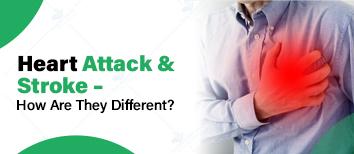
A heart attack, or myocardial infarction,occurs when the blood supply to a portion of the heart is cut off due to the formation of a blood clot in one of the coronary arteries.


Subscribe to our
© Copyright 2026. All Rights Reserved by Felix Healthcare Private Limited
Design and development by :


 +(91)9667064100
 Emergency : +(91)9667064100