 Emergency:
  WhatsApp


Subscribe to our
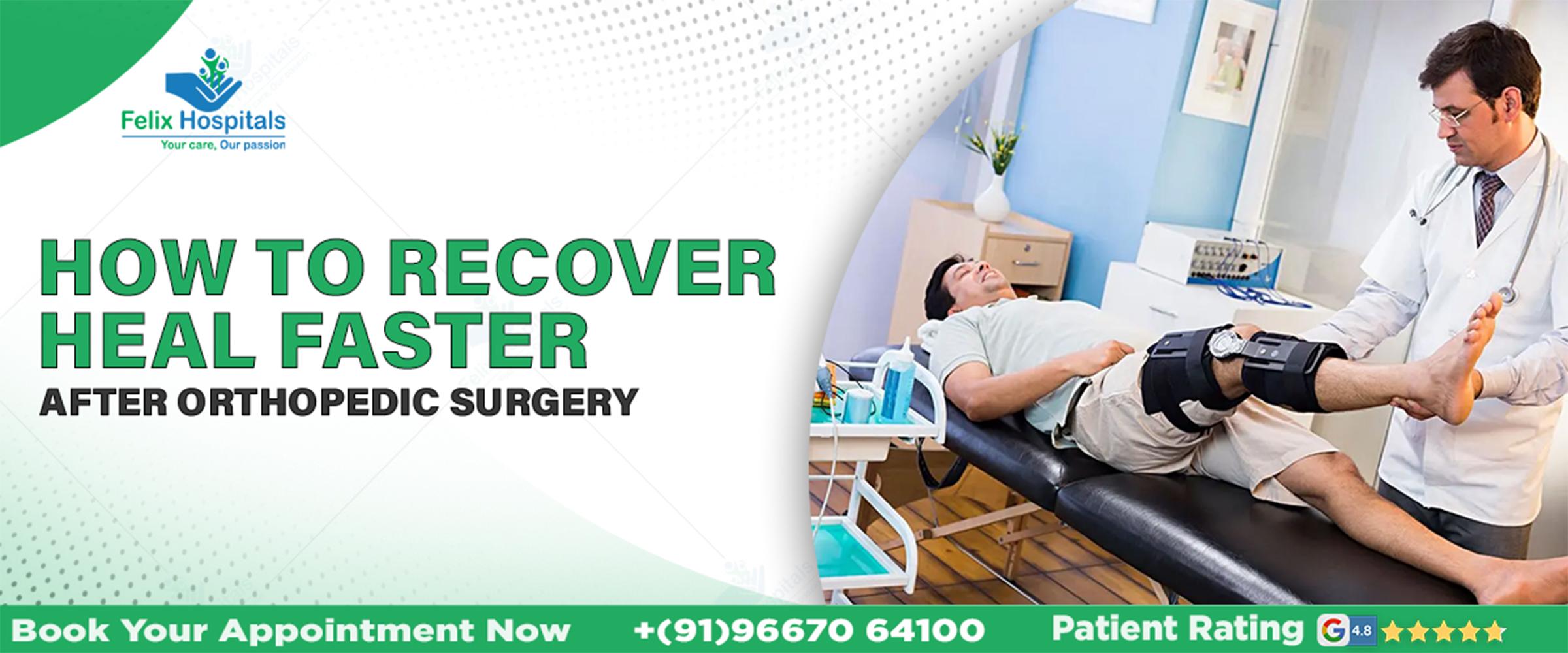
On your path to an active, pain-free life, orthopedic surgery may be a life-altering event. Rehabilitation plays a major role in determining your long-term outcome, whether it is a total knee replacement, fracture repair, or spine surgery. Your body heals, strengthens, and adjusts to new changes during the postoperative phase. How you handle this phase will undoubtedly affect how quickly and completely you recover.
An adequate recovery of your muscles and joints, pain management, and a reduced risk of complications are all ensured by proper postoperative orthopedic care by the best orthopedic doctor in Noida. Following the recovery recommendations of these professionals will guarantee a quick and easy return to your regular life if you have recently had orthopedic surgery in Noida or are planning to have one.
Recover faster with expert-guided rehabilitation—book your orthopedic follow-up at +91 9667064100 today.
Recovery following orthopedic surgery is not merely a rest period, but a processional process wherein a series of rehabilitation, nutrition, follow-up, and self-care are intertwined. The orthopedic surgery recovery tips will be effective or not depends upon:
The extent of surgery (joint replacement versus simple fracture)
Overall health
The existence of disorders like diabetes or obesity
How closely you adhere to your doctor's postoperative instructions
The recovery process for you may last several weeks to several months. However, by taking proper steps, short healing time and accelerated mobility are possible.
This is most important when it comes to how to heal faster after joint surgery. Each orthopedic surgery is distinct and you are advised by your doctor in accordance with your needs. Strictly follow-up, wound care and medications as per the directions.
Do not overstrain yourself or miss physiotherapy. Never resume normal activity or change routine without the consultation of your orthopedic surgeon. Disregarding the medical advice may slow down the healing process and lead to unwarranted complications.
Post-operative pain and inflammation is a normal occurrence which has to be addressed in a responsible way. Take anti-inflammatory medication and pain reliever prescribed by the doctor orally. Application of ice packs on and off for 15 to 20 minutes several times a day reduces swelling.
Lift your operated limb, when resting, to also enhance circulation as well as relieve pain. Never self-prescribe medication — ask your doctor for pain management advice instead.
Physical therapy is also the basis of rehabilitation after orthopedic surgery. Your physiotherapist devises special exercises to regain strength, flexibility, and coordination of the affected part.
The benefits of walking post-surgery gradually wards off stiffness and enhances circulation, bringing you back to normal more quickly. Repeat physiotherapy also assists your getting back to normal activities soonest and regaining your confidence. Missing appointments might slow things down or cause long-term stiffness.
You have to fuel your own body to rebuild itself. A nutritionally rich diet supplemented by protein, vitamins, and minerals helps to repair tissues and speed bone recovery. Include:
Protein sources: Eggs, lean beef, lent
Calcium and Vitamin D: Milk, curd, almonds, exposure to sunlight
Iron and Zinc: Spinach, whole wheat, seeds
Vitamin C: Citrus fruits, tomatoes, bell peppers
Avoid processed food, added sweets, and drinks — they suppress recovery and create inflammation.
Keeping your surgical wound clean and dry also helps prevent infection. Change your dressing as your doctor instructs and watch for warning signs like redness, discharge, and fever.
Do not immerse your wound in water (e.g., swim, long baths) until your physician okays it. Early identification of infection leads to quicker treatment and a prevention of severe consequences.
Sleep assists your body to focus on repair work. Avoid putting excess stress on the operated area, and sleep soundly, not putting excess stress on your joints.
7–8 hours of sleep a day — it aids tissue repair and general recovery.
If your physiotherapist instructs, use supporting pillows for your aches during sleep.
Nicotine and alcohol disrupt blood circulation and slow down healing by cutting off tissue's supply of oxygen. For quicker healing, refrain from smoking and drinking during your postsurgical days. They also risk infection and poor bone growth.
The healing process is no less psychological than physical. Thinking positively, going through your routine and celebrating small achievements by means of celebratory activities can perform miracles. There are worse days than others, but patience and perseverance is one of the parameters of a successful recovery process.
Deep breathing, meditation, or mindfulness exercises may also make your postoperative stress or frustration management style better.
Your orthopaedic physician will educate you about when and how to resume normal behavior. Avoid sudden movements, lifting heavy objects or over speeding. It is possible to overstrain your muscles and joints by pushing yourself too fast.
Pay attention to your body - when it is sore, swollen, or fatigued, have a rest and discuss with your doctor when you may resume.
The best way to ensure your physician is able to check your progress and detect any complication at an early stage this is the major importance of follow-up appointments
The visits are also necessary for medication, physiotherapy, or diet adjustment.
Do not miss a follow-up, even if your condition is improving.
Follow-up with a doctor also guarantees that your health status remains on course and bones, joints, and muscle repair in a relative manner.
Do not permit postoperative challenges to interfere with the process of recovery. Register your appointment here.
Want a smooth recovery after surgery? Call our orthopedic care specialists now at +91 9667064100 for personalized guidance.
The healing of an orthopedic surgery is a job of hard work, care, and patience. It can be painfully slow initially, but every little progress, be it pain relief or physiotherapy, will bring one a bit closer to being able to stand on his/her own two feet.
His body will recover quicker and have few inconveniences after surgery by simply following a balanced diet, listening to the advice of medics, and exercising consistency in the rehabilitation process. Keep in mind, full recovery does not occur suddenly; it is a gradual process requiring discipline and optimism.
If you have recently had a surgery or are about to have one, speak to a specialized orthopedic expert for individual advice. With a suitable post-surgery orthopedic care hospital in Noida and a proper methodology, your strength shall soon be restored and an active life adopted at a quicker and safer pace.
Q.1. For how many weeks is recovery after undergoing orthopedic surgery?
Ans. Recovery depends upon surgery type and personal health. Short procedures recover quickest, usually around 4–6 weeks, and large procedures of a major nature, like knees, recover for 3–6 months.
Q.2. What should be eaten following orthopedic surgery?
Ans. High-protein, calcium, vitamin D, and iron diet helps to repair muscles and bones. Add egg, lentil, leafy green vegetables, milk, and oranges to your diet.
Q. 3. How to sleep comfortably after orthopedic surgery?
Ans. Provide support by sitting on pillows and maintain a position never placing stress on the operated area. Your doctor may also recommend a comfortable posture for sleep.
Q.4. Is it normal to have swelling for weeks following surgery?
Ans. Soft tissue swelling is typical for a few weeks. Application of ice packs, limb elevation, and gradual ambulation decrease inflammation.
Q.5. Are postoperative showers permitted after orthopedic surgery?
Ans. Only when your doctor permits it. The stitch site should be kept clean and dry to avoid infection. It's best to avoid soaking in baths until it's fully recovered.
Q. 6. Physiotherapy should start shortly after surgery?
Ans. Patients normally start simple exercises a few days after their physiotherapist recommends, as getting about and getting up early helps speed recovery and prevent stiffness.

Orthopedics is a specialized branch that takes care of your musculoskeletal problems related to joints, bones, muscles, spine, ligaments, and tissues.
Looking for the best orthopedic hospital in Noida for hip replacement surgery? Get expert care, advanced technology, and faster recovery from top orthopedic specialists—all under one roof.
Explore common orthopedic problems in senior citizens, their diagnosis, and advanced treatment options available in Noida for better mobility and healthy aging.


Subscribe to our
© Copyright 2026. All Rights Reserved by Felix Healthcare Private Limited
Design and development by :


 +(91)9667064100
 Emergency : +(91)9667064100