 Emergency:
  WhatsApp


Subscribe to our
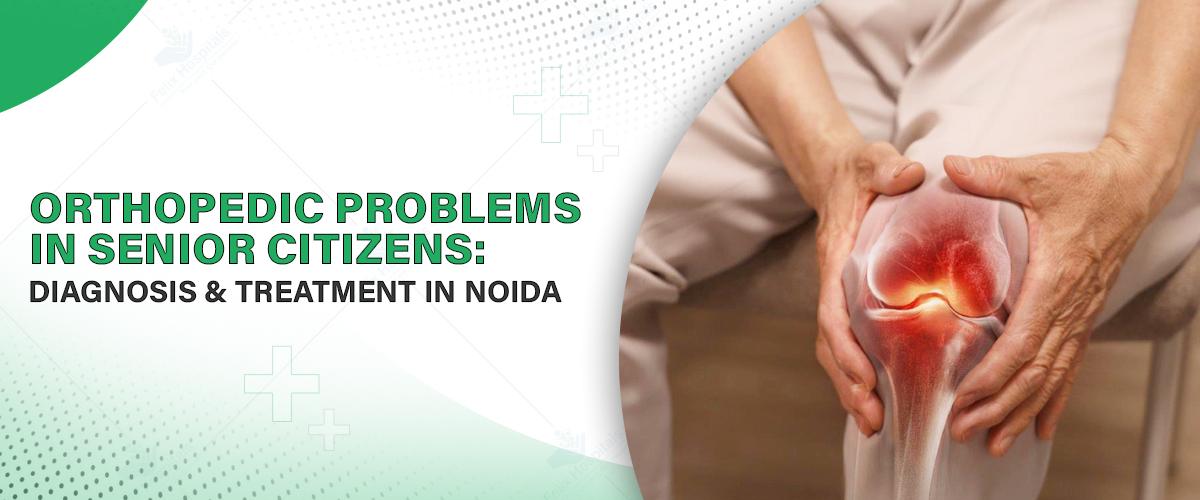
Let's face it—aging has its share of repercussions, and not always the hilarious type. Bones may feel more fragile, joints may begin grumbling, and muscles don't snap back into shape anymore. These kinds of body hiccups aren't just annoying; if you don't treat them, they can make you less mobile, less independent, and less fun to live with.
In fast-growing cities like Noida, where the number of elderly people is steadily rising, it is more important than ever to get specialised orthopedic care on time. That's where orthopaedic hospital for elderly in Noida like Felix come in. They offer everything from advanced tests to personalised treatment plans for older people.
Call us right away at +91 9667064100 if you are worried about arthritis, back problems, or movement disorders.
The more years we put under our belt, two things occur: muscle tone goes by the board, and bones lose density. That lays the groundwork for issues like:
Osteoporosis, also known as the "silent disease." You don't realize it's there until a bone fractures—usually in the wrist, hip, or spine. A DEXA scan catches it before it gets ugly, and therapy often consists of supplements, dietary modifications, and occasionally a drug like bisphosphonates.
Osteoarthritis, another familiar villain. When the cushion between your joints starts to wear down, everyday motions become painful and stiff. Treatments range from anti-inflammatories and physiotherapy to injections—or even surgery if needed.
Fractures, and especially hip fractures, can result from seemingly innocuous falls. Older individuals are more susceptible, and treatment frequently involves surgery and focused therapy.
Herniated discs or stenosis of the spine may lead to chronic back pain. Diagnosis is established by imaging devices like MRI or a CT scanner, and treatment ranges from a conservative approach through minimal access techniques.
Shoulder and elbow difficulties—frozen shoulders, tendon problems—that turn everyday tasks into challenges. The sooner that treatment at a center for physiotherapy begins, the higher the chance of having the shoulder working smoothly.
Inflammatory arthritis, such as rheumatoid arthritis—in which your body's defense system attacks joints and produces chronic inflammation. Early therapy and medicine keep symptoms and joint movement under control.
The longer treatment for orthopedic conditions goes by, the more significant, longer-lasting issues it can develop into—such as the loss of mobility, the need for other people for basic tasks, or even prolonged hospitalization for preventable falls.
Correcting issues early can:
Alleviate pain and anguish
Maintain joint mobility and flexibility
Prevent long-term disability
Keep your autonomy whole
Lower the chance of unwarranted hospitalization
It's one matter to feel hurt; it's another to know what it is that's hurting. In Felix Hospitals, what they use are instruments like:
X-rays for detection of fracture and arthritis
Soft tissue or nerve problems - MRI / CT scans
DEXA scans for bone density assessment
Ultrasonography of ligaments and tendons
Screening of the blood for inflammation or autoimmune disease symptoms
This imaging and laboratory testing duo provides a more defined image—that way, treatment isn't a guess.
The good news? A great deal can go a long way toward relieving and enabling older adults:
Conservative approaches: lifestyle interventions, supplements, medications for pain, and assistive devices.
Medications: drugs for osteoporosis, NSAIDS, and DMARDs for inflammatory.
Physical therapy: tailor-made exercises for balance, flexibility—you name it.
Surgery: Procedures such as joint replacement by arthroplasty or fracture fixation, as appropriate.
Assistive equipment: walkers, canes, and wheelers—meant for simplifying daily.
Pain control: nerve blocks to heat treatment, depending on the reference.
Geriatric rehab programs: it's all about building strength and autonomy.
Prevention interventions for fall: eye testing, muscle strength exercises, balance drills, and home safety.
Rehab isn't complete when the doctor says "you're ready to go." Rehabilitation is a process—and it's needed. A graded program that integrates physiotherapy, balance and gait therapy, and walkers or other supportive devices gets senior citizens out of their chairs and moving safely and confidently.
Caregiver education is also part of it. Families learn how to help their loved one—with mobility, medications, therapy, and more—so recovery lasts.
Day-to-Day Activities that Keep Your Joints and Bones Healthy
Small effort at a time goes a long way. Have a go at these easy, practical habits:
Exercise regularly – Try walking, swimming, yoga, or even slow-motion tai chi.
Eat well – Take sufficient calcium, vitamin D, quality proteins, leafy green vegetables, nuts, and sea foods in your diet.
Get some sunshine – A short morning 15–30 minute walk gets your body naturally synthesizing vitamin D.
Fall-proof your home – Install grab bars, put non-slip mats down, remove loose carpets, and light up hallways and bathrooms.
Get an annual checkup – Screening for bone density and basic blood panels can detect problems before symptoms arise.
Watch your weight – Extra pounds can wear out your knees and hips way faster.
Your mobility matters. Your independence matters. Take care of both—today. Get a consultation from Noida's best senior orthopedic specialists.
Modern orthopedic care in Noida uses cutting-edge medical technology to provide accurate diagnosis, safer treatment, and faster recovery—especially important for senior citizens.
Growing older doesn't have to equal "slowing down." Early diagnosis, appropriate treatment, and holistic rehabilitation can help senior citizens stay active, involved, and independent. Centers like Noida's Felix Hospital, with some of the best orthopedists near me in Noida, are working toward that goal—providing focused medical care designed around the unique needs of older adults.
So come on—just take that first step. If mobility is a worry, or if you simply want to remain steady on your own two feet, consulting an experienced orthopedic specialist early ensures you remain strong, mobile, and independent for longer.
Find the links below:
Check the links below:
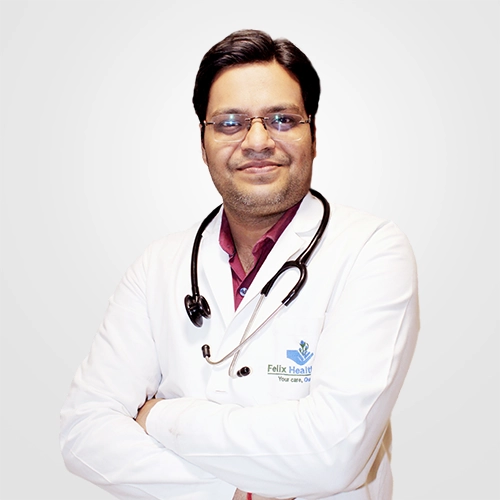
Dr. Keshav Goel is an experienced Orthopedic and Joint Replacement Surgeon in Noida with over 10 years of clinical expertise. He has performed 2,000+ independent surgeries and specializes in computer-assisted joint replacement and arthroscopic surgeries of the knee, shoulder, and hip. Known for his skill in treating sports injuries, trauma, and joint disorders, he provides advanced and patient-focused orthopedic care.
Q1. How would I know that joint pain is serious?
Ans: If it goes for longer than a few weeks, disrupts rest, or blocks movement—it's high time it gets examined.
Q2. Is joint replacement surgery appropriate for older adults?
Ans: Yes. Joint replacements are safe and effective for most seniors because of enhanced surgical methods and proper therapy after the operative procedure.
Q3. Is a non-surgical treatment available for arthritis in the knee?
Ans: Definitely. Physiotherapy, medication, injections, and diet modifications very much help—especially in the early phases.
Q4. How long has orthopedic rehab normally taken?
Ans: That varies. Some injuries may require a few weeks. Joint replacement or fracture treatment may require 3–6 months or more.
Q5. Do bone supplements help for the elderly?
Ans: You can—if your diet isn't. But always consult a doctor before taking any supplement.

Orthopedics is a specialized branch that takes care of your musculoskeletal problems related to joints, bones, muscles, spine, ligaments, and tissues.
Looking for the best orthopedic hospital in Noida for hip replacement surgery? Get expert care, advanced technology, and faster recovery from top orthopedic specialists—all under one roof.


Subscribe to our
© Copyright 2026. All Rights Reserved by Felix Healthcare Private Limited
Design and development by :


 +(91)9667064100
 Emergency : +(91)9667064100