 Emergency:
  WhatsApp

Subscribe to our
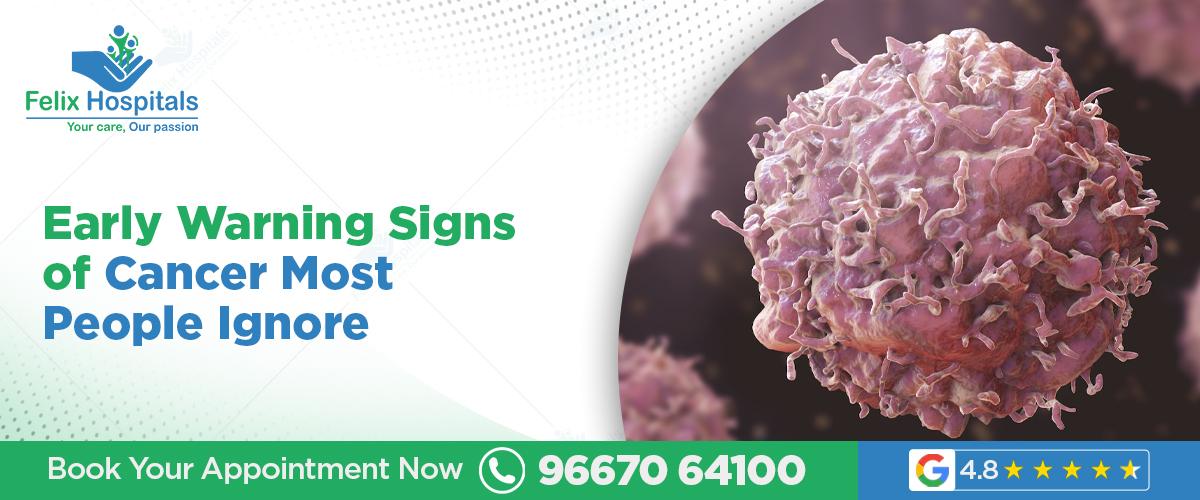
Cancer is a leading cause of mortality worldwide, yet many of its early warning signs go unnoticed. Recognizing early symptoms of cancer that are often ignored can make a significant difference in timely diagnosis and treatment outcomes. Early detection increases survival rates and improves the quality of life for patients. Best Cancer Hospital in Noida provide advanced diagnostic facilities and expert oncologists to identify cancer at its earliest stages, ensuring the best possible care.
Unfortunately, subtle symptoms are often dismissed as minor health issues. Fatigue, unexplained weight loss, or persistent pain may seem normal but can be early indicators of serious conditions. Understanding these signs and seeking professional guidance is critical for proactive health management.
Don’t wait to act on unusual symptoms. Call +91 9667064100 to book an oncologist appointment
Some early signs of cancer are subtle and easily overlooked. Recognizing early symptoms of cancer that are often ignored helps in timely intervention:
Unexplained weight loss or loss of appetite
Persistent fatigue not relieved by rest
Unusual lumps or swelling in any part of the body
Skin changes, such as new moles or non-healing sores
Persistent cough or hoarseness
Awareness of these symptoms encourages patients to seek medical advice without delay, improving the chances of early detection.
Detecting cancer at an early stage is crucial for effective treatment. Here’s how to how to detect cancer early:
Regular medical check-ups and screenings based on age and risk factors
Self-examination for breast, skin, or testicular changes
Imaging tests like ultrasound, CT scans, or mammography
Blood tests and tumor marker evaluations
Reporting persistent or unusual symptoms promptly to a healthcare provider
Early detection strategies, combined with professional guidance, significantly increase treatment success rates.
Certain symptoms, even if mild, should never be ignored. These cancer signs you should not ignore include:
Persistent digestive issues such as stomach pain, nausea, or constipation
Unexplained bleeding, whether in stool, urine, or other areas
Difficulty swallowing or persistent indigestion
Changes in voice, breathing difficulties, or persistent cough
Bone pain or unusual swelling in joints
Recognizing these warning signs early allows oncologists to investigate underlying causes before the disease progresses.
Different cancers have unique early warning signals. Awareness of warning signs of different types of cancer aids early diagnosis:
Breast cancer: Lumps, nipple discharge, or skin dimpling
Skin cancer: New moles, dark spots, or non-healing lesions
Lung cancer: Chronic cough, shortness of breath, or chest pain
Colon cancer: Blood in stool, unexplained constipation, or abdominal discomfort
Prostate cancer: Difficulty urinating, frequent urination, or pelvic discomfort
Understanding these signs ensures patients remain vigilant and seek hospital evaluation promptly.
Certain factors increase the likelihood of developing cancer. Recognizing these helps in proactive monitoring:
Family history of cancer or genetic predisposition
Smoking or tobacco use
Excessive alcohol consumption
Sedentary lifestyle and poor diet
Exposure to environmental toxins and carcinogens
Reducing risk factors in conjunction with regular screenings enhances early detection opportunities.
Specialized hospitals play a crucial role in identifying cancer early. They offer:
Advanced diagnostic tools such as MRI, CT scans, PET scans, and biopsy facilities
Access to experienced oncologists for precise evaluation
Personalized screening schedules based on patient history and risk factors
Patient education on self-examination and symptom monitoring
Hospitals like Felix Hospital in Noida provide comprehensive oncology services, enabling early intervention and tailored treatment plans.
Routine screenings can detect cancer before symptoms become severe. Key screening methods include:
Mammography: For breast cancer in women
Pap smear: For cervical cancer detection
Colonoscopy: For early identification of colon cancer
PSA tests: For prostate health in men
Skin checks: For suspicious moles or lesions
Integrating these screenings into your healthcare routine maximizes early detection potential.
Educating patients about subtle signs is crucial. Hospitals encourage:
Learning to perform self-examinations for breasts, skin, and testes
Maintaining a symptom diary to track persistent changes
Discussing any unusual health changes with an oncologist promptly
Staying informed about risk factors and preventive measures
Awareness empowers patients to take control of their health and seek timely intervention.
Adopting healthy lifestyle habits supports prevention and aids early detection:
Maintain a balanced diet rich in fruits, vegetables, and fiber
Engage in regular physical activity
Avoid tobacco and limit alcohol intake
Stay hydrated and ensure adequate sleep
Manage stress through relaxation techniques and mindfulness
These measures, combined with hospital screenings, strengthen overall cancer prevention strategies.
Take charge of your health today. Call +91 9667064100 to consult an oncologist
Cancer can progress silently, making awareness of early symptoms of cancer that are often ignored critical for timely diagnosis. Recognizing cancer signs you should not ignore, understanding warning signs of different types of cancer, and implementing preventive measures enhance early detection and improve treatment outcomes. Hospitals like Felix Hospital in Noida provide advanced diagnostic tools, expert oncologists in Noida, and patient-centered care for early cancer management. Timely intervention, regular screenings, and lifestyle awareness empower patients to act early and improve survival chances.
Q1: What are the most common early symptoms of cancer?
Ans. Unexplained weight loss, fatigue, persistent pain, unusual lumps, and skin changes are common early warning signs.
Q2: How can cancer be detected early?
Ans. Regular screenings, self-examinations, imaging tests, blood tests, and reporting persistent symptoms help detect cancer early.
Q3: Which cancer signs should not be ignored?
Ans. Persistent digestive issues, bleeding, difficulty swallowing, chronic cough, and unexplained bone pain require immediate attention.
Q4: Are certain people at higher risk for cancer?
Ans. Yes, those with a family history, tobacco use, sedentary lifestyle, poor diet, or exposure to environmental toxins are at higher risk.
Q5: Can lifestyle changes help in early detection?
Ans. Yes, healthy diet, regular exercise, avoiding tobacco and alcohol, and staying informed about symptoms aid in early detection and prevention.

Cervical cancer is most common in women after breast cancer. Cervical cancer starts from the cervix, i.e., the cervix. The cervix is the lower part of the uterus that connects the vagina to the uterus.
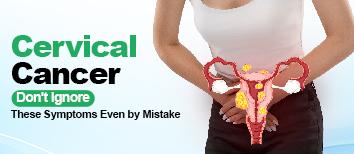
Recognize the early warning signs of cervical cancer. Learn about its symptoms, causes, and when to consult a gynecologist for timely diagnosis and treatment.
Lung cancer is a serious condition that starts in the lungs and can spread to other parts of the body.
Immunotherapy is a groundbreaking cancer treatment that utilizes the body’s immune system to recognize and attack cancer cells.


Subscribe to our
© Copyright 2026. All Rights Reserved by Felix Healthcare Private Limited
Design and development by :


 +(91)9667064100
 Emergency : +(91)9667064100