 Emergency:
  WhatsApp


Subscribe to our
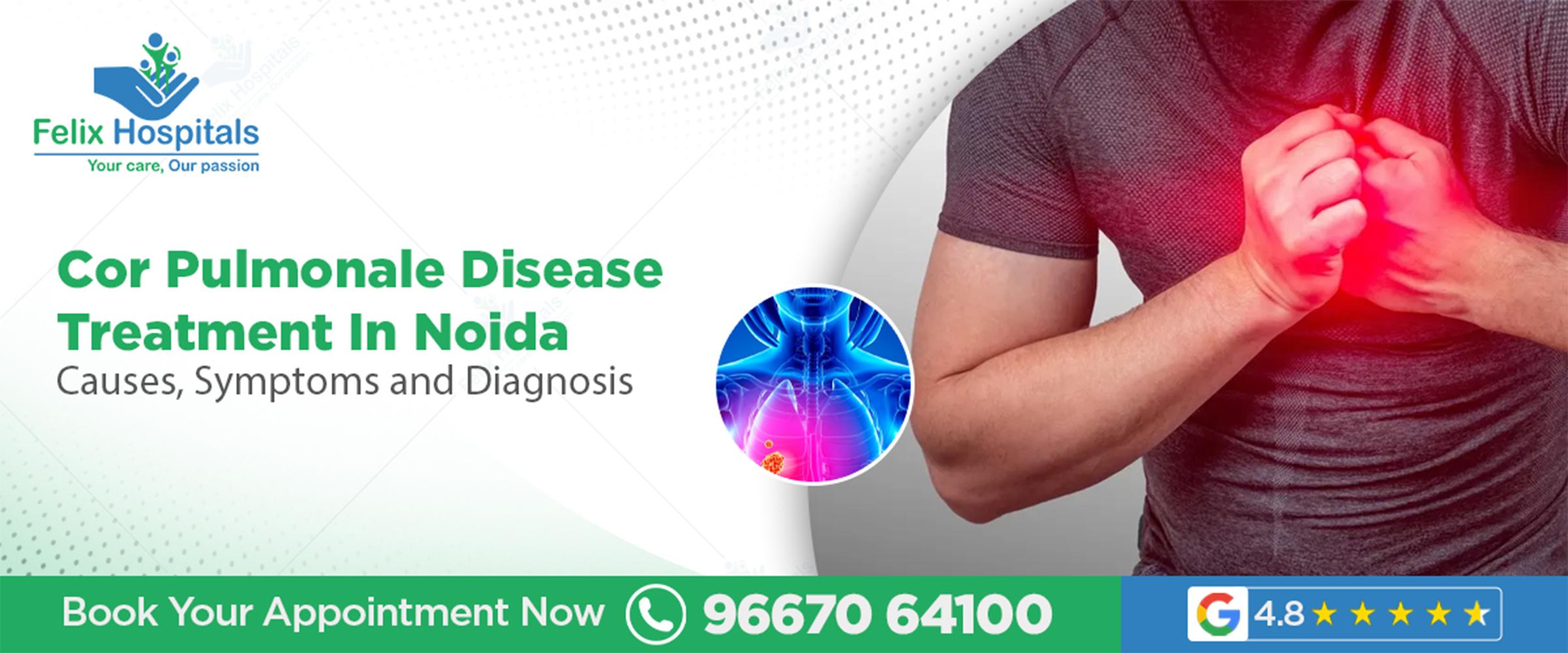
Cor Pulmonale is a serious disease of the heart that occurs when the heart has to work harder than usual as a result of higher-than-normal pressure in the lungs. With time, the heart gets damaged and the flow of the blood becomes restricted, and a person may experience tiredness, breathlessness, and swelling in the abdomen or lower extremities. Many patients first notice these issues when they begin searching “What are the symptoms of Cor Pulmonale” as the breathing difficulty keeps getting worse.
Even though it is normally ascribed to chronic lung disease complications such as COPD (Chronic Obstructive Pulmonary Disease), asthma, or pulmonary hypertension, Cor Pulmonale may also arise as a sequel to prolonged oxygen deprivation. Understanding the heart and lung connection disease and knowing its symptoms, causes, and diagnosis can help patients seek timely care.
If you or your loved one has been diagnosed with heart problems linked to lung conditions, consulting the Best heart specialist for Cor Pulmonale in Noida ensures early management and better long-term outcomes.
To consult expert pulmonology and cardiology consultants in Noida for complete Cor Pulmonale treatment and care, call +91 9667064100.
The Latin phrase Cor Pulmonale, or "heart of the lungs," indicates right-sided heart failure that develops as a complication of lung disease or disorders that raise pulmonary artery pressure.
Generally, the right ventricle pumps blood to the lungs for oxygenation. If lungs become stiff or if pulmonary vessels tighten, the heart must exert greater force to pump blood. This leads to thickening and enlargement of the right ventricle — a classic sign of Cor Pulmonale.
If left untreated, it advances to chronic right-sided heart failure and affects other organs including the liver and kidneys.
Cor Pulmonale develops gradually, usually as a complication of conditions that disrupt the oxygen exchange process in the lungs.
The most common cause. COPD lowers oxygen levels and obstructs airflow, forcing the heart to work harder.
Elevated lung artery pressure increases resistance against which the heart must pump.
Conditions like pulmonary fibrosis or sarcoidosis stiffen lung tissues, disturbing normal blood flow.
Repeated pauses in breathing cause intermittent oxygen deprivation, stressing both heart and lungs.
A clot blocking the pulmonary artery can raise right-sided heart pressure suddenly.
Low oxygen levels at high altitudes may trigger long-term pulmonary hypertension.
Severe scoliosis or kyphosis compresses the lungs and increases strain on the heart.
People with long-standing respiratory conditions are more vulnerable. Risk is higher in:
Smokers or passive smokers
Individuals with untreated sleep apnea
People in high-pollution environments
Patients with chronic bronchitis or asthma
Workers exposed to chemicals, fumes, or dust
Individuals with congenital heart or lung disorders
If you fall into any of these categories, regular evaluation helps determine when to see a cardiologist for Cor Pulmonale before symptoms become severe.
Symptoms often appear gradually and may be mistaken for simple fatigue or respiratory issues. Recognizing What are the symptoms of Cor Pulmonale early prevents complications. Common signs include:
Persistent shortness of breath even at rest
Weakness after minimal physical activity
Swelling in legs, ankles, or abdomen
Chest discomfort or tightness
Blue-tinged lips or fingertips
Irregular heartbeat
Dizziness or fainting
Advanced cases may include rapid weight gain due to fluid retention and reduced urine output.
Patients often wonder How is Cor Pulmonale diagnosed in Noida, and the process typically includes a mix of physical exam findings and specialized tests.
Doctors check for fluid buildup, swelling, and abnormal heart sounds.
Helpful in assessing oxygen and carbon dioxide levels and ruling out other heart diseases.
Shows irregular heart rhythms and signs of right-sided strain.
Uses sound waves to detect right ventricular thickening or enlargement.
Shows lung abnormalities or heart enlargement.
Evaluate lung capacity and airflow issues.
The most definitive test to measure pulmonary artery pressures.
Although not reversible, Cor Pulmonale can be managed effectively with timely treatment.
Managing COPD, sleep apnea, or pulmonary hypertension is the first step.
Helps reduce pulmonary pressure and heart strain.
Doctors may prescribe:
Diuretics for fluid buildup
Vasodilators to lower lung artery pressure
Anticoagulants to prevent clots
Bronchodilators to ease breathing
Patients are advised to:
Quit smoking
Avoid polluted areas
Follow a low-sodium diet
Perform gentle exercise as recommended
For complex cases, patients may approach centers known for Cor Pulmonale treatment in Noida that offer advanced diagnostics and long-term monitoring.
Keeping the lungs healthy is the best prevention strategy:
Stop smoking immediately
Treat asthma, COPD, and sleep apnea promptly
Avoid dust, fumes, and chemical exposure
Receive recommended flu and pneumonia vaccines
Practice deep breathing exercises or yoga
Regular follow-ups with lung and heart specialists Noida
Patients can improve daily life with supportive care:
Track weight daily
Limit salt intake
Use oxygen therapy as prescribed
Stay active without overexertion
Attend all follow-up visits
Seek medical care immediately if you experience worsening breathlessness or swelling.
Cor Pulmonale is a serious yet manageable condition when detected early and treated appropriately. Understanding its symptoms, causes, and treatments empowers patients to act before the disease worsens. With timely evaluation, lifestyle changes, and proper medical support, individuals can lead stable and fulfilling lives.
If you or someone you know experiences breathlessness, swelling, or chest discomfort, reach out for medical evaluation. You can seek expert care through Cor Pulmonale doctor in Noida for accurate diagnosis and long-term management.
Q. 1. Can cor pulmonale be cured completely?
Ans. Although Cor Pulmonale is generally a chronic condition, treatment of the root cause can manage symptoms and avoid progression. Early diagnosis provides the best results.
Q. 2. What are the first signs of Cor Pulmonale?
Ans. Early symptoms are the ongoing breathlessness, lethargy, and swelling of ankles, and these may slowly increase throughout life.
Q. 3. Do you treat Cor Pulmonale with lifestyle changes?
Ans. Yes. Stopping smoking, a healthy balanced diet, a healthy weight, and daily exercise under the guidance of a doctor can reduce demands on the heart.
Q. 4. When to Screen for Cor Pulmonale?
Ans. All individuals with chronic lung disease, COPD, sleep apnea, or pulmonary hypertension have to undergo regular cardiac evaluation.
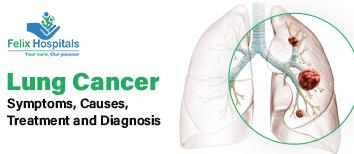
Lung cancer is a serious condition that starts in the lungs and can spread to other parts of the body.


Subscribe to our
© Copyright 2026. All Rights Reserved by Felix Healthcare Private Limited
Design and development by :


 +(91)9667064100
 Emergency : +(91)9667064100