 Emergency:
  WhatsApp

Subscribe to our
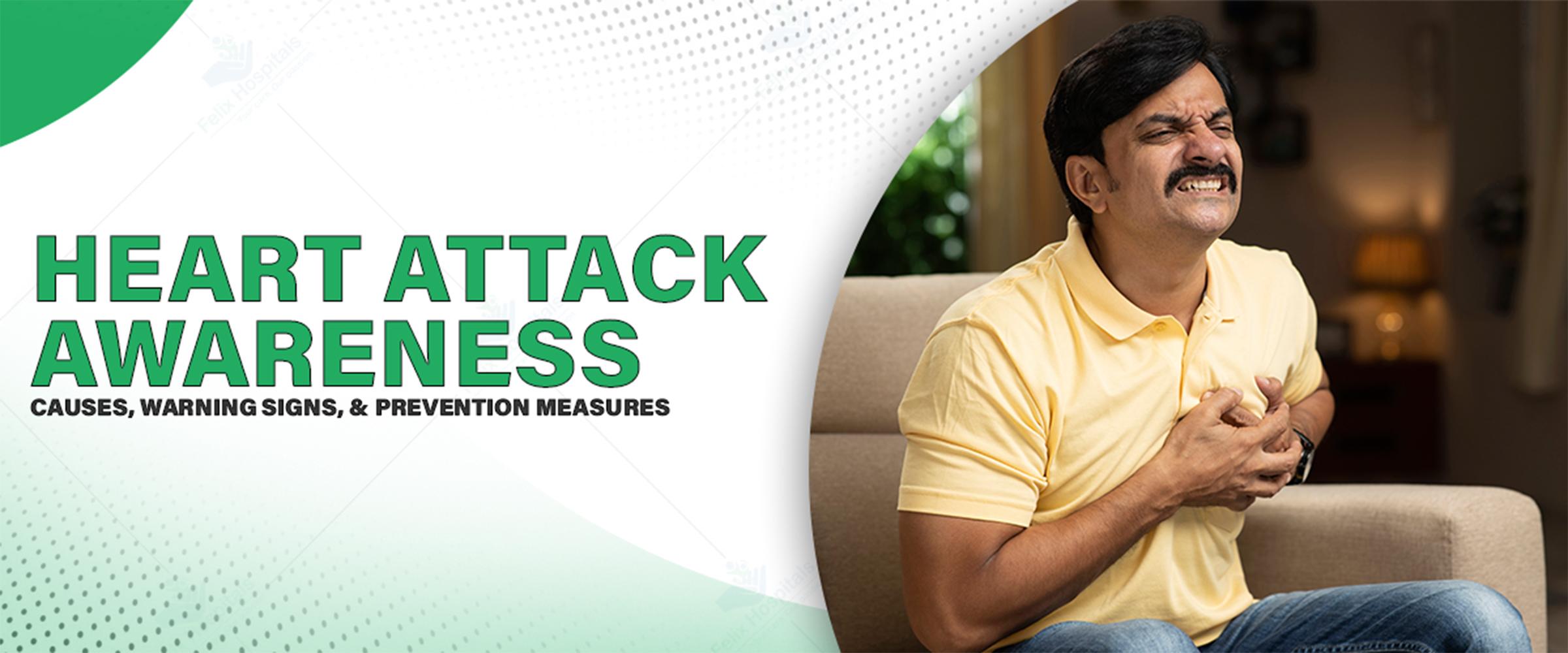
A heart attack represents one of the most important cardiac emergencies and requires immediate treatment. It happens when blood flow to the heart is blocked, preventing the heart muscle from getting enough oxygen and causing damage that can be deadly if left untreated. Antenatal screening and advanced care saves lives and cuts long-term complications. Best Heart Specialist in Noida For people who are looking for the, it is crucial to have immediate access to advanced cardiac treatment with clear treatment options. The Heart Attack treatment cost in Noida is another challenge as the treatment requires spending a good amount of money, so you should be careful in choosing a hospital.
Take the first step towards a healthier heart. Contact us at +91 9667064100 for expert guidance.
The heart is one of the most important muscle groups in the body. That's because the heart circulates blood through the circulatory system, distributing the oxygen that living beings need. To function correctly, the heart requires a constant flow of oxygen-rich blood. When the heart is deprived of oxygen because of the blockage in one of the blood vessels that provide blood to the heart, a heart attack occurs. Myocardial infarction is another name for a heart attack (MI). When a coronary artery is blocked during a heart attack, blood flow to the heart is cut off, limiting the quantity of oxygen delivered to the heart. The longer the blockage goes untreated, the more harm it does to the heart. The heart muscle is eventually damaged and if it isn't treated to restore blood flow, the heart can be permanently injured.
Coronary heart disease, also known as coronary artery disease, occurs when the blood arteries that feed blood to the heart become blocked. Atherosclerosis, a condition in which fat, cholesterol, and other chemicals pile up and form plaque in the arteries, can cause blockage. This plaque can get larger over time, narrowing the artery and causing it to harden. This lowers blood flow to the heart, depriving the heart of the oxygen it requires to operate correctly. The other heart attack causes include:
Small blocks in your arteries: They may not block your blood vessels, but can cause blood clots to form on these plaques which may obstruct blood flow
Embolism: A coronary artery embolism occurs when a blood clot travels through your bloodstream and gets stuck in your coronary artery. This can block blood flow through your artery.
Spontaneous tear in your blood vessel: There is then a possibility of blood clots or a blockage of your artery if the torn tissue blocks your blood vessel.
Spasm in coronary artery
The main risk factors that increase the chances of a heart attack are:
Diabetes mellitus
High blood pressure
Cigarette smoking
High blood cholesterol
Overweight
Physical inactivity
Age increases the risk of heart attack
History of Heart attack or coronary artery opening procedure in the past
Family history of early heart disease
Consuming unhealthy, high fat and sodium-containing food
It's important to be aware of the most common heart attack symptoms and to get medical care as soon as possible if you or someone you know is experiencing them. The importance of early treatment cannot be underestimated; it might be the difference between life and death. People may suffer a single symptom or a mix of several. Typical heart attack symptoms are as follows:
Heart attacks are characterized by pain in the center of the chest that lasts for several minutes or returns after a short period of time.
A radiating pain that starts from the arms or chest can spread to the jaw, neck, or back of the body
Breathing difficulties
Nausea or vomiting
Heartburn and stomach discomfort
Light-headedness or sudden dizziness
Faintness or anxiety
Chilly sweats
Fatigue
The most important aspect of avoiding a heart attack involves a series of lifestyle changes that might help your heart, blood vessels, and body to remain healthy and efficient. The keys to successfully preventing a heart attack include consuming a heart-healthy diet, avoiding any form of tobacco, and maintaining blood pressure. Below we have shared some of the important tips to prevent heart attack and keep your heart healthy.
Get a daily dose of physical exercises, such as a brisk 30-minute walk
Prepare low-sodium and low-fat meals.
Take your meds as directed and attend all of your doctor's visits.
Get 7-8 hours of sleep each night.
Relax and de-stress by doing things like meditation, yoga, taking a warm bath, or spending time alone with a good book or a hilarious movie.
Increase your physical activity and keep nutritious foods on your hands, such as fruits and vegetables, to help you attain or maintain a healthy weight.
If you suddenly feel breathless, experience persistent chest discomfort, or feel lightheaded and anxious, don’t ignore these signs. They may point to a cardiac issue. Seek medical attention immediately.
Many heart attacks occur without dramatic symptoms. These so-called “silent” heart attacks account for about 45% of all heart attacks. Early warning signs of heart weakness include:
Unexplained tiredness
Swelling in the ankles or feet
Shortness of breath while lying down
Irregular heartbeat
Don’t ignore these signs.
Felix Hospital is Delhi NCR's most trusted centre for advanced heart care. We work to make sure that everyone gets the best care for heart attacks, which include heart and vascular disease.
Cardiologists Specialists: Meet Top Heart Doctors in Noida experienced to treat complex cardiac cases.
24x7 Emergency & ICU Back-Up: Round-the-clock attention and monitoring for emergency patients suffering from chest pain and heart attack.
State of Art Diagnostic & Treatment Facilities: From ECG, ECHO and Cardiac cath to A angioplasty and bypass all under one roof.
Transparent & Affordable Cost: We provide you with transparency of our Heart attack treatment cost in Noida.
Total Recovery: Cardiac rehab after treatment to help you improve your fitness and resume an unhindered way of life.
Don’t wait for symptoms to get worse — call Felix Hospital at +91 9667064100 for quick heart care.
A heart attack is a medical emergency that can be life threatening, but a prompt response can improve your chances of survival, and your long-term prospects for heart health. Avoidance of exposure, early recognition of symptoms, and early and rapid access to care can minimize risk of infection. And that's why choosing a reliable healthcare provider is significant – the one that not only offers the best Heart Attack treatment in Noida but also proves to be transparent with Heart Attack treatment cost in Noida.
Q1: Can a heart attack happen without chest pain?
Ans: Yes, it’s called a "silent heart attack," and may show up as fatigue, dizziness, or shortness of breath instead of chest pain.
Q2: What is the difference between a heart attack and cardiac arrest?
Ans: In a heart attack, blood flow is blocked, while in cardiac arrest, the heart suddenly stops beating. Both are emergencies.
Q3: How long does it take to recover from a heart attack?
Ans: Recovery depends on the severity of the tumor, but most individuals are able to return to normal activities in 4 to 8 weeks—providing they receive good follow-up care in an endocrine polyclinic.
Q4: Can stress really trigger a heart attack?
Ans: Yes, chronic stress raises blood pressure and hormone levels, which can strain the heart and increase the risk of an attack.
Q5: Can women have different symptoms of a heart attack?
Ans: Yes, those can be fatigue, nausea and jaw or back pain instead of the classic chest pain. Knowledge of these features is crucial for early recognition.
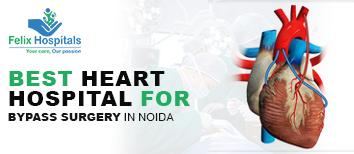
Best heart hospital in Noida for bypass surgery at affordable prices with expert cardiac surgeons, advanced facilities, and quality patient care for better recovery.
Subscribe to our
© Copyright 2026. All Rights Reserved by Felix Healthcare Private Limited
Design and development by :


 +(91)9667064100
 Emergency : +(91)9667064100