 Emergency:
  WhatsApp


Subscribe to our
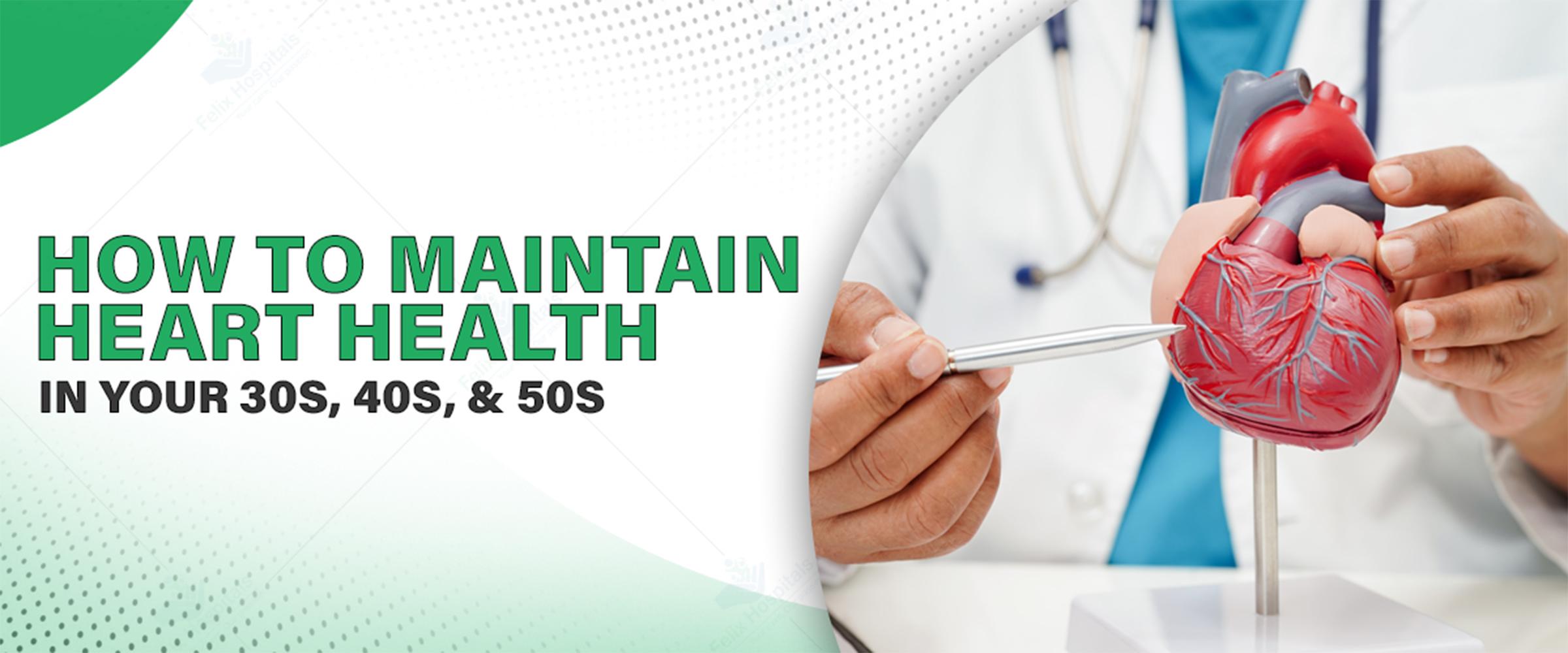
Your heart is an engine, a big muscle that works tirelessly to pump blood to every organ in your body and keep them all going. But with today’s lifestyles of grab-and-go eats, junk and fast foods, desk jobs, smoking, stress and heavy alcohol use, these subtler dangers pose heart threats at every age. Failure to attend to these issues can cause significant problems, including hypertension, stroke, and heart disease.
This is the reason why taking care of your heart’s health is not a choice, it is a necessity. A trained heart specialist doctor in Noida can provide you with necessary information to assess your risk, available screenings to prevent heart disease and personalized advice to keep your heart healthy. For those families looking for heart disease prevention by age that can offer them care and compassion, they can rely on the best Heart Hospital in Noida to enable early detection, treatment and ongoing heart health.
Get preventive screenings to protect your heart. To make an appointment for your consultation, call +91 9667064100.
Your heart is the most important part of your body. It pumps blood, delivers oxygen, and keeps everything working properly all the time. But it is always under stress from things like a bad diet, not getting enough exercise, and rising stress levels. If you don't pay attention to these things, they can cause long-term health problems like heart disease, strokes, and high blood pressure. It's important to put heart health first at every stage of life to avoid these problems and stay healthy overall.
Bad Eating Habits: Eating a lot of processed foods, saturated fats, and sugars raises the risk of heart disease.
Not exercising regularly makes the heart weaker, which can lead to obesity and high cholesterol.
Stress: Long-term stress can raise blood pressure, which can cause heart problems over time.
Using tobacco and drinking too much alcohol: Smoking and drinking too much alcohol greatly increase the risk of heart disease.
Preventive care is the most important thing you can do to keep your heart healthy. Conditions like high blood pressure, diabetes, and high cholesterol are major risk factors for heart disease. Early detection and treatment can help stop or manage these conditions. The main benefits of putting heart health first are finding and treating risk factors early.
Lower risk of heart disease and problems that come with it. Better health and longer life. You're making an investment in a healthier future by paying attention to your heart health early and often.
In your 30s, it's very important to start habits that will help your heart stay healthy and lower your risk of heart disease later in life. You can set the stage for a healthy, active, and happy future by taking the initiative.
A healthy heart starts with a balanced diet. Eat foods that are rich source of nutrients and good for your heart health
What to Include: Fresh fruits and vegetables.
Whole Grains: For lasting energy and fibre, pick oats, brown rice, and whole-grain bread.
Proteins: Fish, chicken, beans, and legumes are all good sources of low-fat protein.
Eat nuts, seeds, avocados, and olive oil in moderation to keep your heart healthy.
Fast food and processed food often have a lot of bad fats and sodium.
Sugary Drinks and Snacks: Too much sugar can make you fat and cause problems with your metabolism.
Too Much Salt: Eating a lot of sodium raises blood pressure, which is a major risk factor for heart disease. Trans fats are in some baked goods and fried foods. They can raise levels of bad cholesterol.
Exercise on a regular basis makes the heart stronger and blood flow better.
Recommendation: Do moderate-intensity exercise for at least 30 minutes five days a week. Mix up your workouts: Walking, jogging, swimming, or biking are all aerobic activities that are good for your heart health.
Ignore your stress and it may hurt your heart.
Yoga, meditation or deep breathing are a few of the practices that can lower your stress.
Fine-tune your down time: Spend time doing the things you enjoy, with friends and family and fun activities.
Prevent burnout: It’s crucial to learn to work and live in proportion to one another and delegate to others when it’s time.
Lifestyle choices can have a significant impact on the health of your heart.
Quit smoking: Cigarette smoke damages blood vessels and increases the risk of heart disease. Drinking can elevate blood pressure and increase the likelihood of heart failure.
There’s a lot to juggle in your 40s, with work, family and personal goals to keep in check. With all of that thrown at you, taking care of your heart is so important. In the face of all the change of the past and coming decade, you should also stick to several healthy habits to keep your heart healthy.
Search for problems early Regular health screening is important. What to Look For:
Blood Pressure: High blood pressure rarely shows indication, but it substantially raises the chances of having a heart disease.
Cholesterol levels High cholesterol can lead to plaque buildup in your arteries.
Blood Sugar Levels: Keeping an eye on your blood sugar can prevent or control diabetes, which is one of the main causes of heart disease.
Finding conditions like high cholesterol or high blood pressure early on lets doctors take action right away.
Regular checkups also give you a starting point for keeping track of your health over time.
As your metabolism naturally begins to slow down in your 40s, it requires more work to maintain a healthy weight.
Important Tips:
Maintain a healthy body mass index: Keep your BMI in a certain range.
Target Visceral Fat: Excess fat around your belly increases your risk for heart disease.
Choose Sustainable Diets: Opt for sensible portions, a balanced diet and foods high in nutrients.
Working too much can lead to chronic stress, which is bad for the health of your heart.
You really need more sleep.
Aim for 7 to 9 hours of uninterrupted sleep. Establish a sleep routine by going to bed and waking up at the same time each day. Big meals, alcohol and screen time before bed can all keep you from sleeping.
Blood Pressure: Try to get a reading below 120/80 mmHg. High blood pressure puts stress on the heart and arteries, which raises the risk of heart attacks and strokes.
Cholesterol Level:
LDL (bad cholesterol): Keep it low so that plaque doesn't build up in your arteries.
HDL (Good Cholesterol): Try to get your levels higher to help get rid of cholesterol.
Levels of Blood Sugar: Stay within the normal range to avoid diabetes, which is a major risk factor for heart disease.
Make sure to see your doctor for checkups on a regular basis.
Consider home monitoring devices for consistent tracking.
Your heart health is important at any age. Call +91 9667064100 to set up your heart check-up now.
Taking care of your heart is an ongoing process that rewards you with better health, more energy and a longer life. With heart-healthy habits — healthy eating, regular physical activity, stress management and seeing your doctor for preventive care — you can help avoid complications ahead of time. And if professional help is necessary, when you have the availability of an expert heart specialist doctor in Noida it can ensure the best treatment journey for you. Felix is among the top Heart Hospital in Noida offering technology and patient-centric approach to help you and your loved ones regain a healthy and strong heart. Remember: What you invest in your heart today, you earn on your tomorrows.
Find the links below:
Check the links below:
Q1. How can I tell if chest pain is serious?
Ans: If you feel tightness, heaviness, or pain that spreads to your arm or jaw, you should go to the emergency room right away. The 24/7 cardiac emergency team at Felix Hospital makes sure that patients get the care they need right away.
Q2. What changes to your lifestyle have the biggest effect on your heart health?
Ans: The best things you can do to improve your health are to exercise regularly, eat a balanced diet, stop smoking, and keep your weight in check.
Q3. Do women and men have different signs of a heart attack?
Ans: Yes. Instead of classic chest pain, women may feel nauseous, tired, have indigestion, or shortness of breath. Felix specialists know how to spot these more subtle signs.
Q4. Is it okay to work out if your blood pressure is high?
Ans: Yes, but only if a doctor is watching. Our cardiologists help you make safe plans for activities that will strengthen your heart without putting you at risk.
Q5. What kinds of heart tests can you get at Felix Hospital?
Ans: We have ECG, echocardiography, TMT, Holter monitoring, CT angiography, and advanced cardiac screening packages for people of all ages.
Q6. How does smoking hurt my heart in a direct way?
Ans: Smoking harms blood vessels, cuts down on the flow of oxygen, and speeds up the buildup of plaque, all of which can lead to heart attacks or strokes.
हार्ट अटैक के मुख्य लक्षण, कारण और तुरंत किए जाने वाले उपचार के बारे में जानें। समय पर पहचान और सही इलाज से जीवन बचाया जा सकता है।

Subscribe to our
© Copyright 2026. All Rights Reserved by Felix Healthcare Private Limited
Design and development by :


 +(91)9667064100
 Emergency : +(91)9667064100