 Emergency:
  WhatsApp

Subscribe to our
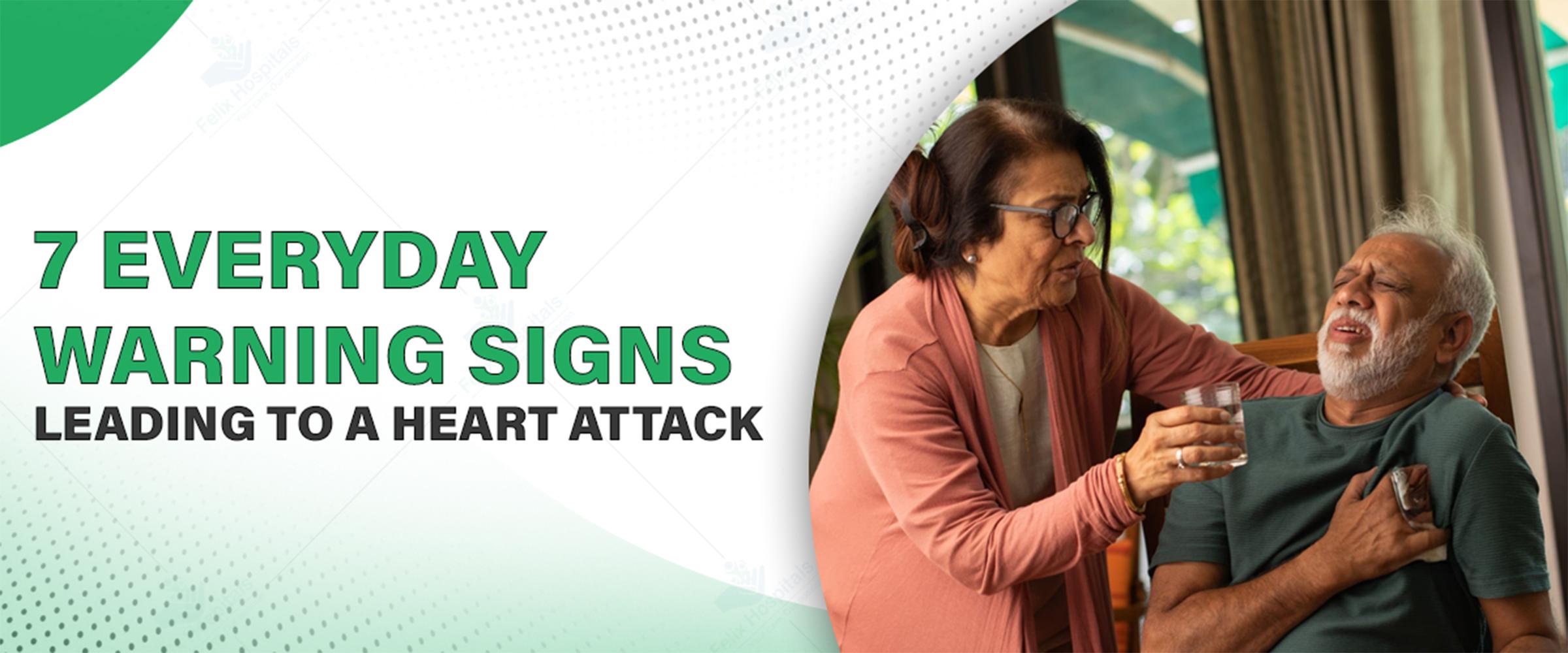
A heart attack is one of the highest-ranking causes of sudden medical emergencies in the world. Most everyone views it as something that happens instantaneously—at random. However, in the real world, the body typically will provide signs days, weeks, or months before the event will take place in the heart. The recognition of signs in the onset and lifestyle changes can save your life.
Modern-day lives with stress, unhealthy food intake, smoking, and physical inactivity have brought heart ailments within the reach of people of all ages. Today, even the young generation is at risk. Prevention is based on awareness of the first signs of heart attack as well as heart-disease-inducing habits. For timely diagnosis and advanced treatment, consulting a trusted cardiology hospital in Noida can make all the difference in protecting your heart health.
In this write-up, we will be presenting the seven daily heart attack warning signs, the function of habit, and the change in symptoms with age.
Do you frequently get chest pain, weakness, or shortness of breath? Call us today at +91 9667064100.
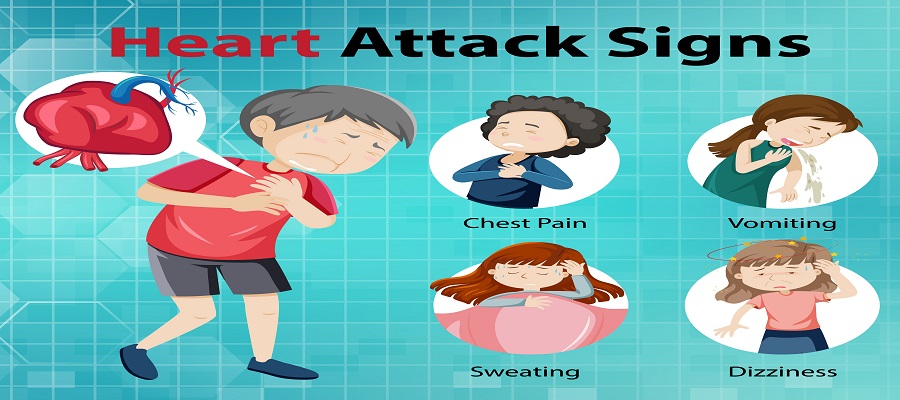
One of the most typical heart attack symptoms is pain or discomfort in the chest. The pain is, however, rarely intense or squeezing, as one finds in the movies. The pain is more like:
Pleuritic chest tightness or fullness
A squeezing feeling
Roaring or burning that radiates into arms, shoulders, or back
Some confuse this with gastric troubles. Knowing the distinction between chest pain and heart attack is essential. Though chest pain related to acidity will get better with antacids, heart-related chest pain will not get better but instead get worse with activity.
If you get abnormally breathless when you ascend the stairs, walk short distances, or even when you are lying flat, then this is an indication that your heart is unable to effectively circulate blood. The breathlessness is often accompanied by the chest pain but may be felt in isolation as the first red flag.
You may also be getting the message from your body if you constantly feel weak but don't know the reason why. The reduced blood flow due to blocked arteries puts more stress on the heart, and the consequence is chronic fatigue, dizziness, or intolerance when you're physically active.
An irregular rhythm or palpitations that will leave you with the sensation that your heart is skipping beats can be evidence of underlying heart disease. Whilst the odd palpitations will be normal, recurrent or severe incidents should certainly not be ignored.
Most individuals would be stunned if they realized that indigestion or upper abdominal pain is at times linked with heart disorders. More so in females, signs of heart attack may present as:
Vomiting or nausea
Abdominal pain rather than acidity
Loss of appetite
Hence, paying close attention to such slight changes is crucial.
Pain due to heart attack is frequently not localized in the chest. The pain can radiate to the nearby areas such as:
Jaw or throat pain
Shoulder or arm pain
Upper back pain
If you experience this pain with shortness of breath, sweating, or fatigue, seek medical care immediately.
Sporadic cold sweats during the absence of physical activities may be an indication of limited blood supply in the heart. Anxiety, feeling of malaise, or premonition is also felt by most of the patients prior to the onset of the heart attack.
Other than symptoms, some usual day-to-day habits quietly increase your risk of cardiac woes:
Consumption of processed, high-fat, and high-salt
Lack of physical activity
Smoking and excess consumption of alcohol
Elevated stress levels and sleeping patterns that are disturbed
Ignoring medical conditions like diabetes, hypertension, or obesity
Making small but consistent lifestyle changes—such as eating a balanced diet, exercising for 30 minutes daily, and getting regular health check-ups—can significantly lower your chances of developing heart disease.
The heart attack signs can be diverse in every age bracket:
In Younger Adults (20s–40s): Sudden fatigue, palpitations, or unwarranted breathlessness are common. Chest pain may at times not be so bad.
In Middle Age (40s–60s): Severe chest pain, sweats, and arm or jaw pain that radiates.
In Older Adults (60+): Symptoms may be subtle, such as confusion, dizziness, or indigestion, and therefore harder to identify.
It makes it even more critical to remain keen and never assign odd signs as being "normal".
Because chest pain is among the most perplexing symptoms, this is how you can tell the difference:
Chest Pain (Acidity/Musculoskeletal): Brief, resolves with rest or ant.
Heart Attack: Prolonged, may affect arms, neck, or back, and usually accompanied by sweating, nausea, or shortness of breath.
If you have any doubts, then you should always get evaluated through a cardiologist.
Your heart doesn't take holidays—and why should you take any chances with it? Visit a trusted cardiology hospital for advanced diagnosis and treatment options.
A heart attack doesn't occur in one night—it progresses over time, usually with slow signs. Detection of the initial signs of heart attack and correction of dangerous lifestyle practices in the initial stages can avoid fatal emergencies.
Take care of your health, lead a healthier lifestyle, and visit the best cardiologist in Noida immediately. Always keep in mind that your heart is the motor of your body—the preventive care should always remain your foremost concern.
Find the links below:
Check the links below:
Q1. What are the early signs of heart attack?
Ans: Some of the most frequent initial symptoms are chest pain, breathlessness, weakness, and arm or jaw pain that radiates.
Q2. Could daily habits bring on heart attack?
Ans: Physical inactivity, inadequate diet, smoking, and chronic stress more than double the risk.
Q3. What is the primary distinction between heart attack and chest pain?
Ans: Most heartburn chest pain settles with bed rest or tablets, but heart-attack pain is continuous, severe and usually radiates to other parts of the body.
Q4. Young adults are they at risk of heart attacks?
Ans: Indeed, heart attacks are now being felt in individuals in their 20s and 30s as a result of lifestyle.
Q5. What are the signs of heart attack at any age?
Ans: Young adults will have mild symptoms such as fatigue or palpitations, adults in the middle ages will have more intense chest pain, and the elderly will have nonspecific symptoms such as indigestion or dizziness.


Subscribe to our
© Copyright 2026. All Rights Reserved by Felix Healthcare Private Limited
Design and development by :


 +(91)9667064100
 Emergency : +(91)9667064100