 Emergency:
  WhatsApp


Subscribe to our
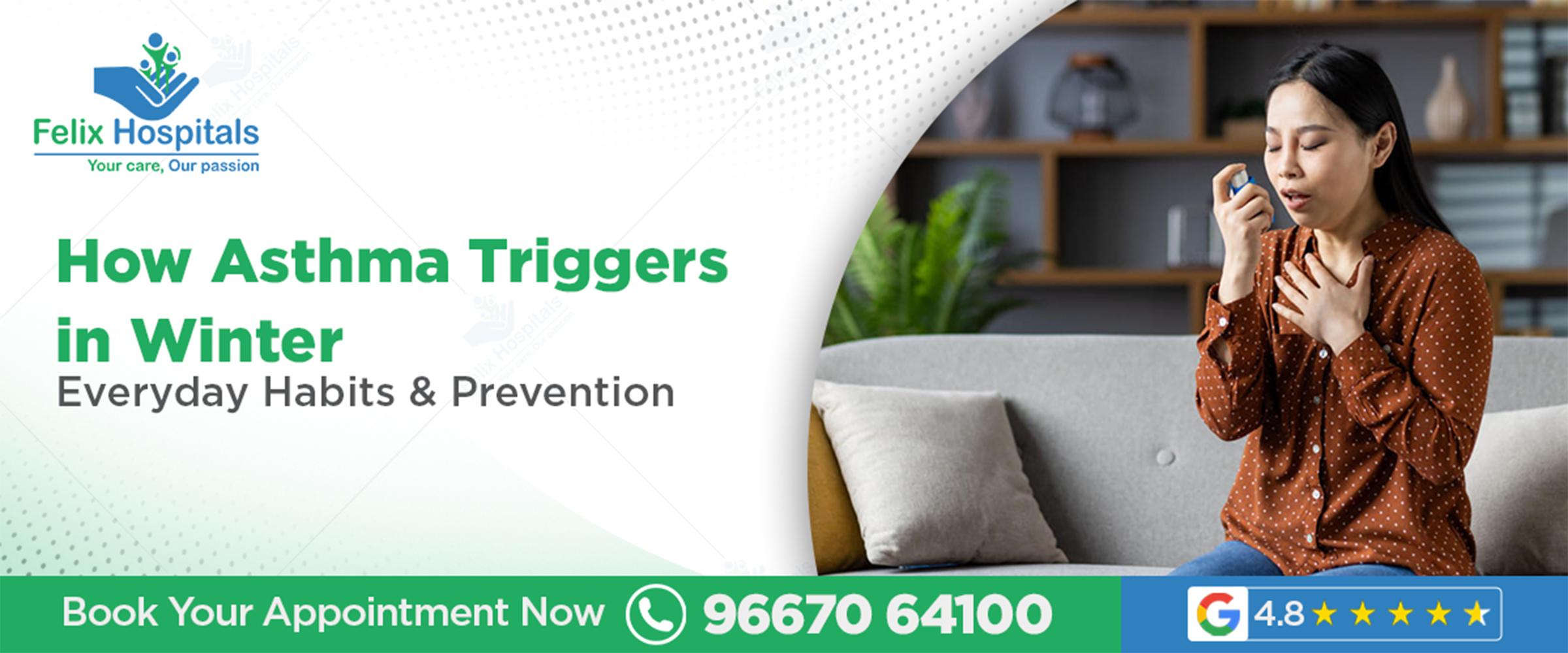
lifestyle changes often worsen breathing problems.It is quite common in many patients to observe that their symptoms are more frequent or severe at this time, so it is best to know what triggers the symptoms and how lifestyle patterns may complicate the situation without their intentions. Indoor allergens, cold air, respiratory infection, and physical lack of activity contribute to the overstrain on already weak airways. Pulomologist In Noida can manage the asthma flare-ups in winter with right prevention measures and management.
Difficulties with seasonal asthma symptoms? Get professional Asthma Treatment In Noida by qualified professionals. Book your consultation +91 9667064100.
To a large percentage of people the symptoms of asthma are aggravated in a predictable manner in winter. Cold air is dry thus irritating airway lining and making breathing more difficult. Moreover, individuals are being more frequently indoors, which is likely to expose them to dust, pet dander, and indoor contaminants. Dust mites in winter tend to multiply indoors, triggering frequent allergy flare-ups and breathing discomfort. All these factors lead to the increased difficulties in symptom control during colder months in case of inadequacy of care and planning.
One of the routinely used causes of winter flare-up is exposure to cold air. Exposure to cold air may cause airways to contract and they may also produce too much mucus which makes one cough, wheeze and get out of breath. This reaction is more pronounced in people with sensitive airways, making asthma in cold weather a serious concern if precautions are not taken. Poor ventilation in winter traps indoor pollutants and allergens, making respiratory problems harder to manage.
A number of these daily winter routines are contributory to asthma attacks. Indoor air respiration that makes it worse is the use of room heaters without ventilation, the burning of incense or firewood inside, and seen closed windows. Weakened immunity due to reduced sunlight and lack of care through physical activity increase the prevalence of respiratory infection. These habits often result in breathing problems in winter asthma, especially when preventive care is neglected.
Typical habits practised in winter that make asthma worse are:
The heating systems lack proper ventilation.
Indoor smoke or odorous perfumes.
Missing normal exercises because of cold.
Lack of concern for early warning signs.
Colds, flu, and seasonal infections are major contributors to asthma triggers in winter. Viral infections cause inflammation of airways making them more sensitive to other triggers. In the case of asthma patients even mild cold can easily transform into acute breathing trouble once it is not acted upon in time. The hygiene prevention of infections, vaccinations and medical attention in time play a crucial role in ensuring the control of asthma during the winter.
Spending extended hours indoors increases exposure to dust mites, mould, and pet allergens, which are significant winter asthma causes. Poor air circulation in closed rooms also means that the allergens are able to accumulate and exacerbate the symptoms eventually. Frequent cleaning, humidity control, and regulation of proper ventilation can go a long way in exposure to indoor allergens and contain asthma symptoms worse in winter.
After the symptoms manifest, many patients lower medications due to a perception of milder effects, a mistake that should not happen in winter in case asthma management is deemed lax. Preventative inhalers and prescribed medicines are very key in ensuring that airways are steady in cold seasons. Regular medication intake helps avoid inflammation and cushions against sudden exacerbation induced by cold weather asthma conditions. Any symptom change is something one must consult a specialist instead of making self-adjustments.
Prevention is based on the principle of inhibiting exposure to triggers and improving respiratory systems. Basic lifestyle modification can greatly reduce winter exacerbation. Understanding asthma in cold weather helps patients prepare and respond proactively rather than reactively.
Some of the important preventive measures are:
Put on your mouth and nose when in cold air.
Maintain a good indoor environment and good ventilation.
Be active physically within the house.
Avoid smoke and strong odors.
In case the symptoms become more frequent or severe in winter, it is necessary to visit healthcare facilities. Visiting a Pulmonologist In Noida is necessary in order to have triggers, medication effectiveness, and lung functioning assessed. Early healthcare advice helps avoid crisis cases and contribute to asthma management in the long term. There should be immediate help in case breathing difficulties become inconvenient during routine activities or sleep.
It is not simply about avoiding cold air but rather can be described as having a regular follow-up care routine in the management of winter asthma attack triggers. The complications are cut by the help of monitoring symptoms, adherence to treatment plans and regular cheque-ups. Availability of quality Asthma Treatment In Noida offered by health professionals is a guarantee that patients get care personalised and subsequent changes in their maintenance schedule, particularly during seasonal alterations.
Spend an easier winter with instructions of a reputed Pulmonologist In Noida. Get in touch with us today by calling +91 9667064100 to be treated to asthma individually.
Winter can be strenuous on asthmatics, but with the knowledge of triggers and prevention measures, it counts a lot. The identification of triggers that cause winter asthma causes and the alteration of everyday routine can help to avoid exacerbations and enhance quality of life. Asthma can be adequately dealt with even in the colder seasons with the necessary precaution, regular medication, and professional help of a Pulmonologist in Noida. Early education and active prevention are the basis of the successful control of asthma in cold weather.
Airways are more sensitive during winter with cold air, infections, and indoor allergens.
Yes: dry and cold air may result in airway narrowing and difficulty with breathing.
When rooms are properly ventilated, and the heaters in a clean and smoke-free condition.
Should changes be done they should only be done after consultation with a specialist.
In case of deterioration of the symptoms, problems with sleep, or overall absence of activity, consult a physician.
Dr. Priyadarshi Jitendra Kumar is an experienced General Practitioner with 20+ years of expertise in diabetes, thyroid disorders, hypertension, and infectious diseases. Recognized as a Best Pulmonologist in Noida, he specializes in respiratory emergencies, sleep disorders, and advanced pulmonology care.

Winter can trigger asthma attacks, but timely treatment in Noida helps prevent breathing problems.
Dr. Priyadarshi Jitender Kumar stands out as a leading expert in diagnosing and treating pulmonary embolism.


Subscribe to our
© Copyright 2026. All Rights Reserved by Felix Healthcare Private Limited
Design and development by :


 +(91)9667064100
 Emergency : +(91)9667064100