 Emergency:
  WhatsApp


Subscribe to our
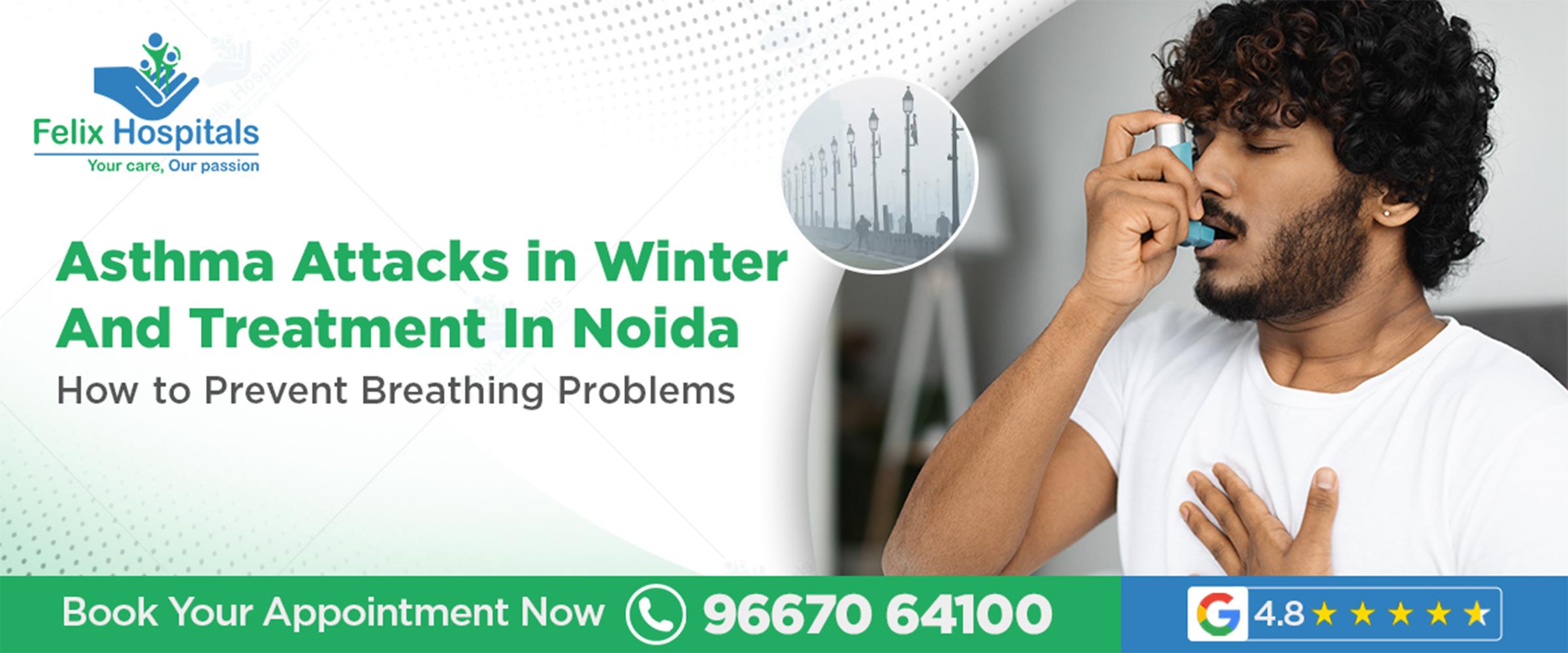
Winter can be a challenging season for individuals with respiratory conditions, especially asthma. Cold air, dry weather, and seasonal infections often exacerbate why asthma worsens in winter, leading to frequent attacks, discomfort, and even hospital visits. Understanding triggers, recognizing early signs, and consulting expert pulmonologists in Noida can help manage asthma effectively and maintain a healthy lifestyle during colder months.
Protect your lungs this winter. Call +91 9667064100 to book a pulmonologist appointment
Asthma is a chronic respiratory condition that inflames and narrows the airways. During winter, certain factors contribute to why asthma worsens in winter:
Cold air causing airway constriction
Dry indoor heating leading to dry airways
Increased prevalence of viral infections like cold and flu
Exposure to indoor allergens such as dust mites and mold
Patients often experience increased coughing, wheezing, shortness of breath, and chest tightness during these months. Awareness of these triggers is crucial for preventing serious attacks.
Identifying early signs of asthma attack is essential to prevent escalation. Common early warning signs include:
Persistent coughing, especially at night or early morning
Wheezing or whistling sound during breathing
Shortness of breath and difficulty speaking in full sentences
Chest tightness or pressure
Fatigue due to inadequate oxygen supply
Early recognition allows timely intervention, reducing the need for emergency treatment and hospitalization. Patients should monitor symptoms closely and maintain regular consultations with an asthma doctor consultation near me for guidance.
Proactive measures can significantly reduce the frequency and severity of winter asthma attacks. Here’s how to prevent asthma attacks in winter:
Use inhalers as prescribed: Maintenance medications help prevent inflammation.
Avoid cold air exposure: Wear scarves or masks outdoors to warm the air before inhalation.
Control indoor air quality: Use humidifiers, air purifiers, and reduce dust accumulation.
Vaccinate: Seasonal flu shots can reduce risk of infection-related attacks.
Follow an asthma action plan: Monitor peak flow readings and keep emergency medications handy.
Implementing these strategies ensures patients experience fewer symptoms and maintain normal daily activities.
Seasonal adjustments can help maintain respiratory health. Winter care tips for asthma patients include:
Stay warm indoors and outdoors: Avoid prolonged exposure to cold environments.
Hydration: Drink warm fluids to keep airways moist.
Nutritional support: Include immunity-boosting foods like fruits, vegetables, and vitamins.
Exercise safely: Option for indoor exercises that do not trigger bronchospasms.
Monitor air quality: Limit outdoor activities during high pollution days or when pollen counts are high.
Following these tips reduces the likelihood of severe asthma exacerbations during the winter months.
Cold weather can trigger cold weather asthma symptoms and treatment needs to be personalized based on the severity:
Mild symptoms: Managed with short-acting bronchodilators and avoiding triggers.
Moderate symptoms: Inhaled corticosteroids, leukotriene modifiers, and regular monitoring.
Severe symptoms: Emergency medical attention with oxygen therapy, nebulization, or hospitalization if necessary.
Consulting a pulmonologist ensures proper medication adjustment, monitoring, and long-term management.
Finding a qualified specialist is critical for managing asthma. A book pulmonologist appointment near me should consider:
Board-certified pulmonologists experienced in seasonal asthma management
Access to pulmonary function tests and advanced diagnostic tools
Availability of emergency care and round-the-clock support
Personalized asthma management plans and patient education
Hospitals in Noida provide comprehensive care with experienced specialists, modern diagnostic facilities, and ongoing follow-up for asthma patients.
Long-term control involves integrating lifestyle measures. Patients can improve outcomes with:
Regular medication adherence and monitoring symptoms
Avoiding exposure to indoor allergens like dust, mold, and pet dander
Maintaining healthy weight to reduce respiratory strain
Ensuring adequate sleep to improve immune function
Planning outdoor activities during warmer parts of the day
These measures complement medical treatment and minimize the risk of acute attacks.
Being prepared for emergencies can save lives. Patients should have a plan for asthma doctor consultation near me including:
A written asthma action plan with clear instructions for different severity levels
Readily available inhalers, spacer devices, or nebulizers
Emergency contacts for doctors and nearby hospitals
Knowledge of early warning signs that require urgent attention
Preparedness ensures that asthma attacks are managed promptly, reducing the risk of severe complications.
Specialized hospitals offer comprehensive care for asthma patients, including:
Advanced pulmonary function testing and imaging
Customized medication management and education
Emergency services for severe attacks
Multidisciplinary approach including nutritionists and physiotherapists for respiratory health
Felix Hospital’s pulmonary department combines expertise, modern facilities, and patient-centered care to help asthma patients manage symptoms effectively during winter.
Don’t compromise on your child or your health this winter. Contact at +91 9667064100 for expert asthma care in Noida.
Asthma patients face increased risks during winter due to cold air, dry conditions, and viral infections. Understanding why asthma worsens in winter, recognizing early signs of an asthma attack, and following preventive strategies are essential for maintaining respiratory health. Consulting a skilled pulmonologist and adopting winter-specific care measures ensures fewer attacks and better quality of life. Hospitals like Felix Hospital provide advanced diagnostic, treatment, and preventive care for asthma patients at the Best Pulmonology Hospital in Noida, helping them breathe easier and live healthier.
Q1: Why do asthma attacks become more frequent in winter?
Ans. Cold air, dry conditions, and increased viral infections exacerbate asthma symptoms during winter months.
Q2: How can I prevent my asthma from worsening in winter?
Ans. Follow an asthma action plan, use inhalers as prescribed, maintain indoor air quality, and avoid cold air exposure.
Q3: What are the early signs of an asthma attack?
Ans. Early signs include wheezing, persistent coughing, shortness of breath, chest tightness, and fatigue.
Q4: When should I consult a pulmonologist for asthma?
Ans. Seek consultation if symptoms increase in frequency or severity, or if over-the-counter medications fail to control attacks.
Q5: Can asthma patients exercise during winter?
Ans. Yes, but it should be moderate and preferably indoors. Avoid cold exposure that may trigger bronchospasms.
Dr. Priyadarshi Jitender Kumar stands out as a leading expert in diagnosing and treating pulmonary embolism.

Overusing asthma inhalers can lead to side effects and worsen your health; proper usage and medical guidance are essential.


Subscribe to our
© Copyright 2026. All Rights Reserved by Felix Healthcare Private Limited
Design and development by :


 +(91)9667064100
 Emergency : +(91)9667064100