 Emergency:
  WhatsApp

Subscribe to our
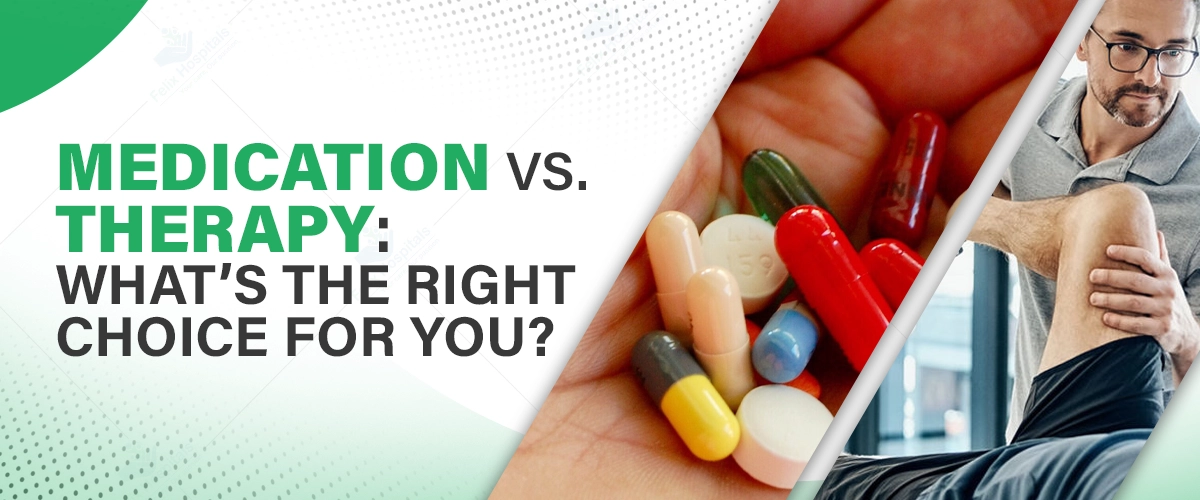
Figuring out how to care for your mental health can feel like standing at a crossroads. If you’re grappling with anxiety, depression, or just feeling off, you might be wondering, do I need medication, therapy, or maybe both? It’s a personal choice, and there’s no one-size-fits-all answer.
Each option has its own strengths, and what clicks for someone else might not be your path. Let’s unpack the differences, weigh the benefits, and help you sort out what feels right with the help of the best psychology hospital in Noida.
At Felix Hospital in Noida, our team is here to guide you—call us at +91 9667064100 to start a conversation about your mental health today.
Medication involves psychiatric drugs, like antidepressants or anti-anxiety pills, prescribed by a psychiatrist to ease symptoms. These meds tweak brain chemicals to help you feel steadier—think of them as a boost to calm the storm inside. They don’t erase the problem but make it easier to cope, helping 60% of patients with severe symptoms.
Therapy, on the other hand, is about talking it out with a trained professional, like a psychologist or counselor. Through approaches like Cognitive Behavioral Therapy (CBT) or talk therapy, you dig into your thoughts, feelings, and habits to build healthier ways to handle life. It’s a journey of self-discovery, with 70% of people reporting better emotional control after regular sessions.
Sometimes, your mind feels like it’s stuck in a fog, and medication can be a lifeline. It’s often the go-to when symptoms hit hard or have a biological root. Here’s when it might be right:
Heavy Symptoms: If depression or anxiety stops you from sleeping, eating, or working, meds can bring relief faster, helping 50% of severe cases within weeks.
Biological Roots: Conditions like bipolar disorder or schizophrenia, tied to brain chemistry, often need meds for stability, critical for 30% of diagnosed patients.
Therapy Isn’t Enough: If you’ve tried counseling but still feel stuck, medication can give you a nudge, boosting progress for 40% of combined treatment cases.
Urgent Needs: For intense panic attacks or suicidal thoughts, meds offer quick stabilization, a must for 10% of at-risk individuals.
Common meds include SSRIs (like sertraline) or short-term anti-anxiety drugs. They can work wonders but may come with side effects like tiredness or nausea, affecting 20% of users, and finding the right dose takes time.
Pros: Fast symptom relief, better focus, essential for serious conditions.
Cons: Possible side effects, doesn’t tackle emotional causes, needs ongoing monitoring.

Therapy’s like a toolbox for your mind, helping you understand why you feel the way you do and how to handle it. It’s a great pick when:
Life’s Stressing You Out: Struggles with relationships, grief, or work pressure respond well to therapy, easing tension for 65% of clients.
You Want Non-Medical Help: If you’re wary of pills, therapy offers a natural way to heal, preferred by 30% of patients.
You’re After Growth: Beyond fixing problems, therapy builds self-awareness and communication skills, benefiting 50% of participants.
Symptoms Are Manageable: Mild anxiety or mood swings often improve with therapy alone, effective for 60% of moderate cases. Therapists use tools like journaling, mindfulness, or role-playing to fit your needs, creating a safe space to grow.
Pros: No side effects, builds lasting skills, tackles root causes, boosts self-understanding.
Cons: Takes time, may not suffice for severe cases, finding the right therapist can be tricky.
For many, pairing medication and therapy is like a one-two punch that works better together. Studies show 75% of people with conditions like depression or PTSD see faster, longer-lasting results with both. Meds can lift the fog so you can focus on therapy, while therapy teaches you skills to eventually rely less on pills. About 40% of patients at Felix Hospital opt for this combo, finding balance and hope.
Picking between medication, therapy, or both starts with asking yourself a few things:
How bad are my symptoms? Can I function day-to-day?
Have I tried one option before? What worked or didn’t?
Do I lean toward meds or talking things out?
Can I access a therapist or psychiatrist easily?
Am I after quick relief or long-term tools?
There’s no wrong choice—you can start with one and adjust later. A mental health pro can help you map it out, ensuring 80% of patients feel clearer after a consultation.
At Felix Hospital, we know mental health decisions aren’t easy. Our expert team, including:
offers compassionate, evidence-based care. Based in Sector 137, Noida, we provide:
Our NABH-accredited hospital is a trusted space to start your journey, with costs starting at ₹800 per session and insurance options for many.
Both medication and therapy offer unique benefits in managing mental health, and neither is inherently better than the other. The right choice depends on your individual needs, the severity of your symptoms, and your personal preferences. While medication can provide quicker relief, therapy helps build lasting emotional resilience. For many, a combination of both yields the most effective results with guidance from some of the female psychiatrist near me in noida.
The key is to remain open-minded and patient as you explore what works best for you. Mental health care is not a one-size-fits-all journey—it’s about progress, not perfection. Remember, seeking support is a powerful step toward healing and self-growth.
Q1. What is the main difference between medication and therapy for mental health?
Ans: Medication helps manage chemical imbalances in the brain, while therapy focuses on emotional, behavioral, and psychological patterns. Both can be effective depending on the condition.
Q2. How do I know if I need medication or therapy?
A: If symptoms are severe, persistent, or affect daily functioning, a psychiatrist may recommend medication. For emotional stress, relationship issues, anxiety, or life challenges, therapy may be the first step.
Q3. Can medication and therapy be used together?
A: Yes, combining both is often the most effective approach, especially for depression, anxiety disorders, bipolar disorder, and PTSD.
Q4. Is therapy effective without medication?
A: Yes. Many people improve through therapy alone, especially for mild to moderate anxiety, stress, adjustment issues, and relationship problems.
Q5. Are psychiatric medications safe?
A: Most medications are safe when taken under the supervision of a qualified psychiatrist. Regular follow-ups help manage any side effects.
Q6. How long does it take for medication to work?
A: Antidepressants and anti-anxiety medications typically start showing results within 2–6 weeks. Response time varies by individual and medication type.

Explore the differences between psychotherapy and counseling to find the right path for your mental wellness. Understand their approaches and how they can help.
Discover effective anger management techniques to enhance emotional well-being, reduce stress, and improve relationships. Take control of your emotions today
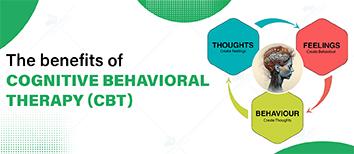
Cognitive Behavioral Therapy (CBT) is a widely recognized and effective form of psychotherapy that focuses on changing negative thought patterns and behaviors that contribute to emotional distress.
Struggling with suicidal thoughts can feel overwhelming, but support is available. Learn effective coping strategies, recognize warning signs, and find the right mental health help when you need it most.

Subscribe to our
© Copyright 2026. All Rights Reserved by Felix Healthcare Private Limited
Design and development by :


 +(91)9667064100
 Emergency : +(91)9667064100